
Introduction to the Art of Outdoor Landscape Lighting
The Brilliance of LED Lighting in Outdoor Landscaping
The advent of light-emitting diodes has revolutionized outdoor landscape lighting, injecting a level of finesse, efficiency, and longevity that was previously unattainable with traditional lighting sources. LEDs are semiconductors that emit photons (light) when an electric current passes through them, a phenomenon known as electroluminescence.
The brilliance of LED lighting lies not only in its technical prowess but also in its versatility and adaptability to various lighting conditions. In the domain of outdoor landscape lighting, LEDs have demonstrated unparalleled superiority.
Their compact size and directional light emission make them ideal for accentuating architectural features, highlighting landscape elements, or creating visually engaging atmospheres. Additionally, they offer a broad spectrum of colors and intensity levels, allowing for creative flexibility in design.
A Primer on LED’s Significance in Outdoor Landscape Lighting
The selection of appropriate LED wattage is a critical factor that influences both the functionality and aesthetics of your outdoor landscape lighting. The correct wattage not only ensures adequate lighting for safety but also enhances the beauty and ambiance of your exterior space at night.
Outdoor landscape lighting serves multiple purposes: it increases visibility for safe navigation after dark; it secures your property by deterring potential intruders; it highlights architectural features and landscaping elements; and it creates an inviting atmosphere for late-night socializing outdoors.
And at the heart of this multi-functionality lies the humble yet powerful LED light bulb. Choosing LEDs over traditional bulbs offers numerous advantages, including greater energy efficiency – important for environmental sustainability – and longer lifespan – meaning fewer replacements and less maintenance inconvenience over time.
Guiding Lights: Navigating through the World of LED Wattages
This guide aims to delve into the world of LED wattage in the realm of outdoor landscape lighting. It is intended to equip you with knowledge and understanding to make informed decisions when selecting lighting for your landscaping needs.

We will explore various factors that influence the choice of wattage, such as the size and layout of your outdoor space, the intrinsic purpose of your landscape lighting – whether it’s primarily for security, aesthetics, or functionality – and the specific areas you wish to illuminate. Moreover, we will delve into methods on how to calculate required wattage accurately for your landscape lighting needs and provide energy efficiency tips that can help you save on power consumption without compromising light quality.
A Journey into Brilliance
The ultimate goal of this guide is not merely to tell you what wattage to choose but rather to empower you with comprehensive knowledge on LED wattages so that it becomes an intuitive part of your thought process when considering outdoor landscape lighting solutions.
So regardless if you are a homeowner looking to enhance visual appeal, a business owner seeking to create an inviting exterior atmosphere, or a professional landscaper aiming for optimal lighting design, it is our hope that this guide lights your path towards achieving perfect harmony between light intensity, energy efficiency, and aesthetic appeal in outdoor landscape lighting.
Demystifying the Luminous World of LED Lighting
LED, an acronym for light-emitting diode, is a semiconductor light source that produces light through a process known as electroluminescence. When electrical energy is applied to the diode, electrons are excited and move to release photons – particles of light. This mechanism gives LED lighting its distinct characteristics and advantages over conventional light bulbs.
The operation of LED lights differs remarkably from traditional incandescent or fluorescent bulbs. In traditional bulbs, electric current passes through a wire filament, heating it until it starts to glow. On the other hand, in an LED lamp, current passes through a semiconductor material – no filament gets hot. This unique operational principle makes LEDs more efficient and durable than their counterparts.
Flicking on the Switch: The Advantages of LEDs over Traditional Bulbs
When debating the merits of LED lights versus traditional bulbs, several compelling arguments tip the scale towards LEDs. First among them is energy efficiency. LEDs use about 50% less electricity than traditional incandescent, halogen, or fluorescent lights. Their increased efficiency means less energy is wasted in heat and more converted into light, resulting in reduced electricity costs.
Another profound advantage lies in their longevity. Unlike incandescent lighting, which fails when filaments break down after heated usage, LEDs don’t have this problem because they don’t rely on heating filaments to produce light – they simply degrade over time, producing fewer lumens, which translates into a longer lifespan, often exceeding 50,000 hours compared to around 1,200 hours for an incandescent bulb.
Environmentally speaking too, LEDs hold the higher ground against conventional lighting solutions due to their green credentials: they are made from non-toxic materials unlike compact fluorescent lighting (CFL) that uses mercury, which may pose hazardous waste complications; they have better quality light, causing less eye strain; and their longevity implies reduced production demands and waste generation.
Shedding Light on LED Wattage
In the physics of light, wattage is a measure of electrical power. In traditional bulbs, wattage was synonymous with brightness: higher watts meant brighter light. However, when it comes to LEDs, this principle takes a twist.
For LEDs, lower wattage does not equate to dimmer light – it simply means less energy to produce the same amount of light as incandescent lamps. This is because LEDs are far more efficient at converting electricity into light.
For instance, a 9-watt LED bulb can easily match the brightness of a 60-watt incandescent bulb. This discrepancy underscores the importance of understanding how wattage works in relation to LED lighting – it’s not about how much power your bulb consumes (watt), but rather about how much light it produces (lumen).
Thus, choosing LED lights requires considering the desired brightness (measured in lumens), power consumption (watts), and color temperature for the best results. This understanding forms the bedrock for determining what wattage is most suitable for outdoor landscape lighting purposes – an exploration we’ll embark upon in subsequent sections.
Factors Influencing the Choice of Wattage for Outdoor Landscape Lighting
The Impact of Size and Layout
The size and layout of your outdoor space play a pivotal role in determining the most appropriate LED wattage for your landscape. Like an artist contemplating a blank canvas, it is essential to visualize the totality of the space, taking into account its dimensions.
An expansive garden would necessitate higher wattage LEDs, ensuring adequate coverage and illumination, while smaller spaces might require lower wattage bulbs to avoid an overbearing glow.

Furthermore, consider the physical characteristics and topography of your landscaped area. Is it flat, or does it have multiple levels? Are there large trees or structures that might cast shadows or require additional lighting? A hilly terrain with numerous obstructions may need more powerful lighting compared to a flat lawn with few trees.
Note that uniformity in lighting is not always desirable. Intricate landscapes can benefit from the strategic placement of varied wattages, cultivating an interplay between light and shadow that brings depth and drama to your landscape.
Purpose-Driven Lighting: Aesthetics, Functionality, Security
What do you wish to achieve with your outdoor landscape lighting? Understanding this will significantly influence your choice of LED wattage.
If security is a primary concern, higher-wattage LEDs would be suitable around entrances and dark corners to deter potential intruders. However, balance is crucial; overly bright lights can create harsh shadows where trespassers could hide.
On the other hand, if aesthetics guide your decision-making process more than security considerations – think softly lit pathways leading to a meticulously maintained flowerbed – lower-wattage LEDs would be ideal as they create ambient lighting without overpowering natural beauty.
Functionality should also be considered when choosing LED wattage for landscape lighting. If you often host evening barbecues on the patio or have late-night swim sessions, higher-wattage lights would improve visibility and ensure safety.
Lighting Specific Areas: Walkways, Garden Features, Patios
Each specific area within your outdoors requires its unique consideration when selecting LED wattage. Walkways, for instance, need to be well-lit to prevent accidents – low-to-medium wattage LEDs often suffice here. Placement is key: try installing lights at intervals along the path rather than flooding the entire walkway with luminescence.
Garden features like gazebos, statues, or water bodies can be accentuated using spotlight LEDs of varying wattages based on the feature’s size and importance. Experimenting with softer or stronger lighting will help you determine what best enhances the beauty of these features without overshadowing other elements in your landscape.
Patios are often hubs of outdoor activity; thus they require functional yet calming lighting. Medium-wattage LEDs work well for general patio lighting. Consider incorporating lower-watt LEDs around seating areas to create a relaxed ambiance for your guests.
Understanding these factors and striking a balance between them is critical when deciding on the optimal LED wattage for your outdoor landscape lighting. The goal should always be to marry aesthetics with functionality while maintaining an overall harmony across your outdoor space.
Optimal LED Wattage for Outdoor Landscape Lighting
Determining the Best Wattage for Different Outdoor Areas
The Enchantment of Low-Wattage LED Lighting (1-5 watts)
An outdoor landscape possesses a myriad of small but significant elements that bring it to life. These would include small garden features and pathways. For such areas, low-wattage LED lighting, specifically in the range of 1-5 watts, would be suitable. This lighting level provides just enough light to highlight these features without overwhelming them.

Low-wattage LED lighting is like the subtle whisper in a sonnet, gently accentuating the details while fostering an intimate and welcoming ambiance. It also serves well for marking out pathways, providing sufficient visibility for navigation without creating an overpowering glare.
However, as beneficial as low-wattage LED lighting may be, it does have its own set of limitations. Given its modest strength, it might not provide adequate lighting for larger features or areas that demand more visibility. Also, its relatively lower brightness levels may not be as effective at deterring potential intruders if security is a key concern.
The Versatility of Medium-Wattage LED Lighting (6-10 watts)
When we step up towards lighting larger garden features and driveways – an area where conspicuousness can play a critical role – the medium wattage range from 6 to 10 watts comes into the limelight. This category strikes an adroit balance between subtlety and prominence, thereby providing ample lighting without sacrificing the aesthetic appeal.
The charm of medium-wattage LED lighting lies in its capacity to cast shadows that add depth to the scenery yet maintain an element of mystery. Moreover, they provide sufficient safety for driveways by ensuring clear visibility without causing any discomfort due to excessive brightness.
Nevertheless, there exists a caveat with medium-wattage LED lighting too – it may not suffice for particularly expansive spaces or if you’re aiming at illuminating sky-piercing trees or building exteriors. Furthermore, their higher energy consumption compared to low-wattage lights can also be a concern if energy efficiency is a priority.
The Brilliance of High-Wattage LED Lighting (11-15 Watts or More)
We arrive at high-wattage LED lighting, in the region of 11-15 watts and above. This is where monumental garden features like towering trees and the exteriors of buildings get to bask in all their glory. Such high-wattage fixtures are designed to flood large spaces with light, making them visible from great distances.
These luminous beacons add an impressive dimension to the landscape by highlighting architectural details with precision. Moreover, they contribute significantly towards security by deterring potential intruders with their extensive reach and brightness.
However, their brilliance comes with its own set of strings attached – the most significant one being energy consumption. High-wattage LED lights consume more electricity and can inflate energy bills considerably if used excessively. They also require careful positioning, as improperly placed high-intensity lights can cause discomfort due to glare or light pollution.
Calculating Required Wattage for Your Landscape Lighting Needs
Deciphering the Luminary Language of Landscapes: A Simple Calculation Method
Lighting your outdoor spaces requires more than just choosing beautiful fixtures; it also entails understanding the power that fuels them. Whether you’re highlighting a tranquil garden or ensuring safety along a shadowy walkway, the wattage of your LED lights plays an instrumental role.
To determine the required wattage for your landscape lighting, start by assessing the area size and its primary purpose. If you’re lighting small features such as flower beds or shrubbery, lower-wattage LED lights between 1-5 watts would be most suitable. These generate a delicate glow and are energy efficient.
Alternatively, medium-sized areas like driveways or patios warrant medium-watt LED lights (6-10 watts). These provide ample lighting without being unnecessarily intense.
For vast spaces requiring robust lighting – large trees or building exteriors – high-wattage LED lights (11-15 watts or more) are recommended. Bear in mind that each light doesn’t have to be high-powered to create impact; rather, many low-watt lights can collectively produce a dramatic effect while conserving energy.
It’s also important to consider light spread when deciding on wattage. A wider beam spread may enable you to use fewer lamps with higher lumens per fixture while achieving good overall coverage.
Navigating through Numbers: Tools for Calculating Lighting Wattages
While basic calculation methods provide guidance in determining necessary LED wattages, there are tools available that can further streamline this process. Online calculators offer user-friendly interfaces where you can input parameters like area size and desired brightness level – these then suggest appropriate total LED wattage based on industry standards.
Apps with augmented reality features allow users to virtually place different types of lights with varied wattages within their outdoor spaces, providing a visual representation of potential lighting scenarios. This interactive approach can greatly assist in determining how many watts are needed for your specific landscape lighting requirements. Moreover, consulting with a professional can be immensely beneficial.
A certified lighting designer or landscape architect possesses the knowledge and expertise to accurately calculate wattage requirements, taking into account factors such as ambient light, surface reflections, and the natural proliferation of shadows. Remember that while wattage is key in determining brightness and power consumption, it’s not the sole consideration when planning your outdoor landscape lighting.
The color temperature, beam angle, and the quality of light should also factor into your decision-making process. Calculating required wattage for your landscape lighting doesn’t have to be an arduous process – it can actually be quite enlightening when you understand what’s behind those numbers.
Energy Efficiency Tips for Outdoor Landscape Lighting
The Prudence of Proper Planning
The first crucial step to achieving energy-efficient landscape lighting is thorough planning. Before installing a light source, aim to understand the specific lighting needs of every corner of your outdoor space. Strategic placement of lights can illuminate large areas with fewer fixtures, thus reducing the total wattage requirement.
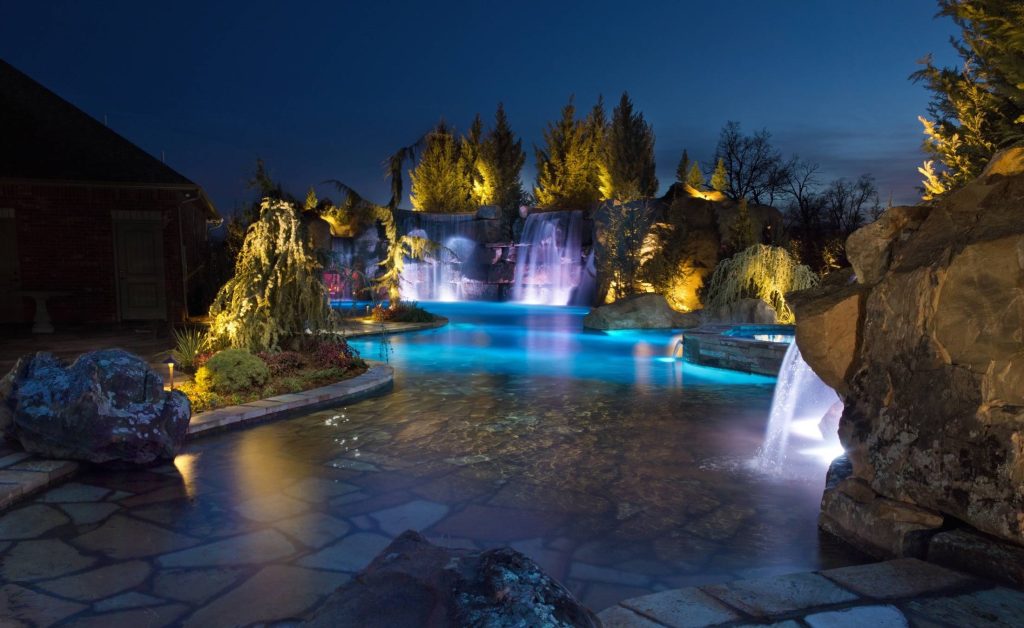
Optimal Use of LED Technology
LED technology itself is a splendid way to ensure energy efficiency in your outdoor landscape lighting. The cutting-edge LED lights consume significantly less power than their traditional counterparts while providing comparable, if not superior, brightness and coverage. Just remember that lower wattage does not necessarily mean less light; it merely indicates lower power consumption.
Smart Dimming and Motion Sensing
Another tip for boosting energy efficiency is the use of dimming controls and motion sensors. Dimmers allow you to adjust the intensity of light based on your need, meaning you don’t always have to operate at peak wattage. Motion sensors ensure lights are only on when activity is detected, therefore saving significant amounts of energy over time.
The Role of Timers in Energy Conservation
Automated Control with Timers
Introducing timers into your outdoor landscape setup can empower you with automated control over when your lights turn on and off. You can set schedules based on common activities or even align them with sunrise and sunset times, ensuring no unnecessary power usage during daylight hours.
Nighttime-Only Operation & Adjustable Settings
Ensure that your outdoor lights function during nighttime only, as there’s usually no need for them during broad daylight hours unless necessitated by weather conditions or specific events. With advanced timers, you can adapt these settings as needed, further promoting energy conservation.
Conclusion: What is the Best LED Wattage for Outdoor Landscape Lighting?
The path to achieving optimal wattage for your outdoor landscape lighting might involve some trial and error, but with a dash of patience and the right knowledge, the results can be immensely rewarding. Not only can it enhance the aesthetic appeal of your space, but it can also contribute significantly towards energy efficiency.
Consider that using LED lights, understanding your specific lighting needs, leveraging dimmers and motion sensors effectively, and incorporating timers into your setup are all pivotal steps in creating an energy-efficient outdoor lighting system. So go forth and light up, knowing that you are making a choice that’s good for both your aesthetics and the environment.
You may also be interested in the following posts: