
When Light Becomes Life: The Role of Lighting in Plant Growth
The miracle of plant growth, a seemingly common everyday occurrence, is an intricate dance of nature’s elements harmoniously working together. Central to this symphony is light, without which the grand spectacle of photosynthesis would be but a far-fetched dream. In this dazzling performance, light takes center stage as the primary source of energy that plants utilize to convert carbon dioxide from our environment into life-giving oxygen.
Besides providing energy, light helps plants grow and develop. It influences various processes such as germination, flowering, fruiting, and even their circadian rhythms – akin to how our biological clock operates. Consequently, understanding and manipulating light can reap bountiful harvests or spell doom for an entire crop.
LED Lights: A Beacon in Indoor Gardening
In recent years, with the advent of indoor gardening and hydroponics systems, LED lights have emerged as a vital player. While sunlight has been the traditional source for outdoor cultivation since time immemorial, it is not always feasible indoors.
This is where LED (light-emitting diodes) lights come into play. They provide a reliable substitute that mimics sunlight’s beneficial properties while eschewing its potentially harmful elements. LED lights offer several advantages over conventional lighting systems such as incandescent lamps or compact fluorescents (CFLs).
They are more energy-efficient, generate less heat, thereby minimizing damage to plants due to overheating or burning, and offer customizable light spectrums suited for different plant growth stages – features that have cemented their standing among gardeners everywhere.
The Power Game: The Importance of 2000-watt LED Lights
In this context, where indoor gardening meets modern technology, steps in one particular contender – the 2000-watt LED light. This high-powered lighting system is not just a fancy gadget but a practical tool that can dramatically impact plant growth.
A 2000-watt LED light replicates the intensity of sunlight on a sunny day, providing optimum light conditions that spur plants into faster, healthier growth. It can cover larger growing areas and penetrate deeper into plant canopies, reaching those otherwise shaded parts, fueling more photosynthesis and in turn promoting better yields.

The power of the 2000-watt LED light is paramount in regulating many of the plant’s life stages, from seed germination to fruit production. However, like all good things, it must be used judiciously, for while light is vital for plants, too much or too close proximity can cause more harm than good.
Hence arises the question: how far should a 2000-watt LED light be from the plants? As we delve further into this post, this query will be at the heart of our discussion.
Understanding Light Requirements for Plants
The Eloquent Dance of Photosynthesis: A Ballet of Light and Life
The process of photosynthesis, the very cornerstone of a plant’s existence, is an intricate dance with light as its leading partner. Photosynthesis is a biochemical process that plants, algae, and some bacteria use to convert light energy, usually from the sun, into chemical energy in the form of glucose or sugars. These sugars provide the necessary fuel that plants need to grow.
Photosynthesis involves two stages: the light-dependent reactions, which occur in the thylakoid membranes, and the Calvin cycle, which takes place in the stroma. During light-dependent reactions, chlorophyll absorbs photons from sunlight and uses this energy to split water molecules into oxygen (which is released) and hydrogen ions. These hydrogen ions are then used in producing ATP (adenosine triphosphate), which acts as an energy source for many metabolic processes.
In essence, without light, there can be no life-giving photosynthesis. This illustrates just how critical understanding a plant’s light needs truly is when cultivating healthy growth.
A Lighting Spectrum: Natural Sunlight vs Artificial Lighting
For plants growing in their natural habitat under open skies, sunlight provides all the necessary spectrums required for photosynthesis. Sunlight contains a blend of different wavelengths, including ultraviolet light (UV), visible light (which our eyes perceive as different colors), and infrared radiation (IR). Each wavelength impacts plant growth differently; for instance, blue wavelengths foster vegetative growth while red ones encourage flowering.
However, indoor gardening presents unique challenges as we must replicate this spectrum artificially. This brings us to artificial lighting, which provides alternatives like fluorescent lights, high-intensity discharge lights (HID), and light-emitting diodes (LED). Fluorescent lights are often used for propagation and the early stages of plant life due to their cool operating temperature and wide light spectrum.
HID lights, including metal halide (MH) and high-pressure sodium (HPS), have long been used in indoor horticulture due to their intense light output. However, they produce a significant amount of heat, which requires additional ventilation and can lead to a higher risk of plant burn.
LED lights are rapidly gaining popularity for their energy efficiency, longevity, and ability to produce a full spectrum of light. This means an LED system can provide all the necessary wavelengths needed for photosynthesis.
Decoding Light: The Concept of PAR in Plants
In the realm of plant growth and lighting systems, you’ll often hear the term photosynthetically active radiation, or PAR. This refers to the spectrum (400–700 nm) of sunlight that is useful for plants in driving photosynthesis – essentially, it’s the “usable” part of the light spectrum for plants.
Important metrics related to PAR include PPFD (photosynthetic photon flux density), which measures how much usable light reaches your plants every second; DLI (daily light integral), which measures how much usable light your plants receive each day; and photoperiodism, which is about understanding how long your plants need exposure to light each day. A thorough understanding of these concepts allows us to optimize our artificial lighting setup by ensuring our plants receive both the correct quality (spectrum) and quantity (intensity over time) of light they require at different stages during their life cycle.
Deep Dive into LED Lights
A Comprehensive Examination of the 2000-watt LED Light
A 2000-watt LED light, as its name suggests, denotes an artificial light source that utilizes approximately 2000 watts of energy. However, in actuality, this figure is often symbolic. The power consumption of these lights is far less – usually around 400 watts – while still delivering the equivalent light output of a traditional 2000-watt non-LED option.
This notable difference can create confusion but also underscores the sophisticated efficiency intrinsic to this class of lighting. The technological underpinning of a 2000-watt LED light involves an array of compact diodes that emit precise wavelengths of light when an electrical current passes through them.
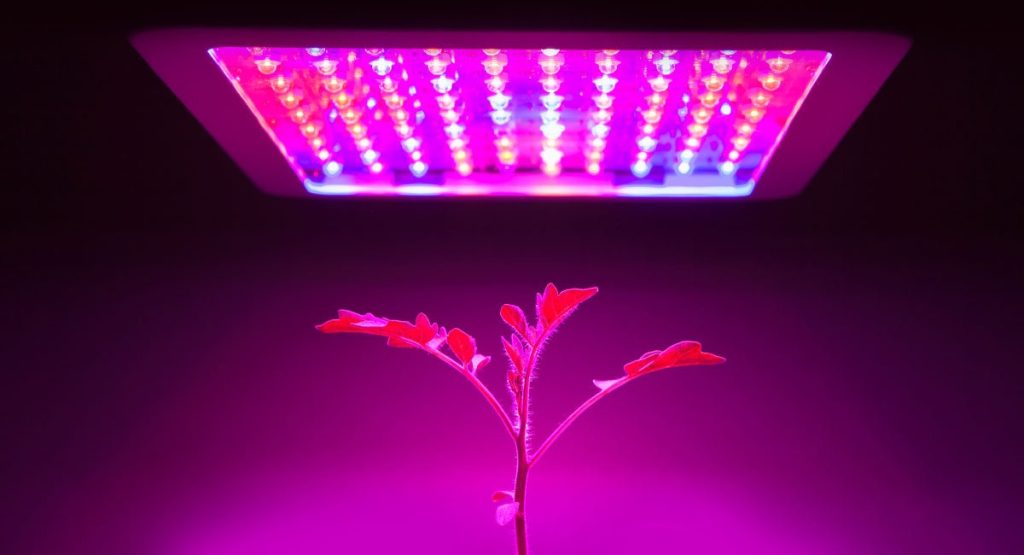
The spectrum delivered by such lights typically straddles both ends: from ultraviolet to infrared, mimicking as closely as possible the natural solar spectrum beneficial for plant growth. These high-powered LEDs feature adjustable intensity settings and often come with cooling mechanisms such as heat sinks or fans.
This is crucial in preventing excessive thermal output, which could potentially harm plants, and ensures safe operation even at peak performance. Moreover, they are designed to be durable, with some models lasting for over 50,000 hours before their luminosity decreases noticeably.
This equates to several years worth of use before replacement becomes necessary – a lifespan that far outstrips most other types of garden lighting. These lights are versatile in their application and can be used in any indoor setup – from small personal gardens to commercial greenhouses – underscoring their adaptability across diverse horticultural needs.
Advantages over Other Lighting Systems
One key advantage that a 2000-watt LED holds over traditional alternatives lies in its energy efficiency. The wattage is more a measure of the light output than actual energy consumption, meaning these LEDs use significantly less power to produce similar or superior light levels compared to other types such as high-intensity discharge (HID) or compact fluorescent lights (CFL).
They also provide flexibility via adjustable spectrum and intensity controls, allowing growers to fine-tune the light conditions based on different plant species and growth stages. This level of customization is not usually found in non-LED systems.
Additionally, LED lights generate significantly less heat relative to their luminous output. This signifies that they can be placed closer to plants without risk of thermal damage – a crucial consideration in tightly controlled indoor environments. The longevity of LED lights also outmatches traditional alternatives.
A longer lifespan means reduced replacement costs over time, making them a cost-effective option for long-term use. The compact form factor and lightweight design make 2000-watt LED lights an easily installable choice for indoor gardens with limited space.
Impact on Photosynthesis and Plant Growth
Light is one of the principal drivers of photosynthesis – the process by which plants synthesize nutrients from carbon dioxide and water. A 2000-watt LED light ensures that this critical process proceeds optimally by delivering an abundance of usable light for plants, termed photosynthetically active radiation (PAR).
These LEDs emit a broad spectrum, which includes vital red and blue ranges that contribute significantly to photosynthetic activity. The red light stimulates leaf expansion and flowering, while the blue light promotes stem growth and foliage development; together, they foster robust plant growth across all stages.
Moreover, sophisticated models come equipped with adjustable wavelength controls, enabling growers to tailor the spectral output based on specific plant needs at various growth stages – from seed germination to flowering and fruiting.
With less heat emission, a 2000-watt LED minimizes the risk of plant burn or dehydration. This means that they can be positioned closer to plants, providing intense light without compromising plant health, which in turn enhances photosynthetic efficiency.
High-performance LEDs can support extended periods of lighting owing to their durability and lower energy consumption. This is beneficial for species that thrive under long photoperiods and ensures uninterrupted photosynthetic activity during growth periods.
A Dance of Light and Life: The Ideal Distance between a 2000-watt LED Light and Plants
Determining the ideal distance between a 2000-watt LED light and plants is not an arbitrary decision. In fact, it requires careful consideration based on several factors to ensure optimal plant growth. It’s akin to conducting a choreographed dance, with the grower delicately balancing the intensity of light in tune with the plant’s needs.
Plants Speak in Spectrums: Understanding Individual Plant Species’ Light Needs
Every plant species has its individual light needs reflected in its natural habitat. Some are tailored for full sunlight exposure, while others thrive in shaded areas or diffused light. For instance, succulents or cacti may revel under intense lighting conditions, but ferns or orchids may languish.
A 2000-watt LED can accommodate these varying needs by adjusting its distance from the plant canopy as necessary. Understanding these nuances of each plant species plays a pivotal role while setting up indoor garden lighting systems.
Growth Stage Lighting: How It Influences Plant Development
The growth stage of the plant also influences how much light it requires. As plants switch gears from seedling to vegetative and finally to flowering stage, their dietary demands change; this includes light intake as well. Initially, seedlings require softer lights compared to mature plants, which can handle high-intensity lights without any harm.
Seedling Stage: Guiding Infantile Plants through Light
In their embryonic stage, seedlings are delicate and cannot bear high-intensity lights directly beamed at them. With a 2000-watt LED system, maintain a safe distance of around 24-36 inches from seedlings during this nascent phase to prevent burning or wilting.

Vegetative Stage: Fueling Growth with Adjusted Lighting
As seedlings graduate to the vegetative stage, they can handle increased light intensity. Thus, the grower can gradually decrease the distance between plants and the LED system. During this stage, a range of 15–24 inches would be ideal for most plant species to benefit from optimal photosynthesis without any risk of light burn.
Flowering Stage: Lighting Pathways for Reproduction
During the flowering phase, plants are at their most mature stage and have developed a resilience towards intense lights. The grower can further reduce the LED system’s gap to about 12–19 inches – close enough to ensure maximum light absorption but far enough to prevent overheating or burns. This journey elucidates that while a 2000-watt LED system is powerful, its effectiveness is determined by how well we respond to individual plant needs – making every indoor garden a unique dance of light and life.
Case Studies: Real-life Examples & Experiments
Illustrating the Efficacy: Varied Distances and Distinctive Plants
The realm of indoor gardening is brimming with enthusiasts tirelessly experimenting to optimize plant growth. A fascinating case study that underscores this involves varying distances between 2000-watt LED lights and diverse types of plants.
The plants were selected based on their different light intensities needs – lettuce, tomato, and cannabis. Lettuce, a cool-weather crop, generally requires less light intensity compared to other species. When placed 24 inches from the LED light source, they thrived spectacularly – displaying vibrant green hues and sturdy leaves. As the distance was reduced to 18 inches, slight leaf burn was observed – an indication of excessive light intensity.
Tomatoes, being sun-loving plants with high light requirements, showed a different reaction pattern. They thrived better when placed 18 inches away from the LED source rather than 24 inches, showcasing lush growth and early flowering – a testament to their sun-drenched natural habitat’s replication.
Cannabis – regarded as a high-light plant like tomatoes – exhibited interesting results too. They flourished under more intense lighting conditions when positioned at around 15 inches from the LED source during the latter stages of growth.
However, at an earlier vegetative stage, even cannabis indicated signs of stress when subjected to such intensity. This case study emphatically demonstrates that knowing your plant’s specific light requirements can significantly influence how far you should place your 2000-watt LED lights from your plants for optimal growth.
A Comparative Study: Prescribed Distances versus Actual Practice
Moving deeper into our exploration of proper lighting provisions for indoor gardening brings us to another intriguing case study featuring microgreens – plants that require less intense light. This experiment aimed to compare the results of adhering strictly to prescribed LED light distances versus a more experimental approach based on the plants’ observable responses.
The prescribed distance for microgreens under a 2000-watt LED light is typically 24 inches. When strictly adhered to, this distance led to satisfactory growth, with the plants showcasing adequate green coloration and satisfactory leaf development. However, some growers noticed that the plants were not as robust as they could be and experimented by reducing the distance gradually.
When the lights were placed at an experimental distance of 18 inches away from these microgreens, noticeable improvements in growth vigor and leaf density were observed without any adverse effects such as leaf burn – indicating that a lesser distance was more beneficial for this plant type despite conventional wisdom. This illuminates an important aspect of indoor gardening: while general guidelines can provide a useful starting point, it is often through keen observation and adaptive experimentation that one can truly optimize plant growth conditions.
What works best for your specific circumstances may deviate slightly from standard recommendations. The key takeaway here is not to fear experimentation after understanding your plants’ needs – it can lead to unexpected but welcome results!
Potential Risks & Solutions When Using a High Wattage Light
On the Periphery of Phototoxicity
Excessive illumination from high-wattage LED lights, such as those emitting 2000 watts, can cause phototoxicity in plants. This condition arises when the rate of light absorption surpasses the plant’s capacity to utilize it for photosynthesis. The surplus energy may generate reactive oxygen species, leading to cellular damage and impaired growth.
The Overheating Hazard
Moreover, despite being more efficient than conventional lighting systems, 2000-watt LED lights still emit heat. In confined and poorly ventilated spaces, this can potentially lead to overheating – causing wilting or even burning of the plants.
Untangling the Light Intensity Dilemma
One might argue that high light intensity enhances photosynthetic productivity. Nevertheless, each plant species has a saturation point beyond which additional light serves no further benefit but instead stresses the plant.
Avoiding Phototoxicity and Overheating
The best way to prevent phototoxicity and overheating is by maintaining an optimal distance between your plants and the LED light. This distance will be contingent upon factors like ambient temperature, air circulation within your grow space, and an individual plant’s tolerance to high-intensity lighting.
Calibrating Your Lighting System
For precise control over lighting conditions, consider integrating dimmable drivers or automated controllers into your setup. They allow for adjustments in light intensity according to varying needs at different growth stages without changing the lamp-to-plant distance frequently.
Conclusion: How Far Should a 2000-watt LED Light Be From the Plants?
Ultimately, understanding how far a 2000-watt LED light should be from plants is no less than threading a needle – it requires an exquisite blend of science and artistry. As we have seen, the optimal distance is influenced by many variables and can significantly impact a plant’s health and productivity. However, with careful observation and adjustment, you can create an environment tailored to your plant’s specific needs – unlocking their potential to flourish.
It might seem daunting initially, but the reward of a successful harvest will be well worth the effort. So here’s to embracing the challenge, lighting up the indoor garden adequately, and reaping bountiful rewards!
You may also be interested in the following posts: