
Luminous Enlightenment: An Analysis of Natural and Artificial Light in Plant Cultivation
The prodigious world of plant cultivation has found itself standing at the intersection of nature’s raw beauty and mankind’s relentless pursuit of technological innovation. One such area where this crossroad becomes profoundly apparent is in the understanding, utilization, and comparison between sunlight and grow lights as sources of illumination for plant growth.
Light plays an instrumental role in the process by which plants transform simple materials into their own food, a process known as photosynthesis. The relationship between light and plants is not merely casual; it is an essential bond that determines the overall health, growth, yield, and subsequently the success or failure of our gardening ventures.
The focus here is to dissect this influential bond. This discussion aims to comprehensively delve into one pressing question that has been kindling curiosity among botanists, horticulturists, farmers, and home gardening enthusiasts alike: Are grow lights as good as sunlight?
The Quintessential Luminary: The Role of Light in Plant Growth
Plants are autotrophs – organisms capable of producing their own nutrition mainly via photosynthesis. At its core, photosynthesis is a photochemical process wherein light energy captured by chlorophyll is converted into chemical energy, resulting in the synthesis of glucose from carbon dioxide and water.
The significance of light cannot be understated when discussing plant health. It governs aspects ranging from germination to flowering and fruiting, thus encompassing a plant’s entire life cycle. A lack or excess of light can curtail or stunt growth entirely. This interplay between light intensity and duration (photoperiod) influences not just growth but also cues seasonal changes impacting reproduction phases like flowering and fruiting.
A Ray of Context: Bringing Our Discussion Into Light
The jaunt into the world of plant cultivation and lighting can be a labyrinthine venture. As we navigate this maze, our aim will pivot around inspecting both sunlight and grow lights with a magnifying lens – dissecting their properties, identifying their roles in plant health and growth, and drawing a comparison to conclude which light source is potentially superior.
This discussion seeks to enlighten professional cultivators and gardeners alike. It is intended to bridge the gap between scientific research findings and practical applications – transforming knowledge into fruitful actions that enhance our indoor gardening pursuits while simultaneously creating inquisitive dialogue about future technological advancements in this field.
Ambient Illumination: Shedding Light on the Purpose of this Discussion
In this discourse, we attempt to sow the seeds of understanding by elaborating on the fundamental aspects of light’s role in indoor plant cultivation. This includes exploring natural sunlight’s attributes and artificial grow lights’ features.
We then delve into quantifiable comparisons, comparing these two formidable light sources on parameters such as energy efficiency, spectrum control, cost-effectiveness, impact on growth speed and quality, and environmental considerations, amongst others. The ultimate objective here is to cultivate clarity amid ambiguity, answering whether grow lights indeed match up or perhaps even outshine sunlight when it comes to nurturing our green companions indoors.
Understanding Sunlight and its Role in Plant Growth
The Radiance of the Sun: Definition and Nature of Sunlight
Sunlight, in its purest essence, is a form of electromagnetic radiation emitted by the sun. It’s this radiant energy that is indispensable to life on earth, invigorating not just us humans but every organism that calls this planet home.
Spanning a broad spectrum from ultraviolet (UV) light to visible light and infrared radiation (heat), sunlight embodies a vast array of energy wavelengths. As it streams through our atmosphere, certain spectral changes occur.
Most notably among these changes is the absorption or scattering of much ultraviolet and some infrared radiation by atmospheric constituents such as ozone and water vapor, respectively. The sunlight that ultimately reaches us, therefore, consists predominantly of visible light with smaller amounts of UV and infrared.
Photosynthesis: The Green Miracle
Photosynthesis is an extraordinary biochemical process that transforms solar energy into chemical energy in plants. This crucial process fuels plant growth while also supplying oxygen for other organisms to survive.
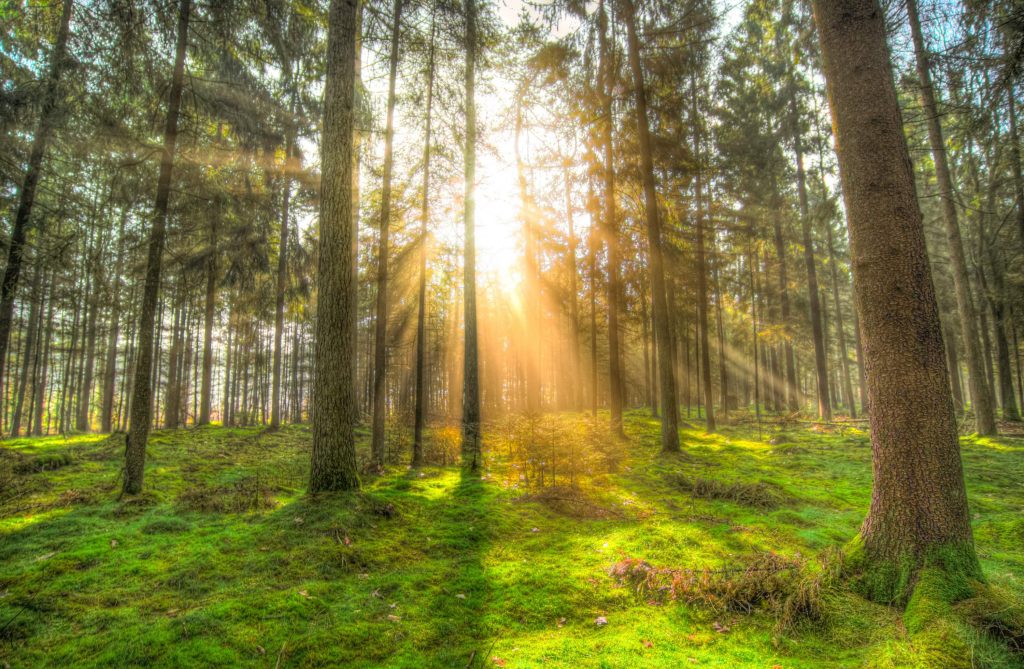
At the most fundamental level, photosynthesis involves two core stages: the light-dependent reactions, which capture sunlight and convert it into chemical energy stored in ATP (adenosine triphosphate) molecules, and the light-independent reactions, or Calvin Cycle, where carbon dioxide is reduced using ATP to produce glucose. While photosynthesis appears simple, it’s a complex dance choreographed by nature involving multiple cellular structures like chloroplasts containing pigments such as chlorophyll-a and chlorophyll-b, which absorb different wavelengths of light most effectively.
Sunlight: Central to Photosynthetic Majesty
The central role sunlight plays in photosynthesis cannot be overstated. Each wavelength within the sun’s broad spectrum interacts differently with plant pigments – from shorter-wavelength blue-violet lights absorbed best by chlorophylls to longer-wavelength red lights utilized most effectively by other pigments like carotenoids and phycobilins.
Blue and red light are particularly significant for photosynthesis. Blue light, in the range of 430–450 nm, stimulates chlorophyll production significantly more than any other color. Red light, around 640–680 nm, is also highly efficient in driving photosynthesis. It’s these combined forces of blue and red lights that catalyze the photon-powered conversion of water and carbon dioxide into glucose during photosynthesis.
The Sun’s Spectrum: Affecting Plant Growth
The spectrum of sunlight plays a pivotal role in influencing plant growth. While quantities of blue light promote compact, bushier plants with denser foliage, red light induces flowering and fruiting responses. Importantly though, it’s not just about the quantity but also the quality or spectral balance that influences overall plant health.
Moreover, plants also respond to far-red (700–800 nm) and UV-B (280–315 nm) wavelengths from sunlight’s spectrum. The former influences shade avoidance responses, while the latter stimulates the production of protective pigments against harmful UV radiation.
Benefits and Limitations of Sunlight for Indoor Plants
While sunlight provides an ideal blend of necessary wavelengths for plant growth under natural conditions outdoors, when it comes to indoor cultivation, things become challenging. Even though a sunlit window might seem adequate enough for indoor plants’ needs, varying seasons or geographic locations where daylight hours fluctuate can impact consistent supply.
Sunlight offers unparalleled energy efficiency as it is both free and abundant, but its intensity cannot be controlled to meet specific plant requirements indoors. Overexposure may cause leaf burn, while inadequate levels leave plants weak or leggy.
In contrast, prolonged cloudy weather or building shadows may limit available sunlight, causing potential growth retardation in indoor plants due to suboptimal photosynthesis. Achieving a balance remains a perennial challenge when it comes to harnessing sunlight for indoor plant cultivation.
Understanding Grow Lights and Their Functionality
An Overview of Grow Lights
In the realm of indoor gardening, grow lights serve as an essential tool. These specialized lights provide a synthetic alternative to sunlight that can effectively stimulate plant growth. The concept of the grow light is built around the premise of emulating the sun’s natural light spectrum, thus allowing plants to photosynthesize and flourish even in environments that lack access to adequate sunlight.
Grow lights are not a monolithic entity but rather come with different types, each possessing specific properties suitable for various growth stages and types of plants. The common types include fluorescent lights, light-emitting diodes (LED), and high-intensity discharge (HID) lamps.
The Types: Fluorescent, LED, and HID Lamps
Fluorescent lights have been widely used in indoor gardening due to their low cost and availability. They emit a full-spectrum light that approximates daylight, making them suitable for almost all types of plants. However, they often lack the intensity required for larger or flowering plants.
LEDs represent the new wave in horticultural lighting technology. With their remarkable energy efficiency and longevity coupled with minimal heat output, they offer substantial advantages over other types of grow lights. Moreover, LEDs can be tailored to emit specific wavelengths conducive for certain plant needs or growth stages.
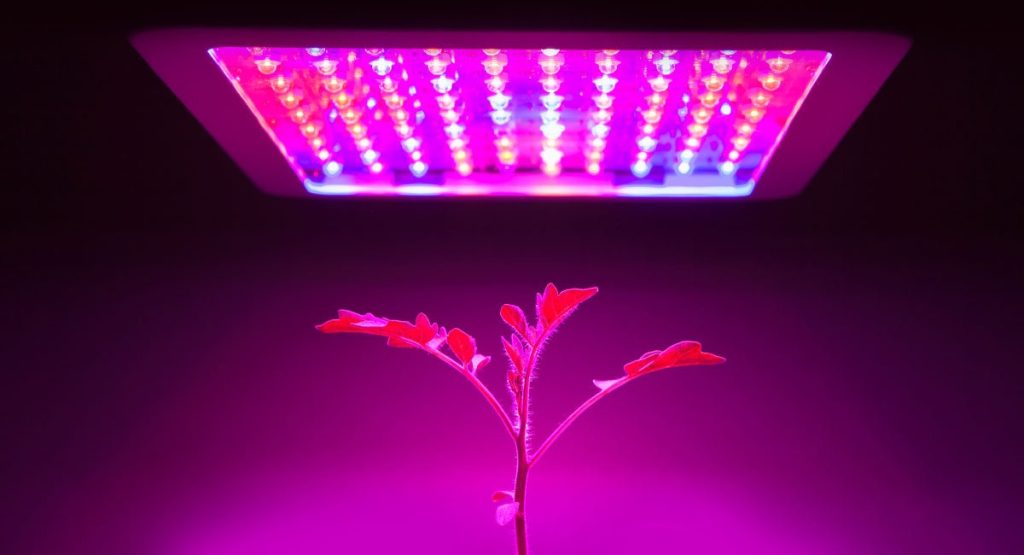
High-intensity discharge lamps encapsulate both metal halide (MH) and high-pressure sodium (HPS) bulbs. MH lamps produce a blueish light ideal for vegetative growth, while HPS bulbs emit reddish-orange light conducive for flowering stages. Despite their high-intensity output, which promotes rapid growth rates, HID lamps are marked by significant heat production and power consumption.
Emulating Sunlight: Replicating Spectrum Dynamics
The crux of grow light functionality lies in its ability to mimic the sun’s light spectrum. Sunlight encompasses a broad spectrum of wavelengths – from ultraviolet to visible light and into infrared. Each segment contributes differently to plant growth, with the blue and red portions playing particularly pivotal roles in photosynthesis.
Grow lights try to replicate this dynamic by emitting light that features a similar wavelength distribution present in sunlight. Some types, such as LEDs, are tunable, allowing growers to adjust the output spectrum according to the specific needs of different plant species, their developmental stages, or even to mirror seasonal light changes.
Comparison: Natural Light Spectrum vs Artificial Light Spectrum
However, despite technological advances, replicating the precise natural sunlight spectrum remains a challenge for grow lights. Unlike sunlight’s continuous and smooth spectral output that covers all necessary wavelengths for plant growth, artificial spectra might be more “spiky,” providing high intensities at some wavelengths while lacking others.
This underpins one of the key differences between these two spectrums. Sunlight offers an all-in-one package delivering balanced illumination across varying wavelengths, while grow lights typically focus on select regions (mainly red and blue) considered most useful for photosynthesis.
The Benefits and Limitations of Grow Lights
Grow lights offer numerous benefits, like allowing year-round indoor cultivation regardless of external weather conditions or enabling fine control over plant exposure to light intensity and duration – factors pivotal for optimal growth. Yet they harbor limitations too. Besides the mentioned spectral differences with natural sunlight, considerations such as energy costs, heat management (particularly for HID lamps), or initial investment (especially for LEDs) can pose challenges.
Furthermore, care must be taken not to expose plants excessively since intense artificial lighting can potentially cause issues such as leaf burn or stunted growth. Despite these caveats, with careful management, grow lights can effectively contribute significantly towards successful indoor horticulture.
Detailed Comparison: Grow Lights vs Sunlight
Efficiency in Energy Use
The energy efficiency of a light source is an important aspect to consider when comparing grow lights with sunlight. Naturally, sunlight comes free of charge and is available in abundance; however, it doesn’t offer control over intensity or duration. In contrast, grow lights require electricity to function but allow growers complete control over illumination parameters.
LED grow lights are highly energy-efficient compared to other artificial lighting options because they emit only the light spectrum that plants most actively use for photosynthesis. This means less wasted energy on unutilized wavelengths, reducing overall power consumption.
High-intensity discharge (HID) and fluorescent bulbs are not as energy efficient as LEDs, but they have been traditionally used in indoor gardening because they were once the only viable options available. The recent advancements in LED technology have made them a popular choice among indoor growers due to their superior longevity and low heat emission, further enhancing their overall efficiency.
Spectrum Control
Every plant species has unique requirements for light spectrum and intensity based on its natural habitat. Sunlight offers a complete spectrum of light necessary for plant growth but lacks controllability. Grow lights provide gardeners the ability to customize the light spectrum according to their plants’ needs.
Particularly with LEDs, which can be engineered to emit precise wavelengths best suited for different stages of plant growth – blue light for vegetative growth and red light for flowering and fruiting stages. This tailored approach allows optimizing plant health and productivity beyond what’s possible under natural sunlight conditions alone.
In contrast, although sunlight possesses an ideal broad spectrum suitable for plant growth, its spectral quality can fluctuate depending on factors such as time of day, season, and geographic location. These uncontrollable elements can affect the optimal growth of plants.
Cost-Effectiveness
While sunlight is undeniably free, it isn’t always available in the right quantities or at the correct times for optimal plant growth. On the other hand, grow lights involve a monetary investment but offer cost-effectiveness in the long run. Investing in energy-efficient LED grow lights can save on electricity bills over time.
Furthermore, indoor growing environments reduce potential losses from outdoor threats like pests, diseases, or adverse weather conditions – making grow lights cost-effective from a holistic perspective. The initial setup costs for an indoor plant growing system can be substantial, depending on scale and complexity.
However, with careful planning and management, these systems can yield significant returns over time. Growers must consider both initial expenses and ongoing operating costs (like electricity and maintenance) when comparing artificial lighting’s cost-effectiveness with natural sunlight.
Impact on Plant Growth Speed & Quality
The primary objective of both sunlight and grow lights is to foster rapid yet healthy plant growth. Sunlight excels in promoting growth due to its broad-spectrum light; however, it does not guarantee consistent results because of variables such as weather conditions and seasonal changes. Conversely, growers using artificial light have reported accelerated plant growth rates because they can control environmental factors more precisely, ensuring optimal light exposure for photosynthesis at all times.
This level of control translates into enhanced crop yields within shorter time frames – a key advantage for commercial growers where productivity directly affects profitability. A well-managed indoor growing environment under artificial lighting also tends to produce crops that are more uniform in size and quality compared to those grown outdoors under sunlight due to reduced exposure to external stress factors.
Environmental Considerations
From an environmental perspective, sunlight is a clean, renewable energy source that leaves no carbon footprint. However, reliance on natural weather patterns can lead to water wastage in outdoor farming through runoff and evaporation.
Indoor gardening with grow lights typically involves less water usage due to highly controlled environments and the application of efficient irrigation systems like hydroponics. This aspect makes indoor gardening a more sustainable option in areas prone to drought or where water conservation is critical.

On the downside, artificial lighting does consume electricity, contributing indirectly to greenhouse gas emissions unless powered by renewable energy sources. The choice of light type can also have environmental impacts; for example, LED lights are more environmentally friendly than HID or fluorescent bulbs due to their longer lifespan and lower energy consumption.
The manufacturing and disposal process of grow lights should also be considered from an environmental standpoint. LEDs are generally more eco-friendly compared with other light types because they contain no harmful substances like mercury.
Case Studies: Success Stories Using Grow Lights
Transforming Commercial Farming Operations with Grow Lights
The implementation of grow lights has revolutionized commercial farming in numerous ways, granting sovereignty over the vagaries of weather conditions and seasonal changes. One such triumph is evident in the colossal indoor farms located in Newark, New Jersey.
AeroFarms, a leader in vertical farming, utilizes LED grow lights to encourage plant growth across their 70,000 square foot warehouse. This venture demonstrates that these artificial luminous surrogates can effectively replace sunlight, enabling the cultivation of a vast array of crops year-round.
A second example comes from Japan’s Mirai Co., which exploits the efficiency of grow lights within their indoor farm spanning an impressive 25,000 square feet. Remarkably dubbed as the world’s largest indoor farm shining under LEDs’ luminescence, it hosts approximately 10,000 heads of lettuce daily – a feat impossible without the intervention of artificial light sources.
Home Gardening Enthusiasts Harnessing Grow Lights’ Potential
Grow lights have not only amplified commercial farming yields but also empowered home gardening aficionados by facilitating lush greenery within domestic boundaries. David Latimer from Surrey presented an astonishing display when he cultivated a thriving garden sealed within a giant glass bottle using only sunlight initially and later substituting it with grow light due to changing locations inside his house; his success story illuminates how well plants can adapt to artificial sources while maintaining growth and vitality.
In Vancouver, Canada-based urban gardener Sherry Miyasato successfully uses fluorescent bulbs for her indoor garden during the winter months. Testament to these lamps’ efficacy is her kitchen tabletop transformed into an eye-catching verdant landscape featuring basil, lettuce, and spinach, among other leafy greens.
Sherry’s example illustrates how even space-constricted city dwellers can indulge in horticultural pursuits by leveraging the power of grow lights, thus simulating a sunlight environment within their homes. These successful exploits of both commercial and home-based plant cultivators underline the undeniable potential of grow lights as viable surrogates to natural sunlight.
Expert Opinions & Scientific Research Findings
A Panorama of Perspectives: Botanists & Horticulturists Weigh In
The world of botany and horticulture offers a plethora of insights into the efficacy of grow lights as compared to sunlight. Dr. Richard Jinks, a renowned botanist with decades in the field, opines that although sunlight is undeniably vital for plant growth, grow lights have ushered in an era where gardeners are no longer solely dependent on nature’s whims. According to him, “grow lights can indeed provide an optimal blend of light spectrum necessary for photosynthesis, which may be especially beneficial for plants that require specific conditions not readily available in their environment.”
On the other hand, Mary Quinn, a seasoned horticulturist and author of several books on indoor gardening, underlines a critical point: while grow lights can be highly effective for specific needs such as seed starting or growing plants indoors during the winter months, it’s essential not to discount the holistic benefits offered by natural sunlight. She asserts that “sunlight not only fuels photosynthesis but also influences other factors like temperature and humidity levels, which contribute to overall plant health.”
Additionally, Liam O’Brien – a leading expert in hydroponics – shares his views: “Grow lights have revolutionized indoor farming. They enable us to reproduce almost any type of environmental condition specific to diverse plant species’ needs right inside our homes or greenhouses.” Yet he cautions that one must understand their selected plants’ requirements and choose the right grow light accordingly. Hence, from these expert perspectives, we glean a balanced outlook – while sunlight remains irreplaceable, well-applied artificial lighting systems can serve as an effective alternative under certain circumstances.
Delving Deeper: What Does Scientific Research Tell Us?
Scientific research provides a firm backbone to these expert opinions, contributing empirical evidence and critical insights into the grow light versus sunlight debate. A study conducted by Michigan State University’s Department of Horticulture found that LED lights, if correctly used, can not only replicate but potentially exceed the photosynthetic efficiency offered by sunlight. Another research paper published in the Journal of Experimental Botany elucidates how manipulating the light spectrum with artificial lighting can have profound impacts on plant morphology and development.
It establishes that through targeted use of specific light frequencies via grow lights, growers can control factors such as plant height, leaf size, and even flavor profiles in some edible crops. In contrast, a piece published in the American Journal of Botany cautions against viewing grow lights as an outright substitute for sunlight.
The article argues that while indoor lights can indeed support robust plant growth, they often lack the intensity and full spectrum capabilities of natural sunlight, which may affect long-term plant development. More recent studies have also begun investigating different aspects of artificial lighting – exploring how varying light quality impacts photosynthesis efficiency at different stages of growth and assessing potential environmental implications associated with extensive use of energy-intensive grow lights.
Conclusion: Are Grow Lights as Good as Sunlight?
Bringing the Discussion Full Circle: A Summary of Points
In this discourse about lighting and vegetation, we have laid bare the salient characteristics of both sunlight and grow lights, elucidating their roles in plant growth. We learned that sunlight, a divine, celestial gift to our planet, is indispensable for photosynthesis. It is in the full spectrum of sunlight that plants find the essential reds and blues that drive their life processes.
However, sunlight is not always available or optimal for plant growth, especially in indoor gardening scenarios. Herein lies the beauty of human ingenuity – grow lights. These luminous innovations come in various forms, including fluorescent bulbs, high-intensity discharge lamps (HIDs), and light-emitting diodes (LEDs). Each seeks to mimic the sun’s spectrum but also provides something more – control.
Shining a Light on Truth: A Beacon of Evidence
As we ventured deeper into this exploration of light and life, we discovered that grow lights offer myriad advantages over natural sunlight for indoor cultivation. Efficiency in energy use is a compelling argument for these artificial suns.
The ability to precisely control light intensity and spectrum allows gardeners to optimize conditions for various stages of plant growth, from seedling germination to fruit development. However, cost-effectiveness may tilt towards natural sunshine as it comes without any monetary expense.
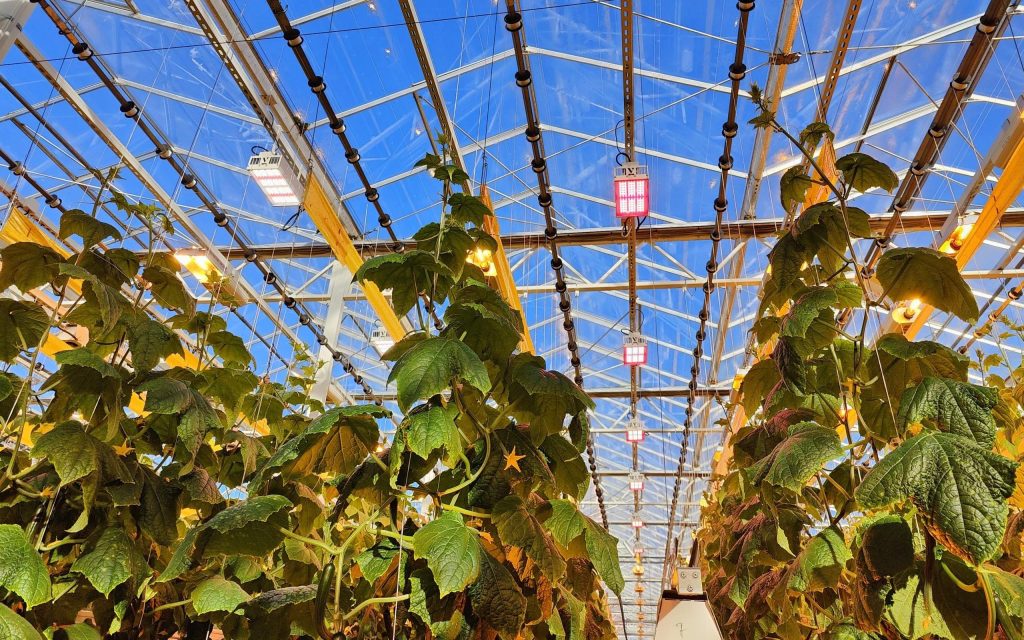
Yet when considering lighting needs beyond traditional daylight hours or during less hospitable seasons for plant growth, grow lights gain an edge on economic grounds by facilitating year-round cultivation. When juxtaposing the impact on plant growth speed and quality under both types of illumination, evidence points towards an amiable draw.
With properly managed grow lights mimicking optimal solar conditions, plants can flourish just as well indoors as they do outdoors under nature’s watchful sky. On the environmental front, it becomes a question of sustainability.
While sunlight is a renewable resource, grow lights rely on electricity, which may come from non-renewable sources. Nevertheless, with advancements in renewable energy and energy-efficient lighting technologies, this gap is rapidly closing.
The Verdict: An Illuminated Conclusion
So, are grow lights as good as sunlight? The answer isn’t a simple yes or no but rather depends on the circumstances.
In situations where natural light is limited or inconsistent, such as during winter months or in indoor gardening setups, grow lights can indeed be superior. They enable gardeners to control plant growth conditions meticulously and maintain healthy agricultural practices year-round.
In the final analysis, though, it’s not about pitting grow lights against sunlight but understanding their respective strengths and how best to utilize them based on our specific needs. After all, both sources of light have their roles to play in the grand drama of vegetation – one being nature’s original script and the other an impressive adaptation by humanity.
Future Perspectives & Advancements in Grow Light Technology
The Dawn of a New Era: The Future of Grow Lights
As we gaze upon the horizon of horticultural innovation, it is evident that new advancements in grow light technology are ushering in an unprecedented era. Futuristic developments promise more efficient, effective, and environmentally friendly alternatives to the current grow lights.
Technological evolution is anticipated to lead to the creation of new lighting systems that can mimic sunlight even more closely, providing plants with the best possible light nutrition while minimizing energy consumption. In this context, scientists are increasingly focusing on leveraging AI and machine learning algorithms to create ‘smart’ grow lights.
These technologically advanced devices will not only emit light but also learn from their environment. They could potentially adjust their spectral output according to the specific needs of a plant at various stages of its life cycle.
This ability would allow for much more targeted and effective plant development based on real-life data and responses rather than generic guidelines. The advancement in nanotechnology may also play a significant part in revolutionizing grow light technology.
With the potential for smaller yet powerful lighting solutions that operate efficiently while maintaining cooler temperatures, nanotech-based grow lights could bring about significant reductions in operating costs and facilitate increased scalability for larger indoor farming operations. Moreover, with sustainability being one of the priorities in today’s world, there’s an increasing push towards finding ways to make grow lights even more energy efficient while minimizing their environmental footprint through responsible manufacturing practices and recyclable material usage.
Potential Improvements to Make
Casting Light on Shadows: Areas for Improvement
While current technological advancements show considerable promise, there remains room for substantial improvements within this rapidly evolving industry. Amongst these improvements lie enhanced spectrum control capabilities, which would allow growers even greater flexibility over their growing conditions. As previously mentioned, not all stages of plant growth require the same light spectrum; hence, lighting systems that can adapt and change their spectral output in response to a plant’s needs would prove highly beneficial.
Parallelly, efficiency is another area with potential for improvement. While LED lights are among the most efficient grow lights in today’s market, further enhancements can be made to improve their lumen-to-watt ratio and heat dissipation properties.
This would not only reduce operation costs but also increase the longevity of the lighting systems themselves. On a larger scale, improving compatibility between different types of grow lights could lead to more comprehensive and efficient growing systems.
It’s an often overlooked aspect, but ensuring different types of grow lights work synergistically could aid in creating optimal indoor growing environments. A strong focus should be placed on studying the long-term impact of artificial lighting on plants as compared to sunlight.
This will allow us to better understand whether there are any unforeseen consequences associated with long-term indoor cultivation using artificial light sources. This research is vital as we continue transitioning towards large-scale indoor farming due to changing climate conditions and increasing urbanization.