
Is It Advisable to Replace Fluorescent Tubes with LED Tubes?
A Luminary Discourse: LED and Fluorescent Tube Lights
As darkness falls, humans have always found ways to fend it off with light. Over the centuries, this fight has evolved from simple burning torches to sophisticated lighting systems that now adorn our homes, streets, and offices. Two noteworthy contenders in this lighting arena are light-emitting diode tube lights and fluorescent tube lights.
LED tube lights employ a semiconductor device that emits visible light when an electric current flows through it. This technology has given birth to various types of LED lights, such as LED tube strip lights, solar LED tube lights, and smart LED tube lights, including specialty ones like UV LED tube lights or LED tube grow lights. On the other hand, fluorescent lamps work by ionizing mercury vapor in a glass tube, which subsequently produces light by fluorescing a phosphor coating on the inside of the glass.
Moving from general lighting purposes to more specific applications like landscape lighting or decorative uses such as LED tube vintage lights and RGB LED tube lights, various types of LEDs have infiltrated nearly every aspect of our daily lives. However, despite their ubiquitous presence today, they are relatively new on the scene compared to their older cousin – the fluorescent light.
The Imperative Pursuit: Energy-Efficient Lighting Solutions
Why is efficient lighting important? Lighting up our world consumes approximately 15% of global electricity production, according to International Energy Agency reports. Hence, any improvement in energy efficiency can significantly reduce overall energy consumption. This is where LEDs truly shine!
They are renowned for their energy efficiency, converting most power into light rather than heat, unlike traditional bulbs, which waste up to 95% of energy as heat. With environmental concerns at the front and center today, this translates into significant carbon footprint reduction potential.
If we go down a level further into specialty LED categories like LED retrofit lights or LED tube string lights, we find these too score highly on energy efficiency. Given their versatility, they’re increasingly replacing traditional lighting in both residential and commercial spaces.
In fact, it’s not just about the environment or cost savings anymore. With the advent of smart LED tube lights, we’re ushering in an era of intelligent and responsive lighting systems that promise to revolutionize how we live and work.
The question therefore arises: Can and should LED tube lights replace fluorescent tube lights? To answer this cogent query, we must delve deeper into the workings and benefits of these two technologies while charting out a comparative map that can guide us through this luminous journey.
Understanding LED Tube Lights
A Revealing Look at LED Technology
Light-emitting diodes, or LEDs, represent a revolutionary leap in lighting technology. Unlike traditional incandescent or fluorescent lights, LEDs produce light by passing an electric current through a semiconductor material. This process is called electroluminescence, and its major advantage is that it eliminates the need for filament or gas-filled tubes, thereby increasing the light’s lifespan significantly.
LEDs first graced our lives in the form of indicator lights on electronic devices. However, with advancements in technology and manufacturing processes, they evolved into versatile lighting solutions like LED tube strip lights and LED tube vintage lights.
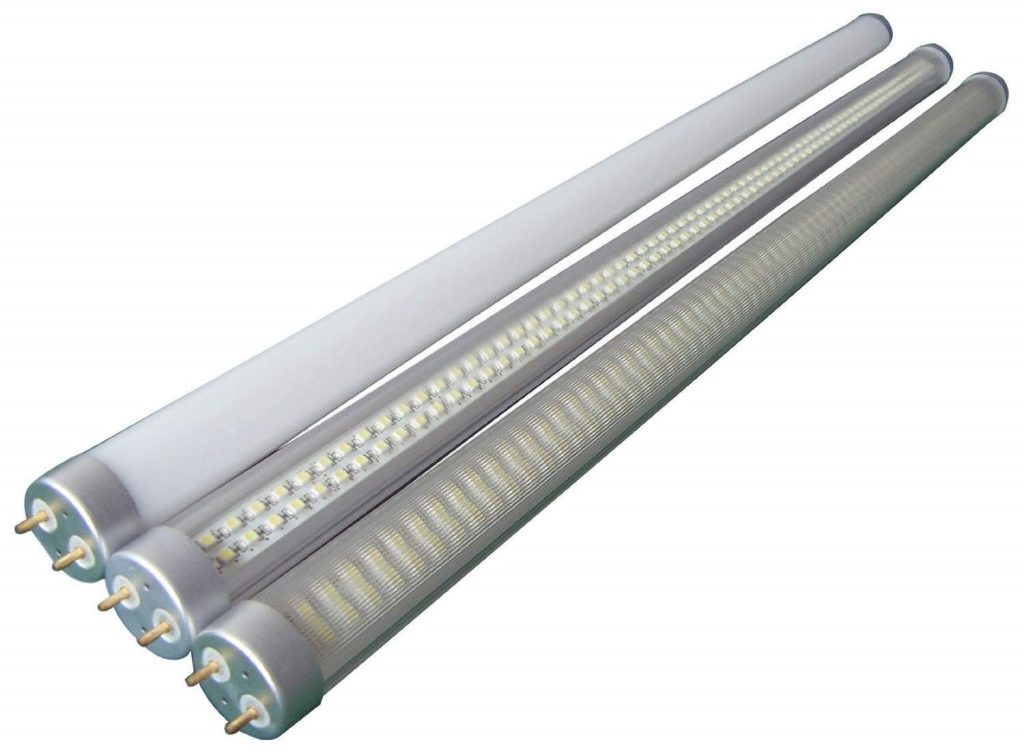
Now we witness their application across various sectors – from landscape lighting to indoor lighting with RGB LED tube lights. The versatility is clearly demonstrated by solar LED tube lights that harness sunlight during the day to provide eco-friendly illumination at night.
Then there are smart LED tube lights that can be controlled remotely via smartphone apps or home automation systems. For garden enthusiasts and horticulturists alike, there are even UV LED tube grow lights that simulate the sunlight spectrum for optimal plant growth indoors.
A Beacon of Benefits: Why Choose LED Lights
When contemplating a transition from conventional lighting solutions to LEDs like LED tube retrofit lights or LED tube string lights, it’s essential to consider their myriad benefits.
Energy Efficiency: The Power-Saving Prodigy
One of the most significant advantages of switching to LED technology is its exceptional energy efficiency. LEDs have an astounding ability to convert nearly 95% of the energy they consume into light while only wasting 5% as heat – a dramatic improvement over fluorescent bulbs’ 30-40%. By replacing traditional bulbs with high-efficiency LEDs such as RGB LED tube lights or solar LED tube lights in your landscape lighting setup, you can realize substantial energy savings.
Unmatched Longevity: The Luminous Lifesaver
The longevity of LEDs is another compelling factor in their favor. Unlike fluorescents, LED tube lights don’t ‘burn out’ but merely dim over time. Typically, an LED’s lifespan is rated up to 50,000 hours or more, nearly five to ten times longer than fluorescent bulbs. This means fewer replacements and thus lower maintenance costs over time.
Environmental Impact: A Sustainable Solution
Switching to LED lights has a positive impact on the environment too. Due to their increased efficiency and longer lifespan, LEDs reduce overall waste and decrease carbon emissions by using less electricity generated from fossil fuels. Unlike fluorescents or compact fluorescent lamps (CFLs), LED tube lights do not contain harmful substances such as mercury, which can pose environmental hazards if improperly disposed of.
In essence, whether you’re considering LED tube retrofit lights for your office or LED tube grow lights for your indoor garden, whether you’re thinking about RGB LED tube lights for a colorful lighting display or solar LED tube lights for an eco-friendly landscape lighting solution, the case for LED lighting is stronger than ever before.
Deciphering the Fluorescent Mystery
Fluorescent technology has been a staple in our society for many years, illuminating everything from homes to large office buildings. The science behind this prevalent lighting solution involves a complex process of gas ionization and phosphor excitation.
A fluorescent light works by passing an electric current through a tube filled with argon gas and a small amount of mercury vapor. This generates invisible ultraviolet light that excites the phosphor coating on the inside of the tube, causing it to glow or “fluoresce”, thus producing visible light.
While this technology may seem sophisticated, it comes with several inherent drawbacks that may be overlooked in day-to-day use. However, when compared to more modern technologies such as LED tube lights or even solar LED tube lights, these disadvantages become more apparent and significant.
An important aspect to consider is energy consumption. Fluorescent lights convert only about 20% of electricity consumed into visible light – the rest is wasted as heat. In contrast, smart LED tube lights convert nearly 95% of electricity into light, reducing waste and making them far superior in terms of energy efficiency.
Lament Over Lifespan
The lifespan of fluorescent lights leaves much to be desired when compared to their LED counterparts. On average, fluorescent tubes last between 10,000 and 20,000 hours, depending on usage and maintenance. However, under ideal conditions, LED tube retrofit lights can last up to 50,000 hours or even longer – vastly outperforming fluorescents.
The short lifespan of fluorescents not only means frequent replacements but also increased maintenance costs over time – a drawback seldom considered during initial purchase decisions. With technological advancements like RGB LED tube lights or UV LED tube lights offering both longevity and versatility in color options, the choice becomes clear.
Environmental Echoes
The environmental impact of fluorescent lights is another crucial factor to consider. Each tube contains a small amount of mercury, which is highly toxic and can pose serious health risks if the tubes are broken or not properly disposed of. Hazardous waste sites have specific protocols for handling these types of materials, but many used fluorescent bulbs end up in landfills, where they can leach into the soil or water sources.
In contrast, LED tube lights, such as LED vintage tube lights or LED tube grow lights, are created with less harmful materials and do not contain mercury. Even specialized options, like landscape lighting using LED tube strip lights or festive LED tube string lights, offer an environmentally friendly alternative to traditional lighting solutions.
With their low energy consumption, longer lifespan, and lesser environmental impact, one must wonder if the future of lighting belongs to LED technology. As we continue to innovate and strive for sustainability in all aspects, it seems that the switch from fluorescents to LEDs is not just a possibility but an inevitability.
The Battle of Efficiency: LED vs Fluorescent Tube Lights
A Deeper Look into Cost Differences
Though initial costs may suggest otherwise – LEDs being more expensive upfront – the real picture becomes clear when we examine the total life cycle cost, including purchase price, maintenance expenses, and replacement frequency. The longer lifespan and lower energy consumption of smart LED tube lights result in significant savings over time.

Replacement costs also favor LED tubes, as they don’t need to be replaced as frequently as fluorescents do. Furthermore, maintenance cost is almost nil in the case of RGB LED tube lights since they are tough and resistant to breakage, whereas fluorescent tubes are fragile, requiring careful handling during installation or replacement.
In terms of electricity bills too, UV LED tube lights translate into substantial savings thanks to their higher luminous efficacy (brightness per watt). Over a period of years, these savings can offset any upfront cost differences by a considerable margin.
Shining a Light on Quality and Performance
When it comes to light quality and performance, both types have their merits. Fluorescent lights offer a soft, diffused light that’s gentle on the eyes. LED tube string lights, however, offer superior color rendering and more directional light output, which is often desired in settings like landscape lighting.
One distinct advantage of LEDs is their ability to work efficiently under varying temperature conditions, making them suitable for outdoor solar LED tube lights or cold storage facilities. On the other hand, the performance of fluorescent lights deteriorates in cold conditions.
Moreover, with advancements in technology, you can now find LED tube vintage lights that mimic the warm glow of traditional incandescent bulbs. There are also models available with dimming capabilities for greater control over ambiance and energy consumption.
While fluorescent tube lights have served us well over the past decades, given today’s green priorities and technological advancements, it seems inevitable that a transition towards LEDs will continue to gain momentum. Their superior efficiency, lower life cycle cost, and environmentally friendly nature make LED tube lighting an increasingly attractive choice for lighting our homes, workplaces, and public spaces.
The Replacement Process: Transitioning from Fluorescent to LED Tube Lights
The Spectrum of Options: Type A, Type B, and Type A/B (Hybrid)
When converting from fluorescent to LED tube lights, it’s essential to choose the proper type of LED tube to match your fixture setup. The three main types are known as Type A, Type B, and Type A/B hybrid. Each offers a different approach in terms of installation complexity, efficiency, and long-term maintenance.
Type A tubes, also called direct-fit or plug-and-play, are the simplest to install. These tubes are designed to work directly with existing electronic fluorescent ballasts. Installation involves removing the old fluorescent tubes and inserting the new LED tubes into the same sockets. No rewiring is necessary, making Type A an attractive option for those seeking a quick, low-labor upgrade. However, ballast compatibility must be verified, as not all electronic ballasts will support every Type A LED tube.
Type B tubes, also referred to as ballast-bypass or direct-wire tubes, require more involved installation. The existing ballast must be completely removed from the fixture, and the wiring must be modified to deliver power directly to the LED tube. Depending on the tube’s design, this may involve powering only one end of the tube (single-ended), which typically requires non-shunted lamp holders, or powering both ends (double-ended), which may work with existing shunted sockets. Although this approach demands more labor upfront, it results in greater energy efficiency and fewer components prone to failure.
Hybrid tubes, classified as Type A/B, offer the flexibility of operating either with or without a ballast. Initially, they can be installed like Type A tubes, using the existing ballast without any rewiring. When the ballast eventually fails, the fixture can be rewired to bypass the ballast, allowing the same hybrid tube to function like a Type B. This adaptability makes hybrid tubes a strategic option for phased upgrades and long-term convenience.
A Step-by-Step Guide through Each Type
For Type A installations, the process is simple. After ensuring the power is turned off at the breaker, the existing fluorescent tubes are removed and replaced with compatible LED tubes. Once the tubes are secured in place, the power can be restored and the system tested. Since these LEDs rely on the existing ballast, no changes to wiring or fixture components are required.

Installing Type B LED tubes involves more hands-on work. The power must first be turned off and the old tubes safely removed. Next, the ballast is disconnected and removed entirely from the fixture. The fixture wiring must then be reconfigured to connect directly to the mains power supply. If the LED tube is single-ended, only one side receives power, which means non-shunted sockets must be used. If the tube is double-ended, hot and neutral wires are connected to opposite ends, and existing shunted sockets can often remain. After rewiring, the new LED tubes are installed and the power restored. It’s essential to label the fixture to indicate that it has been modified for ballast-bypass use.
Hybrid Type A/B installations begin the same way as a standard plug-and-play installation. The fluorescent tubes are removed, and the hybrid LED tubes are inserted directly into the fixture without changing the wiring. Over time, when the ballast fails, the fixture can be rewired following the same steps outlined for Type B, allowing the same hybrid tubes to continue operating without interruption.
Safety First: Considerations When Making the Light Switch
Safety is a significant factor when replacing fluorescent lights with LED tube lights, no matter which type of LED you’re installing – be it an RGB LED tube light system for dramatic interior lighting effects or solar LED tube lights for environmentally friendly outdoor landscape lighting.
Before starting any replacement process, always disconnect the power supply to avoid electric shock. If you’re dealing with high ceilings or difficult-to-reach fixtures, ensure you have access to suitable ladders or scaffolding that meet health and safety requirements. Always utilize protective eyewear and gloves while handling tubes, as they can easily shatter, causing injury.
When working with direct-fit options, check the compatibility of your existing ballasts with new tubes. Not all LEDs work with every type of ballast, which can lead to performance issues and reduce the lifespan of your new lights if not matched correctly.
For retrofit replacements, ensure that all wiring is securely installed and insulated before restoring power. A loose connection can lead to a short circuit, causing damage not just limited to the fixture itself but potentially to the entire circuit.
As for UV or RGB LED tube light installations using a ballast-bypass approach – due to their direct connection with mains power – it’s highly advisable to enlist the services of a qualified electrician. They are experienced in dealing with high-voltage setups, ensuring safely executed installations while adhering strictly to regulations outlined by local authorities for this type of work.
Case Studies: Successful Transitions from Fluorescent to LED Tube Lights
A New Dawn in Residential Lighting: LED Tube Retrofit Lights
In the residential sector, there has been a noticeable shift towards LED tube retrofit lights. This transition is well illustrated by a high-rise condominium in New York City that recently underwent a major lighting overhaul. The building, which previously utilized fluorescent tube lights, made the switch to LED tube lights throughout their common areas, including corridors, stairwells, and parking garages. They experienced not only an immediate improvement in light quality but also significant energy savings.
Moreover, homeowners are now exploring innovative options like smart LED tube lights for their homes. For instance, a homeowner in Seattle replaced all his fluorescent tubes with smart LED tube lights, which can be controlled remotely via apps and integrated with home automation systems. This enhancement resulted in an elegant ambiance while reducing the household’s total electricity consumption.
Modern landscape lighting solutions, too, have embraced LED tubes. A suburban community park that used solar LED tube lights for walkway illumination reported lower maintenance costs and independently functioning lights even during power outages.
Enlightening Commercial Spaces: Transforming Ambience with LED Tube Strip Lights
In the commercial sector, several businesses have successfully integrated LED technology into their establishments. A popular restaurant chain significantly reduced its energy costs by replacing older fluorescent fixtures with sleeker and more efficient LED tube strip lights. These modifications not only delivered substantial cost savings but also improved aesthetics and customer experience.
Retail outlets have transitioned to using LED tube grow lights in indoor plant displays for more vibrant colors and healthier growth rates than what was achieved with traditional fluorescents. RGB LED tube lights are increasingly becoming popular among nightclubs because of their vibrant colors, which greatly enhance the party atmosphere while providing significant energy savings compared to traditional lighting solutions.
Industrial Progress: Efficiency Driven by UV LED Tube Lights and LED Tube Vintage Lights
The industrial sector has not been left behind in the transition to LEDs. A car manufacturing plant switched from fluorescent lighting to UV LED tube lights in their paint curing process, enhancing their efficiency and reducing energy consumption massively.
Another example comes from an old cotton mill that turned into a modern co-working space. They used LED tube vintage lights to maintain the historical aesthetics while ensuring they had efficient and modern lighting solutions.
All these transitions in different sectors have demonstrated how LED tube string lights or other forms of LEDs can drastically impact energy savings and cost reduction without compromising on light quality or ambiance.
Potential Challenges and Solutions in Transitioning to LED Tubes
Contemplating the Initial Installation Costs
The transition from conventional lighting solutions such as fluorescent tube lights to LED tube lights is not without hitches. Initially, one of the significant challenges encountered by many people can be the overall installation costs. For instance, the price tag on LED tube vintage lights or RGB LED tube lights could seem substantially higher compared to their traditional counterparts.
The improved technology and superior performance attributes incorporated in these lights often justify this initial investment. This could be daunting for some, especially when considering large-scale installations in commercial or industrial settings, where numerous fixtures are typically required.
Even for smaller-scale setups like landscape lighting or string lighting using LED tube string lights, the upfront costs may seem prohibitive. However, it is vital to regard this transition as an investment towards a more sustainable future rather than just an expense.
The lower energy consumption of LEDs translates into considerable long-term savings on electricity bills that outweigh these initial costs over time. Moreover, there’s a wide range of affordable options like solar LED tube lights, which harness renewable solar energy, and smart LED tube light systems, which bring down power consumption further through intelligent control mechanisms.
In addition to this, numerous governments and organizations are providing financial incentives and subsidies to encourage the adoption of energy-efficient lighting technologies like LEDs. This financial assistance may significantly reduce initial installation expenses.
The Conundrum of Fixture Compatibility
A second potential hurdle one might face while transitioning from fluorescent tubes to LED tubes refers to compatibility issues with existing fixtures, particularly while opting for retrofits such as LED tube retrofit lights or strip replacements with LED tube strip lights. Typically, many traditional fixtures may not support modern LEDs’ thermal management requirements or their electronic drivers’ electrical characteristics.
For instance, some landscapes or architecture-formatted fixtures that traditionally used fluorescents might not immediately accommodate an LED replacement. Moreover, certain LEDs may require specific types of dimmers or control systems to function optimally.
Incorrect pairings can lead to issues like flickering, reduced lifespan, or even premature failure of the LED lights. In other instances, the physical dimensions or form factor of an LED light may not fit into existing fixtures due to design variations.
This could be particularly true for specialized applications such as UV LED tube lights used in disinfection systems or LED tube grow lights for indoor plant cultivation. In these cases, it could be necessary to modify the current fixture setup or even replace them entirely with new ones designed explicitly for LEDs.
Solutions: Lighting the Path Forward
Despite these challenges, several viable solutions exist that help smooth the transition process from fluorescent tubes to various forms of LED tube lights. One potential solution is using retrofit kits specially designed to convert existing fluorescent fixtures into compatible housings for LEDs without requiring a complete overhaul of the current lighting infrastructure. These kits ensure a seamless transition and are particularly useful when upgrading large-scale commercial spaces with numerous fixtures in place.
For compatibility issues with control systems and dimmers, modern smart LED tube lights come equipped with their own integrated control systems and often have multiple connectivity options, such as Wi-Fi and Bluetooth. This enables out-of-the-box compatibility with existing home automation systems and eliminates any worries about choosing the correct type of driver or controller.
As far as physical form factor issues go, most reputable manufacturers offer their LED tube models in a variety of shapes and sizes. They are designed to emulate traditional fluorescent tubes’ dimensions closely so they can be conveniently slotted into existing fittings without needing modifications.
In terms of financial constraints, it is recommended to approach the transition as a phased process. Instead of replacing all fixtures at once, one could replace them gradually over time. This spreads out the initial costs and allows capitalizing on efficiency savings from each replaced unit to finance future upgrades.
It is also crucial to stay informed about any government incentives or energy-efficiency programs that provide subsidies for LED installations. These will significantly offset the initial expenses and make the transition more cost-effective.
Future Trends in Lighting Technology
The Ubiquitous Embrace of LED Technology
There has been a profound shift towards LED tube lights across the globe, with countries, corporations, and individuals seeking energy-efficient lighting solutions. The remarkable benefits of LEDs, including superior longevity, impressive energy efficiency, and reduced environmental impact, have made them an irresistible choice.
The market for LED tube lights is swelling at an unprecedented rate as more people recognize their advantages over traditional fluorescent lighting. Expanding sectors such as smart home automation have significantly driven demand for RGB LED tube lights and smart LED tube lights.
LEDs have also started to dominate outdoor landscape lighting due to their durability against harsh weather conditions. The emergence of solar LED tube lights further testifies to the adaptability of this technology in catering to diverse needs while supporting sustainable living.
Innovations in the Realm of LED Tubes
Innovations continue to breathe new life into the field of LED technology. Advanced options like UV LED tube lights provide sterilization capabilities that target germs and viruses; this innovation was particularly embraced during the recent pandemic when hygiene became paramount.
The use of LED tube grow lights has revolutionized indoor gardening by providing optimal light wavelengths for plant growth. These advancements depict a future where individual need-specific customization will be possible in lighting solutions.
LED vintage lights and string or strip variants are now widely used for aesthetic purposes, adding charm to homes and commercial spaces alike without compromising energy efficiency. Moreover, retrofitting existing fittings with LED tube retrofit bulbs has enabled individuals and organizations to transition smoothly without substantial infrastructure overhaul.
LEDs: Lighting the Way Towards a Sustainable Future
As we stand on the cusp of a green revolution in lighting technology, it is clear that LEDs are setting the pace. Through constant innovation, LEDs continue not only to meet but also to exceed our expectations for performance and reliability. The future of lighting lies in solutions that are not only energy-efficient but also versatile and customizable for varied needs.
A world lit by LED tube lights represents not just an evolution of technology but a commitment to a sustainable future. The adoption of LEDs offers us the opportunity to contribute to environmental preservation while experiencing superior lighting performance.
Conclusion: Can LED Tube Lights Replace Fluorescent Tube Lights?
The shift towards LED tube lights is more than just a trend; it’s a testament to our collective desire for sustainable, efficient, and versatile solutions. As we continue to innovate and expand the potential applications of LED technology – from sterilization with UV LEDs to indoor gardening with grow lights – our progress intensifies towards a future where every light source could be an LED. In this respect, we can optimistically envision a world illuminated by eco-friendly, cost-effective, and functionally diverse LED lights transforming our lives better than ever before.
You may also be interested in the following posts: