
Is LED Tube Lighting Brighter than Fluorescent Tube Lighting?
A Luminous Journey through LED and Fluorescent Tube Lights
The evolution of artificial lighting has been a journey of luminary brilliance, transitioning from the flickering warmth of old vacuum tube lamps and the familiar hum of classic incandescent tube lamps to the splendid power efficiency of modern LED tube lights.
This transition is not merely a reflection of technological advancement but also underscores our perpetual quest for brighter, more energy-efficient, and environmentally friendly lighting systems. In this ever-evolving landscape, two giants that have consistently shaped our lit surroundings are light-emitting diodes and fluorescent tube lights.
The architecture behind these two lighting technologies is remarkably different. LED tube lights work on the principle of electroluminescence, which involves the emission of light from a semiconductor material under the influence of an electric field or current. On the other hand, fluorescent tube lights function on the basis of gas-discharge phenomena wherein light is emitted via ionized gases.
Choosing between LEDs and fluorescent tube lights often poses a conundrum for both residential users and commercial establishments alike. The decision becomes particularly perplexing when factors such as brightness come into play. This post aims to shed light on this matter by delving deep into the intricacies that define these lighting technologies.
A Bright Importance: Lighting in Daily Life
Lighting plays a pivotal role in shaping our everyday experiences, often subtly influencing our mood, productivity levels, sense of safety, and even health. It goes beyond its primary function as an illuminator; it serves as an aesthetic enhancer in homes or commercial spaces alike; it accentuates architectural features; it directs attention towards focal points within spaces – perhaps most prominently in landscape lighting, where cleverly positioned landscape tube lights can transform outdoor spaces into enchanting nighttime wonderlands.
The significance of lighting becomes particularly evident when we consider activities that require precision or concentration. The bright beam emitted by LED tube lights in workspaces or study areas, for instance, can immensely enhance productivity and reduce eye strain. Similarly, the diffused glow of fluorescent tube lights in bedrooms or living rooms can create a calming ambiance for relaxation and socialization.
In commercial settings such as retail outlets, lighting has been known to influence consumer behavior subconsciously. Brightly lit stores with strategically placed LED lights are likely to attract more customers and potentially boost sales due to increased visibility of products.
Furthermore, lighting is also crucial from a safety perspective; adequate outdoor illumination discourages potential criminal activity while ensuring safe navigation in public spaces during nighttime hours. In an environmental context, the choice of lighting can have significant impacts on energy consumption – a crucial factor that contributes towards climate change.
With such varied roles that lighting plays in our daily life, it becomes imperative to understand the different types of light sources available to us and discern which among them would best fulfill our specific needs. This post aims to guide you on this enlightening journey by comparing two popular light sources – LED tube lights and fluorescent tube lights – in terms of their brightness levels.
Understanding LED Tube Lights: A Dive into Modern Lighting
LED (light-emitting diode) tube lights have emerged as a popular lighting alternative, primarily because of their efficiency and longevity. They operate on a simple but effective principle. When an electrical current is passed through a semiconductor material – in this case, the diode – it emits light. This phenomenon is known as electroluminescence.
Unlike classic incandescent tube lamps or typical gas-discharge tube lamps that utilize filament combustion or gas excitation, respectively, LED tube lights produce light directly from the movement of electrons within the diode. The working principle of LED tube lights offers an intrinsic advantage over old vacuum tube lamps or other conventional light sources.

LEDs are more energy-efficient since almost all electrical energy gets transformed into light without much loss as heat. Furthermore, they are safe to touch even after long periods of usage due to their low heat emission rate.
LEDs also provide a level of durability that easily surpasses conventional lighting solutions due to their solid-state configuration, which lacks fragile elements like glass tubes or filaments. Therefore, they hold up considerably well under conditions where other bulbs may fail prematurely, such as vibration and impact scenarios or extreme temperature environments.
Different Types of LED Tube Lights: From Homes to Landscapes
With technology’s advancement, you can find different types of modern LED tube lights designed for various applications and settings. The common types include T5, T8, and T12; the ‘T’ stands for tubular while the number indicates the diameter in eighths of an inch.
T5 LEDs are smaller in size and typically used in under-cabinet lighting in homes and offices, while T8 LEDs are commonly found in larger residential rooms due to their balance between size and brightness output. The largest T12 LEDs are often used in commercial and industrial applications where high brightness is essential. For landscape lighting, waterproof LED tube lights are used for accentuating architectural features or illuminating walkways.
Landscape tube lights, another variant of LED tube lights, are designed specifically for outdoor use. They provide an intense and concentrated form of lighting ideal for highlighting specific landscape features. Although they bear similarities with conventional LED tubes, their rugged design and ability to withstand weather conditions set them apart.
Unveiling the Advantages and Disadvantages of LED Tube Lights
The advantages of LED tube lights extend far beyond their energy efficiency. Their longevity is unrivaled, lasting up to 50,000 hours – more than five times longer than the best fluorescent bulbs. This long lifespan results in fewer replacements, reducing maintenance costs over time.
LED tubes also have the edge when it comes to delivering instant brightness. Unlike traditional bulbs that require a warm-up period to reach full lighting potential, LEDs achieve maximum brightness the moment they’re switched on – a feature particularly beneficial in settings requiring immediate high-intensity light. Despite this array of benefits, there are few drawbacks associated with modern LED tube lights.
The initial cost is higher compared to traditional light solutions; however, this gets offset by long-term energy savings and reduced replacement costs. Additionally, although uncommon nowadays due to advancements in technology, some lower-quality LEDs may emit a slightly bluish light, which may not be desirable for certain interior design aesthetics.
Understanding Fluorescent Tube Lights
Successors to the Classic Incandescent Tube Lamps
In understanding fluorescent tube lights, an excellent starting point is recognizing them as successors of the classic incandescent tube lamps. These luminous devices operate on a unique mechanism, vastly contrasting from their predecessors and contemporaries. Essentially, each light comprises an elongated glass tube filled with a low-pressure mercury vapor and argon mixture.
The Working Principle behind Fluorescent Lights
Fluorescent lights work according to an elemental principle of physics: when certain gases are energized, they emit visible light. When an electrical charge is applied to this gaseous mix within the lamp’s tube via electrodes at both ends, it excites the mercury atoms and causes them to emit ultraviolet (UV) radiation. This invisible UV light then strikes the phosphor coating on the interior surface of the bulb, causing it to glow or fluoresce.
A Palette of Luminance: Types of Fluorescent Lights
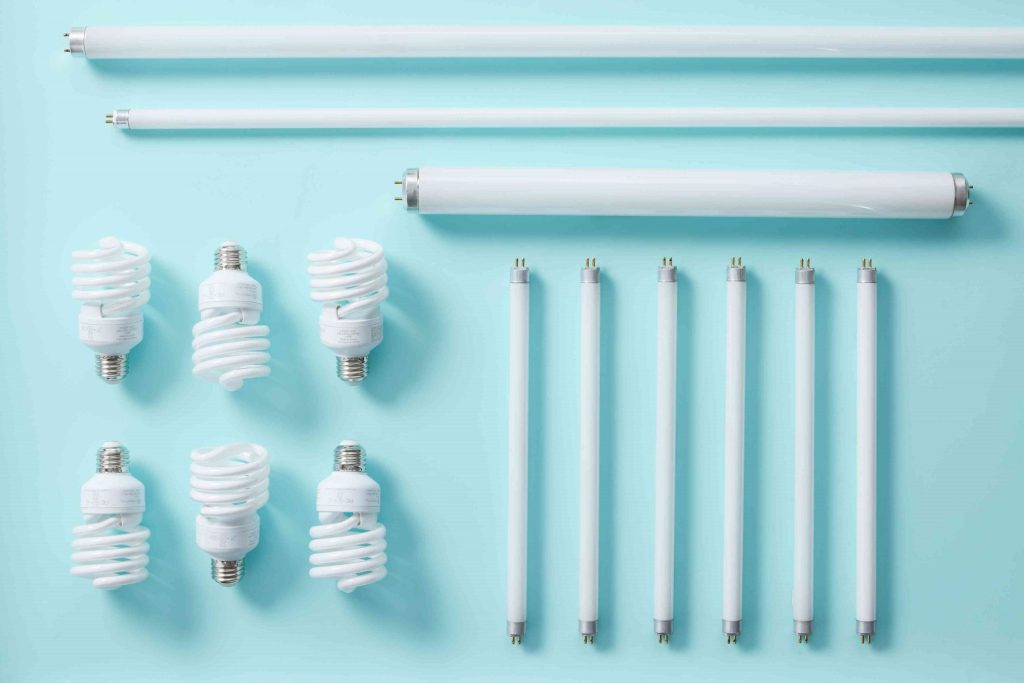
Fluorescent tube lights come in several types based on their design and usage configuration. The most common amongst these are T12s – your typical gas-discharge tube lamps that have been faithfully serving lighting needs in homes and workplaces for decades.
Slimmer T8 tubes offer better energy efficiency without compromising brightness levels. Compact fluorescent lights (CFLs), spiral-shaped versions designed for small sockets, have emerged as viable alternatives for old vacuum tube lamps in residential settings.
Another variant worth mentioning is landscape tube lights – specially crafted fluorescents catering to outdoor illuminations like garden pathways or parking lots. They offer efficient, widespread lighting suitable for covering vast areas under their radiance.
Advantages of Fluorescent Tube Lights over Other Lighting Solutions
Fluorescents hold certain advantages over other lighting solutions. They are more energy-efficient than classic incandescent tube lamps, emitting less heat and using less power for the same amount of light output. Their lifespan is also considerably longer, with a typical fluorescent tube outlasting an incandescent lamp by six to ten times! These features make them popular in commercial and office buildings where long operating hours necessitate cost-effective lighting solutions.
The Flip Side: Disadvantages of Fluorescent Tube Lights
Despite these advantages, fluorescent lights have their fair share of drawbacks. They contain small amounts of mercury, a toxic metal, posing environmental disposal concerns and potential health hazards if the tube breaks. Their performance could be adversely affected at low temperatures, making them unsuitable for certain outdoor applications, unlike landscape lighting or modern LED tube lights.
Moreover, they may not function optimally in varying voltage conditions; flickering or buzzing noises are typical symptoms of such issues. In contrast to LED tube lights’ instantaneous illumination, fluorescents take time to reach full brightness after being switched on – a trait that can be inconvenient for some users.
Turning Up the Brightness: An In-Depth Comparison
In the realm of lighting, brightness is a key factor that determines the efficacy of any light source. Be it classic incandescent tube lamps or modern LED tube lights, each exhibits a unique degree of brightness. To truly anchor our discussion on the brightness of LED and fluorescent tube lights, understanding how brightness is quantified is absolutely crucial.
Decoding Lumens: The Measure of Light
The perception of light varies significantly depending upon its intensity. This intensity, in scientific terms, is quantified by lumens – a measure that represents the visible light emitted by a source per unit time. Greater the lumens, brighter will be the light.
It is essential to note that brightness isn’t merely about wattage – wattage represents energy draw or power consumption, not luminosity. Lumens allow us to gauge how well a lamp can illuminate an area irrespective of its energy draw.
Comparison among different types of lights, such as landscape tube lights or typical gas-discharge tube lamps, becomes straightforward when we have lumens as our comparative measure. This brings us to contrasting lumen outputs between LED and fluorescent tube lights.
The Luminous Rumble: Fluorescent vs LED Tube Lights
Fluorescent lights have long been celebrated for their bright and uniformly distributed illumination. A standard four-foot fluorescent tube may output anywhere from 2300 to 5000 lumens, with normal usage usually hovering around 2800 lumens.
On the other hand, modern LED tube lights present an impressive display of technological evolution in lighting solutions with their high lumen outputs coupled with lower power usage. Typically, a four-foot LED tube can produce anywhere between 2200 and upwards of 4000 lumens while drawing far less power than their fluorescent counterparts.
However, these are broad averages. The actual light output from LED tube lights can vary depending on specific models and manufacturers, with some specialized landscape lighting LED tube lights delivering higher average lumens.
Transitioning Brightness: From the Old to the New
It is crucial to note that aging affects the brightness of both types of lighting solutions. Old vacuum tube lamps or fluorescent tubes witnessed a significant reduction in their luminosity over time – a phenomenon termed ‘lumen depreciation’. This is due to the phosphor degradation and mercury amalgamation occurring inside these lamps.
In contrast, LED tube lights showcase slower lumen depreciation, maintaining their brightness for longer periods. This means that while fluorescents may start out brighter, over time LEDs may eventually outshine them, cementing LEDs not just as an alternative but potentially a superior choice when it comes to long-lasting brightness.
Intensity Spectrum: Brightness Varies
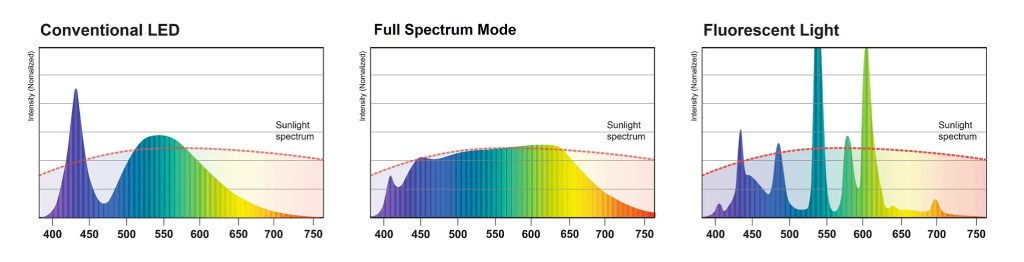
Characteristics such as color temperature and beam angle also influence perceived brightness between these two forms of lighting technology. For instance, with an extensive color temperature range, LED tube lights can offer a cooler (bluish) light – which is often perceived as brighter than the warmer (yellowish) light common in fluorescent tubes.
Putting this all together, while fluorescent tubes might initially seem brighter due to their high lumen output per wattage usage ratio, when factoring in longevity and efficiency, LEDs could potentially offer more consistent performance in terms of brightness over their lifespan.
Factors Influencing Brightness in Both LED and Fluorescent Tube Lights
The Role of Wattage in Determining Brightness
The luminosity of both modern LED tube lights and typical gas-discharge tube lamps greatly depends on their wattage. The wattage of a light bulb essentially specifies the amount of power it consumes. Traditionally, a higher-wattage bulb would be brighter than its lower counterpart, as observed among the classic incandescent tube lamps and old vacuum tube lamps.
However, for landscape lighting or any other application, this isn’t always the case with LEDs or fluorescents. LEDs have revolutionized energy consumption patterns by providing considerable brightness at significantly lower wattages compared to traditional lighting solutions. They are specifically designed to emit more lumens per watt, making them extremely energy efficient. On the other hand, fluorescent lights tend to require more power for equivalent brightness levels.
Color Temperature’s Impact on Perceived Brightness
Color temperature is another essential factor influencing our perception of brightness. This term does not refer to actual temperature but rather describes the light’s color quality produced by a light source and is measured in Kelvin (K).

Generally speaking, LED tube lights with higher color temperatures (above 5000K) tend to produce cool white or daylight-like colors that appear brighter to human eyes compared to warmer colors (below 3000K), which yield a yellowish-white similar to soft white incandescents.
Fluorescent tubes also exhibit varied color temperatures, but unlike LEDs, which maintain consistent lumen output across all temperatures, fluorescents’ output dips slightly at higher color temperatures due to the increased phosphor coating required inside the lamp.
Understanding Light Direction and Its Effect on Brightness Perception
The manner in which light distributes from its source critically impacts our perception of its intensity. Aiming the light in a particular direction or focusing it on a specific area, like what we often see in landscape tube lights, can create a sense of increased brightness.
Modern LED tube lights are especially proficient at directing light. Their intrinsic design allows them to emit light in one direction, reducing light wasted on unneeded areas and giving the impression of being brighter. In contrast, fluorescent tube lights naturally disperse light more diffusely – emitting it all around the fixture – which may sometimes result in reduced perceived brightness.
How Wattage, Color Temperature, and Light Direction affect Perceived Brightness
The combination of wattage, color temperature, and light direction can significantly impact perceived brightness. A high-wattage LED might lose its apparent luminosity if it is designed with a warm color temperature or omnidirectional emission. Similarly, even low-wattage LEDs can appear exceptionally bright when featuring cool color temperatures and focused lighting.
Fluorescent bulbs can also exhibit differences in perceived brightness based on these factors, although they might not always provide the same level of flexibility or efficiency as LEDs due to their inherent design properties. It is therefore critical to consider these three elements – wattage, color temperature, and light direction – in unity rather than isolation when assessing the relative brightness of LED versus fluorescent tube lights.
The Impact of Efficiency on Brightness
Unraveling the Influence of Energy Efficiency on Brightness
The correlation between energy efficiency and brightness is not direct but rather consequential. In essence, energy efficiency alludes to how much visible light (measured in lumens) a particular lighting technology produces per unit of electrical power it consumes (measured in watts).
A higher lumen-to-watt ratio signifies greater efficiency, as more light is produced for less power. Contrary to common misconception, an efficient lighting device does not necessarily mean it emits brighter light. Rather, it implies that the device produces a significant amount of light while consuming less energy.
Therefore, an efficient lamp could be dim or bright depending on its specific design and purpose. Where the connection between energy efficiency and brightness lies is in the color rendering index (CRI) and color temperature.
Energy-efficient lights such as LED tube lights tend to have better CRI ratings compared to classic incandescent tube lamps or typical gas-discharge tube lamps, meaning they are capable of reproducing colors more accurately under their light. While this doesn’t directly increase brightness, it improves visibility, which is often equated with brightness by the human eye.
Furthermore, these modern LED tube lights also offer a wide range of color temperatures. This allows for customization of lighting conditions according to specific needs or preferences, which can enhance perceived brightness without necessarily increasing lumens.
A Comparative Look at the Energy Efficiency of LEDs vs Fluorescents
When comparing LED tube lights with their fluorescent counterparts concerning energy efficiency and subsequent brightness potential, several factors come into play. Firstly, LEDs typically consume considerably less power than fluorescent tubes for comparable lumen output – approximately 50% less – which inherently makes them more efficient. This reduced power consumption translates into decreased operating costs over time despite their initially higher purchase price than old vacuum tube lamps or even fluorescent tubes.
By virtue of their design, LED tube lights convert almost 95% of the electricity they consume into light with negligible waste as heat. This starkly contrasts with both classic incandescent tube lamps and fluorescent bulbs, which lose a significant proportion of energy to heat.
This inherent efficiency can indirectly contribute to the brightness of LED tube lights. Moreover, LEDs possess a superior lifespan compared to fluorescents – often by a factor of two or more. Consequently, their lumen depreciation rate is slower than fluorescents, which means they can maintain their initial brightness level for a longer duration before requiring replacement.
LEDs also offer greater flexibility in terms of directional lighting. While fluorescent tubes emit light in all directions (360 degrees), LED tube lights emit light in one direction (180 degrees). This directional nature results in less wasted light and thus increases perceived brightness, especially when used as task or landscape lighting.
While energy efficiency doesn’t directly dictate brightness levels, it does significantly influence factors that contribute to perceived brightness. With their superior energy efficiency coupled with better CRI ratings and color temperature versatility, modern LED tube lights often outshine both incandescent and fluorescent alternatives in terms of actual and perceived brightness.
Case Studies: Real-Life Examples where LEDs Are Brighter than Fluorescents
Shining Spotlight on Residential Use Cases
In many modern homes, LED tubes have replaced traditional fluorescent and gas-discharge lamps due to their superior brightness and energy efficiency. A typical suburban home in Illinois illustrates this shift, where switching to LED tubes improved overall lighting, especially in landscape areas. The LED upgrade offered brighter, more even illumination across the lawn and garden.
In California, a residential complex replaced all outdated vacuum tube lamps with LED tube lights. The result was noticeably brighter, warmer hallways and improved visibility in typically dim utility spaces like garages and basements.
A New York apartment owner shared her experience transitioning from fluorescent fixtures to LED lighting, including in her home office. She observed not only enhanced brightness during video calls but also reduced eye strain and fatigue – suggesting better lighting contributes to productivity and comfort.
Florida provides another case where a homeowner upgraded his outdoor landscape lighting. After installing LED tubes, he reported a more vibrant and inviting yard, thanks to better brightness and color accuracy compared to the previous fluorescent setup.
Lastly, a Texas household fully transitioned from fluorescent to LED lighting indoors. They were impressed by the noticeable improvement in interior brightness without increased energy use – further confirming that LEDs are a superior choice for home lighting.
Outshining the Competition in Commercial Use Cases
On the commercial front, LED tube lights have also demonstrated their supremacy over fluorescent lights. For instance, a department store chain across Ohio decided to replace all their existing fluorescent fixtures with LED tube lights. The result was a more vibrant store environment that enhanced product displays, making colors appear truer and brighter – a much-appreciated improvement by customers and staff alike.
A well-known hotel brand in Nevada chose to retrofit all its lighting systems with LED technology. They reported dramatically improved interior brightness in lobbies and guest rooms, which significantly elevated the guest experience. This was especially visible against dark corners and spaces where previous fluorescent bulbs failed to deliver sufficient lighting.
In a corporate office environment within Boston, the switch from typical gas-discharge tube lamps to modern LED tube lights resulted in brighter workspaces and increased productivity among employees. Since LEDs provide clear, cool light that reduces strain on eyes compared to the somewhat harsh light emitted by fluorescents, this change had additionally positive effects on employee comfort levels.
Gyms across Washington saw an opportunity for energy savings while enhancing their premises’ brightness by opting for LEDs over old vacuum tube lamps. The results were not just financially beneficial but also aesthetically pleasing, as members reported enjoying their workout sessions more due to better visibility facilitated by brighter lighting conditions.
To conclude these commercial cases, let us consider an interesting scenario of an art gallery in Oregon that underwent a makeover from traditional fluorescents to LED tube lighting solutions. The vividness of colors achieved through modern LED tube lights brought artwork alive like never before, creating an immersive visual experience for visitors while proving once again that when it comes to brightness, LEDs clearly win over fluorescents.
Environmental Impact of Both Tube Light Types: A Comparative Analysis
The Lifespan, Energy Consumption, and Waste Generation Showdown
When discussing the environmental impact of both LED and fluorescent tube lights, it is crucial to consider their lifespan and energy consumption. LED tube lights have a significantly longer lifespan than typical gas-discharge tube lamps such as fluorescents. In fact, modern LED tube lights are designed to last up to 50,000 hours or more, which is roughly five times longer than most fluorescent tubes. This longevity not only reduces waste generation but also minimizes the need for frequent replacements.

Moving on to energy consumption, LED tube lights once again take the lead. They consume less power per unit of light emitted compared to fluorescent lamps. Hence, they are considered more energy-efficient, which can result in significant cost savings in the long run, especially for commercial buildings where lighting is used extensively.
The production of waste is another vital factor when assessing environmental impact. With their longer lifespan and high efficiency, LEDs contribute less waste compared to old vacuum tube lamps like fluorescents that often necessitate disposal due to the presence of mercury within these bulbs, which must be handled with care.
Implications on Global Warming: Illuminating the Dark Side
Diving deeper into global warming implications, let us illuminate how these two types of lighting technologies contribute differently towards this concerning issue. As previously mentioned, modern LED tube lights consume less power, which means they require less energy from power plants, resulting in decreased greenhouse gas emissions.
In contrast, classic incandescent tube lamps, including fluorescents, require more energy, leading to greater CO₂ emissions directly contributing towards global warming trends. The amount of heat produced by them also contributes indirectly by increasing air-conditioning loads, further amplifying their carbon footprint.
The manufacturing process of LED tube lights is also more environmentally friendly compared to fluorescents. LEDs are constructed using semiconductors, which require less energy and materials to produce than the traditional manufacturing process of fluorescent lamps. This translates into less waste and lower carbon emissions during production.
Among landscape tube lights, LEDs are considered a sustainable choice for outdoor lighting as they consume low power, have a long life span, generate minimal heat, and contain no hazardous elements. On the contrary, the use of fluorescent lamps in landscape lighting contributes to higher energy use and increased maintenance due to their shorter lifespan.
LED tube lights not only shine brighter but are also greener than their fluorescent counterparts. Their superior efficiency combined with their longer lifespan contributes positively towards reducing CO₂ emissions, helping us move towards a more sustainable future.
Conclusion: Are LED Tube Lights Brighter than Fluorescent Tube Lights?
Are LEDs Really Brighter Than Fluorescents?
In this comprehensive exploration, we delved into the depths of both LED and fluorescent tube lights, scrutinizing their principles of operation, types, advantages, and disadvantages. We discovered that while classic incandescent tube lamps and typical gas-discharge tube lamps like fluorescents have served us well over the years, there has been a significant paradigm shift towards modern LED tube lights.
Next, we built our understanding about how brightness is quantified through lumens and realized that it’s not just about raw light output; factors like color temperature, light direction, and wattage play crucial roles in our perception of brightness. We also considered that brighter doesn’t always mean better. The appropriateness of light for specific tasks is equally important.
The Luminary Litmus Test: Efficiency vs Brightness
Furthermore, we drew parallels between energy efficiency and brightness. Conventionally, high brightness meant higher consumption of energy. However, with technological advancements in landscape lighting as reflected in LED technology today, it’s no longer a one-to-one correlation.
LEDs demonstrated exceptional performance by providing similar, if not more, lumens per watt compared to their fluorescent counterparts. Case studies illuminated our discussion, where we saw examples from both residential and commercial spheres where LEDs outshone fluorescents in terms of brightness. Yet we also acknowledged areas where old vacuum tube lamps still held their ground due to their warm glow or specific spectral qualities.
Acknowledging the Environmental Footprint
A salient aspect highlighted was the environmental impact these lights pose, ranging from their lifespan to waste generation. Here again, LED tubes outperformed fluorescents, emphasizing that revolutionary innovations are not just about better performance but also about sustainability.
Final Assessment Based on Research Findings
The Final Results: LED Lights vs Fluorescent Lights
Based on the extensive research and discussion, it is clear that modern LED tube lights have an edge over the fluorescent tube lights. While old vacuum tube lamps and typical gas-discharge tube lamps served their purpose well in times past, LEDs appear to be the torchbearers of the future.
LEDs not only portray greater luminary efficiency but also deliver brighter light output, enhanced by their directional lighting capabilities. Most importantly, LED landscape lighting offers versatility in color temperatures, enabling a wide range of atmospheres from warm to cool.
Respecting Legacy: The Role of Fluorescent Lights
Despite this shift towards LEDs, we must acknowledge the role that fluorescent lights have played in shaping our illuminated world. Whether it’s for specific aesthetic appeals or for spectral qualities suited for certain applications, fluorescent lights still hold relevance.
The Dawn of a New Era: Embracing LED Tube Lights
While both LEDs and fluorescents have their pros and cons, in terms of brightness coupled with energy efficiency and environmental sustainability, modern LED tube lights outshine their fluorescent counterparts. As we bid adieu to the classic incandescent and old vacuum tube lamp era, embracing LEDs marks the dawn of a new era in efficient landscape lighting.
Recommendations for Choosing between the Two Types of Tube Lights
A Guide for Optimal Lighting: LED versus Fluorescent Tube Lights
When it comes to lighting, one must understand their specific needs and environment. This will directly influence the decision between LED tube lights and fluorescent tube lights. Despite the impressive advances in modern LED tube lights, there are scenarios where the classic incandescent tube lamps or typical gas-discharge tube lamps might be a better fit.
When to Choose LEDs over Fluorescents
The first recommendation would be to choose LED tube lights if energy efficiency is a prime consideration. These innovative light fixtures consume significantly less power than their fluorescent counterparts while providing equivalent or even superior brightness, making them an eco-friendly and cost-effective choice for both residential and commercial settings.
LEDs are also ideal in situations where you need instant lighting without any warm-up time. These modern LED tube lights achieve full brightness immediately upon being switched on, unlike conventional fluorescent tubes, which can take several minutes to reach their maximum output.
Moreover, if longevity is of concern, then LEDs again triumph over fluorescents. LED tubes have a lifespan that can exceed 50,000 hours – approximately five times longer than that of typical gas-discharge tube lamps.
Another compelling reason to opt for LEDs is their resilience in cold temperatures – an advantage particularly relevant for landscape lighting or other outdoor applications. Unlike fluorescents, which may struggle in colder climates, LEDs perform consistently well irrespective of the weather conditions.
Given their compact size and versatility, LED tubes are perfect for applications requiring directional lighting, such as accent or task lighting – places where old vacuum tube lamps or traditional fluorescents may not be suitable.
When to Choose Fluorescents over LEDs
Despite the allure of LED technology, there are still instances where fluorescents hold an advantage. For example, in spaces with diffused general lighting needs – think large commercial spaces or warehouses – fluorescent tubes can be a more economical option due to their lower upfront costs.
Moreover, if you have fixtures that already accommodate fluorescent bulbs and a retrofit would be impractical or expensive, sticking with fluorescents might make more sense. These classic incandescent tube lamps can still serve effectively in various settings.
For those who value a high color rendering index (CRI), which is a measure of how accurately a light source reveals the colors of objects as compared to an ideal or natural light source, some specific types of fluorescents can provide superior performance over LEDs.
This makes them desirable for applications such as photography studios or art galleries. In situations where dimming functionality is required and changing out the existing lighting infrastructure would prove too costly or complex, traditional fluorescent lights remain an excellent choice.
Bear in mind that while LED technology continues to improve and evolve at a rapid pace, not all LEDs are created equal. It’s essential to ensure you’re sourcing high-quality LED tubes from reputable manufacturers to fully benefit from the advantages this technology offers.
LED Landscape Tube Lights: A Brighter Future
As society continues on its quest for more sustainable solutions across all sectors, we have seen a shift in popularity towards LED landscape tube lights, especially within outdoor settings like gardens or parks, where landscape lighting plays an essential role not just aesthetically but also functionally.
Landscape tube lights utilizing LED technology are proving successful due to their long-lasting performance, bright output, and resistance against varying weather conditions, making them suited for outdoor usage. LEDs can be customized according to color temperature preference, giving customers full control over their landscape’s appearance.
Moreover, modern LED landscape lights surpass other types, including typical gas-discharge tube lamps, on parameters like durability, brightness, and energy efficiency. This is the era of LEDs that are not only lighting our homes and offices but also landscapes.
LED Tube Lights: The Next Chapter in Sustainable Lighting
Apart from being bright and efficient, modern LED tube lights are eco-friendly, making them the light source of choice for conscious consumers. They do not contain harmful substances like mercury that are found in typical gas-discharge tube lamps, leading to safer disposal without damaging the environment.
Moreover, they have a significantly longer lifespan than classic incandescent or old vacuum tube lamps, which results in reduced waste generation. Considering all these advantages of LED lights coupled with their superior brightness, it’s safe to say that they represent the next chapter in sustainable lighting.
Overall, this journey from classic incandescent tube lamps to modern LED tube lights demonstrates a significant shift towards sustainability and energy efficiency. With continued advancements in technology, future developments within the field of lighting will surely focus on even more efficient solutions offering superior brightness.
You may also be interested in the following posts: