
Exploring the Verdant Art of Landscaping and Its Seasonal Rhythms
Unfolding the Layers of Landscaping
Landscaping, in its most rudimentary essence, is the art and science of designing outdoor spaces to create harmonious, aesthetic interactions between humans and their natural environment. It encompasses a broad range of activities, including planning layouts, planting trees and shrubs, installing irrigation systems, building structures, and maintaining lawns.
Given its intricate nature, landscaping demands intimate knowledge of horticulture and creative design principles. A talented landscaper not only possesses an expert understanding of plants but is also versed in the secrets of soil types, climate conditions, and topographical elements like slope and drainage.
Furthermore, they must also display a sense for aesthetics: color combinations are an important part of achieving desired visual effects. Just as a painter uses a palette to create striking visuals on canvas, landscapers use plant varieties with their diverse colors to paint vivid scenes on earth’s canvas. The process doesn’t end at creating beautiful landscapes; it extends to sustaining them as well.
Regular trimming to maintain desired shapes or sizes is often required, while routine checks against pests or diseases ensure longevity. In this sense, landscaping becomes much more than just design – it’s about nurturing life!
At the heart of landscaping lies a deep-rooted love for nature that impels individuals into embracing environmental stewardship. It provides an opportunity for people to participate actively in conserving biodiversity while enhancing beauty around them.
The Rich Rewards & Resplendence Landscaping Offers
Nature has been known to be therapeutic since time immemorial: the act or even mere observation of gardening can offer significant mental health benefits by reducing stress levels and promoting relaxation. But these aren’t the only rewards landscaping offers!
With its focus on promoting ecological balance through sustainable practices like water conservation, soil erosion reduction, and air purification through plant respiration, landscaping contributes to overall environmental health.

Undeniably, a well-executed landscape project can significantly increase real estate value. It enhances the visual appeal of properties, making them more appealing to prospective buyers. This financial gain complements the intrinsic satisfaction derived from enjoying a beautifully designed outdoor living space.
Moreover, landscaping opens up opportunities for social engagement and recreation. Be it hosting a summer barbecue on your perfectly manicured lawn or having intimate tea parties in your private flower garden, the possibilities are endless!
A Glimpse into the Ebb and Flow of Landscaping Seasons
Landscaping is not an impulsive act but a well-thought-out process that aligns with nature’s rhythm. The seasonal cycle has immense bearing on this delicate art form where timing is key to whether plants thrive or perish. The start of landscaping season is not tied down to one particular date; rather, it varies depending upon geographical location and climate conditions.
Essentially, it begins when nature starts anew: when frost bids adieu and warmer temperatures prevail – ushering in spring. This period sees landscapers busy at work preparing grounds for planting by amending soil with organic matter like compost or manure to improve fertility and structure – a critical step towards ensuring healthy growth later on. Subsequently, cool-season plants are sown that can tolerate slight frost.
As seasons shift, so do tasks: summer demands regular watering while fall calls for pruning back perennials or planting bulbs for spring bloomers. Winter offers rest – both for plants as they lay dormant till next spring and for landscapers who use this time planning ahead or attending training sessions.
With this broad overview, we now delve deeper into understanding how exactly the landscape season begins in different regions around the world – a journey that promises fascinating insights into the harmony between man’s creative impulses and nature’s cyclical patterns.
Understanding the Seasons in Relation to Landscaping: A Dance with Nature
In the world of landscaping, an appreciation for nature’s nuances is indispensable. As we explore the complex relationship between seasons and landscaping, it becomes evident that this connection goes beyond mere aesthetics. Indeed, understanding how seasons impact your landscape work is paramount to creating a pleasing and thriving outdoor space.
A yard should not merely be a static display but a dynamic tableau that ebbs and flows with the rhythm of the year. Each season offers its special gifts – spring brings new life; summer brims over with lush growth; autumn bestows a riot of color before winter ushers in serene tranquility.
These changes offer opportunities for creativity and novelty that can imbue your yard with cyclical beauty. It’s crucial to acknowledge that every plant has its preferred season when it flourishes best. Understanding this allows for strategic planning in terms of planting schedules, care routines, and maintenance activities.
We need to pay homage to these natural rhythms if we desire landscapes that are not only visually pleasing but also ecologically harmonious. Moreover, seasonal changes affect more than just plants – they can influence soil health, availability of water resources, pest populations, and other things.
Being cognizant of these factors will enable you to address potential challenges optimally and proactively. One cannot overlook climatic variations during different seasons, which may necessitate adjustments in watering schedules or protective measures against extreme weather conditions.
The Impact of Different Seasons on Landscape Work: The Seasonal Symphony
Landscaping isn’t just about planting trees or flowers; it involves a symphony where each season plays its unique tune, affecting many aspects, including soil preparation techniques, plant choices, pruning routines, etc.
For instance, spring, famous for rebirth and renewal, is typically noted as an ideal time for planting most trees and shrubs due to warmer temperatures promoting faster root growth. It also marks the start of lawn maintenance routines such as mowing, aerating, and fertilizing.
Summer, with its warm days and plenty of sunlight, provides an ideal environment for many plants to flourish. However, landscapers have to be mindful of adequate watering schedules and protecting plants from harsh sun exposure. It’s also an excellent time for pruning many flowering shrubs.
Autumn serves as a period to prepare the garden for winter hibernation; it’s the perfect time to plant bulbs for next spring while raking leaves and mulching becomes a regular chore. It is also an opportune time to add hearty shrubs or evergreens that add color during the drab winter months.
Winter, though seemingly quiet, plays a crucial role in landscaping; it’s a season where much of nature lies dormant, allowing landscapers ample space for planning next year’s garden layout. Pruning certain trees and shrubs during this period can lead to bountiful blooms in spring.
General Timeline for Landscape Work in Various Climates: A Time for Every Purpose
Just like seasons determine our wardrobe choices, they dictate the timeline of landscape work too, depending on climatic zones.
In tropical regions, where temperatures remain conducive year-round, landscaping is a continuous process with minor adjustments based on rainfall patterns or occasional cold spells. For instance, heavy downpours may require additional soil drainage measures while dry periods might necessitate increased watering schedules.
In temperate climates characterized by distinct seasonal changes, landscaping timelines revolve around these transitions, offering varied chores each season – spring planting frenzy followed by summer maintenance routine leading onto autumn cleanup before winter restorative work begins.
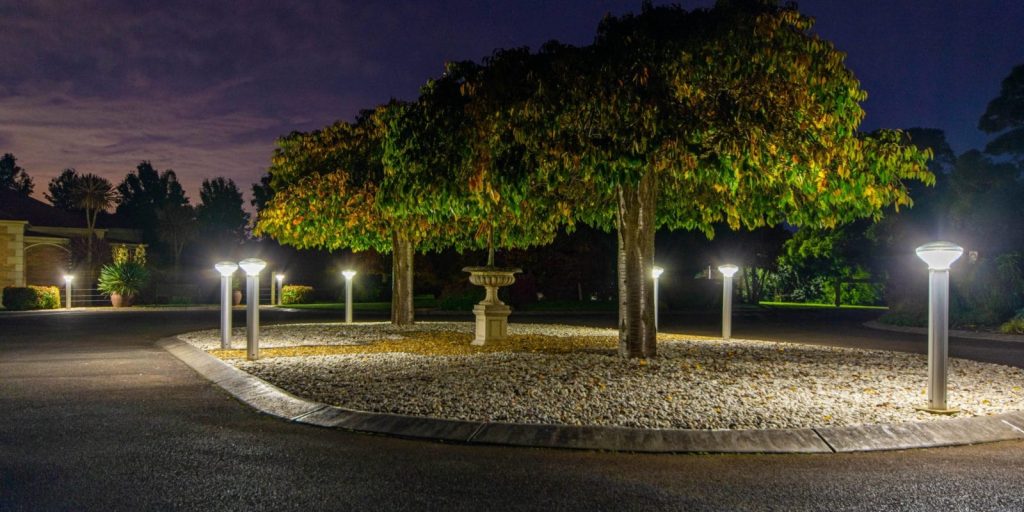
For cold/arctic climates that experience prolonged winters with extreme temperatures, there is a condensed growing season typically starting in late spring until early autumn. During this period, intensive planting and care activities are undertaken, often requiring specialized techniques such as using frost blankets or heated greenhouses to extend the growing season.
In essence, the timeline for landscape work is a flexible framework that alters as per specific climatic conditions and the inherent needs of the plants selected. Understanding these dynamics empowers landscapers to harmonize their efforts with nature’s rhythm, resulting in landscapes that are not only aesthetically pleasing but also ecologically sound.
When the Green Curtain Rises: The Start of the Landscaping Season
Deciphering the Dawn of Greenery: Factors Influencing the Start of Landscaping Season
The advent of landscaping season arises not simply with a change in calendar dates but rather is influenced by a multitude of factors. The paramount among these is geographic location and its corresponding climate zone. A tropical region, for instance, permits year-round landscaping activities due to its warm and consistent weather conditions.
However, temperate and cold/arctic regions are beholden to seasonal changes, which dictate the timing and nature of landscape work. The specific types of plants chosen for a landscape also have significant bearing on when one starts their gardening endeavors.
Each plant type has its unique growing season and requirements for optimal growth. A tulip bulb planted in fall will burgeon into a beautiful bloom by spring, while tomatoes sown in early summer will reward you with ripe fruit by late summer or early fall.
Weather conditions and predictions play an influential role too. An unusually long winter or a premature spring can either delay or expedite the commencement of landscaping season.
Landscaping’s Opening Act: Typical Start Time Across Different Regions
Landscaping’s onset varies significantly from one region to another. In tropical regions where temperatures remain consistently warm, landscaping activities continue through most parts of the year with minor slowdowns during periods of extreme heat or heavy rainfall.
In temperate regions that experience four distinct seasons, late winter or early spring often heralds the start of major landscaping projects. This period allows for the preparation and planting needed to facilitate vibrant growth come summer.
For cold/arctic regions, where frost blankets the ground for extended periods each year, landscaping often commences upon thawing when soil becomes workable again – typically in late spring or early summer.
Laying the Groundwork: Preparing for the Start of Landscaping Season
Prior to delving into your landscaping endeavors, a well-thought-out plan is imperative. Begin by evaluating your landscape needs and goals. Envision what you wish to achieve and how you want your garden or yard to look at the season’s peak.
Next, based on this vision, plan your landscape design. This involves deciding on plant types and their placement, considering factors such as sunlight exposure, soil type, and proximity to water sources.
The procurement of necessary tools, materials, and plants follows suit. This can be a gradual process throughout winter so that by the time spring arrives, all requisite resources are in place.
It’s prudent to schedule tasks based on planting seasons and growth cycles of chosen plants. Certain tasks like pruning might need early attention, while others like fertilizing could be scheduled for later.
A Green Symphony Begins: Key Activities at the Start of a Typical Landscaping Season
As landscaping season dawns upon us, several key activities take center stage. First among these is preparing the soil for spring planting, which includes cleaning up debris from winter, testing soil pH levels, and amending it with organic matter or fertilizers as required.
Aligning with this soil preparation is early-season planting involving trees and shrubs that prefer cool weather along with certain vegetables like peas or flowers like pansies that thrive in spring’s gentle warmth.
Pest control measures also become essential at this juncture to deter harmful insects from destroying nascent plant growths. Another important start-of-season task involves initial pruning of certain trees and shrubs to ensure healthy growth patterns.
Unearthing Secrets of the Earth: Rarely Known Details about Starting a Landscape Season
Digging deeper into these activities reveals some intriguing details about starting a landscape season. For instance, did you know that adding coffee grounds to your soil can enhance its nitrogen content? Or that marigolds planted early in the season can deter pest infestations due to their repellent odor?
Among early bloomers, plants like the red maple tree or witch hazel shrub are lesser-known choices that can add a unique charm to your garden. Even some unconventional pest control measures, like using a vinegar solution against ant hills or introducing beneficial insects like ladybugs into your garden, can be remarkably effective.
Conclusion: When Does the Landscaping Season Start?
In essence, the start of the landscaping season is a symphony orchestrated by nature and conducted by us. It’s a time when we work in harmony with Earth’s rhythms to create our own patches of paradise. Despite its challenges, each new season brings with it an opportunity for growth and rejuvenation – not just for our gardens but for ourselves as well. So let’s welcome the upcoming landscaping season with open arms and green thumbs!
You may also be interested in the following posts: