
Light up the Night: An Exploration into Landscape Lighting
The Luminous World of Landscape Lighting
Landscape lighting, often known as outdoor lighting or garden lighting, refers to the use of outdoor illumination for private gardens and public landscapes for comfort, nighttime aesthetics, accessibility, security, recreation and sports, and social and event usage.
It is a tool that has been in use for centuries to imbue an ethereal quality into our surroundings under the cloak of night. From the waving shadows cast by a single lantern to modern state-of-the-art LED installations that splash color across buildings, landscape lighting has always been about bending light to our will for functional or aesthetic purposes.
The art and science of landscape lighting encompass many different elements. It involves the delicate interplay between light and shadow, understanding how different types of light affect perception and mood, knowing where to place fixtures for optimum effect or safety, among other considerations.
Lighting our world after sunset does more than only chase away the gloom; we are creating an ambiance that speaks volumes about our aesthetic sense while providing practical benefits. The right kind of landscape lighting can transform ordinary outdoor spaces into extraordinary ones.
Shining Light on Importance: Why Effective Landscape Lighting Matters
‘To love beauty is to see light’, said Victor Hugo – and no one understands this better than those who have appreciated a beautifully lit landscape at night. Effective landscape lighting achieves much more than just lighting; it enhances aesthetics while serving practical needs.
Firstly, it accentuates architectural features – the curves of an archway or dramatic edges can be highlighted using specific lights. Landscapes become live canvases painted with light when trees are uplit or pathways lined with soft glows. Water features come alive under appropriate lights, creating mesmerizing reflections playing on water surfaces.

Safety is another pertinent reason why effective lighting matters greatly in landscaping – whether it’s spotlighting a shadowy corner or lighting up paths and steps to prevent accidents. Good lighting also acts as a deterrent for potential intruders, adding an additional layer of security to your property.
From an environmental perspective, effective landscape lighting ensures that only the desired areas are lit, thus minimizing light pollution. It promotes energy efficiency by utilizing low-voltage lights or solar-powered options. Hence, it’s not just about creating beautiful spaces but also about responsible use of resources.
Up Ahead: A Preview into the Types of Landscape Lighting
In this enlightening journey through landscape lighting, we will delve into various types that cater to different needs and create unique visual experiences. Our exploration will take us through the world of path lights – quaint sentinels guiding one along garden trails; spotlights – or floodlights – that bask sections of landscape in their radiant brilliance; underwater lights – the silent illuminators beneath water surfaces; in-ground well lights – that lie hidden yet fill surroundings with their glow; and step lights that light up each step, ensuring safety while adding to aesthetics.
Each type comes with its own set of advantages and disadvantages, which need to be thoroughly understood before making a choice. The right kind of light can bring out the soul of space, while poorly chosen ones can make the same space appear uninviting.
But our journey doesn’t end here – we will venture into the realm where technology meets aesthetics in landscape lighting and discuss modern advancements like smart technology integration or energy-efficient solutions that are shaping future trends in this field. So let us embark on this enlightening voyage as we unravel facets that make landscape lighting a fascinating subject.
Understanding Landscape Lighting: Brilliance and Transformation
Shedding Light on the Subject: The Definition and Purpose of Landscape Lighting
Landscape lighting, also referred to as outdoor lighting or garden lighting, is the intentional use of lighting in outdoor spaces. These spaces may comprise private gardens, public landscapes, patios, or decks. Such lighting isn’t merely utilitarian; it exists not only to dispel darkness but also to sculpt an environment, creating a captivating interplay between shadows and light.
The primary purpose of landscape lighting extends beyond mere visibility. It is about enhancing aesthetics by highlighting architectural features of your home or the natural beauty inherent in your garden. For instance, lighting a beautifully gnarled tree can transform it into an enchanting focal point within your landscape.
Landscape lighting also aims at extending livable space visually. When done right, it can make your outdoor area inviting even after sundown, thus increasing the time you spend outside during warm months.
Moreover, landscape lighting serves to create ambiance tailored to personal aesthetic preferences or seasonal celebrations – such as intimate, cozy settings for family gatherings or festive sparkle for holiday occasions. In essence, landscape lighting is an art that requires careful planning and execution for its true potential to unfurl – much like painting with light on nature’s own canvas.
An Effective Balance: Aesthetics and Functionality in Landscape Lighting
As with many facets of design, effective landscape lighting hinges on striking a balance between aesthetics and functionality. While well-executed outdoor illumination enhances beauty, it should never sacrifice practicality on the altar of visual appeal alone.
Aesthetic choices should contribute towards scene-setting while ensuring ease of use for various activities like reading outdoors late into twilight hours or preparing barbeques after sunset. The choice of lighting fixtures, their placement, and their intensity all play a pivotal role in creating a space that is both visually engrossing and functionally sound.
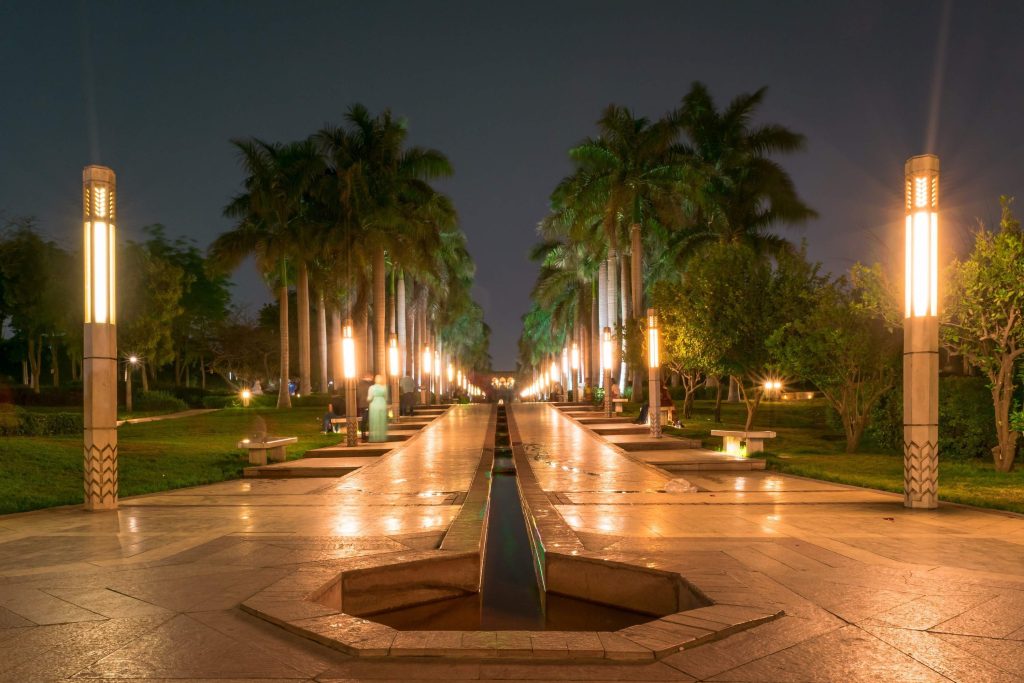
For instance, using path lights not only illustrates the way but also adds a layer of charm to your garden. These low-standing lights with shades that direct light downwards emphasize meandering pathways while contributing to the overall landscape design.
Similarly, spotlights can highlight and dramatize features like statuary or water fountains while ensuring safety by intentionally illuminating potential obstacle areas. Thus, they form an amalgamation of beauty with utility.
Hence, successful landscape lighting design doesn’t confine itself to either aesthetics or functionality. Instead, it weaves them together into one harmonious solution that delights as much as it delivers.
A Beacon in the Dark: The Impact of Landscape Lighting on Safety and Security
While often overlooked in favor of its aesthetic counterpart, the impact landscape lighting has on safety and security is significant. Outdoor lighting reduces potential hazards present after dusk, like unseen steps or uneven ground – effectively guiding both homeowners and visitors safely through the property.
A well-lit exterior also deters prospective intruders by reducing hiding spots around entrances or windows. The logic is simple: homes that are well-lit project an impression of vigilance, making them less attractive targets for break-ins.
In addition to thwarting unwelcome guests, landscape lighting can help identify potential threats from non-human trespassers too. For instance, if you live near wooded areas prone to nocturnal wildlife activity, such as raccoons or possums exploring your garden, proper lighting will make these nighttime visitors more visible, providing you ample time to react properly.
Besides this practical aspect of safety & security enhancement through illumination, there is psychological comfort inherent in well-lit spaces. A tastefully lit outdoor area, especially one visible from interior spaces, can provide a reassuring sense of order and control after nightfall. Effective landscape lighting serves as a beacon in the dark – ensuring aesthetics, functionality, safety, and security come together to create a captivating yet safe outdoor environment.
The Most Effective Types of Landscape Lighting
The Most Popular Types of Landscape Lighting
The Path to Enlightenment: Path Lights
Path lights, as their name suggests, are primarily used to illuminate paths, walkways, and driveways. They provide a guiding light and add an elegant touch to any landscape. Typically, they are installed on both sides of a pathway or driveway at regular intervals to create a well-lit passage.
One of the main advantages of path lights is their contribution to safety. By clearly lighting the ground, they reduce the risk of tripping over unseen obstacles at night. Moreover, they add a welcoming appeal to your property and can enhance visual appeal.
However, if not properly installed or if used excessively, path lights can cause light pollution by creating unnecessary glare. Moreover, because they are often exposed to foot traffic or outdoor elements like rain and snow, there might be a higher need for maintenance.
Spot-On Lighting: Spotlights (including Floodlights)
Spotlights – and their intense cousins, floodlights – are potent sources of focused lighting designed for highlighting specific features in your landscape, such as architectural details, statues, or prominent trees. A major benefit of using spotlights is their versatility – you can adjust them to focus tightly on one element or broaden the beam for more general lighting.
Additionally, when strategically placed, they can increase security by eliminating potential hiding spots for intruders in your yard. On the downside, however, spotlights might not be suitable for all types of landscapes due mainly to their intensity. Improperly aimed spotlights could create shadowy areas in unwanted zones.
Aquatic Brilliance: Underwater Lights
Underwater lights bring an ethereal beauty to any water feature, such as fountains, ponds, or pools, in your garden landscape. They have a dual role – providing necessary safety around water bodies while enhancing aesthetic appeal. One key advantage of underwater lights is the mesmerizing effect they create.
They can make your landscape look magical in the evenings and nights. Furthermore, they increase visibility in and around water bodies, enhancing safety. However, installation and maintenance could be a challenge given their subaqueous placement. Also, they can attract aquatic insects or algae if not properly maintained.
The Hidden Glow: In-Ground Well Lights
In-ground well lights are embedded into the ground, making them a discreet choice for landscape lighting. They’re often used to uplight trees or walls, creating dramatic shadows and highlights. The major advantage of well lights is their subtlety – since they’re flush with the ground, they don’t distract from your landscape during daylight hours.
Plus, because they’re shielded by a protective casing, they’re durable against weather elements and accidental damage. Conversely, one drawback could be that debris like leaves can cover them, reducing their effectiveness unless cleared regularly. Also, installation might require considerable groundwork to accommodate fixtures and wiring.
Guiding Brightness: Step Lights
Step lights are an essential aspect of landscape lighting when you have outdoor stairs or steps as part of your home’s architecture. They highlight each step individually, ensuring safe movement after dusk. Step lights not only serve a functional purpose but also add visual depth to outdoor spaces at nighttime while providing an upscale feel.
Their low-profile design prevents them from being intrusive in your overall aesthetic scheme. On the flip side, however, if poorly installed step lights could produce too much glare, causing discomfort for users. Their proximity to foot traffic also makes them more susceptible to damage requiring timely maintenance.
Varieties in Light Sources for Landscape Lighting
The Incandescent Charm
The incandescent bulb, a classic choice, has been lighting up our surroundings for decades. Known for its warm, inviting glow, this type of bulb enhances the natural beauty of outdoor settings. They provide an appealing radiance that is often considered more aesthetically pleasing than other types of lighting. However, incandescent bulbs aren’t without their drawbacks.

Their energy efficiency leaves much to be desired – only about ten percent of the energy they consume produces light, with the rest dissipating as heat. This inefficiency also results in a comparatively short lifespan, which equates to increased maintenance and replacement costs.
Despite these disadvantages, incandescent bulbs still have their place in landscape lighting. They are an excellent choice for accentuating architectural features or creating cozy outdoor living spaces where a warm ambiance is desirable.
LED Lights: The Efficient Light Source
Light-emitting diode (LED) technology has revolutionized landscape lighting with incredible energy efficiency and longevity, surpassing all other available options. They consume less power and last up to 25 times longer than incandescent bulbs, making them a cost-effective solution in the long run.
Though they come with higher upfront costs compared to traditional lights, their durability and low maintenance make them an economical choice over time. LED lights offer flexibility in color temperatures ranging from warm yellowish hues to cool bluish whites suitable for different moods and settings.
One potential downside is that poorer quality LED lights can offer less-than-pleasing color rendering – but this can easily be mitigated by investing in high-quality fixtures from reputable brands. LED lights are perfect for overall lighting or highlighting specific outdoor elements like pathways or focal points where long-term reliability is paramount.
Halogen Bulbs: The Bright Performer
Halogen bulbs, a variation of incandescent lighting, use halogen gas to increase light output and lifespan. Offering bright, white light that closely mimics natural daylight, they are excellent for tasks requiring precision or where color accuracy is important.
However, like their incandescent counterparts, halogen bulbs are not particularly energy-efficient. They’re often hotter than other types of lights due to the high temperatures at which they operate – a potential safety concern in dry climates or areas with flammable materials.
While they have a longer lifespan than traditional incandescent bulbs, they don’t match up to LEDs in terms of longevity. Halogen lights work best in outdoor areas where bright light is needed temporarily – perhaps for evening sporting events or nighttime social gatherings.
Solar-powered Lights: The Eco-Friendly Beacon
Harnessing the power of the sun, solar-powered lights are an environmentally friendly solution that can greatly reduce energy consumption in outdoor spaces. They work by storing sunlight during the day and converting it into electricity used for illumination when darkness falls.
Solar-powered lights require little maintenance and no external wiring, allowing them freedom of placement within your landscape. This makes them an excellent choice for remote parts of a garden or property where wiring may be impractical. However, their performance can be inconsistent depending on weather conditions and seasonal daylight hours – cloudy days mean less charge for your solar lights.
Also, while improvements have been made in recent years, they typically do not emit as much light as wired options. Solar lights are ideal for marking pathways or subtle accentuation throughout your landscape where softer lighting would suffice.
Technological Advances in Landscape Lighting
Brilliance and Brain: Smart Technology Integration with Outdoor Lighting Systems
The digital revolution has transformed myriad facets of our lives, and landscape lighting is no exception. In recent years, the integration of smart technology into outdoor lighting systems has emerged as a revolutionary stride.
With innovative features like remote control access, programmability, and automation, smart lighting systems offer unparalleled convenience and functionality. Users can program lights to turn on or off at specific times, adjust brightness levels to create the perfect ambiance, or even control their lights remotely using smartphone apps. Furthermore, these intelligent systems can incorporate motion sensors for enhanced security.
Beyond convenience features, smart technology also enables increased energy efficiency. Many such systems are designed to optimize light usage according to natural daylight conditions or user activity patterns. For instance, some lights automatically dim when ambient light levels are high or during periods of inactivity.
In addition to individual homes, smart outdoor lighting also holds significant potential for community-level applications. Smart streetlights equipped with sensors can adjust their output based on traffic volumes or weather conditions – optimizing energy use while ensuring public safety.
Despite these benefits, it is crucial to recognize that integrating smart technology into outdoor lighting does involve some challenges – the need for reliable network connectivity being the most notable among them. Thus it’s essential to consider local infrastructure and individual requirements when deciding on the aptness of this solution.
The Dawn of Sustainability: Energy-Efficient Options for Sustainable Solutions
In an era increasingly defined by environmental consciousness and sustainability imperatives, energy efficiency is a key factor in evaluating landscape lighting solutions. Indeed, energy-efficient options not only mitigate environmental impacts but also provide tangible cost savings via reduced energy consumption.

LED lights are the leaders in this realm, consuming significantly less energy than traditional incandescent or halogen bulbs. Moreover, LED lights boast a markedly longer lifespan – a factor that further amplifies their cost-effectiveness over time. It’s worth noting that while LEDs may have higher initial costs than some alternatives, these expenses are often offset by long-term energy savings.
Another promising avenue for energy efficiency lies in solar-powered lighting options. These systems harness sunlight to generate electricity – resulting in zero operational emissions and minimal running costs. However, the effectiveness of solar-powered lighting is profoundly influenced by geographic location and local weather trends.
Shining Responsibly: Light Pollution Reduction Techniques
The issue of light pollution has gained significant attention over recent years. Excess or misdirected outdoor lighting can lead to glaringly lit skies at night – disrupting ecosystems, obscuring starry views, and contributing to energy waste. Fortunately, several techniques can help curtail light pollution from landscape lighting installations.
Firstly, using fixtures with full cut-off designs (i.e., those that direct light downward) helps minimize upward spillage of light into the sky. Secondly, employing lower-intensity lights or adjusting brightness levels according to necessity can significantly reduce unnecessary light output.
Furthermore, smart technology can again prove beneficial here – allowing users to program lights only when needed and preventing wasteful illumination during unoccupied hours. With conscious choices and strategic design principles, it’s entirely possible – and increasingly necessary – to enjoy beautifully lit landscapes without unduly harming our precious environment.
The Artistic Aspect – Designing with Light
Principles for Designing a Well-Lit Outdoor Space
The design principles of outdoor lighting are not only grounded in practicality but are also fundamentally aesthetic in nature. This fusion of functionality and beauty is what enhances the overall appeal.
The first principle to consider is balance. A well-lit garden should not have overly lit areas contrasted with dark zones. Strive to achieve a harmonious blend of light and shadow, highlighting focal points without oversaturating the space.
The second principle revolves around layering. Layering your lights ensures you have different intensities and sources of light for varying purposes, whether it’s path lights for navigation or spotlights to accentuate key features in your landscape.
Next is color temperature, which can drastically impact the ambience of your outdoor space. While cool white light might be prominent, warm white light can add a cozy, inviting glow to your garden or patio.
Sustainability is another principle that deserves consideration when designing an effective landscape lighting layout. Consider using energy-efficient bulbs such as LEDs or solar-powered lights that offer sufficient lighting while reducing your energy footprint.
Remember the importance of adaptability. Your garden will evolve over time, and so too should your lighting arrangement be able to accommodate these changes with ease and elegance.
The Role of Shadows, Silhouettes & Reflections in Enhancing Beauty
When manipulated artistically, shadows and silhouettes can render an ethereal beauty to your landscape after dusk. Shadows can add depth and dimension to flat surfaces by highlighting textures and shapes that might be overlooked during daylight hours.
Silhouettes cast by strategically placed spotlights behind architectural features or plants can create dramatic scenes that draw attention even from afar. They can infuse an element of intrigue and mystery into your garden, making it not just a visually pleasing space but a fascinating tableau of light and shape.
Reflections too play a crucial role in the realm of landscape lighting. The surfaces of water bodies such as pools or ponds can act as mirrors, doubling the visual impact of lighting and creating mesmerizing patterns on the surface. This effective use of reflections can significantly amplify your garden’s aesthetic appeal.
The interplay between light and dark, when handled with deliberation and taste, can transform ordinary landscapes into magical nighttime sanctuaries. By crafting these shadows, silhouettes, and reflections with intent, you convert mere sources of illumination into brush strokes that paint your nocturnal masterpiece.
However, it is essential to remember that subtlety is key in these applications. Overdoing any one aspect may disrupt the harmony that you are striving to achieve through thoughtful lighting design.
Conclusion: What Type of Landscape Lighting Is the Most Effective?
As we sift through the numerous aspects defining effective landscape lighting – from types of fixtures to innovative technologies – it becomes evident that this subject is both science and an art form. It requires astute understanding about practicality fused with an aesthetic sensibility to create an ambiance that’s inviting yet secure, beautiful yet sustainable.
The allure lies in this challenge: orchestrating light in its myriad forms to brighten our outdoor spaces in ways that accentuate their beauty while serving practical needs. When accomplished successfully, we elevate our landscapes from being mere extensions of our living space to exquisite galleries displaying nature’s artistry – all under the enchanting cloak of night.
You may also be interested in the following posts: