
What Are the Causes of LED Tube Light Failures?
An Introduction to LED Tube Lights
As the dawn of technology continues to enhance our understanding of the world, we find ourselves fascinated by its brilliant inventions. One such invention that has revolutionized our lives is the LED tube light. Light-emitting diodes have rapidly gained popularity in the last decades due to their high energy efficiency and longer lifespan compared to traditional bulbs.
LED tube lights are elongated bulbs that fit into fluorescent light fixtures but use significantly less power and, consequently, are more cost-effective. With a myriad of applications ranging from indoor home lighting and outdoor landscape lighting to UV LED tube lights utilized for disinfection, these superior lighting devices have truly redefined how we perceive light.
For horticulture enthusiasts, LED tube grow lights allow for indoor plant growth by simulating sunlight – a boon during colder months or for spaces lacking natural light. Moreover, solar LED tube lights have become increasingly prominent in eco-friendly outdoor lighting solutions.
The Brilliant Advantages of LED Tube Lights
Moving from traditional incandescent or fluorescent bulbs to LED tube lights is a step towards embracing sustainable living practices. The benefits they offer extend not merely to individual users but also impact our environment positively – an aspect crucially important in today’s eco-conscious society.
One of the most highly touted advantages of these luminous devices is their energy efficiency. Conventional lighting solutions dissipate much energy as heat; however, LEDs convert almost 95% of their energy into light with just 5% wasted as heat – making them supremely energy-efficient. For instance, LED tube string lights used during festive seasons save considerable power when compared with conventional string lights.
Their durability and long lifespan make them another reason for their increasing adoption across households and commercial spaces. LED tube lights have an impressive lifespan of up to 15–20 years based on average usage, significantly reducing the need for frequent replacements. Their robust nature allows them to withstand harsher environments and conditions, and even in case of failures, LED tube retrofit lights can be handy solutions.
LED tube lights are not just limited to bright, white light. They come in a variety of color options, including RGB LED tube lights that can cycle through a spectrum of colors – adding a vibrant touch to any space. Smart LED tube lights have also entered the market, enabling users to control their lighting systems using smartphone applications for enhanced convenience and customization.
The creative applications of these versatile devices are plentiful – from LED tube strip lights that add aesthetic appeal to your home decor to vintage LED tube lights that bring a retro charm with modern efficiency. Switching over to LED lighting solutions is undoubtedly a bright idea – one that brightens our lives in more sustainable and visually appealing ways.
Demystifying the Bright Science: How Do LED Tube Lights Work?
Light-emitting diodes (LEDs) are fundamentally different from traditional light sources. The operation of an LED tube light involves the movement of electrons through a semiconductor material, which produces light as a byproduct. This process, known as electroluminescence, is highly efficient and results in minimal wastage of energy in the form of heat.
Unlike incandescent bulbs that produce a spectrum of light radiation through heat, LED tube lights emit light at specific wavelengths. This characteristic is what makes them suited for unique applications such as RGB LED tube lights that illuminate in red, green, and blue colors or UV LED tube lights that emit ultraviolet light. The advent of smart LED tube lights has revolutionized lighting systems worldwide.
These innovative devices can be remotely controlled via smartphone apps or home automation systems, allowing users to manipulate their color and intensity easily. LEDs can operate efficiently under low-voltage conditions; this feature contributes to why they’re widely used in landscape lighting or solar LED tube lights, where energy conservation is essential.
Moreover, LED lights have found their way into agricultural applications due to their ability to generate specific wavelengths necessary for plant growth. Thus, you can find numerous indoor farms illuminated by specialized LED tube grow lights.
A Closer Look: Components Involved in the Functioning of an LED Light
At first glance, an unlit LED light might seem no different from regular bulbs. However, upon closer inspection and activation, one quickly notices how variegated and multifaceted these luminaries are indeed. The principal components involved in crafting an effective LED system include the diode itself (which produces the actual lighting), a heat sink to dissipate thermal energy generated during operation effectively, and a driver that regulates power flow to ensure optimal performance.
Much akin to how vintage illuminators were prized for their distinct aesthetics, LED tube vintage lights have reproduced that same coveted retro look while maintaining superior efficiency and longevity. They owe this feat to the intricate design of their internal components, which combine modern technology with traditional styling. LED tube string lights, or LED tube strip lights, feature multiple LEDs arranged linearly on a flexible circuit board. They provide a seamless lighting solution suitable for various settings – from festive decorations to accent lighting in homes and establishments.
LED retrofit lights are another variant of LED tubes that are increasingly becoming popular. These energy-efficient replacements for conventional fluorescent tubes come equipped with compatible ends that fit into existing fixtures, making the transition to LEDs a hassle-free experience. LED tube lights aren’t just about better lighting – they’re about smarter, more efficient, and more versatile lighting solutions. The future is indeed bright with LED technology leading the way.
Common Reasons Why LED Tube Lights Don’t Work
The Dilemma of Power Supply Issues: Insufficient Voltage or Current
LED tube lights, whether they be UV LED tube lights, LED tube strip lights, or LED tube string lights, often suffer from power supply issues. An insufficient voltage or current can prevent these LED tube grow lights and solar LED tube lights from functioning optimally. These electrical parameters are crucial to the seamless operation of LEDs, as they directly affect their brightness and longevity.
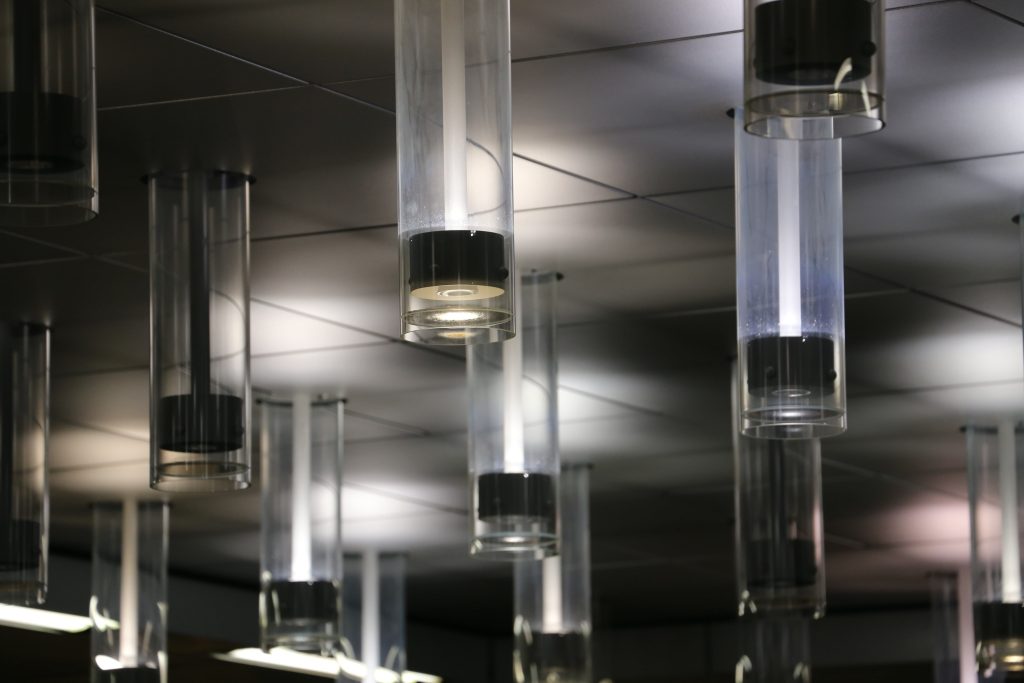
Voltage drop is a common issue faced by longer runs of LED landscape lighting. Due to resistance in the circuit, voltage can decrease along the length of the LED strip or string lights. This results in dimming – the further from the power source, the more noticeable it becomes. Power supply problems can also occur if your smart LED tubes are connected to an incompatible driver.
The driver’s role is to convert incoming AC voltage into DC voltage suitable for LEDs’ operation. A mismatch here can lead to underperformance or complete failure. On this subject, pay heed to your circuit’s current capacity; overloading with too many RGB LED tube retrofits may result in inadequate current distribution among individual units, causing them not to light up at all.
The Perils of Poor-Quality Components: Inferior LEDs, Drivers, or Circuit Design
Poor-quality components significantly hamper the functionality of any type of light, including vintage LED tubes and smart LED tube lights. Inferior materials disappoint with shorter lifespans and sub-par performance. Consider inferior LEDs used in some less reputable LED tube vintage lights; they often have low luminous efficacy, translating into poor brightness levels compared with high-quality counterparts.
Similarly, low-grade drivers incorporated into cheaper alternatives commonly have reduced life expectancy due to poor heat management capabilities, which may lead your entire unit towards premature failure. Non-ergonomic circuit designs, too, can plague even those most enchanting LED tube string lights.
A circuitry that doesn’t ensure even distribution of current among individual LEDs can lead to a few LEDs consuming more power, causing them to dim prematurely and inconsistently. Thus, when shopping for LED tube lights, whether they be for decorative or functional purposes, always opt for high-quality components.
Incorrect Installation: Wrong Wiring or Mismatched Ballast
In the realm of lighting, installation errors are unfortunately not uncommon. Wiring mishaps and mismatched ballasts often wreak havoc on the functionality of LED tube grow lights and other similar fixtures. For instance, one mistake is directly connecting your LED tube light to the main power line without considering the proper driver or bypassing an existing incompatible ballast.
This misstep can either damage your LED tubes beyond repair due to excessive voltage or prevent them from switching on at all due to insufficient voltage. Another frequent error occurs with RGB LED tube lights, where incorrect connection of positive and negative terminals leads to no illumination, as these LEDs are polarity specific.
Ballasts are another critical aspect in this conversation. Old magnetic ballasts from fluorescent light fixtures aren’t always compatible with today’s advanced LED technology. If you’re retrofitting an old fixture with new solar LED tube lights without changing the ballast, it may result in flickering or failure altogether.
Environmental Factors: Excessive Heat, Cold, or Moisture
LED lights may be robust, but they aren’t invincible. Environmental factors like extreme heat, cold temperatures, and moisture can significantly impact their functionality and lifespan – even those tough, rugged landscape tubes aren’t exempt from these woes.
Heat is a formidable foe, often causing irreversible damage by accelerating lumen depreciation, leading towards premature dimming in most kinds, including smart LED tube lights. Cold too can be detrimental, especially for particular variants such as solar LED tube lights, which rely on photovoltaic action for their operation, which is adversely affected at lower temperatures.
That being said, LED tube lights are generally more resistant to cold than traditional lighting options, which makes them a popular choice for outdoor landscape lighting in colder climates. Moisture is another enemy that can result in corrosion of the metallic components of the LED circuitry.
However, many modern outdoor fixtures, including those fancy LED tube string lights, are designed with adequate water resistance to tackle this problem. Understanding these common problems and how they affect your LED tube lights can ensure their longevity and optimal performance.
In-Depth Analysis of Each Problem: Dissecting the Dilemmas
Power Supply Issues: The Voltage and Current Conundrum
LED tube lights, like any other electrical device, heavily rely on proper power supply for optimal operation. Insufficient voltage or current can severely impede their functionality. When these elements are not properly balanced, LED tube lights may flicker, dim prematurely, or cease to work entirely.
Identification of power supply issues can be ascertained by a simple process of elimination. If your LED tube light fails to function despite being relatively new and correctly installed, there’s a strong possibility that the issue lies within its power supply. You may also utilize a multimeter to check voltage levels.
The most straightforward solution lies in ensuring that your LED tube light is connected to a power source supplying adequate voltage and current. Using regulated power supplies or LED drivers may rectify this issue. Regular inspection of wiring and connections would also contribute to averting such problems.
Poor Quality Components: The Inherent Inferiority
Inferior components severely undermine an LED tube light’s performance longevity. Substandard LEDs may exhibit diminished brightness over time, while poor-quality drivers can lead to inconsistent lighting. Signs of poor-quality components often manifest as dimming lights, flickering, inconsistent color temperature, or premature failure altogether. These symptoms are especially indicative if they occur within a short span post-installation.
Investment in high-quality parts from reputable sources is indispensable for ensuring stellar performance from your RGB LED tube lights or solar LED tube lights alike. It is crucial not only to seek out top-grade LEDs but also accompanying elements like capacitors and resistors during the procurement process for your smart LED tube lights or landscape lighting projects.
Incorrect Installation: A Misstep in Assembly
Incorrect installation stands as one of the most common culprits behind malfunctioning LED tube lights. Improper wiring, incompatibility with existing ballast, or reverse polarity can impede the functionality of LED tube lights. Signs of incorrect installation include non-responsive or flickering lights.
Moreover, if an LED light functions intermittently despite being new and connected to a proper power source, it often indicates an installation error. You can rectify such issues by following the manufacturer’s instruction manual meticulously during installation. Ensuring compatibility with the existing ballast in case of retrofit installations and taking care to align the polarity correctly when wiring can help avoid such issues.
Environmental Factors: The Elements’ Assault
Extreme temperatures and moisture levels also pose significant threats to LEDs’ longevity. Excessive heat might lead to premature degradation of components or cause them to overheat, while excessive moisture could cause internal short circuits, thereby ruining your LED tube vintage lights or UV LED tube lights.
If your LED light begins to dim prematurely, flickers inconsistently, or stops working altogether, especially after exposure to extreme weather conditions such as heat waves or heavy rain, the environment is likely at fault. To counter these elements’ assaults on your smart LED tube lights or your landscape lighting solutions, consider installing them in locations free from extreme temperature fluctuations and protect them from moisture exposure where possible.
Preventative Measures and Maintenance Tips for Prolonging the Lifespan of LED Tube Lights
Proactive maintenance measures play a pivotal role in prolonging an LED light’s lifespan. Regularly inspect for any potential damage on LED tubes, including signs of overheating, as well as clean dust off them, which can contribute towards maintaining their brightness levels longer. For outdoor fixtures like solar LED tube strip lights or LED tube string lights, ensure regular weather checks and appropriate placement away from direct harsh environmental exposures, which may accelerate degradation.
Conclusion: Why Don’t the LED Tube Lights Work?
While the aforementioned issues might lead to malfunctioning LED tube lights, it is heartening to recognize that the majority of these problems are preventable by following proper measures. By investing in high-quality components, ensuring correct installation, and protecting your lights from extreme environmental conditions, you can enjoy a prolonged lifespan from your LED tube lights. Whether it’s LED tube grow lights for indoor gardening enthusiasts or RGB LED tube lights adding a splash of color to interiors, with proper care and maintenance, these energy-efficient lights will continue to brighten our lives for years.
You may also be interested in the following posts: