
Solutions for LED Tube Lights That Keep Turning Off
A Luminary Exploration into the World of LED Tube Lights
LED tube lights, a fixture in our everyday environments, are characterized by their high efficiency, durability, and versatility. Ranging from the nostalgia-inducing LED tube vintage lights to the vibrant RGB LED tube lights that add color to any setting, these lights have found their place in various applications.
They’re utilized extensively in landscape lighting due to their energy-saving benefits and are a popular choice for indoor illumination as well. UV LED tube lights serve specialized purposes such as sterilization, while solar LED tube lights offer an eco-friendly solution for outdoor lighting. Truly, LED tube light technology has permeated all spheres of human life.
The Lighting Importance and Benefits of LED Tube Lights
Appreciating the importance of LED tube lights involves understanding their numerous benefits over traditional lighting solutions. Firstly, they are renowned for their energy efficiency and long lifespan, qualities that make them both cost-effective and environmentally friendly.
Their sturdy construction ensures resistance against shock and vibration – an advantage that becomes evident in areas with high footfall or risk from external impact. With innovations like smart LED tube lights that can be controlled remotely via apps or home automation systems, the user experience has further improved.
For businesses seeking ways to reduce overall costs, these traits combined make a compelling case for swapping out traditional fluorescent tubes with LED counterparts. LED tubes also provide superior light quality compared with other types of bulbs – be it stringently calibrated grow rooms using LED tube grow lights or intricate retrofit projects utilizing LED tube retrofitting kits for seamless integration into existing fixtures, each variant caters uniquely to specific requirements.
Unraveling the Mystery of Why LED Tubes Keep Turning Off
Despite all its glowing attributes (no pun intended), even this technological marvel isn’t without its share of problems – one common issue being that they often unexpectedly turn off. Whether you have a vibrant display using LED tube strip lights or a cozy nook lit by LED tube string lights, having them flicker or turn off can be both annoying and disruptive.
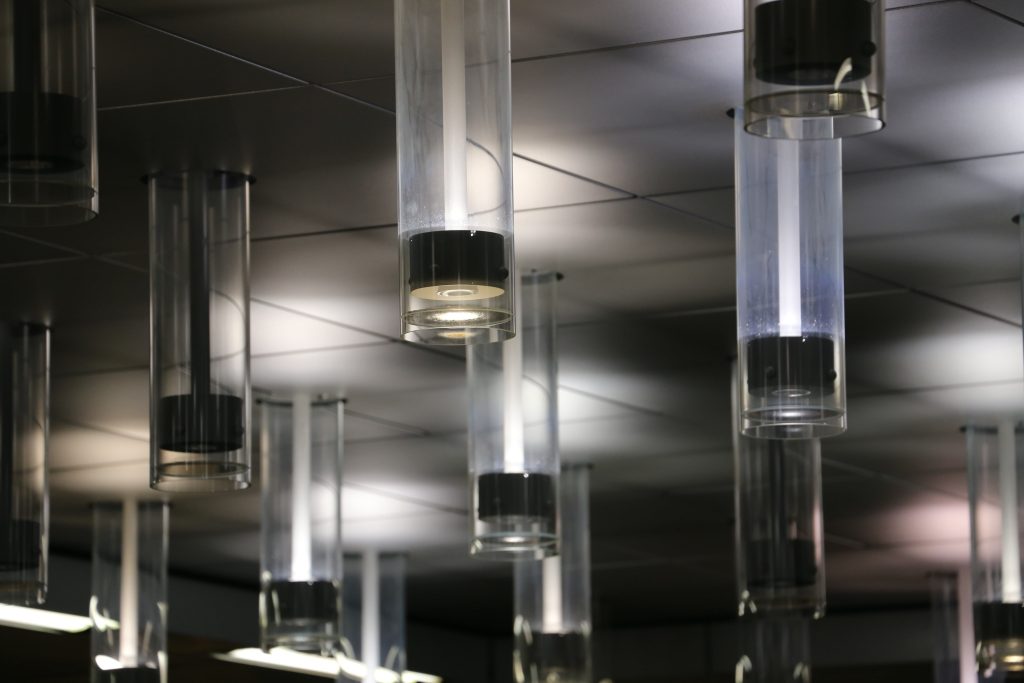
The reasons for this issue can be multifaceted: overheating due to poor heat dissipation, faulty electrical connections, the quality of the bulb itself, or even inconsistencies in the power supply. This issue is neither model-specific nor universal across all LED tubes; hence, it could affect smart LED tube lights just as easily as it could your regular LED tube lights.
In this comprehensive exploration, we aim to shed light (and keep it on) on these common issues and their solutions – specifically focusing on the perplexing predicament of LED tube lights turning off. Whether you’re dealing with vintage bulbs for your rustic-themed café or utilizing RGB LED tubes for an atmospheric event setup, understanding these problems and their solutions will undoubtedly illuminate your path towards unimpeded brightness.
Understanding the Basics of LED Tube Lights
LED tube lights have quickly become a ubiquitous feature in modern lighting for their energy efficiency, longevity, and versatility. Whether as UV LED tube lights used to kill bacteria, LED tube grow lights aiding in indoor horticulture, or simply as ambient residential lighting, the utility of these devices is vast and multifaceted.
The core functioning of LED tube lights primarily revolves around two crucial components: the diodes and the electrical currents that power them. Comprehending how these elements work hand-in-hand to produce light can be instrumental in understanding why your LED tube lights might be turning off unexpectedly.
The Role of Diodes: Lighting Your World
In essence, diodes are semiconductor devices that allow current to flow in one direction. When voltage is applied to a diode in a light-emitting diode light fixture, it releases energy in the form of photons – light particles. This process is called electroluminescence.
The color emitted by an LED is not determined by the material’s color but rather by the energy gap in the semiconductor. Different applications can require varied types of diodes. For instance, UV LED tube lights employ specific kinds of diodes that emit ultraviolet light that’s potent enough for sterilization purposes while causing minimal harm to humans nearby.
RGB LED tube lights utilize multiple colored diodes (commonly red, green, and blue), combining their outputs to create a broad spectrum of potential colors. Simultaneously, smart LED tube lights employ advanced circuitry along with standard output diodes to provide customizable brightness levels or color temperatures controlled via smart devices or dedicated remote controls.
Significance of Electrical Currents: Vitality for Visibility
The electrical current supplied to an LED tube light is of paramount importance. It is this current that excites the diodes to emit photons, thereby producing visible light. However, it’s vital that this current remain steady and consistent; fluctuations can have adverse effects on the performance and lifespan of the device.
Take LED tube grow lights, for instance. These devices demand a specific intensity and spectrum of light for optimal plant growth. Fluctuations in current can cause an inconsistency in these factors, potentially detrimental to the health and yield of your indoor garden.
Similarly, solar LED tube lights rely on a balanced flow of current generated from solar panels for efficient operation. Inadequate or unregulated power supply can result in these lights flickering or turning off prematurely.
Navigating through Different LED Tube Light Models
From LED tube vintage lights that add an old-world charm to your decor to LED tube strip lights offering a modern aesthetic touch or landscape lighting transforming your garden into an enchanting nocturnal wonderland, there are numerous models available, each tailored for specific needs and tastes.
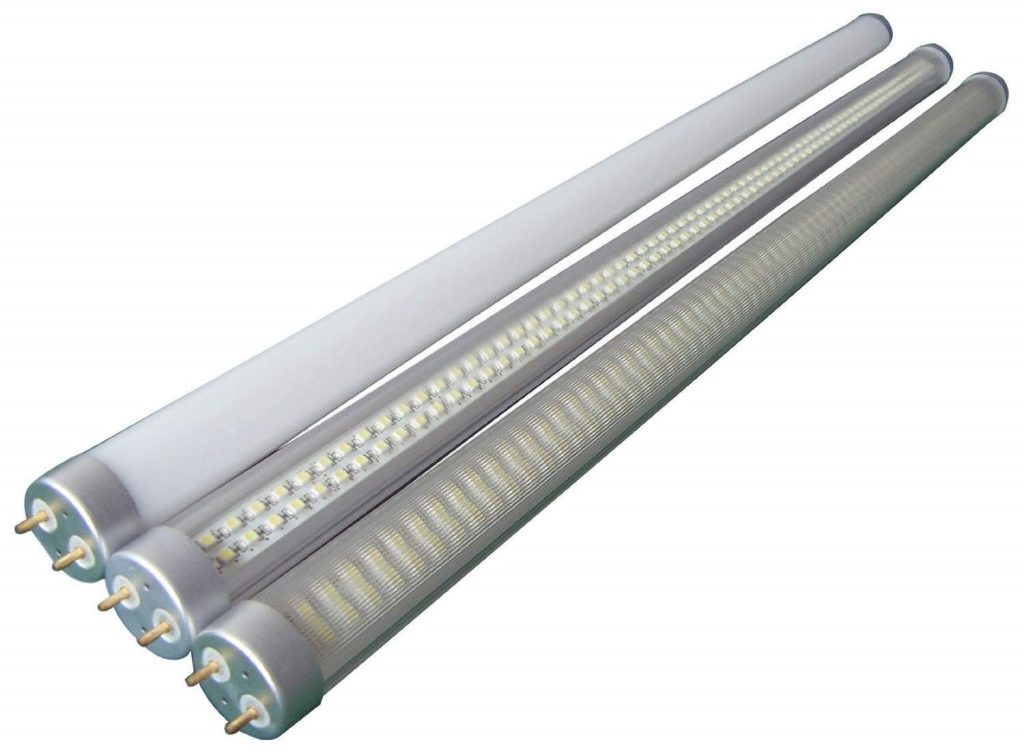
LED tube retrofit lights provide a prime example of this diversity, as they are designed specifically to replace traditional fluorescent tubes without necessitating any significant changes in the existing fixture. They offer superior energy efficiency and longevity compared to their fluorescent counterparts while maintaining compatibility with established systems.
Understanding how LED tube lights work – their diodes’ role in generating light and electrical currents’ criticality – allows you to make informed decisions when purchasing or troubleshooting them. Given their myriad types, ranging from UV LED ones serving medical needs to decorative RGB LED tubes or practical retrofits, recognizing each model’s intended application aids in selecting the best fit for your requirements.
Common Reasons Why LED Tube Lights Keep Turning Off
The Impact of Overheating on LED Functionality
LED tube lights, like any other electronic devices, generate heat during their operation. This heat is usually effectively dissipated by the design of the light itself and additional cooling systems installed in the lighting fixture. However, when these mechanisms fail or are insufficient, overheating occurs.
Overheating has severe effects on LED tubes – it can degrade their components swiftly and reduce light output significantly. In extreme cases, excessive heat can cause an LED tube light to fail entirely. Hence, if your LED tube lights are continually turning off without apparent reason, overheating may be a culprit.
Signs that your LED lights might be overheating include decreased brightness over time or changes in color quality. In certain instances, an overheated tube may also exhibit physical signs such as warping or discoloration.
Electrical Problems and Their Influence
LED tubes require a consistent power supply for optimal functioning; voltage that is too high can lead to premature failure, while voltage that is too low may not provide enough energy for them to function correctly.
Faulty wiring connections often lead to intermittent operation of LED tube lights. If connections are loose or corroded, they can disrupt the smooth flow of electricity to the tube, causing it to turn off randomly.
Also, issues with power supply or voltage fluctuations significantly affect the functionality of LED tubes like RGB LED tube lights and smart LED tube lights.
In-Depth Analysis on Each Reason for Disruption in Lighting Performance
Addressing Overheating Issues with Effective Solutions
One primary source of excessive heat in LED tubes is inefficient conversion of electrical energy into light energy – a significant portion gets wasted and converted into thermal energy instead – leading to higher temperatures within the tube.
This escalation adversely impacts performance as excessive heat accelerates the wear and tear of sensitive internal components. Overheating can also negatively impact the brightness and color accuracy of LED tube vintage lights and solar LED tube lights.
Mitigating overheating involves using heat sinks or improving thermal management in the design of the light. Regular maintenance, good ventilation around lighting fixtures, and staying within recommended operating temperatures can significantly reduce overheating issues.
Navigating Electrical Problems for Optimal Lighting
A consistent power supply is integral for LED tubes to function optimally. Disruptions due to faulty wiring or erratic power supply can lead to inconsistent lighting, causing LED tube retrofit lights or LED tube strip lights to turn off randomly.
Detecting signs of faulty wiring often involves observing changes in lighting performance. If your LED tubes flicker, dim unexpectedly, or fail prematurely, it could point towards a problem with your electrical connections.
Voltage fluctuations can also affect LED tubes by reducing their lifespan and decreasing their efficiency. Installing voltage stabilizers or surge protectors can help manage these fluctuations, extending not only the life of your LED light but also maintaining consistent lighting output.
Quality and Lifespan: The Unseen Factors behind Lighting Performance
The quality of an LED tube has a direct correlation with its price tag as well as its performance. High-quality lights like landscape lighting LED tubes and UV LED tube lights are engineered to offer superior lighting while remaining energy efficient over extended periods.
In contrast, lower-quality bulbs often have shorter lifespans and are prone to frequent malfunctions because they tend to use subpar materials that don’t withstand prolonged use well. The lifespan of an LED tube is equally significant when it comes to performance.
High-quality bulbs typically last longer than cheaper alternatives, making them more cost-effective in the long run despite their higher initial cost. Several factors can reduce a tube’s lifespan, including excessive heat exposure, voltage fluctuations, faulty wiring connections, and even environmental elements such as dust and moisture.
Conclusion: Why Do LED Tube Lights Keep Turning Off?
Understanding why LED tube lights, like LED tube grow lights or LED tube string lights, keep turning off intermittently involves knowing how they work, what affects their performance, and how their quality impacts their lifespan.
Armed with this knowledge, you can better troubleshoot issues and ensure your LED tubes continue to provide superior, energy-efficient lighting for years to come. Remember, investing in high-quality LED tubes is not only a commitment towards better lighting but also towards a brighter and more sustainable future.
You may also be interested in the following posts: