
A Comprehensive Tutorial on LED Strip Light Wiring
A Pervasive Glow: Understanding LED Strip Lights
The advent of light-emitting diode strip lights has revolutionized the way we illuminate our spaces. These flexible circuit boards, populated with small, energy-efficient diode bulbs, have transcended conventional lighting methods due to their versatility and adaptability.
Whether adding a warm ambiance to a kitchen backsplash, offering dynamic landscape strip lights for an outdoor garden path, or simply providing practical task lighting in workshops and garages, LED strip lights beautifully envelop a space in an incandescent glow.
There is a profound visual harmony that follows the right implementation of these luminous accents. With an impressive lifespan extending to thousands of hours and the ability to minimize energy consumption, they provide both aesthetic appeal and functionality.
The sleek design, coupled with the ability for customization, further enhances their popularity among designers and homeowners alike. However, not all that glows is gold – even when it comes to LED strip lights.
A key aspect determining the efficiency and longevity of these radiant strips lies in their wiring. Extracting maximum performance from your LEDs necessitates careful consideration regarding the selection of compatible wires.
The Art of Wiring LED Strip Lights
Wires are essentially the veins that power up the heart of your landscape lighting – the LEDs. Thus, choosing the correct wire plays an indispensable role in ensuring optimal functioning of your LED strip lights while preventing any potential electrical hazards. Different types of LED strips require corresponding types of wires for seamless performance.
For instance, single-color or monochrome LEDs demand different wiring compared to RGB or RGBW LEDs, which offer color-changing capabilities. This may initially seem daunting, but fear not – understanding what wire is used for LED strip lights is far from complicated once you grasp some basic concepts such as voltage drop considerations, power consumption calculations, and wire gauge determinations.
Choosing proper wiring not only serves to enhance the longevity and performance of your LED strip lighting but also ensures safety. Incorrect wiring can result in undesired effects such as rapid flickering, reduced brightness, or even premature failure of your LEDs.
In the ever-evolving landscape of LED strip lights, it’s essential to keep abreast of the right information before embarking on any DIY project or professional installation. This guide will serve as a comprehensive resource for understanding what wire is used for LED strip lights, highlighting the importance of making an informed choice when it comes to wiring your luminous fixtures.
Demystifying LED Strip Lights: A Luminary Revolution
LED strip lights, also known as LED tape or ribbon, are a versatile solution for creating attractive and efficient lighting. They consist of a long strip embedded with small light-emitting diodes (LEDs) that produce light when an electric current passes through them.
These strips come in various lengths and can be cut to fit specific projects, making them an adaptable choice for diverse lighting needs. From accent lighting in interior design projects to landscape strip lights that enhance outdoor spaces, the use of LED strip lights is abundant.
They are often used in commercial settings to highlight architectural features or to provide ambient light in bars and restaurants. However, their use isn’t confined to commercial settings; homeowners often employ these lights under kitchen cabinets, around mirrors, along stairways, or even around the edges of televisions for an aesthetically pleasing glow.
Furthermore, the automotive industry leverages the versatility of LED strips for car interiors or as running lights on exterior bodywork. In essence, LED strip lights bring creative lighting ideas into reality while adhering to principles of energy efficiency.
A Rainbow at Your Disposal: The Multitude of LED Strip Lights
The diversity of available LED strip lights caters to a broad spectrum of needs and tastes. Single-color strips provide consistent white or colored light and are ideal for straightforward projects needing uniform illumination, such as landscape lighting.
RGB (red-green-blue) strips are more complex but offer greater flexibility with their ability to blend primary colors and produce virtually any color you desire. They’re perfect for setting mood lighting or throwing themed parties since you can control the color output.
In addition, there are RGBW strips that add an extra white chip alongside red, green, and blue ones. This addition allows for more nuanced and natural light shades. Infrared LED strips are used in security systems, photography, and even medicine due to their unique properties.
Also, there are addressable LED strips, where each LED can be controlled independently, allowing for intricate lighting effects and animations. These are commonly used in advertising displays or theatrical performances.
The Double-Edged Sword: Pros and Cons of LED Strip Lights
LED strip lights bring a number of considerable advantages. Firstly, they are highly energy-efficient compared to traditional lighting solutions like fluorescent or incandescent lights. This efficiency translates into significant savings on electricity bills over the long term.
Additionally, LED strip lights have a longer lifespan – often rated for tens of thousands of hours of operation. The versatility and flexibility of these lights allow them to meet a wide array of lighting needs – from landscape strip lights to decorative accents inside homes.
High-quality LED strips can command a higher upfront cost than other light sources; however, this is often offset by their durability and lower operational costs over time. Their compact size makes them discreet and easy to install in tight or awkward spaces.
However, it’s not all luminary bliss with LED strip lights, as they do bear some disadvantages too. The need for specific wiring and power supplies could also pose installation challenges for beginners or the less technologically inclined individuals. Moreover, despite having a considerably longer lifespan than traditional lights, LEDs may experience reduced brightness over extensive periods of use.
Last but not least, although many manufacturers design weather-resistant, outdoor-rated strip LEDs specifically for landscape lighting applications, not all strip lights handle exposure to extreme weather conditions well without additional protective measures taken during installation.
The Basics of Wiring for LED Strip Lights
Unraveling the Intricacies of Lighting Systems: The Role of Wiring
With the rising popularity of landscape strip lights and other forms of landscape lighting, it has become essential to understand the intricacies behind these systems. At the heart of every lighting system lies wiring, an often overlooked yet vital component that plays a significant role in ensuring the successful operation and functionality of your LED strip lights.
Wiring serves as an integral conduit, connecting the power source to your LED strip lights and facilitating the smooth transfer of electricity. Without proper wiring, even the most advanced landscape strip lights cannot perform optimally or may not work at all. Therefore, it is critical to pay meticulous attention to this aspect when installing or replacing your lighting system.
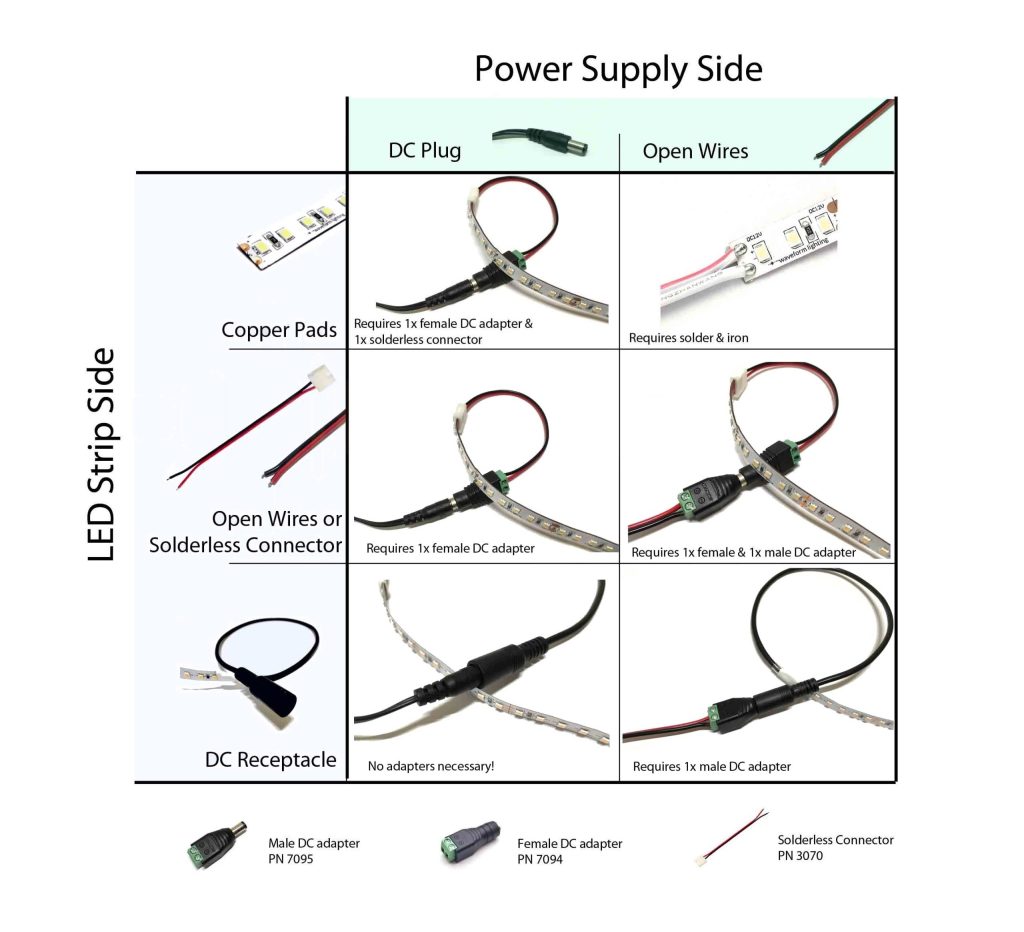
Understanding wiring can be complex for some people due to its technical nature. However, a basic grasp is necessary and can prevent potential complications down the line, such as flickering lights or short circuits caused by improper installations.
Moreover, using high-quality wires can substantially extend the lifespan of your LED strips by ensuring they receive a consistent power supply without interruptions. This results in reliable performance and optimal output from your landscape strip lights.
Good wiring ensures safety by preventing any risk of electrocution or fire hazard due to short circuits. Thus, understanding wiring is not only crucial for optimum performance but also for safety reasons.
Crucial Factors in Choosing Wires for LED Strip Lights
Once you’ve grasped why wiring holds significance in any lighting system’s setup, including landscape lighting systems or landscape strip lights, it’s time to delve into another crucial topic: selecting suitable wires for your LEDs. There are three main factors you should consider when choosing wires for your LED strip light installation:
Length of the Wire Run
When setting up your outdoor space with vibrant landscape strip lights, the first thing to consider is the length of the wire run – a term referring to the distance between your power supply and your LED strip lights. The longer the wire run, the higher the chance of voltage drop occurring – a phenomenon we shall discuss in detail later. Long runs often require thicker wires (lower AWG number) to compensate for this voltage drop and ensure that ample electricity reaches your LEDs for optimal performance.
Voltage Drop
Voltage drop refers to the decrease in electrical power as electricity travels along a wire. This often occurs in landscape lighting systems where LEDs at the end of a long run may appear dimmer due to inadequate power reaching them. To counteract this issue, you can use thicker wires or create multiple shorter runs from your power supply instead of one long connection. Understanding voltage drop helps maintain consistent brightness across all your landscape strip lights and enhances their overall performance.
Power Consumption
Power consumption is another critical factor when choosing suitable wiring for LED strips. LEDs with high wattage consume more power and thus require thicker wires (i.e., lower AWG) to handle increased electrical currents. Understanding wiring basics is pivotal when dealing with any form of lighting installation – including landscape lighting or landscape strip lights. By considering factors such as wire length, potential voltage drop, and power consumption before starting a project, you can avoid common pitfalls and ensure a successful lighting setup.
A Symphony of Colors: Decoding the Types of Wires Used for LED Strip Lights
Embarking on a discussion about the types of wires used for LED strip lights, it’s imperative to note that the kind of wire correlates directly with the type of LED strip light in use. The most suitable wire will serve to enhance both functionality and longevity, not only for residential indoor lighting but also for landscape lighting.
The world of LED strip lights is as diverse as it is colorful, and understanding this multifaceted spectrum is key to achieving optimal performance from your lighting systems. It’s akin to orchestrating a symphony where each component has a significant role in creating the ultimate harmony.
LED strips have revolutionized how we illuminate spaces; they provide an essential aesthetic component with their vibrant colors and flexibility. However, these stunning visual effects would cease to exist without the right wires carrying power and data signals effectively.
In landscape design, for example, subtle nuances in hues can dramatically transform an outdoor space’s ambience. Properly selected and installed wiring enhances landscape strip lights’ performance by ensuring efficient power transmission and reducing any potential voltage drops.
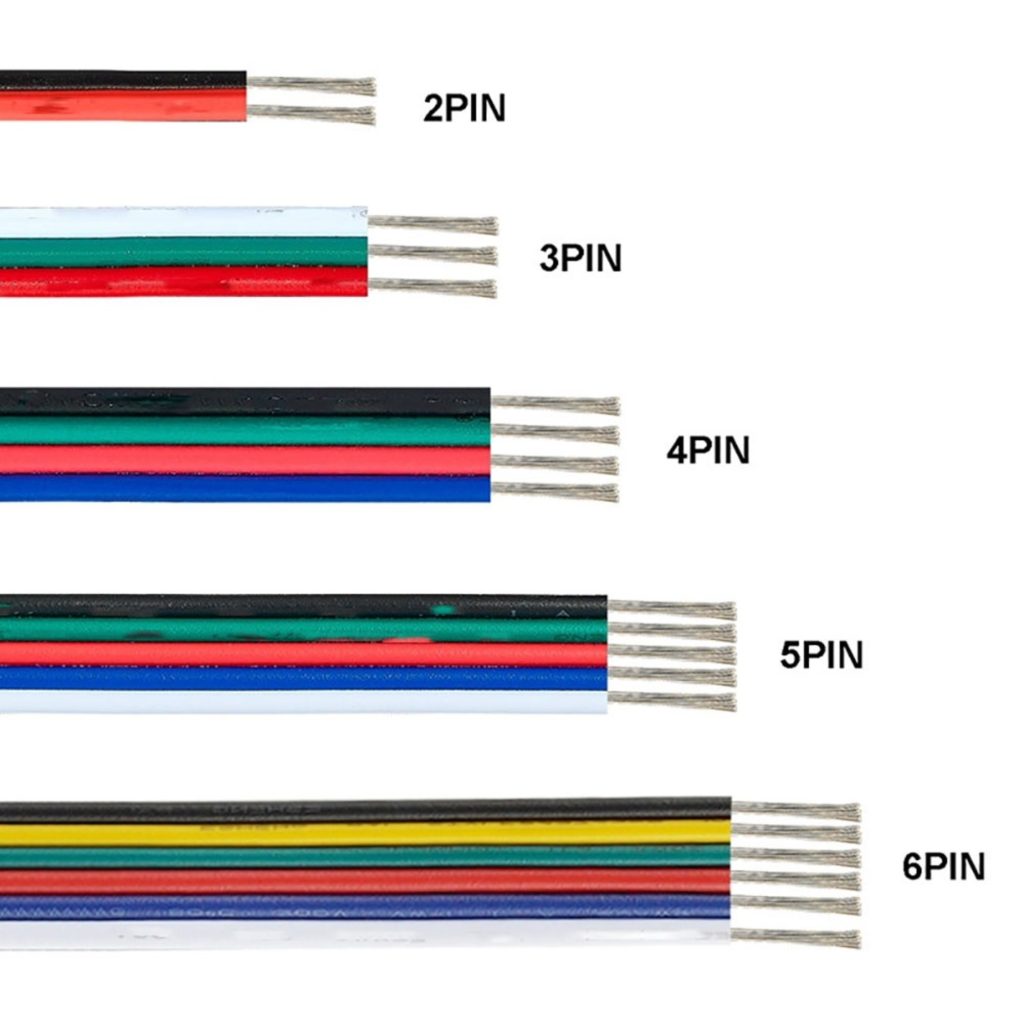
The sizes of connecting cables for LED strip lights can vary based on several factors, including voltage (12V or 24V systems), current draw (total watts of the LED strip), length of the cable run, and type of connection (2-pin, 4-pin, etc.) for single color, RGB, and RGBW configurations.
Respectively, your choice of wire should be informed by your specific lighting requirements. Let’s delve deeper into this matter by discussing the common types of wires used with LED strip lights: single-color or monochrome wires, RGB wires, RGBW wires, and DC power cables.
The Soloist: Single Color or Monochrome Wires (2-pin)
The first type of wire we will discuss is those utilized for single-color or monochrome LED strip lights. These strips emanate one unvarying hue – be it warm white for a cozy living room ambiance or perhaps a bright cool white ideal for task-oriented spaces like kitchens.
The corresponding wiring system typically requires two cores, one for the positive voltage and the other for the ground. The wires are usually color-coded, with red typically denoting the positive connection and black indicating ground. When installing landscape lighting, these wires effortlessly provide a consistent theme across your outdoor space.
| LED Strip Power (per 5m) | Suggested Wire Gauge (AWG) | Max Cable Length | Notes |
|---|---|---|---|
| < 36W | 20 AWG | ~15–20 ft | Suitable for short runs and low power |
| 36W – 60W | 18 AWG | ~20–30 ft | Good balance for most typical setups |
| > 60W | 16 AWG or 14 AWG | ~30+ ft | Thicker wire to reduce voltage drop |
The type and size of wire will primarily depend on the total length of your LED strip lights installation and the overall power consumption. Understanding this correlation will ensure that your single-color LED strip lights are well-powered, reducing any risk of voltage drop.
Monochrome wires also necessitate careful consideration of material. Copper is a widely preferred choice due to its excellent conductive properties. Nevertheless, it’s crucial to note that copper wires may oxidize over time, so they require proper insulation when used outdoors.
In summing up single-color wires, we can conclude that they essentially epitomize simplicity at its best: easy to work with while providing effective lighting for various applications, including landscape strip lights.
The Prismatic Conductor: RGB Wires for Color-Changing Strips (4-pin)
Moving onto more vibrant options in our palette of wiring systems, we encounter RGB wires designed explicitly for color-changing strips. Just as RGB LED strip lights allow you to explore a multitude of colors within a single installation, their corresponding wiring systems accommodate this versatility by enabling effective data transmission along with power.
RGB stands for red, green, and blue – these primary colors allow an almost infinite palette when mixed in varying intensities. Therefore, RGB wiring systems typically consist of four cores – one each for red (R), green (G), and blue (B) channels, and another one serving as common positive or common negative, depending on whether it’s a common anode or cathode setup, respectively.
| LED Strip Power (Total) | Suggested Wire Gauge (AWG) | Max Cable Length | Notes |
|---|---|---|---|
| Up to 60W | 18 AWG | ~15–20 ft | Standard for most consumer RGB kits |
| 60W – 100W | 16 AWG | ~20–30 ft | Needed for medium-to-high power setups |
| > 100W | 14 AWG | ~30+ ft | Use for high-power or long-distance runs |
The choice between common anode or cathode setups depends upon specific requirements, although most commercial RGB LED strips opt for common anode due to its simplicity in installation and operation. Their primary advantage lies in their ability to create a myriad of colors, allowing you to set your desired mood or theme, especially for landscape lighting.
However, it’s crucial to understand that the wire gauge (AWG) should be carefully chosen considering the total power demand and length of the LED strip lights run. Heavier gauges will ensure minimal voltage drop, thereby maintaining uniform brightness across the length of your strip.
RGB wiring: This category provides a versatile solution for individuals seeking dynamic color-changing options with their LED strip lights. The possibilities are indeed endless when one brings an artist’s palette into play while illuminating spaces ranging from interiors to landscapes.
The Complete Spectrum: RGBW Wires for Color Plus White Strips (5+ pins)
Next we come across another fascinating player in the field of LED strip light wiring – RGBW wires. These are designed specifically for color plus white strips. Just as the name suggests, these strips not only offer vibrant RGB hues but also include a dedicated white channel, providing greater versatility and precision in lighting effects.
The corresponding wires have five cores – one each for red (R), green (G), blue (B), white (W), and a common connection typically serving as the positive or negative terminal depending on whether it’s a common anode or cathode setup, respectively.
| LED Strip Power | Suggested Wire Gauge (AWG) | Max Cable Length | Notes |
|---|---|---|---|
| Up to 60W | 18 AWG | ~15–20 ft | Suitable for short RGBW/addressable runs |
| 60W – 100W | 16 AWG | ~20–30 ft | Mid-power setups |
| 100W – 180W | 14 AWG | ~30–50 ft | Minimizes voltage drop over longer distances |
| 180W+ | 12 AWG | 50+ ft | High-power or long-distance applications |
| Data Line (if needed) | 22–24 AWG | Depends on system | For signal line (e.g., for WS2812B, SK6812) |
Ranging from warm light replicating sunrise hues to cool whites mimicking daylight intensity, having a dedicated white channel allows more nuanced control over ambience settings – be it achieving perfect task lighting indoors or creating magical twilight effects in your landscape lighting setups.
Again, careful consideration should be given to choosing the proper wire size or gauge, considering power consumption and length of installation run, to minimize any potential voltage drops. Optimizing these factors will ensure consistent brightness levels across your LED strips.
In essence, RGBW wiring takes the color-changing prowess of RGB strips to even greater heights. It brings an additional dimension of white light that can perfectly complement the other colors or brilliantly stand on its own, thus offering incredible versatility in your lighting design.
The Power Maestro: DC Power Cables
Let’s turn our attention to DC power cables. These might seem like ordinary components, but they play a critical role in our grand symphony of LED strip lights wiring. Whether you are setting up a single color strip or a vibrant RGBW setup, all LED strip lights require an appropriate DC power supply for operation.
These cables are typically available in varying core sizes and lengths to cater to different power requirements. The most commonly used ones for LED strips are 2-core types featuring positive and negative terminals; however, multi-core variants also exist for more complex installations such as landscape strip lights encompassing multiple runs or differing colors.
| Connector Type | Pin Count | Use Case | Notes |
|---|---|---|---|
| DC Barrel Jack | 2-pin | Power (single color, RGB, etc.) | 2.1mm or 2.5mm inner diameter |
| JST-SM | 2/3/4/5-pin | LED modules, addressable LEDs | Polarized, compact, often prewired |
| Snap-on Connectors | 2/4/5-pin | DIY strip connections | Matches strip width (e.g., 10mm, 12mm) |
| Screw Terminals | 2–6-pin | RGBW, Addressable, Power | Great for reliable fixed wiring setups |
| Molex / Custom | Varies | Commercial LED setups | Usually proprietary or for higher current |
DC power cables transfer electric current from your power source (like an adapter or driver) to the LED strip light. Careful consideration should be given while selecting these wires, as factors such as the total wattage of your LED strips and the distance from the power source significantly affect their performance.
To minimize voltage drop and ensure uniform brightness across longer runs of LED strip lights, thicker gauge cables would be necessary. Copper is again highly preferred due to its superior conductivity compared to aluminum or other metal alloys.
DC power cables may not offer color-changing abilities or contribute directly to visual aesthetics like their counterparts we’ve discussed earlier. Regardless, they remain indispensable elements within any LED lighting setup – providing essential electrical energy that fuels our luminous landscapes and interiors alike.
A Detailed Guide on How to Choose the Right Wire for Your LED Strip Lights
Understanding Wire Gauge (AWG): The Conductor’s Secret Language
The American wire gauge (AWG) is a standard measure of wire sizes used predominantly in North America. It establishes the wire’s diameter, denoting it inversely, wherein a smaller AWG number indicates a thicker wire.
Understanding AWG is crucial when planning your landscape strip lights installation, as it directly impacts how effectively electricity is carried to your LEDs. The primary importance of AWG lies in its role in determining the amount of electrical current a wire can safely carry.
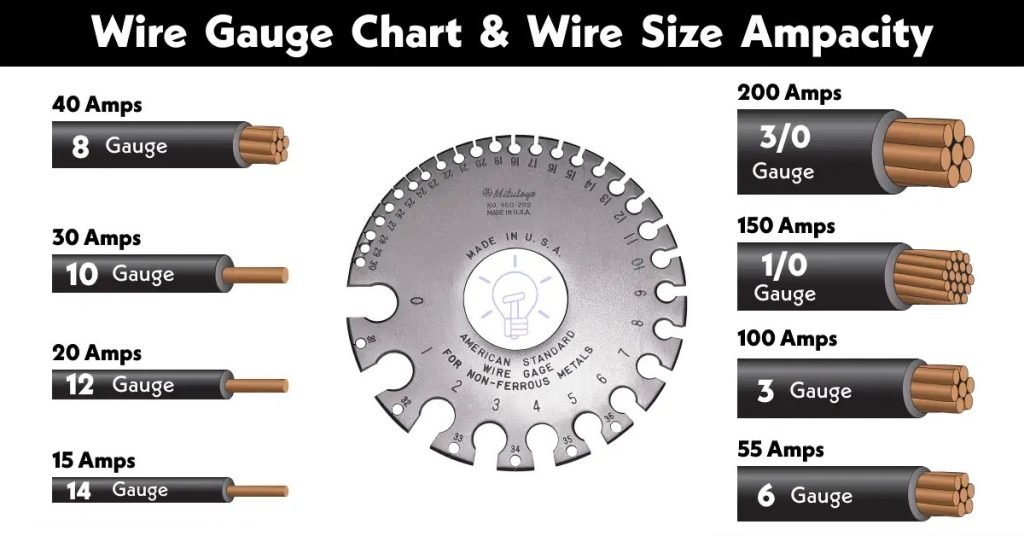
Wires with lower gauges can support larger amounts of current, which is important for landscape lighting projects that involve longer LED strips or higher power requirements. Determining the right AWG size for your LEDs involves considering the length and power requirement of your LED strip lights.
If you’re installing long landscape strip lights, opt for wires with lower gauge numbers to ensure optimal performance. Similarly, if your LED strips require more power, you’ll also want to select wires with lower gauges.
Remember that using an incorrect gauge could lead to overheating or underperformance – two issues one wants to avoid when beautifully lighting their outdoor spaces. Overall, understanding and applying correct AWG principles could mean the difference between a glowing success or a dim failure for your landscape lighting project.
Voltage Drop Considerations: The Invisible Light Thief
Voltage drop refers to the decrease in electrical voltage experienced as electricity travels down a wire. This phenomenon becomes notably prevalent as distances increase, making it an important consideration when planning and installing lengthy runs of landscape strip lights.
A significant voltage drop can impact your LEDs’ brightness and consistency across the strip. LEDs at the beginning of the run may appear bright and vibrant, while those towards the end could appear noticeably dimmer. This inconsistency can dampen your landscape lighting’s overall visual impact. Minimizing voltage drop within your LED installations involves careful planning and smart implementation.
Some useful strategies include using thicker wires (lower AWG), keeping wire runs as short as possible, or using a higher voltage power supply initially to account for any anticipated voltage drop. Moreover, you may consider installing multiple power supplies along lengthy runs to maintain optimal voltage levels throughout.
Employing these strategies can help ensure your landscape strip lights shine consistently bright across their entire length. Paying attention to voltage drop during your planning stages can aid in avoiding potential pitfalls, thereby ensuring a vibrant and even glow from each LED on your strip.
Wire Material Considerations: The Copper vs Aluminum Debate
The material composition of a wire plays a significant role in its conductive properties and cost-effectiveness. For most landscape lighting applications, including LED strip lights, copper and aluminum are the two viable contenders. Copper wires are renowned for their superior electrical conductivity compared to aluminum.
They offer low resistance, ensuring efficient transmission of electricity even over long distances – an ideal attribute for landscape lighting involving lengthy runs of LED strips. However, copper’s superior performance comes with a corresponding increase in cost compared to aluminum – an element that could significantly influence budget-sensitive projects.
On the other hand, aluminum wires offer a more budget-friendly alternative but come with their own set of caveats. While they’re cheaper than copper wires, they tend to have higher resistance levels, leading to increased energy losses in the form of heat – an aspect that might affect performance in larger-scale installations where high efficiency is paramount.
The choice between copper and aluminum wires largely depends on a balance between project budget and performance requirements. Copper leads the way in conductivity and efficiency, while aluminum offers a more economical solution for smaller-scale or less demanding landscape lighting implementations.
Installation Tips for Wiring LED Strip Lights
Fostering Safety: The Cornerstone of Successful Installation
Firstly, let us delve into the indispensable safety precautions during installation. When dealing with electrical components, the risk factor is always omnipresent. No matter if you’re installing landscape strip lights for the first time or you’re a seasoned professional, caution is paramount.
Always ensure you have turned off and unplugged all power sources before beginning any form of installation. This simple step can save you from accidental electric shocks.
Next, always use insulated tools when handling wires. This additional protective layer can prevent unintentional electrical conduction that could otherwise lead to injury.
Moreover, make sure your working area is well-lit to avoid mistakes that may result from poor visibility. Always wear protective gear while working on installations.
Safety glasses can protect your eyes from sparks or fragments, while gloves provide added insulation against potential shocks. Never rush your work; take time to understand each step of the process thoroughly and execute it carefully.
Connecting Dots: A Step-by-Step Guide to Wiring Your LEDs
Now that we have ingrained the importance of safety precautions, let’s discuss how to connect your LED strip lights with the right wire in a landscape lighting scenario. Start by identifying the type of LED strips you’re using and select the appropriate wire based on our previous discussions (single-color/monochrome wires for single-color LEDs, RGB for color-changing strips, etc.).
Once your wire type has been confirmed, prepare it by stripping about 1/4 inch of insulation off both ends. Then connect one end of this wire to your power source or controller using either soldering or convenient clip-on connectors available in most hardware stores – remember that correct polarity alignment (positive & negative terminals) is crucial at this stage to avoid short circuits or damaging your LEDs.
Next, connect the other end of your prepared wire to the LED strip lights. Make sure to connect positive to positive and negative to negative. Once connected, you can now power up your LED strips – if done correctly, they should light up without issues.
If you’re planning on installing multiple strips of LEDs, ensure that each strip has its own connection back to the power source or controller for consistency in brightness and color across all strips.
Cracking the Code: Troubleshooting Common Issues
Sometimes things don’t go exactly as planned during installation, whether it’s landscape strip lights flickering or not turning on at all. In such scenarios, it is beneficial to understand basic troubleshooting steps.
Firstly, always check your connections – are all wires properly connected? Are polarity alignments correct? Remember that mismatched polarities will prevent your LEDs from functioning correctly.
Secondly, assess your power supply: Is it providing adequate voltage for your LED strips? An underpowered supply may cause dim lighting or unstable operation, while an overpowered one can cause overheating or damage.
Thirdly, consider the length of your wire runs – long distances between the power source/controller and LED strip lights can result in voltage drops that affect brightness level and color consistency. Shortening these lengths or using a larger gauge wire can mitigate this issue.
Verify that you’re using a suitable type of wire based on our previous discussions (single-color wires for single-color LEDs, etc.). Using mismatched wires may yield undesirable results in terms of lighting quality and functionality. Remember that patience and cautious analysis are vital when troubleshooting electronic systems like these – haste might lead you astray and possibly exacerbate any existing issues.
Advanced Topics in Wiring for LED Strips
Navigating the Intricacies of Landscape Strip Lights
LED strip lights offer a unique and innovative way to highlight and enhance the beauty of your landscaping. As you delve deeper into the advanced topics, it becomes apparent that wiring landscape strip lights is not just a matter of attaching wires to connectors.
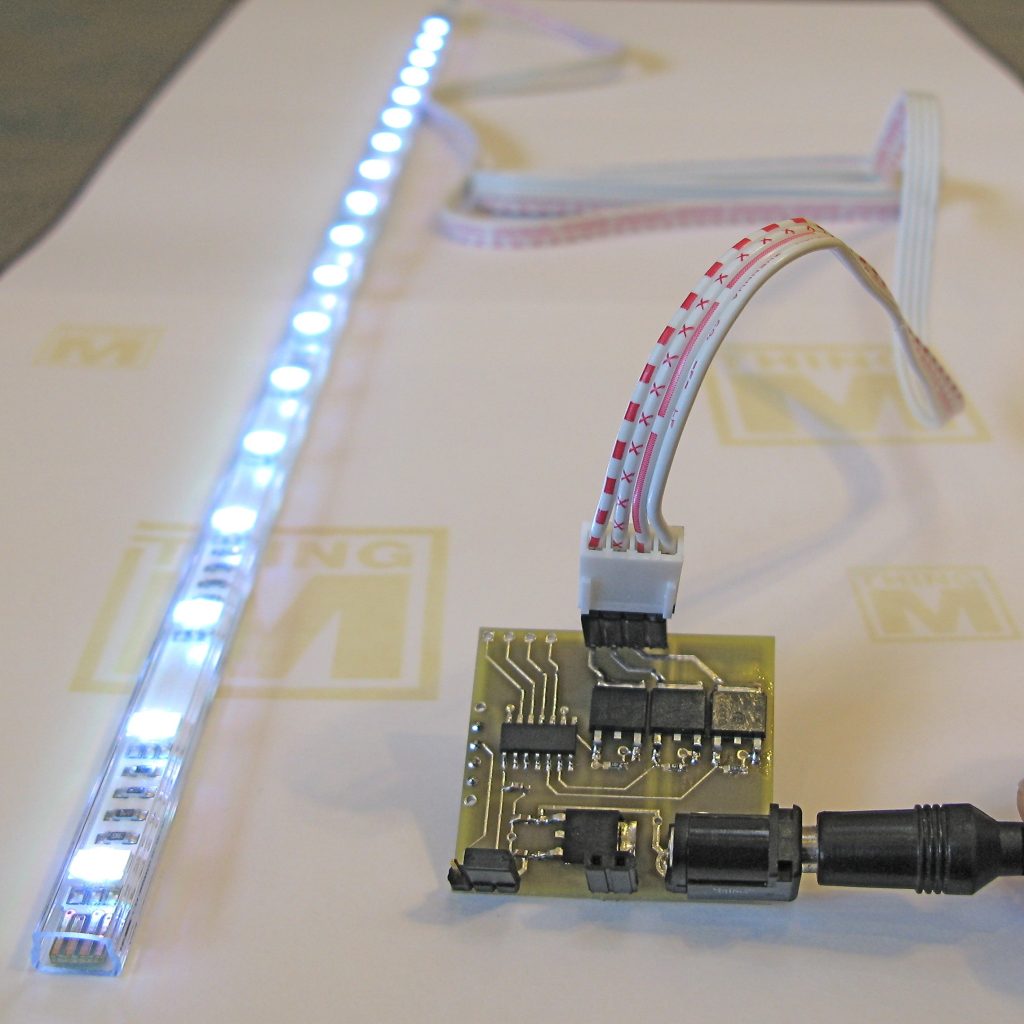
It involves understanding the different types of strip lights available, their power requirements, and how they interact with various environments. When planning your landscape lighting design, one crucial factor to consider is voltage drop. This can affect how brightly your LEDs shine at the end of long wire runs.
While most residential landscapes won’t have an issue with this due to relatively short wire distances, commercial spaces or expansive residential properties might need to account for this factor by using lower gauge (thicker) wires or introducing a voltage booster along the line.
Exploring Innovative LED Lighting Techniques
On another note, there are techniques such as parallel wiring that can be utilized for larger landscape lighting setups. Parallel wiring allows multiple LED strips to share a single power source without risking significant voltage drop or overloading individual strips. This practice does require more materials (wires, connectors), but it provides more stability in performance across all your landscape strip lights.
Another advanced topic is DMX control for LEDs, which enables dynamic control over color-changing or programmable LED strips from a central hub. This type of control scheme requires specialized DMX-capable wires and controllers but opens up exciting possibilities like synchronizing light displays with music or creating intricate light shows right in your backyard.
When installing outdoor LED lighting systems, waterproofing should not be omitted from our discussion. Your wires will need protection against weather conditions – consider either overhead coverage for exposed sections or using gel-filled direct burial cables that withstand moisture penetration.
Conclusion: What Wire Is Used for LED Strip Lights?
The wiring used for LED strip lights plays a vital role in determining your lighting system’s success. Through understanding and implementing advanced wiring techniques, you can optimize the performance of your landscape strip lights and create an enchanting nighttime environment.
Remember that while some aspects may seem complex at first, with careful planning and a little bit of knowledge, you can brighten your landscape with resplendent elegance. There is a certain beauty in understanding the science behind these lights – it enhances not just our surroundings but also our knowledge about this fascinating technology.
You may also be interested in the following posts: