
LED Strip Lights Wattage: Optimum Usage Guide
A Deeper Dive into the World of LED Strip Lights
LED strip lights, which have experienced a surge in popularity in recent years, are a versatile and effective means of illuminating spaces in a way that is both functional and aesthetically pleasing. These flexible strips, embedded with diminutive light-emitting diodes at regulated intervals, provide consistent, high-quality light output and have found their uses across various applications.
This ranges from accentuating architectural details to providing lighting with landscape strip lights, thereby enhancing the overall aesthetic appeal of outdoor spaces. The adaptability of LED strip lights extends beyond simple design features.
They play an integral role in crafting an ambience with color temperatures ranging from warm to cool whites as well as vibrant colors, enabling creative freedom to achieve desired lighting effects. Furthermore, these strips can be cut to specific lengths or linked together, offering bespoke solutions for different-scale projects – whether it’s highlighting your kitchen countertops or brightening up extensive landscape lighting.
Understanding Wattage: A Key Aspect of LED Strip Lights
The revolution that LED strip lights have brought about in the world of interior and exterior lighting can largely be attributed to their energy efficiency. This is where understanding the concept of wattage becomes critical. Wattage refers to the amount of power consumed by an electrical device – in this case, our focus is on LED strip lights.
Knowledge about wattage is essential as it directly impacts your energy consumption and, ultimately, your electricity bill. However, wattage does not just pertain to energy use; it also affects light output, which translates into how well-lit an area will be.
When choosing suitable landscape strip lights or any type of LED strip light installation for that matter, one must factor in wattage carefully. Selecting a proper wattage ensures you achieve desired brightness levels without wasteful power consumption; moreover, it also contributes to increasing the lifespan of your LEDs.
The Significance of Wattage in Tailoring Lighting Needs
The importance of understanding wattage in LED strip lighting cannot be overstated. It serves as a guide, allowing consumers to make an informed choice about their lighting needs. The wattage determines how bright the LED strip lights will be – a higher wattage means brighter lights and vice versa.
It is essential to balance brightness with energy consumption. Higher wattages may provide more light, but they consume more energy and may lead to higher electricity costs. In contrast, low-wattage LEDs are less bright but use less power, making them ideal for applications requiring subtle lighting effects such as mood or accent lighting.
Whether you are planning landscape strip lights or indoor accent lighting, understanding the concept of wattage helps optimize your overall energy use while achieving the desired lighting effect. Hence, delving into the world of LED strip light wattages can open up a realm of possibilities, allowing you to illuminate spaces as per your preference and requirement.
Understanding Wattage
The Essence of Wattage
Wattage, in the most fundamental aspect, is a unit of power named after the Scottish engineer James Watt. It is the rate of energy transfer equivalent to one joule per second. In the world of electrical devices, and particularly in landscape strip lights, wattage refers to the electrical power that a device consumes when operating at its maximum capacity.

The wattage of an LED strip light carries great significance as it denotes how much energy it requires for optimal performance. It serves as an indicator for users seeking energy-efficient options, aiding them in choosing lighting solutions that align with their consumption preferences and needs.
Wattage and Performance: An Indispensable Connection
The wattage of LED strip lights has a profound impact on their performance. Generally speaking, higher wattages indicate brighter lights, while lower ones denote dimmer lights. For instance, landscape strip lights with higher wattages are ideally suited for lighting large outdoor areas due to their high brightness levels.
However, this also means that they consume more power compared to their low-watt counterparts, which may influence their suitability depending upon the user’s resources and requirements. Furthermore, apart from brightness, wattages also influence other aspects such as heat generation and lifespan; high-watt LEDs often generate more heat and may have a shorter lifespan if not adequately managed or cooled.
Unraveling the Relationship between Wattage, Voltage & Current
In order to fully comprehend the role of wattage in LED strip lighting performance, it is crucial to understand its relationship with voltage and current – two other vital electrical parameters. This triad dictates how well your landscape lighting performs and how long it lasts.
Voltage refers to electrical pressure or force that makes electric charges move, while current (measured in amperes) signifies the flow rate of electric charge. Wattage is the product of voltage and current, thus representing the actual power consumption or work done.
In landscape lighting, this equation implies that a high-wattage light strip with a high voltage will use less current than one with a low voltage. This knowledge is invaluable when it comes to selecting an appropriately sized power supply for your LED strip light setup.
Understanding wattage is paramount when embarking on any lighting project. Whether it’s for soft ambient illumination or bright landscape lighting, comprehending how wattage ties into the overall performance and energy consumption of your LED strip lights enables more informed decisions and efficient usage.
Different Wattages for Different LED Strip Lights
In the realm of LED strip lights, one can find a diverse array of wattages, each suited to particular applications and yielding distinct luminous properties. Understanding this spectrum of wattages is key to optimizing your lighting installation for efficiency, aesthetics, and function.
Low-Wattage LED Strip Lights: Characteristics and Uses
Low-wattage LED strip lights are generally characterized by their subtlety and efficiency. These light-emitting diodes provide adequate lighting without consuming an excessive amount of power.
4.8W per meter: Ideal for Accent Lighting
The 4.8W per meter variant is particularly tailored towards accent lighting. This type of light serves more as an aesthetic enhancer than a primary light source. It gently highlights architectural features or decor elements without overwhelming them.
Such low-wattage LEDs are excellent choices for under-cabinet lighting in kitchens or to illuminate bookshelves or artworks subtly. When used as landscape strip lights, they contribute to a serene nighttime ambience without overwhelming the entire space.
9.6W per meter: Perfect for Task Lighting
At 9.6W per meter, these LED strip lights provide ample brightness for task-oriented applications such as desktops or workbenches where focused concentration is required but glare can be disruptive. Low-energy consumption makes these strips sustainable options with negligible impact on electricity bills even when used over extended periods.
Medium-Wattage LED Strip Lights: Characteristics and Uses
Medium-wattage LED strip lights strike an equilibrium between substantial brightness and manageable power consumption.
14.4W per meter: Suitable for General Indoor Lighting
With 14.4W per meter, these strips output sufficient light to serve as the primary light source in many indoor settings. Applications extend to living rooms, bedrooms or kitchens, where they can fill space with uniform brightness, offering a comfortable level of visibility for everyday tasks.
19.2W per meter: Used in Commercial Spaces
The 19.2W per meter strips are excellent options for commercial spaces like retail stores or restaurants where both functional and aesthetic lighting are crucial. Their high luminosity makes them perfect for highlighting merchandise displays or contributing to the ambiance of a dining environment.
High-Wattage LED Strip Lights: Characteristics and Uses
High-wattage LED strip lights are veritable lighting powerhouses, intended for applications requiring intense light.
Above 20W per meter: Great for Outdoor or Industrial Use
LED strips exceeding 20W per meter are recommended primarily for outdoor or industrial settings. The superior brightness output is particularly beneficial in landscape lighting, where extensive areas need to be visibly illuminated – whether that be walkways, gardens, patios, or architectural features of large buildings. In industrial contexts such as factories or warehouses, high-wattage LEDs ensure safe and efficient operation by maintaining clear visibility across vast interiors.
Factors Influencing the Choice of Wattage in LED Strip Lights
The Luminous Symphony: Purpose of the Lighting Project
When selecting the proper wattage for your LED strip lights, a pivotal factor to contemplate is the purpose of your lighting project. Different applications demand distinct brightness levels, hence varying wattages. If you’re considering setting a calm and relaxing mood, lower wattages might be more applicable. These strip lights cast a gentle glow, making them perfect for creating an intimate aura in places like bedrooms or spas.

Conversely, if you need to provide task lighting – perhaps for kitchen counters or desks – medium-wattage LED strip lights are typically a practical choice. They furnish enough illumination without being overwhelmingly bright. The knotty details of your task become clear under their radiance, enhancing productivity and focus.
Accent lighting is yet another crucial application that shapes your decision on wattage selection. An accent usually highlights particular aspects of your space, such as artwork or architectural features. Henceforth, it often demands high-wattage LEDs to draw attention effectively.
Location: The Setting Frame
The location where you plan to install your LED strips significantly influences the choice of wattage needed. For instance, outdoor and landscape lighting could potentially necessitate higher wattages than indoor installations due to wide spaces and inherent environmental factors like ambient light from moonlight or street lamps.
Landscape strip lights used in various outdoor areas like gardens or patios should be adequately bright so they can outline paths clearly and accentuate garden features effectively after sunset. With this consideration in mind, high-wattage LEDs often emerge as an ideal candidate for such installations.
Underwater LED installations add another layer of complexity with regard to choosing suitable wattages since water can diffuse light differently compared with air. Therefore, they require specific considerations regarding brightness levels while also ensuring safety requirements related to water and electricity are met.
Length Matters: Calculating the Number of Strips Required
Another significant parameter that affects the choice of wattage in LED strip lights is the length and number of strips required for your specific lighting project. Having a precise understanding of how many meters or feet you intend to cover with your LEDs is crucial.
If you require a long stretch of LED strip lights, say, for illuminating a spacious room or wrapping around a large outdoor area, you might be compelled to opt for lower-wattage strips. This choice could be economically viable as it can help manage both initial costs and long-term energy consumption.
Conversely, if only a small area needs lighting – such as under-cabinet lighting in a kitchen or accent lighting on shelves – then higher-wattage strips could be suitable. Their intensified brightness can cast potent light even from short lengths, offering an impactful result without needing excessive meters of LEDs.
In essence, careful thought must go into selecting the proper wattage for your LED strip lights. By taking into account the factors mentioned above – purpose of lighting, location of installation, and length required – you can make an informed decision that optimizes brightness output while also considering power efficiency and sustainability.
Energy Efficiency & Cost Implications
Unraveling the Energy Consumption of LED Strip Lights: A Comparative Analysis
LED strip lights, due to their varying wattages, possess different energy consumption rates. Low-wattage LED strip lights, such as the 4.8W per meter and 9.6W per meter categories, are known for their optimal energy efficiency. These strips are often used for accent lighting or task lighting in indoor settings where less light is required.
Medium-wattage options like the 14.4W per meter and 19.2W per meter variants balance brightness with energy use quite dexterously, making them suitable for general indoor lighting or commercial spaces. They offer a higher luminous intensity than low-wattage LEDs without significantly increasing power consumption.
High-wattage LED strip lights, exceeding 20W per meter, naturally consume more electricity due to their enhanced brightness output – a trait that makes them ideal for outdoor applications such as landscape lighting or industrial settings where bright illumination is paramount.
When it comes to landscape strip lights specifically designed for illuminating outdoor spaces, high-wattage LEDs can provide superior visibility and aesthetic appeal but at a higher power cost. It should be noted that while these general categorizations hold true in most cases, actual energy consumption may vary based on factors like brand specifications and product quality.
The Ripple Effect: Understanding Cost Implications Over Time
The choice of wattage has direct cost implications over time – an aspect of significant concern to both residential and commercial users of LED strip lights.
Low-wattage LEDs are undeniably the most economical option in terms of long-term power costs despite their initial expense being slightly higher than traditional lighting options. Their low-energy use translates into lower utility bills over time, making them a preferred choice for homeowners needing minimal illumination in areas such as under-cabinet lighting or accent highlighting.
Medium-wattage LED strip lights, while consuming more power than their low-wattage counterparts, still offer substantial energy savings compared to conventional lighting alternatives. They become cost-effective in cases where a higher degree of brightness is required without escalating utility costs excessively.
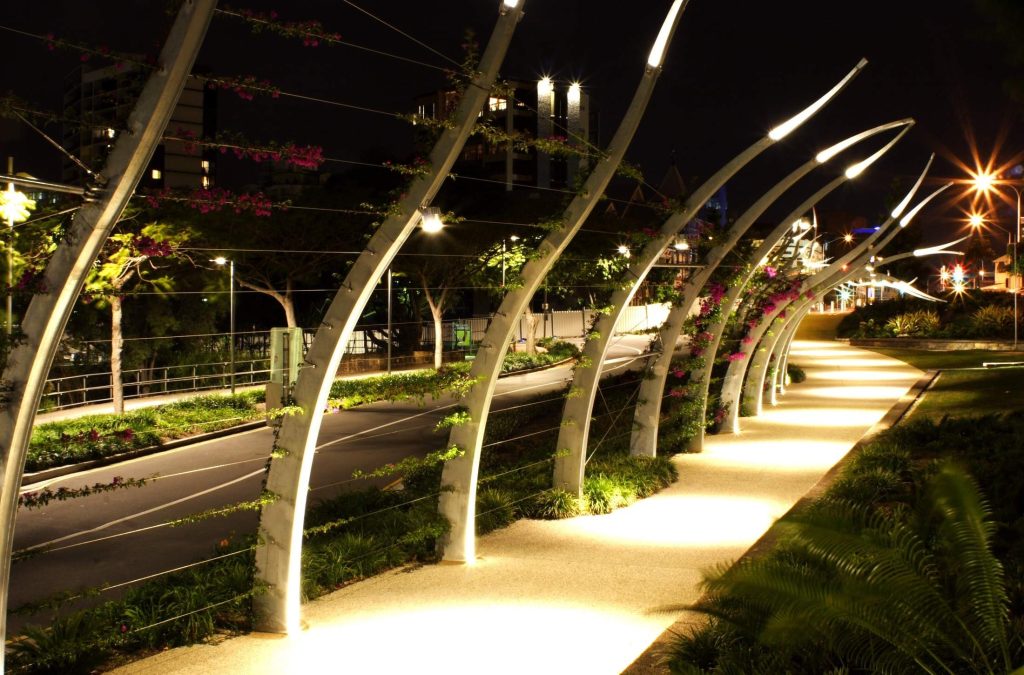
High-wattage LED strip lights are the most power-intensive among the three categories, which directly reflects on utility bills. However, they remain an economically viable choice for applications that demand strong illumination, like landscape lighting or industrial settings where safety and functionality are paramount. It’s important to remember that although high-watt LEDs consume more power, they still offer better energy efficiency than traditional high-intensity discharge lamps often used in these settings.
In terms of maintenance and replacement costs too, LED strip lights are advantageous, as their superior lifespan overshadows traditional light sources, considerably reducing recurrent expenses associated with frequent replacements. Therefore, while the initial cost of LED strip lights can be higher than other lighting solutions, understanding the implications over time paints a different picture – one highlighting the enduring cost-effectiveness and sustainability of LEDs irrespective of wattage chosen.
Safety Considerations with High Wattages
Understanding the Potential Risks Associated with High-Wattage LEDs
The allure of high-wattage landscape strip lights lies in their superior luminosity, making them ideal for illuminating expansive outdoor areas. Despite their appeal, it is essential to recognize the potential risks associated with their use.
One risk pertains to electrical safety. High-wattage LED lights demand more current to function optimally, and when the necessary checks are not conformed to, they can cause an electrical overload, which may lead to fires.
Furthermore, high-wattage LEDs are notorious for their heat emission. Despite being significantly cooler than incandescent and halogen bulbs, they still produce heat that needs meticulous management. If not properly managed, these LEDs can overheat and become a fire hazard or experience a reduction in lifespan.
Another potential risk involves harmful radiation. Emphasis on landscape lighting has led many consumers to opt for high-wattage LEDs without considering their UV emission levels. Although minimal, some LED strip lights may emit UV radiation that could be detrimental to human health if directly exposed over an extended period.
Prioritizing Heat Management in Landscape Lighting Installation
Heat management is paramount when using high-wattage LED strip lights for landscape lighting projects, given that excessive heat can adversely affect the lifespan and functionality of these light strips. The use of heatsinks or other cooling mechanisms cannot be overstated.
Firstly, it’s important to understand that excessive heat reduces the efficiency of LED strips – this phenomenon is known as ‘droop’. As temperature rises due to improper heat management techniques, there’s a decrease in light output coupled with increased energy consumption – an undesirable occurrence considering one of LED lighting’s principal benefits is its energy efficiency.
Secondly, overheating can damage components in your LED strip irreversibly, leading to quicker burnout despite the touted longevity of LEDs. This essentially translates to more frequent replacements and higher costs in the long run.
Thirdly, heat management is vital in maintaining color quality. High temperatures can cause phosphor degradation, which results in color shifts over time. Consequently, an initial cool white light might unexpectedly turn bluish.
A comprehensive heat management strategy ensures safety. As previously mentioned, poorly managed high-watt LEDs pose a fire risk. Investing in good-quality heat sinks and ensuring proper installation is pivotal to preventing overheating and potential fire hazards.
While higher wattages offer bright landscape lighting solutions, understanding the potential risks and importance of efficient heat management is crucial for both a successful lighting project and safety assurance.
Cracking the Code: Calculating the Required Power for LED Strip Lights
Understanding how to calculate the required power for your LED strip lights is paramount, particularly when you’re planning to create an enticing and vibrant landscape lighting using landscape strip lights.
To begin with, it’s essential to note that the power requirement of LED strips is determined by their wattage per meter and the total length in meters. Hence, multiplying these two figures will give you the total wattage. For instance, if you plan to use a 14.4W per meter LED strip light for a 5-meter landscape strip lights project, then you would require a power supply of at least 72 watts (14.4W x 5m).
However, it is always wise to choose a power supply that can handle around 20% more than your calculated requirement. This extra capacity ensures the longevity of your equipment and allows some flexibility for potential future additions or modifications in your landscape lighting design.
It’s equally important to remember that different colors on an RGB LED strip can consume varying levels of power. As such, if you plan on frequently utilizing brighter colors like white – which utilizes all colors, hence consuming more power – this should be factored into your calculations as well.
The final step involves considering factors such as voltage drop, especially in projects involving longer lengths of strips or where different strips are wired in series rather than parallel. Voltage drops may result in dimmer lights towards the end of long runs due to increased resistance along the strip length. Therefore, it’s recommended that longer running sections are powered separately or from both ends where possible.
Conclusion: What Wattage Is Used for LED Strip Lights?
Understanding wattage is pivotal when choosing and installing LED strip lights, whether they are being used for indoor lighting or outdoor landscape lighting scenarios, including incorporation into landscape strip light setups. Remembering that wattage can greatly influence factors such as brightness, energy consumption, costs, safety, and the ideal power source to use will go a long way in ensuring a successful lighting project.
Proper knowledge can make the difference between a lighting masterpiece and an inefficient power drain. Moreover, armed with this information, you are better placed to create vibrant atmospheres while also being cognizant of your energy consumption. After all, lighting is not just about flooding an area with light; it’s about creating purposeful lightscapes that enhance aesthetics while maintaining efficiency.
Keep in mind the equation: wattage equals brightness. Now go ahead; power up your world using LED strip lights wisely!
You may also be interested in the following posts: