
Effective Solutions When String Lights Exceed the Desired Length
An Enlightening Introduction to Landscape Lighting
As the Sun dips below the horizon, a soft glow emerges, casting a magical aura over your outdoor space. That enchantment has a name – landscape lighting.
Landscape string lights, these twinkling strands of light, can transform an ordinary backyard into an ethereal escape or turn a simple party into an unforgettable celebration. But what happens when you find you have more lights than you need? This post delves into that predicament and offers expert solutions for when your string lights are too long.
String lights are versatile and dynamic elements of exterior or interior decor that offer myriad creative lighting possibilities. Whether they’re adorning gardens for summertime soirées or draped around Christmas trees during Yuletide festivities, their warm and welcoming glow enhances any setting’s ambiance.
The Brilliance of Proper String Light Length
As with all elements of design, proportionality and balance hold sway in the use of string lights as well. The significance of proper string light length cannot be overstated: it is crucial both from aesthetic and practical standpoints.
From an aesthetic point of view, if your string lights are excessively long for the space they’re intended to illuminate, they may become overwhelming rather than enhancing. Instead of creating an inviting warm glow, too many lights could create an overly bright glare that detracts from their original charm.
Practically speaking, handling too-long strings can pose several challenges, such as inconvenience in installation and potential safety issues. Extra-long strings may tangle easily or require additional support structures to keep them up securely without risking any damage.
It is also important to remember that depending on the type of string light – solar-powered versus electrical – there might be other considerations like availability of power sources or sunlight that make proper length a pressing concern. In this post, we will traverse the magical, luminescent world of string lights.
You’ll learn how to cope with strings that are too long, how to manipulate extra lights for a captivating visual impact, and how to use lighting techniques to their fullest potential. So sit back, relax, and let’s take a journey through your landscape lighting options when you have more light than you know what to do with.
Understanding String Lights
The Art of Lighting: Defining String Lights
String lights, often synonymously referred to as fairy lights, have transcended their seasonal role as Christmas decorations and have evolved into a ubiquitous feature in both indoor and outdoor decors.
They’re essentially a series of small, equally spaced light bulbs connected by an electric wire that functions to radiate a warm, inviting glow. The brilliance of string lights lies in their versatility and capacity to illuminate any setting with an ethereal charm.

There are myriad types of string lights available in the market catering to diverse needs and aesthetics. Fairy string lights can be used to elegantly embellish your dinner table or mantelpiece with their delicate twinkle. Globe string lights, for example, are wonderful options for creating soft lighting effects ideal for patios or garden parties.
Another popular variant includes LED string lights, which boast enhanced durability and energy efficiency. For those desiring a more rustic ambiance, there are Edison-style landscape string lights that perfectly blend the vintage appeal with modern functionality. If you’re keen on adding more color to your settings, multicolored string lights might serve your interests best.
Choosing the Right Length Matters: The Relevance of Proportionality
Selecting the most appropriate length of string light is often overlooked but holds paramount importance in crafting the desired lighting effect. It’s akin to finding balance; too short might leave you with inadequate lighting while surplus length could lead to cluttered presentation or unnecessary tangles.
When working on landscape lighting projects specifically, it’s crucial not only to measure the space that needs lighting but also to consider where power sources lie in relation to this area. Depending on your specific need – such as wrapping around trees or draping over bushes – extra length may be beneficial.
However, if you’re dealing with balcony railings or door frames where precision is key, it’s advisable to have the right length of string lights. Carefully calculated length ensures a neat appearance and eliminates the risk of loose ends, which may detract from the overall aesthetic. Understanding how much lighting you need for your space can save you from any potential pitfalls.
String lights have a way of transforming ordinary spaces into magical landscapes; choosing the right length is a crucial step in this transformation process. Let’s not underestimate the power of these little bulbs – they’re more than mere decorative elements; they’re tiny ambassadors of warmth and joy.
String lights can turn an ordinary garden into an enchanting landscape or make your living room feel like a cozy sanctuary on a winter evening. But remember, their effectiveness is largely dependent on accurately gauging their required length in relevance to your setting.
Common Challenges with Long String Lights
The Safety Impediments of Extended String Lights
Lengthy strands of string lights, especially landscape string lights, can pose a considerable safety risk if not addressed appropriately. One prevalent danger is tripping hazards; excess lengths left dangling or loosely sprawled across walking paths may cause individuals to trip and injure themselves. Additionally, poorly managed long cables can also result in electrical issues such as short circuits.
If too many light strings are connected end-to-end, the collective energy draw could exceed the cable’s capacity, leading to overheating and potentially a fire. From a weather standpoint, long outdoor landscape lighting poses another challenge.
It’s often exposed to elements like wind and rain, which may destabilize or even damage flimsy extra segments, causing them to spark or malfunction. Furthermore, any loose ends run the risk of coming into contact with water puddles or damp areas, an encounter that could lead to electrocution.
It is also worth noting that children and pets may find the extra lengths of wire intriguing play objects; this curiosity might lead to unnecessary accidents, including electric shocks. Therefore, it is indispensable for homeowners using long landscape string lights to be aware of these dangers for preventive measures.
Yet importantly, longer than necessary string light lengths could spell trouble for those unaware of proper electrical disposal methods. Simply throwing away surplus string lights might contribute adversely to environmental waste since they contain materials harmful once dumped at landfills.
The Aesthetic Conundrum Posed by Overlong String Lights
Overly lengthy string lights present several aesthetic challenges too. For one thing, loose wires hanging awkwardly from trees or fixtures can disrupt the harmony of your decor, impacting its visual appeal negatively. Instead of creating a welcoming ambiance with your landscape lighting, you may inadvertently create an eyesore.
Balance in design is key when it comes to pleasing aesthetics, thus having excess string lighting can disrupt this balance. When lights are too crowded together or unevenly spread out due to extra length, the resulting asymmetry could mar the overall look.
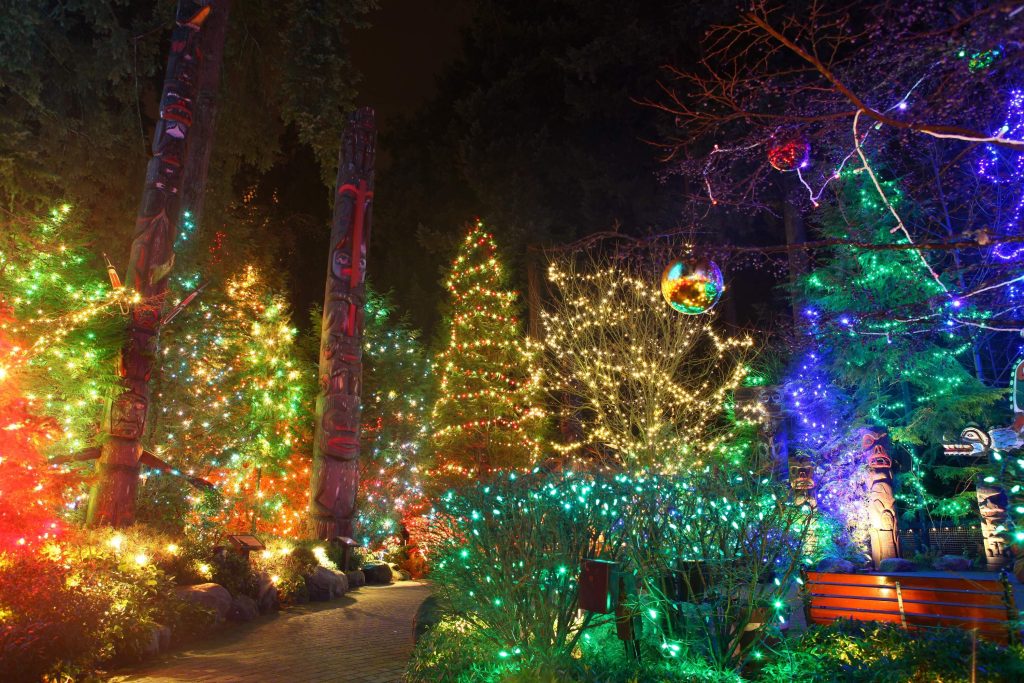
Additionally, if not cleverly hidden or incorporated into the design, extra lengths of string lights may cause unsightly clusters, making your décor look sloppy and disorganized. This is particularly true for indoor settings where every inch counts towards the final appearance.
Furthermore, over-bright spaces caused by densely packed long string lights can cause visual discomfort. The desired effect of landscape lighting is often soft and subtle; an excessive cluster of bulbs may emit harsh brightness counterproductive to this goal.
On aesthetics, it is easier to end up with a jumbled mess than expected when attempting creative designs using very long strings. All it takes sometimes is turning a corner or looping around an object for everything to get tangled up.
Practical Issues with Extended Landscape String Lights
The practical issues arising from overly lengthy landscape string lights cannot be overlooked either. One problem that frequently arises involves storage difficulties; when not in use, storing long strands requires more space and careful handling to prevent tangling.
In addition, installation becomes inherently more challenging with long strings. Feed-through holes in fixtures might not be large enough for thick bundles to pass through, requiring you to loop around instead – a task that quickly becomes cumbersome given plenty of such fixtures.
Setting up an elaborate landscape lighting system also takes significantly more time if your string lights are too long. Not only does securing them safely take extra time, but you also have to constantly monitor for potential safety risks mentioned earlier.
The energy consumption of long strands is another practical issue worth noting since more bulbs naturally draw more power – something eco-conscious homeowners might find off-putting despite their functional advantage.
On practical problems lies maintenance difficulty: replacing a single faulty bulb or fixing a wire problem in your extensive landscape lighting could prove a daunting endeavor compared to shorter, more manageable strings.
Strategies for Managing Overlong Landscape String Lights
Finding Harmony in Extra Length: Wrapping Techniques for Long String Lights
The first strategy to manage protracted landscape string lights is through effective wrapping techniques around various objects. This not only prevents the hazard of loose wires but also helps in creating a fuller, more aesthetic look.
The key is to wrap the lights tightly enough for security but loosely enough to prevent any damage or strain on the bulbs. Railings offer ideal structures for wrapping string lights. Start at one end, securing the plug near an outlet if possible, and spiral gently along its length until you reach the other end. If there’s still excess length, simply double back along your path until all your landscape lightings are utilized.
Trees and posts provide another great opportunity for utilizing long string lights. Wrap them vertically from bottom to top and then back down again depending on their height and the length of your lights. Pay attention to keep an even spacing between each loop to maintain a consistent glow throughout.
Exploring creative wrapping patterns not only helps deal with excessive lengths but also adds a personal touch to your landscape lighting design. Zigzag patterns or spirals add dynamic visual interest, while wave patterns can create a softer ambiance.
Embrace Your Excess: Creating Loops with Long String Lights
Creating loops is another effective method for managing lengthy string lights while creating an artistic display at the same time. This technique involves making deliberate loops in your line of lighting as you hang them up. Loop sizes are contingent upon individual preference and the overall design scheme of a given space; smaller loops give off a delicate aura, whereas larger ones have a bold presence.
Depending upon their size, loops can be placed at varying lengths apart – closer together for smaller loops and vice versa. Securing these loops safely is paramount; they should be fastened securely with ties that match the color of your light strand so as not to detract from its overall aesthetic.
The Art of Layering: A Solution for Extra Long String Lights
Layering offers an additional solution when grappling with extra-long landscape string lights. This method involves laying multiple lines of lights across a smaller space, thereby creating more depth and brightness in your lighting display.
To layer your string lights without creating a tangled mess, start by hanging your first strand and then follow its path with the additional strands. Be sure to keep each line straight and even to maintain a tidy look. Best practices for layering often depend on whether the setting is indoors or outdoors.
For indoor settings, try not to overload a single room with too many layers; it can quickly become overwhelming. For outdoor landscape lighting, however, you have more flexibility; layer away, but be mindful to avoid any potential hazards like low-hanging branches that could potentially damage your lights.
Specific Scenarios and Tailored Solutions
Outdoor Lighting Solutions for Garden Parties and Christmas Decorations
The vast expanse of one’s outdoor domain often presents a plethora of opportunities to showcase creativity and ingenuity, especially when handling landscape string lights. One such occasion could be a garden party where the ambient lighting plays a pivotal role in creating the desired atmosphere.
When your string lights are too long, instead of retracting into despair, consider utilizing them to create multiple layers of lighting over your garden canopy. This could manifest as draping the extra length back and forth across trees or poles, illuminating the area with an enchanting glow that adds depth and charm to your gathering. Another popular scenario involves landscape lighting during Christmas time.
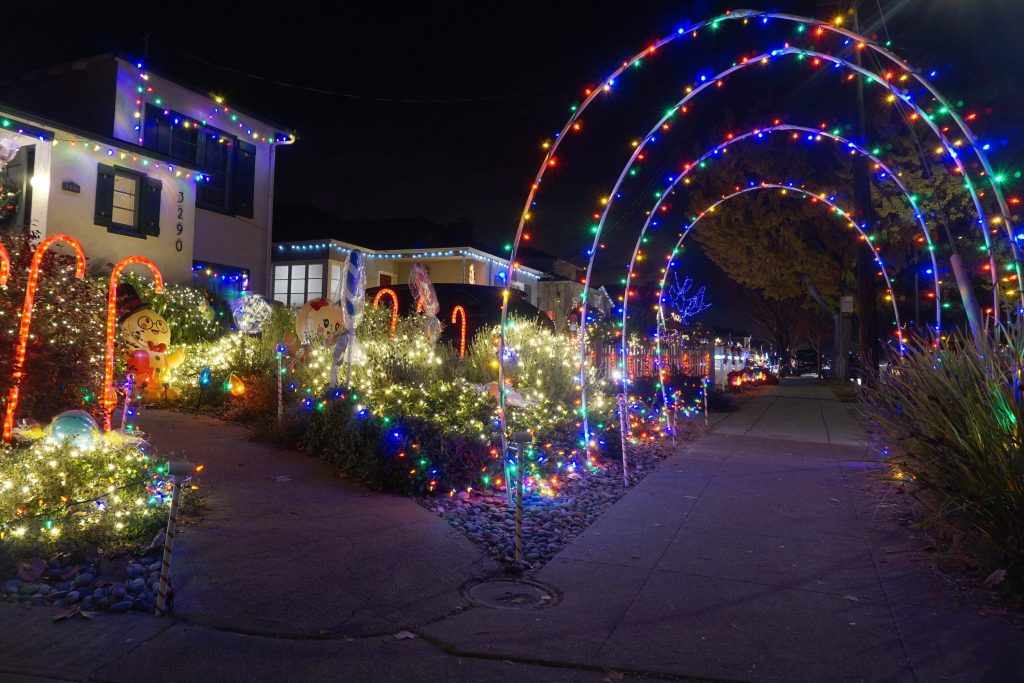
The excess length can be used to fashion strikingly beautiful shapes like stars or snowflakes on your lawn or rooftop – a dazzling spectacle that is sure to captivate passersby. Alternatively, if you prefer a more subdued ambiance, simply loop the extra lights around tree trunks or bushes multiple times to create rich pockets of warmth against the winter chill.
Safety remains paramount when dealing with outdoor lighting setups. Always ensure that wires are securely fastened and insulated from direct contact with water or snow, which might pose electrical hazards.
When it comes to landscape string lights being too long for a specific area outside your home, there’s no need for dismay! With some strategic planning and placement, they can be transformed into breathtaking light installations that bring seasons or events alive.
Inside Home Decor: Handling Excessive String Lights in Cozy Corners
Incorporating string lights into indoor settings like bedrooms or living rooms requires careful thought due to size limitations but also offers endless opportunities for creativity. For instance, when dealing with overly long string lights in a bedroom, one can create a dreamy overhead canopy.
This can be achieved by pinning the lights in a swag pattern across the ceiling, allowing the excess length to fall gently into elegant drapes around the bed. If you find your string lights overstretching in your living room area, why not transform them into an artistic wall feature?
By winding and weaving the extra length into unique shapes or words on your wall, you can instantly elevate your space’s aesthetics while also solving your problem. Another innovative solution is to incorporate long string lights into bookshelves or display cabinets.
The additional light adds depth and highlights to your showcased items while also serving as an intriguing design element. A somewhat avant-garde but effective method of dealing with excess indoor string lights is to fashion them into makeshift chandeliers or lanterns.
These DIY light fixtures not only solve your length issue but also make for splendid conversation starters. In essence, long string lights within an indoor setting needn’t be a cause for concern but rather an invitation for inventive decor ideas that add character and warmth to any room.
DIY Projects with Extra Length String Lights: Enchanting Creativity
Creating Lighted Wall Art: Painting with Lights
The first step in creating lighted wall art using your extra-length string lights is to determine your design. Sketch it out on paper, ensuring it fits within the dimensions of your wall space. Consider everything from abstract shapes to a landscape lighting scene – the only limit is your imagination.
Next, translate your design onto the wall using a pencil or chalk. This will serve as your guide when placing the lights. Keep in mind that straight lines and geometric patterns tend to be easier than intricate designs. Think of this as preparing a canvas for an unconventional masterpiece.
Once you have sketched out your design, begin affixing sections of the string lights to the corresponding sections on the wall using adhesive hooks or clips. Start at one end of your string light and move towards the other, adjusting as necessary so that you cover even corners and curves in an aesthetically pleasing way.
To avoid any unsightly tangles or confusing crisscrosses, keep track of which section connects where and run any extra lengths along edges of walls or behind furniture until needed again. Remember that patience is key; this process may take longer than anticipated but will result in a beautiful, radiant display.
The final step is simply to plug in and behold! You’ve transformed excess string lights into an enchanting piece of luminous art that can illuminate any room with a warm, inviting glow.
String Light Chandelier: Radiant Elegance From Above
A homemade chandelier from long string lights can be both functional as landscape lighting and create a striking focal point for outdoor gatherings under open skies. To start off this project, gather a circular base such as a metal hoop or wire wreath frame. This will serve as the top of your chandelier.
Next, attach the end of your string lights to the base. You can use zip ties or twist ties for this task. Start wrapping the landscape string lights around your base until you’ve covered its entire circumference. Ensure to leave a long tail of lights hanging down; this will form the body of your chandelier.
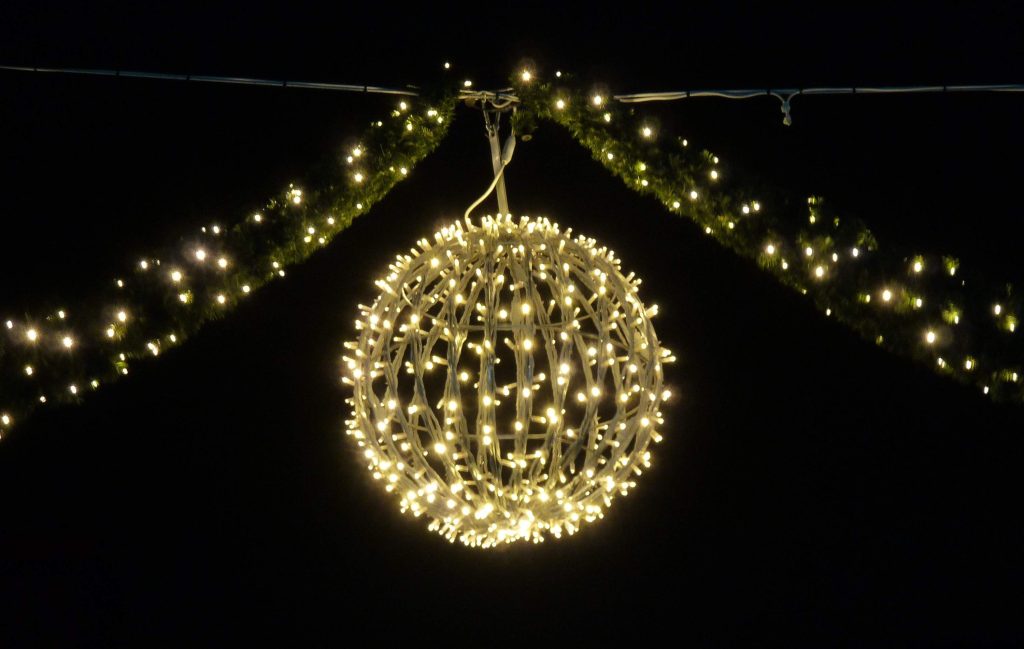
Now divide this ‘tail’ into equal sections (the number depending on how detailed you want your chandelier to be) and start looping them back up towards the circular base, attaching each at evenly spaced points. This should create an effect similar to icicles hanging from a roof’s edge.
Continue layering these loops until you run out of string light length. It’s important that all attachments are secure and that layers are evenly distributed around the circular base for balance. For an added touch, try integrating beads or crystal ornaments within these layers for an extra touch of elegance.
To finalize, fasten securely a chain or sturdy cord at three equally spaced points on your circular base for hanging purposes, ensuring they meet at one point in harmony with one another – ready to be hung up and admired! Completed rightly, you’ve turned excess landscape string lights into a distinctive DIY lampshade that amplifies ambiance with every flicker!
Professional Alterations: When Expertise Makes a Difference
In some instances, your string lights may require more than just creative solutions. This is where professional alterations come into play. Landscape string lights, in particular, need expertise to fit perfectly while maintaining the scenic beauty of your exteriors. Professionals bring their vast experience and skills to adapt your overly lengthy string lights to desirable lengths without tampering with their functionality.
One might wonder why it would be necessary to employ the services of a professional when dealing with something seemingly simple as string lights. First and foremost, safety is paramount in all electrical works, including landscape lighting installations.
Professionals have the right tools and equipment for such tasks, thus minimizing any risks associated with electricity. Moreover, professionals possess deep knowledge about different types of string lights and how they function.
They can offer invaluable advice about what works best for every unique situation – be it a festive occasion or simply sprucing up your backyard. From LED bulbs that provide brighter illumination to solar-powered options well suited for outdoor landscape lighting, experts can guide you through all these choices.
Last but not least, a professional will ensure that any modifications made are aesthetically pleasing and complement your overall decor theme. They will carefully assess your space and consider factors like light intensity needed or color schemes before embarking on any adjustments.
Such precision work requires an eye for detail that professionals have honed over years of practice. To find professionals who offer these services, you might want to research online or ask for recommendations from family or friends who have had similar projects completed successfully.
Conclusion: What to Do When String Lights are Too Long?
In essence, overly long string lights should no longer pose an insurmountable challenge once you’re equipped with this wealth of information at hand. Be it utilizing creative wrapping techniques, layering methods, or even undertaking DIY projects, the possibilities are endless. The journey of navigating your way through excessively lengthy string lights can indeed be an enlightening one.
By exploring different solutions and perhaps even discovering new DIY skills along the way, you transform a potential hurdle into an opportunity for creativity. And if all else fails or seems too daunting, professional help is always at hand to ensure your landscape string lights shine just as brightly as they should.
Remember, every long string of lights is just another avenue for you to showcase your creativity and enhance the charm of your space – indoor or outdoor. So go ahead, switch on those landscape lighting ideas that have been lurking in the corners of your mind and let them light up your world!
You may also be interested in the following posts: