
The Pivotal Dance of Sleep and Light: A Chromatic Exploration
A Nightcap for the Mind: The Vital Role of Sleep
Sleep has long been deemed the nocturnal elixir, an integral facet of our lives that dictates not only our state of alertness but also our overall well-being. The artistry of slumber is a phenomenon that encompasses both mind and body, serving as a restorative labyrinth where neurons are repaired, memories consolidated, and vital hormones synthesized.
Just as a well-tuned orchestra creates symphony in synchrony, sleep orchestrates myriad physiological functions in harmony to maintain our health equilibrium. However profound its importance may be, sleep is often the first casualty in this high-octane world.
An underestimated foundation of health often relegated behind nutrition and exercise, the critical contributions of sleep towards cognitive prowess, emotional balance, physical vitality, and even longevity can’t be overstated. It’s essential to recognize that quality supersedes quantity when it comes to sleep.
Not just about clocking hours on your mattress; it’s about diving into deep stages of restful dormancy where true rejuvenation occurs. How we engineer our environment plays an instrumental role in this phenomenon, particularly the color and intensity of light we expose ourselves to before bedtime.
Unmasking the Luminary Effect: Light’s Role in Sleep Regulation
Light is not merely a tool for vision; it’s also a pivotal zeitgeber – an external cue that helps regulate organisms’ biological clocks. Through evolutionary adaptation, humans have developed responsiveness to the solar day-night cycle by establishing rhythmic patterns known as circadian rhythms.
By modulating these rhythms with light exposure patterns, we can synchronize our internal clocks with changes in ambient light. The sophisticated interplay between light exposure and sleep regulation commences when light stimulates specialized cells called intrinsically photosensitive retinal ganglion cells (ipRGCs) in our eyes.
These cells, upon stimulation, send signals to the suprachiasmatic nucleus (SCN), the body’s master clock located in the hypothalamus. The SCN then orchestrates a cascade of hormonal and neuronal signals that affect various bodily functions, including sleep.
Painting with Light: The Impact of Different Colors on Sleep
The color of light is a critical determinant of how we perceive our environment and can significantly influence our physiological responses, including sleep. Light is composed of different wavelengths that we perceive as colors; the spectrum ranges from shorter wavelengths (perceived as blue and green) to longer wavelengths (perceived as red).

It’s important to understand that all light is not created equal when it comes to sleep impact. Studies have unearthed interesting patterns between light color and sleep quality, indicating potential for targeted light therapy in improving circadian regulation.
A nuanced understanding of how different colors of light influence our sleep cycle can arm us with a powerful tool – one that leverages scientific insight for practical application. This knowledge allows us to architect an optimal sleeping environment by managing our exposure to certain types of lights at specific times.
Understanding Light and Its Impact on Sleep
The Intricate Dance of Light and Circadian Rhythm
Our circadian rhythm, often referred to as the ‘body clock’, is a 24-hour internal clock running in the background of our brain. It cycles between sleepiness and alertness at regular intervals. It’s what prompts us to feel sleepy at night and awake in the morning.
The circadian rhythm is influenced by environmental cues, with light being the most significant one. When light enters our eyes, it interacts with proteins called opsins in the retina, which send signals to a part of our brain known as the suprachiasmatic nucleus (SCN).
This vital hub regulates our internal body clock by adjusting body temperature and releasing hormones. In response to darkness, SCN prompts the pineal gland in our brain to produce melatonin, a hormone that helps us fall asleep. Conversely, when we expose ourselves to light, especially intense or blue light, this inhibits melatonin production, leading us towards alertness or wakefulness.
To understand this mechanism effectively requires an appreciation of our ancestors’ lifestyle patterns when they lived primarily outdoors under natural light conditions. With sunrise comes intense broad-spectrum light, which energizes them into alert mode, while sunset, with its softening color tones, drove them into rest mode.
Melatonin: The Conductor of Sleep
Melatonin plays a pivotal role in maintaining sleep-wake cycles. Often dubbed ‘the hormone of darkness’, it rises in production during evening hours when there’s less sunlight or artificial indoor lighting around us. This rise prepares your body for sleep by lowering blood pressure and body temperature – physical changes that promote drowsiness.
Throughout the night hours, when we need deep restorative sleep stages for physical recovery such as muscle growth and tissue repair or mental recovery like memory consolidation happening predominantly during REM stages, melatonin levels remain high. This ensures we stay asleep and get the quality rest we need to wake up refreshed.
However, in the early morning hours, just before waking up, melatonin levels drop again in response to increasing light. Thus functioning much like a conductor of an orchestra, melatonin subtly signals different sections of our body systems, dictating periods of rest and activity.
The Impact of Light Exposure on Melatonin Production: A Double-Edged Sword
In our increasingly digitalized lifestyle, we expose ourselves extensively to artificial light sources day and night. This unnatural exposure disrupts our sleep by tricking our brains into believing it’s still daytime, thus suppressing melatonin production when we most need it for restful sleep.
Studies have found that exposure to blue light-emitting screens like computers, smartphones, or LED lights before bedtime can delay the onset of REM sleep, consequently reducing its duration and hence robbing us off its reparative benefits both physically and mentally. However, not all light affects sleep equally.
Blue light is the most disruptive at night, while red or amber lights seem to have a lesser impact on circadian rhythm interruption owing to their lower color temperatures. Understanding this nuanced interaction between different wavelengths of light and their effect on our circadian rhythm can empower us with knowledge, enabling more informed decisions about using lighting pre-bedtime in order for us to get better quality sleep.
The Spectrum of Light: Colors and Their Effects on Sleep
Blue Light: A Modern Day Menace to Melatonin
The prevalence of blue light in our daily lives is an unprecedented phenomenon. The ubiquity of electronic devices such as smartphones, tablets, and computers – all sources of intense blue light – has significantly increased our exposure to this wavelength.
While beneficial during the day for boosting attention, reaction times, and mood, at night it can be detrimental to our sleep. Multiple scientific studies have corroborated the deleterious effects of excessive blue light exposure on melatonin production.

Melatonin is a vital hormone that regulates our sleep-wake cycle. Exposure to blue light, particularly in the hours leading up to bedtime, can significantly suppress its production, thereby leading to difficulty falling asleep or maintaining restful sleep.
Additionally, chronic exposure has been linked with disruptions in circadian rhythm, which may lead to more serious health issues over time, including obesity and depression. It’s a pervasive issue given that a survey conducted by the National Sleep Foundation found that 90% of Americans use electronic devices within one hour of bedtime at least a few nights per week.
Fortunately, there are strategies for mitigating the negative impacts of blue light exposure. These include limiting use of electronic devices before bed or utilizing special software or screen protectors that filter out blue wavelengths from screens. Other effective measures include wearing glasses designed to block blue light or equipping your home with lighting options that minimize output in this part of the spectrum during evening hours.
Green Light: The Lesser Known Luminary
Green light’s impact on sleep patterns is a lesser-known topic, but it is of significant interest. Like its blue counterpart, green light can influence our sleep by impacting melatonin production, although its effects are typically not as powerful. Studies have shown that while green light does suppress melatonin production to a degree, the effect is significantly less compared to blue light.
For example, a study published by the Journal of Neuroscience revealed that while both lights suppressed melatonin, participants exposed to blue light experienced twice the delay in onset of nighttime melatonin surge compared to those exposed to green light. However, it’s important to note that not all wavelengths within the green spectrum affect sleep equally.
Some studies have found that certain shades of green can actually promote relaxation and possibly even support better sleep quality. Therefore, carefully selected greens could be incorporated into your evening routine in moderation.
When comparing the effect of blue and green lights on our sleep-wake cycle, it’s clear that both types can affect our melatonin levels and hence our quality of sleep. However, the impact from blue light seems stronger and more disruptive due to its ability to delay the onset of sleep more than green light does.
While research on this topic continues and no definitive conclusions have been drawn about optimal exposure levels or times for these wavelengths, awareness regarding their potential effects is increasing, which will undoubtedly lead us towards better understanding in the future.
Red Light: A Tonic for Tranquility
Red light exposure before bedtime stands on different grounds compared with blue or even green lights. One might wonder why the color red is often associated with promoting better sleep. The answer lies in the spectral sensitivity of special photoreceptors in our eyes that regulate circadian rhythm.
These photoreceptors are most sensitive to shorter wavelength lights (like blue and green) and least sensitive to longer wavelengths (like red). Exposure to red light doesn’t suppress melatonin production as much as exposure to the former colors does, which explains why it is considered beneficial for sleep.
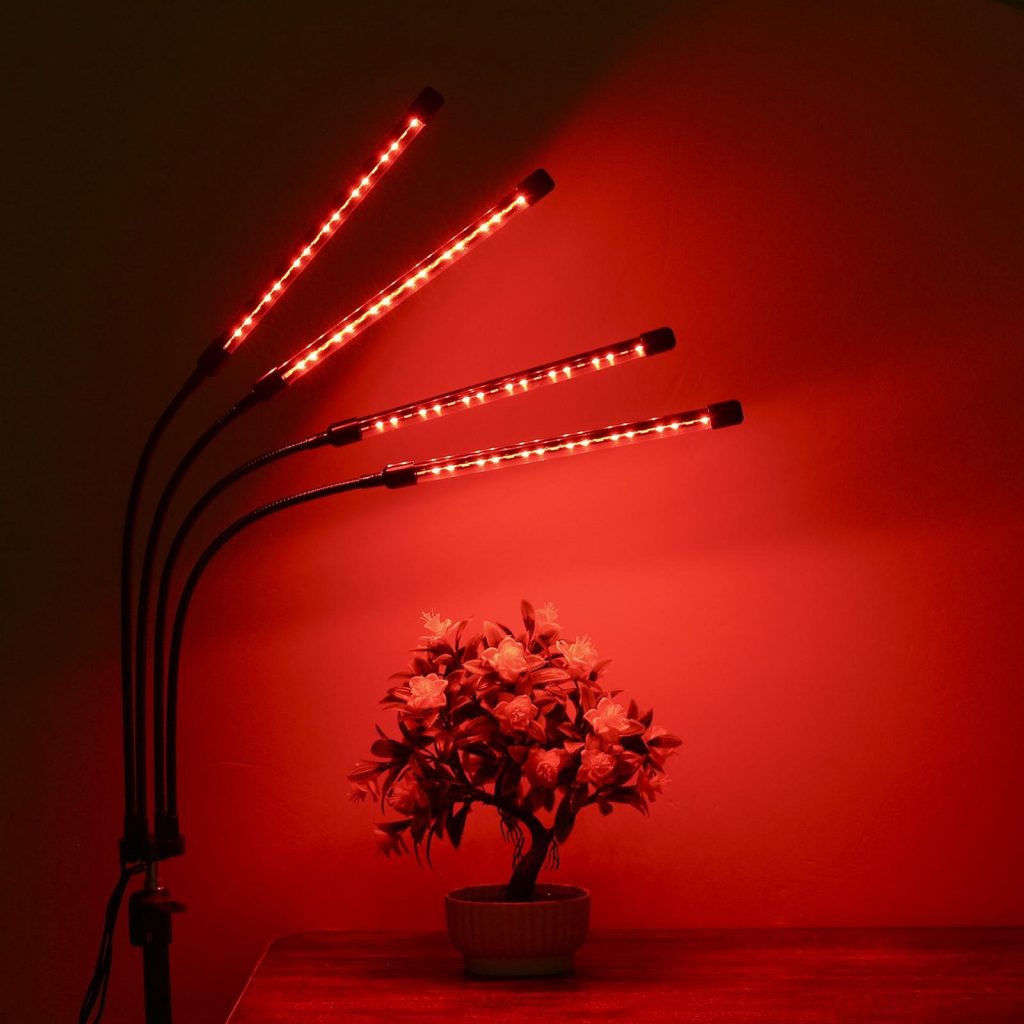
An interesting study published by The Endocrine Society revealed that exposure to red light at night increased sleepiness when compared with exposure to blue and green lights. Furthermore, participants who were exposed to red light preserved their typical nocturnal elevation in melatonin levels.
Red light also has a lower color temperature compared with blue or white lights, which echoes more closely the natural progression of sunlight throughout the day from dawn (red) through midday (white) and dusk (red again). This makes it less harsh on the eyes, adding another reason why it may be preferable before bedtime.
While trying different sleep promotion methods might require some trial-and-error based on individual preferences and responses, using a dimmed-down or filtered form of red light during evening hours could be an effective strategy for improving overall sleep quality.
Plunging into the Depths of Red Light Therapy
Unveiling the Enigma: What is Red Light Therapy?
In the simplest terms, red light therapy (RLT) refers to a therapeutic technique that utilizes low-level wavelengths of red light to treat various health conditions. It is also known as photobiomodulation, low-level laser therapy (LLLT), biostimulation, and soft laser therapy.
The usage of light for therapeutic purposes dates back thousands of years; however, it has gained significant scientific interest in recent decades. The premise of RLT lies in its capacity to stimulate cellular function, leading to myriad beneficial effects, including wound healing and tissue repair.
RLT should not be confused with heat lamps or infrared sauna treatments. Unlike these techniques, which emit heat along with light, RLT operates in a narrow wavelength range and does not significantly increase skin temperature. This characteristic makes it an ideal non-invasive method for sleep enhancement.
Contrary to popular belief, RLT does not damage skin like prolonged exposure to sunlight can. On the contrary, it offers skin rejuvenation benefits by stimulating collagen production. As one dives deeper into understanding this unique therapeutic technique, it becomes evident how significantly it might contribute towards improving sleep quality.
Enlightening Evidence: The Role of Red Light Therapy in Sleep Improvement
A multitude of research studies have demonstrated the potential impact red light therapy can have on sleep quality. A seminal study published in “Journal of Athletic Training” revealed that individuals exposed to red-light therapy experienced improved sleep and increased melatonin levels compared to those who did not receive any form of light treatment.
Further substantiating these findings are plethora studies from eminent institutes worldwide indicating that exposure to red light before bedtime may help individuals fall asleep more effortlessly. One such study carried out by Harvard Medical School posited that using red or amber lights in the evening helped participants feel sleepy, unlike exposure to blue or green light.
This effect may be attributed to the fact that red light wavelengths do not suppress the production of melatonin, a hormone essential for regulation of sleep-wake cycles. Furthermore, a study published in the “Journal of Sleep Research” provided compelling evidence that RLT could be used to treat chronic insomnia.
Participants undergoing red-light therapy demonstrated substantial improvements in sleep quality and duration. Delving into such scientific explorations undoubtedly underscores the promising role red-light therapy can play in addressing sleep-related issues.
Embracing Twilight: Integrating Red Light Therapy into Nightly Rituals
Incorporating red-light therapy into one’s nocturnal regime need not be a herculean task. One can begin by replacing traditional lighting sources with red light bulbs in spaces where evenings are spent, like bedrooms and living rooms. Another approach could involve using specific devices engineered for delivering targeted red-light therapy.
Such tools are designed to deliver precise wavelengths of light and can be used while reading, meditation, or even watching television before bedtime. Investing in wearable technology offering RLT like eye masks or skin pads is also an effective way to integrate this therapeutic technique into your nighttime routine.
These gadgets offer flexibility as they can be worn while performing other tasks or during bedtime itself, ensuring constant exposure throughout the night. It’s important to remember that consistent practice is key when it comes to reaping benefits from RLT.
Regular usage over time is more likely to result in improved sleep patterns than sporadic use. Breathing life into this integration strategy might require some initial adjustments, but considering the potential rewards – improved sleep quality and overall well-being – these changes will undoubtedly prove worthwhile.
The Role of Ambient Lighting in Promoting Better Sleep
Unveiling the Power of Ambient Lighting in Enhancing Sleep Quality
Ambient lighting, also known as general or background lighting, has a profound impact on sleep quality. It encompasses the overall lighting in your environment that shapes your perception of comfort and space. From the bedroom’s light level to its color temperature, each element plays a crucial role in not only setting the mood but significantly influencing our sleep patterns. High levels of ambient light can suppress melatonin production leading to disrupted sleep cycles.
Finding the Light: Exploring Different Options for Ambient Lighting
When it comes to ambient light, we must consider different aspects such as levels, intensity, and color temperature. Levels refer to how bright or dim the light is – the lower the level, the less bright it is. Intensity speaks about how harsh or soft a light source feels to our eyes; this ties closely with brightness but focuses more on how starkly the light contrasts with its surroundings.
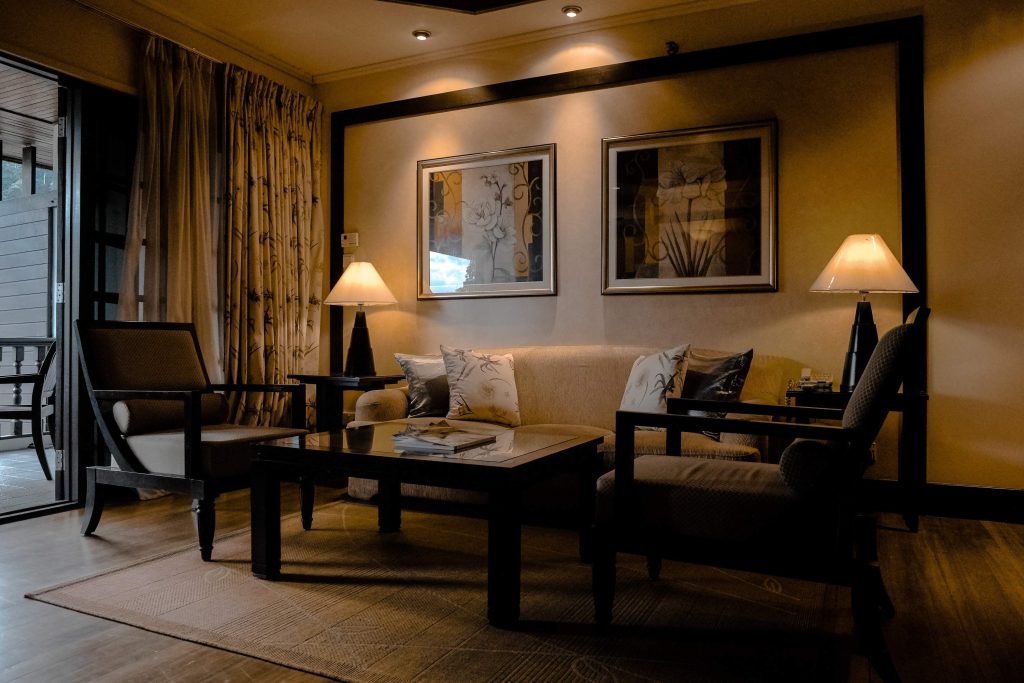
Color temperature is an often overlooked component of ambient lighting but plays an essential part in our sleep health. It’s gauged in Kelvin (K) and ranges from warm (2000K-3000K), neutral (3000K-4500K), and cool (4500K-6500K) hues. Warm-colored lights usually have lower color temperatures and emit less blue light associated with disturbed sleep patterns.
Deciphering Light Levels: A Key Component for Restful Sleep
Choosing a proper level of ambient lighting for your bedroom can make a significant difference in your sleep quality. Too much brightness before bedtime can interfere with your body’s circadian rhythm by delaying melatonin production – the hormone responsible for inducing sleep.
On the other hand, very low levels might cause strain to your eyes or make you stumble in the dark if you wake up during the night. Therefore, a delicate balance is needed: a dimmed, soft light that allows visibility without stimulating alertness.
Intensity and Sleep: A Delicate Balance
The intensity of your bedroom lighting also plays an important role in sleep quality. Soft lighting helps create a relaxed ambiance conducive to sleep, while harsh, high-intensity lighting can cause overstimulation, making it harder to wind down before bedtime.
The Impact of Color Temperature on Sleep
Red or amber lights with lower color temperatures have been found beneficial for promoting sleep as they emit minimal blue light. Conversely, cool-colored lights with higher color temperatures tend to produce more blue light known for inhibiting melatonin production and disrupting our natural sleep-wake cycle.
Case Studies Demonstrating the Effectiveness of Proper Ambient Lighting
Evidence-Based Insights Into the Power of Light
Several scientific studies underscore the potency of proper ambient lighting in improving sleep quality. A notable investigation by Harvard Medical School examined the impact of exposure to 6.5 hours of either blue or green light on participants’ circadian rhythms. It concluded that blue light suppressed melatonin twice as long as the green and shifted circadian rhythms by twice as much.
In another research study published in the Journal of Clinical Sleep Medicine, it was found that exposure to red lights did not suppress melatonin production as much as white or other colors, thereby having minimal effects on our circadian rhythm and promoting better sleep.
A further study from Thomas Jefferson University emphasized how controlled ambient lighting can improve patient outcomes in healthcare settings by supporting healthy sleep patterns. This premise sets an important foundation for considering its potential implications at home too.
Leveraging Science for Better Sleep
These investigations highlight how strategic manipulation of ambient lighting – right from its level and intensity to its color temperature – can significantly influence sleep quality. It underscores the importance of mindfully choosing and curating our ambient lighting to foster a conducive environment for restful, uninterrupted sleep. In essence, by understanding and harnessing the power of ambient lighting, we can enhance not only our sleep but also our overall health and well-being.
Adjusting Your Environment for Optimal Sleep: A Comprehensive Guide
The manipulation of your environment to foster better sleep hinges on an astute understanding of light’s impact upon our circadian rhythms. One fundamental and accessible strategy is optimizing your exposure to natural light during daylight hours. As sunlight is a crucial external cue for our biological clocks, striving for ample exposure during the day can bolster the regularity and efficacy of our sleep-wake cycle.
Whether this is achieved through routine outdoor activities or simply opening curtains to flood interior spaces with natural light, fostering synchronicity with the solar day can enhance nocturnal sleep quality. In contrast, mitigating exposure to disruptive colors of light in the evening is equally imperative.
To reduce suppression of melatonin production by blue and green lights, preferential use of softer, warmer lighting in evening hours may be beneficial. Transitioning from more intense overhead lighting to lower-intensity lamps or candles with red or orange hues can create an ambient environment conducive to restful sleep.
Embracing the Power of Light in Sleep Hygiene
For those who find bedtime reading helpful in transitioning towards slumber, choosing a physical book rather than an electronic device could be beneficial due to most digital screens emitting melatonin-suppressive blue light. Alternatively, many modern devices now offer features such as ‘night mode’, which adjusts screen color temperature towards warmer hues in recognition of these principles.

The judicious use of low-level red lights as nightlights provides another strategic approach when navigating nocturnal environments that is unavoidable; they emit minimal disturbance on the melatonin cycle while affording sufficient visibility. Similarly, strategic consideration should be applied when selecting alarm clocks; opting for models that use red digits minimizes potential disruption during periods intended for restorative sleep.
Additionally, blackout curtains or blinds can prove invaluable where external lighting sources such as street lamps impose upon bedroom environments; alternatively, eye masks provide a portable solution that may suit those with more nomadic lifestyles. Such considerations all contribute to the creation of a sleep sanctuary that respects and accommodates our inherent biological rhythms.
Conclusion: What Color of Light is Best for Sleep?
It is undeniable that light plays a critical role in governing our sleep-wake cycles. The knowledge and understanding gained about the effects of different colors of light on sleep empower us to adjust our environment optimally and incorporate strategies such as red-light therapy into our nocturnal routines.
This exploration into the understated power of light serves as an encouraging reminder that we can engineer surroundings conducive to better sleep simply by paying heed to nature’s palette. Harnessing these insights might be the key to unlocking restful nights and energized days, ultimately leading us towards improved health, productivity, and overall quality of life.
You may also be interested in the following posts: