
Green Night Light Features: Is it the Best Option?
Introduction: The Luminous Beacon of Night Lights
The concept of night lights predates modern society. From the comforting glow of a campfire in prehistoric times to the soft, contemporary LED fixtures, light has always served as a beacon, providing safety and calm in the nighttime hours. Today’s night lights retain these elemental roles while offering more sophisticated, nuanced utility, such as helping maintain circadian rhythms or creating ambient atmospheres.
Night lights exist in myriad forms and serve various functions. They can be decorative elements enhancing room aesthetics, practical tools for facilitating nighttime navigation without needing to switch on harsh overhead lights, or soothing aids that help individuals – particularly children – feel safe and secure during sleep time.
The Spectrum of Significance: Understanding the Role of Color in Night Lights
Color is an essential aspect to consider when choosing a nightlight. Why? Light color influences our hormonal responses, which control our sleep-wake cycle or circadian rhythm. Certain colors can induce serenity while others may stimulate alertness – an effect quite contrary to what one desires at bedtime.
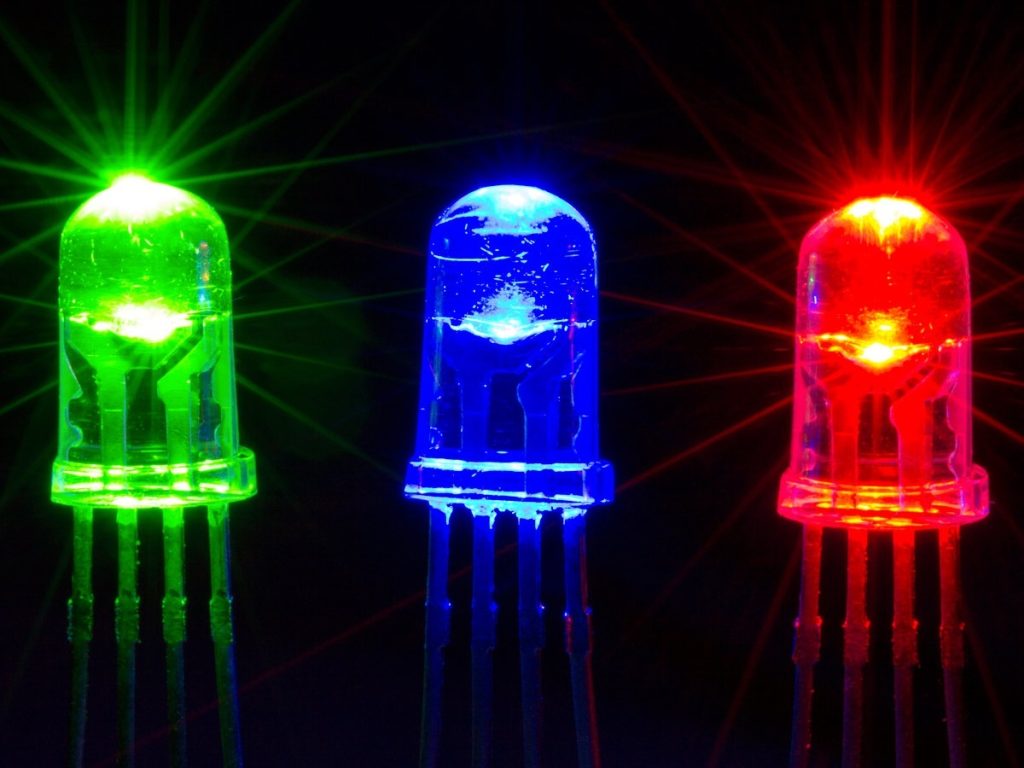
In the arena of nocturnal lighting, not all colors are created equal. While white may seem like an obvious choice due to its neutrality, it comprises all colors in the spectrum, including blue light, which is known scientifically for inhibiting melatonin production, thus delaying sleep onset or reducing sleep quality.
Choosing a color that promotes relaxation without interfering with your body’s natural transition into sleep is crucial. This brings us to traditionally recommended options – warming hues like red and amber.
Green Glow: An Unconventional Contender for Night Light Color
While conventionally people lean towards warm tones for evening lighting – given their minimal interference with melatonin production – the range of suitable hues might be broader than you think.
One such potential candidate is green – a color long associated with calmness and tranquility by psychologists. The topic of whether green is a suitable choice for a nighttime color isn’t often discussed. Yet, it’s an intricate subject that demands examination from both a psychological and physiological standpoint.
This post will explore the potential of green as a nightlight color, exploring its implications on human sleep patterns, comfort levels, and overall nighttime wellness. Let’s delve into the world of night lights with an emerald glow – shedding light on the pros and cons associated with this verdant hue when lighting up our nights.
Unveiling the Spectacular Influence of Light on Sleep
Before delving into the debate surrounding green as an ideal color for night lights, it’s important to unravel the intricate relationship between light and sleep. The human body operates on a circadian rhythm, a 24-hour internal clock running in the background of our brains that cycles between sleepiness and alertness.
This rhythm is predominantly controlled by light, particularly natural daylight. As night falls, our eyes send a signal to the hypothalamus that it’s time to feel tired. The brain, in response, sends a signal to release melatonin, commonly referred to as ‘sleep hormone’, into the bloodstream.
The secretion of melatonin makes us feel less alert and more inclined towards sleep. During daytime or in bright light conditions, this hormone’s production is low, but as darkness permeates, its levels rise significantly, facilitating a state of drowsiness conducive to sound slumber. This intimate interplay between light and melatonin forms an integral part of our sleep-wake cycle.
However, not all lights are created equal when it comes to their impact on our restorative rest periods. Certain types of artificial lights can have detrimental effects on sleep quality; they can suppress melatonin production more than others or even misalign our internal biological clock, causing irregular sleep patterns or insomnia.
Research has demonstrated that blue-light wavelengths have the most potent effect on delaying melatonin production, thereby disrupting circadian rhythms and leading to poor-quality sleep and fatigue during daytime hours. Moreover, exposure to excessive blue light from digital screens at bedtime can also contribute towards digital eye strain, making it harder for individuals to fall asleep after screen time.
This is where red-light comes into play with its unique set of benefits for nighttime use. Research indicates that red wavelengths are least likely to shift circadian rhythm and suppress melatonin. Hence, red light has been considered a favorable option for night lights as it minimally interferes with sleep.
Exploring the Chromatic Spectrum in Relation to Slumber
Having understood the ramifications of light on sleep, let’s embark on understanding the role of the color spectrum in relation to slumber. The visible spectrum of light, which is seen by the human eye, ranges from red (620–750 nm), making up the longer wavelength end of the spectrum, to violet (380–450 nm) at the shorter wavelength end. Each color within this range has different energy levels and wavelengths, directly affecting their influence on our circadian rhythms.
Blue light, with its short wavelengths, has higher energy levels that can inhibit melatonin production, disrupt our sleep patterns, and affect general health over time. It’s imperative here to understand that it’s not just about artificial lights, but even sunlight is richest in blue light during morning hours, thereby helping us stay alert throughout the daytime.

The other end of this colorful spectrum is marked by long wavelengths where lies red. As opposed to blue, red light exudes lower energy levels, causing the least disruption with our internal clock, thus proving beneficial for nighttime use – promoting a sense of calmness and facilitating drowsiness essential for a restful sleep.
This fascinating interaction between different colors and their respective influences forms an underlying basis for our exploration into green as a viable option for nightlights. As we progress towards understanding green’s potential role, it’s important to remember: finding an optimal nightlight isn’t merely about selecting what is least disruptive but also about what serves individual needs best – be it navigating through darkness or creating an atmosphere conducive to tranquility.
The Enlightening Science of Green Light
When exploring the dynamics of our visual spectrum, green light holds a unique position. Its wavelength ranges between 495 and 570 nanometers, placing it at the center of the color spectrum. This centrality contributes to its high visibility, particularly during nocturnal hours, offering an optimal balance between luminosity and softness for the human eye.
Green light possesses moderate energy levels compared to high-energy blue or violet light and low-energy red light. It provides sufficient lighting without being overly intense or harsh on our eyes.
The practical implications of these traits become evident when considering night-time visibility needs, especially in contexts where maintaining low-level lighting is beneficial. Scientifically speaking, green light’s wavelengths tend to be less disruptive than other colors in terms of sleep disruption.
However, like any other type of visible light outside the red spectrum, exposure to it can still have potential effects on melatonin production – the hormone responsible for regulating sleep cycles. In addition to these physical characteristics with direct implications on our sleeping habits, green’s role extends beyond its scientific properties.
Recent studies into chromotherapy or color therapy have lent credence to color’s psychological effects on mood and cognition. Green has been associated with feelings of calmness and relaxation due to its prevalence in nature – think lush forests and serene landscapes – a characteristic that may contribute positively towards preparing one’s mind for sleep.
The Dichotomy: Pros & Cons of Green as a Night Light Color
A Refreshing Perspective: Advantages
The soothing nature attributed to green makes it an appealing choice as a nightlight color. By creating an ambience resembling tranquility evoked by natural environments, it can facilitate relaxation before bedtime. This calming effect might potentially aid children afraid of the dark by providing reassurance and comfort.
As mentioned earlier, green light’s visibility aspects strike a balance between not being too bright to cause discomfort while offering adequate lighting for nighttime necessities. This makes it a practical option for those who require frequent nighttime movements, reducing the chances of accidents or disturbances.
A Considered Approach: Potential Disadvantages
Despite these benefits, one could argue that red or orange hues might be more suitable choices for night lights. Being at the end of the visible spectrum with the longest wavelengths and lowest energy levels, these colors are less likely to disturb innate circadian rhythms and inhibit melatonin production.
While green light is generally considered less intrusive than blue or white light, it still has the potential to affect sleep quality if used without careful consideration. Each individual’s sensitivity towards different light colors can vary significantly; thus, personal experiences may differ.
Making the Choice: Practical Considerations for Night Light Colors
Tailored Selections: Factors to Consider
Selecting a nightlight color should ideally incorporate individual preferences and sensitivities. Some individuals may find certain colors more comforting or soothing than others due to personal associations with these hues.

Sensitivity levels towards different light intensities based on age and health conditions should also be taken into account. The purpose of the nightlight is another critical factor in this choice; whether it’s primarily for visibility during nocturnal activities or promoting better sleep will dictate which color would be most appropriate.
Nightly Guidance: Tips for Effective Use of Green Nightlights
In using green as a nightlight color, moderation remains key – to gain its calming benefits without disrupting sleep quality. This can involve selecting lights with adjustable brightness levels and using them judiciously based on individual needs throughout the night.
It’s also worth considering the placement of nightlights. Positioning them strategically can provide the required illumination without directly shining into the sleeper’s eyes.
Lighting Lessons: Case Studies & Real-Life Examples
In practical scenarios, many have reported positive experiences with green night lights. Parents have found them particularly helpful in creating a calming environment for their children’s bedtime routines. Elderly individuals who need frequent nocturnal navigation have also appreciated the balance of visibility and softness offered by these lights.
However, it’s equally important to highlight experiences where green light didn’t prove as beneficial. This often pertains to individuals with higher sensitivities where even the moderate energy levels of green light proved disruptive to their sleep cycles.
Conclusion: Is Green a Good Night Light Color?
While green may not be the universally perfect nightlight color, its calming nature and favorable visibility characteristics make it a compelling consideration. Remember that individual preferences, sensitivity levels, and specific needs play an unparalleled role in this selection process. So light up your nights wisely, keeping in mind that every shade has its charm – and for some of you, tranquility might just come in shades of green.
You may also be interested in the following posts: