
The Luminous Spectrum: An Exploration of Nighttime Lighting
The phenomenon of light, a form of energy making the world visible to the human eye, has been a subject of fascination for eons. But beyond mere visibility, light plays profound roles in various facets of our lives, affecting our mood, productivity, and importantly, our sleep.
It’s within this context that we explore an often-overlooked question: What color of light is best for night? This post aims to shed light on this topic by delving into the scientific underpinnings and practical implications surrounding it.
Sweeping across the cosmos at blistering speeds are streams of photons – particles representing a quantum of light. These particles carry varying energies, translating into various colors when they interact with the human eye.
The colors we perceive depend on the wavelength of these photons – short wavelengths produce blues and violets, while longer ones give rise to reds and yellows. Thus, when we speak about different ‘colors’ of light, we are essentially talking about different wavelengths within this spectrum.
Nighttime Lighting: A Matter of Not Just Visibility but Vitality
The intricacies involved in selecting suitable nighttime lighting extend far beyond aesthetics or personal preference. Indeed, research shows that exposure to certain types of light after dusk can have significant repercussions on health and wellbeing – effects potent enough to influence work performance in adults or learning abilities in children.
The physiological processes at play largely revolve around our internal body clock – the circadian rhythm – which governs various biological activities including sleep-wake cycles and hormone secretion patterns, among others – an orchestra conducted by external cues referred to as zeitgebers, where light plays first violin.

Often underestimated is how crucial these biological rhythms are for optimal function during wakefulness and restorative sleep thereafter. Disruption or misalignment can lead to health issues such as insomnia, depression, or even chronic conditions like diabetes and heart disease. The choice of light color directly impacts these rhythms, making it a matter of night and day – quite literally.
Shedding Light on the Importance of Nighttime Lighting Choices
The importance of making informed choices about nighttime lighting cannot be overstated. A careful selection ensures not just the preservation of our sleep quality but also general health and productivity.
Notably, understanding this can aid in designing healthy living spaces and working environments – particularly in a world increasingly operating round-the-clock. Lighting considerations can also benefit those looking to optimize study routines or work productivity.
For instance, certain light colors may enhance alertness during late-night study sessions. Conversely, knowing which lights to avoid may prevent untimely signals to wake up when one should be winding down.
Choosing the right color light for nighttime is not merely a question of personal preference or design aesthetics – it’s about understanding how different wavelengths interact with our physiology, potentially affecting sleep patterns and overall health. In the following sections, we will dive deeper into these intriguing aspects of nighttime lighting.
Unveiling the Spectrum: Understanding Light
Light, in essence, is a form of electromagnetic radiation perceptible to the human eye. At its purest form, light is energy that travels in waves with varying lengths and frequencies. These distinct wavelengths correspond to different colors present in the visible light spectrum.
The visible spectrum of light comprises colors ranging from red, with the longest wavelength and lowest frequency, through orange, yellow, green, and blue, to violet on the opposite end, with the shortest wavelength and highest frequency. Visible light forms just a small part of a broader spectrum known as electromagnetic radiation, which includes other forms such as infrared rays and ultraviolet rays. In between these two extremes lie countless shades that our eyes perceive daily.
The phenomenon of color arises when objects absorb certain wavelengths while reflecting or transmitting others. This principle influences our perception of colors around us, from nature’s palette to urban landscapes. Each color carries its own unique energy level due to differing wavelengths, which can interact with humans on a physiological level. Hence, understanding these nuances becomes paramount when discussing their impacts on humans.
Navigating by Biological Clocks: Light’s Role in Circadian Rhythms
Our body operates on an intrinsic 24-hour cycle known as the circadian rhythm, which regulates various bodily functions such as sleep-wake cycles, hormone production, and even mood swings, amongst others. One of the most critical factors influencing this rhythm is light exposure. The human eye houses specialized photosensitive cells called intrinsically photosensitive retinal ganglion cells (ipRGCs) apart from rods and cones used for vision.
These ipRGCs play an essential role in synchronizing our internal clock by sending signals about ambient light levels to our brain’s suprachiasmatic nucleus (SCN), often called the body’s master clock. Daylight fosters alertness-promoting activities, while darkness triggers sleep-inducing hormones like melatonin.
Therefore, the presence or absence of light immensely affects the harmony of our biological rhythms. The issue arises when modern lifestyle exposes us to artificial lighting beyond sundown, confusing our internal clock and often leading to a state called ‘circadian desynchronization’ which is associated with sleep disorders and other health issues.
A Spectrum of Night’s Rest: Impact of Light Colors on Sleep Quality
While all light influences circadian rhythms, not all colors affect them equally. The differences lie in their wavelengths and subsequent energy levels.
Blue light, for instance, with its shorter wavelength and higher energy level, is known to suppress melatonin production more powerfully than any other color in the spectrum. While this property proves beneficial during the daytime by keeping us alert and enhancing cognitive performance, exposure during late hours can lead to restlessness and difficulty falling asleep.
On the contrary, red light, with its longer wavelength, promotes an environment more conducive to sleep by minimally interfering with melatonin production. It’s no surprise why sunset flaunts shades of reds and oranges, signaling the body to wind down for the day.
However, it warrants mentioning that absolute darkness is always best for sleep, as even dim red lights can cause subtle shifts in our circadian rhythm, although considerably less than their blue or white counterparts.
The Effectiveness of Various Colors for Nighttime Lighting
Blue Light: A Double-Edged Sword
Blue light, emanating predominantly from screens of electronic devices, has been under scrutiny for quite some time now. It has a shorter wavelength and hence is associated with more energy. One cannot underscore the negative impacts it has on our sleep cycle enough.

Exposure to blue light suppresses the production of melatonin, the hormone that regulates sleep-wake cycles. This leads to difficulty falling asleep, frequent awakenings during the night, and consequently, daytime tiredness. However, it is not just a tale of doom and gloom when it comes to blue light.
Its energetic nature also means that exposure to it during the daytime helps maintain alertness and boost cognitive performance. Studies have shown that people working under blue-enriched light reported feeling happier, more alert, and having less eye strain.
White Light: Powerfully Bright yet Potentially Intrusive
Moving onto white light, its spectrum holds all colors of light combined, which gives it unparalleled brightness. This makes white light an excellent choice for tasks requiring high levels of concentration, like reading or studying, even during night hours when natural daylight is absent.
Nevertheless, its high-intensity brightness can be a disturbance at night, especially if one is trying to wind down or rest. The harsh glare from white lights can cause discomfort to the eyes, making individuals feel overly stimulated rather than rested – a far cry from ideal bedtime conditions.
Red Light: The Nighttime Companion
But arguably most importantly for our discussion, the red light proves itself as an optimal choice for nighttime lighting due to several reasons. Its longer wavelength means less energy, thereby causing minimal stimulation to the human eye, which makes it ideal for preserving night vision.
Red lights are known to be less disruptive in terms of circadian rhythm regulation. They do not suppress melatonin production as much as their blue or white counterparts, making it easier for individuals to fall asleep post-exposure. Therefore, red light effectively bridges the gap between the need for visibility and maintaining good sleep hygiene at night.
Deep Dive into Red Light at Night
The Superiority of Red Light for Nocturnal Illumination
A fascinating aspect of understanding the color spectrum’s influence on our circadian rhythm is exploring why red light is considered the most suitable for night lighting. The primary reason lies in the relationship between light’s color and its wavelength.
Red light resides at one end of the visible light spectrum, boasting longer wavelengths and lower energy than other colors. At night, when our bodies are primed for rest, this low-intensity lighting proves less intrusive to our pre-sleep state.
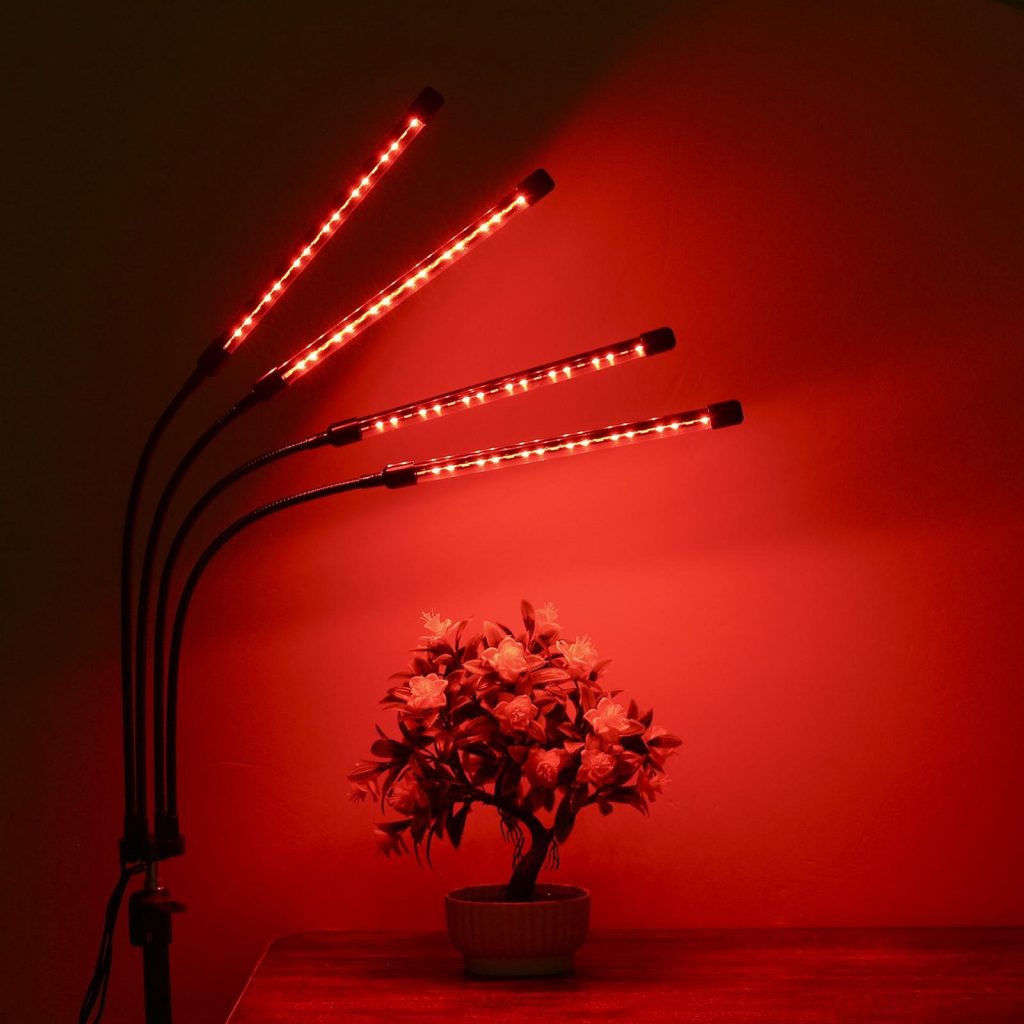
Moreover, red light’s minimal interference with melatonin production – a vital hormone regulating sleep – further justifies its nighttime supremacy. Contrarily, blue or white lights have shown potential to suppress melatonin levels significantly, disrupting sleep patterns and leading to nocturnal restlessness or insomnia.
Preserving Night Vision with Red Light
Red illumination also serves a crucial role in preserving night vision – an essential aspect often underestimated in our daily lives. Our eyes contain a photosensitive layer called the retina that can lose sensitivity when exposed to harsh lighting conditions at night. However, red light, due to its low-intensity nature, prevents this loss of sensitivity and allows us to maintain optimal vision throughout the night.
It isn’t merely a trivial convenience; it offers profound benefits in some careers, such as astronomy, where preserving dark adaptability is crucial for observing celestial bodies. Similarly, pilots or soldiers who must navigate effectively under darkness find an ally in red-hued lights due to their non-obtrusive character.
The Importance of Synchronicity with Our Biological Clocks
Beyond physiological considerations, there’s another imperative reason favoring red over other colors at night – it aligns synchronously with our internal biological clock or circadian rhythm. This rhythm influences several bodily functions like metabolism rate, body temperature regulation, and hormone production.
Red light’s propensity to interfere less with this rhythm thus reduces strain on our biological systems. It curbs the potential for chronic diseases related to circadian disruptions, such as obesity, diabetes, and even certain types of cancer.
Scientific Studies Supporting the Benefits of Red Light
Empirical Evidence Endorsing Red Night Lighting
Several scientific studies corroborate the benefits of red-night lighting. A study published in The Journal of Neuroscience (2014) revealed that red light exposure before sleep led to higher melatonin levels compared to blue or green light. This observation reinforces the argument that red illumination aids in better sleep quality by preserving our body’s natural melatonin production.
The Paradigm Shift towards Red Light Therapy
Advancements in science have led to a burgeoning interest in red light therapy – a treatment using low-level red wavelengths for health benefits like pain relief, wound healing, and improving skin complexion. Given its beneficial impacts may extend beyond nighttime use, it’s no surprise that further research into harnessing its potential is a thriving field.
Beyond Sleep: The Overall Wellness Connection
Research from Harvard Medical School also demonstrates how crucial the choice of nighttime lighting is for overall wellness. Their study emphasized that while exposure to blue or white lights at night could negatively affect mood and cognition, using red lights mitigated these harmful effects.
Red Lights: A Panacea for Sleep Disorders?
Another riveting investigation from Chronobiology International (2019) observed a remarkable improvement in sleep quality among patients suffering from a sleep disorder when they switched their evening lighting to red bulbs. These studies collectively affirm an irrefutable fact – when it comes down to choosing a color for night lighting, all signs point towards ‘seeing red’.
The Subtle Art of Luminosity: The Role of Dimmers and Warm Lights at Night
Moderating Luminescence: The Benefits of Using Dimmers at Nighttime
The use of dimmers is a versatile and potent tool in the quest for optimal nocturnal lighting. Dimmers allow for a fine-tuned modulation of light intensity, providing a range from the softest glimmer to full radiance. This flexibility is crucial in establishing a conducive atmosphere for various nighttime activities, whether you are engrossed in your favorite book or preparing to embark on a journey into the realm of dreams.
Dimmed lights are significantly less disruptive to our internal body clock or circadian rhythm, which is highly sensitive to bright lights. By reducing luminous intensity with dimmers, we can mitigate the risk of sleep disturbances attributed to excessive nighttime brightness. It’s akin to providing your body with gentle signal transitions as opposed to abrupt light changes.
Furthermore, using dimmers can contribute considerably towards energy conservation. Lowering light intensity reduces power consumption, thereby fostering an environmentally friendly approach to lighting while simultaneously decreasing electricity costs. Aesthetic appeal is another prominent advantage associated with dimmable lights.
They impart an ambient and soothing glow that enhances décor elements through shadow and contrast dynamics, thus adding depth and character to interiors. In essence, using dimmers at night exemplifies a fusion of functionality and aesthetics – facilitating physiological processes like sleep while enhancing visual comfort and ambience within one’s domestic sanctuary.
An Ode to Radiance: Why Warm Lights are Recommended for Nighttime Use
Moving onto color temperature, warm lights emerge as preferred contenders for nighttime illumination due primarily to their lower color temperature. These possess hues reminiscent of the radiant setting sun or evocative embers in a hearth, instigating sentiments of relaxation and tranquility.
The warm color spectrum typically includes reds, oranges, yellows, and soft whites, all of which are less disruptive to the production of melatonin, the sleep hormone. Scientifically speaking, the predilection for warm lights is rooted in our evolutionary history.
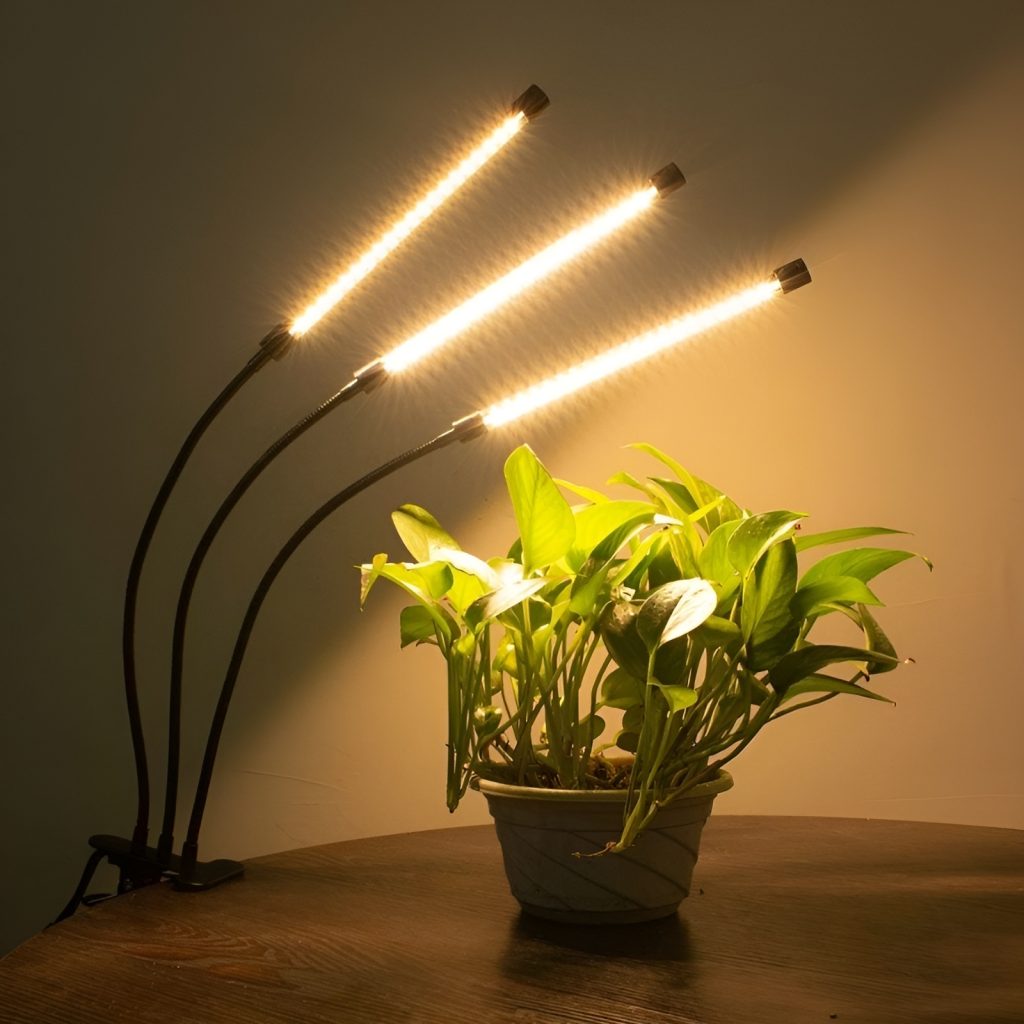
For millennia, humans have associated darkness with rest and warmth from fire as a source of safety and comfort. This primal coding resonates even today through our preference for warm lights during the night.
In stark contrast to cool lights like blue or white that stimulate alertness, warm lights promote relaxation by mimicking the natural progression towards night observed in sundown. Consequently, they do not interfere with circadian rhythms but instead help prepare our bodies for sleep.
Moreover, research indicates that exposure to warmer light before bedtime can foster a better quality of sleep along with expedited sleep onset time. Warm light’s gentle glow is softer on eyes, thereby reducing ocular strain and discomfort associated with glaring bright or blue-lit environments.
Nighttime lighting decisions should emphasize not just luminosity but also color temperature. Warm dimmable lights seamlessly blend into nocturnal settings, offering an optimal solution that safeguards circadian health whilst providing efficient lighting – truly embodying the essence of ‘lights out’.
Advancements in Lighting Technology for Better Sleep Hygiene
Exploring the Evolution of Light
In the epoch of technology, we have made significant strides in lighting innovations. Gone are the days when humans primarily depended on the sun’s natural ebb and flow to regulate our day and night routines. Modern advancements have not only unequivocally transformed our lifestyles but have also provided us with ingenious solutions to mitigate the ill effects of artificial lighting on our sleep cycles.
The Pioneers Leading Change
Many contemporary tech firms are investing heavily in research and development to invent smarter light systems that align more harmoniously with our circadian rhythms. These future-forward solutions help improve our sleep hygiene by deploying a spectrum of light colors based on the time of day, thus mirroring nature’s rhythm that we’re inherently tuned into.
Smart Lights that Adjust Color Temperature Throughout the Day
A Luminous Revolution: Smart Lights
One groundbreaking innovation contributing to superior sleep hygiene is smart lights. These digitally advanced light bulbs can transition smoothly from bright blue or white light during daylight hours, promoting alertness, to soft orange or red tones as evening approaches, thereby endorsing relaxation and preparing us for a sound slumber.
Functioning Dynamics Behind Smart Lights
The intrinsic functioning dynamics behind these intelligent lighting systems revolve around altering color temperature throughout the day. They utilize cooler color temperatures during daylight hours that mimic natural sunlight, promoting focus and productivity while shifting to warmer hues post-sunset that do not interfere much with melatonin production – a critical hormone regulating sleep-wake cycles.
Night Mode Features in Electronic Devices
Electronics: The Sleep Bandits?
Ironically, while technology has often been blamed for disrupting our sleep patterns (think late-night TV binges or endless scrolling on smartphones), it is also offering remedial measures to counter this problem. A case in point is the revolutionary ‘Night Mode’ feature found in many digital devices today.
Night Mode: An Ambiguous Solution
The Night Mode function modifies the color temperature of the device’s display, reducing blue light emission and replacing it with a warmer hue. This tweak mitigates the hindrance to melatonin production caused by blue light, thus making late-night screen time less disruptive to our sleep cycle.

Exercising Caution with Night Mode
However, it’s essential to approach this solution with informed caution. The Night Mode technology indeed reduces blue light exposure, but it doesn’t eliminate it completely. Therefore, while it is a beneficial aid in promoting better sleep hygiene, it should not be an excuse for excessive use of electronic devices before bedtime.
The Verdict on Night Mode
Moreover, while these advancements indicate promising strides towards aligning artificial lighting more efficiently with our natural rhythm and improving sleep quality, they don’t replace the need for good old-fashioned sleep hygiene practices – regular sleep-wake times and creating a restful sleeping environment still play a paramount role in achieving quality sleep.
Conclusion: What Color of Light is Best for Night?
The Spectrum of Implications: A Recap on How Different Colors Affect Our Body
The selection of nocturnal illumination is not simply a matter of aesthetic preference; it holds profound implications for our physiological well-being. Each color on the spectrum interacts uniquely with human physiology, profoundly affecting our sleep patterns and overall health.
Blue light, with its shorter wavelength, has been shown to disrupt the body’s circadian rhythms by suppressing the production of melatonin, an essential hormone for regulating sleep. However, blue light isn’t entirely detrimental – it can enhance alertness and cognitive function.
Thus, it could be advantageous in scenarios where enhanced concentration and wakefulness are required during darker hours. Meanwhile, white light’s bright intensity can be disturbing to sensitive eyes when used at night but proves useful in scenarios requiring high visibility, such as reading or studying.
Transitioning to the other end of the spectrum brings us to red light – the panacea of night lighting solutions. With a longer wavelength that is less disruptive to human eye receptors and circadian rhythms, red light has gained scientific endorsement as being most conducive for nighttime use.
Dusk till Dawn: Advancements in Lighting Technology
In this digital age marked by rapid technological evolution, lighting solutions have significantly evolved too. Smart lights that adjust color temperature throughout the day offer promise in maintaining our bodies’ natural rhythm while ensuring adequate illumination as per requirements – bright and stimulating during daytime, gradually transitioning to warm, dim hues towards nightfall, aligning with our natural sleep-wake cycle. Moreover, several devices now come equipped with a ‘night mode’ feature that alters screen colors towards warmer ends of the spectrum during evening hours – an innovation driven by awareness about how different colors affect us differently.
Choosing the Right Color of Light for the Night
Therefore, one can discern that the choice of light color for nighttime isn’t a trivial matter. It is an amalgamation of understanding human biology, the physics of light, and leveraging technology to synthesize this knowledge into practical solutions. The right color choice acts as an invaluable ally in preserving not just our night vision but also our overall sleep hygiene.
The future seems bright, or perhaps we should say ‘right’, with increasing awareness about the significance of light colors and advancements in technology that allow us to choose what’s best for us. As we move forward in this journey from dusk till dawn, we seek to improve the illumination of our nights while preserving our health and well-being at the same time.
You may also be interested in the following posts: