
Introduction to Low-Voltage vs Line-Voltage Landscape Lighting
Delving into the Luminous Ambiance: The Art of Landscape Lighting
Landscape lighting is an art that transcends beyond simple lighting. It is the practice of using light to enhance, beautify, and secure outdoor spaces. This technique employs strategically placed light fixtures to accentuate architectural features, illuminate pathways and driveways, highlight plants and trees, or create a enchanting ambiance for outdoor living spaces. From a pragmatic standpoint, landscape lighting improves safety and security by keeping the premises well-lit during nighttime hours.
The Luminous Advantage: Unraveling the Importance and Benefits of Landscape Lighting
The primary importance of landscape lighting lies in its ability to transform mundane or overlooked aspects of a yard into striking features. It adds depth and dimension to your outdoor space at nightfall, creating enchanting aesthetics that can easily augment the visual appeal of a property.
Moreover, it extends your living space outdoors by making patios, decks, and gazebos more welcoming even after sunset. From an operational perspective, landscape lighting enhances safety by clearly marking pathways and preventing unanticipated accidents in low-light conditions.
Additionally, it bolsters security by deterring potential intruders from poorly lit properties that often unknowingly become targets for trespassing or theft. Notably enough though is its eco-friendly aspect when using energy-efficient options such as LED lights, which contribute significantly towards reducing carbon footprint.
An Enlightening Overview: Distinguishing between Low-Voltage and Line-Voltage Landscape Lighting
In the realm of landscape lighting systems, there exist two primary variants: low-voltage and line-voltage systems. Each system has its own unique quirks that set them distinctly apart from one another.
Low-voltage landscape lighting operates at 12 volts compared to regular line-voltage (120 volts) present in most homes due to a step-down transformer’s usage. This type of system is popular for residential outdoor lighting due to its simplistic installation, safety, and versatility in highlighting accent details of a landscape.
On the other hand, line-voltage landscape lighting utilizes the standard 120 volts supplied by residential electrical systems without a transformer. This type is often employed for powerful lighting tasks such as security lighting or lighting large areas due to its higher intensity. A professional electrician is typically required for installing these systems given the safety risk associated with high voltage.
These two systems represent unique ways to light up your outdoor space depending on your specific requirements and preferences. Through this post, we aim to delve deeper into understanding these two types of landscape lighting and their suitability under various circumstances.
Understanding Landscape Lighting Systems: Unveiling the Luminous World of Outdoor Illumination
When it comes to landscape lighting, it’s crucial to comprehend the two main types of systems: low-voltage and line-voltage. These categories differ significantly in their design, installation process, power consumption, safety measures, and practical applications.
Shedding Light on Low-Voltage Systems: The Compact Powerhouse
Low-voltage landscape lighting operates at a diminished voltage level than regular household circuits – typically 12 or 24 volts. This is achieved via a transformer, which steps down the standard 120V power from your home to the lower voltage. The primary allure of low-voltage systems lies in their safety and ease of installation.
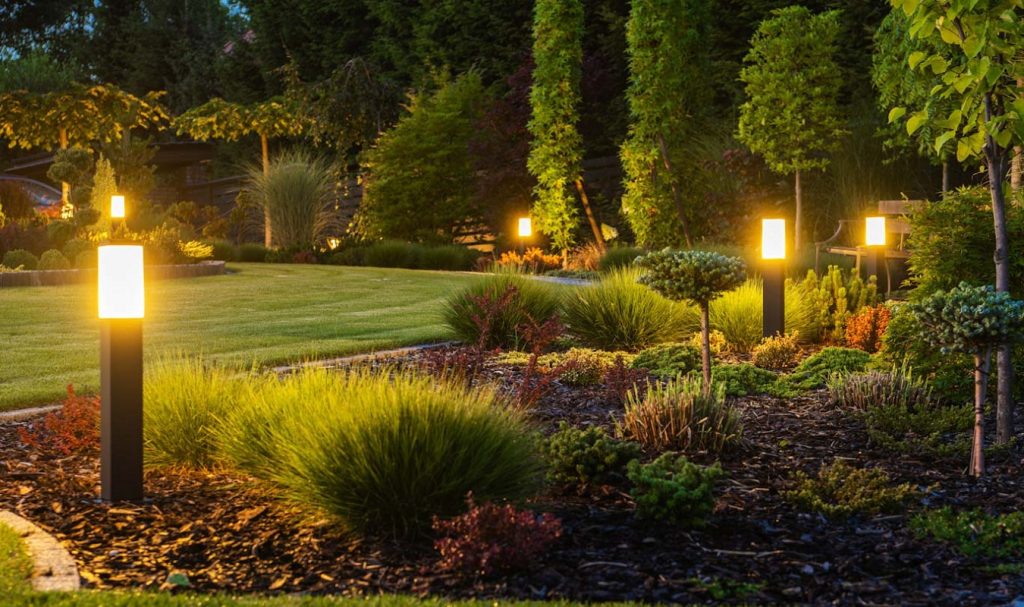
Due to the reduced voltage, they pose virtually no risk of electrical shock, making them ideal for do-it-yourself enthusiasts or first-time installers. Additionally, they offer considerable flexibility in design options because they can be easily relocated or adjusted according to changing outdoor aesthetics or seasons.
Despite their modest power draw, low-voltage lights can provide strikingly powerful lighting – perfect for accentuating landscape features such as pathways, plants, or architectural details without overwhelming light pollution. Furthermore, these energy-efficient systems are environmentally friendly due to reduced power consumption and are often compatible with LED bulbs, which further augment energy savings and extend lifespans drastically.
Line-Voltage Landscape Lighting: The Dazzling Behemoth
Line-voltage systems operate directly from your house’s standard 120V current without any transformation – hence the moniker ‘line’ voltage. They are typically used for larger-scale lighting requirements due to their robust luminosity capability. One notable advantage of line-voltage systems is their ability to cast extensive light over larger spaces like driveways, courtyards, or patios, owing this capacity not only to higher voltage but also to an expanded range of fixture styles and bulb options.
However, due to the higher voltage, these systems require a more complex installation process involving trenching and conduit placement, ensuring safety standards. These systems demand more from your home’s electrical supply; hence, they consume more energy.
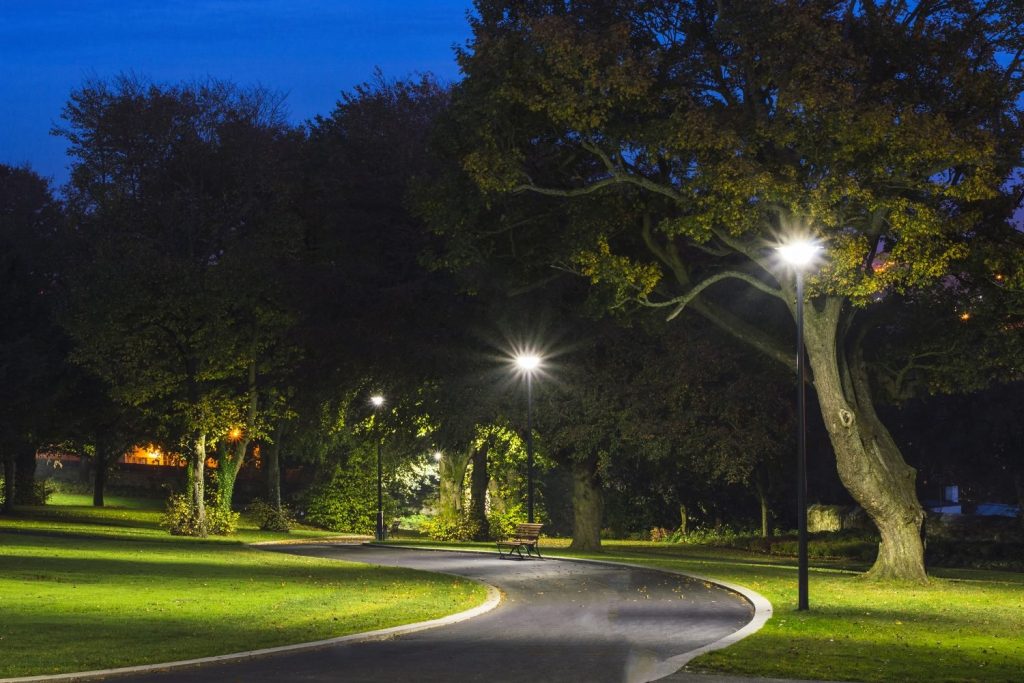
Despite this, they still find their niche in applications where bright, extensive coverage is paramount and the incremental energy cost can be justified. In terms of longevity, line-voltage systems may not match their low-voltage counterparts due to higher bulb degradation rates but do offer the option for longer-lasting LED bulbs, though with higher upfront costs.
In essence, understanding these two lighting powerhouses – low-voltage and line-voltage landscape lighting systems – is fundamental when planning your outdoor illumination strategy. Each has its virtues and drawbacks based on your specific needs, be it power efficiency, broad lighting, or installation complexity.
Choosing the Landscape Lighting Type: Low-Voltage or Line-Voltage
Detailed Comparison: Low-Voltage vs Line-Voltage Landscape Lighting
Power Consumption and Efficiency
Low-voltage landscape lighting, as the moniker suggests, operates on a meager 12 volts of electricity converted from a standard 120 volts in your household. This significantly diminishes power consumption, promoting energy efficiency. The reduced voltage also preserves the longevity of your bulbs.
Meanwhile, line-voltage systems consume more electricity at 120 volts. However, this higher power capacity enables them to illuminate larger areas.
The advent of LED technology has further enhanced efficiency levels in both systems. LED lights offer greater lumens per watt compared to traditional halogen lamps – significantly boosting low-voltage systems’ brightness levels and marginally improving line-voltage fixtures’ power efficacy.
Installation Process & Complexity
When it comes to installation complexity, low-voltage landscape lighting is the clear victor due to its simplified setup process. Simply place the fixtures in the desired locations and connecting them via cabling to a transformer that plugs directly into an outdoor GFCI outlet.
Line-voltage lighting installations are decidedly more intricate and labor-intensive. They necessitate burying electrical conduit deep underground for safety purposes – a task that typically requires professional assistance and potentially even permits from local authorities.
Safety Considerations
Safety is a paramount concern with any electrical system setup. Thankfully, low-voltage landscape lights pose minimal hazards due to their reduced power supply – even if there’s direct contact with water or accidental exposure of wiring doesn’t elicit severe consequences.
Line-voltage systems carry inherent risks associated with their high voltage level – that can potentially cause grave injury if improperly handled – making them less suitable for homes with children or pets who may unwittingly tamper with the lights.
Cost Implications (Installation, Maintenance, Energy Usage)
Low-voltage lighting, despite its upscale appearance, is surprisingly cost-effective. The initial expenditure for equipment and installation is offset by lower long-term costs in terms of energy usage and maintenance. Also, their simplicity allows do-it-yourself installations that save on professional service costs.
In contrast, line-voltage systems exhibit higher upfront expenditures due to the need for professional electricians and the potential requirement of permits. Although their maintenance expenses aren’t necessarily high, these systems’ overall cost-effectiveness tends to be less favorable than their low-voltage counterparts.
Flexibility in Design Options
The versatility offered by low-voltage landscape lighting is indeed remarkable. The array of fixtures available – varying in size, style, material, and LED color options – is vast enough to complement any landscaping design or aesthetic preference.
Line-voltage systems are slightly less flexible with larger and more robust fixtures that accommodate high power levels. However, they lend themselves well to more expansive landscapes requiring broad-spectrum lighting – such as public parks or large estates where a pronounced lighting statement is sought.
Exploring the Depths of Low-Voltage Landscape Lighting
Components: The Building Blocks of Light
Low-voltage landscape lighting rests upon several key components. The fundamental part is the transformer, a device that converts the standard 120-volt household current into a safer 12-volt current. This diminution in voltage drives efficiency and safety in outdoor lighting systems. Subsequent to the transformer, we have cables.

These are specifically designed for outdoor usage, bearing robust characteristics to withstand external conditions such as weather changes or physical damage. They serve as conduits for energy, connecting the array of lights with the power source.
Lighting fixtures form another crucial component – they house and protect the light source (bulb). With an array of materials and designs available – from robust metallic lanterns to delicate glass orbs – facilities play a significant role in achieving desired aesthetics as well as functional lighting goals.
Highlighting Beauty: The Uses of Low-Voltage Landscape Lighting
Low-voltage landscape lighting serves multifarious purposes that extend beyond mere illumination. A popular use is highlighting specific features within a landscape – be it architectural structures like gazebos or natural elements like trees or flower beds. By strategically positioning lighting fixtures, one can accentuate these features and create focal points within a garden.
In addition to aesthetic enhancement, low-voltage lighting also aids in illuminating paths and entryways, thus heightening safety for people navigating through gardens at nightfall. Furthermore, by illuminating darker corners of the property, this lighting option can help deter potential intruders, lending an extra layer of home security.
Demystifying Installation: A Step-by-Step Guide
The installation process of low-voltage landscape lighting broadly encompasses five stages: planning your design layout; installing the transformer; laying out cables; installing light fixtures; and finally testing each fixture for functionality.
Planning involves identifying the locations for lighting and deciding the types of fixtures needed. A transformer is then installed near a GFI (ground fault circuit interrupter) outdoor outlet. Following this, cables are laid out from the transformer to each light fixture location as per the planned layout.
The next step entails installing light fixtures at each designated point along with connecting them to the cable. The process concludes with turning on the transformer and testing each fixture to ensure it functions correctly.
It’s All in the Detail: Bulb Types and Fixture Materials
When it comes to bulb types in low-voltage landscape lighting, LED bulbs have become a popular choice due to their energy efficiency and long lifespan compared to traditional halogen bulbs. However, some individuals may still prefer halogen bulbs for their warmer color temperature.
Considering fixture materials, choices range from copper and brass – for those seeking an elegant, antique look – to aluminum or plastic – for more budget-friendly alternatives that still offer durability against weather conditions. Each material presents its own unique blend of aesthetics, durability, and cost-effectiveness, offering a multitude of choices for consumers.
A Journey Into the Line-Voltage Landscape
The Building Blocks: Wiring Methods and Conduits
The world of line-voltage landscape lighting is filled with myriad components, each as indispensable as the next. At its most fundamental level, this system relies heavily on robust wiring methods and conduits.
The wiring forms the circulatory system for this high voltage setup. Often encapsulated in weather-resistant sheathing, these wires are designed to carry electrical current safely across distances. To ensure optimal performance, it’s essential to choose quality wires that can withstand the rigors of outdoor use without compromising safety or efficiency.
Conduits serve a dual purpose in line-voltage landscape lighting configurations. Primarily, they function as protective casings for electrical cables, shielding them from environmental elements and possible damage during landscaping tasks such as excavation or planting. However, they also play an important role in organizing and grouping cables together for a neater appearance and easier maintenance.
Luminous Expanse: Popular Uses of Line-Voltage Lighting
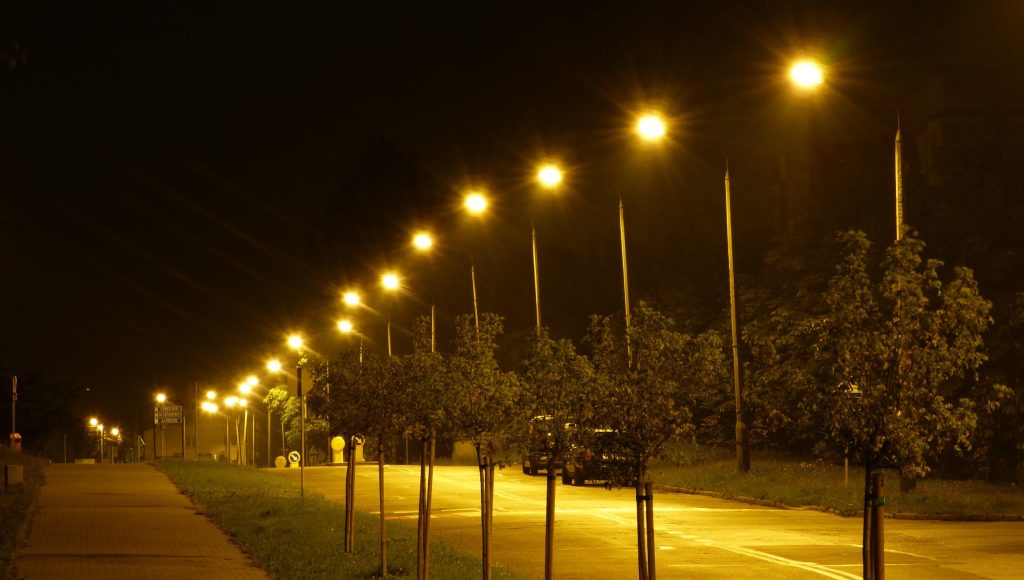
Line-voltage landscape lighting exemplifies versatility but shines brightest when tasked with large area illumination and security lighting duties. The substantial voltage capabilities of these systems make them ideal to light up vast expanses like parks, parking lots, or extensive garden areas where low-voltage could falter.
Security is another arena where line-voltage lights excel due to their potent luminosity capacity, which discourages trespassers by eliminating shadows and dark corners where intruders could hide unseen. In commercial properties like shopping complexes and office buildings too, line-voltage lights serve both practical lighting purposes while enhancing aesthetic appeal after sundown.
Step-by-Step Dance: Installing Line-Voltage Landscape Lighting
The installation process for line-voltage landscape lighting requires careful planning and execution due to its inherent intricacies involved with handling higher voltages safely. The initial step involves delineating the layout for your lights, sketching out the precise locations, and planning the route for your wiring.
Next comes the digging of trenches deeper than 18 inches to bury conduits. The wires are then strung through your conduits before fixtures are connected and secured. The final stage in this process involves testing each fixture and adjusting their positions if needed. It’s crucial during this phase to power off the main circuit to ensure absolute safety.
Other Important Details: Permit Requirements and Safety Measures
Engaging with line-voltage landscape lighting isn’t as simple as just purchasing supplies and starting up on a weekend project. Due to its high voltage nature, there are regulatory hurdles, such as permit requirements, that you may need to navigate depending on local or state laws. Always consult with your local building department or engage a licensed electrician who can guide you through these legalities.
Safety measures too form a quintessential aspect of installing line-voltage systems. Ensure all electrical circuits are powered off before starting work, keep water sources at bay from electrical points, use insulated tools while handling live wires, and always wear rubber gloves and shoes when working with electricity outdoors.
Line-voltage landscape lighting offers powerful lighting capabilities that can turn dark outdoor spaces into well-lit, lively areas, providing security along with aesthetic appeal, but must be approached with careful planning due to its complex installation process.
Case Studies for Low-Voltage and Line-Voltage Landscape Lighting
Examples where Low-Voltage Lighting is the Best Choice
Residential Property Case Study
Consider the scenario of a suburban residence in which the homeowner wanted to aesthetically brighten their landscape while ensuring efficiency and safety. They chose low-voltage lighting, with elements strategically placed around footpaths, flower beds, and water features.
The use of low-voltage lights provided soft and warm lighting that accentuated the dwelling’s architectural features without overpowering them. Besides enhancing curb appeal, these lights significantly improved nighttime safety by illuminating pathways and potential trip hazards. The homeowner was also able to change designs easily due to the flexibility of low-voltage systems.
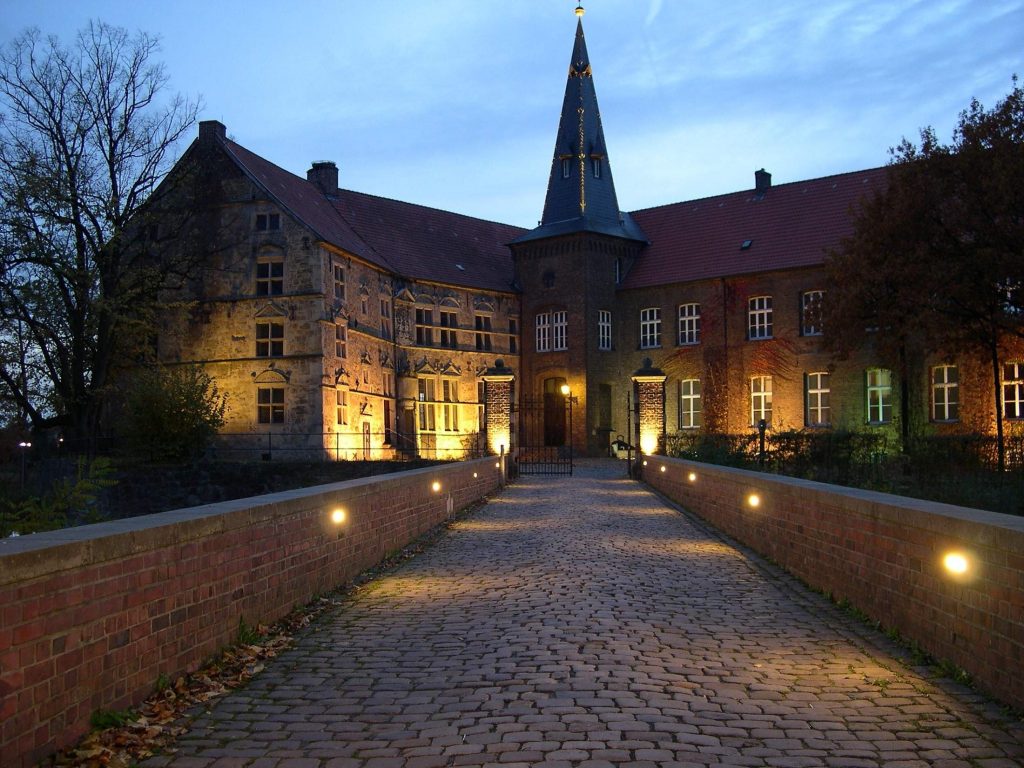
Over time, they added new lighting fixtures readily without requiring significant electrical changes or professional assistance. From an economic perspective, although they invested initially in purchasing transformers and fixtures for this system, they saved tremendously on energy bills in the long run owing to the energy-efficient nature of low-voltage lights.
Commercial Property Case Study
Now let us turn our attention to a bustling restaurant nestled in a busy downtown district with an outdoor seating area. The establishment sought two main goals: provide adequate lighting for guests’ comfort during evening hours and create an ambient atmosphere that sets it apart from competitors.
A combination of low-voltage path lights for safety along walkways and soft accent lights highlighting specific landscape elements was employed effectively here. The choice proved beneficial as it offered enough flexibility for creativity without compromising patrons’ security or facing high operating expenses – thanks to its energy-efficient properties. The commercial property’s owner appreciated not only the energy savings but also the diminished maintenance requirements compared with line-voltage systems.
Examples where Line-Voltage Lighting is Best Suited
Public Park Case Study
Now, consider a large public park situated in a city center, where the need for high lighting levels at night is paramount for security reasons. A line-voltage lighting system was chosen due to its ability to provide brighter, wider coverage of the vast park area. Line-voltage lights were installed around pathways, parking lots, and important landmarks within the park using poles of substantial height to ensure an extensive light spread.
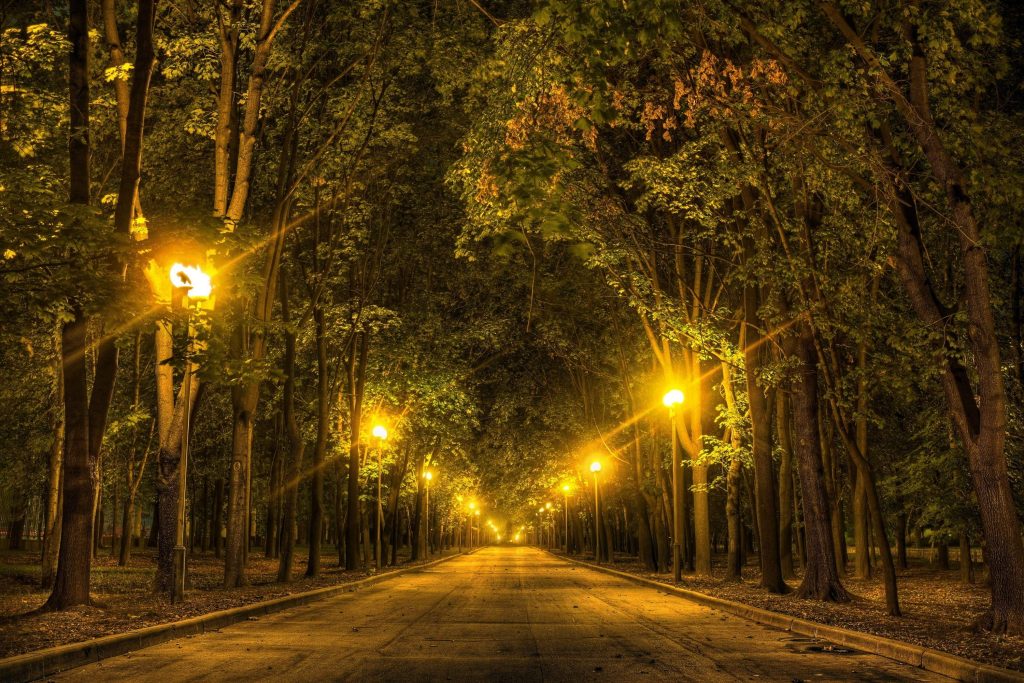
The selection of line-voltage lights not only provided ample brightness but also discouraged potential vandals or unwanted activities in the park. While these systems are more complex and require professional installation due to their higher voltage and subsequent safety concerns, they were deemed necessary considering safety and visibility requirements in this particular context.
Large Estate Case Study
The last case study involves a sprawling private estate that required significant lighting for security purposes. Given its extensive grounds that housed multiple buildings, line-voltage lighting was selected as it offered sufficient brightness across large areas while minimizing shadowy corners and dark zones, which could be potential security risks. The design included high-intensity floodlights that provided broad illumination around key structures on the property, along with path lights illuminating all walkways.
Using line-voltage systems ensured not only a brightly lit estate but also served as powerful deterrents against possible intruders. Despite having substantial energy consumption compared to low-voltage systems, given its capacity for providing brighter lighting over larger areas without compromising on quality or intensity of light, it rendered itself suitable for such large-scale applications.
Emerging Frontiers in Landscape Lighting
The Green Revolution: Sustainability and Energy Efficiency
As we gaze into the future, it is almost certain that sustainability and energy efficiency will continue to be key driving forces in all areas of technology development, including landscape lighting. The development of low-voltage LED lights, which are significantly more energy efficient than traditional incandescent bulbs, exemplifies this trend. This evolution not only lessens our environmental impact but also translates into substantial cost savings for the consumer.
Smart Technology: Intelligence and Connectivity
In tandem with the green revolution is the exciting advent of smart technology. Landscape lighting systems are no exception to this digital disruption. We can expect an increase in intelligently automated systems that adjust light intensity based on ambient conditions or time schedules. Connectivity will also likely play a big role, as integrated systems can provide remote control options or even sync up with home automation tools for seamless operation.
Beyond Lighting: Aesthetic Innovation
Another trend likely to gain traction is the use of landscape lighting for purposes beyond mere illumination. ‘Lightscaping’ is an emerging art form where lights are used creatively to enhance aesthetic appeal and ambiance rather than only serving utilitarian purposes like navigation or security. This means more innovative designs, vibrant color options, and dynamic setup configurations that serve as an extension of personal style.
Conclusion: Low-Voltage or Line-Voltage Landscape Lighting?
In deciphering whether low-voltage or line-voltage landscape lighting best suits your needs, it’s crucial to consider multiple factors such as power consumption and efficiency, installation complexity, safety considerations, and cost implications. The choice isn’t always clear cut; what works perfectly in one context may not be optimal in another. However, irrespective of what choice you make today, rest assured that landscape lighting technology evolves at a swift pace.
The future promises even more choices, improved efficiency and functionality, and innovative applications. As seen in the emerging trends, green initiatives, smart technology integrations, and creative aesthetic interpretations are set to revolutionize landscape lighting as we know it. The future of landscape lighting is bright indeed, and we are all on an exciting path.
You may also be interested in the following posts: