
Exploring the Impact of Artificial LED Light on Plant Growth
The intriguing world of horticulture has, and forever will remain, indelibly intertwined with a life-giving celestial entity – light. However, as our understanding of plant biology deepens and technologies evolve, we find ourselves not only harnessing sunlight but also creating it artificially.
This post aims to shed light on one such technological marvel – artificial LED lights – and their impact on plant growth. The genesis of every green leaf, every towering tree, and indeed every speck of life on Earth can be traced back to one crucial element – light.
It fuels the photosynthesis process that converts raw materials into nutrients, stimulates growth mechanisms within the plant body, and ultimately dictates the health, productivity, and aesthetic appeal of vegetation. A broad spectrum spanning numerous wavelengths characterizes light.
Different plants require different wavelengths for optimal growth; some need more red or blue light while others might need a balance of both. Understanding these nuances in plant-light interaction is paramount when using artificial lighting.
In recent decades, however, an exciting innovation has emerged from the intersection of technology and botany: light-emitting diodes (LEDs). These tiny semiconductor devices are not only revolutionizing our screens but also how we grow our plants.
A growing body of research suggests that properly calibrated LED lights can promote healthier plants that grow faster and yield more than their naturally lit counterparts. Moreover, they have been found to be more energy-efficient than traditional lighting systems like high-intensity discharge (HID) lamps or fluorescents.
The Radiance Factor: How Light Fuels Plant Growth
The importance of light for photosynthetic organisms cannot be overstated. It serves as an essential component for photosynthesis, a miraculous process where green plants convert carbon dioxide and water into glucose and oxygen using sunlight energy. This reaction is the cornerstone of life on Earth, forming the foundation of most food chains.
Light intensity, duration, and quality all play integral roles in plant growth. The intensity or brightness of light affects the rate of photosynthesis; more intense light results in higher photosynthetic rates until a saturation point is reached. Duration, or photoperiod, also impacts plant development, influencing when plants flower and how quickly they mature.
Furthermore, light quality – defined by its spectral composition – has decisive effects on various physiological processes in plants. Different wavelengths of light are associated with specific plant responses.
For instance, blue light is crucial for regulating plant growth rate, while red light stimulates flowering. Therefore, precise control over these three facets can potentially unlock more efficient ways to grow plants – an attribute especially desirable for indoor farming or where natural light conditions are less than ideal.
It’s this indispensable role of light that makes it a focal point in horticultural research and technological innovation. Among several lighting technologies employed today, LED lights have garnered significant interest due to their versatility and efficiency.
A Luminous Innovation: Understanding LED Lights
The term LED stands for light-emitting diode – a semiconductor device that emits light when an electric current flows through it. In essence, LEDs convert electricity directly into photons of light – a much more efficient process than traditional incandescent bulbs, which heat filaments to produce lighting.
LEDs have been around since the early 1960s, but only recently have they begun to permeate various facets of our lives – from energy-efficient home lighting solutions to high-definition screens on our electronic devices. The rise to prominence of LEDs in horticulture comes from their ability to emit specific wavelengths of light.
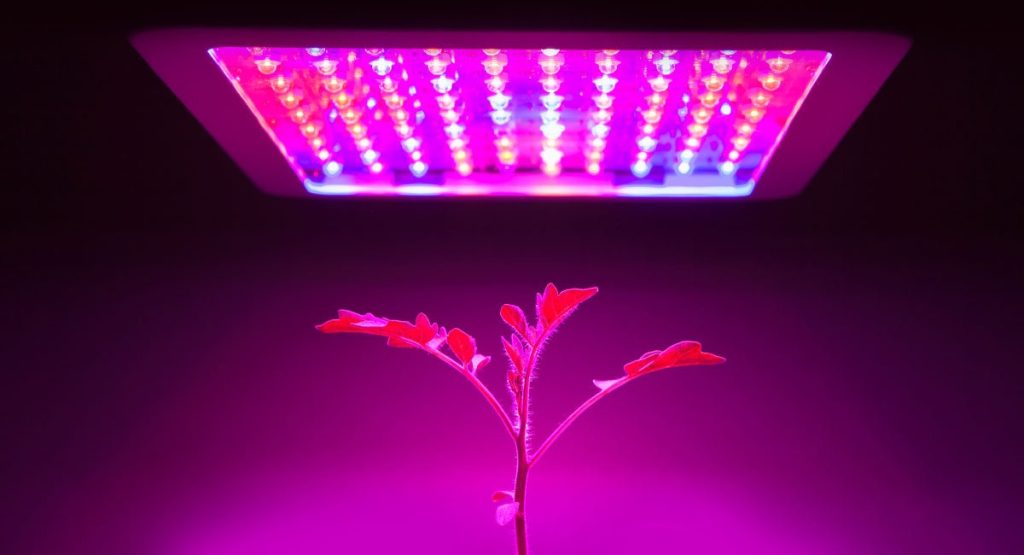
Each diode can be designed to emit a particular color of light, allowing for the creation of ‘light recipes’ tailored to the specific needs of various plant species. Furthermore, LEDs are compact, long-lasting, and energy-efficient – characteristics that make them well-suited for indoor farming applications where space and energy are often at a premium.
The reduction in heat output compared to traditional lights also means less risk of damaging plants. Despite their many advantages, it is worth noting that, like any emerging technology, the use of LED lights in horticulture comes with its own set of challenges.
These range from the initial cost investment to understanding how best to deploy them for maximum benefit. Nonetheless, their potential in revolutionizing plant growth cannot be dismissed.
Unraveling the Enigma: Understanding Light and Plant Growth
When we attempt to comprehend plant growth and its relationship with light, one must delve into the fascinating world of photosynthesis. This remarkable process is a testament to the intricate complexities of nature that allow life on Earth to thrive and flourish.
Photosynthesis, derived from the Greek words “phos” meaning light, and “synthesis” meaning putting together, is an essential physiological process that happens in green plants. It involves converting solar energy into chemical energy to create food for themselves – a process none other than miraculous. The equation of photosynthesis can be written as:
6H2O + 6CO2 + light → C6H12O6 + 6O2
Here, water (H2O) from the roots and carbon dioxide (CO2) from the air enter cells in a plant’s leaves. These ingredients react in the presence of sunlight, producing glucose (C6H12O6), which provides energy for growth and development, and oxygen (O2), which is released back into the atmosphere.
The process takes place inside chloroplasts – tiny organelles within plant cells packed with chlorophyll molecules. Chlorophyll absorbs light most strongly in the blue (430–450 nm) and red (640–680 nm) regions of the electromagnetic spectrum while reflecting green light (500–550 nm), making plants appear green to our eyes.
Different components play specific roles during photosynthesis, but it all hinges on one critical factor: light. Without it, even though all other necessary elements are present – water, carbon dioxide – the process cannot initiate or sustain itself due to lack of an energy source.
Bathed in Brilliance: The Role of Light in Photosynthesis
In photosynthesis, light is the primary source of energy. One must remember that without light, photosynthesis – ergo all plant life – is impossible. The Sun, being our most abundant and readily available source of light, finds its energy immediately harnessed by plants.
The absorption of light fuels the creation of adenosine triphosphate (ATP), a ubiquitous molecular unit of currency for energy transfer within cells. Simply put, ATP is what powers the synthesis of organic food in plants. Moreover, different colors or wavelengths in sunlight trigger various specific responses in plants.
For instance, blue light stimulates plant growth, and red light supports seed germination and flowering. Some wavelengths, like ultraviolet (UV), can be harmful to many types of flora; fortunately, the Earth’s atmosphere filters out most harmful UV rays from sunlight before reaching our planet’s surface.
However, understanding these nuances in how different types of light interact with plant biology is crucial when considering artificial lighting for horticulture. Beyond natural sunlight, there are multiple sources of artificial lighting that can be beneficial to plants’ health and productivity depending on how they’re employed.
Luminous Endeavours: Different Types of Artificial Light Sources for Plants
There are many different types of artificial lights that gardeners use to grow plants indoors or supplement outdoor plant growth when sunlight alone is insufficient or unreliable due to weather conditions.
Fluorescent bulbs are popular because they provide a good balance between cost and efficiency. While not as powerful as some other options on this list, they come in various spectrums, which can be tailored based on whether you’re encouraging leafy growth (blue spectrum) or flowering/bearing fruit (red spectrum).
High-intensity discharge lamps (HIDs) include metal halides (MH) and high-pressure sodium (HPS) lamps. MH lamps emit a blue-white light suitable for leafy growth, while HPS lamps emit a red-orange light stimulating flowering and fruiting. A key advantage of HID lamps is their efficiency at converting electricity into usable plant lighting.
Incandescent lights are less commonly used for plant lighting because they’re relatively inefficient and produce much heat. However, they can be helpful in providing small amounts of supplementary light to individual houseplants.
The past few decades have seen the rise of light-emitting diodes (LEDs) in the field of horticulture. This technology offers promising potential due to its energy efficiency and customizable spectrums, making it the focus of our subsequent discussions.
Demystifying LED Light: A Closer Look
To comprehend the impact of artificial LED light on plant growth, a rudimentary understanding of what an LED light is becomes imperative. The term LED is an acronym for light-emitting diodes, a technology that generates light through a process called electroluminescence.
Unlike traditional incandescent bulbs that produce light by heating a filament, LEDs rely on the movement of electrons through a semiconductor material, typically composed of gallium, arsenic, and phosphorus. This electronic process results in significant energy efficiency, as most energy is converted into light rather than wasted as heat.

Another distinguishing feature about LEDs is their compact size and remarkable durability. Thanks to their unique design and construction, they are impervious to burning out or failing abruptly like conventional bulbs; instead, they diminish gradually over time. The advent of this new lighting technology has brought with it a multitude of possibilities, not only in terms of energy efficiency but also flexibility in color spectrum control, which plays an integral role in plant development cycles.
The Evolutionary Journey: Tracing the History and Progression of LED Lights
The genesis of LED lights can be traced back to 1907, when British scientist Henry Joseph Round observed electroluminescence. However, it wasn’t until 1962 that engineer Nick Holonyak Jr., while working at General Electric Company (GE), developed the first practical visible-spectrum LED in red color.
Observing its potential for revolutionizing lighting systems across various platforms, including horticulture, numerous advancements have been made since then. In the early stages of its evolution during the 1970s and 1980s, LEDs were predominantly used as indicators in electronic devices due to their low-intensity lighting capabilities and limited color range, which included only red, green, and yellow hues.
As the technology improved over the years, blue and white LEDs emerged in the 1990s. This development was a significant milestone in LED evolution, as it signaled a potential takeover from traditional light sources in various applications, including plant growth lighting systems.
Despite these advancements, LEDs remained cost-prohibitive for mainstream use until around 2005, when prices began to drop significantly, making them more accessible. Over the past decade, their usage has proliferated in various fields, including indoor horticulture, as growers recognize their potential benefits.
The Spectrum of Possibilities: Understanding Various Types and Colors of LED Lights
The beauty of LED lights lies not only in their energy efficiency but also in their ability to produce different colors of light through changes in materials and manufacturing processes. This differentiation is achieved by varying the bandgap of the semiconductor material, which allows for precise control over the wavelength (color) of emitted light.
LED lights come in an array of colors, including red, blue, green, yellow, and white. Each color corresponds to a specific range on the light spectrum, which influences plant growth differently. For instance, red light is known to stimulate flowering and fruit production, while blue light encourages leafy growth.
Beyond singular color options are full-spectrum LEDs that cover all visible colors, mimicking natural sunlight. These versatile lights can support plants through all stages of growth, from seedling to flowering stage, providing an optimal growing environment, particularly when natural sunlight is not available or sufficient.
In addition to these standard types are tunable spectrum LEDs that present customizable lighting solutions tailored specifically for individual plant needs depending on its lifecycle stage or specific strain characteristics. This flexibility makes artificial LED lighting an exciting frontier for future advancements in indoor horticulture.
The Many Advantages of Artificial LED Lights for Plant Cultivation
Among the numerous advantages that LED lights confer, their energy efficiency and lifespan are notable. Unlike conventional light sources such as incandescent or fluorescent bulbs, LEDs convert a majority of the electricity they consume into light and waste very little as heat.
This highly efficient conversion rate significantly reduces their energy consumption, making them a more sustainable choice for large-scale plant growth operations. Furthermore, LEDs have a longer lifespan compared to other artificial light sources – often up to 50,000 hours or more – providing a reliable long-term solution for growers.
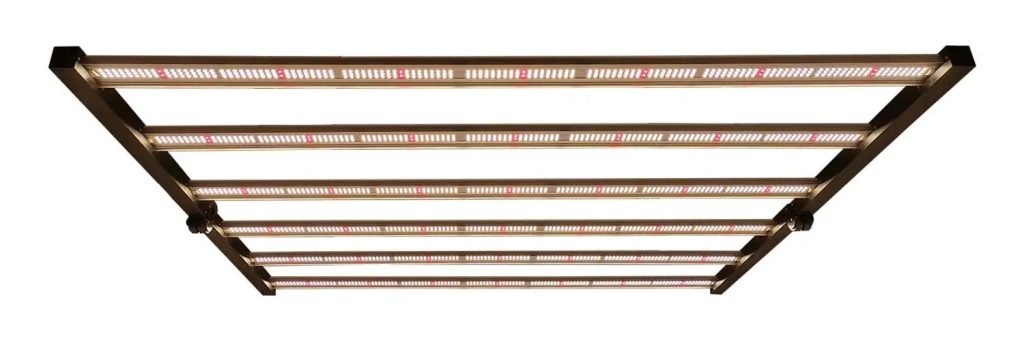
Another key advantage of LEDs is the ability to customize the spectrum of light they emit. Plants respond differently to various parts of the light spectrum depending on their growth stage. Blue light is beneficial during the vegetative phase, while red light enhances blooming and fruiting stages. By manipulating these spectrums, growers are able to optimize plant development at each stage.
The reduced heat output from LED lights presents another benefit. High temperatures can cause damage to plants by drying them out, and LED lights mitigate this risk due to their low heat emission. Therefore, these lights can be placed closer to plants, allowing for compact growing spaces without compromising plant health.
LED Lights in Horticultural Case Studies
Indoor farming using LEDs has seen many success stories across a range of crops, from lettuce and herbs to strawberries and tomatoes. Numerous studies have demonstrated that indoor farming with LEDs leads to faster crop cycles, higher yields, and improved quality produce when compared with traditional farming methods.
In greenhouse applications too, LEDs have proved revolutionary by providing supplemental lighting during periods of low natural sunlight, thus ensuring continual growth irrespective of weather conditions outside. Growers employing this method have reported increased productivity, especially in cooler climates where sunlight is limited.
Home gardeners are also beginning to embrace LEDs, especially for indoor plants and seed starting. Success has been reported with a variety of plant species, from decorative houseplants to vegetables, with LEDs providing an affordable and effective solution for home horticulture.
LEDs versus Other Light Sources
A comparison of fluorescent lights with LEDs reveals several advantages in favor of the latter. While fluorescent bulbs do provide a broad spectrum of light beneficial for plant growth, they are less energy-efficient than LEDs and have a shorter lifespan. Additionally, they emit more heat, which can pose risks to plant health if not properly managed.
High-intensity discharge lamps (HIDs), another common light source in horticulture, use even more energy than fluorescents and produce significant heat. Although HIDs have been traditionally favored for their high light output, the energy efficiency, longevity, and customizable spectrum offered by LED technology make them a more favorable choice in contemporary horticultural practices. Comparing natural sunlight to artificial LED light is complex due to the myriad factors involved.
Natural sunlight offers a full spectrum of light essential for photosynthesis, but its availability is subject to meteorological conditions and geographical location, which may not always favor optimal plant growth. Conversely, LED lighting is consistent and controllable but requires an initial investment that may be prohibitive for some growers.
Limits and Challenges in Using Artificial LED Lights
Despite their numerous advantages, using LEDs comes with its own set of challenges. The initial cost investment can be substantial, especially for large-scale operations where hundreds or thousands of lights might be required. However, this expense can usually be offset over time through reduced energy costs and a longer bulb lifespan.
The need for technical knowledge in order to fully exploit the customization abilities offered by LED technology presents another challenge. Not all plants have the same light requirements, and incorrect spectrum settings could negatively impact plant growth.
Therefore, a certain degree of expertise is needed to effectively use this technology. Potential misuse of LED lights, such as incorrect positioning or intensity settings, could also result in damage to plants. Overexposure to light can lead to issues like leaf burn, while underexposure may stunt growth.
Future Prospects for Artificial Lighting in Plant Growth
Research into optimizing light spectrums for specific plants is ongoing and promises even better yields and efficiency with LEDs in the future. The ability to tailor the light spectrum specifically for a given plant species or even a particular cultivar could revolutionize indoor farming practices.
Development of energy-efficient lighting technology continues at pace with newer models boasting higher lumens per watt ratios than ever before. This means growers will get more light (and therefore more growth) from each unit of electricity consumed, continuing the trend towards sustainable horticulture.
The rise in indoor farming due to climate change is also likely to increase demand for artificial lighting solutions. As traditional agriculture becomes increasingly threatened by erratic weather patterns, indoor farming offers a controlled environment where crops can flourish irrespective of external conditions, thereby ensuring food security for growing populations.
Conclusion: Is Artificial LED Light Good for Plants?
In essence, while LED lights present challenges such as initial cost outlay and technical complexities, their numerous benefits, including energy efficiency, customizable spectrum, long lifespan, and reduced heat output, make them an attractive option for growers at all scales. Moreover, ongoing advancements promise even greater efficiencies and customization potential, which should help address some current limitations.
As we look towards a future where indoor farming becomes increasingly necessary due to climate change impacts on traditional agriculture methods, LED lights are set to shine brighter than ever before, lighting the way to sustainable food production and thriving plant growth.
You may also be interested in the following posts: