
An Easy Guide to Repairing Christmas String Lights
The Luminary Heart of Holiday Decorations: Christmas String Lights
Journeying across the panorama of global holiday traditions, one finds a universal symbol glowing brightly – Christmas string lights. These twinkling strands light up homes, communities, and hearts alike during the festive season. They form a vibrant part of the holiday tapestry, adorning not just trees but also rooftops, windows, mantles, and even landscape features, turning ordinary gardens into magical winter wonderlands.
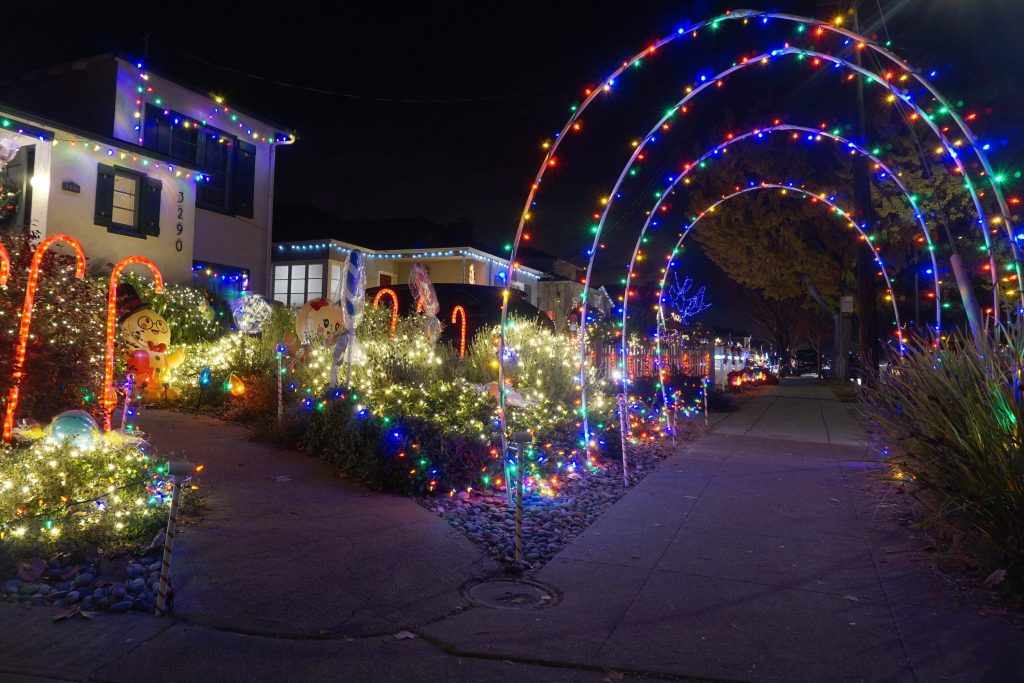
Landscape string lights in particular bring to life outdoor spaces, bathing them in a warm glow that can transform simple shrubs into radiant masterpieces. Beyond their aesthetic appeal, these lights also carry an emotional significance. They are often associated with feelings of joy and warmth. The ethereal dance of their soft light against the winter darkness brings a sense of enchantment and nostalgia that is unique to this time of year.
Confronting the Grinch: Common Issues with Christmas String Lights
Despite their allure, Christmas string lights can sometimes pose challenges. Even landscape lighting is not without its troubles. These issues range from entire strands failing to light up or remaining partially lit to experiencing flickering or intermittent lighting – each problem more frustrating than the last.
The most common occurrence is perhaps finding an entire strand refusing to light up due to a single burnt-out bulb or blown fuse – indeed an ironic demonstration of unity in these series circuit-based adornments where all elements stand or fall together.
Then there are instances where only parts of your meticulously hung landscape string lights decide to twinkle while others stubbornly stay dark – usually indicative of loose connections or faulty bulbs within those sections.
The Art and Prudence in Understanding Repair
While these problems might seem daunting at first glance, understanding how to repair Christmas string lights can save both time and money during this busy season – not to mention alleviate a substantial amount of frustration. This knowledge arms you with the ability to quickly rectify issues and restore the festive splendor of your holiday decorations.
Repairing Christmas string lights isn’t just about wielding wire cutters and replacement bulbs with flair; it’s a process that requires patience, attention to detail, and above all else, understanding. When dealing with landscape lighting in particular, it’s essential to understand how different weather conditions can impact your lighting setup – from moisture causing short circuits to gusty winds loosening bulb connections.

Christmas string lights are a critical component of our holiday celebrations. Their radiance captures the essence of the season’s joy and kindles warmth in our hearts. However, when these strings flicker or fade entirely due to myriad potential issues, we ought not feel disheartened but instead be prepared by understanding how to repair them.
Spanning from landscape string lights enhancing our exteriors to intricate indoor arrangements, uncovering the secrets of their operation opens up a world where no Christmas light problem is too daunting.
Understanding the Magic: The Science behind Christmas String Lights
Before we delve into the repair and troubleshooting of holiday lights, it’s essential to grasp a basic understanding of how these twinkling strands function. The magic you see in the festive landscape lighting comes from a relatively simple technology that involves circuits, specific bulbs, and tiny fuses.
The Lighting Circuitry
Firstly, let’s explore how Christmas string lights work. On a fundamental level, they operate on either a series or parallel circuit design. In the case of a series circuit, each bulb receives power sequentially; this means that if one bulb burns out or is removed, it disruptively halts the entire flow of electricity, causing all the bulbs to go out. These are often found in older models of Christmas string lights.
On the contrary, modern-day landscape string lights typically function on parallel circuits where each bulb has its dedicated pathway for current flow from the power source. This design allows for individual bulbs to fail without affecting others, thus making them more user-friendly and easier to repair.
A Tale of Two Bulbs: LED vs Incandescent
Next up in our understanding is appreciating two main types of bulbs used in Christmas string lights – light-emitting diodes and incandescent. LED bulbs are small semiconductor devices that convert electricity into light when an electric current passes through them. They’re energy-efficient, generate less heat than their counterparts, which makes them safer for indoor use, and, importantly, they have longer lifespans.
Incandescent bulbs produce light using an electric current that passes through a wire filament, heating it until it starts glowing – think Edison-era technology here! While these give warmer color tones reminiscent of traditional holiday aesthetics, they consume more energy compared to LEDs and have shorter lifespans.
The Unsung Heroes: Fuses in Christmas String Lights
The heroes often unsung in the operation of your Christmas string lights are the small fuses. Fuses protect your landscape lighting from damage due to an overload of electric current. Located usually within the plug of your string lights, these safeguarding devices blow or burn out when the current exceeds their rated capacity, causing an intentional disconnect in the circuit and thus, non-functioning lights. It’s often one of the first things to check if your entire strand is not working.
String Lights: A Tapestry of Choices
It’s worth noting that there is an intricate variety when it comes to Christmas string light models. You have mini-lights, C7 and C9 bulbs commonly used for outdoor landscape lighting, net lights designed for covering shrubs or bushes effortlessly, and even rope lights that provide a continuous line of lighting ideal for outlining windows or pathways.
Each type holds its unique charm and functionality. By understanding what goes into creating these glowing decorations we adorn our homes with each year, you’re already equipped with valuable knowledge that will aid greatly in troubleshooting when things go awry.
Safety Precautions Before Starting Repair Work: Respect for the Current
Before embarking on this electrifying journey of repairing your festive landscape string lights, it’s of paramount importance to prioritize safety. As Thomas Edison astutely remarked, “The value of an idea lies in the using of it”. The same can be said for safety precautions when conducting repairs; their value lies wholly in their implementation.
First, always ensure that you unplug the light set from its power source. This action forms a solid foundation for preventing electrical shocks and is crucial to respect at all times. Christmas lights, though small and aesthetically pleasing, still use electricity and pose a risk if not handled appropriately.
Next, to elevate your protection level when working with these yuletide lights, use insulated tools. These are specifically designed to provide a degree of protection against electrical shocks by insulating you from live wires during repairs.
Additionally, ensuring you have a dry and well-lit working environment is crucial. As water is an excellent conductor of electricity (much better than landscape lighting cables), conducting repairs in soggy or even damp conditions can increase the risk of inadvertent shocks.
Identifying the Problem with Your String Lights: Diagnose Before Treatment
Now that we’ve established safe practices, let us delve into our problem diagnosis. Christmas light malfunctions typically fall into three categories: non-functioning entire light strand, partially lit light strand, and flickering or intermittent lighting.
Non-functioning entire strands could be due to issues such as blown fuses or bulb burnouts, which are resolvable by identifying and fixing these components using proper tools.
A strand that’s only partially lit suggests that some bulbs along the chain might have burned out – leaving gaps in your otherwise continuous landscape lighting display – while flickering or intermittent lighting could hint towards loose connections or faulty bulbs.
Tools Required for Repairing Christmas String Lights: The Right Tools for Twinkling Lights
Embarking on this DIY project requires certain tools, which include, but are not limited to a voltage tester or multimeter for assessing the flow of electricity, replacement bulbs and fuses to replace faulty ones, wire cutters and strippers for removing insulation or cutting wires, connectors for joining wires together, and insulating tape for safety.
How to Fix a Non-Functioning Entire Light Strand: Sparking Life into Dormant Lights
To breathe life back into a non-functioning light strand begins with checking and replacing any blown fuses. Replace the fuse if it shows signs of being blown (indicating an overcurrent situation in your landscape string lights). If the fuse isn’t causing trouble, then individually testing each bulb with a voltage tester should help identify the problem.
How to Fix a Partially Lit Light Strand: Filling in the Gaps
Fixing a partially lit landscape lighting strand entails identifying burnt-out bulbs by visually inspecting each one along the chain. Replacing these ensures continuous lighting. Loose or broken connections could also cause this issue; tightening these connections – or even replacing them entirely – can restore your string lights’ full potential.
How to Fix Flickering or Intermittent Lighting: Achieving Steady Lighting
Flickering or intermittent lighting typically results from loose bulbs that don’t have stable contact with their sockets – tightening these ensures steady lighting. Alternatively, faulty bulbs could cause this issue; replacing them should resolve any flickering mishaps.
Tips for Prevention in the Future: Maintaining a Bright Future
Preventing issues from reoccurring pertains mostly to proper storage after use as well as regular check-ups during usage periods.
Conclusion: How to Repair Christmas String Lights?
While repairing Christmas string lights could seem a daunting task, with the right tools and knowledge, anyone can restore their landscape lighting to its original festive splendor. By adhering to safety precautions, correctly diagnosing the problem, and using the appropriate tools and techniques for repair, you can breathe new life into your Christmas decorations.
The result? An inviting holiday landscape that sparks joy in everyone who sees it.
You may also be interested in the following posts: