
Is an Electrician Really Required for LED Strip Lights Installation?
Shining a Spotlight on LED Strip Lights
LED strip lights, also known as tape lights or ribbon lights, are flexible circuit boards populated by surface-mounted light-emitting diodes. A contemporary evolution in the world of lighting, these versatile strips cater to diverse aesthetic and practical needs. Emitting radiant glows in an assortment of colors and intensities, they are a favored choice in residential and commercial decorations, accent lighting, signage, landscape strip lights, and even task lighting.
The most striking feature about LED strip lights is their flexibility, which enables them to be fitted into tight corners or curved surfaces easily. Moreover, they can be cut at specific intervals for custom lengths. The adhesive back facilitates easy installation, while the low-profile design ensures an unobtrusive presence – subtle yet effective.
A profound shift from traditional incandescent or halogen bulbs towards LEDs has been observed globally due to the myriad benefits offered by the latter. Better energy efficiency leading to reduced electricity consumption and longer lifespan are major factors steering this transition.
Unveiling the Popularity and Benefits of LED Strip Lights
The introduction of LED strip lights has revolutionized landscape lighting, among other applications. Their robustness, coupled with energy efficiency, makes them a cost-effective solution for long-term use.
These strips have made it possible for homeowners to highlight architectural features or create vibrant outdoor living spaces without the complexities of traditional fixtures. Their efficient heat dissipation ensures minimized wastage of energy as heat, thereby contributing to a reduced carbon footprint – a pressing concern in today’s scenario.
The wide spectrum of colors available not only adds visual appeal but also serves functional purposes like color coding or mood setting. Dimmable versions allow control over light intensity, promising flexibility in use.
Moreover, LED strip lights offer enhanced safety. They operate at a low-voltage, which reduces risks of electric shocks or fire hazards, typical concerns with traditional high-voltage lighting. Additionally, the absence of harmful elements like mercury makes these LEDs eco-friendly and safe for disposal.
Durability is another commendable feature of LED strip lights. They are resistant to shock, vibration, and external impacts, making them ideal for outdoor lighting as well as rough indoor use. Also, being resistant to harsh weather conditions makes them apt choices for landscape strip lights.
In terms of aesthetics too, LED strip lights have opened up endless possibilities in interior and exterior decoration. Their ability to conform to any shape and their availability in various lengths allow designers to let loose their creativity without restraint.
The Electric Conundrum: To Hire or Not to Hire
While the rewards of using LED strip lights are numerous, their installation can raise a few questions – one being: Do we need an electrician to install these? The answer isn’t a straightforward yes or no but depends on several factors, including the complexity of installation and local regulations, among others.
The purpose of this discussion is not just about highlighting whether you need an electrician but also about understanding when it would be prudent or mandatory to hire one. It’s about ensuring safety while obtaining optimal performance from your LED strips – be it for accentuating your home interiors or creating stunning landscape lighting.
Understanding LED Strip Lights
Unraveling the World of LED Strip Lights: Definitions and Types
In the simplest of terms, light-emitting diodes (LEDs) are semiconductor devices that emit light when an electric current is passed through them. LED strip lights, as the name suggests, are flexible circuit boards populated by surface-mounted light-emitting diodes and other components that come in a wide spectrum of colors. They are distinctive for their long, thin design, which makes them adaptable to be used in any location.
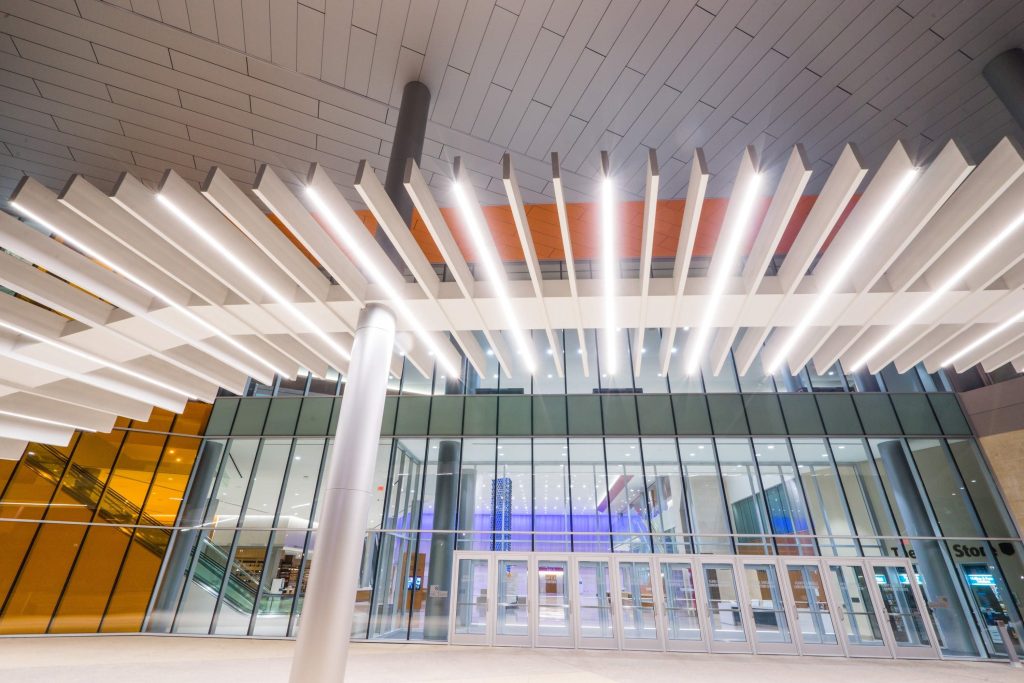
LED strip lights can be categorized into several types based on different criteria. From a color perspective, they can be single-colored or RGB, where R is red, G is green, and B refers to blue. There are also tunable white strips that allow you to adjust color temperature for warmer or cooler light output. Another important distinguishing factor is voltage, with common types being low-voltage 12V or 24V strips and high-voltage 110V or 220V strips.
The Science behind the Glow: How LED Strip Lights Work
The fundamental science behind LEDs involves the movement of electrons in a semiconductor material. When an electric current passes through the diode, electrons jump from one energy level to another, releasing energy in the form of photons – this process is called electroluminescence.
In LED strip lights specifically, these individual LEDs are soldered onto a ‘strip’ along with resistors and other small components that help control each light’s operation. The entire setup is then encased in a silicone sheath for protection and durability.
From Landscape Lighting to Interior Design: Common Uses and Applications
One popular use of these versatile lights includes landscape lighting – highlighting patios, outlining pathways, or simply adding a warm ambiance to outdoor spaces at night. In residential settings, landscape strip lights add grace and elegance to your living spaces and are often used for under-cabinet lighting in kitchens, accent lighting in living rooms, or decorative lighting around mirrors.
Commercially, LED strip lights are commonly utilized for signage illumination, architectural lighting, and even stage design. Moreover, their flexible nature allows them to be used in artistic installations or more complex design projects.
With the right understanding of LED strip lights and their functionalities, it becomes easier to determine the need for an electrician during installation. In the next sections, we delve deeper into this topic, unveiling scenarios when a professional’s touch is necessary versus when a DIY approach may suffice.
The Installation Process for LED Strip Lights: A Comprehensive Guide
Planning Your Layout: The Blueprint of Brilliance
The first step in the installation process involves meticulous planning. This stage is especially crucial when implementing landscape strip lights, where strategic placement can greatly enhance the aesthetic appeal. Start by assessing the area where you wish to install the lights.
Consider factors like the length, angles, and curves of the surface, which will influence how many LED strips you need and their respective lengths. Sketch a rough diagram to visualize your intent; it will act as a blueprint throughout your installation process.
In landscape lighting, positioning is everything. Make sure your lights are arranged to not only illuminate specific features but also create an overall balanced lighting effect. Don’t forget about power accessibility; plan a route that allows easy connection to a power source without long, unsightly cable runs.
Preparing the Surface: Laying the Foundation for Light
Once you’ve planned your layout, the next phase involves preparing the surface for installation. A clean, smooth surface ensures better adhesion of LED strips and prolongs their lifespan. Start with cleaning the area thoroughly using rubbing alcohol or mild detergent; avoid substances that could damage or leave residues on your surface.
For outdoor landscape lighting scenarios, make sure all surfaces are dry before proceeding with installation – dampness can affect adhesive effectiveness and lead to potential electrical problems down the line. If installing on uneven surfaces or around corners, consider using mounting clips or channels, which provide additional support and allow more flexibility in shaping your LED strips according to desired configurations.
Installing the Strips: Bringing Your Vision to Life
With a well-planned layout and prepared surface, it’s now time to install your LED strip lights. Carefully peel off the backing tape from one end of each light strip while holding it above its designated place before pressing it firmly down. Always start from one end and work your way down, ensuring each section is stuck firmly before proceeding to avoid air bubbles or unevenness.
In landscape strip light installation, where bends and corners are common, take extra care to ensure the strips conform to the surface structure. If your strip lights are non-flexible or not designed for bending, you might need connectors or solder joints at these points.
Connecting to a Power Source: Cultivating the Current
After successfully installing the LED strip lights, it’s time to power them up. Connecting your LEDs to a power source requires consideration of a few elements: the voltage of your strips (commonly 12V or 24V), their total length (which determines current draw), and a proper power supply that can handle that current safely. For landscape lighting installations with long runs of LED strips, you might need more than one power supply or use amplifiers/repeaters to maintain light quality throughout.
While connecting LEDs directly into a wall outlet is common for indoor installations, outdoor settings may require weatherproof housing for power supplies and connections. Always prioritize safety in this step; if there’s any doubt regarding electrical connections, it’s wise to seek assistance from a qualified electrician.
Testing the System: Ensuring Lighting
With everything connected, testing the system is essential before finalizing your installation. Start by checking smaller sections of your project before lighting up everything together – this helps identify any problematic areas early on without overloading the system.
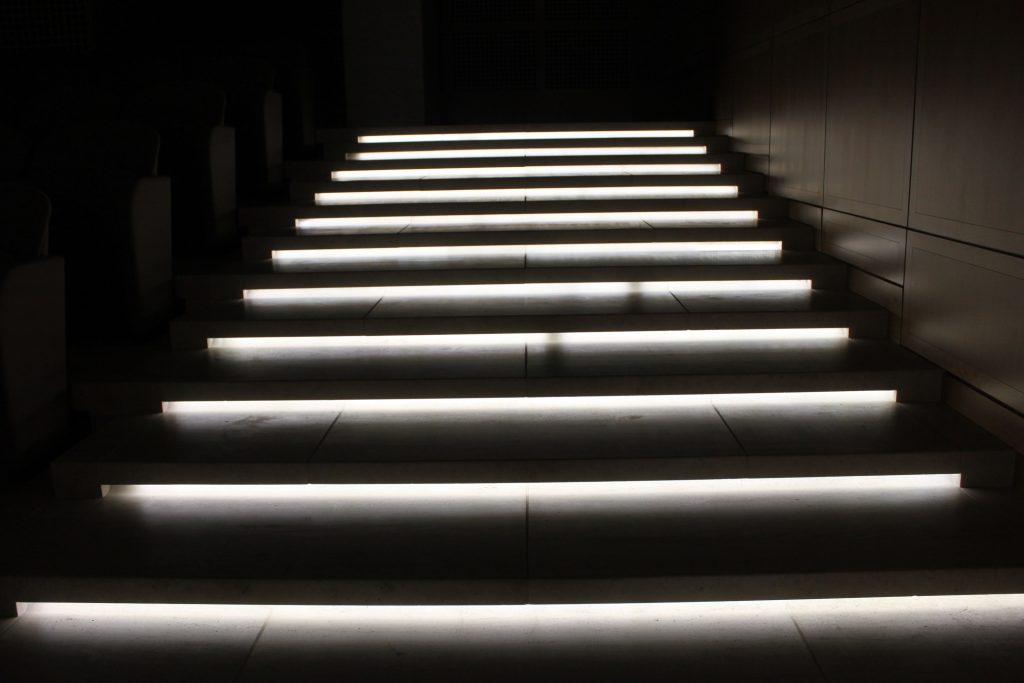
For landscape lighting systems using multiple light strips powered from different sources or controllers, testing becomes even more critical. Confirm all sections respond correctly to controls and deliver consistent light output across various conditions (like changing colors or dimming levels).
If during testing any problems arise – like flickering lights or dead sections – retrace steps for possible loose connections or faulty strips before replacing large sections altogether. A systematic troubleshooting approach saves both time and resources.
Tools Required for Installation: The Essentials for Enlightenment
Certain tools can make the installation process of LED strip lights more efficient. A pair of sharp scissors or a utility knife is necessary for cutting the LED strips at designated cut points (marked usually after every 3 LEDs). If your project involves corners or non-linear layouts, you’ll need soldering equipment for joining strips using connectors. Silicon sealant might be required in outdoor setups to waterproof open connections.
A digital multimeter is handy for verifying electrical specifications, especially in complex configurations involving multiple power supplies or control setups. For landscape lighting projects, additional tools like garden shears (for clearing vegetation around the installation site) or a fish tape (for routing cables through tight spots) can be useful.
Remember, each LED strip light project is unique and might require specific tools beyond this basic list. As always, preparation is key; having all necessary tools ready beforehand ensures a smooth and efficient installation process.
When You Might Need an Electrician for Installation
Parsing the Complexity: Installations Requiring Electrical Modifications or Rewiring
The journey of installing LED strip lights occasionally treads on complex paths, with certain installations necessitating a thorough understanding of electrical systems. This is particularly true for environments where existing wiring systems need to be modified or new wiring frameworks must be established. Such scenarios most frequently occur in larger properties, commercial settings, or during the installation of landscape lighting.
Landscape strip lights, for instance, often require comprehensive planning and numerous adjustments to the existing electrical system in order to ensure perfect lighting harmonized with aesthetic appeal. They might demand additions to circuit breakers or installation of new switches.
Circumstances such as these unequivocally call for the expertise and technical knowledge only a licensed electrician can offer. A quintessential example is when LED strips are integrated into an existing lighting circuit that lacks residual capacity.
A licensed electrician can analyze the electrical load and advise if additional circuits are needed. Additionally, rewiring tasks like extending power cables or splitting circuits may seem reasonably simple on a surface level but delve deeper into intricacies that go beyond simple DIY techniques.
Interactions with live wires carry risks both from electrocution and fire hazards caused by inappropriate handling and incorrect rewiring. As such, whenever modifications to original layouts are required – be it extending power cables for your landscape strip lights or configuring new switches – it’s astute to seek professional help from an experienced electrician who has the competence to execute these tasks safely while ensuring adherence to regulations.
Navigating High Voltage: Installations Involving High-Voltage Strips
While many LED strips operate at lower voltages, which makes them generally safer for amateur installation attempts, there exists a cadre of high-voltage variants that demand professional handling. Their setup often involves dealing with direct mains voltage, which isn’t something to be taken lightly.
While these high-voltage strips are favored for their robust performance and ability to cover longer runs without voltage drop – a common limitation in low-voltage counterparts – they bring along a higher risk quotient. A mere oversight or minor error can lead to serious consequences, including electric shock or fire. In such cases, an experienced electrician’s skills become indispensable.
They understand the nuances of high-voltage systems, from identifying the correct gauge wire necessary for transmission to comprehending the significance of effective earthing systems. Apart from ensuring safe installation, an electrician can also provide valuable advice on appropriate use and maintenance of these high-voltage LED strips.
This not only guarantees operational safety but also enhances the longevity and efficiency of your lighting system. Thus, when dealing with high-powered LED strip lights designed for commercial applications or expansive landscape lighting layouts, it’s wise to delegate installation responsibilities to a professional electrician who specializes in handling such tasks.
The Legal Maze: Mandates Requiring Licensed Electricians
There’s another crucial factor that influences the choice between DIY and professional installations: legal mandates. Many jurisdictions dictate specific guidelines regarding electrical work within households and commercial spaces, which must be strictly adhered to.
In certain areas, regulations stipulate that all work surpassing minor repairs or replacement of like-for-like fittings needs licensed electricians’ involvement. Other regions might have more lenient rules allowing homeowners certain liberties while still requiring professionals for more complex jobs like installing new circuits or modifying existing systems.
This becomes particularly relevant when considering insurance implications. Many insurance policies require adherence to local building codes; non-compliance can lead to denial of claims should any damage occur due to unauthorized electrical work.

Moreover, landscape lighting often demands adherence to additional codes and regulations pertaining to outdoor installations. These might include specific guidelines regarding waterproofing, burial of cables, or use of GFCI outlets.
In these scenarios, professional electricians can ensure your installation abides by all necessary statutes and codes. While installing LED strip lights yourself might seem like an attractive prospect both in terms of cost savings and the satisfaction it brings, there are circumstances where professional help is not just recommended but vital.
Navigating electrical modifications or rewiring, handling high-voltage strips safely, or keeping up with legal requirements – each situation calls for the precision and expertise an experienced electrician is equipped with. Therefore, always assess your specific situation carefully before deciding whether to hire a professional installer for your LED strip light project.
DIY Installation: When It’s Possible and Safe
Unraveling the Simplicity of Plug-and-Play Kits
LED strip lights are not only versatile but also user-friendly. They come in a variety of formats, one of which is the plug-and-play kit. This type of installation is particularly suitable for novices, as it requires minimal technical prowess. The kit typically contains everything you need: an LED strip, power supply, and connectors.
Particularly popular for landscape lighting projects, these kits make it possible to illuminate your garden or driveway without any specialized knowledge. These kits are primarily designed for simplicity and convenience.
The steps involved are straightforward: connect the LED strip to the power supply using the provided connector, then plug the power supply into a standard electrical outlet. Just like that, your landscape strip lights spring to life, instantly enhancing your outdoor aesthetic.
Plug-and-play kits are a recommended choice when dealing with less complex installations or temporary setups like holiday decorations or party lighting. However, while this option is more accessible for most homeowners, it’s crucial to read and follow manufacturer instructions carefully to ensure a successful installation.
Safe DIY Handling with Low-Voltage Strips
Low-voltage LED strips operate at 12V or 24V DC voltage levels, making them safe options that can be handled by non-electrical professionals without posing a significant risk of electric shock. Due to their low-energy consumption and high efficiency, they are often used in landscape lighting applications where long hours of use are common.
This low-voltage characteristic makes them ideal for DIY enthusiasts who prefer taking matters into their own hands without compromising safety. However, just because these strips operate at lower voltages doesn’t mean that you can ignore basic electrical safety rules during installation.
Navigating DIY Installation Precautions
Regardless of how straightforward an installation process might seem, it’s crucial to take certain precautions when dealing with electrical installations of any kind. For instance, ensure all power sources are switched off before beginning the installation. This mitigates the risk of electrocution and prevents any damage to the LED strip lights themselves.
When using adhesive-backed LED strip lights, surface preparation is pivotal to a successful installation. The surface should be clean, dry, and free from dust or grease that could affect adhesion. Additionally, while most LED strips can be cut according to your desired length, always make sure you trim at marked cutting points on the strip to avoid damaging other components.
Not all LED strip lights are designed for outdoor use; some lack the necessary waterproof properties. If you’re planning on installing landscape lighting using LED strip lights, double-check their waterproof grade before proceeding with installation. This will prevent premature breakdown due to moisture exposure.
While DIY installation can seem appealing and cost-effective at first glance, it’s essential to understand its limitations and risks too. Some installations may require professional handling for safety purposes or compliance with legal requirements, depending on your regional regulations and specific project needs.
Safety Concerns: The Balancing Act between DIY and Professional Installations
Unseen Dangers: Risks Associated with Incorrect Installation by Non-Professionals
While it’s perfectly acceptable to relish the satisfaction that comes from handling your own home improvement tasks, there are dangers lurking beneath the surface when it comes to installing landscape strip lights without professional guidance. The risk starts from simple mishaps like improper measurements leading to misalignment of lights and wasted resources.
However, it can escalate to severe scenarios where inadequate insulation or incorrect wiring leads to fire hazards. Additionally, certain types of LED strip lights operate at line voltage, which can pose a risk of electric shock if not properly handled.
Landscape lighting is meant not only to beautify your surroundings but also to ensure security. Incorrect placement or angling could result in dim areas offering perfect hideouts for intruders, thereby defeating one of the primary purposes of lighting up your exteriors.
Another under-considered factor is the impact on property insurance. DIY electrical installations may not comply with local regulations or safety codes, potentially affecting claims in cases of related accidents or damage.
The Professional Touch: Efficiency, Safety, and Longevity
The most significant advantage of having a professional electrician install your LED strip lights is undoubtedly safety. They possess the know-how to handle electrical systems safely while ensuring that all elements meet required standards and regulations.
Moreover, professionals bring along years of experience, which translates into efficiency; they are adept at determining optimal positions for your landscape lighting without unnecessary trial-and-error processes and can complete installations quickly while maintaining high quality.

Next, professionals have an intimate understanding of various LED products and their specific requirements – this knowledge allows them to optimize setups for longevity, from selecting the right power supplies to ensuring proper heat dissipation, lower energy consumption while prolonging the lifespan of your LEDs.
Should any issue arise during or after installation, professionals can provide prompt rectification services. This not only saves you the hassle of troubleshooting it yourself but also prevents potential escalation of problems.
Navigating the Scales: Weighing Cost versus Safety Considerations
Indeed, opting for professional installation will likely cost more upfront than DIY. Yet, this is where a broader perspective on investment becomes crucial. The initial savings gained from self-installation can quickly dissipate if one factors in potential rectification costs from mishaps or if the setup requires frequent replacements due to improper installation methods.
Additionally, compromising on safety to save money is gambling with much higher stakes. The threat of electrical fires and shocks should not be overlooked; beyond monetary implications, these hazards carry life-threatening potential.
Consider your level of expertise and comfort in handling electrical installations versus the peace of mind that comes with knowing a professional has executed the job correctly and safely. For many homeowners, especially those with intricate landscaping layouts or high-voltage LED strips requiring more complex installations, bringing in an electrician might be a more prudent choice despite higher initial costs.
Whether embarking on a DIY project or hiring professionals for installing landscape strip lights largely depends on individual circumstances and competencies. Exploring both routes allows for an informed decision based upon personal safety tolerance levels, technical skills, and financial considerations.
Conclusion: Do We Need an Electrician to Install LED Strip Lights?
Ensuring Safety and Necessity through Professional Consultation
As our exploration of LED strip lights draws towards a close, it becomes abundantly clear that the installation process is not always as straightforward as it might seem. While certain scenarios allow for an easy, do-it-yourself approach, the path becomes more complicated when complex wiring systems or high-voltage strips are involved. The golden rule here is safety first.
If you find yourself in a situation where you feel overwhelmed by the installation process, don’t hesitate to call a professional electrician. Their knowledge and expertise will not only ensure that your landscape strip lights are installed properly but also safely.
In essence, understanding your own capabilities and limitations is key in deciding whether or not to bring in a professional electrician. If you’re comfortable with basic electrical work and are dealing with simple, low-voltage LED strip lights, there’s no reason why you can’t undertake this task yourself.
Landscape Lighting: Highlighting Your Choices
When it comes to employing landscape lighting in your outdoor spaces, the options are plentiful. Whether it’s installing LED strip lights along pathways for safety or using them to highlight architectural features of your home for aesthetic appeal, the opportunities presented by these versatile lighting solutions are extensive.
Remember, though, while DIY can be tempting due to cost-saving motives or even just personal satisfaction of completing a project on one’s own merit, some circumstances necessitate professional involvement. These instances include complex installations involving major electrical modifications or high-voltage strips – situations where the risk outweighs any potential saving of money or time.
The objective is not merely about lighting up your environment but doing so effectively in a manner that enhances security and ambiance without compromising on safety standards. Therefore, if ever doubt creeps up during the installation process, be mindful enough to recognize when it’s time to bring in the experts.
Making the Right Choice for Your Lighting Needs
The beauty of landscape strip lights is that they add a magical quality to your outdoor spaces. However, the installation process requires careful consideration, and in some scenarios, professional guidance.
Ultimately, it comes down to making an informed choice based on your personal capabilities and the specifics of your installation project. By doing so, you ensure not only a beautifully lit landscape but also a safe environment for you and everyone who gets to enjoy these light-emitting diodes’ brilliance.
Our journey into the world of LED strip lights has revealed that it isn’t always necessary to hire an electrician for their installation. However, when safety is at stake or technical complexities rise above one’s skill level, seeking assistance from trained professionals is not just wise but essential.
You may also be interested in the following posts: