
Landscape Lighting: A Brief Overview
As the sun dips beneath the horizon, casting long shadows over our yards and gardens, landscape lighting steps into play. This form of outdoor illumination enhances the beauty of architecture and natural features, casting a gentle glow that invites us to appreciate our surroundings in a whole new light.
Landscape lighting is an art as much as it is a science; it involves strategically placing lighting fixtures around your outdoor space to accentuate particular elements while providing functional lighting where needed. Not only does landscape lighting bring forth the potential to highlight your favorite trees and architectural elements even at night, but it also creates enchanting scenes as light interacts with different surfaces.
It incorporates various types of fixtures, such as path lights for illuminating walkways, spotlights for accenting features, floodlights for broad coverage, and well lights for uplighting effects on trees and walls. A well-planned landscape lighting scheme can transform an ordinary backyard into a magical nighttime oasis.
However, it requires an understanding of light’s interactions with different materials and colors to achieve desired effects. Whether you want your garden’s flowering magnificence on display or wish to create dramatic shadows on your home’s architectural facades, landscape lighting allows you immense creative liberty.
The Importance and Benefits of Proper Landscape Lighting
Beyond its aesthetic appeal lies the practicality that makes proper landscape lighting indispensable in our lives. The quintessential purpose of any kind of lighting is visibility; hence, outdoor lights play a crucial role in ensuring safety after sunset. It illuminates walkways, preventing tripping hazards while deterring potential intruders by eliminating dark hiding spots, thereby enhancing home security.
Moreover, strategic placement of light can significantly increase comfort during outdoor activities during twilight hours or darker seasons, allowing you to enjoy your patio or gazebo long after sunset. This functionality allows homeowners to not only extend their living spaces but also make full use of outdoor amenities, fostering gatherings and nurturing connections. The right landscape lighting can also increase the visual appeal and value of your home.
The illuminated exteriors undoubtedly stand out in the neighborhood, making a lasting impression on visitors or potential buyers. Additionally, showcasing your well-maintained gardens and beautifully lit ornamentals certainly increases the property’s perceived value.
Overdoing Landscape Lighting
Despite its various benefits, it’s crucial to remember that landscape lighting can be overdone. Like any art form, it requires balance – understanding where to add light and where to leave darkness is integral for achieving a harmonious effect. The goal should be selective visibility rather than indiscriminate illumination.
Overdoing landscape lighting is a common pitfall for homeowners seeking to enhance their outdoor spaces. Excessive light not only results in visual discomfort due to glare but also dilutes the dramatic effect that subtle lighting should ideally achieve by washing out shadows that provide depth and structure.
In this post, we will further delve into this concept of over-illumination in landscape lighting, exploring its reasons, consequences, and how one could avoid falling into such pitfalls while planning their outdoor lighting scheme. After all, understanding the potential downside helps us make informed decisions about our landscape lights just as it does in any other aspect of our lives.
Understanding Landscape Lighting: The Illuminated Expanse
Landscape lighting, in essence, is an art form, a blend of aesthetics and functionality. It refers to the use of outdoor illumination for enhancing an individual’s experience of a property during the twilight hours. The purpose is twofold: not only does it accentuate architectural features, gardens, or pathways, thus beautifying the space, but it also plays an integral role in ensuring safety and security by illuminating dark areas that could otherwise pose risks.

The fusion of beauty and safety brought about by landscape lighting often transforms mundane spaces into mystical twilight zones that breathe life into your outdoors. Properly done landscape lighting can create dramatic scenes worth capturing yet bring peace to your soul with their calmness. It can turn an ordinary garden into a space fitting for romantic rendezvous or provide a safe yet enchanting pathway through your property.
Gleaming Sculptures: Different Types of Landscape Lighting Fixtures
In order to craft such captivating outdoor environments, there are several types of landscape lighting fixtures at our disposal, each playing its own unique part in painting this picture with light.
Path Lights: Guiding Lights Along Your Journey
These are small posts with lights built-in, usually placed along pathways or around garden beds to gently guide the way during the nighttime. They offer soft ambient lighting that subtly outlines walkways while adding a sense of warmth and welcome to any landscape design.
Spotlights: Highlighting the Showstoppers
Spotlights serve as the artists of landscape lighting design, focusing on those elements worthy of attention, be they peculiar sculptures, striking trees, or architectural details on buildings.
Floodlights: The Broad-Brush Approach
Floodlights serve as broad-beamed high-intensity lights often used when large areas need illumination, such as driveways or sports fields. Their wide reach paints an area with light, making them ideal for security purposes as well.
Well Lights: The Subtle Understated Downstage
Also known as in-ground lights, well lights are recessed below ground level, and their light is typically directed upwards. This subtle light source is great for highlighting walls, trees, or other vertical elements.
Designing with Light: The Role of Design in Landscape Lighting
Just like any other art form, landscape lighting also relies heavily on design principles. A careful consideration of elements such as color temperature, placement, or intensity can significantly enhance the aesthetic appeal of your outdoor space.
The interplay between light and shadows can evoke different moods or highlight different aspects of the landscape. An effective design should incorporate a variety of fixtures to create depth and interest while maintaining harmony and balance throughout the property.
Furthermore, a successful landscape lighting design doesn’t just focus on aesthetics but also takes into account practical considerations such as safety measures or maintenance requirements. This dual focus on form and function ensures that your landscape not only looks stunning during the night but is also safe to navigate and easy to maintain.
In essence, understanding landscape lighting requires appreciating it as more than mere outdoor lamps. It’s about harnessing light to shape perceptions, control focus, and create an atmospheric experience that adds value visually and functionally to our properties at sunset.
The Art and Science Behind Landscape Lighting
Shedding Light on Perception: How Light Impacts the Human Eye and Perception
With the human eye being a marvel of evolution, it’s important to understand how light affects its perception of our surroundings. The intensity, color, and direction of light can drastically change what we see. Bright lights can cause objects to appear sharper and more distinct, while dim lights often lead to blurred vision.
The color of light also impacts our perception. Cooler lights appear brighter to the human eye than warmer ones due to the photoreceptors in our retina.
Furthermore, directional lighting plays a significant role in creating texture and depth, thereby enhancing or diminishing particular elements within a landscape. Light not only illuminates our surroundings but sets mood and atmosphere as well.
Too much light can make an area feel sterile or harsh, while too little can make it seem gloomy or neglected. Thus, the artful use of landscape lighting is about finding that perfect balance.
Architects of Light: Principles Behind Effective Lighting Design
The principles behind effective landscape lighting design are rooted in basic architecture theories. The essential elements such as balance, harmony, and focal points apply just as much in creating captivating scenes with light.
Balance is crucial for any successful design project, including landscape lighting. It refers to equal visual weight throughout a scene, which prevents one area from overpowering another. Balance could be symmetrical, where both halves mirror each other, or asymmetrical, which relies on contrast between different types of lights or fixtures.
Harmony ensures that all parts within your outdoor space work together seamlessly – this includes your lighting scheme too! Every fixture should serve a purpose and contribute towards creating an overall aesthetically pleasing scene.
Focal points are like exclamation marks in your lighted landscape narrative – they capture attention instantly! Whether it’s a grand old tree or an art piece, a well-lit focal point can significantly enhance your yard’s appeal.
Luminosity Layering: Ambient, Task, Accent, and Decorative Lighting
The light layering technique is a game-changer for landscape lighting. It involves the use of ambient, task, accent, and decorative lights to create depth and interest.
Ambient or general lighting creates an overall glow to light up your outdoor space uniformly. This layer ties all others together to form a cohesive look. Task lighting is the most functional layer. It illuminates areas where specific tasks are performed, like pathways or outdoor cooking zones. This layer ensures safety and usability after dark.
Accent lighting is much more decorative. It highlights architectural features or prized plants in your garden, adding drama and depth to your landscape while guiding the eye through various elements. By understanding these principles behind landscape lighting design, one can avoid the pitfall of over-illumination, an increasingly prevalent issue in today’s residential landscapes.
The Excesses of Brilliance: Understanding Overdone Landscape Lighting
To posit an answer to this question, ‘Can we overdo landscape lighting?’, one must first delve into what it means to overdo something, particularly in the context of landscape lighting. Overdoing landscape lighting could be succinctly explained as employing excessive or unnecessary illumination that disrupts the balance and harmony of outdoor spaces. It is when the number of lights, their brightness levels, or their unsuitable positioning overshadows the tranquil beauty of nature and ends up creating a spectacle rather than enhancing its inherent charm.

In essence, overdoing stems from a fundamental misunderstanding about the purpose of landscape lighting. While its goal is to accentuate architectural features and create a pleasant ambiance during the night, an excess can lead to harsh glares, shadows, and even light pollution. An overlit exterior may wash out the scene instead of creating depth and contrast. Thus, it’s not just about illuminating your landscape; it’s about doing so artfully.
The Lure of Light: Why People Tend to Overdo Landscape Lighting
The reasons why individuals tend towards excessive outdoor illumination vary widely but can often be traced back to some common misconceptions or fears. One prevalent notion is that more light automatically equates to better aesthetics and safety. This leads people to install copious amounts of fixtures without considering factors like color temperature or proper angling for shadow play.
Another factor might be societal pressures or neighborhood trends where ostentatious displays become synonymous with status symbols – thus resulting in competitive lighting that is more inclined toward outshining others than improving aesthetics or functionality.
Moreover, some might believe that an abundance of light would deter criminal activities by eliminating potential hiding places – a concept referred to as ‘Crime Prevention Through Environmental Design’. However, what they fail to consider is that poorly executed lighting can actually aid trespassers by creating blinding light sources or deep shadows.
It could be just a simple lack of knowledge about the principles of landscape lighting design. Many homeowners, in their excitement to illuminate their property, may not realize that the beauty of outdoor lighting lies in subtlety rather than abundance.
Overdoing landscape lighting is a multi-faceted issue rooted in misunderstanding and misapplication. However, through spreading awareness and promoting good design principles, we can ensure our landscapes are lit aesthetically and responsibly.
When Illumination Transgresses: The Aesthetic Fallout of Overdone Landscape Lighting
In the realm of aesthetics, excessive landscape lighting can produce undesirable effects such as glaring brightness and light pollution. Glare occurs when a light source is too intense relative to the level of ambient light, causing discomfort or impeding vision. Outdoor spaces flooded with overly bright lights can create hard, unwelcoming shadows that distort the contours of the landscape and obscure its natural beauty.
Light pollution is another potential consequence. This term refers to any adverse impact on the environment caused by artificial light, such as skyglow – an omnipresent radiance that obscures our view of stars at night – and light trespass, where illumination intended for one area spills over into another.
Furthermore, excessive lighting can undermine the very purpose it serves. Instead of highlighting key features or creating inviting pools of light where needed, an overabundance can wash out textures and nuances that contribute to an area’s visual charm. The resulting monotony is far cry from what properly planned and balanced lighting could achieve.
Moreover, excessive outdoor illumination at night can also disrupt human circadian rhythms – the internal biological clock that regulates sleep-wake cycles. Light during nighttime hours has been linked with a range of health issues, including sleep disorders and reduced melatonin production.
Diminishing Returns: The Environmental Impact of Excessive Landscape Lighting
Environmental implications are a critical concern when considering overdone landscape lighting. One obvious issue is energy wastage; illuminating your property like a football stadium typically requires substantial power resources. This overconsumption presents not just financial implications in terms of increased utility bills but also ecological ones – namely, contributing to greenhouse gas emissions if conventional non-renewable power sources are used.
Another often overlooked aspect pertains to nocturnal wildlife habitually disrupted by bright lights invading their habitats – a behavioral change known as photopollution. Certain species, particularly insects and birds, rely on natural light conditions for their routine activities such as feeding and mating. Excessive artificial lighting can disorient them, impacting reproduction rates and even survival.
Moreover, many aquatic and terrestrial plants leverage the natural light-dark cycle for their growth and development. Overexposure to artificial lights can disrupt these processes, potentially leading to stunted growth among other adverse effects.
The light pollution originating from overlit properties has a far-reaching impact on astronomical observations. The omnipresent halo of artificial luminosity impairs our ability to observe celestial bodies – a loss not just to professional astronomers but also amateur stargazers or anyone who appreciates the tranquil beauty of a starlit sky.
Intrusive Illumination: The Social Consequences of Overdone Landscape Lighting
Extravagantly lit landscapes can often lead to disputes with neighbors perturbed by intrusive light seeping into their domicile – an issue known as light trespass. This intrusion not only disrupts their peace but might also disrupt sleep patterns or simply prove bothersome during serene night hours.
Moreover, excessively lit spaces can be perceived as ostentatious or inconsiderate – factors that may strain communal relations within neighborhood precincts. In some residential areas with strict homeowners association rules, residents may face penalties if their excessive illumination is deemed disruptive.
The concept of ‘lighting etiquette’ arises here – a communal understanding that while one has rights over personal property usage, these rights cease where they begin infringing upon others’ peaceful enjoyment of theirs. A community overly lit up all night might also suggest a lack of unity and trust among its inhabitants.
Our homes are our sanctuaries; it’s crucial everyone feels comfortable in these shared spaces we call neighborhoods. Moderation is key when it comes to landscape lighting – knowing where to highlight and where to dial back ensures harmony between aesthetic appeal, environmental sustenance, and social cordiality.
Case Studies: Illuminated Excess – A Look into Overdone Landscape Lighting
A Resplendent Residential Rumble
To begin with, we delve into an example of a residential property that has taken landscape lighting to an overwhelming extreme. The residence in question belongs to a suburban neighborhood. The owner, an ardent enthusiast of all things bright and shiny, had installed an assortment of outdoor lights that would rival a small music festival.
Floodlights streamed from every corner, illuminating not just the property but also the surrounding houses. The excess of light produced unnatural shadows and glaring spots throughout the area, hindering visibility instead of enhancing it.
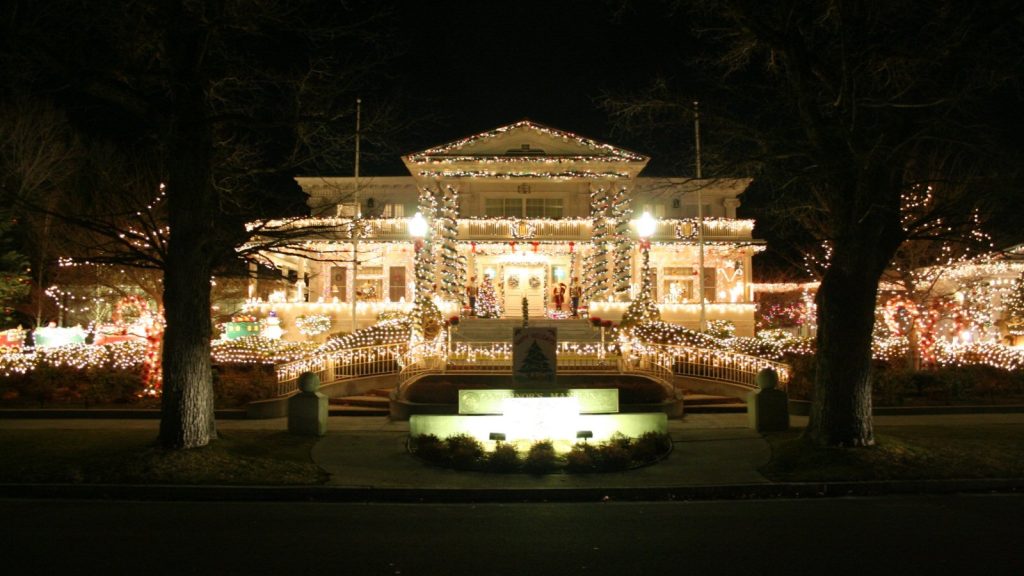
It created an unwelcome visual distraction that disrupted the tranquil nightscape typical for such communities. Additionally, these harsh lights caused significant light pollution, obscuring the stars for stargazers within several blocks from this luminaire onslaught.
Furthermore, this glaring spectacle left little room for subtlety or elegance in highlighting different landscape features; instead, it was akin to shining a spotlight on everything simultaneously. This is quite contrary to the intention of landscape lighting, which is meant to accentuate certain elements while leaving others in softer focus or even shadowed mystery.
This residential case reveals how intrusive light can affect neighborly relations significantly. Complaints lodged by nearby residents ranged from disturbance due to stray beams entering their premises during their nighttime relaxation to concerns about declining property values owing to excessive light pollution.
Commercial Conundrum: Too Much Sparkle?
Let’s now shift our gaze towards commercial spaces demonstrating misplaced enthusiasm for landscape lighting – a luxury hotel standing tall amidst urban sprawl serves as our example here. Its sprawling green lawns were exceedingly illuminated with high-intensity spotlights and floodlights, intending to create a sense of opulence and grandeur at all times.
In its quest for providing luminous luxury, however, the hotel neglected important considerations such as balance and harmony in lighting design. As a result, instead of achieving an appealing and inviting ambience, the space turned rather overbearing for guests preferring a more serene or understated sophistication.
Additionally, the heavy-handed approach to landscape lighting resulted in massive energy consumption, which not only led to higher utility costs but also raised questions about the establishment’s environmental responsibility. The overly bright lights also caused considerable light pollution, impacting city dwellers and nocturnal wildlife alike.
Moreover, excessive landscape lighting at commercial spaces such as hotels can cause significant inconvenience to room occupants; unwanted light spilling into rooms can disrupt sleep patterns and the overall comfort of guests. In this case, several guest reviews pointed out this very issue, which eventually forced management to reconsider their lighting strategy.
In summation, these two case studies emphasize how easily landscape lighting can be overdone, potentially leading to aesthetic imbalance, environmental distress, and social discomfort. They underline the importance of carefully planning outdoor illumination where judicious restraint is equally appreciable as adequate lighting.
Tips to Avoid Overdoing Landscape Lighting
The Power of Prudent Planning and Design
In the realm of landscape lighting, as with any artistic endeavor, planning is paramount. A well-conceived illumination strategy can be a beacon in the night, guiding you towards an exquisite balance between utility and aesthetics. The first step is understanding your space – its dimensions, features, shadows, and corners.
Once you have a clear picture of this canvas, you can begin painting with light. Don’t rush to buy fixtures or bulbs before devising a comprehensive plan. Visualize your garden at night – where would you like to walk? What features should be highlighted?
When considering these questions, remember that effective lighting isn’t about flooding your garden with brightness but creating a harmony of light and shadow. The design phase encompasses choosing the right fixtures for each purpose and placing them correctly.
Path lights should illuminate your way without causing glare; spotlights should highlight architectural details or plants without blinding guests; and floodlights should provide security without invading privacy. Consider experimenting with different types of lights (LEDs, halogens) and color temperatures (warm white for cozy areas or cool white for working spaces) until you find what works best in each area of your landscape.
Respecting your Neighbors and Nature
Overly bright landscape lighting can cause light pollution – excessive artificial light that has adverse effects on humans and wildlife alike. Whether it’s the intrusive glare shining into neighboring windows or reducing star visibility due to skyglow, overdone lighting is seldom appreciated by others living nearby. Moreover, nocturnal wildlife such as bats or insects may be negatively affected by excess artificial illumination interfering with their natural behaviors.
In this context, responsible landscape lighting means considering those who share our environment – both human neighbors and other organisms alike. Lessening our environmental footprint also involves energy-efficiency considerations: opting for LED lights, solar-powered options, or timers can substantially reduce energy consumption and contribute to the global effort against climate change.
The Expert’s Touch: Professional Consultation
Sometimes, professional guidance can make all the difference. Expert lighting designers boast both an intimate understanding of lighting principles and a keen eye for aesthetics. They can easily navigate the nuances of light positioning, fixture selection, color temperature choices, and more. Involving professionals doesn’t mean relinquishing control over your garden’s appearance. On the contrary, they work with you to realize your vision while ensuring that technical aspects are immaculately addressed. The result is a beautifully lit landscape that achieves balance without overdoing it.
Conclusion: Can We Overdo the Landscape Lighting?
The art and science of landscape lighting don’t necessarily dictate a reduction in brightness but rather an increase in awareness – about our surroundings, our neighbors, our environment, and about light itself. With considerate planning, environmental consciousness, and professional guidance when needed, we can create beautifully lit landscapes that enhance rather than overpower natural beauty. May our external spaces continue to bring joy not just during daylight hours but also after dark – with balanced lighting that complements rather than competes with the twinkling stars above.
You may also be interested in the following posts: