
Mixing LED and Halogen Landscape Lights: A Comprehensive Guide
The Luminous Tapestry of Landscape Lighting
Landscape lighting, a sophisticated blend of aesthetics and functionality, illuminates our surroundings, thereby transforming them into a magical spectacle when the sun sets. It is more than just the mere positioning of lights in an outdoor setting; it involves a deliberate and artistic arrangement of light fixtures to enhance the beauty and safety of a property.
Landscape lighting creates accents, highlights focal points, provides safe navigation for walkways and steps, and deters potential intruders by eliminating dark hiding spots. The selection of landscape lighting is an intricate process wherein every fixture contributes to the larger painting that is your landscaped property.
Each lamp type carries its own unique luminance character that can dramatically alter the ambiance under its glow. Therefore, understanding the capabilities and limitations of different lights becomes crucial in this context.
Shining New Light on Your Landscape – The LED Revolution
LED (light-emitting diode) lights have emerged as a preferred choice for many homeowners due to their exceptional qualities. They are energy efficient and long-lasting compared to many traditional forms of lighting. LEDs operate by passing a current through a semiconductor material, which then emits light – a process that conserves energy significantly.
Not only do these versatile lights consume less power, but they also offer superior longevity – lasting up to 50 times longer than traditional incandescent bulbs and 2–5 times longer than fluorescent options. This translates to considerable savings over time with reduced replacement costs.
Keeping it Warm and Bright – The Halogen Heirloom
Halogen lights have been an old favorite in landscape lighting due to their warm illumination quality that adds a cozy feeling to space. They work by heating a tungsten filament in an inert gas until it glows white-hot – this results in lighting that closely mimics natural sunlight. What makes halogen lights attractive for landscape use is their high-intensity brightness and lower upfront costs.
They provide significantly more lumens per watt than incandescent bulbs, making them an efficient choice for areas requiring bright, concentrated light. However, it’s worth noting that they do tend to consume more energy and have a shorter lifespan compared to LED lights.
Blending Tradition with Innovation – Can We Mix LED and Halogen Lights?
As we delve into the vast world of landscape lighting, an intriguing question spirals into attention: can we mix LED and halogen lights? Both types of lights have their unique strengths and are beloved by homeowners for different reasons. So, wouldn’t combining these two create a perfect blend of efficiency and warm ambiance?
Stay tuned as we journey through the illuminating exploration of this question in the forthcoming sections. We will unravel noteworthy benefits as well as potential challenges associated with this innovative approach to landscape lighting.
Understanding LED Lights
Unveiling LED: Definition and Its Working Principle
LEDs, or light-emitting diodes, are a type of solid-state lighting that utilizes semiconductors to convert electricity into light. Unlike traditional incandescent bulbs, they do not rely on heated filaments to produce illumination.
Instead, when an electric current passes through the semiconductor material in the diode, it excites electrons within it to a higher energy level. As these electrons return to their ground state, they release energy in the form of photons – this is what we perceive as light.
The colors of light emitted by LEDs can be controlled and varied by altering the materials used in their construction and their structural arrangement. This enables generation of a wide range of hues from a single source without needing filters or color gels – an advantage that is uniquely LED.
The Benefits of LEDs in Landscape Lighting
Energy Efficiency: The Resourceful Lighting Pioneer
Joining the ranks as one of its most compelling advantages, LEDs are considerably more energy efficient than traditional halogen lights. They use significantly fewer watts (energy) per unit of light generated (lumens), translating into lower overall power consumption for equal or superior brightness levels. Typically delivering up to 80-90% energy savings compared with halogen bulbs, this results in significantly reduced operating costs over time.
Longevity: The Marathoner Among Lights
LED lights boast remarkable longevity, making them particularly suitable for outdoor applications where changing bulbs can be challenging and labor-intensive. On average, an LED bulb will last approximately 50 times longer than its incandescent counterpart – we’re talking up to 50,000 hours versus around 1,500 hours, respectively! This not only means less maintenance but also fewer replacements needed over time, which can result in significant cost savings.
Color Temperature Variety: The Artist’s Palette
One of the salient features of LED technology is the ability to produce a diverse spectrum of color temperatures. LEDs can effortlessly create everything from warm, inviting amber glows reminiscent of sunsets on a late summer’s day to crisp, cool white light that mimics daylight. This adaptability allows for exceptional design flexibility in landscape lighting schemes for creating ambiance and enhancing key architectural features.
Environmental Benefits: Earth’s Green Advocate
LEDs are lauded as a ‘green’ technology owing to several environmental benefits. Firstly, their superior energy efficiency contributes to reduced greenhouse gas emissions from power plants. Secondly, they do not contain hazardous substances like mercury found in some other light sources. Moreover, due to their extraordinary longevity, fewer lights get disposed of, reducing landfill burden.
Potential Drawbacks of LED Lights
Despite their numerous advantages, LED lights are not without potential disadvantages. Firstly, the initial investment for LED bulbs is considerably higher than conventional lights, although this is offset over time due to long-term savings from energy efficiency and lamp life.
Moreover, despite advancements in thermal management technologies, poorly designed LED fixtures can still suffer from overheating issues, which can shorten lifespans and reduce light output over time. Not all LEDs render colors accurately, which could affect how your landscape appears under their glow.
Understanding Halogen Lights
A Glimpse into the Essence of Halogen Lights
Halogen lights, a variant of incandescent lighting, operate on an interesting principle of science. At its core, these lights contain a tungsten filament that heats up and glows when an electrical current passes through it. This glow is what illuminates our surroundings.
However, in contrast to the traditional incandescent bulb, halogens incorporate a small amount of halogen gas. The presence of this halogen gas generates a recurring chemical reaction within the bulb. When the tungsten filament heats up, it starts to evaporate – a phenomenon common to all incandescent bulbs. As the molecules rise towards the cooler areas in the bulb, they combine with the halogen gas, creating a compound that subsequently re-deposits back onto the filament once contact with heat ceases.
This ingenious process known as the ‘halogen cycle’ allows for high temperatures within the lamp and increases both its luminous efficacy and life span compared to conventional incandescents. Notably, they require a quartz envelope (a hard glass kind) to handle such temperatures.

The Benefits: Illuminating Landscapes with Halogens
There’s much more to these luminary instruments than meets the eye – especially when it comes to landscape lighting.
High Light Intensity
One of their most prominent attributes is their superior light intensity or brightness, which can dramatically enhance any outdoor setting when used strategically. The high output level stems from their ability to conduct elevated temperatures without affecting their structural integrity or light quality – a characteristic tied directly to their unique construction design.
An Embrace of Warm Light Quality
In addition to brightness, halogens are beloved for producing warm-colored light that augments charm and appeal in landscapes during nighttime hours. The color of light they emit is close to natural sunlight, thereby creating a more welcoming and serene ambiance around homes or commercial properties. This light quality can significantly accentuate elements like garden paths, patios, or architectural features.
Cost-Effectiveness Upfront
While initial costs may vary based on specific features such as wattage or brand, halogen lights are typically less expensive upfront than their LED counterparts. This makes them an attractive option for landscape lighting setups where budget restrictions may be a consideration.
Potential Drawbacks of Halogen Lights
Despite their strengths, there are certain aspects related to halogens that could potentially curtail their appeal. The most glaring drawback lies in its energy consumption. Halogens use substantially more power compared to other lighting options like LEDs.
Although they produce high-quality light and have a longer lifespan than traditional incandescent bulbs, the overall energy efficiency is still lower than modern alternatives. Further compounding this lack of efficiency is heat production – halogens generate more heat per unit of light produced, making them potentially dangerous if not handled with care.
And while the halogen cycle prolongs the lifespan of these bulbs compared to regular incandescent lamps, it still falls short when juxtaposed against the longevity offered by LEDs. Because of the elevated operating temperature requirements within halogen lamps, it becomes necessary for these bulbs to be housed in strong materials that can withstand such conditions – adding another layer of cost implication onto consumers who opt for this form of lighting.
Investigating the Possibility: Mixing LED and Halogen Landscape Lights?
Let’s embark upon a voyage of exploration into the feasibility and practicality of mixing LED and halogen lights in landscape lighting. A common query among homeowners and landscape designers alike, the potential fusion of these two distinct types of luminaries can pave the way for an enchanting nightscape.
Interestingly, it’s not only possible but rather practical to mix LED and halogen lights in landscaping. The unique attributes of both these lighting systems, when combined, can create an aesthetically pleasing ambience while ensuring efficacy. However, this amalgamation requires careful planning and consideration to circumvent potential pitfalls.
The Confluence of Benefits: Unraveling the Advantages
The integration of LED and halogen lights brings forth several advantages that deftly balance aesthetics with functionality. Let’s delve deeper into these multifaceted benefits.
The foremost advantage lies in achieving perfect equilibrium between the energy efficiency granted by LEDs and the warm light quality characteristic of halogens. While LEDs are renowned for their low power consumption, halogens win hearts with their inviting warm glow. A thoughtfully designed combination ensures an efficient yet cozy ambiance. Considerable cost savings over time is another enticing benefit derived from this union.
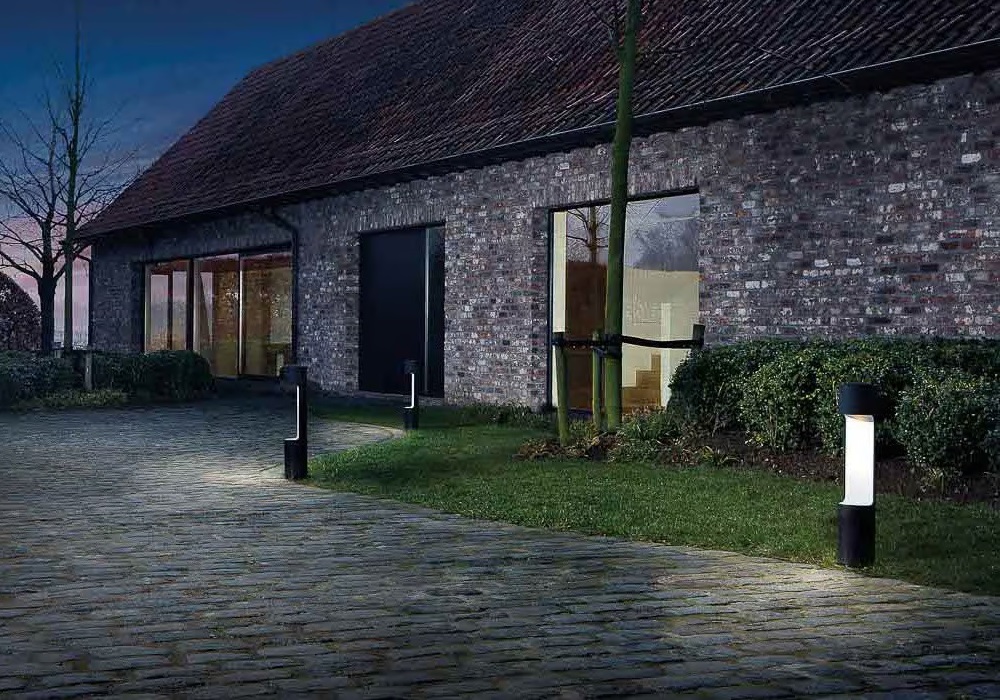
Although LED lights might have a higher initial cost than their halogen counterparts, their long lifespan coupled with energy-saving properties can lead to substantial savings in the long run. The blend also bequeaths variety in design possibilities that allow you to leverage the strengths of both types according to your landscape’s needs: LEDs for longevity and efficiency; halogens for vibrancy and warmth.
The Conundrum in Harmony: Recognizing the Challenges
While mixing LED and halogen lights offers unique benefits, it does come with its share of challenges that could put a damper on your lighting endeavors if not addressed properly.
Navigating power supply issues is the first challenge you’d encounter when planning to mix these two types of lighting. LEDs and halogens operate at different voltages; hence, installing a compatible transformer that can handle both types is crucial.
Maintaining light quality consistency can also pose a hurdle. LEDs and halogens emit light of different color temperatures, so balancing them to create a harmonious ambiance might require some trial and error.
Maintenance considerations form another vital aspect to consider. Halogen bulbs need replacing more frequently than LEDs due to their shorter life span, which could lead to inconsistencies in the landscape’s lighting over time if not diligently monitored.
Lighting the Way Forward: Navigating the Challenges
Despite these challenges, with careful planning and expert advice, creating an enchanting landscape using a combination of LED and halogen lights is indeed achievable. It’s all about selecting the right mix that aligns with your vision while being mindful of energy efficiency and maintenance requirements.
Remember, every landscape has its own unique lighting needs; hence, there isn’t a one-size-fits-all solution. The key lies in exploring various combinations to unearth what works best for your green oasis – after all, even the night has its own palette!
Case Studies: Successful Integration of Mixed Lighting Systems in Landscapes
Residential Landscapes: Harmoniously Blending LED and Halogen Lights
In the realm of residential landscapes, many homeowners have been successful in integrating LED and halogen lights into their landscape design. A notable example lies in a home nestled within the serene suburbs of California’s Napa Valley. The homeowners desired a well-lit outdoor space that would enhance the beauty of their sprawling garden without exorbitantly increasing their energy consumption.
After consulting with landscape lighting specialists, they decided to employ a captivating mix of LED and halogen lights. Accentuating the pathway were low-voltage halogen lights, producing a warm, inviting glow that offered both aesthetic appeal and essential visibility during nighttime strolls around the property.
Meanwhile, LED lights were effectively employed to highlight key features such as an aquatic sculpture, bedecked flowerbeds, and large trees. Appreciably reducing energy usage while ensuring longevity resulted in an enchantingly illuminated landscape.
Another case can be found in an upscale residence located on the outskirts of New York City. The owners wanted to achieve a balance between cost-effectiveness upfront and maintaining lower running costs over time for their vast backyard area punctuated by antique statues and elaborate fountains – all calling for focused lighting.
The solution was to use high-intensity halogen lights for illuminating specific areas with fascinating architectural elements while using LEDs for general lighting purposes across a larger area due to their efficiency at spreading light. This intelligent blend allowed them to avoid extensive running costs associated with the singular use of high-intensity halogens while preventing the substantial upfront investment required for complete LED installation.
Commercial Landscapes: Mixing Light Types for Maximum Impact
On the commercial front as well, there have been numerous cases where businesses have successfully amalgamated both types of lights into their landscape design. The lush campus of a technology firm in Seattle showcases how LED and halogen lights can coexist wonderfully. The company chose to use LED lights for the main building’s exterior, indicating an environmental consciousness with its greener choice.
Meanwhile, the well-manicured lawns, ornamental water bodies, and various intriguing installations scattered throughout the campus were illuminated using halogen lights for their depth of color and intensity. The blending strategy resulted in reducing energy consumption significantly while creating a visually captivating space that became a hallmark of their commitment to sustainability without compromising on aesthetics.
Another commercial venture that integrated both lighting types is an upscale resort nestled in Bali’s picturesque landscape. Here, halogen lights have been employed strategically across beachfront areas to create warm ambient lighting conducive to relaxing evenings.
Simultaneously, LED lights illuminate walkways, guest cottages, and other utilities, ensuring safety while conserving energy dramatically. These examples demonstrate that with judicious planning and execution, it is indeed possible to achieve harmonious integration of both LED and halogen landscape lights, providing aesthetic appeal coupled with cost-effectiveness and efficient energy consumption.
Mastering the Art of Mixed Landscape Lighting: A Practical Guide
Choosing Compatible Fixtures for Both Halogen and LED Lights
The journey to harmoniously mixing LED and halogen landscape lights begins with choosing compatible fixtures. It is essential to understand that not all fixtures are suitable for both types of lights. Fixtures designed explicitly for LEDs may not accommodate halogen bulbs, and the inverse is also true. Therefore, thorough research is paramount before purchasing any fixtures.
When procuring fixtures, it is advisable to opt for those explicitly designed to cater to both light types. These hybrid fixtures offer more versatility, allowing you to switch between LEDs and halogens at will without incurring additional costs in fixture replacements.

While aesthetics play a crucial role when selecting lighting fixtures, it is imperative not to overlook their functionality. Opt for durable materials that can withstand varying weather conditions typical in outdoor settings. Additionally, ensure they correspond with the voltage requirements of both your LED and halogen bulbs. Remember that the ultimate goal is to create a cohesive look across your landscape despite employing mixed lighting systems.
As such, pay close attention to the design and style of your chosen fixtures; they should complement each other as well as your overall landscape design. Keep in mind safety standards applicable in your region while choosing fixtures – safety should never be compromised for aesthetics or functionality.
Finding Symmetry through Proper Arrangement
Creating an aesthetically pleasing visual tableau using mixed lighting systems goes beyond just picking out compatible fixtures; proper arrangement plays a pivotal role as well. To begin with, consider how best each type of light – LED or halogen – can serve your landscaping needs.
For instance, you might decide on using LEDs for pathway illumination or accent lighting due to their versatility and energy efficiency while opting for halogens where intense illumination is necessary. The spatial arrangement should be thoughtful – avoid clustering one type of light in one area and the other type elsewhere. Instead, intersperse them for a more unified appeal. This way, you can create an intriguing interplay of light intensity and color temperatures across your landscape.
Aim to balance the strengths and weaknesses of both lighting types through your arrangement. If halogens are positioned where their warm, intense light is most beneficial, place LEDs nearby to counterbalance any excessive energy consumption.
Consider hiring a professional landscape lighting designer if you’re unsure about how best to execute this task. Their expertise can prove invaluable in achieving a harmoniously lit landscape that elegantly blends both LED and halogen lights.
Conclusion: Can We Mix LED and Halogen Landscape Lights?
Blending Tradition with Innovation for Elegantly Lit Landscapes
The prospect of mixing LED and halogen landscape lights might appear daunting at first glance. However, as we’ve explored in this guide, it’s not only feasible but also potentially advantageous when executed correctly. By selecting compatible fixtures and strategically arranging them across your landscape, you can create an enchanting nocturnal tableau that blends the energy efficiency of LEDs with the warm intensity of halogens.
Even as technology advances continue to propel us toward an increasingly LED-dominated world, there is still room for the humble halogen bulbs in our landscapes – at least for now. So why not embrace this opportunity to experience the best of both worlds? After all, isn’t variety truly the spice of life?
You may also be interested in the following posts: