
How Is It Possible to Cut String Lights?
A Glowing Introduction to String Lights
String lights, also known as fairy lights or twinkle lights, hold an enchanting charm in their delicate yet vibrant glow. Initially a Christmas tradition, these tiny beacons of light have expanded their influence beyond the festive season, finding permanent fixtures in households and commercial establishments alike. Whether it’s LED string lights adorning a lively party scene or solar string lights subtly enhancing landscape lighting, the romantic allure of these lighting strings is undeniable.
The unique appeal of string lights lies in their versatile utility coupled with an aesthetic grace. They have the power to transform mundane spaces into mesmerizing landscapes – from draping patio string lights for a cozy outdoor evening to weaving them around your indoor plants for a touch of whimsical charm.
The market offers a wide assortment of string light varieties – incandescent bulbs casting a warm yellow glow reminiscent of nostalgia; LED bulbs offering energy-efficient brilliance; solar-powered landscape string lights that marry beauty with sustainability. However, the versatility of string lights extends beyond their application.
An often-encountered question relates to the customization potential they offer: Can we cut string lights? This question arises from practical reasons, such as avoiding excess length at the end of string lights or dietary constraints like fitting specific lengths or designs.
The Luminous Importance and Multifaceted Uses of String Lights
In today’s world, where conscious design meets functionality, string lights are not just sources of light but also instruments of mood amplification and space personalization. They help create an inviting ambiance that transforms ordinary settings into extraordinary landscapes both indoors and outdoors.
Living rooms, bedrooms, patios, and backyards – no territorial boundaries limit their use. The magic woven by LED or solar-powered landscape lighting cannot be overstated – they serve as guiding stars in your backyard after sunset, unobtrusively highlighting pathways while adding a soothing aesthetic to your garden.
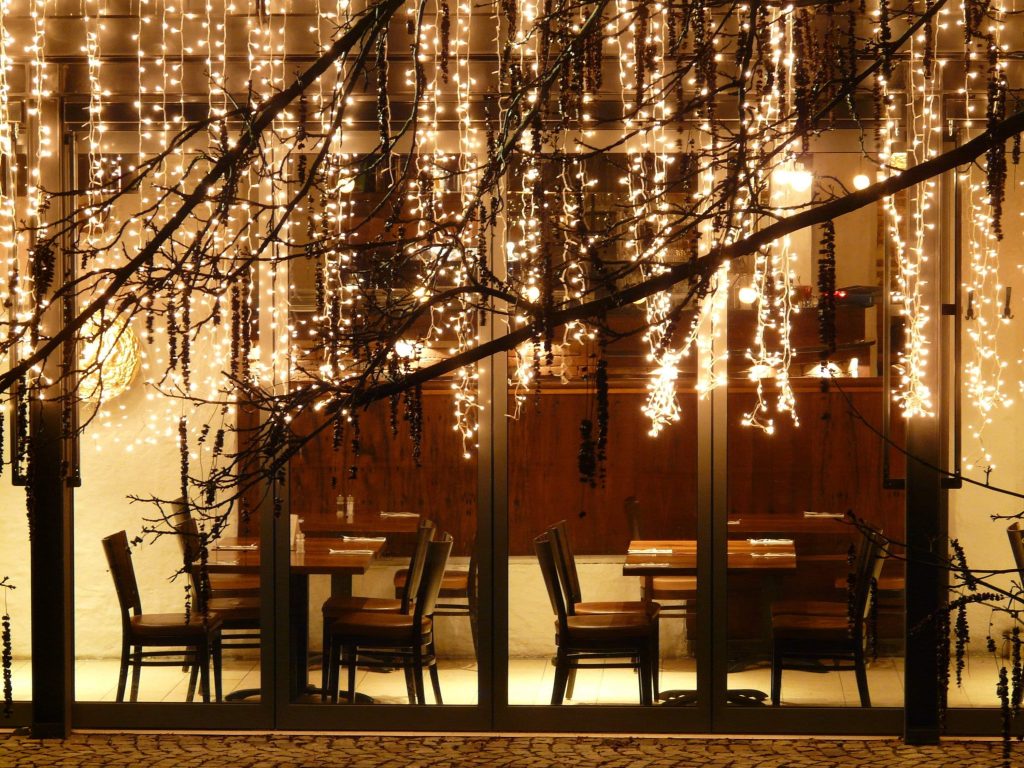
Patio string lights elevate alfresco dining experiences, creating an intimate setting for warm conversations under the starlit sky. But the importance of these twinkling beauties goes beyond their visual appeal – they are also a testament to personal style and creativity.
The end of string lights doesn’t signify the termination of their functionality. Quite contrary, it offers a canvas to showcase one’s inventiveness in wrapping or laying them.
The Luminary Query: Can We Cut String Lights?
As we reimagine our spaces and adapt them to our needs, we often find ourselves facing a rather intriguing question: Can we cut string lights? This query predominantly stems from an attempt to customize lighting according to specific layouts or designs, or simply due to excessive length that might disrupt the aesthetic harmony.
The answer isn’t as straightforward as one might anticipate – it depends on several factors, including but not limited to the type of string light (incandescent, LED, solar), electrical circuitry (series or parallel), safety considerations, and technical expertise required in handling electric wiring.
This post aims at shedding light on this luminous mystery – revealing nuances of string light types and safe practices for modification, if possible. It will also explore alternatives when cutting isn’t quite feasible, ensuring your journey with these magical strings remains unhampered.
Understanding String Lights
String lights, often synonymous with charm and warmth, can transform an ordinary space into a magical dimension. They come in various types, and each has its own unique features. An understanding of these types is essential when considering cutting or altering their length.
The Allure of Incandescent String Lights
Incandescent string lights are the classic form of landscape lighting. They work by passing electric current through a wire filament, which heats up and begins to glow, thereby producing light. These lights are known for their warm, welcoming glow, which makes them a popular choice for setting an intimate atmosphere. However, they consume more energy compared to other types and have a shorter lifespan.
Despite these drawbacks, some homeowners still prefer incandescent string lights because of their traditional feel. From the end of string lights to each glowing bulb in between, incandescent lights add a touch of nostalgia to any scenery. Yet before you start snipping away at your incandescent patio string lights, remember that cutting these may pose challenges due to the way they are wired.
The Efficiency of LED String Lights
Light-emitting diode string lights are becoming increasingly popular due to their longevity and energy efficiency. Unlike incandescents, which heat a filament to produce light, LEDs create light by exciting atoms within their semiconductor material – an action that requires considerably less electricity.
The sustainability factor coupled with their vibrant colors makes LED string lights an attractive option for landscape lighting applications or even indoor decor needs like Christmas decorations or party aesthetics. Again, it’s important not to hastily bring out your scissors, as not all varieties can be safely cut without risking damage or dysfunctionality.
Solar-Powered String Lights: Harnessing the Power of the Sun
Solar string lights, as the name suggests, are powered by the Sun. They contain small solar panels that absorb sunlight during the day and store it as energy in a battery. Once night falls, this stored energy is used to power the string lights. Because of this feature, they are an excellent option for outdoor landscape lighting where sunlight is plentiful.
Although cutting solar string lights may seem like a practical idea, especially if you want to fit them into a smaller space, keep in mind that modifying them will likely disrupt their ability to function properly. Before making any changes, it’s essential to have a comprehensive understanding of how these types of string lights are wired and function.
How String Lights Work
Understanding how these enchanting strings of miniature lamps work provides essential insight when contemplating modifications such as cutting. Both incandescent and LED string lights function through electric current passing through their circuitry, while solar-powered string lights run off an integrated battery charged by sunlight. The bulbs in incandescent and LED string lights are arranged either in series or parallel circuits.
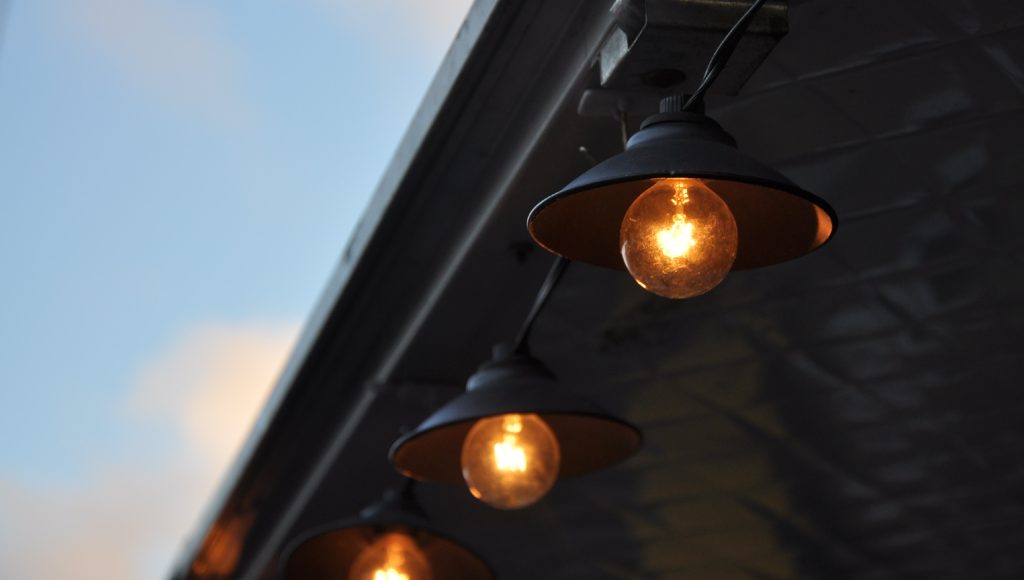
In a series circuit, each bulb is connected end-to-end, so if one bulb blows out or gets broken, the whole strand goes out, which can complicate matters when cutting the strand without proper knowledge. In contrast, each bulb in parallel circuits runs independently from each other, so even if one bulb goes out, others keep shining brightly, which makes cutting more feasible, although still challenging, particularly with regards to maintaining proper electrical safety standards.
Solar-powered models operate slightly differently, utilizing solar cells that collect and convert light into electricity during daytime hours, storing it within an integrated battery that powers up once darkness falls, offering a fuss-free ambiance for patio parties or simply enhancing your landscape’s nighttime allure. No matter the type – be it incandescent, LED, or solar – it’s crucial to be informed and careful when considering cutting string lights, as this alteration could impact their performance, durability, and safety.
Delving into the Electrical Circuitry of String Lights
The Basics of Series and Parallel Circuits
In string lighting, intricacies abound in the realm of electrical circuitry. Notably, two types of circuits prevail: series and parallel. A series circuit is akin to a marathon race where all runners traverse the same path, from start to finish. Similarly, in a series circuit, current flows through every bulb in sequence.
Contrastingly, a parallel circuit resembles multiple lanes on a highway where cars bypass each other freely. In this configuration, each bulb operates independently because they have their own separate path for electric current.
Let’s dissect these concepts further for clarity. In a series circuit string light, like traditional Christmas lights, when you unscrew or remove one light bulb, the entire string goes dark because the electrical continuity has been interrupted; this is often referred to as an ‘open’ in the electrical world.
On the other hand, parallel circuits like LED string lights are more resilient due to their independent lines of current flow for each bulb – akin to drivers on different lanes of traffic stopping without disrupting others. If one bulb dies or is removed from its socket on such strings, it’s generally just that single bulb that’ll cease glowing; your delightful illumination won’t be compromised.
The Impact on Functionality When a Single Bulb Goes Out
Fundamentally different reactions transpire when one bulb malfunctions depending upon your type of string light, be it incandescent (series circuit-based) or LED (parallel circuit-based).
Should an incandescent Christmas tree light fail – an instance all too common – you might find yourself fumbling with every single tiny fuse under dim light until you unearth the culprit, essentially leaving you in literal darkness until then.
By contrast, a malfunctioning LED bulb will typically not disrupt your entire decorative landscape lighting. Your enchanted evening in your lit backyard won’t be ruined by one dim or dead LED bulb on your patio string light strand.
Safety Precautions: A Paramount Priority when Trimming String Lights
Safety is non-negotiable when it comes to handling any electrical equipment, string lights notwithstanding. Prior to embarking on the task of cutting string lights, one must remain cognizant of the potential hazards involved.
Not only can carelessly cutting into a live wire lead to electric shock, but an improper reconnection might result in short circuits and potentially even fires. As we venture further, remember that these precautions apply regardless of whether you’re dealing with solar string lights, LED string lights, or the conventional incandescent variants.
The Art and Science of Cutting String Lights
Recognizing the Right Kind of Light Strings for Safe Cutting
Before you position scissors towards your string light, pause! Not all lights are created equal, nor should they be treated as such. While LED strings – especially those configured in parallel circuits – are more forgiving, traditional incandescent or series circuit-based strings are not recommended for cutting due to the risks mentioned earlier.
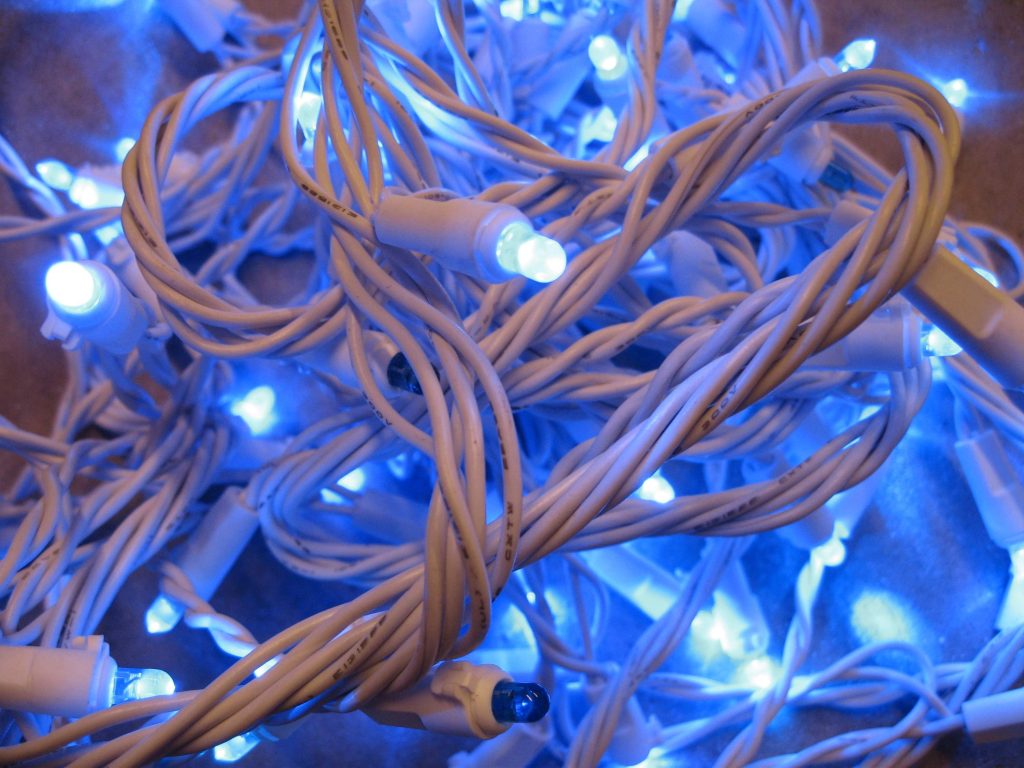
A Comprehensive Step-By-Step Guide to Safely Cut and Rejoin String Lights
1. Ensure the Lights are Unplugged
Before handling any electrical equipment, make sure the string lights are completely disconnected from their power source. For solar-powered lights, remove the solar panel or battery to prevent accidental electrical flow.
2. Identify the Cutting Point
Determine where you’d like to cut the string lights. Ideally, choose a section where there is no bulb or electrical component – typically the wire between two bulbs. Cutting too close to a bulb could damage the internal wiring or disrupt the circuit.
3. Inspect the Circuit Configuration
Confirm whether your string lights use a series or parallel circuit. For series circuits, cutting could render the entire strand nonfunctional. Parallel circuits, on the other hand, are more forgiving, as each bulb functions independently.
4. Gather Necessary Tools
To safely cut and rejoin string lights, you’ll need the following: wire cutters (to snip the string lights), wire strippers (to remove the insulation), electrical tape or heat shrink tubing (to insulate the wires), soldering iron and solder (optional, for a more secure connection), and connectors (if you want to rejoin two ends).
5. Cut the String Lights
Using the wire cutters, carefully snip the string lights at your marked point. Avoid damaging the internal copper wiring while cutting.
6. Strip the Wires
Use a wire stripper to remove about half an inch of insulation from the ends of each wire. This exposes the copper or conductive material inside, which is necessary for reconnecting or insulating the wires.
7. Rejoin the Wires (Optional)
If you plan to reconnect the string lights after cutting:
- Match the corresponding wires (usually marked by color or ridges on the insulation).
- Twist the exposed ends of each matching wire together.
- Use a soldering iron to secure the connection, or simply cover the twisted wires with a wire connector.
- Insulate the connection with electrical tape or heat shrink tubing.
8. Seal the Cut Ends
For the unused ends, seal them properly to prevent exposure to moisture or accidental short circuits. Wrap the ends with electrical tape, ensuring no copper wiring is left exposed. For a more durable finish, use heat shrink tubing.
9. Test the Shortened String Lights
Before reinstalling the string lights, plug them in (or reconnect the solar panel) to ensure they work properly. If any bulbs are non-functional, inspect the wiring for loose or faulty connections.
Alternatives to Cutting String Lights
If cutting your string lights seems too risky or complicated, consider these alternatives:
- Wrapping Excess Length: Instead of cutting, creatively wrap or coil the extra wire around a hidden area, like the base of a tree, a hook, or a fixture.
- Using Shorter Strands: Purchase string lights that are already the desired length or come with customizable segments. Some LED string lights allow you to remove or add sections as needed.
- Cable Management Tools: Use zip ties or clips to secure excess wiring neatly out of sight.
Conclusion: Can We Cut String Lights?
String lights are magical additions to any space, offering both functionality and aesthetics. While the thought of customizing them by cutting can be tempting, it’s essential to approach the process with caution, knowledge, and the right tools. Whether you’re modifying LED patio string lights or trimming a solar-powered strand, always prioritize safety and consider alternatives when possible. When done correctly, customization allows you to transform these glowing strands into a perfect fit for your unique design vision, ensuring your ambiance remains as enchanting as ever.
You may also be interested in the following posts: