
The Dawn of Lighting: Understanding LED Grow Lights
As the world ventures further into the era of technological advancement, horticultural practices have been greatly enhanced through the advent of light-emitting diodes grow lights. These specialized luminaires emanate an artificial light spectrum, which is instrumental in fostering plant growth.
Not only do they offer a significant decrease in energy usage compared to their traditional counterparts, such as incandescent bulbs and fluorescent lamps, but they also present superior longevity and durability, making them an increasingly popular choice among indoor gardeners and plant growers. LED grow lights specifically cover targeted wavelengths within the light spectrum that are primarily absorbed by plants, thereby optimizing photosynthesis performance.
While red and blue light forms are primary examples, recent advances have seen ‘full-spectrum’ LED grow lights that cover a broader range. This allows plants to be exposed to all necessary wavelengths, like under natural sunlight conditions.
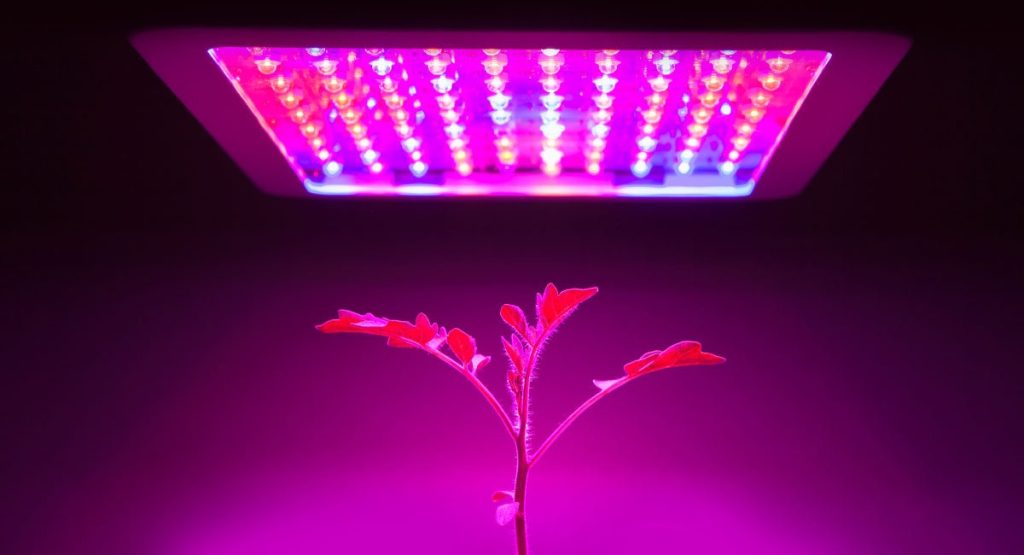
The proliferation of these devices has been due to their increasing affordability and accessibility. Moreover, LED grow lights are more environmentally friendly compared to other traditional grow lighting technologies since they produce lower heat output and consume less power while providing efficient light energy for plant growth.
Despite these vivacious attributes that make LED grow lights a beacon of hope for indoor horticulture aficionados, understanding their appropriate usage is crucial. Incorrect application can potentially lead not just to suboptimal results but also potential harm.
A Beacon in the Dark: The Pivotal Role of Light in Plant Growth
In order to comprehend the significance of this cutting-edge technology in indoor gardening practices, it’s essential first to understand the pivotal role light plays in plant development – a process known as photomorphogenesis. Radiant lighting guides every stage of a plant’s life cycle, from germination right through maturation.
One of the most vital aspects of light in plant growth lies in the phenomenon of photosynthesis. This is a biochemical process where plants convert light energy, typically from the sun, into chemical energy.
The absorbed light is used to combine carbon dioxide and water to produce glucose, a type of sugar that serves as an energy source for the plant’s growth and development. Each species of plant requires exposure to light at specific intensities, durations, and spectrum ranges for optimum growth.
For instance, vegetable crops like tomatoes and peppers demand high-light intensity environments, whereas herbs like parsley or mint thrive under less intense light. Understanding the role of lighting in plant health can help indoor growers harness LED technology effectively to steer their plants towards flourishing growth.
It’s a careful balance that needs maintaining – ensuring your plants are receiving adequate lighting without risking overexposure or ‘light burn’. So naturally arises the question: can an LED grow light be too bright?
Understanding the Concept of Light Intensity
The Essence of Light Intensity
In the realm of botanical lighting, light intensity is a paramount factor. It refers to the quantity of light energy that reaches a given surface area per unit time, typically measured in units called lumens or foot-candles. In simpler terms, it gauges how bright a light is within a specific area.
This measurable quantity of light bears significant influence on plant life as it directly shapes their photosynthetic activity – the fundamental process where plants convert light energy into chemical energy. By grasping this concept, we can gather vital insight into how indoor gardening environments function and how to optimize them for plant growth.
Notably, understanding light intensity goes beyond mere comprehension of its definition. It demands an appreciation for the subtle nuances that dictate its intricate relationship with plant growth.
The variation in intensity can lead to different outcomes in distinct plants or even different stages within one plant’s life cycle. A skilled indoor gardener knows precisely how much intensity their plants require and adeptly manipulates lighting conditions accordingly – a feat made possible through an understanding and application of knowledge concerning light intensity.
The Role that Light Intensity Plays in Photosynthesis
What role does light intensity play in photosynthesis? The answer lies at the heart of this complex biochemical process that sustains all plant life.
Photosynthesis is essentially harnessing solar power for food production – converting absorbed sunlight into sugar molecules that fuel all other biological activities. In essence, higher levels of lighting intensities typically catalyze faster rates of photosynthesis up to a point known as the “light saturation point.” Beyond this point, further increases in illumination do not accelerate photosynthetic rates due to limitations posed by other factors such as carbon dioxide availability and temperature.
In contrast, insufficient light intensity slows down photosynthesis due to a lack of sufficient photons to fuel the process. The delicate balancing act lies in providing just the right amount – too little starves the plant, while too much could potentially cause damage, particularly in sensitive species.
Clearly, light intensity serves as a critical driver for photosynthesis and thus plant growth. Comprehending its influence enables us to create optimal growth conditions by controlling this vital parameter effectively.
Diverse Light Intensity Requirements of Various Plants
While it is accurate that plants generally require light for survival and growth, not all plants have the same light intensity requirements. The truth is that different species have adapted to survive under varying light conditions dictated by their natural habitats.
For instance, species native to tropical rainforests like monstera or peace lily typically thrive under lower light intensities. They have evolved to grow under the dappled shade offered by towering canopy trees filtering sunlight on forest floors.
Conversely, desert-dwelling succulents like Echeveria or Sempervivum are accustomed to high-intensity sunlight exposure. They have developed unique structural adaptations that enable them to withstand such challenging conditions without experiencing the ill effects typical of other vegetation exposed to similar intensities.
Understanding these differing needs among various plant species is crucial in setting up a thriving indoor garden with LED lights or any other artificial lighting system. A keen grasp of each plant’s specific requirements allows for careful tailoring of lighting conditions best suited for promoting vigorous growth.
The Science Behind LED Grow Lights
Unveiling the Mechanism of LED Grow Lights
Light-emitting diodes (LED) are semiconductors that emit light when an electric current is applied. They are renowned for their efficiency, longevity, and versatility. When it comes to their use in horticulture, LED grow lights work by providing a targeted spectrum of light essential for photosynthesis in plants.
Different wavelengths or colors of light are absorbed by plant pigments such as chlorophylls and carotenoids that drive the photosynthetic process. LED grow lights can be engineered to emit specific wavelengths beneficial to plant growth and development.
Blue light (around 460 nm) promotes vegetative growth by aiding in chlorophyll production, while red light (around 660 nm) encourages flowering and fruiting stages. Meanwhile, white LEDs provide a full spectrum of visible light necessary for plants’ overall wellness.
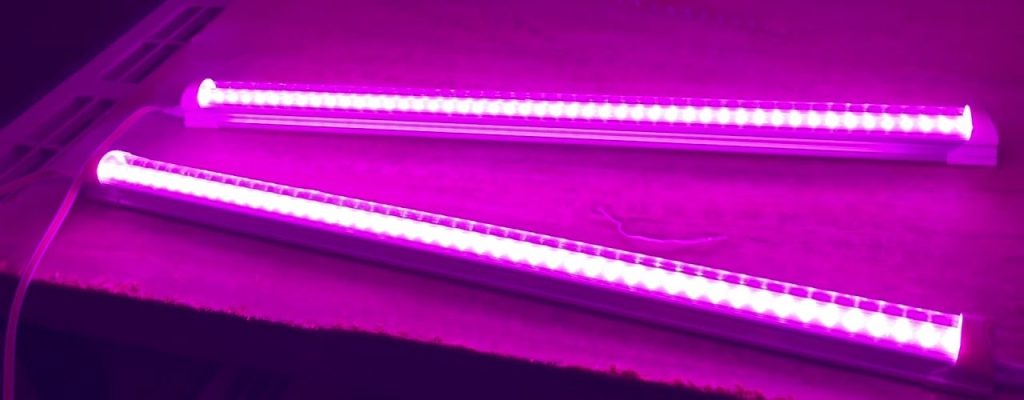
The intensity or brightness of these lights can be adjusted according to the specific needs of the plant species being cultivated and their growth phase. This precise control allows growers to manipulate various parameters like plant size, branching, and timing of flowering.
Additionally, LEDs produce negligible heat compared to traditional horticultural lighting systems like HID or HPS lamps. This characteristic minimizes the risk of temperature-related stress on plants but also necessitates additional heating sources in colder growing environments.
A Balanced Evaluation: Pros and Cons of Using LED Grow Lights
Harnessing the power of LED technology brings myriad advantages for indoor cultivation environments, especially when it comes to energy efficiency and spectral control. Firstly, LED grow lights consume less electricity compared to traditional horticultural lighting systems like high-intensity discharge (HID) lights or fluorescent lamps, offering substantial savings on energy costs over time. In addition, they have substantially longer lifespans; while a typical HID bulb may last around 10,000 hours, an LED can last up to 50,000 hours.
This longevity reduces the frequency of bulb replacement and the associated costs. Secondly, the ability to customize the light spectrum with LEDs facilitates more precise control over plant development.
By adjusting light wavelengths, growers can induce specific growth responses, optimize yield rates, and even influence the nutritional content of crops. On the flip side, initial setup costs for LED grow light systems can be higher than conventional lighting technologies due to the price of LED chips and advanced control features.
However, these costs often balance out over time because of reduced energy usage and longer lifespans. Another potential drawback is that unlike traditional lamps, which radiate heat downwards towards plants (which may contribute to their growth), LED lights generate significantly less heat.
While this decreases the risk of scorching plant tissues or drying out substrate too quickly, it also means that in cooler climates or less insulated indoor environments, additional heating equipment might be necessary. Conclusively understanding both benefits and shortcomings enables growers to make informed decisions about implementing LED technology in their unique horticultural environments.
Can an LED Grow Light Be Too Bright?
Exploring the Possibility and Implications of Excessive Brightness from an LED Grow Light
The question of whether an LED grow light can be too bright may seem paradoxical, given that plants generally need light to thrive. However, just as humans can suffer from overexposure to sunlight, plants can also experience stress when subjected to overly intense illumination. This is especially true in the case of LED lights, which have the potential to radiate intensely bright light.
The principle of photoinhibition illustrates how extreme brightness levels can reduce a plant’s photosynthetic efficiency. When light intensity goes beyond what a plant’s photosynthetic apparatus can handle, it leads to photoinhibition – a significant reduction in the rate of photosynthesis.
This occurs because the excessive energy produced cannot be used efficiently and instead harms the plant’s chloroplasts, where photosynthesis takes place. In addition to disrupting photosynthesis, excessive brightness from LED lights could generate photooxidative damage.
Under conditions of extreme brightness and energy overflow, reactive oxygen species (ROS) may form. These harmful radicals have the potential to damage various cellular components and lead to cell death.
Contrary to our initial intuition that more light equals more growth, there is indeed a threshold where an increase in brightness ceases being helpful and starts being harmful. When it comes to providing optimal conditions for growth using LED lights, precision matters.
Impact on the Photosynthesis Process
The process of photosynthesis plays a crucial role in producing carbohydrates for plant growth and development; it’s essentially how plants feed themselves. However, this process is complexly controlled by various factors, one of which is light intensity.
When plants receive an optimum level of light for photosynthesis, they thrive. Energy from light is captured by chlorophyll and used to convert carbon dioxide and water into glucose, a type of sugar that provides energy for growth.

However, when the brightness of an LED grow light surpasses this optimal level, it can hinder photosynthesis rather than enhance it. Excessive light intensity causes what is known as photoinhibition, where the plant’s photosynthetic ability decreases due to damage in its photosystem, a key component in the photosynthesis process.
This disruption prevents the plant from efficiently converting light energy into chemical energy, leading to reduced growth or even death. Consequently, while LED grow lights are beneficial for indoor gardening due to their potential for fine-tuning and customizing light conditions, care must be taken not to overwhelm plants with overly bright conditions that may disrupt their photosynthetic processes.
Potential Harm to Plant Health and Development
Beyond impeding photosynthesis, another downside of overly intense LED grow lighting is physical damage to plants. Excessive brightness can cause leaf burn or scorching – visible signs that a plant is receiving more light than it can handle.
Signs of potential harm include curling leaves and dark spots that appear crisp or dried out. These symptoms usually start from the uppermost parts of the plant closest to the source of illumination before extending downward if exposure continues.
Fruit-bearing plants can also experience damage due to excessive LED brightness. Overly intense lighting could lead to poor fruit set or stunted fruit development.
Essentially, while plants do require ample lighting to bear fruits properly, there’s certainly such a thing as too much light – negatively impacting both quantity and quality of produce. While LED grow lights have revolutionized indoor gardening by offering adjustable spectrums and intensities tailored for various stages of plant growth, they can indeed be too bright.
Excessive brightness from these lights not only interferes with photosynthesis but can also physically damage plants, impairing their growth and development. Therefore, cultivators must strike a delicate balance between providing enough light to support growth while avoiding the damaging effects of excessive brightness.
Is Your LED Grow Light Too Bright?
The Symptoms of Sunshine Stress
Just like any other living organism, plants also exhibit signs of distress when exposed to conditions that are less than ideal. When it comes to light, too much brightness can lead to what experts call ‘light stress‘. The first noticeable sign of light stress is a change in foliage color. Chlorophyll is responsible for the green hue in plants and serves as a medium for photosynthesis.
Excessive light intensity can degrade chlorophyll, leading to yellowing or white discoloration. In addition to color changes, other symptoms include leaf curling and wilting.
An LED grow light that is too bright will cause leaves closest to the source to curl upwards or downwards as an instinctive protective measure against extreme light energy. The same phenomenon explains why leaves appear wilted or scorched at times.
Decoding Patterns of Plant Discomfort
While the above symptoms may be indicative of several plant ailments, certain patterns tend to suggest excessive brightness from your LED grow lights specifically. For instance, if the yellowing initiates from the top layers and moves downwards progressively, it indicates excessive brightness since those are sections most exposed to the light source. Likewise, if some sections of your plant look healthy while others don’t – with the disparity coinciding with the amount of exposure – then this uneven growth could imply that your LED grow lights are too bright in certain areas.
Adjusting Your Luminous Liaisons
The Art of Achieving Just Enough Light
Understanding how and when you should adjust your LED grow lights’ brightness contributes significantly towards your indoor plantation’s success story. An optimized lighting environment steers clear from extremes – too dim hampers photosynthesis while too bright risks harming delicate plant tissues. The first line of action for brightness regulation lies in using dimmable LEDs.
Dimmable LEDs provide an easy way to customize light intensity at different growth stages or for different types of plants. As a general rule, younger plants and those with lower light needs will do better under reduced brightness.
Creating a Comfortable Distance
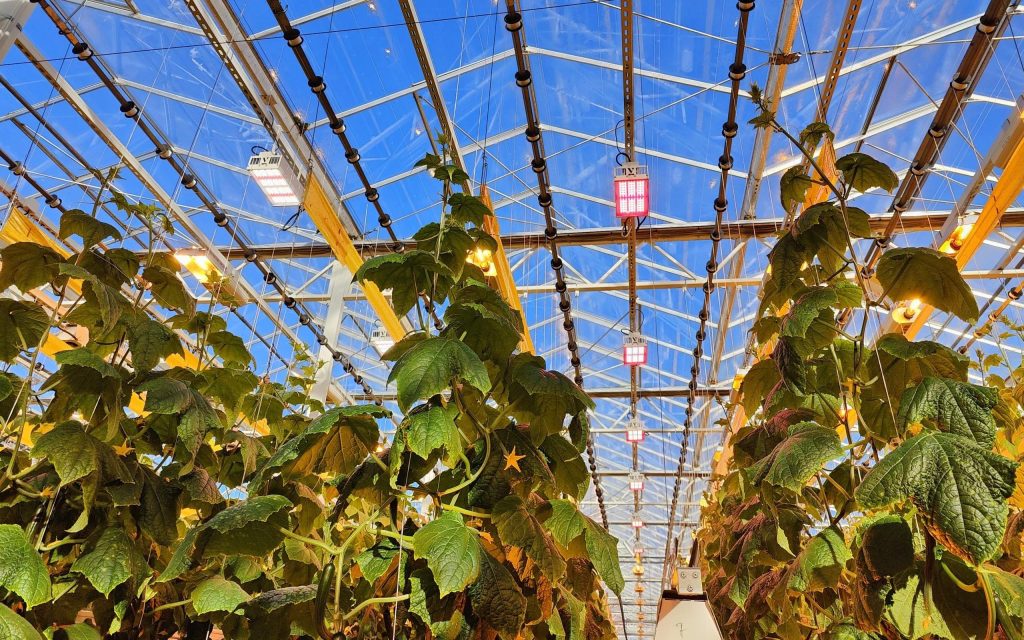
Alternatively, one can adjust the distance between the grow light and the plant. If you observe signs of excessive brightness stress but lack a dimmable LED light, simply move your plants further away from the light source. Remember that with LED lights, intensity decreases exponentially with distance. So even small adjustments can make substantial differences to your plants’ perceived brightness level.
The Bigger Picture: Considering Other Factors
Keeping it Cool: The Importance of Ventilation
While focusing on achieving optimal lighting conditions using your LED grow lights, it’s important not to forget other environmental factors that play crucial roles in plant health. One such factor is ventilation.
A well-ventilated area helps cool down bright lights that may otherwise cause heat stress to your indoor garden. Effective ventilation also encourages gas exchange – a key process in photosynthesis – ensuring that your plants have plenty of fresh air and CO2 necessary for their growth and development.
Maintaining Environmental Equilibrium
Other factors like temperature and humidity also influence how well plants handle bright lighting conditions. Generally speaking, warmer conditions coupled with high-intensity lighting can lead to dehydrated or ‘burnt’ plant tissues. Similarly, low-humidity environments make it hard for plants to maintain their internal water balance under intense light exposure – another reason why keeping track of these parameters is essential when using bright LED grow lights.
Lessons from Halcyon Horticulture: A Look at Case Studies
Growth Gone Awry: When Too Bright Becomes Too Bad
In a case from Halcyon Horticulture, a tomato plant under an overly bright LED grow light exhibited stunted growth despite providing adequate water and nutrients. The plant displayed distinct signs of light stress, including leaf yellowing and curling. When the growers reduced the light intensity, they observed significant improvements in plant health and productivity.
Turning the Tables: Successful Adjustments for Plant Health
On a more positive note, there have been numerous instances where growers successfully adjusted their LED grow lights to improve their indoor gardens’ health and yield. One such example involves an indoor herb garden that originally showed signs of light stress. By merely adjusting the distance between their herbs and the LED lights, the gardeners were able to witness improved growth patterns.
Conclusion: Can an LED Grow Light be Too Bright?
Striking A Luminary Balance
To answer our initial query, yes, an LED grow light can be too bright for your plants. However, by observing your plants closely for signs of light stress and making necessary adjustments to your grow lights or environment, you can create optimal conditions that promote healthy plant growth. Always remember – achieving successful indoor gardening is all about balance – not too much or too little but just right – the ‘Goldilocks’ zone of horticultural lighting.
You may also be interested in the following posts: