
Controversy: Are String Lights Tacky or Trendy?
A Shimmering Debate: Are String Lights Tacky?
In the realm of interior and exterior home decor, a hotly debated topic is the use and aesthetic value of string lights – a subject more contentious than one might initially perceive. There are those who ardently propound the charm these twinkling strands bring, while others vehemently dismiss them as being rather gauche, or even the worst-case scenario – tacky.
This division raises an intriguing question: Are string lights truly tacky? Or does their charm and potential beauty simply rest upon the shoulders of their judicious application? The matter certainly deserves exploration. As we delve into this seemingly simple question, we find layers that lead us to examine not only aesthetics but also cultural perceptions, historical evolution, and psychological effects linked with lighting conditions.
Lighting Up the Darkness: Contemporary Importance
In recent years, there has been a remarkable upsurge in the popularity of string lights in both interior and exterior design landscapes. Not just confined to twinkling Christmas decorations anymore, they’re now seen adorning patios for summer barbecues or adding a cozy glow to living rooms.
In short, they’ve transcended seasonal boundaries and have become year-round fixtures. Why this sudden boom in popularity? Much of it can be attributed to the ever-changing home decor trends that lean towards creating warm and inviting spaces at home.
People are seeking out ways to make their homes feel more personalized and comfortable. String lights offer an unrivaled allure when it comes to creating such atmospheres – they offer gentle lighting that can transform any environment into one imbued with warmth and tranquility.
Particularly in outdoor settings where landscape lighting plays a vital role in setting an enchanting ambiance for evening gatherings or quiet nights under the stars. With landscape string lights being used extensively to spruce up backyards or gardens for nighttime entertaining or creating magical nooks within the home, their tackiness or lack thereof is a subject that’s relevant and important.
That being said, how the string lights are used and whether they enhance or detract from the overall ambiance is heavily subjective. And it’s this aspect that we will dissect in this post.
From exploring different types of string lights to understanding their history and uses in different cultural contexts, we aim to illuminate this topic under a comprehensive lens. So, let’s flick on these metaphorical lights and venture into the captivating world of decorative lighting.
Unraveling String Lights: A Brief Introduction
String lights, as the name suggests, are a string or sequence of light bulbs attached to a wire. They are not merely sources of lighting but versatile decorative elements that add a warm and welcoming ambience to any space they adorn.

Known by various other names such as fairy lights, party lights, or Christmas lights, their use is no longer restricted to festive occasions but has extended into daily home decor. Originally created for festive decorations, these lighting elements have now crossed those boundaries and have found their place in everyday interior and exterior design.
Their ability to create soft lighting effects has made them an integral part of contemporary decor trends. From illuminating landscapes with landscape string lights to enhancing the coziness of bedrooms, the usability of string lights is expansive.
Demystifying Varieties: An Array of String Lights
String lights come in an overwhelming variety – each suited for a different purpose or aesthetic. It’s the interplay between the type, size, and style that creates distinctive moods and vibes.
One popular variant is landscape string lights – often hung outdoors around patios, decks, or gardens; they transform any outdoor space into a magical getaway after sunset. Landscape lighting using these types of string lights needs strategic planning for achieving that perfect luminous harmony with nature.
Fairy or twinkle string lights are another household favorite; their tiny bulbs and delicate glow make them ideal for indoor usage like bedroom décor or special occasion decorations like weddings. Then there’s rope-style string light, which encases mini LEDs inside a clear, flexible PVC tube, offering versatility in terms of bending around corners or curved surfaces.
Edison-style string lights offer vintage flair by mimicking old-fashioned incandescent bulbs, while LED meteor shower raindrop styles provide spectacular visual effects best suited for commercial spaces like shopping malls, hotels, etc. Solar-powered outdoor string lights harness sunlight to glow, making them an eco-friendly and economical choice for landscape lighting, especially in areas where electrical outlets are scarce.
The choice of string lights is vast – there’s something to suit every person’s aesthetic taste and every space’s unique requirement. It all boils down to the desired look and feel one aims to achieve with these twinkling delights.
String Lights: Tracing Back Their Origins
The story of string lights, a now ubiquitous form of landscape lighting, begins with none other than the inventor of the modern incandescent bulb, Thomas Edison. In 1880, he created the earliest version of what we would recognize as string lights to adorn his Menlo Park laboratory during a holiday season.
Their brilliance captivated visitors and effectively advertised the potential of electric light. A couple of years later, in 1882, Edward H. Johnson – vice president of Edison’s Electric Light Company – became the first person to use these lights as Christmas decorations.
He hand-wired 80 red, white, and blue bulbs and wrapped them around a rotating Christmas tree. This spectacle was a dazzling diversion from traditional candle-lit trees and marked a significant milestone for landscape string lights in our domestic lives.
Despite this innovative display by Johnson, electric Christmas tree lights did not become commonplace until many decades later due to their exorbitant cost and the lack of widespread electricity access. It wasn’t until an enterprising businessman named Albert Sadacca proposed selling brightly colored versions in 1917 that their popularity began to blossom.
The Evolutionary Journey: From Utility to Decorative Landscape Lighting
Originally used for practical purposes such as lighting up Christmas trees safely without the fire hazard presented by candles or illuminating spaces with minimal electrical access, string lights have evolved considerably since their inception. In the early 20th century, these were simple strands with large bulbs at regular intervals – the very picture of utilitarian design.
However, as technology advanced and tastes shifted towards more decorative lighting solutions, variations began appearing; smaller bulbs became popular for indoor use while larger ones were favored for outdoor settings, emphasizing the landscape lighting aspects. During mid-century times we see an expansion in styles, including novelty designs like lanterns or thematic shapes such as flowers or stars, which were designed to be visually appealing even when not illuminated.

This era also saw the introduction of different colored bulbs, going beyond the traditional white and exploring a vibrant spectrum that could transform any environment into a festive space. In today’s world, these lights are no longer confined to holiday decorations or festival uses; they have become an integral part of daily home decor.
Landscape string lights, in particular, have been widely embraced for their versatility and ability to add warmth and charm to outdoor spaces. Adorning patios, backyards, balconies, or even indoor spaces with string lights is now considered a popular design trend universally.
The Transformation: String Lights in Contemporary Times
Fast forward to the present day, where string lights have become synonymous with creating a welcoming ambiance, whether indoors or outdoors. They are lauded by interior and exterior designers alike for their unique ability to elevate ordinary spaces into cozy retreats.
The advent of LED technology has revolutionized how we use these decorative elements today. It made it possible for manufacturers to develop a myriad of shapes, sizes, colors, and features that catered to every conceivable decorating need. Furthermore, LED technology offers greater energy efficiency and longevity compared to traditional incandescent bulbs – features that contribute significantly towards their widespread popularity.
Today’s landscape string lights provide not just illumination but also an aesthetic appeal that enhances the beauty of our homes in remarkable ways. They can transform bare patios into enchanting alfresco dining areas or convert simple backyards into magical landscapes worthy of celebration.
In essence, string lights have come a long way from being mere Christmas decorations in Johnson’s living room over a century ago. They’ve transformed from purely functional items into versatile decorative elements that continue challenging our creativity while reshaping our lighting landscapes at home.
Perception and Use of String Lights: A Global View
The Cultural Perception of String Lights
The perception of string lights varies markedly with cultural milieu and aesthetics. In some cultures, these twinkling adornments are considered not only acceptable but also essential to certain celebrations.
The land of the rising sun, Japan, for instance, is famous for its Tanabata Festival, where beautifully illuminated string lights play a significant role in creating a magical atmosphere.
In contrast to the western notion that might label them as tacky or ostentatious, many Asian cultures see landscape string lights as symbols of vitality and festivity.
The Diwali festival in India is another illuminating example where the usage of string lights is associated with victory over darkness and the ushering in prosperity.
Conversely, Scandinavian design principles lean towards minimalism and understated elegance; hence excessive use of string lights could be considered disruptive or tacky. However, come Yuletide season, even Nordic homes embrace their warmth to break away from the monotonous winter bleakness.
European countries have a more complex relationship with string lighting. While they are commonly seen during Christmas markets across Germany, France, or Austria, creating an enchanting landscape lighting, elsewhere they may be regarded as gaudy if used excessively outside the festive period.
Meanwhile in North America, despite debates about tastefulness or tackiness, their prevalent use during holidays like Christmas often supersedes individual opinions, ensuring a widespread acceptance.
String Lights in Various Settings
String lights are not just restricted to holiday decorations; their versatility has led them to find application in numerous settings ranging from grand festivals to intimate home decor scenarios. Festivals worldwide employ landscape string lights extensively as they instantly create an air of celebration and camaraderie among attendees.
Carnivals like Mardi Gras in New Orleans or Rio Carnival in Brazil would lose much of their sparkle without these vibrant illuminations. Music festivals such as Coachella or Glastonbury also use string lights to add an ethereal touch to the landscape lighting, crafting an immersive experience for revelers.
Weddings have adopted the use of string lights in a myriad of inventive ways. They are often used to craft twinkling canopies around tables, setting a romantic ambiance that is at once magical and elegant. Their soft glow complements both grand ballrooms and intimate backyard weddings, thereby transcending boundaries of scale and style.
Turning towards home decor, string lights offer an affordable yet effective solution for transforming spaces. The bedroom is a popular spot where many choose to drape them over headboards or around mirrors for a fairy-like effect. Patios and garden areas also benefit from the strategic placement of landscape string lights, creating enchanting outdoor spaces perfect for evening socials.
Beyond these typical uses, some creative souls employ string lights in unexpected ways – as makeshift chandeliers, wall art, or even inside glass jars for some DIY magic. So despite varying cultural perceptions and debates about their tackiness, it’s evident that the versatility and appeal of string lights have ensured their continual presence in our lives.
Debate Arguments: String Lights as Tacky
The Perception of Tackiness: Overuse or Inappropriate Use of String Lights
String lights, in their wide variety of forms, can be seen adorning various spaces ranging from cozy homes to grand festival venues. However, their ubiquity has often led to the critique that string lights have become overused and are thus perceived as tacky. One can arguably liken this phenomenon to a beautiful landscape being marred by excessive landscape lighting, where the aesthetic value is compromised due to an overzealous approach.
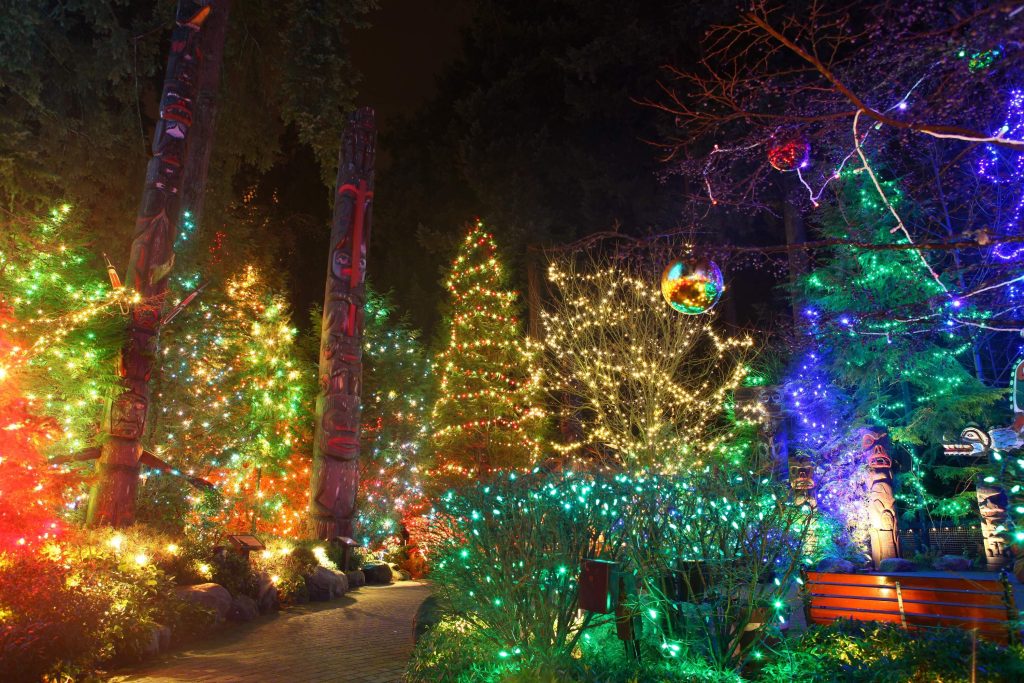
Inappropriate use may also contribute significantly to the perception of string lights as tacky. For example, deploying a set of Christmas-themed string lights for a summer garden party may seem jarring and out of context. Landscape string lights should ideally blend harmoniously with their environment and complement rather than overpower the overall ambiance.
Furthermore, a key mistake made by many is not considering the proportionality between space and lighting. Using excessively lengthy or bulky string lights in cramped settings only serves to make them feel more cluttered. Similarly, opting for tiny fairy lights in large spaces will cause them to get lost amidst the vastness.
Design Detractors: Quality and Design Issues of String Lights
Another facet influencing the perception of string lights as tacky pertains to issues concerning quality and design. Poor-quality string lights not only falter on a functional level but also display visible signs of cheapness, which severely detract from any semblance of elegance they might otherwise confer onto a space.
String light designs that are overly ornate or gaudy may also contribute towards an image of tackiness. Just like with landscape lighting, subtlety often holds more power than extravagance when it comes to enhancing aesthetic appeal.
While multi-colored string lights have long been favored for festivities such as Christmas and Diwali, their usage outside of these contexts often gets greeted with skepticism. The vibrant splash of colors might be deemed too loud or playful for more refined settings.
Counterarguments: The Design Perspective
Despite the criticisms string lights face, there are considerable counterarguments that uphold their status as a beloved decorative element. From a design perspective, string lights can indeed contribute to enhancing the beauty and ambiance of a space when used appropriately.
Tackiness often arises from thoughtless application rather than the lighting element itself. With careful planning and tasteful choices, even the humblest string lights can transform a drab setting into an enchanting space.
For instance, warm white landscape string lights woven subtly among lush greenery in one’s backyard can create a serene and magical atmosphere reminiscent of a midsummer night’s dream. Conversely, cooler tones interspersed within modern loft-style homes lend an industrial yet cozy vibe.
Moreover, it’s important to remember that taste is highly subjective and varies greatly across different cultures and individuals. While some may find multicolored string lights tacky outside festive periods, others appreciate them for their vibrancy and capacity to inject life into mundane spaces.
Whether string lights are tacky or tasteful largely hinges on their application rather than their inherent nature. As with any design element, informed choices that respect the context and purpose will yield more aesthetically pleasing results.
Case Studies: Successful Use of String Lights
A Beacon of Aesthetic Excellence: String Lights in Interior Design
In the realm of interior design, string lights have been employed to create a variety of mood-setting environments. For instance, a well-known Italian restaurant in London utilized landscape string lights to great effect. The strategic placement of these lights created an inviting environment that mimicked the streetside eateries of Italy, reinforcing the authenticity and theme.
Another sterling example is a Scandinavian hotel that infused its minimalistic design with thoughtful use of landscape lighting. Here, white string lights were set against pale wooden interiors, creating an ethereal ambiance that mirrored the Nordic aurora phenomena.
A less conventional but equally beautiful implementation can be found within bookshops and libraries. One bookshop in Paris uses string lights to illuminate its vintage collection. The soft glow from these luminous strings provides an intimate setting for readers while highlighting the rich textures and colors of antique books.
Moreover, art galleries have enlisted these lighting options as well for their exhibitions. A contemporary art gallery in New York used string lights not only as supplemental lighting but also as part of the exhibits themselves. Artists manipulated these versatile light strands into various shapes and forms, blurring the line between utility and creativity.
Co-working spaces worldwide have reimagined office environments with this illuminating décor element too. Their aesthetic yet functional use allows for concentrated task lighting while lending warmth and personality to typically sterile environments.
Stellar Lighting: String Lights Adorn Celebrity Homes and Famous Locations
The charm of string lights has not escaped celebrities’ discerning taste nor famous locations around the world. Take Hollywood actress Drew Barrymore’s home: her backyard features an array of landscape string lights draped over her patio area, creating a spectacular outdoor living space that exudes casual elegance.
Meanwhile, acclaimed actor Ryan Reynolds uses string lights to lend a whimsical touch to his rustic barn house. The warm glow accentuates the wooden beams and brick walls, reflecting the actor’s personal taste. Famous locations also showcase the beauty of landscape lighting.
A prime example is Copenhagen’s Tivoli Gardens. This venerable amusement park has been lighting up its gardens and pathways with string lights since the 19th century, creating a fairy-tale ambiance that enchants visitors from around the globe.
In California, the renowned terrace of Venice Canals offers a mesmerizing view of homes adorned with landscape string lights, casting their reflections on tranquil waters at night. The result is an enchanting atmosphere that turns ordinary evening walks into memorable experiences.
We can’t forget about the Coachella Valley Music and Arts Festival – one of America’s most famous annual cultural events. Here, landscape string lights enhance the festive vibe by illuminating various stages and art installations in an arresting display that captivates attendees each year.
The Shining Insight: Expert Opinions on String Lights
As we delve deeper into the realm of interior design, it becomes essential to consider the perspectives of those who have honed their craft in this field. Renowned interior designers have shared nuanced views about the use of string lights, and their opinions add a valuable layer to our understanding.
One such luminary in the design world, Isabella Stewart, considers string lights as a versatile tool in her design arsenal. She regards them as “soft lighting that can alter a room’s ambiance dramatically”. Furthermore, she champions the use of landscape string lights for their ability to enhance outdoor settings subtly and beautifully. “In strategic placement”, Stewart remarks, “landscape lighting can transform ordinary gardens into magical moonlit sanctuaries”.
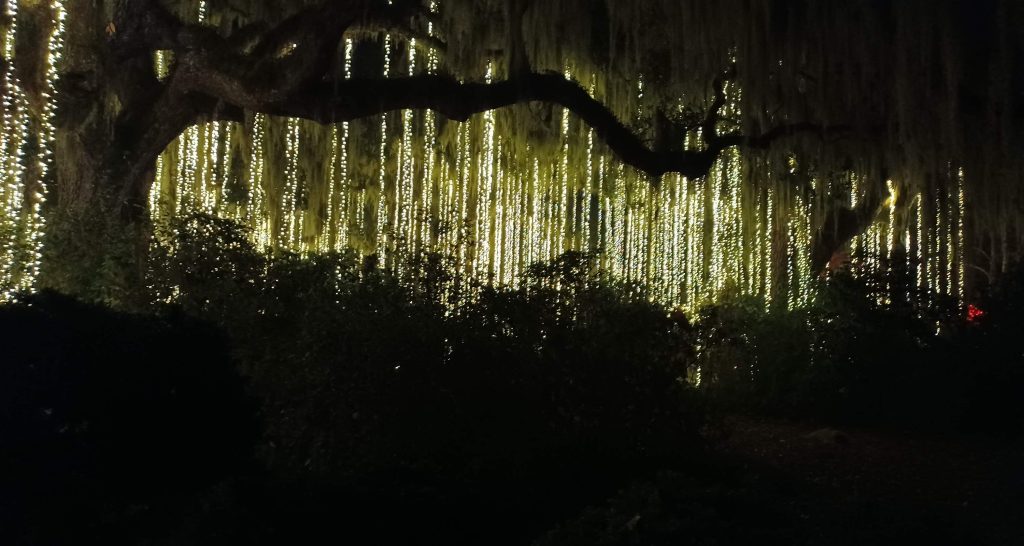
Along similar lines, acclaimed designer Harrison Black believes that string lights are at the heart of modern decor due to their flexibility and charm. He points out, though, that “choosing quality products is key. Opting for cheaply made alternatives can give off an unfavorable impression, which may be associated with tackiness”.
On another note, designer Olivia Tremaine insists on careful usage so as not to overwhelm any given space. She aptly states: “While landscape lighting holds great allure for its dreamy effect outdoors, one should always ensure it complements rather than dominates”.
Building consensus from these expert insights reveals that if used judiciously and tastefully – whether they’re sparkling inside or serving as landscape string lights – this humble decoration can indeed exude elegance rather than tackiness.
A Spectrum of Styles: Current Trends Shaping Perceptions
The current trends significantly influence our perception of decorative elements like string lights. The popularity or rejection of any item heavily relies on these tidal waves in design circles. String lights have found steady admiration within Bohemian and Rustic Chic decor trends due to their whimsical charm and warm glow.
As these styles emphasize comfort and an aura of tranquility, string lights often play a pivotal role in creating the desired ambiance. In recent years, an increasing trend is the use of landscape lighting to elevate outdoor spaces.
Landscape string lights are particularly favored for their ability to create a soft, inviting glow that can turn any yard into a charming oasis. Whether they’re wrapped around tree trunks or draped along fences, they infuse the landscape with a dreamy aesthetic.
Another ongoing trend is the minimalist movement, where simplicity reigns supreme. Herein lies an interesting paradox: while minimalism shuns excessive decor, string lights have been stealthily making their way into such spaces due to their simplicity and unobtrusive charm.
It’s also worth noting the resurgence of vintage-inspired designs where Edison bulb string lights have seen heightened popularity. Their old-world appeal combined with modern functionality echoes nostalgia and further broadens the scope for string light usage in contemporary decor.
As we continue to see variations in design trends, it becomes evident that perceptions about string lights being tacky are shifting dynamically. Their versatility and adaptability have rendered them a timeless decor accessory loved by many – truly shining light on their enduring appeal.
Tips for Tasteful Use of String Lights
Harmonizing Selection: Type, Color, and Length
String lights can come in diverse forms, each with their unique aesthetic appeal and application. Choosing the right type is vital to creating a tasteful decor. Landscape string lights provide a beautiful way to illuminate outdoor spaces like patios or gardens, while fairy lights can offer a subtle glow to indoor areas.
The color of your string lights can drastically affect their visual impact. For instance, warm white bulbs tend to foster a cozy atmosphere and work well inside living rooms or bedrooms. Colorful lights might be ideal for parties or holiday decorations, but use them judiciously to avoid creating a tacky spectacle.
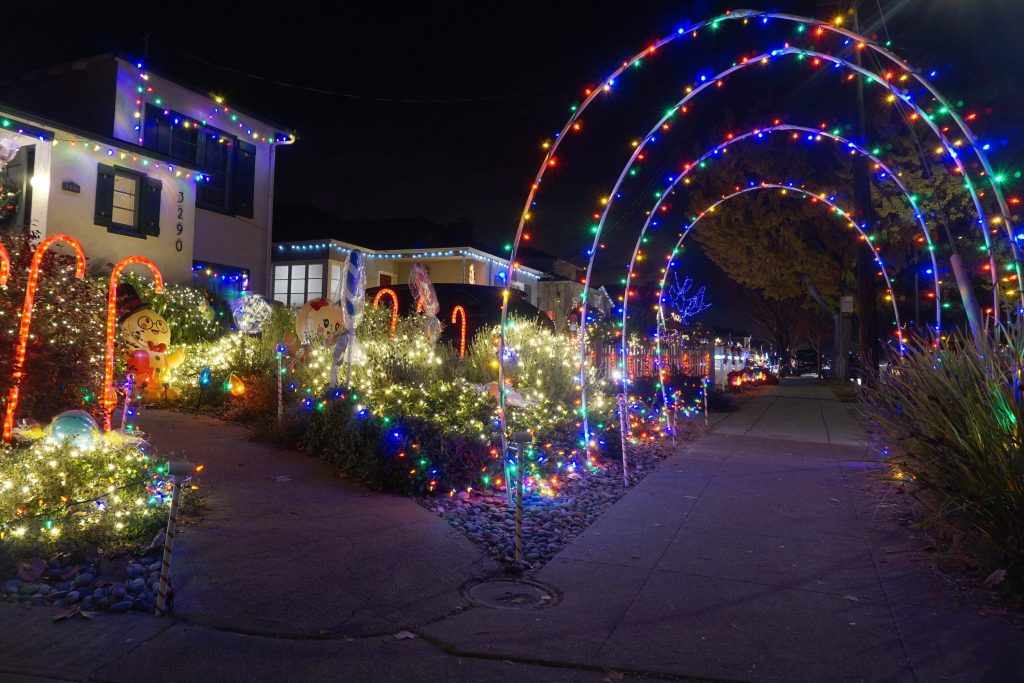
The length of your string lights is another crucial aspect to consider. It’s essential not just from the aesthetic viewpoint but also from practical considerations like coverage area and power supply accessibility. The key here is moderation: too many string lights could be overwhelming while too few might not serve the purpose.
Choosing landscape lighting tactfully involves understanding your space well – both in terms of physical dimensions as well as ambiance desired. For instance, globe-shaped bulbs lend themselves better for festive events or larger spaces due to their bright output and larger size compared with tiny fairy light bulbs that are better suited for intimate indoor settings.
In sum, choosing the right type, color, and length of string lights depends on multiple factors, including intended use, personal preference, location specifics like size and design layout, among others.
Maintaining Decor Equilibrium: Balancing with Other Room Elements
Achieving tasteful interior decor involves more than just selecting appealing items; it’s about harmoniously blending all elements together into a coherent whole – this inclusive approach extends towards integrating string lighting into your design scheme as well.
Remember that while they can make an attractive addition to room décor schemes, they should still coordinate with the remaining elements and not clash or overpower them. For instance, landscape string lights used in a garden setting should work well with other outdoor architectural or design elements like fountains, plant arrangements, or patio furniture to create an appealing overall composition.
It’s also important to consider the overall color and design scheme of the area where you intend to use the string lights. If your room has a minimalist modern decor, choosing simple white string lights could complement this setting. On the other hand, if your space has a more bohemian or eclectic style, multi-colored or differently shaped bulbs might be more appropriate.
The placement of string lights should also be strategic to ensure that they don’t overshadow other décor elements. Overhead installations can provide ambient lighting without occupying valuable wall or floor space, while placing them along walkways can guide people’s paths in outdoor settings, especially when paired effectively with landscape lighting.
Ultimately, integrating string lights tastefully into your decor requires a skillful balancing act between these flexible light sources and existing room elements. Success lies not in isolating each element but in harmonizing them into an aesthetically pleasing whole.
The Enchanted Psyche: The Impact of Lighting Conditions on Mood and Atmosphere
Lighting conditions do more than merely illuminate our surroundings; they significantly influence our psychology and mood. This phenomenon is particularly evident in the context of landscape lighting, where the choice and arrangement of lights can drastically transform the ambiance of a space.
String lights, when used strategically, have an uncanny ability to imbue an environment with distinct moods – be it festive, romantic, or serene. Scientific research has shown that lighting profoundly affects human behavior. Bright light activates our alertness and increases heart rate, making us more vigilant and responsive.
On the other hand, dimmed lights – such as those emitted by subtle landscape string lights – stimulate relaxation and intimacy, driving down stress levels. In this sense, string lights can act as a sensory cue, engendering a psychological response that sets the tone for social interaction.
Moreover, the color of lighting alters mood perceptions too. Warm hues radiate a cozy feeling while cool tones reflect tranquility. String lights often emit warm white light, which creates an inviting ambiance that fosters connection amongst people. The effect extends beyond mere perception; it also impacts physiological activity such as circadian rhythms, which regulate sleep patterns.
By manipulating lighting conditions using string lights with adjustable brightness or colors, one can effectively tailor their environment to support desired activities or emotional states. On this subtopic, considering these psychological effects created by lighting conditions provides deeper insight into why certain light designs give us specific emotional reactions.
Mastering Light Play: Enhancing Ambiance Without Appearing Tacky
Moving to our subsequent focus – how does one use string lights strategically to enhance ambiance without veering into tackiness? This question deserves considerate attention given their potential power in shaping atmosphere.
The first rule of thumb is to consider the purpose of the space. Landscape string lights can create a magical effect in outdoor spaces like gardens, patios, and decks, but they should be used sparingly and thoughtfully.
Overindulgence risks creating an overwhelming and cluttered environment, which can come off as tacky. Instead, less is more; make use of the natural features of your landscape, such as trees or trellises, to let the lighting complement the space rather than overwhelm it.
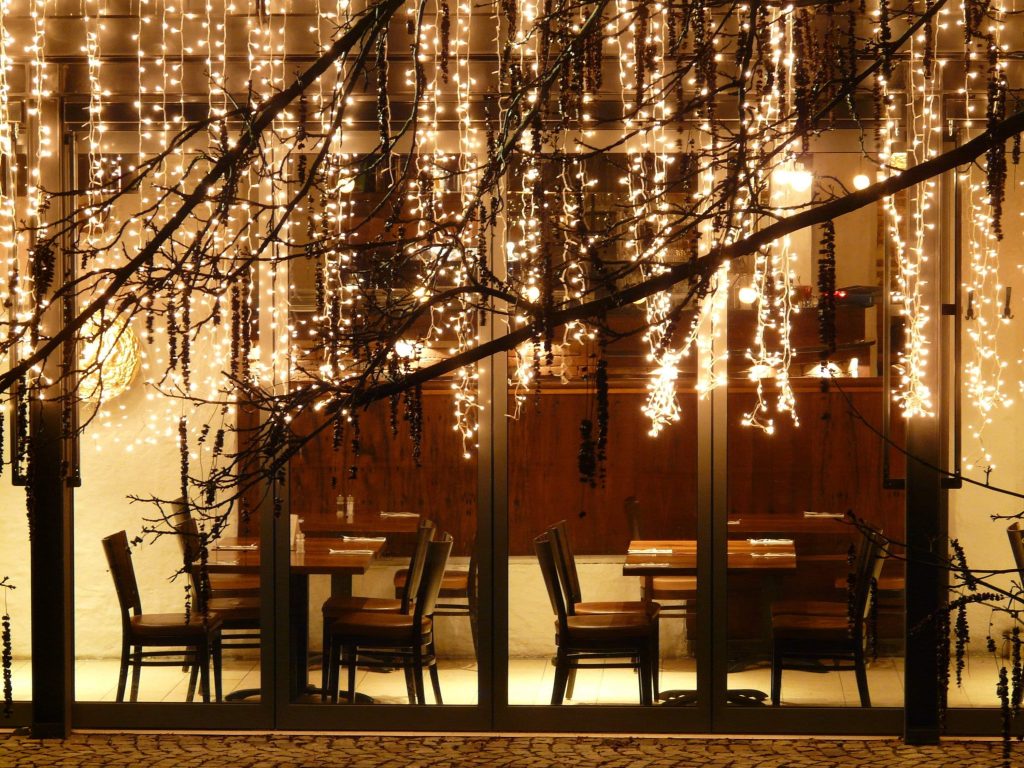
Secondly, balance is key for creating harmonious settings. String lights should work in conjunction with other lighting in the space – not against it. One might pair their twinkling warm white lights with some ambient lanterns or pathway lights to strike a visually pleasing balance.
Reflecting on material quality is also crucial. High-quality string lights not only last longer but also often provide better lighting effects and colors that enhance rather than detract from your environment’s natural beauty. Investing in waterproof and durable string lights will also ensure that they stand up to weather conditions and continue to contribute positively to your landscape’s aesthetics.
On this subtopic, the strategic use of string lights involves careful consideration of purpose, balance, quality, and restraint. By taking these factors into account when planning your landscape lighting design, you can create an enchanting atmosphere that far transcends any notions of tackiness.
Conclusion: Are String Lights Tacky?
Remembrance of Past Enlightenments
As we perambulate through this labyrinthine exploration of the contentious debate surrounding the use of string lights, it’s fitting to briefly recapitulate our journey. We delved into the world of string lights, a universe teeming with twinkling illumination and a myriad of design possibilities. These enchanting embers have been denigrated as tacky by some, while others laud their ability to transform mundane spaces into ethereal landscapes.
We journeyed back in time to trace the lineage and evolution of these luminous wonders from their initial function-focused origins to the versatile decorative elements they’ve become today. Assimilating insights from disparate cultures, we appreciated how these lights transcend geographic boundaries and contribute to festivities across continents.
Landscape Lights: A Tale of Tackiness or Taste?
Our discourse explored why some people relegate landscape string lights to the realm of tackiness, often citing overuse or inappropriate use alongside quality and design issues as their primary objections. Nevertheless, this narrative was offset by compelling counterarguments derived from tasteful design perspectives that refute the premise that these gleaming entities are inherently gauche.
We ventured further into intriguing case studies showcasing successful uses of string lights in interior design contexts that challenge any dismissive characterizations as ‘tacky’. From celebrity homes to renowned locations, we witnessed firsthand how judiciously used string lights can enhance an ambiance without slipping into vulgarity.
The Expert Opinion
Drawing upon expert opinions from eminent interior designers who wield these vibrant accessories in their creative arsenals helped shed light on current trends shaping perceptions towards landscape lighting elements like string lights. Their cogent arguments underlined how informed choices concerning type, color, length, and compatibility with other ornamental pieces can prevent any descent into tastelessness. We delved into the psychological effects that strategic application of lighting can have in enhancing mood and atmosphere, reinforcing how string lights can indeed be a potent tool for ambient augmentation when used with consideration.
The Final Thoughts
Whether string lights are labeled as tacky or tasteful is largely dependent on their application. Poorly chosen landscape lighting may indeed come across as excessive and unattractive. However, when selected with care and installed thoughtfully, string lights can transform an ordinary setting into a radiant wonderland. Like any design element, it’s not about the piece itself, but the way it’s used that determines its aesthetic value.
You may also be interested in the following posts: