
Optimal Timing for Landscaping Your New Home
Landscaping: An Art that Transforms Spaces
Landscaping, at its core, is the art of curating outdoor spaces to make them more pleasing to the human eye. It involves a diverse range of tasks that include planning layouts, planting trees and shrubs, creating flowerbeds and water features, establishing walkways and patios, putting up fences and walls, and even installing lighting fixtures.
These elements blend harmoniously to create a functional yet aesthetically appealing environment around your house. There’s more to landscaping than meets the eye. It transcends the bounds of exterior decoration; it serves as an ecosystem that supports local wildlife like birds and insects by providing habitats or food sources.
A well-landscaped garden also improves air quality by absorbing harmful pollutants while releasing oxygen. Moreover, landscaping is about enhancing your living experience. It grows with you – reflecting your changing tastes over time while also preserving an aura of familiarity.
In essence, it’s like creating a sanctuary where you can escape everyday stressors without stepping too far from home. Crucially, though, successful landscaping requires thoughtful planning – much like designing the interiors of a house.
The right placement of each element can enhance their collective visual appeal while maximizing their utility value. Yet importantly, a beautifully landscaped garden can significantly escalate property value – foreseeably up to 20%.
When prospective buyers visit your property for inspection or when guests arrive for social gatherings – the first thing they notice is your landscape. A stunning landscape creates an immediate positive impression that sets expectations for what’s inside.
The Timeliness of Landscaping Your New Home
While many homeowners intuitively understand the aesthetic benefits of good landscaping design around their properties, one aspect often overlooked in this endeavor is timing – when should one embark on this journey? The answer isn’t as straightforward as one might think because it depends on multiple factors – some within our control and others not.
Landscaping a new house is often seen as the final piece of the jigsaw puzzle that completes your dream home. Yet, it warrants careful timing. Undertaking landscaping too soon could damage the unfinished structural parts of your property, whereas delaying it unduly may lead to missed opportunities for plant growth and development.
In essence, the timing of your landscaping plays a pivotal role in how well your outdoor space evolves over time. It influences not just the growth of plants but also their health, aesthetic appeal, and long-term sustainability. For instance, planting trees or shrubs too soon after building construction can expose them to potential soil compaction from heavy construction equipment.
Conversely, waiting too long might mean missing out on optimal planting seasons, which may retard plant growth or even cause plant mortality due to unfavorable weather conditions. The key then lies in striking a delicate balance – one that allows maximum coordination between different aspects of property development while also providing each element with its due importance.
This calls for judicious planning backed by expert advice – especially when you’re dealing with something as intricate and consequential as landscaping. Therefore, understanding when to landscape a new house isn’t merely about sequencing tasks; instead, it is about creating harmony between various aspects of home creation – both inside and outside.
Understanding the Intricacies of Landscaping
Landscaping is an art and science combined, a holistic approach to outdoor space that creates harmony between the natural environment and human-made structures. Defined broadly, landscaping refers to any activity that modifies the visible features of an area of land.
This includes living elements such as flora or fauna, natural elements like landforms, bodies of water, elevation, or weather conditions, and man-made elements, including structures, fences, or other material objects.
The purpose of landscaping is multifaceted. Aesthetically, it enhances the beauty of your property by creating a visually pleasing outdoor environment. Functionally, landscaping can improve drainage issues on your property, create outdoor living spaces for relaxing or entertaining guests, and provide privacy from neighboring properties. Landscaping also serves environmental purposes such as reducing soil erosion and improving air quality by planting trees and other vegetation.
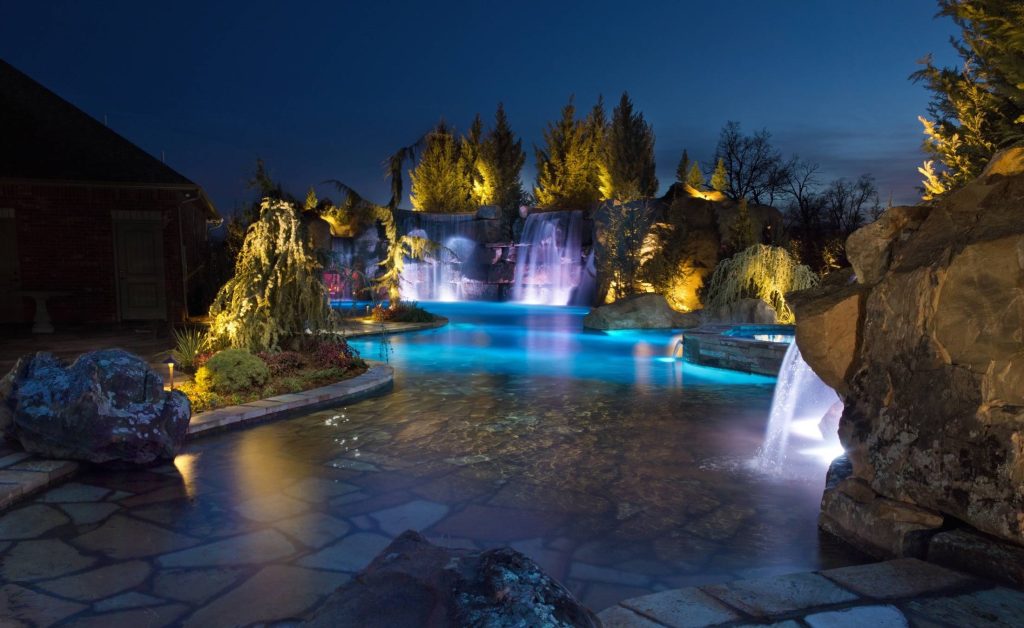
When done correctly and thoughtfully designed to fit with the surrounding environment while meeting homeowners’ needs, a well-landscaped yard can become a sanctuary that offers both physical and psychological benefits. It provides areas for recreation or relaxation while promoting connection with nature.
Crucially, though, and often overlooked by many homeowners, is that landscaping can serve as an investment tool that adds significant value to their property. Done right, it influences first impressions (visual appeal), expresses lifestyle preferences (space utilization), reflects personal aesthetics (design choices), and promotes sustainability efforts (native plantings; wildlife habitats) – all attributes highly valued in today’s real estate market.
Of course not every homeowner is equipped with green thumbs, nor do they all have time to tend to their yards diligently. Thus hiring professional landscape services becomes crucial for many in ensuring the successful execution of their landscape vision while realizing its multiple benefits.
The Components that Make Landscaping
The beauty of landscaping lies in the composite of several elements. Plants are, of course, fundamental to landscaping. They provide aesthetics through their varying colors and textures as well as functional benefits such as shade, windbreaks, and privacy.
Structural elements are equally important. These can range from simple garden paths to complex features like gazebos or pergolas. Structures can serve a practical function – for instance, patios offer a space for outdoor dining – but also contribute to the overall aesthetic appeal of the landscape.
Water features such as fountains, ponds, or waterfalls offer another layer of complexity in landscaping design. Not only do they provide visual interest, but they also create soothing soundscapes that can mask city noise and promote relaxation.
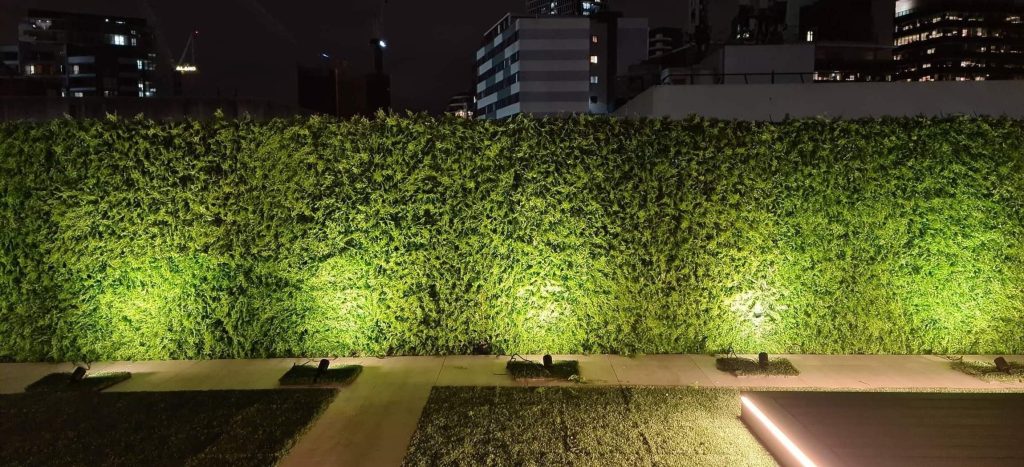
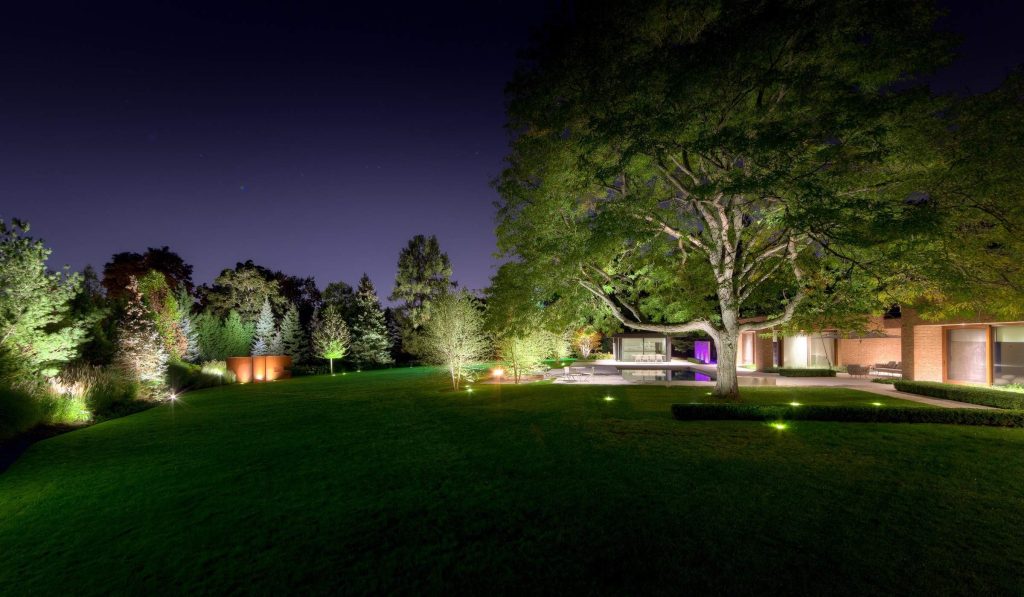
Lighting is also crucial in any landscape design. It extends the use of outdoor spaces into nighttime hours while increasing safety and security on your property. Effective lighting setups highlight architectural features, illuminate pathways, and create dramatic effects when spotlighted on certain plants or trees.
In addition to these primary components, ornamental accessories (birdbaths, sculptures), functional installations (irrigation systems), and sustainable practices (composting areas; rainwater harvesting) all form pieces of a comprehensive landscape project that coalesce into stunning outdoor spaces when meticulously planned.
Landscape Design: Boosting Property Value
A well-designed landscape not only gives pleasure to homeowners but significantly contributes toward enhancing a home’s value on real estate marketplaces. Research shows that investing in professional landscaping can increase property value by 6%-12% compared with other homes with no or lesser-quality landscapes.
Visual appeal plays a vital role here: first impressions matter significantly when potential buyers are house hunting. A beautifully landscaped front yard immediately attracts attention and makes people visualize themselves living there – enjoying morning coffee on a garden bench or entertaining friends on a patio.
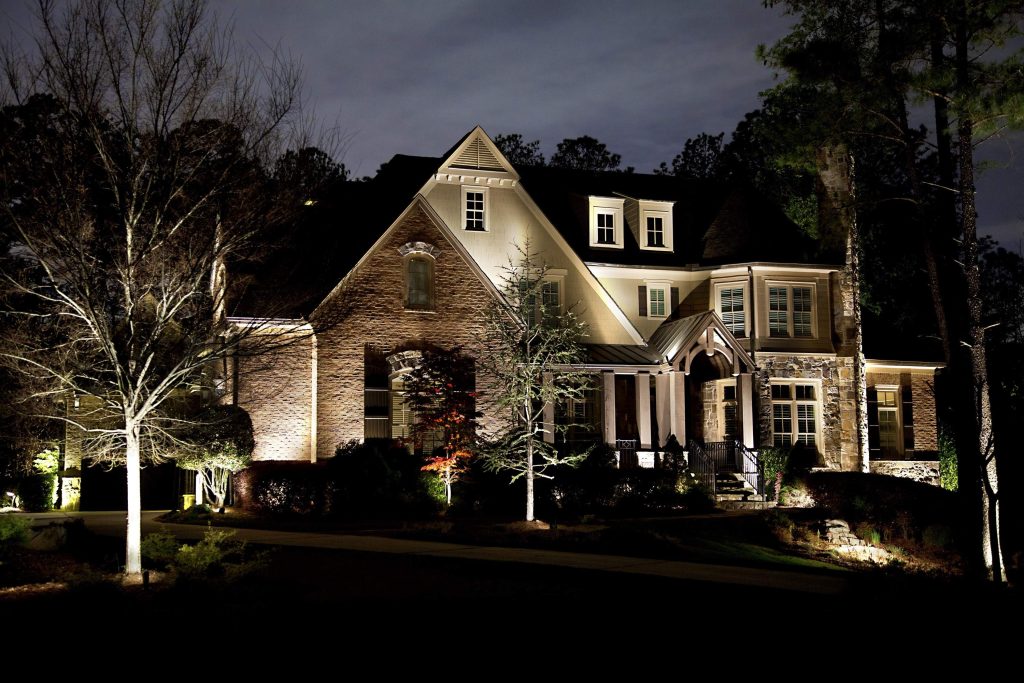
Moreover, landscape design also has an emotional value to buyers. A garden filled with vibrant flowers and lush trees gives the impression of a healthy, well-cared-for property that can sway potential buyers into paying more for the house.
Landscape features such as patios and decks are also seen as extensions of the living space, which often leads to higher valuation. Outdoor kitchens and fire pits are coveted amenities in certain regions, particularly where outdoor entertaining is popular.
It’s important to highlight that while landscaping certainly boosts property value, the return on investment largely depends upon intelligent planning that aligns with market tastes while fitting into local climate constraints. For homeowners looking at a future sale, professional landscape design thus becomes not only an aesthetic or lifestyle choice but also a savvy long-term investment strategy.
Deciphering the Best Time to Landscape a New House
The Imperative Role of the Construction Timeline
The timing of landscaping a new house is pivotal. A crucial aspect often overlooked is harmonizing it with the construction timeline. Synchronizing these two activities effectively avoids any potential damage to the landscape due to ongoing construction work, thus saving time and resources.
Landscaping should ideally commence once the heavy equipment used in construction has been cleared off the property. This eliminates any likelihood of landscaped areas being inadvertently used as access routes or storage areas for construction material. Furthermore, executing them concurrently may lead to an inadvertent compromise on either, or both, owing to divided attention.
Paying heed to the home’s architectural plan while making landscaping decisions can add significant value too. This includes considering aspects such as window placements and external door locations, which could influence pedestrian traffic patterns and play a key role in shaping your outdoor space. It’s also important to allow for some settling after construction finishes before initiating landscaping efforts.
Newly built houses often suffer from soil compaction caused by heavy machinery during building, which can result in soil sinking over time. Aligning your landscaping project with your home’s construction timeline helps maintain a smooth workflow, prevents landscape deterioration due to construction activities, and ensures optimal use of both space and resources.
Ideal Time Frames for Various Plant Types
While contemplating when to landscape your new house, understanding ideal planting times for various plant types – trees, shrubs, or flowers – becomes imperative.
Trees are generally best planted in early spring or fall when temperatures are moderate and rainfall abundant. Cooler weather minimizes stress on newly planted trees, enabling them to establish strong root systems before winter dormancy or summer heat sets in. However, trees that are balled and burlapped can be planted throughout the growing season, provided they are adequately watered.
Similarly, shrubs thrive best when planted in spring or fall. This gives them ample time to establish roots before hot summers or harsh winters. Summer planting is generally discouraged due to high temperatures and low rainfall, which can stress young shrubs.
As for flowers, annuals are typically planted in spring after the last frost, while perennials do well when planted in spring or early fall. Bulbs, on the other hand, need a cold cycle to bloom properly and are usually planted in fall for a spring bloom.
These time frames vary based on local climate conditions and specific plant species. Therefore, consulting with a local nursery or landscaper is recommended for accurate advice tailored to your specific situation.
The Seasonal Aspects of Landscaping
Seasons profoundly impact landscaping choices. Spring and fall emerge as ideal periods because moderate temperatures facilitate easier establishment of plants without putting them under extreme stress from heat or cold. Both seasons provide an excellent window for planting most trees and shrubs.
In contrast, summer with its intense heat could prove detrimental for many young plants despite regular watering. Moreover, summer landscaping requires diligent maintenance, including frequent watering, which could lead to increased utility bills.
Fall presents an opportune moment as well; it allows plants to establish strong root systems over winter without having to simultaneously support leafy growth on top. Some might argue that you may not get the instant gratification of seeing your yard bloom immediately, but the payoff come next spring is absolutely worth it!
Winter landscaping has its own unique charm too – with careful planning, one can create a beautiful winter wonderland using evergreens, hollies with bright berries, and trees with interesting bark textures. However, harsh weather conditions might limit the scope and types of tasks executable.
Seasonal considerations thus play a key role in determining the success of your landscaping project. Choosing the right season based on your plant selections, local weather patterns, and personal goals can ensure a thriving landscape that serves both functional and aesthetic purposes.
Landscaping During Construction: A Strategic Approach
There’s a certain allure to having your new home’s landscaping completed before the final coat of paint dries. This approach allows homeowners to move into a fully realized vision, with the aesthetics of both the structure and the surrounding landscape working in harmonious concert. However, like any strategic decision, landscaping before construction finishes presents both advantages and challenges.
One notable advantage is that pre-construction landscaping can reduce overall project time. By working in tandem with builders, landscapers can utilize times when construction activity is less intense. This approach also allows for more creative designs as planners have free rein without worrying about damaging completed structures. However, this strategy isn’t without its pitfalls.
Landscaping during construction may lead to potential damage from ongoing construction activities or even incidental destruction by heavy machinery. The impact on the construction process itself can be both positive and negative. Coordinated efforts between landscapers and builders can ensure seamless integration of home and garden designs, potentially enhancing overall aesthetics and property value.
Conversely, lack of coordination could lead to logistical problems that slow down progress for both parties. There are numerous case studies illustrating successful pre-construction landscaping projects – sprawling estate homes seamlessly blended into their natural surroundings or urban dwellings incorporating green spaces in their blueprints from inception are just a few examples.
Landscaping Immediately After Construction: Instant Gratification versus Potential Pitfalls
Landscaping immediately after construction offers instant gratification – a finished house accented by strategic greenery provides immediate visual appeal, enhancing its aesthetic value significantly right off the bat. Also, having fresh gardens and lawns provides an extra layer of joy for new homeowners settling into their residences.
However, landscaping immediately after construction poses specific risks, such as soil settlement issues, which often occur post-construction due to changes in soil density during building activities, causing uneven ground or even structural distortion in extreme cases.
To successfully landscape immediately after construction, consider these tips: ensure adequate soil preparation by allowing time for the ground to settle and choose plant varieties that are sturdy enough to thrive in newly disturbed soil. Engage with a professional landscape architect who can guide you to make informed decisions.
Waiting Period Before Landscaping: Patience Pays Off
There are compelling reasons for homeowners to exercise patience and wait before initiating their landscaping project. Primarily, this period allows for soil settling post-construction, reducing any risks of uneven terrain or plant displacement in the future.
A waiting period also provides time for budget allocation toward landscaping, which could be significant depending on your design aspirations. The optimal waiting period often depends on the type of construction and local climate conditions but generally ranges from a few weeks to several months.
The benefits are considerable: healthier plants due to settled, undisturbed soil; reduced risk of landscape damage caused by post-construction activities; and potential cost savings through planned and phased implementation.
While waiting to landscape, simple strategies can protect your property, such as using erosion control methods like mulching or installing temporary windbreaks – these ensure that when you’re ready, your land will be too.
Professional Advice on Timing Your Landscape Project
Professionals bring a wealth of experience that helps homeowners navigate the complex decision-making process about when to start a landscape project. An expert opinion carries weight because it encompasses numerous factors, including an understanding of local conditions (both climatic and legislative), knowledge about various plant species’ growth habits, soil types in your area, among others. These professionals advise based on the specific characteristics of each project – no one size fits all solution exists here since every property is unique with its set of variables ranging from size and shape all the way down to microclimatic conditions.
Niche Subtopics – Rarely Known Details about Timing Your Landscape Project
Interestingly, the impact of local climate and weather patterns on timing decisions for landscaping is rarely given enough prominence. The local climate dictates which plants will thrive and when they should be planted. For example, some shrubs do best when planted in the cool season, while others prefer warmer months. Soil types too significantly influence when to start your project. Some soils, like heavy clay, may need significant amendments before planting can begin – a time-consuming process that should be factored into your timeline.
Conclusion: When Should We Landscape a New House?
Landscaping your new home is an exciting undertaking that requires strategic planning and understanding of various factors such as construction timelines, local climate conditions, and soil types. Whether you choose to landscape pre-construction, post-construction, or wait for a period depends on your unique circumstances – each approach has its merits and potential challenges. Patience, along with professional guidance, ensures a successful outcome: a beautifully landscaped home that enhances both property value and quality of life.
You may also be interested in the following posts: