
Convenient and Easy-to-Install Landscape Lighting
Introduction to Landscape Lighting: A Luminous Journey
Landscape lighting, an often-overlooked aspect of exterior design, is the art and science of illuminating outdoor spaces to enhance their aesthetic appeal and functionality. This creative practice provides a unique way to highlight architectural elements, draw attention to garden features, or simply light up pathways for safety reasons.
From a quaint suburban backyard to a sprawling urban park, landscape lighting breathes life into these spaces after sundown, transforming them into lighted masterpieces. Though it primarily exists in the realm of exterior design and architecture, landscape lighting transcends disciplinary boundaries and delves into the worlds of art and technology alike.
The choices range from traditional lamp posts that exude an old-world charm to modern LED installations that create mesmerizing geometric patterns. Every lighting type serves a unique purpose: spotlights for emphasizing certain features, floodlights for wide-scale illumination, path lights for safety and walkway lighting, and many more.
The Radiant Impact: Importance & Benefits of Landscape Lighting
The importance of landscape lighting extends far beyond surface beautification. At its core, it is about the fusion of safety with aesthetics. Well-lit paths prevent stumbling accidents in the dark while warding off potential intruders by eliminating hiding spots around your property. In essence, proper landscape lighting adds an additional layer of security to your abode.
From an aesthetic viewpoint, strategically placed lights can dramatically transform your outdoor space after sunset. It brings out the beautiful textures or colors in your garden or highlights architectural details on your house façade that may go unnoticed during daylight hours. Be it showcasing a beautiful sculpture or painting leaves with dappled light, myriad possibilities unfold when you decide to light up your outdoors.

Apart from these functional and aesthetic purposes, investing in good landscape lights can also increase your property’s value. Prospective buyers appreciate a well-lit exterior as it not only enhances the property’s visual appeal but also indicates thoughtfulness in design and maintenance.
Moreover, landscape lighting contributes to community safety. Well-lit streets and alleys deter criminal activities, making neighborhoods safer places to live in. Additionally, they can facilitate socializing after dark as they create welcoming spaces for neighborhood get-togethers or outdoor parties.
Selecting Your Luminous Companions: Factors to Consider when Choosing Landscape Lighting
The task of choosing the right landscape lighting can indeed be an overwhelming endeavor given the wide array of options available today. However, understanding certain key factors can significantly ease this decision-making process.
Firstly, it is essential to consider your primary purpose for installing outdoor lights: is it purely functional – illuminating dark corners or pathways – or aesthetic – highlighting certain architectural elements or garden features? This will guide you towards a more refined set of choices.
Secondly, the scale and layout of your outdoor space play a pivotal role in determining appropriate lighting options. A vast lawn may require floodlights for widespread illumination, whereas intimate patio areas could be lit up beautifully by smaller accent lights or decorative lanterns.
The third factor is related to the style and aesthetic preference of your home exterior. Traditional homes may benefit from classic lantern-style lamps, while modern homes might look better with sleek spotlights or path lights with clean lines and minimalist designs. An important aspect here is consistency; ensuring that your light fixtures maintain coherence with each other as well as with the overall theme of your house façade.
Last but certainly not least, climate conditions are crucial considerations in selecting durable lights that will withstand local weather extremes while maintaining their beauty over time. From solar-powered lights suitable for sunny regions to rust-proof options for coastal or rainy areas, select a lighting solution that matches your local weather patterns.
Choosing landscape lighting is a combination of aesthetic preference, functional requirement, and practical considerations. While it may seem daunting at first glance, with careful evaluation of these factors and some creative exploration, you can embark on a luminous journey to transform your outdoor space into an enchanting nightly spectacle.
Understanding Different Types of Landscape Lighting
Spotlights: Enhancing Features and Ensuring Safety
To begin, let us cast some light on the world of spotlights. Spotlights, as their name implies, concentrate a beam of light onto a specific area or feature. They are often used to highlight key architectural features of a home or to accentuate ornamental plants and trees within the garden.
Moreover, spotlights serve dual purposes, as they can also be instrumental in enhancing security. Their directed beams can brightly illuminate shadowy areas where potential trespassers might lurk, thereby serving as an effective deterrent.
The installation process for spotlights is relatively straightforward but requires some planning. The fixtures are typically fastened onto stakes that must be firmly anchored into the ground at your chosen location. A trench would need to be dug for laying the cable that connects these lights to an electrical source.
Adequate spacing between each spotlight is critical for achieving optimal lighting without overpowering brightness. Once the entire assembly has been connected and buried appropriately within your garden’s terrain, you can step back and marvel at your well-lit masterpiece under the night sky.
Path Lights: Guiding Steps with Elegance
Moving along our illuminated path of knowledge, we encounter path lights that serve both decorative and safety purposes. Path lights stand low to the ground and project soft rays downwards to outline walkways or stairs. They not only add charm to any landscape design but also make navigation easier after dusk by illuminating obstructions in paths that could potentially lead to tripping hazards.
The installation process involved with path lights is similar to that of spotlights; however, it is often even more straightforward owing largely to their shorter stature. Typically, path lights come attached to stakes that are easily pushed into the ground along designated pathways, with each light being connected through a series of low-voltage cables.
It is typically recommended to place path lights approximately 10 feet apart for optimal visibility. Once installed, you’ll find your garden paths are not only safer but also lend a delightful charm to your outdoor space in the evenings.
Floodlights: Security Meets Illumination
Let us flood our minds with knowledge about floodlights. These powerful fixtures emit a wide, bright beam of light and are often used to illuminate large areas such as driveways, backyards, and patios. They’re ideal for deterring unwanted visitors and providing safe lighting for outdoor activities after sundown.
Floodlight installation can be somewhat more complex than spotlights or path lights due to their increased power requirements and mounting process. Unlike the other two types, which use stakes driven into the ground, floodlights typically require mounting onto an existing structure such as a wall or post.
After deciding on an optimal location that would provide maximum coverage of the intended area, you’d need to secure it firmly using the provided screws or brackets. The subsequent step involves connecting it to an electrical source, which is often located within your home’s primary power supply system.
Care should be taken during this process due to the potential hazards associated with working around electricity. Once installed, however, their widespread lighting capacity makes them one of the most effective outdoor lighting options available today.
Easiest Landscape Lighting to Install: Solar Lights
Shedding Light on Solar Lighting
Solar lights, as the name suggests, garner their energy directly from the Sun. During daylight hours, sunlight cascades upon small solar panels typically embedded on top of the lighting fixtures. The panels are composed of photovoltaic cells that have a natural proclivity for converting sunlight into electrical energy.

This conversion process is known as the photovoltaic effect. This stored electrical energy is then accumulated within rechargeable batteries that are fully integral to the system. As dusk falls and natural light recedes, sensors within each solar light prompt the release of this stored energy. It is then used to power LED lamps that illuminate your landscape throughout the twilight hours.
As dawn breaks and sunlight once again permeates your garden or yard, this cycle recommences – the solar lights cease drawing from their battery reserves and start accumulating solar energy afresh for use during subsequent nights. Indeed, with no need for external power sources or intricate wiring systems, these self-sustaining lighting devices exemplify simplicity in operation.
The Luminous Benefits of Solar Lights
The advantages conferred by solar lights range far beyond mere installation convenience; they also impart significant environmental benefits and cost savings. Starting with their green credentials, it’s noteworthy that solar lights utilize a renewable source of energy – our Sun – making them an eco-friendly choice par excellence.
By eschewing traditional electricity usage for lighting your outdoor spaces at night, you consequently diminish your overall carbon footprint. Moreover, they require no ongoing utility costs after purchase due to their self-sustaining nature – a considerable long-term economic benefit that should not be understated.
Additionally, meteorological conditions notwithstanding, modern-day solar landscape lighting maintains remarkable operational resilience even during less sunny intervals owing to improvements in photovoltaic technology and battery efficiency.
In terms of lifespan, solar lights are comparably durable to their mains-powered counterparts, with LED bulbs typically lasting for thousands of hours. Additionally, the batteries within solar lights can be replaced, often only requiring this maintenance every couple of years.
It’s worth noting that technological advancements have seen improvements not only in the functional attributes of solar landscape lighting but also in aesthetic diversity. Today’s market offers an array of styles and designs that accommodate a multitude of tastes and outdoor décor themes. This makes solar lighting not just a practical choice but also one that can enhance your landscape’s visual appeal after dark.
Detailed Guide on Installing Solar Landscape Lighting
A Comprehensive Toolkit for Installation
In order to effectively install your solar landscape lighting, there are some essential tools you will require. First and foremost, you will need a dedicated set of solar lights. These come in various sizes and styles to suit both your functional requirements and aesthetic preferences.
Secondly, a shovel or garden spade is vital for digging the small holes where you’ll place the lights’ stakes into the ground. A measuring tape helps ensure consistent spacing between each light for a uniform look across your outdoor space.
Aside from these basic tools, it’s also beneficial to have gloves for added protection during installation, plus a level to verify that each light is positioned straight and not leaning awkwardly. Some manufacturers include specific installation tools in their kits; make sure you familiarize yourself with them beforehand.
Step-by-Step Procedure for Solar Light Installation
The installation process begins with first planning out where each light will be placed. It’s important to visualize the overall design and layout in order to create an appealing ambiance. Once this is done, use your measuring tape to calculate exact distances between each planned location.
Starting at one end of the planned arrangement, use your shovel or garden spade to dig a hole deep enough for each light’s stake. The aim here is not too deep, as that would cause the light to sit too low; instead, aim for just enough depth so that they are secure in their position.
Next comes placement of the lights themselves – place them into their respective holes, ensuring they’re securely positioned and straight using your level if needed. Once all lights are positioned properly, it’s time for testing: switch on your newly installed solar lights!
They should begin absorbing sunlight immediately during daylight hours and automatically lighting once dusk arrives. The final step involves slight adjustments or repositioning if necessary based on the lighting effect, ensuring that your outdoor space is illuminated just as you envisioned.
Optimal Placement for Maximum Sunlight Absorption
To get the most out of your solar landscape lights, placement is crucial. Solar lights work by absorbing sunlight during the day through their solar panels and turning it into electricity to power the lights at nightfall. Therefore, placing them in areas where they can receive plenty of direct sunlight is essential.
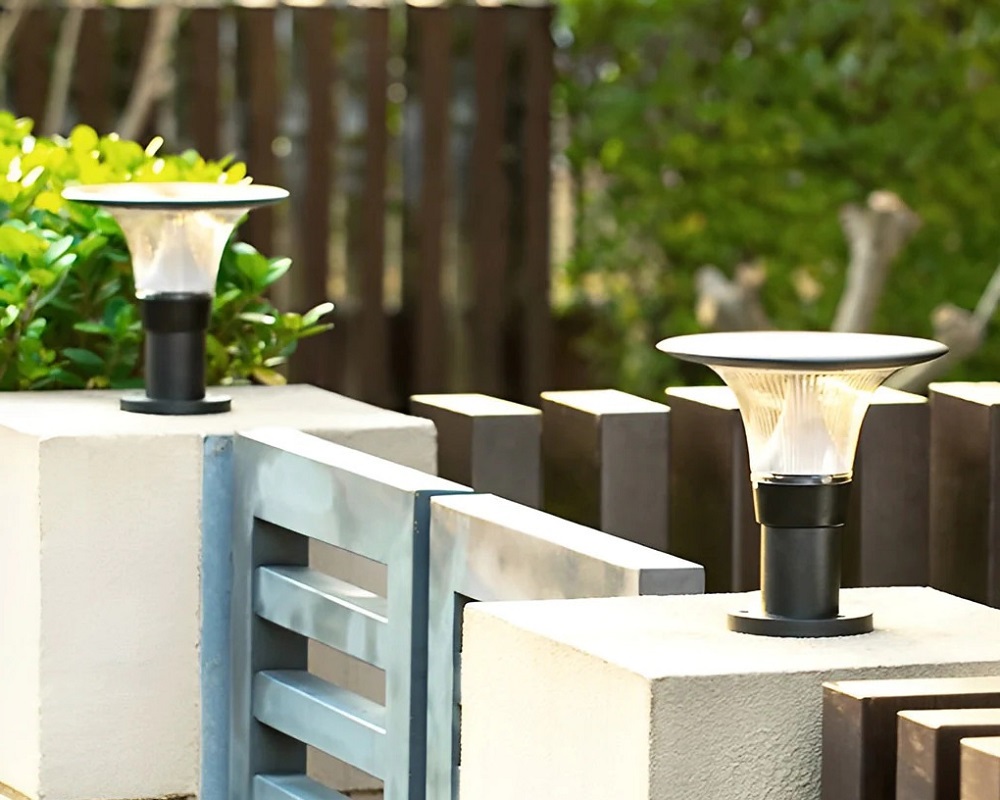
When positioning your solar landscape lights, avoid areas where shadows are cast from trees or buildings during peak sun hours. These shadows can significantly reduce sunlight absorption. Additionally, consider seasonal changes: as the sun’s position shifts throughout the year, so too may shadow locations. Therefore, periodic adjustments to light positions may be necessary for optimal performance.
The direction in which solar panels face also affects absorption efficiency; typically, southern-facing positions (in the Northern Hemisphere) yield better results due to higher exposure levels to sunlight. Ensure each light isn’t casting a shadow on its immediate neighbors – this could reduce their ability to absorb enough sunlight and result in uneven lighting once night falls.
Shedding Light on Parallels: Comparisons with Other Types of Landscape Lighting
A Journey through Installation Processes
When comparing landscape lighting types in terms of installation difficulty, it is crucial to acknowledge the differences between the various types.
Spotlights, though powerful and undeniably attractive, require a certain level of electrical knowledge for their installation. This is due to the wirings that must be carefully arranged and tucked away for safety reasons.
Path lights, on the other hand, are relatively easy to install but require meticulous planning in terms of pathway design and spacing. Each light must be strategically placed to ensure visibility along the path without overwhelming its aesthetics.
Floodlights typically demand a higher degree of expertise during installation due to their high-powered nature. They are usually mounted onto walls or trees, which necessitates using drills, screws, and occasionally even wiring adjustments depending on their power source.
Wall lanterns and post lights also come with their own set of challenges, including mounting fixtures and sometimes connecting with an existing electrical system.
In contrast, solar lights stand as a beacon of simplicity amidst this spectrum, as they are virtually hassle-free, requiring no hardwiring or special tools for placement.
Maintaining Radiance: A Look at Maintenance Requirements
Maintenance requirements also play a significant role when comparing different types of landscape lighting. Spotlights often necessitate bulb replacements when they burn out, in addition to regular cleaning to ensure optimal performance.
Path lights generally require less maintenance but can become obscured by overgrown plants or debris if not regularly checked upon. Floodlights might need occasional scrutiny because their elevated placement can make them prone to weather elements, thereby affecting their efficiency over time.
Wall lanterns generally need regular cleaning, especially if they consist of glass panels, while post lights might have additional maintenance steps depending on whether they are made from metals prone to rusting or wood susceptible to rotting.
Solar lights, however, need minimal maintenance. Regular cleaning of solar panels to ensure maximum efficiency and occasional battery replacements are typically the only requirements. This makes them an ideal option for those seeking a low-maintenance landscape lighting solution.
Tips on Choosing the Right Landscape Lighting for Your Needs
Considering the Size and Layout of Your Outdoor Space
As you venture into the realm of landscape lighting, contemplating the size and layout of your outdoor space is paramount. Larger landscapes may necessitate a more comprehensive lighting system to adequately cover all areas, while smaller spaces may only require a few key lights to create an intimate ambiance. Survey your land during various times of day to understand how natural light interacts with your space and identify darker areas that could benefit from additional lighting.
Layout is equally vital. The contours, topography, and physical structures within your landscape can either accentuate or diminish your lighting’s effectiveness. For instance, installing lights around architectural features or water bodies can create stunning visual effects while also improving safety. Similarly, trees or taller bushes might be ideal for hanging lights that cast an engaging downward glow.

Bear in mind pedestrian pathways and high-traffic areas when choosing your landscape lighting. Thoughtfully placed path lights guide guests around your property safely while drawing attention to beautiful flower beds or other design elements along the way. Consideration of these factors will culminate in a harmonious blend between practicality and aesthetics.
The choice between wired, solar-powered, or battery-operated lights can also hinge on your landscape’s layout. Wired systems require careful planning to ensure cords are safely routed around walkways and living spaces, whereas with solar-powered fixtures, this concern is eliminated due to their wireless nature.
All these factors combined dictate not only how many light fixtures you need but also their type, power source, positioning, and brightness level – painting a unique picture that brings out the best in your outdoor space.
Factoring in Climate Conditions
Resilience against weather variations plays an influential role in selecting appropriate landscape lighting. The geographical location of your property largely dictates the climatic conditions it will endure, thereby shaping your lighting choices.
In regions prone to heavy rain or snow, opt for waterproof and durable lights that can withstand such harsh conditions. Similarly, coastal areas with salty air demand corrosion-resistant materials to prolong the life of your lights. It’s not just about picking a light; it’s about choosing a warrior prepared to weather any storm.
Climate also impacts the effectiveness of solar-powered lights. While they are an environmentally friendly and easy-to-install option, their performance may be hindered in areas with minimal sunlight. Hence, an understanding of your locality’s climate will serve as a compass guiding you towards the most suitable landscape lighting.
The extreme temperatures in desert areas may affect the lifespan of light bulbs and fixtures. LED lights are generally more resilient in such conditions compared to halogen or incandescent bulbs. To ensure longevity, consider investing in high-quality LED fixtures specifically designed for outdoor use.
In essence, selecting landscape lighting should not only be guided by aesthetic preference but also by inherent adaptability to cope with varying climate conditions.
Thinking about Style and Aesthetic Preferences
Landscape lighting is not simply functional; it is an extension of your personal style and enhances the overall aesthetic appeal of your outdoor space. Whether you lean towards traditional elegance or modern minimalism, there exists a cornucopia of design options that align with your stylistic preferences.
If classic charm tickles your fancy, lantern-style path lights or fairy string lights might provide that quaint touch you desire. For those partial towards contemporary designs, consider sleek spotlights or geometric pendant lights, which could offer a clean-cut look while highlighting key features within your landscape.
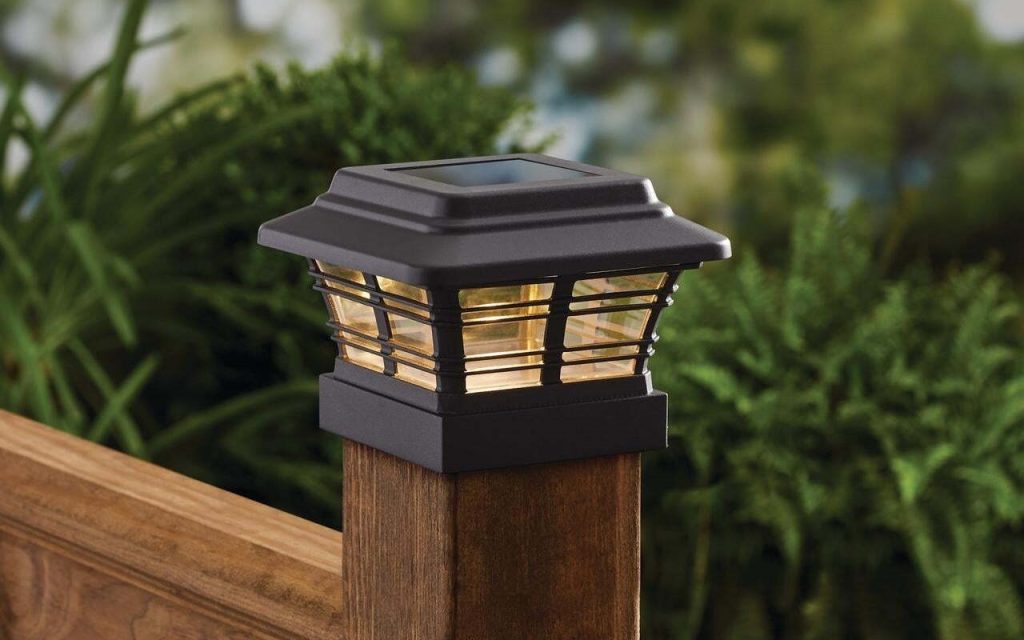
Color temperature plays a significant role in setting the mood for each area within your landscape. Warmer tones tend to create a comfy, welcoming atmosphere – perfect around seating areas or fire pits – while cooler tones create a crisp brightness beneficial for illuminating paths and entranceways.
The material of your light fixtures also contributes to the overall aesthetic appeal. Metals such as brass or copper impart a rustic charm and develop a uniquely beautiful patina over time. Alternatively, stainless steel or black-painted fixtures deliver a sharp modern look and are often easier to maintain.
By taking style and aesthetic preferences into account, you curate not merely an illuminated landscape but an enchanting nocturnal canvas where shadows dance with light in visual symphony.
Conclusion: What Type of Landscape Lighting Is Easiest to Install?
A Recap on the Simplicity of Solar Lights
In the context of effortless installation, solar lights indisputably shine brighter than their landscape lighting counterparts. With no need for wiring or even an electrical source, they sidestep the usual complications that can often arise with other types of outdoor lighting. Furthermore, solar lights are built to withstand diverse weather conditions, and their intuitive design permits easy replacements when required.
Their operation is straightforward: they absorb sunlight during the day and glean energy from it to power their lighting during nighttime. This simple process requires minimal intervention from the homeowner – a factor that undeniably adds convenience to its ease of installation.
Being self-contained units, solar lights do not necessitate any external connections, thereby eliminating any potential for mishaps associated with incorrect wiring or short circuits. The installation merely entails staking them into the ground in a suitable location where they can receive ample sunlight – a task that is unchallenging even for novice DIY enthusiasts.
Putting Your Specific Needs in Perspective
While solar lights are acclaimed for their user-friendly installation and operation, it is essential to remember that each landscape has unique lighting requirements and constraints. Therefore, what works best might vary from one garden to another. When selecting your landscape lighting, factors such as your outdoor space’s size and layout, local climate conditions, and personal aesthetic preferences should serve as guiding parameters.
If you possess a vast expanse of land brimming with intriguing architectural features or meticulously crafted landscaping elements, targeted spotlighting might serve your purpose better than simple pathlights. Similarly, residents living in regions with limited sunshine might find wired lights more reliable due to their independent power source.
But rarely least important is how well your chosen light fixtures blend in with your overall decor theme. As functional as they may be, if these do not align with your style preferences, they can end up looking jarringly out of place.
Lighting Up Your Way Forward
While solar lights certainly make for the easiest landscape lighting to install, it is paramount to carefully consider how well they fulfill your specific requirements. By aligning functionality with aesthetics and ease of use, you can create a landscape that is not just well-lit but also reflects your personal taste. Remember that the perfect lighting setup is one that adds value through enhanced safety, improved visibility, and heightened beauty. Therefore, choose wisely and let your property glow in all its radiant glory!
You may also be interested in the following posts: