
An Enlightening Inquiry into Light and Bugs
As the sun recedes behind the horizon, we often find solace in the gentle hum of outdoor lights, illuminating our surroundings with a comforting glow. However, these artificial beacons tend to attract an array of night-flying insects.
The swarm of bugs fluttering around outdoor lights is a common sight that most everyone would rather avoid. It’s not only an annoyance but can also disrupt ecological systems and indoor comfort when they make their way into our homes.
The solution to this ubiquitous issue lies at the intersection of entomology and light technology. Specifically, the answer stems from comprehending which colors of light attract bugs and, conversely, which do not.
The Colorful Conundrum: Why Understanding Light Attraction Matters
Though seemingly trivial at first glance, understanding why certain colors of lights magnetize bugs is crucial for several reasons. For one, it caters to our basic need for comfort; no one enjoys swatting away bugs on a warm evening outside or finding them buzzing around inside their home. Furthermore, nocturnal insects play pivotal roles in our ecosystems as pollinators and as part of the food chain; their attraction to artificial lights can disrupt these natural cycles, leading to adverse environmental impacts.
As such, knowledge about what draws these critters towards particular lighting sources isn’t just a matter of personal comfort – it’s an ecological imperative. Moreover, from an economic perspective, understanding bug-light attraction dynamics can influence industry strategies for developing better lighting technology that mitigates bug attraction – potentially reducing costs related to pest control measures for homeowners or businesses investing in exterior lighting installations.
The Spectrum Solution: Exploring Color Wavelengths in Bug-Attracting Lights
The secret behind what makes some lights more appealing to bugs than others lies in the color spectrum. Light, in essence, is a form of electromagnetic radiation that’s visible to the human eye. This radiation consists of various wavelengths – each correlating with a different color.

Bugs are not attracted to all colors equally; they exhibit preferences based on these wavelengths. The photoreceptor cells in many insects’ eyes are particularly sensitive to shorter wavelength colors such as blue or ultraviolet light (which humans can’t see), making these lights more attractive to them. By understanding this principle, we can strategically determine which colors of light will be less likely to attract bugs.
Shedding Light on Future Implications
Recognizing the importance of understanding bug behavior around light isn’t merely for immediate benefits – it also holds significant potential for future applications. It could influence advancements in lighting technology that balance human lighting needs and minimize ecological disruption caused by artificial light sources.
By pinpointing what attracts bugs to certain lights, we pave the way for developing improved outdoor lighting solutions that keep bugs at bay while providing effective lighting – a win-win situation that comforts homeowners, benefits businesses, and protects our delicate ecosystems from unnecessary disturbances.
Understanding Light and Bugs
The Perception of Light in Insects
An intriguing aspect of entomology, the study of insects, centers on how these creatures perceive light. Unlike humans, who possess three types of photoreceptor cells for color perception, most insects have a broader range in their visual spectrum. They are sensitive to ultraviolet light and polarized light – a characteristic that is partially responsible for their attraction or aversion to certain colors of light.
Insects primarily navigate using light sources. The moon and stars offer fixed points of reference for nocturnal insects. When artificial lights interfere with this path, insects are drawn towards them instead, causing them an erratic flight pattern around the source.
Furthermore, many species make use of bioluminescence – producing their own light – as a channel for communication. This plays a significant role in courtship rituals or as a mechanism to frighten predators off. Hence, understanding how bugs interact with different kinds of lights can inform our decisions on outdoor lighting sources.
Investigating Why Certain Lights Attract Bugs
The science behind why certain lights attract bugs is complex but fascinating. It has much to do with the wavelength or color that different types of lights emit and how insects perceive these emissions.
While humans view white as one color, it’s actually composed of a multitude of colors across the spectrum, including ultraviolet (UV). When we observe white (or even certain other colors) under a prism, it refracts into numerous distinguishable colors ranging from red at one end to ultraviolet at the other end.
Insects are attracted more towards the UV end as opposed to the red end, which they barely notice at all. This means that while some lights appear similar to us due to our limited visual spectrum range, these lights can appear very differently to insects and thus attract or repel them.
The Role of Phototaxis in Insects
Phototaxis refers to movement that occurs in response to light. In the world of insects, it is a vital element dictating various behaviors. Some insects are positively phototactic, meaning they move towards light sources such as mosquitoes and moths; others are negatively phototactic, moving away from light like cockroaches.
This phenomenon explains why we often see bugs swarming around lamps at night – the scenario is typically a result of positive phototaxis. Notably, different colors and intensities of light can trigger varying degrees of response due to their diverse perception capabilities.
Light serves as a navigational tool for many insects; they use it as a compass for orientation and movement. Disruption in this natural guide – such as artificial outdoor lighting – causes them to deviate from their path, resulting in circling behavior around the illuminant.
Ultraviolet (UV) Light Attraction
Insects utilize ultraviolet (UV) light for various critical survival behaviors such as navigation and finding food resources. Naturally then, many species have evolved an ingrained attraction towards UV emissions, leading them even towards artificial sources emitting this spectrum range. Much like infrared heat-seeking by some predators, many bugs view the world predominantly through a UV lens due to their extraordinary sensitivity towards this spectrum range.
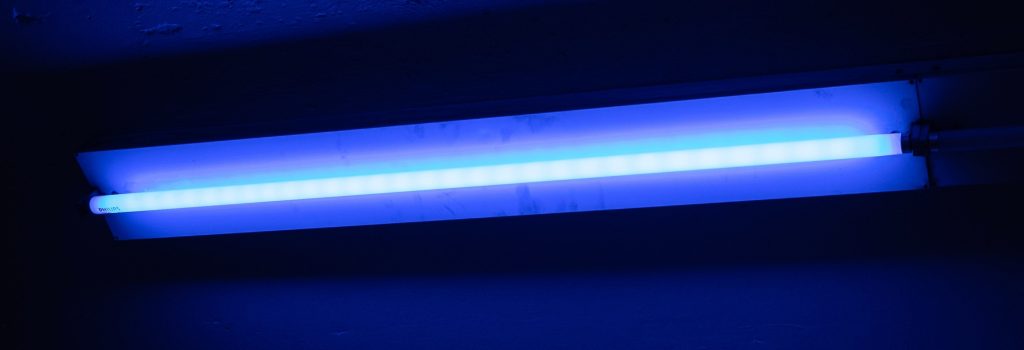
This sensitivity can be attributed in part to UV’s shorter wavelength, which results in more immediate energy release upon absorption – something most small creatures like insects would naturally be attracted towards. Understanding how bugs perceive lights differently from us humans and why certain wavelengths or colors attract them more than others can provide helpful insights on how we might manipulate our outdoor lighting to minimize unwelcome nighttime visitors.
Common Misconceptions about Outdoor Lighting and Bugs
The Fly in the Ointment: Debunking Myths
In the complex world of insects and outdoor lighting, myriad misconceptions have taken root. One common myth is that all bugs are equally attracted to all types of light. In fact, different species have varying reactions to light, with some completely unresponsive to certain wavelengths.
Another widespread fallacy postulates that darker lights are less attractive to bugs. This oversimplified view lacks scientific backing. The attraction of bugs isn’t determined by the darkness or brightness of a light but rather by its color or wavelength. For example, mosquitoes are known to be more attracted to blue and ultraviolet wavelengths than other colors.
The belief that turning lights on and off repeatedly deters bugs is also unfounded. Instead of disorienting or repelling them, this action may actually draw more attention from these creatures as they are naturally drawn towards sources of intermittent light that mimic patterns exhibited by flowers reflecting sunlight.
There’s also the mistaken idea that incandescent bulbs don’t attract bugs, which is not entirely accurate either. While it’s true that most incandescent bulbs emit less UV light compared to fluorescent ones, they still produce enough UV light along with heat, which can lure insects.
There’s a common notion that lights don’t affect nocturnal insects due to their natural adaptation to darkness – another myth waiting for debunking. Phototaxis, or movement towards light sources, affects both diurnal and nocturnal insects alike.
Going Off Like a Bug in a Lampshade: Common Mistakes in Outdoor Lighting Choices
When it comes to outdoor lighting choices aimed at minimizing bug attraction, homeowners often stumble unwittingly into several pitfalls.
Firstly is the mistake of thinking brighter equals better. Efficacy does not equate with lumens when it comes to outdoor lighting. A brighter light only serves as a more noticeable beacon for bugs. Strategic placement and moderation in brightness can be more effective.
The second blunder is neglecting the color of the light. As established earlier, bugs react differently to various colors. The use of specific colors, such as yellow or warm-colored LED bulbs, can significantly reduce the influx of these unwanted guests.
Another common error is underestimating the importance of positioning. Lights placed closer to homes tend to attract insects towards them, becoming an invite rather than a deterrent. Proper positioning at strategic points away from living spaces can greatly minimize this issue.
A fourth mistake lies in over-reliance on old-fashioned incandescent or fluorescent lights, largely due to their lower upfront cost compared to newer technologies like LEDs or sodium vapor lights, which are less attractive to bugs.
Many homeowners overlook the value of consulting with professionals when choosing outdoor lighting options. Specialists bring informed perspectives and practical ideas that can help manage bug attraction effectively while maintaining an aesthetic appeal.
Colors of Light that Attract Bugs
An Insightful Investigation: How Different Colors Affect Bug Attraction
The correlation between light colors and insect attraction hinges robustly upon the phototactic tendencies of bugs, influenced exponentially by various light wavelengths. Each color on the spectrum exudes a distinct wavelength, with some proving more enticing to nocturnal insects than others.
The Lure of Luminescence: The Impact of White Lights
White lights, embodying all colors in the spectrum, radiate an extensive range of wavelengths. The brilliance and intensity of a traditional white light bulb can serve as a beacon for insects. Insects’ intricate compound eyes are highly sensitive to blue and ultraviolet wavelengths primarily emitted by white light. Consequently, their navigational systems often interpret such irresistible illuminations as cues from natural sources like moonlight or starlight.
Firstly, in terms of brightness and color temperature, white lights are typically blindingly brilliant emitters with high Kelvin ratings. Their expansive spectral output envelops both visible and invisible ultraviolet rays, which are innately magnetic to numerous insect species.

Secondly, it is worth comprehending how insects associate these lights with their biological instincts. For instance, many species use moonlight navigation for mating rituals or food search activities – these creatures may be misguided by artificial white lights, assuming them to be celestial bodies.
Thirdly, considering the evolutionary aspect – over millions of years, insects have evolved to respond to UV lights (emitted abundantly by white bulbs), considering them as channels leading towards nectar-bearing flowers.
But importantly, white lights disrupt the circadian rhythm (biological clock) in insects, causing ‘false dawn’, misleading bugs about feeding times, causing overexposure, leading towards exhaustion or sometimes even death.
The Azure Allure: Blue Lights and Their Effect
Blue lights prove particularly potent in attracting bugs. The shorter wavelengths and higher energy levels of blue light are similar to the UV light that insects are naturally drawn toward. It’s assumed that insects use UV light to navigate and hunt, meaning artificial sources like blue LEDs can create a veritable bug buffet.
Their compound eyes are adapted to detect light in these ranges, giving them a sensitivity that differs markedly from human vision. This heightened responsiveness to blue light is not coincidental; rather, it reflects an evolutionary adaptation to their natural environments.

Studies have consistently shown that insects are disproportionately attracted to blue and UV-emitting light sources. For instance, a 2016 study published in ‘Scientific Reports’ demonstrated that light traps emitting wavelengths in the blue-violet range captured significantly more insects compared to traps using longer wavelengths like yellow or red. Similarly, experiments with LEDs confirmed that insect attraction peaks in the 400–500 nm range, correlating with blue light.
Implications and Practical Solutions
From an evolutionary perspective, this behavior makes sense. Blue light closely mimics natural UV sources such as sunlight and moonlight, which many insects rely on for critical tasks like navigation, foraging, and mate selection. For example, certain nocturnal insects use the moon as a navigational cue, which might explain their predisposition to artificial blue light sources that resemble this natural guide. Additionally, UV patterns in flowers play a role in pollination by signaling insects towards nectar-rich areas, further solidifying their innate draw to shorter wavelengths.
Overall, insects’ attraction to blue light stems from their evolutionary reliance on UV-like sources for navigation and survival, a preference reinforced by scientific evidence. This knowledge has practical implications for homeowners and businesses seeking to minimize bug attraction. Light sources that emit blue or UV light – such as cool white or daylight LEDs – should be avoided in outdoor settings where bugs are a concern.
Instead, warm-hued lighting solutions, such as yellow or amber LEDs, are far less likely to attract insects due to their limited emission in the blue spectrum. Such lighting can reduce the presence of pests on patios, entryways, and gardens, enhancing comfort and lowering the likelihood of insect-borne nuisances or diseases.
The Golden Glow: Yellow Lights as Bug Repellent
Although conventionally categorized as ‘bug repellent’, yellow lights are not entirely devoid of insect attention. However, their allure pales significantly when juxtaposed against white or blue lights’ magnetic charisma. Yellow light emits longer wavelengths that the majority of insect species find less captivating than shorter ones like UV or blue, primarily due to their phototactic mechanisms favoring shorter wavelengths for navigational needs.
Yellow light occupies a unique position within the light spectrum, falling predominantly within the visible range for humans but bordering on the less detectable wavelengths for many nocturnal insects. While insects generally rely on ultraviolet (UV), blue, and green light for navigation and feeding, yellow light’s longer wavelengths make it less captivating for their vision, which is less sensitive to this part of the spectrum. As a result, yellow light does not stimulate the same level of phototactic response – movement toward light – as the shorter wavelengths do.
Scientific research further supports this by showing that most insects are far less attracted to yellow light compared to cooler hues like blue or white. Some species might still exhibit minor curiosity, perceiving the yellow glow as a cue for potential food sources or mating opportunities. However, the overall attraction factor remains notably reduced, making yellow light a practical option for minimizing insect presence around homes and outdoor spaces.
Practical Applications and Real-World Evidence
This understanding has led to the incorporation of yellow light into modern insect repellent technologies, particularly by manufacturers of bug zappers and insect deterrent products. Several models now feature yellow or ‘bug light’ LED bulbs designed to emit wavelengths that deter insects while maintaining sufficient illumination for human activities. For instance, products like GE’s LED Bug Light and the Yellow Bulb by TCP are marketed explicitly for their ability to discourage insect activity by avoiding the UV and blue light spectrums that most bugs find irresistible.
Real-world evidence from homeowners bolsters the scientific claims. Many users report significant reductions in insect activity after switching to yellow lighting in outdoor areas like patios, porches, and garden spaces. For example, one homeowner noted that replacing standard white bulbs with yellow LEDs led to an immediate decrease in flying insects gathering around their porch in the evening. Similarly, campground operators and outdoor restaurant owners have adopted yellow lights to improve guest experiences, often citing fewer complaints about bugs.
Overall, yellow light’s lower attraction to insects makes it an effective tool for reducing bug activity around homes and outdoor environments. Its widespread adoption in insect-repellent technology and positive anecdotal results underscore its utility. This sets the stage for exploring other colors of light that are even less likely to attract bugs, continuing the discussion of light and its effects on insect behavior.
Colors of Light that Do Not Attract Bugs
An In-Depth Exploration of Bug-Repelling Lights
The nocturnal ecosystem thrives in the afterglow of twilight, and it is during these hours that humans often cross paths with its tiny inhabitants – bugs. To brighten our surroundings without inviting unwanted insect guests, it is prudent to understand which light colors do not attract them.
The Serene Appeal of Warm White or Yellow-Colored LED Lights
One such color is warm white or yellow. LED lights of this hue have proven to be less attractive to bugs. This is primarily due to their lower color temperature and minimal ultraviolet (UV) and blue light emissions, the spectral ranges most appealing to many insects.
Warm white or yellow-colored LED lights have become a popular choice for outdoor spaces frequented by humans at night due to their unique combination of functional and aesthetic benefits. These lights possess a low color temperature, which creates a soft, calming ambiance ideal for relaxation.
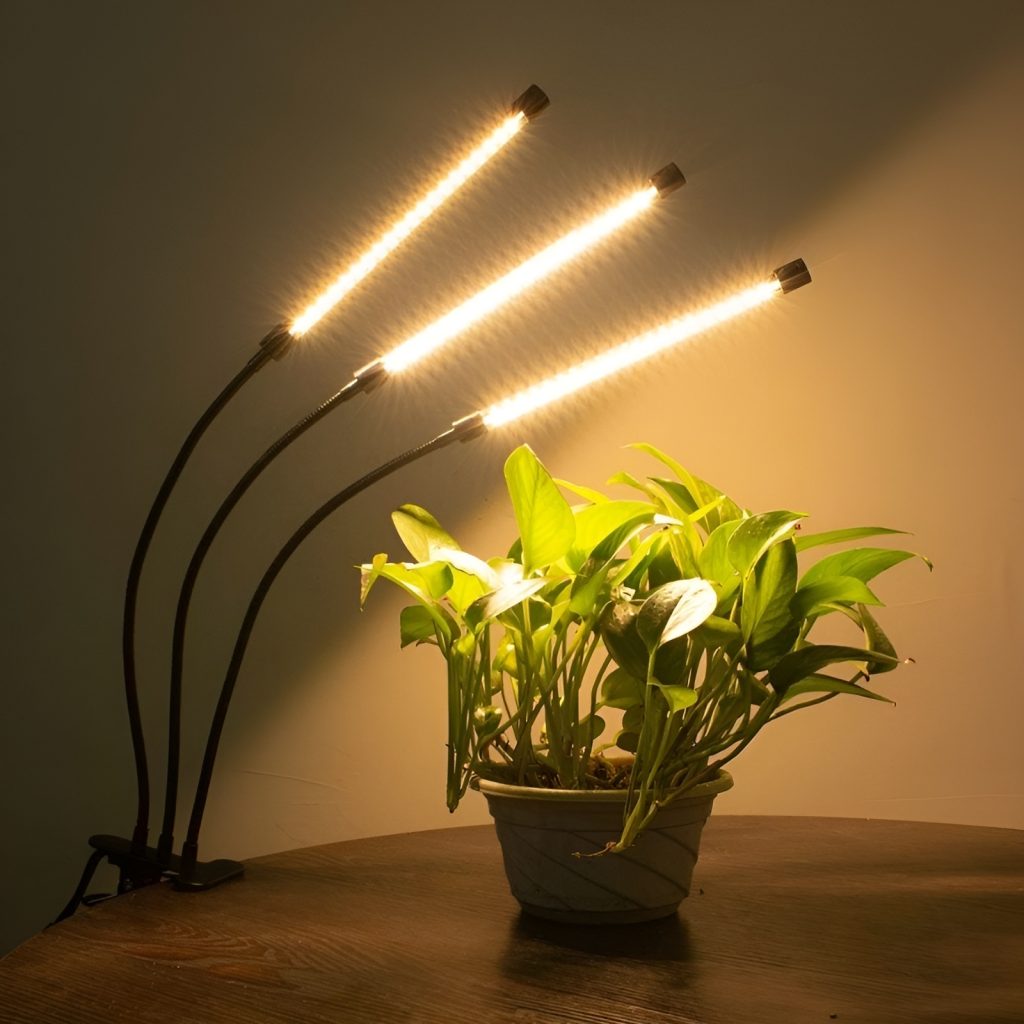
Unlike harsh, cooler lights, yellow LEDs provide sufficient lighting without disturbing the tranquility of evening settings. Moreover, their gentle glow avoids sending visual cues that attract insects, making them particularly practical for outdoor gatherings or quiet nights on the porch.
A key feature of warm white or yellow LEDs is their minimal emission of ultraviolet (UV) radiation. As discussed earlier, UV light is a primary attractant for insects, many of which rely on UV wavelengths for navigation and foraging behaviors. By emitting almost no UV radiation, these lights significantly reduce their allure to bugs, helping keep outdoor spaces insect-free.
Additionally, warm LEDs also produce lower levels of blue light emissions compared to cooler bulbs. Blue light, like UV radiation, has a high-energy wavelength that acts as a powerful draw for insects, as they often associate it with nectar-rich flowers. By limiting blue light output, warm yellow LEDs further diminish their ability to attract bugs, making them an effective, bug-resistant lighting solution for patios, gardens, and outdoor seating areas.
This combination of reduced UV and blue light emissions, paired with their aesthetically pleasing glow, makes warm white or yellow LED lights an excellent choice for creating inviting, bug-free outdoor environments.
An Ode to Sodium Vapor Lights
Sodium vapor lights are another excellent alternative when it comes down to bug-repelling lighting options. They emit a deep yellow-orange glow that’s generally unattractive to most insect species; thus they offer another strategy in keeping our outdoor sanctuaries bug-free.
The initial appeal of sodium vapor lights lies in their peculiar color output – an intense yellow hue leaning towards orange. As established earlier, bugs are less inclined towards these colors as they fall outside the range of their preferred spectrum.
Subsequently, one cannot overlook the efficiency of sodium vapor lights. These luminaries consume less energy than many other traditional lighting options while maintaining a decent output. This feature, coupled with their bug-repelling properties, makes them an economical choice for many.
The third advantage of sodium vapor lights over conventional lighting is their longevity. Due to their robust design and operating principle, these lights tend to last longer than many other types of bulbs. Therefore, not only do they deter insects, but they also present long-term savings.
The Enigmatic Charm of Red or Orange Colored Lights
Red and orange-colored lights serve as effective deterrents to bugs. Most insects cannot see light in the lower end of the spectrum where these hues reside; hence they remain largely unbothered by them.
In the first place, red and orange colors lie at the lower end of the visible spectrum for humans – near infrared. Given that most insects’ visual range falls within ultraviolet and yellow-green light waves, they perceive these colors as fairly dim, if at all.
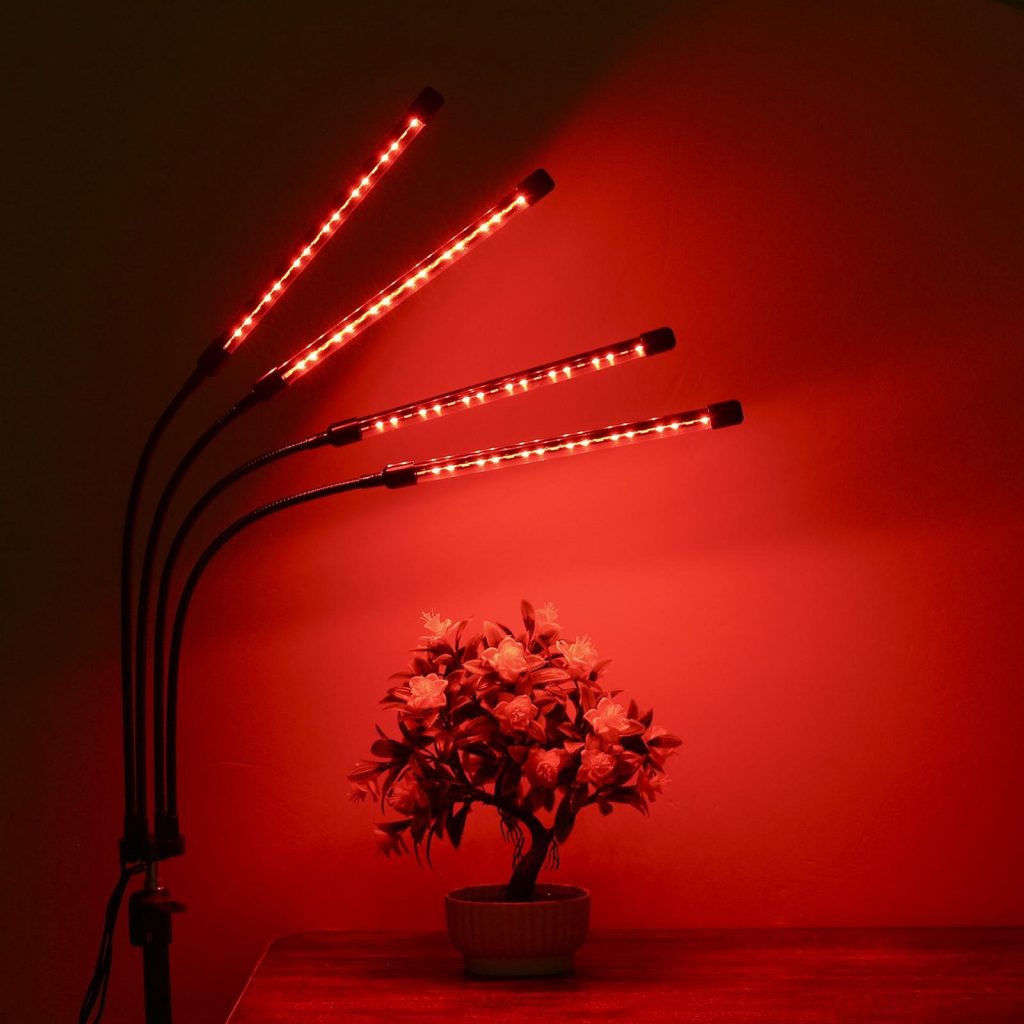
Secondly, in contrast to blue or white light sources that mimic celestial bodies or flowers, respectively, in a bug’s perspective, red and orange lights don’t stimulate any natural attractants for insects. Thus there’s less likelihood for bugs to congregate around them.
Furthermore, not only is this color selection practical in terms of bug repulsion, but it also adds a unique aesthetic element to your outdoor space. The warm glow from these colored bulbs can create a welcoming and relaxing ambiance – perfect for late-night gatherings or solitary stargazing sessions without unwanted insect interruptions.
Advancements in Outdoor Lighting Technology for Bug Repellence
The Dawn of Modern Lighting Solutions: A Beacon in the Darknes
In recent years, lighting technology has made significant strides, developing solutions specifically designed to tackle the issue of insect attraction. Scientists and industry experts have taken a two-pronged approach to this problem. The first revolves around creating what are known as ‘bug repellent bulbs‘, while the second focuses on exploiting certain properties of light known as ‘spectrum selective lighting‘.
Bug Repellent Bulbs: Lighting without Inviting
Bug-repellent bulbs are a revolutionary innovation in outdoor lighting. These bulbs are designed with specific technologies that minimize the emission of light frequencies attractive to bugs.
While standard incandescent or fluorescent lamps emit broad-spectrum light that includes UV rays, which are highly attractive to many insects, bug-repellent bulbs limit their spectrum specifically to avoid this attraction. The mechanism behind bug repellent bulbs involves meticulously crafting the bulb’s spectrum so it emits light at wavelengths less appealing to insects.
This doesn’t mean these lights repel insects outright; rather, they don’t attract them as much as their counterparts do. It is important to note that these bulbs may not be entirely effective against all types of insects, but they significantly reduce the overall number drawn towards them.
One such example is yellow LED bug lights, which emit a narrow-spectrum yellow light instead of broad-spectrum white light. This limits their appeal to bugs significantly since most flying insects can’t even see yellow light properly due to their physiological limitations.
Another noteworthy innovation under this category is sodium vapor lights. These lights primarily emit in the yellow-orange part of the spectrum and have relatively little blue or ultraviolet emission, making them less visible (and hence less attractive) to many types of nocturnal insects.
Spectrum Selective Lighting Technology: Turning the Tables on Bugs
Spectrum-selective lighting technology represents another colossal leap in bug-repellent lighting. This technology takes advantage of the fact that insects are not equally sensitive to all colors of light.
By carefully selecting and combining light from different parts of the spectrum, it is possible to create a light source that is visually pleasing to humans but less so to insects. In essence, spectrum-selective lighting employs a sophisticated balance between wavelengths that are attractive and those that aren’t attractive to bugs.
This innovation not only reduces the numbers of attracted bugs but also has wider applications in agriculture, where it can be used to manipulate insect behavior and protect crops. This technology, however, is still at a nascent stage, and further research is required for its potential benefits and practical applications. Nonetheless, early results indicate promising potential for this approach.
Modern lighting solutions have dramatically evolved from their simple predecessors. Through strategic advancements in bug repellent bulbs and spectrum-selective lighting technology, humans are now able to illuminate their surroundings effectively while minimizing unwanted guests at night. These advancements reflect our growing understanding of nature as well as our ability to develop innovative solutions using this knowledge.
Practical Tips for Homeowners: Choosing the Right Outdoor Lighting to Minimize Bug Attraction
Decoding the Vital Factors in Outdoor Lighting Selection
The selection of outdoor lighting should be a calculated endeavor. Being mindful of your choices can significantly lessen bug attraction, making your outdoor spaces more comfortable.
The first aspect to consider is the type and color of the bulb. Traditional incandescent and mercury vapor lights are notorious for their inefficiency in deterring bugs due to their emission of a broad spectrum of light, including UV rays that are highly attractive to many insect species.
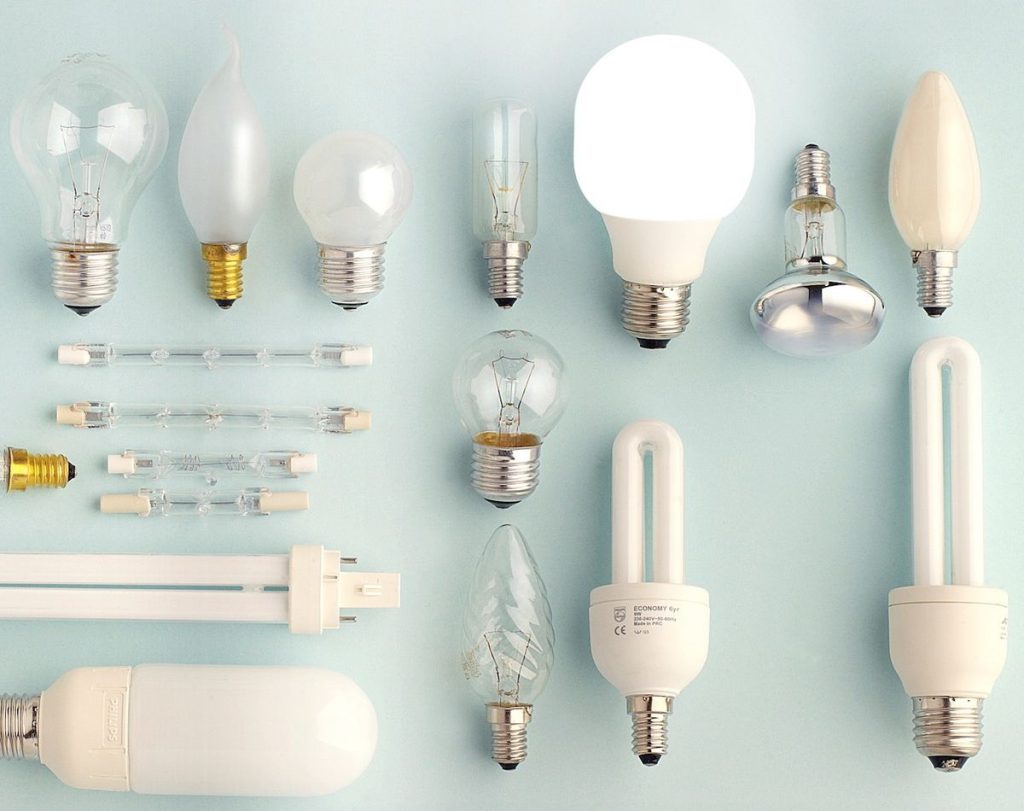
Conversely, sodium vapor lights and particular types of LEDs emit a limited spectrum, which can effectively reduce bug attraction. Bulbs emitting warm colors such as yellow or red are less visible to bugs, hence less likely to attract them.
The second factor involves positioning and brightness level. Bugs are drawn towards light sources; hence, a higher intensity or poorly positioned light will invariably attract more insects. Avoid placing lights directly above doors or windows where bugs can easily enter homes. Dimmer switches can also be beneficial as they allow control over brightness levels.
Beyond Bug Repellence: The Intersection of Utility and Aesthetics
When it comes to brightness levels, it’s essential not only for bug management but also for safety and aesthetic purposes. Overly bright lights may repel some bugs but could adversely affect human vision and create unpleasant glares. Harmonizing brightness with both practicality and aesthetic appeal entails finding a balance – enough light to ensure safety without becoming a beacon for bugs or an eyesore.
Navigating through Bulb Types: The Spectrum Game
Choosing between different bulb types may seem daunting with the multitude of options available in the market today. Fluorescents might be energy-efficient, but they emit UV light, which is attractive to insects; halogens offer great color rendering but generate significant heat, which can also attract certain bugs. LEDs, specifically warm-colored ones, present a compelling case with their limited spectrum and energy efficiency.
Shining Light on Positioning: Unveiling the Power of Shadows
Positioning is as crucial as choosing the right bulb type. Lights placed at lower levels will cast long shadows and create dramatic effects while directing bugs away from your immediate vicinity. Strategic positioning could include installing lights high up in trees or around the periphery of your property to draw insects away from living spaces.
Forging a Path towards Best Practices for Outdoor Lighting
In addition to these factors, adopting best practices in outdoor lighting can significantly reduce bug attraction. Employing timers or motion sensors helps minimize unnecessary light usage, thus reducing overall bug attraction. Regular maintenance also plays a part; clean lights are brighter and more efficient.
The use of supplementary insect-repelling methods such as citronella candles or bug zappers can be an adjunct to your lighting strategy. Remember that effective outdoor lighting is a blend of multiple factors working in harmony; knowing what light attracts bugs and how they perceive it is just one piece of this complex puzzle.
Conclusion: What Color of Outdoor Light Doesn’t Attract Bugs?
Key Point Recapitulation
In our detailed exploration of what color outdoor lights do not attract bugs, we’ve shed light on several fundamental principles. Foremost among these is the understanding that insects are primarily attracted to lights due to a phenomenon known as phototaxis, with ultraviolet (UV) light holding particular allure.
Unfortunately, this fact has given rise to numerous misconceptions, which we have endeavored to dispel in this post. We have also established that white and blue lights tend to attract the highest number of insects due to their intense UV emissions.
Conversely, warmer colors such as red and orange, along with certain types of yellow-colored LED and sodium vapor lights, are least likely to draw in bugs. These colors emit less UV radiation, making them less visible and attractive to bugs.
Another revelation hinging on our discussion is the advent of technological advancements in outdoor lighting specifically designed for bug repellence. From bug-repellent bulbs that emit frequencies unattractive to bugs to spectrum-selective lighting technology that minimizes bug-attracting wavelengths, there’s a wealth of options available for homeowners seeking refuge from pesky nocturnal visitors.
We noted some practical advice for homeowners looking to make informed decisions about their outdoor lighting options. Factors such as bulb type and color are crucial considerations alongside strategic positioning and brightness level control – all aimed at minimizing potential insect attraction.
The Importance of Selecting Appropriate Outdoor Lighting
The choice of outdoor lighting extends beyond mere aesthetics or illuminating dark corners; it plays a vital role in controlling the insect population within your vicinity. An incorrect choice can inadvertently turn your home into an irresistible beacon for all manner of flying insects – from moths fluttering against your windows and mosquitoes buzzing incessantly around your ears to midges clustering around your porch.
Appropriate outdoor lighting contributes not only to a comfortable and enjoyable outdoor space; it can also lead to reduced exposure to insect-borne diseases. Mosquitoes, for instance, are known carriers of diseases like malaria and dengue fever. Thus, minimizing their attraction towards your home via judicious selection of lighting can contribute towards enhanced health safety.
Furthermore, the right outdoor lighting color can also help preserve the ecological balance by reducing light pollution that disrupts nocturnal insect behavior. It is essential to remember that insects play a critical role in our ecosystem – as pollinators, as part of the food chain, and even in waste decomposition.
Therefore, our choices can impact their population dynamics with potentially far-reaching effects. Selecting appropriate outdoor lighting hinges on a clear understanding of bug behaviors relative to light colors and technological advancements in bug-repellent lighting solutions.
Armed with this knowledge, homeowners are better equipped to create an outdoor environment that strikes a fine balance between human comfort and ecological consideration. As we have discovered throughout this article’s discourse, when it comes to bugs and lights, ‘all brightness is not created equal’.
References for Truthful Disclosure
In the quest for knowledge, it is crucial to validate our sources. Here are the main references that were used to compile this comprehensive guide on how the color of outdoor light affects bug attraction:
An Enlightened Trail: The Scholarly Sources
A wealth of information was drawn from Horváth, G., & Zeil, J.’s study titled “Why do nocturnal orb-weaving spiders (Araneidae) search for light?” featured in Ethology 123, no.5 (2017): 366-376. Their explorations into insect behavior in relation to various light wavelengths offered significant insights into why bugs are attracted to certain lights.
The scientific explanation behind phototaxis in insects is derived from references such as Eisenbeis, G.’s book “Artificial Night Lighting and Insects”, published under Springer Berlin Heidelberg in 2015. His rich work unravels many intricacies of nocturnal creature behaviors.
Shedding Light on Reality: Practical Guides and Informational Texts
Practical guides like Grimaldi, D., & Engel’s piece called “Evolution of the Insects” and Kricher’s book titled “A Neotropical Companion”, both published by Cambridge University Press, proved beneficial for understanding real-world applications of choosing outdoor lighting to reduce bug attraction. Furthermore, valuable knowledge came from insightful articles such as McMahan’s “Understanding Bug Lights”, featured in Popular Science Online on July 11th, 2017.
The Glow of Progress: Technological Advances
Beyond traditional works, sources like Parkyn et al.’s patent titled “Spectrum selective lighting” (US Patent 9,119,277, issued August 25, 2015) enlightened us about advances in outdoor lighting technology with regards to bug repulsion. This patent outlines a new type of lighting that can specifically repel insects. This is a revolutionary concept changing the way we approach outdoor lighting.
These sources collectively have provided a robust understanding of the topic at hand, aiding the demystifying of how and why certain colors of light attract or repel bugs. The wealth of knowledge available continues to evolve as science progresses in its quest to understand our entwined existence with the world around us.
You may also be interested in the following posts: