
Daylight vs Bright White: The Best Outdoor Lighting Choice
Highlighting the Importance of Outdoor Lighting
The significance of outdoor lighting can be perceived through various perspectives, all emphasizing its fundamental role in our lives. It serves as a crucial element in facilitating nighttime activities, enhancing security, amplifying aesthetic appeal, and promoting safety in both residential and public spaces.
By lighting our surroundings after sunset, outdoor lighting extends the functional hours of external environments, enabling us to navigate safely and comfortably during darker hours. The role of outdoor lighting also extends to contributing to the aesthetics of exterior spaces.
The right choice of light can enhance architectural features, highlight landscaping elements, and create a desired ambience. Furthermore, it plays a pivotal role in deterring crime. Well-lit exteriors provide fewer hiding spots for potential intruders, thus serving as a deterrent.
It facilitates smoother traffic flow and reduces accident risks by providing drivers with better visibility. However, choosing the appropriate outdoor lighting goes beyond simply picking an aesthetically pleasing fixture; one must consider factors such as brightness level and color temperature – concepts encapsulated by terms like ‘bright white’ and ‘daylight’.
Bright White Lighting: A Closer Look
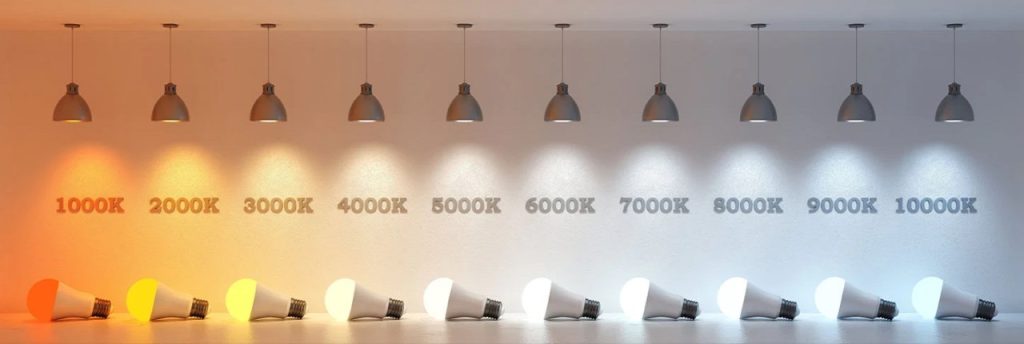
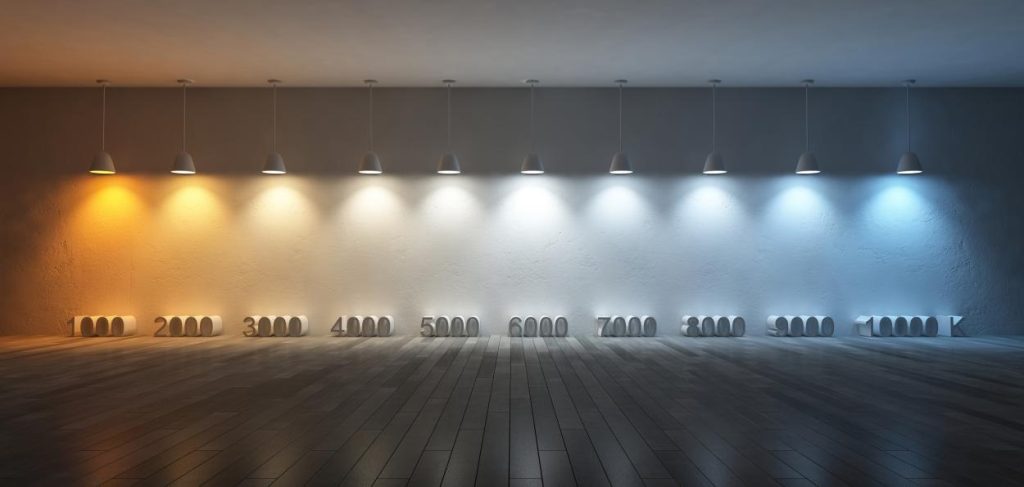
Bright white light is typically characterized by its relatively high color temperature, ranging from 3500K to 5000K. This color temperature results in a neutral light that leans towards blue on the visible spectrum.
Bright white light is stark – emitting fewer red tones while accentuating blues – making it appear brighter than traditional warm lights. This type of lighting is touted for its ability to improve visibility due to its intensity and starkness, which makes it popular for task-oriented places or where strong lighting is required for activities such as reading or crafting.
Daylight Lighting: An Overview
On the other end of the spectrum, we find daylight lighting. This variant encompasses a higher color temperature, typically around 5000K to 6500K, resembling the qualities of natural daylight.
With its broad spectrum of visible colors, it closely mimics the sun’s light during an average day. Daylight lighting is commended for its ability to render colors accurately and vividly – a feature that has lent itself well to areas requiring meticulous visual tasks or those aiming to replicate natural outdoor conditions indoors like studios or greenhouses.
It is also generally considered more comforting and pleasing to the eye due to its similarity with natural sunlight. With these definitions in hand, one can begin to assess whether bright white or daylight lighting is preferential for outdoor applications by comparing their characteristics and impacts on various factors such as visibility, ambiance creation, energy efficiency, and human wellbeing.
Understanding Bright White Lighting: An Insightful Look
Bright white light, often referred to as ‘cool white’, is a type of lighting most identifiable by its crisp, striking illumination. Emulating the glow of an overcast day, bright white light typically has a color temperature ranging from 3500K to 5000K on the Kelvin scale.
The Kelvin scale is a standard in the lighting industry used to measure the color temperature emitted by a light source. Essentially, it allows us to understand whether a light gives off warmer (yellow or red) or cooler (white or blue) hues.
The intensity of bright white light owes its existence to its higher color temperature. This characteristic gives it an almost clinical level of brightness, rendering everything under it with great clarity and sharpness. It’s this attribute that makes bright white lighting not just visibly captivating but also practical in various contexts.
A Light for Many Scenes: Common Uses of Bright White Lighting
Residential exteriors often benefit from bright white lighting due to its ability to enhance visibility and architectural detail. Porch lights, patio lighting, and landscape illumination commonly employ this type of lighting for these purposes. It reveals textures and colors with more precision than softer lights.
Commercial settings also harness the benefits of bright white lights in outdoor scenarios – car parks, sports arenas, and security-focused areas where clear visibility is paramount frequently use this form of lighting. In essence, any setting that calls for clarity and strong visual definition can greatly benefit from employing bright white lights.
The Bright Debate: Pros and Cons of Bright White Lighting in Outdoor Use
Bright white lights come with their own set of advantages, one significant benefit being enhanced visibility. They cast shadows with precision due to their high color temperature, which allows better distinction between objects during the night. This makes it an excellent choice for outdoor areas requiring heightened security or those frequented by people during darker hours.
The superior perception of detail and definition achieved through these lights also translates into aesthetic appeal, making both architectural and natural features stand out. Furthermore, the very brightness that characterizes these lights can contribute significantly to safety.
In outdoor environments where foot or vehicular traffic is high, bright white lighting can help prevent accidents by improving visibility. However, like all things, even bright white lighting has its downfalls.
A chief concern is the potential for glare. The strong lighting can cause discomfort to eyes, especially in dark surroundings, when the contrast between lit and unlit areas becomes too starkly defined – a phenomenon known as ‘disability glare’. This could lead to temporary visual impairment, which is particularly problematic for drivers and pedestrians at night.
Bright white lights also have an impact on wildlife, which may get drawn to or disoriented by unnatural levels of nighttime brightness – a form of light pollution often termed ‘ecological photopollution’. Studies suggest that this may disrupt their natural patterns of behavior, such as migration and mating.
To conclude, while bright white light offers a host of advantages related to visibility, safety, and aesthetics in outdoor settings, considerations related to discomforting glare and ecological impact need to be accounted for in its use.
Understanding Daylight Lighting
An Insight Into Daylight Lighting
Daylight lighting, as the name suggests, is designed to replicate the natural light provided by the sun. This form of artificial lighting is often used as a strategy to augment or sometimes replace natural light in order to meet the visual requirements of human beings. The objective is to create an indoor environment that mirrors the color spectrum of outdoor light on a clear day, thus catering to our innate inclination towards sunlight.
The semblance of daylighting ranges from indirect (diffuse) lighting, akin to a cloudy day, to direct (specular) lighting, which mimics bright sunshine. Predominantly used in architectural and interior design contexts, daylight lighting enhances spatial perception and positively affects human well-being.
The Scientific Aspects: Color Temperature and Brightness Level
Color temperature and brightness are pivotal components in understanding daylight lighting. The color temperature refers to the spectral content of light; defined in Kelvin (K), it describes whether a light source appears more ‘warm’ (yellow/red) or ‘cool’ (blue).

Daylight bulbs generally have a high color temperature ranging from 5000K to 6500K, producing a cool, vibrant white that resembles midday sunlight. Brightness level – measured in lumens – signifies the amount of visible light emitted by a source per unit time. A higher lumen count corresponds with brighter illumination; daylight bulbs are typically characterized by high lumen output.
Implementing Daylight Lighting: Typical Scenarios
Daylight lighting finds extensive use across various scenarios due to its potential benefits on mood enhancement and energy conservation. Residential homes use it for general lighting purposes; kitchens and bathrooms benefit particularly due to its clean aesthetic appeal, which promotes clarity and precision.
In commercial settings like offices or retail stores where tasks require high-quality vision or where intricate details need to be discerned, daylight lighting is often preferred. Additionally, it is implemented in outdoor spaces, such as streets or parks, to simulate natural light during the night for enhanced visibility and safety.
Pros and Cons of Daylight Lighting for Outdoor Use
The Sunny Side: Advantages of Daylight Lighting
Daylight lighting harnesses several benefits when used outdoors. Firstly, it emanates a natural feel that seamlessly integrates with the daylight cycle, thereby reducing the stark contrast between indoor and outdoor environments. The health benefits are considerable: exposure to daylight-balanced light helps regulate circadian rhythms – our body’s internal clock that controls sleep-wake cycles.
This can lead to enhanced mood and productivity. From an environmental perspective, daylight LED bulbs are incredibly energy efficient – they produce more lumens per watt compared to traditional incandescent bulbs and have a longer lifespan.
Possible Drawbacks: Disadvantages of Daylight Lighting
Despite numerous advantages, daylight lighting also brings a few potential drawbacks. The primary concern may be its intensity; in certain scenarios where soft ambiance is desired (like at restaurants or residential exteriors during evenings), the brightness level may prove too intense.
Moreover, not all variants of flora and fauna respond well to cool temperature lights; excessive usage may disrupt ecosystems by altering behavioral patterns of some species. Provisions must be made for these factors when considering outdoor implementations of daylight lighting.
Comparison between Bright White and Daylight Outdoor Lighting
The Aesthetic Dichotomy: Bright White versus Daylight
The differences in the appearance and ambiance created by bright white and daylight lighting are quite striking. Bright white lighting, with its higher color temperature of around 3500-5000 Kelvin, emits a cooler, more intense light that can starkly illuminate outdoor areas. This characteristic is often chosen to highlight architectural features or landscaping details, creating a dramatic and modern aesthetic.
On the other hand, daylight lighting closely mimics the natural light spectrum of the sun at noon on a clear day. With a color temperature between 5000 and 6500 Kelvin, depending on the time of day replicated, it provides a neutral, balanced light that can create an inviting and relaxed ambiance. This makes it ideal for outdoor spaces where a natural feel is desired.
Navigating Spaces: The Role Lighting Plays in Outdoor Environments
In evaluating effectiveness in various outdoor settings like residential areas or public spaces, both bright white and daylight lighting have their unique advantages. In residential settings such as gardens or patios where intimacy is key, daylight lighting often shines supreme due to its ability to mimic sunlight’s comforting warmth.
However, for public spaces such as parks or city streets where safety is paramount, bright white lighting tends to be favored for its capacity to provide clear visibility at night. It helps identify potential hazards more easily than softer options like daylight bulbs might.
From Wellness to Wellbeing: Exploring Health Impacts of Lighting Choices
The impact of these types of lights on human health and wellbeing also varies considerably due to biological responses ingrained in our physiology over thousands of years. Bright white light impacts circadian rhythms significantly as it suppresses melatonin production more than most wavelengths of light do – this makes it perfect for environments requiring alertness, like workspaces.
However, in a home setting, bright white light at night could interfere with sleep patterns. It is too similar to daylight and can deceive our bodies into thinking it’s still daytime, disrupting the natural circadian rhythm.
On the contrary, daylight lighting being closer to natural sunlight is more conducive to maintaining healthy sleep-wake cycles as it doesn’t overly suppress melatonin production when used appropriately. By mimicking the natural progression of daylight throughout the day and not being overly intense at night, it assists in maintaining our circadian rhythm.
Both bright white and daylight outdoor lighting have unique benefits and drawbacks relating to aesthetic ambiance, effectiveness in different settings, and health impacts. The decision between them depends largely on the specific requirements of each situation.
Case Studies on the Use of Bright White versus Daylight Outdoor Lighting
The Impact on Residential Areas: Mood, Safety, and Aesthetics
In residential settings, the choice between bright white and daylight outdoor lighting can have profound effects on mood, safety, and aesthetics. Bright white light is renowned for its piercing luminescence that can significantly enhance visibility.
This quality makes it an excellent choice for driveway lighting or spotlighting where clear visibility is paramount, especially in the late hours of the night. However, an overuse of bright white light in residential areas can lead to a phenomenon known as ‘light pollution‘. The intense brightness can be disruptive and intrusive at times, causing discomfort to residents. Furthermore, excessive use of bright white light may also disrupt nocturnal wildlife activities due to its high blue content.
On the other hand, daylight outdoor lighting provides much softer lighting compared to bright white lights. It often lends a comforting ambiance resonant with natural daylight. By mirroring natural sunlight’s color temperature (around 5000K), daylight LEDs create a feel-good factor amongst residents while fostering a sense of tranquility.
Contrary to misconceptions that daylight lighting might not serve security purposes as efficiently as brighter lights do, well-placed daylight LEDs around walkways or patios are proven to provide sufficient lighting for safety purposes without causing excessive glare or discomfort. Aesthetically too, daylight LED lights have an edge as they cast more flattering shadows around landscape features when compared to their bright-white counterparts, which might make certain features appear harshly lit or washed out.
Public Spaces: Visibility vs Security and Energy Consumption
The use of outdoor lighting in public spaces has always been a matter of balancing visibility and security against energy consumption. Bright white lights are frequently employed in public areas due to their superior brightness levels that ensure optimal visibility during darkness – essential for maintaining public safety and deterring criminal activity. However, this higher luminosity comes at a price.
Bright white lights consume more energy than daylight LEDs, leading to higher operational costs and a larger carbon footprint. Moreover, the starkness of bright white light can also contribute to light pollution in urban areas, disrupting ecosystems and creating an unpleasantly harsh nighttime environment.
Interestingly, daylight LEDs have emerged as a viable alternative for lighting up public spaces. While they may not match the sheer brightness of their bright-white counterparts, daylight LEDs provide adequate lighting for visibility while consuming significantly less energy.
The tone of daylight LED is also more closely aligned with natural sunlight, making it less harsh on our eyes and reducing the likelihood of causing glare, which might impede visibility rather than enhance it. From an aesthetic standpoint, cityscapes or parks illuminated by daylight LEDs tend to appear more inviting and harmonious during nocturnal hours compared to those lit by intense bright-white lights, which often create stark contrasts that may negatively impact the overall nighttime aesthetic appeal.
Insights Revealed: Expert Opinions on Bright White vs Daylight Outdoor Lighting
Interweaving the insights and expertise of professionals in the field can provide an illustrative perspective on our topic of interest. Lighting designers and architects, individuals who regularly straddle the line between practicality and aesthetics, offer a valuable viewpoint in this discourse. One such expert is renowned lighting designer James Benya, who emphasizes the importance of selecting lighting based on its purpose.
Benya states that for activity-oriented outdoor locations like sports fields or security-sensitive areas, bright white light is preferred due to its higher visibility quotient. On the contrary, for more relaxed outdoor settings like garden patios or parks where ambiance takes precedence, he advocates for daylight lighting, which offers a softer glow reminiscent of natural sunlight.
Esteemed architect Colin Ball shares a similar sentiment; his preference leans towards bright white light for commercial outdoor spaces due to its capacity to clearly illuminate large spaces. However, when it comes to residential projects that aim to emulate a warm and inviting atmosphere, he recommends daylight lighting as it imparts an intimate sense of comfort.
Shedding Light on Science: Research Findings Related to Light Color Temperatures
Scientific research provides another lens through which we can examine our topic – comparing bright white and daylight outdoor lighting. This empirical approach often reveals profound insights into how different light color temperatures can influence both human behavior and environmental factors.

A study by Chung-Hoon Park et al., published in ‘Lighting Research & Technology’, found that bright white light was more effective at reducing crime rates in urban areas owing to its superior visual clarity. This finding reinforces the assertions made by our expert panelists about the practical advantages offered by bright white light in safety-centric applications.
In contrast, research published in ‘The Journal of Experimental Zoology’ discussed how brighter lights, such as those produced by bright white bulbs, could disrupt the nocturnal behavior of wildlife in residential areas. This suggests one potential drawback of using bright white lighting in outdoor spaces within proximity to natural habitats.
Another study conducted by the ‘Lighting Research Center’ in New York found that exposure to daylight-stimulating light helps regulate circadian rhythms, thereby improving sleep quality and overall wellbeing. This provides substantial backing for the use of daylight lighting in outdoor spaces frequented during early mornings or late afternoons.
Both expert opinions and scientific research findings present invaluable perspectives on our question: Is bright white or daylight better for outdoor lighting? However, it becomes evident that the answer is not black and white. Instead, it varies based on numerous factors such as location, purpose, and environmental considerations.
Conclusion: Is Bright White or Daylight Better for Outdoor Lighting?
Revisiting the Fundamentals of Outdoor Lighting
In our exploration of the ideal choice between bright white or daylight lighting for outdoor settings, we delved into a comprehensive understanding of both options. Bright white lighting, with its higher color temperature and pronounced brightness level, offers excellent visibility and a certain aesthetic charm to outdoor environments. However, its potential for creating glare and impacting wildlife cannot be overlooked.
On the other hand, daylight lighting mimics natural sunlight in its color temperature and brightness level. While it contributes to creating a more natural ambiance outdoors and showcases potential health benefits and energy efficiency, it may lack the intensity required for specific outdoor applications.
Drawing Comparisons: Bright White vs Daylight Outdoor Lighting
The direct comparison between bright white and daylight outdoor lighting brought out significant differences in their appearance, effect on ambiance creation, utility in varied settings such as residential areas or public spaces, as well as their impact on human wellbeing. Multiple factors came into play while assessing the effectiveness of these two types of lights in different contexts.
Evidential Insights from Case Studies
Case studies from residential areas illustrated how different types of light affected mood, safety standards, aesthetics, visibility levels, security features, and energy consumption rates. Public spaces too provided interesting insights into how bright white or daylight choices could influence various aspects related to light usage.
The Expert Lens: Opinions vs Research Findings
Expert opinions from lighting designers or architects did not always align with scientific research findings related to light color temperatures. This underscored that personal preferences are often factored in when deciding between bright white or daylight for outdoor lighting.
Wrapping It Up: Bright White or Daylight?
There isn’t a definitive answer to whether bright white or daylight is superior for outdoor lighting. The choice ultimately depends on the specific requirements, context, and personal preferences.
While bright white light can provide intense illumination, adding vibrance to a setting, daylight lighting offers a more natural ambiance and is often considered healthier. This exploration of lighting choices highlights the importance of thoughtful consideration when deciding between bright white and daylight for outdoor settings.
Each option holds its own unique charm and attributes, contributing in distinctive ways to the environment they are employed in. Perhaps the most enlightening realization is that both varieties can harmoniously coexist while fulfilling different roles in our day-to-day lives – a testament to the diverse beauty of light itself.
You may also be interested in the following posts: