
Landscape Lighting Transformer Installation Overview
An Enlightening Introduction to Landscape Lighting Transformers
A landscape lighting transformer is the unseen hero of any outdoor lighting setup, quietly bringing ethereal illumination from dusk to dawn. This essential device, often overlooked yet indispensable, seamlessly converts high-voltage electrical power into a lower voltage suitable for outdoor lights.
Without these transformers, low-voltage outdoor lamps would be rendered useless, their potential brightness swallowed by the darkness. To further elucidate this subject matter, think of the transformer as a diligent conductor of an orchestra composed of various light fixtures.
It harmonizes disparate elements – pathways lights, wall sconces, or spotlights – into a symphony of luminescence. And like any good maestro, it controls not just the performance’s initiation but also its duration with timers and photocells that sense when twilight descends or dawn appears.
Landscape lighting transformers range from simple plug-and-play devices to more complex units equipped with smart technology features for programmable color changes and dimming capabilities. They come in different wattage capacities to accommodate varying numbers and types of lights within a particular landscape design, ensuring that each light fixture performs optimally.
In essence, then, landscape lighting transformers are silent yet tireless workers that illuminate our nocturnal surroundings while we sleep or celebrate under the stars. They demonstrate exemplary adaptability in diverse environmental conditions and exhibit an uncanny ability to blend into the background while emphasizing beauty elsewhere.
The Ubiquitous Utility: Importance and Benefits of Installing Landscape Lighting Transformers
Embarking upon a journey to install landscape lighting will inevitably lead you to discover the undeniable importance of landscape lighting transformers. While their installation might seem like an intricate task reserved only for those well-versed in electrical knowledge, understanding their myriad benefits will provide ample motivation to conquer this challenge head-on.
Firstly, safety cannot be overstated as one crucial advantage offered by these ingenious devices. By reducing high household voltage to a safer, lower voltage, they protect not just the lighting fixtures but also the users. This particular feature eliminates the possible electrical hazards that could result from direct exposure to high voltages, especially in outdoor settings where elements like rain or garden watering systems may introduce water.
Secondly, efficiency is another significant attribute of landscape lighting transformers. They are specifically designed to optimize power consumption for low-voltage light fixtures, thus leading to substantial energy savings without compromising on performance. Simultaneously, their capacity for power regulation prevents lights from overheating or getting damaged due to excessive voltage.
In addition, landscape lighting transformers open up an array of creative opportunities with their ability to control multiple lights simultaneously and adjust brightness levels as per preference. From subtly highlighting architectural features and illuminating walkways for safe navigation after sundown to setting a mood for alfresco dining or parties under the starlit sky, the possibilities are rivaled only by one’s imagination itself.
Furthermore, these devices provide a means of extending the longevity of your outdoor lights. By providing a steady stream of appropriate voltage, they ensure that lights aren’t subjected to damaging power surges or overloads.
As such, this reliability translates into less frequent bulb changes and maintenance activities, which is both cost-effective and environmentally friendly. Thus it becomes clear that installing landscape lighting transformers isn’t an extravagance but rather a prudent investment into safety, efficiency, and aesthetic enhancement, all wrapped in one discreet package.
Understanding the Basics of Landscape Lighting Transformers
The Definition and Function of a Landscape Lighting Transformer
A landscape lighting transformer, in its simplest definition, is a device that lowers the standard 120-volt household current to a safer 12 or 24 volts. This reduction helps eliminate the risks of electrical shocks and overheating possibly caused by high-voltage electricity. The primary function of this contrivance is to control the voltage that’s sent to your outdoor lights.
In essence, a landscape lighting transformer acts as an intermediary between your home’s electrical system and your outdoor lighting fixtures. It ensures that the voltage supplied is just right – not too high, which could cause damage, and not too low, which would result in insufficient lighting.
A Diverse Array of Transformers on Offer
There are different types of landscape lighting transformers available in the market, each designed for specific applications and with unique features.
Magnetic Transformers
Magnetic transformers are considered traditional or standard devices used in landscape lighting. They operate on a magnetic coil system and are known for their durability, longevity, and capacity to handle high wattage loads. Magnetic transformers offer flexibility as they can facilitate both low (12V) and high (24V) voltage output.
Electronic Transformers
Electronic transformers are small-sized devices that utilize electronic components instead of magnetic coils. They are typically used for smaller-scale lighting schemes due to their lower capacity compared to magnetic counterparts. However, their compact size makes them ideal for installations where space is limited.
Smart Transformers
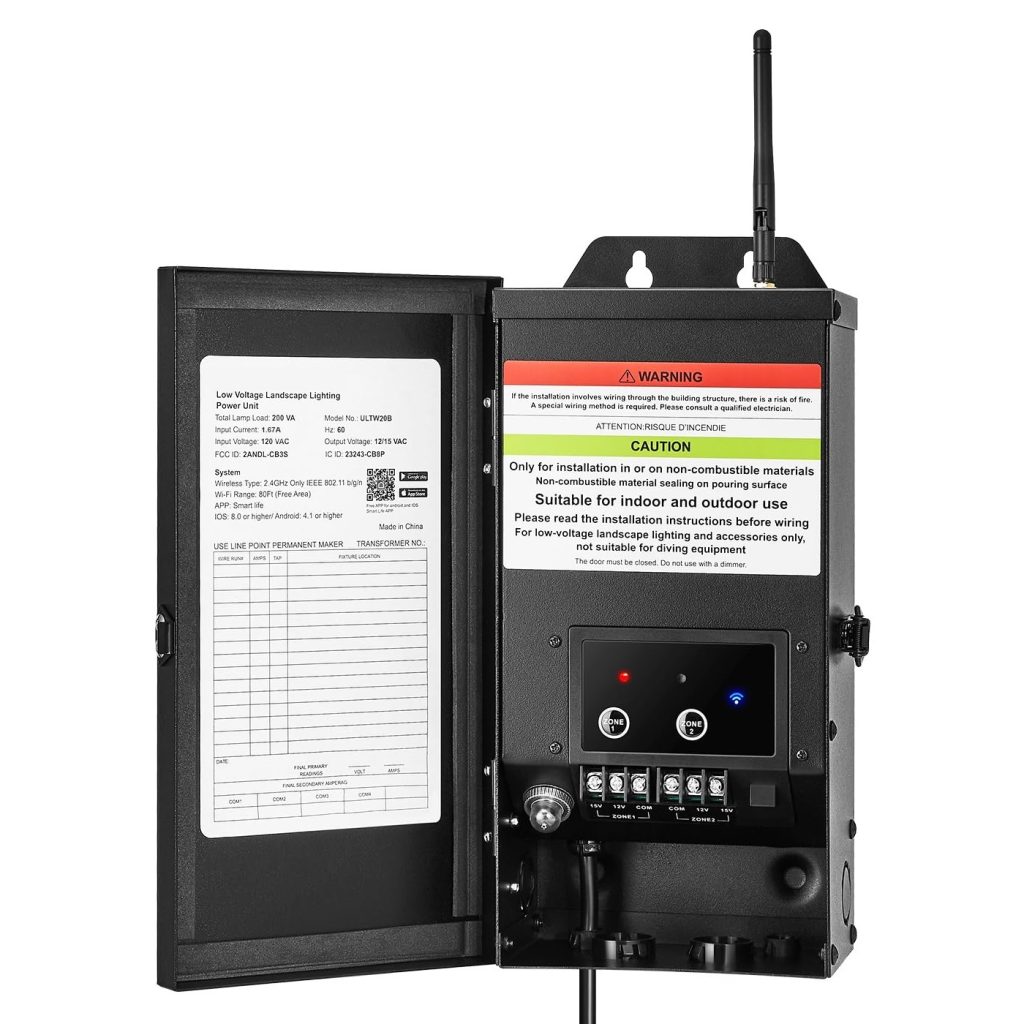
Trending up in popularity recently are smart transformers, which marry technology with functionality seamlessly. These devices can be controlled through various digital platforms like smartphones or tablets, allowing you to adjust light intensity remotely or even set up automated lighting schedules.
Choosing the Right Transformer: Key Factors to Consider
Selecting an appropriate landscape lighting transformer is paramount for the effective operation of your outdoor lights. Some of the key factors you should take into consideration include:
Power capacity
The power capacity, measured in watts, outlines the total amount of electricity a transformer can handle. When choosing a transformer, it’s essential to first calculate the combined wattage of all your landscape lights and then add about 25% to 50% more to cater for any future additions or expansions.
Voltage requirement
Voltage requirement is another crucial aspect in choosing a transformer. You must determine whether your lights require low voltage (12V) or high voltage (120V). Incorrect voltage can result in inadequate lighting or even damage your outdoor lights.
Types of Lights to be Used
You need to consider the types of lights that will be installed. Certain transformers work better with LED lights, while others are compatible with halogens lamps or incandescent bulbs. Therefore, ensuring compatibility between your lights and transformer leads to optimal performance and longevity.
Tools of the Trade: Necessary Instruments for Installation
In order to facilitate a smooth and successful installation of your landscape lighting transformer, there are certain tools required. These instruments are commonly found in most households and can be easily procured if you don’t have them at hand.
Firstly, you will need a screwdriver. This could either be flat-head or cross-head, depending on the screws used in your particular equipment. It would be prudent to have both types available to accommodate all possibilities. The screwdriver will be used primarily for securing connections and affixing your transformer unit to its designated mounting spot.
An essential tool in our repertoire is the wire stripper, a device used to safely expose the conductive metal inside an electrical wire’s protective coating. This is necessary for creating proper connections between wires during installation. A good-quality wire stripper will ensure clean cuts without damaging the delicate wires inside.
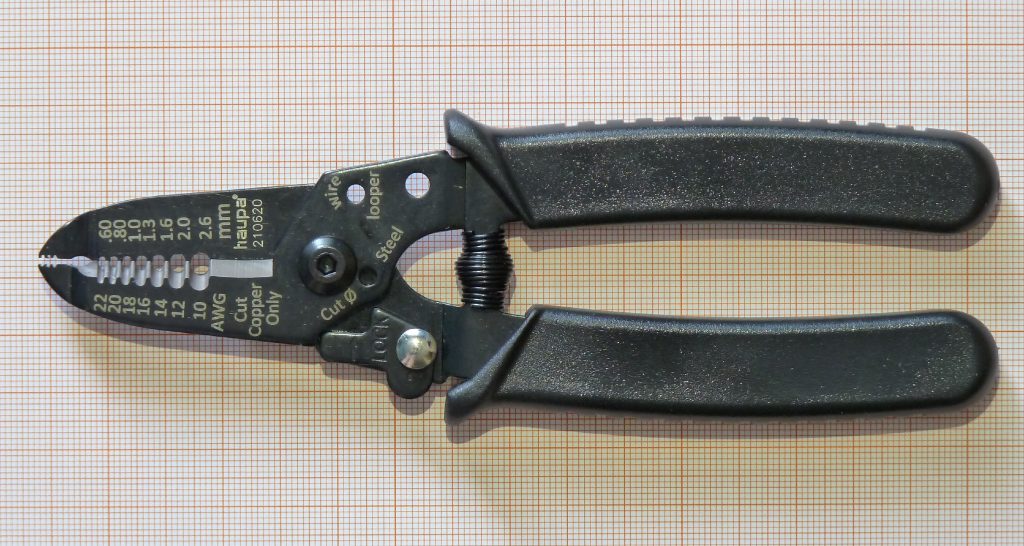
Equally critical are cable cutters; these allow you to trim wiring down to appropriate lengths before installments, ensuring neatness and efficiency with less excess material left over.
A multimeter is an invaluable tool that allows you to measure many aspects of electricity, including voltage, current, and resistance levels. It will aid you immensely in verifying that your connections are functioning as expected and that adequate electric flow is being maintained throughout your outdoor lighting system.
Though often overlooked, protective gear such as safety glasses and gloves cannot be overstated when working on any kind of electrical project due to potential hazards involved with handling electric components.
Material Matters: Essential Components Required for Installation
Once your toolkit is assembled, it’s time to turn our attention towards gathering the necessary materials that make up the physical aspect of the installation process itself. The primary material needed is perhaps self-explanatory – the landscape lighting transformers themselves.
Transformers come in various capacities, so be sure to select one that suits the wattage requirements of your light layout. Remember, it’s always better to have a transformer with slightly higher capacity than your total wattage needs.
Next, cables are crucial for the installation process. The choice of cable will depend on several factors, such as type of lights, distance from transformer, and total load. It’s advisable to go for good-quality outdoor-rated cables that can withstand elements and provide consistent power supply.
The connectors play an important role in ensuring a secure and efficient electrical circuit. They serve as junctions between different segments of wiring, binding them together to create a continuous pathway for electricity to flow through. Waterproof wire connectors are highly recommended considering outdoor applications.
Grounding rods are essential safety features used in electrical installations. These rods create an alternate path for electric current to follow should there be any issues with wiring or equipment. This prevents potential electric shocks and reduces fire hazards.
Mounting hardware will be required to firmly affix the transformer at its designated position. This typically includes screws or bolts compatible with the model of transformer you’ve chosen. Armed with these indispensable tools and materials, the installation process should progress smoothly without any hindrance caused by a lack of necessary components.
Identifying the Optimal Location for the Transformer
Defining an opportune place for your landscape lighting transformer is pivotal to its performance and longevity. The choice of location should meet three key criteria: accessibility, safety, and convenience.
Foremost, it should be easily accessible, as this makes installation and future maintenance easier. The transformer should be located near a ground-fault circuit interrupter (GFCI) outlet to provide power without the need for extensive wiring. However, do not place it too close to living areas, as they can emit a slight humming sound.
The choice of location must also factor in safety considerations. Since transformers are electrical devices, they need to be sheltered from adverse weather conditions such as rainfall or snowfall that could lead to short-circuiting or other electrical hazards.
Thus, placing them under eaves or in a weatherproof cabinet could provide adequate protection. Choosing a location closer to your landscape lights reduces the length of cabling needed, and hence less energy loss occurs across the cables, leading to more efficient operation of your landscape lights.
Calculating Wattage Requirements
A critical step in installing a landscape lighting transformer is accurately calculating your total wattage needs. To do so, first itemize each light fixture you plan on having in your landscape design. Subsequently tally up their individual wattages, which can generally be found specified on each bulb or fixture by manufacturers. The sum total of these amounts will give you an initial estimate of your overall wattage requirement.
However, it is wise not merely to match this total with the rating on your transformer but rather opt for one rated at least 1.25 times higher than this figure calculated above: this extra capacity caters for potential additions in the future and compensates for energy losses that occur during transformation. In addition, remember that transformers operate optimally at 80-85% of their maximum capacity, so this additional buffer ensures your transformer works in its ideal range and hence extends its lifespan.
Safety Measures and Preparations for Installation
Prior to commencing the installation process, careful preparation is crucial to ensure safety and prevent any potential mishaps. Before starting work, switch off power at the main electrical panel. This eliminates the risk of electrocution while handling wires during installation of the transformer.
Firstly, ensure that you are working with dry hands and standing on a dry surface. This is because water conducts electricity and can cause severe shocks or even fatal injuries if it comes into contact with live wires.
Next, it’s always wise to wear protective gear during the installation process. This includes gloves to protect your hands from any sharp objects and safety glasses to shield your eyes from sparks or debris.
Remember also that light fixtures must not be installed within 10 feet of swimming pools or other bodies of water due to the risk of electrical shock in case a fixture falls into water when powered. Keep children and pets away from the workspace until after you finish installing the transformer for their safety.
A Step-by-Step Guide to Installing a Landscape Lighting Transformer
The Art of Connection: Linking the Transformer with Power Source
The installation journey begins with connecting your landscape lighting transformer to the power source. Firstly, identify a GFCI (ground fault circuit interrupter) outlet that will serve as the primary supply for your transformer. Once identified, ensure that you switch off the power at the main breaker to maintain safety during installation.
The second step involves preparing your transformer for connection. Most transformers come with a built-in power cord that needs to be plugged into the GFCI outlet. If yours doesn’t have one, you’ll need to install an outdoor-rated wire and plug set. Remember to follow manufacturer guidelines while doing so.
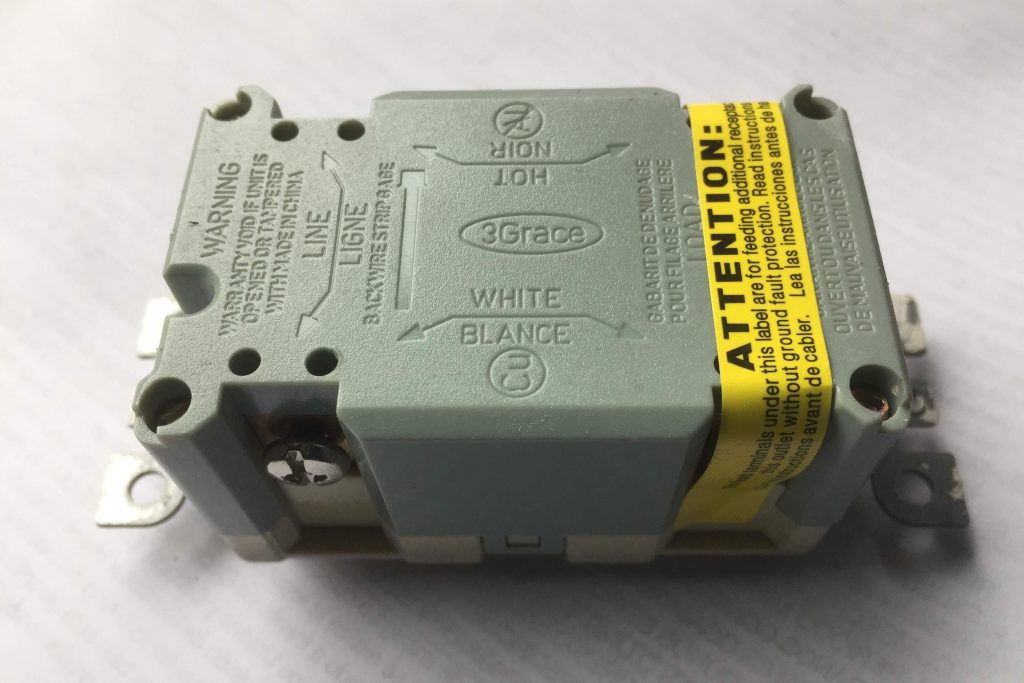
Now comes an essential aspect of this process – connecting wires safely. Using insulated pliers, strip about 1/2 inch of insulation from each wire’s end on both your transformer and plug set or power cable, revealing bare metal strands underneath. Keeping color consistency intact – black (or red) denotes ‘hot’ wires and white signifies ”neutrals’ – intertwine matching colors together.
In order to maintain a secure connection, use specific wire connectors called ‘wire nuts’. Place them over twisted-together wires and twist further until they’re firm and tight, ensuring perfect connectivity without any loose ends. Wrap each connection individually with electrical tape for extra protection against elements before plugging in the assembled unit into your GFCI outlet after switching back on the main circuit breaker.
Let There Be Light: Setting up Outdoor Lights
Now our attention pivots towards setting up outdoor lights in harmony with our newly installed transformer. Begin by laying out cables from your transformer towards areas where light fixtures are intended to be placed without connecting any lights yet – considering future expansions while doing so could save effort down the line!
Next, decide on the type of lights you want to install. Each light fixture comes with two lead wires that need to be connected to the main cable. To do so, you’ll need cable connectors designed specifically for outdoor lighting systems. They pierce into the main cable and form a connection with the lead wires when they are screwed in place.
Remember to maintain a correct polarity while connecting – pairing the ‘ribbed’ lead wire from the fixture with the identified neutral wire on your transformer and the remaining wire with hot feed. Repeat this process for each light fixture while ensuring each connection is secure and protected from environmental elements using weather-resistant wire nuts or silicone-filled connectors.
In terms of positioning lights for optimal lighting, consider factors like purpose (ambient, task, accent, aesthetic), required beam spread, and distance from objects. A combination of various techniques, such as uplighting, downlighting, and crosslighting, can significantly enhance your landscape’s appeal when used properly.
Circuit Earthed: The Importance of Grounding Your System
The final step involves grounding your system – a vital safety measure often overlooked by many. Grounding helps absorb any electrical faults by providing an alternative pathway for electrical energy to travel safely back into the ground instead of causing harm through shock or fire.
To ground your transformer effectively, it must contain a grounding terminal usually marked as ‘GRD’. Connect a copper grounding wire here and secure it firmly in place using a screwdriver. The other end needs to be attached to a grounding rod driven deep into the earth near your GFCI outlet location.
Once these connections are made tightly using appropriate clamps/bolts, bury everything but the top part of the grounding rod – which should stand a few inches above ground level – to finish off the installation process efficiently and safely! Following these steps meticulously will ensure that your landscape lighting is not just beautiful but also safe and reliable – illuminating your outdoor space while providing peace of mind!
Troubleshooting Common Issues with Landscape Lighting Transformers
Unearthing Tricky Troubles: How to Identify Common Problems
Even the savviest of installations may occasionally falter, so it is crucial to be cognizant of common issues and know how to identify them. One recurrent problem is flickering or dimmed lights. This issue often arises when the transformer is overloaded or there’s a bad connection somewhere along the circuit.
Another prevalent issue can be unresponsive lights, which may indicate a burned-out bulb or a more serious problem like deep-rooted wiring issues. Moreover, if your transformer keeps tripping off, it might be due to an overloaded circuit or perhaps a defective safety switch.
A buzzing or humming sound from your transformer could suggest a loose part inside the unit, while rapid burnout of bulbs might point towards an over-voltage issue. Timer problems are another common nuisance; these usually occur when the timer gets out of sync due to power outages.
Seeking Solutions: Addressing Landscape Lighting Transformer Issues
The task may seem daunting initially, but fret not; solutions are within reach once you’ve identified these problems. To rectify flickering lights, reduce the load on your transformer by using less wattage per light fixtures or installing additional transformers. When bulbs are burning out too quickly, check if your voltage is set too high; it might need to be scaled down.
Whenever some lights aren’t turning on at all, begin by replacing what seems like a burned-out bulb and checking for any loose connections in your electrical lines. If this doesn’t resolve the issue, consider consulting with an electrician, as you may have deeper electrical problems at hand.
A constantly tripping transformer would require you to reassess your total wattage requirements and make sure they don’t exceed your current transformer’s capacity; if they do, upgrading to one with a higher capacity would be prudent.
Should there be persistent noise emanating from your transformer, inspect it for any loose components. However, always remember to disconnect the power before opening it up for safety reasons.
Last but not least, to fix timer issues, ensure that your timer is correctly set according to your current timezone and daylight saving time adjustments, and consider investing in a battery backup in case of power interruptions.
Guardians of the Glow: Maintenance Tips for Landscape Lighting Transformers
A key component to maintaining the longevity and efficiency of your landscape lighting transformer is regular inspection. This not only helps in maintaining the aesthetic appeal of your landscape but also potentially saves you from costly repairs or replacements. Just like any electrical device, a landscape lighting transformer requires periodic maintenance to ensure that it functions optimally.
Regular inspection should ideally be carried out at least once every quarter. During these inspections, you should check for any signs of wear and tear on the cables and lights. Look out for any damaged, frayed, or exposed wires, which can lead to electrical shorts or even pose a fire hazard. Ensure that all connectors are tight and secure; loose connections can lead to inconsistent lighting.
It’s also essential to inspect the transformer casing itself for signs of damage or corrosion, especially if it is exposed to harsh weather conditions. Any signs of rusting or water entry should be addressed immediately since this could lead to failure of the unit.
Additionally, keep an eye on the overall performance and lighting quality; flickering lights or reduced brightness could indicate issues with the transformer’s power supply. If your system includes timer-based controls or light sensors, check their functionality as well during these regular inspections. Ensure that they’re properly calibrated and functioning as intended; misaligned sensors or inaccurately set timers could lead to unnecessary power wastage.
Last but not least, don’t forget about cleaning! A buildup of dirt on your outdoor lights can significantly reduce their brightness level over time. Regularly clean all light fixtures using a soft cloth and mild detergent if needed, making sure not to cause any damage while doing so.
Conclusion: How to Install a Landscape Lighting Transformer?
Installing a landscape lighting transformer can seem like a daunting task initially. However, with a clear understanding of its function, having the right tools and materials, and following a step-by-step guide, this task can be achievable for even the most novice DIYer.
Regular maintenance and inspection can ensure your lights continue to beautifully illuminate your landscape for years to come. While challenges may arise during installation or maintenance phases, remember each hurdle only provides an opportunity for us to learn and grow.
So soak up every bit of knowledge you acquire during this process. After all, every flickering light you restore becomes another shining testament to your growing expertise in landscape lighting.
You may also be interested in the following posts: