
Causes of LED Tube Light Failure
A Brief Overview of LED Tube Lights
Light-emitting diodes have significantly impacted the lighting industry since their invention in the early 20th century. Among its varied iterations, LED tube lights have become particularly popular due to their energy efficiency and long service life. Unlike traditional incandescent or fluorescent bulbs that waste much of their energy as heat, LED tube lights convert nearly all their electricity into light.
LED tube lights are available in a vast array of configurations catering to different lighting scenarios. The LED tube grow lights are designed specifically for indoor plant cultivation, while LED tube retrofit lights serve as an efficient replacement for conventional lighting systems.
For those seeking vibrant color effects, RGB LED tube lights offer an array of colors and customization options. The versatility continues with LED tube strip lights that are perfect for accenting architectural features or creating mood lighting. Meanwhile, UV LED tube lights cater to unique needs such as sterilization or blacklight effects.
For outdoor setups like landscape lighting or festive decorations, options range from solar LED tube lights and LED tube string lights to smart LED tubes that can be controlled remotely via smartphone apps. Additionally, irrespective of stylistic preferences such as vintage aesthetics or modern minimalist designs, there is a type of LED made just for you, like the trendy LED tube vintage lights.
Lighting Up Modern Lives: The Importance and Prevalence of LED Tube Lights
In our technologically advanced world where energy efficiency and sustainability are paramount concerns, LED technology has emerged as a beacon of hope. Particularly in commercial environments where lighting is required round-the-clock – think hospitals, hotels, and malls – LED lights provide the perfect amalgam of cost-effectiveness and reliability.
LEDs’ extraordinary lifespan compared to traditional counterparts makes them an attractive choice for any setting – from residential properties to commercial establishments. Not only do they consume significantly less energy, but their long-lasting performance means fewer replacements, resulting in less waste.
This makes LED lights a more environmentally friendly choice. Over the past decade, the increased focus on green buildings and sustainable infrastructure has given LED technology – specifically LED tube lights – a well-deserved boost. In numerous cities worldwide, local governments are initiating massive LED rollouts to reduce their carbon footprints and save on electricity bills.
The versatility of these lights further enhances their prevalence. From RGB LED tube lights enhancing a music concert’s ambiance to UV LED tube lights used in hospitals for sterilization purposes – the applications are vast and varied.
Overall, it is evident that from greenhouses using LED tube grow lights to cities illuminating roads with smart LED tubes, landscape lighting with solar LED tubes to homes decorated with LED tube vintage lights, the era of LEDs is well underway. However, as prevalent as they may be, like any other technology, LED lights are not perfect. They too can fail – and that’s what we will delve into in our upcoming sections.
Unveiling the Luminary Magic: The Basics of LED Tube Lights
An understanding of light-emitting diodes (LEDs) forms the foundation to grasp the concept of LED tube lights. In the simplest terms, LED tube lights are a type of LED lamp used in lighting fixtures. They are constructed with multiple LEDs aligned in a linear or tubular fashion, hence earning their name ‘LED tube lights’. However, they embody much more than this simplified explanation.
The initial purpose behind the advent of LED lights was to create an energy-efficient alternative to traditional lighting solutions. This objective was achieved by utilizing semiconductors through which electricity is passed to create photons – particles that generate light. With this foundation, LED tube retrofit lights were designed as replacements for fluorescent tubes commonly found in commercial and residential spaces.
The functionality of LED tube strip lights extends beyond just illumination. For instance, UV LED tube lights produce ultraviolet light and play a crucial role in sanitation processes across various industries. Similarly, LED tube grow lights that emit specific wavelengths advantageous for plant growth are indispensable for indoor gardening and hydroponics.
Shedding Light on Efficiency: The Advantages over Traditional Lighting Solutions
Switching from conventional bulbs to smart LED tube lights brings multifaceted benefits over traditional lighting solutions – they are energy-efficient, environmentally friendly, durable, and versatile. LED lights fundamentally require less power to operate compared to traditional incandescent bulbs due to their superior efficiency at converting electricity into light, thus reducing both energy consumption and associated costs significantly over time.
This quality is evident not just in standard LED tube lights but also in specialized ones like solar LED tube lights that combine LED technology with solar power for maximum efficiency. Furthermore, LED tubes have considerably longer lifespans compared to other types of lighting which increases cost-effectiveness even further – a feature particularly noticeable with RGB LED tube lights whose color-changing ability does not compromise their longevity.
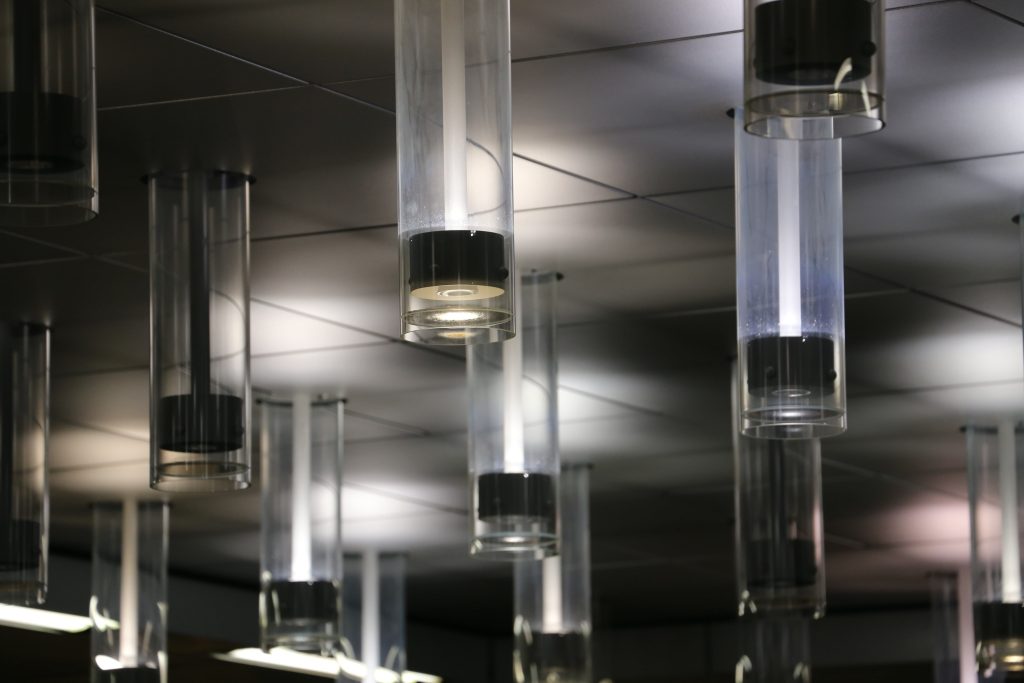
Versatility is yet another major advantage of LED tube lights. Whether it’s LED tube vintage lights adding a warm charm to your decor, or LED tube string lights adding a festive touch to an outdoor gathering, or landscape lighting enhancing the aesthetics of your garden, LED lights offer a plethora of options to cater to different needs and aesthetics.
By no means least important, LEDs are an environmentally friendly lighting choice. They do not contain harmful substances like mercury found in many other light bulbs and have good recycling potential. From this perspective, they light the way towards sustainable lighting, demonstrating that we can achieve luminous beauty without costing the Earth.
The Prolonged Journey: Lifespan Expectations for LED Tube Lights
LED tube lights, whether they are used as vintage fixtures adding a touch of nostalgia to the décor or horticultural aids in the form of LED tube grow lights, have carved out a niche for themselves due to their longevity. One of the most appealing attributes of these luminous devices is their lifespan. Unlike traditional incandescent or CFL bulbs that may have a rated life of 1,000-2,000 hours and 10,000-15,000 hours, respectively, LED tube lights are renowned for boasting an impressive lifespan often exceeding 50,000 hours.
This translates to several years of uninterrupted service even with continuous use. In many applications – from landscape lighting solutions using solar LED tube lights to achieving multiple color outputs with RGB LED tube lights – such an extended lifecycle serves as a major advantage. It reduces the need for frequent replacements and brings down maintenance costs significantly.
Smart LED tube lights with automated controls also contribute towards energy savings while simultaneously extending their own lifespans. Yet it’s important to understand that while this general lifespan is indeed impressive and advantageous compared to other lighting methods on offer today, it doesn’t mean they are immune to failure. However well-manufactured an LED light might be – whether it’s designed as LED tube strip lights used in commercial settings or UV LED tube lights employed in healthcare and hygiene applications – there will invariably come a point where its performance begins to decline.
The Factors at Play: Influences on Longevity
The longevity of LED tube lights depends on several factors, including design, application, and environmental conditions. One of the most critical design elements is heat management. Effective heat dissipation prevents overheating, which can otherwise lead to reduced performance or early failure. To address this, LED tube lights often incorporate heat sinks. For example, LED tube string lights used for extended hours during festive seasons require robust thermal control to maintain reliability.
Application context also greatly influences lifespan. LED tube grow lights used in indoor farming may be exposed to moisture, requiring waterproof designs. Similarly, solar-powered LED tube lights used for outdoor landscape lighting face weather-related challenges and need to be built to withstand harsh elements.
Electrical conditions, particularly voltage fluctuations and surge currents, are another concern. Prolonged exposure to inconsistent voltage can cause dimming or outright failure. This has led to the growing use of smart LED tube lights equipped with voltage regulators and surge protection.
Physical durability also matters. Although LED tube lights, including RGB variants, are solid-state and generally more robust than traditional bulbs, improper handling during installation or maintenance can still cause damage and shorten their life.
Despite their reputation for durability and energy efficiency, the actual lifespan of LED tube lights is shaped by multiple factors. From thoughtful product design and protective features to appropriate use in the right setting, each element plays a role in ensuring they perform optimally over time. In retrofit projects where LEDs replace older lighting systems, considering these factors can help maximize the benefits and longevity of the investment.
Common Reasons for LED Tube Light Failure
Downfall of Poor-Quality Materials and Manufacturing Processes
When it comes to LED tube lights, the adage “you get what you pay for” often rings true. The usage of substandard materials and components can significantly impact the performance and lifespan of these lights. For instance, LED tube retrofit lights made with inferior phosphor can cause color shifts or lower light output over time.
The manufacturing process is equally critical in determining the durability of LED tube lights. Inefficient production methods often contribute to premature failure, as they may lead to poor thermal management or weak solder joints that can’t withstand stress over time.
Innovation in LED technology has led to products like smart LED tube lights that promise longevity, but poor manufacturing practices can negate these advancements. For example, if the internal driver component is not properly constructed, it could fail well before the LED tubes themselves do.
The Dual Impact of Overheating on LED Tubes
Temperature plays a crucial role in the performance and lifespan of all types of LED lights, including garden-favorite landscape lighting or specialized LED tube grow lights. Overheating is a common issue that may result from improper thermal management. The mechanism behind this is simple: as temperature rises within an LED unit, efficiency drops, leading to reduced light output and potential failure.
High temperatures can degrade components over time too; this degradation escalates exponentially with heat increases. Preventing overheating involves adequate heat-sinking methods such as metal core printed circuit boards (MCPCBs) or proper ventilation within fixtures. Placing RGB LED tube lights too close together might impair airflow and increase heat generation; a minimum distance should be maintained between each unit for optimal operation.
Power Matters: Incorrect Supply and Voltage Fluctuations
Much like classic LED tube vintage lights need their specific voltage range for optimal brightness without flickering, modern LED lights, including solar LED tube lights or UV LED tube lights, require a correct power supply for operation. An incompatible or unstable power supply may result in inconsistent lighting, flickering, or even product failure.

Voltage fluctuations can also affect the lifespan of LED tubes. These variations in electric potential can cause stress on the LED components, reducing their expected lifespan. This is especially true for LED tube strip lights strung together in a series; if one light is affected by a fluctuation, the others may suffer too.
To guarantee long-lasting performance and avoid premature failure in your LED tubes – whether they are regular LED tube lights or niche products like smart LED tube lights – it’s essential to invest in high-quality materials and manufacturing while ensuring proper thermal management and a stable power supply.
Detailed Examination: Rarely Known Causes for Failure
ESD: The Invisible Saboteur
In the realm of LED tube lights, electrostatic discharge (ESD) is an often-underestimated enemy. ESD occurs when two charged objects come into close proximity or contact, causing a rapid, spontaneous transfer of electrostatic charge. This discharge can inflict severe damage on electronic components, including the sensitive diodes in LED tube lights.
ESD’s impact on LED tubes is far from trivial. When subjected to a high-voltage ESD event, the delicate semiconductor material within LEDs can break down and form a permanent short-circuit path. This results in an immediate end-of-life scenario for the afflicted LED. Even if the LED doesn’t fail outright, ESD can cause latent damage that severely shortens lifespan and compromises performance.
Integrating proper handling practices during manufacturing and installation can prevent ESD damage. These safeguards include using antistatic mats or flooring materials and wearing antistatic wrist straps when handling LED tubes. For LED tube retrofit lights or smart LED tube lights designed for home automation systems – where user interaction is more frequent – additional measures such as built-in ESD protection circuits can be integrated into the design.
What’s more? Manufacturers could ensure that shipping and packaging materials are also anti-static to prevent any accidental discharge during transit. This factor becomes particularly critical when dealing with high-performance applications like RGB LED tube lights, which consist of multiple light-emitting diodes susceptible to ESD damage. Keep in mind that solar LED tube lights installed outdoors have higher exposure to atmospheric static electricity buildup, especially in dry weather conditions; therefore, they might need extra protective measures against EDS.
Lumen Depreciation: The Unseen Decay
Lumen depreciation is another subtle yet significant factor that plays a crucial role in the perceived failure of LED tube lights. Simply put, lumen depreciation refers to the gradual reduction in light output from an LED tube over time. While all light sources experience some form of lumen depreciation, the rate at which this occurs can significantly vary.
In LED tube lights, lumen depreciation is primarily caused by heat generated within the semiconductor material. This heat leads to a myriad of changes, such as alterations to the phosphor’s color quality and eventual breakdown of internal LED components. As a consequence, even high-end products like UV LED tube lights or LED tube grow lights – designed for specific applications – may see a drop in their performance due to lumen depreciation.
While it’s natural for LED tubes to degrade over time, understanding how this process impacts light output can help us make more informed decisions about replacement schedules and maintenance plans. For instance, landscape lighting using LED tube strip lights may need replacement not because they no longer work but because their depreciated light output is no longer sufficient for lighting outdoor spaces effectively.
Moreover, keep in mind that some LED tubes, like vintage LED tubes, might seem dimmer than others at full brightness right from the start due to their design philosophy, which focuses on creating a soft and warm glow rather than bright illumination.
Knowledge about these rarely known causes can help both manufacturers and users optimize product designs and usage strategies, respectively – ensuring that whether it’s your everyday household bulb or specialized LED tube string lights for festive decorations, they continue brightening your world without any premature failure.
Handling Failed LED Tube Lights: A Guide to Recovery
The Art of Repairing LED Tube Lights: When Is It Feasible?
While the onset of failure in any lighting equipment can be disconcerting, it does not necessarily spell doom. Certain instances allow for the repair of LED tube lights, especially when the problem lies within accessible components. The first step is to conduct a thorough examination of your RGB LED tube lights or smart LED tube lights.
If the problem is attributed to faulty wiring, then a simple readjustment could restore functionality. Similarly, if the power supply has been compromised, replacing this specific component can breathe new life into your LED tube strip lights or UV LED tube lights.
However, when dealing with advanced lighting solutions such as smart LED tube lights or LED tube grow lights for horticultural applications, specialized knowledge may be required to navigate their intricate systems effectively. If you’re comfortable maneuvering through these complexities and have access to suitable replacement parts, then conducting a repair might indeed be feasible.
For an outdoor setup using landscape lighting or solar LED tube lights, checking and repairing any damage incurred due to weather conditions can often lead back to lighting. In some cases, though – such as eroded wiring from harsh weather conditions – professional intervention may be necessary. Remember that troubleshooting should always start with the obvious culprits before delving into more complex issues. Often a quick check will expose easily rectifiable problems that have caused the LEDs’ failure.
Knowing When To Let Go: Replacement vs Repair
Despite our best efforts at repair and restoration, there are circumstances wherein replacement becomes inevitable for your LED tube retrofit lights or LED tube vintage lights. Recognizing these situations is key in preventing further damage. A common instance where replacement is paramount includes severe physical damage affecting integral parts, such as chips in an RGB LED tube light system.
Irreparable damage could also occur in LED tube string lights if the LED chips themselves fail, as these components are typically not user-replaceable. Lumen depreciation, which inevitably affects all LED tubes over time – including those used in UV LED tube lights or LED tube grow lights – also necessitates replacement. As the light output diminishes over time due to this natural process, there comes a point when the luminosity is simply too low for the intended application.
In cases where multiple repairs have been made and yet failure persists, it’s often more cost-effective to switch to new LED tube vintage lights or LED tube retrofit lights. Frequent failures can indicate a larger issue with the structure of the light, making replacement a wise choice.
Ultimately, the decision lies with you – armed with knowledge of typical LED failure causes and remedies, you can make an informed decision on whether repair or replacement is most suitable for your specific situation. It’s important to remember that while LEDs are renowned for their longevity, they’re not exempt from failure – understanding how to react when this occurs will ensure continued enjoyment of your lighting solutions.
The Path to Luminary Longevity: Ensuring the Lifespan of Your LED Tube
In closing, we find ourselves reflecting on the intricacies and complexities that encompass the world of LED tube lights. It is abundantly clear, from smart LED tube lights gracing our homes with their luminous brightness and LED tube string lights casting a warm glow over festive occasions to LED tube grow lights accelerating plant growth in agriculture, that these pieces of technology have firmly embedded themselves into our lives.
The journey through understanding why LED tube lights fail has hopefully shed some light on the importance of not only choosing quality products but also ensuring proper installation and maintenance. Be it solar LED tube lights harnessing the power of nature or RGB LED tube lights lighting spaces with vibrant hues, each variety has its unique characteristics and needs. Overheating issues are a common enemy for all these variants. Therefore, ensuring sufficient heat dissipation mechanisms are in place becomes paramount.
Everlasting Lighting: The Pioneering Role of UV LED Tube Lights
As we navigate through the landscape lighting sector packed with innovation like UV LED tube lights used for sterilization purposes and such, it is critical to remind ourselves about lumen depreciation. This natural process can significantly impact light output over time but doesn’t necessarily signal product failure. Understanding this phenomenon will enhance your ability to make informed decisions when it comes to replacements.
Retro Brilliance: Embracing Modernity with LED Tube Retrofit Lights
We’ve taken steps back into nostalgia with the advent of LED tube vintage lights while at the same time embracing modishness embodied by LED retrofit tubes, rendering older lighting systems obsolete. In all these advancements lies a common thread – voltage stability is key! A stable power supply does wonders for enhancing longevity and avoiding premature failures.
Conclusion: Why Do LED Tube Lights Fail?
From creating enchanting atmospheres in gardens using LED tube strip lights to harnessing the power of the Sun with solar LED tube lights, we stand witness to the numerous applications LED tubes have been woven into. Your choice of lighting solution, whether it be a sleek LED tube light for your kitchen or landscape lighting for your garden, should be aligned not only with aesthetic preferences but also with an understanding of product reliability and endurance.
While LED tube lights aren’t perfect and do come with their share of complications, we’ve seen that most issues boil down to factors within our control. Proper knowledge about these technical aspects will empower us to create more reliable and sustainable lighting solutions. Whether it’s regular LED tubes or cutting-edge smart LED tube lights that learn from our preferences over time, let’s light our paths towards a brighter future.
You may also be interested in the following posts: