
Recycling Christmas String Lights: Where & How to Do It?
The Bright Importance of Recycling Christmas String Lights
Every festive season, homes and public spaces are adorned with twinkling landscape string lights, casting a warm glow that encapsulates the magic of Christmas. However, when the colors fade and the lights flicker out, many of these sparkling strings are unceremoniously discarded. It is this cycle of use and disposal that necessitates a conversation about recycling Christmas string lights.
The importance of recycling Christmas string lights cannot be overstated. Going beyond just being a symbol of festivity, these landscape lighting elements are composed of materials that can wreak havoc on our environment if not properly discarded. Ensuring they’re recycled not only aids in resource conservation but also significantly reduces environmental pollution.
Landscape lighting, such as Christmas string lights, often consists of materials like plastic, copper, and glass, which take hundreds to thousands of years to decompose naturally. Recycling these items keeps them out of landfills where they would otherwise contribute to greenhouse gas emissions while depleting our planet’s non-renewable resources.
By diverting Christmas string lights from our waste stream into recycling processes, we save energy by reducing the need for virgin resources in manufacturing new products. Additionally, recycling promotes job creation in the green industry sector, contributing towards a sustainable economy.
Environmental Impact of Improperly Disposed Christmas String Lights
While their vibrant glitter adds charm to our holiday celebrations each year, improperly disposed landscape string lights carry far-reaching environmental consequences that dim their allure. When thrown away with regular garbage, they end up in landfills or incinerators, where they pose significant threats to both human health and the environment.
In landfills under varying climatic conditions, light strings can leach harmful substances into groundwater or emit harmful fumes when incinerated – both scenarios leading to environmental contamination. Additionally, the copper wires within these lights can contribute heavy metals to the environment, which may harm local flora and fauna.
In many countries, waste management sites are already overflowing and struggling to keep up with the amount of non-decomposable waste being produced. Every string of lights improperly disposed of adds an unnecessary burden to these already overwhelmed systems.
Alternatively, when Christmas string lights are dumped in nature or along roadsides – a practice known as fly-tipping – they become an eyesore and potential danger for wildlife who may ingest small parts or become entangled.
The plastic components also contribute to the growing problem of microplastics found in our rivers, lakes, and oceans. It is clear that improper disposal of Christmas string lights is a matter that requires our immediate attention.
The festive season should bring joy without detrimentally impacting our planet. By incorporating recycling practices into our holiday traditions, we can enjoy landscape lighting without casting a pall over Earth’s future.
Understanding Christmas String Lights
The Lighting Constituents: Components and Materials Used in Christmas String Lights
Christmas string lights, often referred to as fairy or festive string lights, are a ubiquitous part of our holiday celebrations. We drape them on trees, along fences, and around windows to add a festive touch. However, do we truly understand what these twinkling decorations are made of?
These enchanting illuminators are an amalgamation of various components and materials that warrant attention. The first component we encounter is the plastic sheathing that encapsulates the entire strand. Landscape string lights use this particular material for its exceptional insulating properties. It also provides flexibility and durability to withstand varying weather conditions during the holiday season.
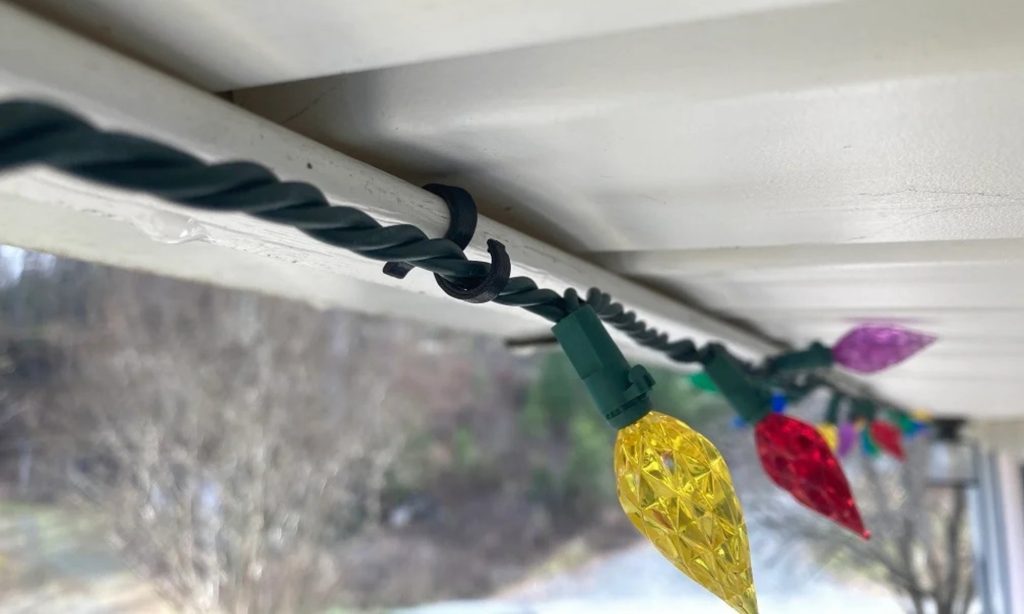
The next layer reveals thin strands of copper wiring running through the length of the cord. Copper is chosen for its ability to conduct electricity efficiently with minimal energy loss. It allows each bulb along the strand to glow brightly without overheating, adding safety alongside charm to our landscape lighting displays.
Embedded at regular intervals along these copper strands, we find LED or incandescent bulbs. LED bulbs are becoming increasingly popular due to their energy efficiency and long lifespan compared to their incandescent counterparts. Incandescent bulbs remain prevalent nonetheless due to their warm light quality and lower upfront cost.
A Matter of Sustainability: Why These Materials Need To Be Recycled
Each component in Christmas string lights – plastic sheathing, copper wiring, and either LED or incandescent bulbs – plays a distinct role in producing that magical holiday glow. But once those festive moments fade into memory with every passing year, what becomes of our beloved landscape lighting?
The plastics used in these strings can take hundreds of years to decompose if sent off unwary to landfills. This unnecessary addition to the global plastic pollution crisis not only hampers our natural landscapes and oceans, but it also threatens various forms of life that inadvertently ingest these non-biodegradable materials.
Copper, on the other hand, is a valuable non-renewable resource. Mined from the earth’s crust, the extraction process of this metal can lead to serious environmental consequences, including deforestation and habitat destruction. Recycling copper helps conserve this valuable resource and reduces the demand for mining activities.
In regards to LED or incandescent bulbs, despite their differing characteristics, both contain materials that can be harmful if disposed of improperly. LEDs may contain trace amounts of lead, while incandescent bulbs have a small amount of tungsten filament; both are better off being reclaimed rather than ending up in a landfill.
Thus, understanding the components and necessity for recycling Christmas string lights helps us ensure our holiday cheer doesn’t come at an unnecessary cost to our environment. Rather than joining their ranks in overcrowded landfills post-holiday season, these landscape string lights deserve a second chance through recycling initiatives.
Where to Recycle Christmas String Lights: General Locations
The Significance of Local Recycling Centers
Local recycling centers are treasure troves for the environmentally conscious, offering facilities to responsibly dispose of a vast array of items, including Christmas string lights. These centers are equipped with both the knowledge and capabilities to handle the specific materials that make up these festive decorations.
Whether landscape lighting or a modest interior display, all types of string lights can usually be accepted at these establishments. To locate your nearest recycling center, you can utilize online resources such as Earth911’s Recycling Search. By entering your ZIP code and the item you wish to recycle (in this case, “Christmas lights”), you can find a comprehensive list of suitable locations near you.
Remember, it’s essential to prepare your items adequately before delivering them for recycling; this often expedites the process and ensures maximum efficacy. For string lights, this generally involves removing any non-recyclable elements such as batteries or timers – though it’s recommended to contact your chosen center for specific instructions.
Retailer Take-Back Programs: An Easy Option
In addition to traditional recycling outlets, there are several retailers that offer take-back programs specifically designed for Christmas string lights. These programs are an excellent alternative if local recycling centers aren’t an option or if you’re seeking a more straightforward disposal method.
Household name Home Depot is one example; they run an annual holiday light trade-in event where customers can bring in their old or broken string lights in exchange for discounts on new LED ones. Lowe’s and Menards have also been known to run similar initiatives during the holiday season.
For those with landscape lighting needs, some companies like Holiday LEDs and Christmas Light Source have mail-in programs catering specifically for their products. This offers customers an easy and eco-friendly way of disposing of their old landscape string lights while stocking up on new ones.
Preparation for Retailer Take-Back Programs
When availing of these retailer take-back programs, it’s important to ensure your string lights are properly prepared. While each retailer will have their own guidelines, generally you should remove any bulbs that are still functional – these can often be used as replacements in other sets.
The key to effectively recycling Christmas string lights lies in being proactive and informed. Whether through local recycling centers or retailer take-back programs, there are several accessible options to help ensure your festive lights don’t contribute to environmental degradation.
Specialized Recycling Programs for Christmas String Lights
A Unique Approach to Solving the Holiday Light Issue
As the world seeks ecologically viable solutions to waste management, specialized recycling programs for Christmas string lights have emerged as a promising avenue. These unique initiatives provide an environmentally friendly alternative for disposing of old or non-functional holiday lights, including landscape lighting and landscape string lights that adorn our homes and gardens during festive seasons.
These programs are not just limited to small-scale local efforts. On the contrary, they encompass a wide range of methods, such as mail-in recycling services and national or regional events dedicated to holiday light recycling. Through these specialized platforms, individuals can play their part in reducing pollution caused by improper disposal of Christmas string lights.
Mail-In Recycling Programs
The Convenient Route to Responsible Disposal
Mail-in recycling programs are an ingenious solution that brings convenience and sustainability together. The premise of these programs is simple: you pack up your used or broken Christmas string lights, including any form of landscape lighting or landscape string lights, send them via post to the specified center, and the service takes care of the rest.
The process starts with packing up your old lights properly – without any bulbs poking out – in a box or envelope sturdy enough to withstand transit. Most services recommend using a size-appropriate container to avoid unnecessary shipping costs. It’s also essential not only to include your return address but also a note stating that the contents are intended for recycling.
Reputable mail-in recycling programs ensure responsible handling of your old Christmas string lights once they reach their facility. They typically disassemble each component – plastic casing, copper wiring, and LED or incandescent bulbs – before directing them into appropriate recycling streams.
Examples of such services abound across different regions. In the United States, HolidayLEDs.com offers free recycling services throughout the year. All you have to do is send your lights to their Michigan recycling center. Similarly, Christmas Light Source has a recycling program where proceeds from the recycled raw materials are donated to charity.
National and Regional Events or Drives Dedicated to Holiday Light Recycling
Bringing Communities Together for a Green Cause
Another aspect of specialized recycling programs involves national and regional events aimed at holiday light recycling. These community-driven events highlight the collective effort needed in creating sustainable solutions for waste management. During these drives, collection points or drop-off locations are set up at strategic places, such as community centers, shopping malls, or local council offices.
People can bring their old Christmas string lights and deposit them in assigned containers. The collected lights are then transported en masse to appropriate recycling facilities, reducing the carbon footprint associated with individual shipments.
These events also serve as a platform for spreading awareness about the importance of responsible disposal of Christmas string lights, including landscape lighting and landscape string lights used extensively during holiday periods.
While these drives tend to peak around major holidays like Christmas, many regions host such events throughout the year. For instance, solid waste districts in various U.S. states conduct annual “Holiday Light Recycling” programs where residents can drop off not only holiday-themed string lights but also household electronics.
Whether it’s through mail-in programs or community-led drives, specialized recycling initiatives offer us practical means of disposing of used holiday lighting responsibly while contributing significantly towards environmental sustainability.
Recycling Initiatives in Different Countries
The United States’ Approach to Recycling Christmas String Lights
Within the United States, several initiatives have taken remarkable strides to revolutionize the recycling of Christmas string lights and landscape lighting.
The HolidayLEDs company, based in Wisconsin, presents an annual Christmas light recycling program where they accept lights throughout the year. They recycle the lights and, in return, provide participants with a 15% discount on their LED lighting products.
Another commendable initiative is Home Depot’s trade-in program. This scheme offers customers a discount on energy-efficient LED Christmas lights when they bring in their old incandescent ones for recycling, thereby fostering a sense of environmental responsibility while saving money.
Numerous local initiatives are also prevalent across states. For instance, some municipalities offer designated drop-off locations for people to dispose of their old string lights responsibly during holiday seasons or throughout the year.
In addition to these programs, several ecology-focused companies operate mail-in services that accept old landscape lighting for proper disposal and recycling. These dedicated outfits ensure that each component of your discarded lights – from plastic parts to copper wiring – is reused or safely discarded.
The upshot of these programs not only helps in alleviating landfill loads but also contributes significantly towards promoting sustainable living practices among citizens by encouraging them to recycle their holiday decorations responsibly.
Canada’s Approach towards Recyclable Landscape String Lights
In Canada, Product Care Recycling runs an impressive program accepting various types of lighting, including Christmas string lights and landscape lighting, at multiple locations across provinces like British Columbia, Quebec, Manitoba, and more. This organization is committed to providing accessible environmental solutions for products at end-of-life stages through its widespread network.
Furthermore, LightRecycle, another recycling program operating in Canada, specifically caters to the disposal needs of lights. This program accepts all types of household lights for recycling at numerous collection points.
Beyond these national initiatives, local councils in many cities and towns often run their own Christmas light recycling schemes during the holiday season. These initiatives often collaborate with local businesses and community centers to create drop-off points for people to hand over their old or broken string lights.
Together, these programs are transforming how Canadians manage their landscape lighting waste and are paving the way towards a greener future by reducing landfill loads, saving valuable resources, and minimizing environmental pollution.
Moreover, they also help in educating citizens about the importance of responsible waste management and motivate them to play an active role in preserving the environment by choosing recyclable products for their festive decorations.
United Kingdom’s Bright Green Initiative: Turning Christmas String Lights into Sustainable Solutions
In the United Kingdom, Recolight provides a comprehensive solution for all kinds of lighting waste, including Christmas string lights. Known for its extensive network of collection points across the country, Recolight ensures that every piece received is processed safely using environmentally friendly methods. Apart from this national scheme, many local council initiatives offer dedicated services during holiday seasons where residents can drop off their discarded landscape lighting at designated locations for proper disposal.
In addition to being an essential part of sustainable living practices, these initiatives also help in reducing energy consumption by promoting LED-based landscape string lights, which use only a fraction of electricity as compared to traditional incandescent bulbs. The combined efforts from these national and local programs significantly aid in managing electronic waste responsibly while fostering an eco-conscious society that recycles its festive decor diligently.
Australia’s New Dawn: Creating Eco-Friendly Highlights with Landscape Lighting
Down under in Australia, SUEZ facilities across the country accept a broad range of wastes, including Christmas string lights. With its state-of-the-art technology and robust procedures, SUEZ aims to reclaim as much value from waste materials as possible while ensuring their safe disposal.
In addition to this, various local council initiatives have sprung up offering recycling options specifically for holiday lighting. These services often run during or around the holiday season, giving residents an opportunity to recycle their decorations responsibly.
These programs not only contribute towards reducing landfill waste but also encourage Australians to move away from conventional incandescent bulbs towards more energy-efficient LED landscape lighting. This shift helps in lowering greenhouse gas emissions and promoting sustainable living practices among the citizens.
Overall, regardless of where you live around the globe, there are numerous ways for you to discard your old or broken Christmas string lights responsibly instead of sending them to the landfill. By choosing these recycling programs, we all can play a vital role in preserving our planet for future generations.
Guiding Lights: How to Properly Prepare Christmas String Lights for Recycling
Just like pebbles in a river are polished into gleaming gems, the path to successful recycling begins with preparation. Ensuring your Christmas string lights are properly prepared for recycling can significantly heighten the efficacy of the recycling process and add valuable years to their lifecycle, perhaps even seeing them reborn as landscape lighting.
The first step in preparing your Christmas and landscape string lights for recycling is to evaluate their condition. If they’re still operational, consider donating them instead of sending them for recycling. A plethora of charities would be more than happy to give your pre-loved holiday decorations a new lease on life.
However, if they have ceased functioning beyond repair and have reached the end of their useful lifespan, you must then determine whether there are any non-recyclable parts attached that need removal before submitting them for recycling.
The Art of Detachment: Separating Non-Recyclable Parts
Certain components may not align with the recyclability standards set forth by different facilities. While most parts used in landscape string lights – such as copper wires, LED bulbs, or plastic components – can be recycled efficiently, other elements like batteries and certain types of bulbs might need separate handling due to environmental regulations or technological limitations within recycling facilities. If such non-recyclable elements exist within your Christmas string lights – such as battery packs or certain ornamentation – it’s imperative that you remove these prior to delivering your strings for processing.
However, bear in mind this may not always be necessary depending on the specific requirements detailed by your chosen collection point or mail-in program; it’s always advisable to clarify this beforehand. Nonetheless, demonstrating diligence in this preliminary separation process can greatly streamline the subsequent stages involved in light strand recycling and ensure a smoother journey towards revival as new products.
A Carefully Wrapped Package: Packaging Your String Lights Properly
Just as an artist lovingly packages their work before sending it off to be showcased, suitable packing plays a significant role in ensuring smooth transit and processing of your Christmas string lights. Begin by coiling your string lights in a neat, organized manner. This helps prevent any tangling or damage during transport, making the recycling process easier for facility workers.
Next, place the coiled strings into a sturdy box or bag. Aim to use recycled materials for your packaging if possible, further enhancing your contribution towards environmental sustainability. Remember that different recycling facilities or take-back programs may have their own specific packaging requirements. Therefore, it’s essential to familiarize yourself with these guidelines prior to submission.
To conclude, preparing landscape string lights for recycling is an essential step that requires careful attention but generates substantial rewards. By separating non-recyclable parts when necessary and packaging the lights properly, you are not only easing the recycling process but also contributing significantly towards environmental conservation and sustainability.
Unearthing the Benefits of Recycling Christmas String Lights
The Environmental Upside: Curtailing Landfill Waste and Pollution
The environmental benefits of recycling Christmas string lights, often used as landscape lighting during the festive season, are substantial.
Firstly, it markedly reduces landfill waste. Non-recycled string lights can take up a significant amount of space in landfills due to their composite materials. Given that millions of individuals and businesses around the globe use these lights annually, the volume is quite colossal. Moreover, the materials used in these decorations, such as plastic, copper wires, and LED or incandescent bulbs, are non-biodegradable.
When left to decompose naturally in dumpsites, they can result in soil contamination and leach harmful substances into groundwater sources over time. This environmental degradation is not limited to local vicinities; harmful substances eventually find their way into oceans, impacting marine life on a global scale.
Aside from reducing landfill waste and pollution risks associated with decomposition, recycling also promotes resource efficiency – an elemental aspect of sustainable consumption and production patterns. Instead of mining new raw materials, which is often labor-intensive, energy-draining, and environmentally detrimental, recycled components provide an alternative source, easing pressure on natural resources.
Recycling landscape string lights further contributes towards reducing carbon emissions during production processes. Producing new products from scratch requires much more energy compared to when recycled materials are utilized. Thus, recycling cuts back on greenhouse gas emissions immensely, contributing to climate change mitigation efforts.
Economic Benefits: The Value Recovery Potential
Beyond the environmental perks discussed above lies economic value recovery potential within each recyclable string light you hold in your hand. When these items reach their end life phase, they are far from worthless – quite the contrary indeed!
The plastic casing around landscape lighting can be repurposed into various plastic goods, while copper found within the wires is a highly valuable resource that can be melted down and reused in numerous applications ranging from construction to electrical equipment.
Moreover, the recycling industry creates jobs many times over compared to waste management. As per a report by the United States Environmental Protection Agency, recycling generated 757,000 jobs in the U.S. alone as of 2016. This translates into significant economic growth and societal benefits.
Furthermore, adopting recycling practices on an individual level can lead to cost savings for consumers themselves. Several retailers offer incentives for returning old string lights, such as discounts on new purchases – a win-win situation for both retailer and customer.
Conclusion: Where Can We Recycle Christmas String Lights?
A Brighter Future with Recycled Christmas Lights
The process of recycling landscape string lights carries an array of environmental and economic advantages that extend far beyond merely reducing clutter in your storage space post-festive season. It is a remarkable way to ensure that we take responsibility for our consumption choices without compromising on the joyous sparkle that these lights bring into our lives each year.
As we brighten our homes with landscape lighting during festive seasons, let’s also remember to light up our global responsibility towards sustainable consumption patterns. The power lies within each one of us – like each tiny but significant bulb in a string light – to make this world brighter and better through conscious actions such as recycling Christmas string lights.
You may also be interested in the following posts: