
Best LED Tube Lights to Perfectly Illuminate your Car
Introduction to the Luminescence of LED Tube Lights
As we navigate the labyrinth of automotive lighting, one type of lighting has gained immense popularity recently – LED tube lights. These innovative sources of light are ingeniously designed, with each tube filled with numerous light-emitting diodes. Offering an array of benefits and utility that extend far beyond their primary purpose, LED tube lights have revolutionized not only how we illuminate our vehicles but also various other sectors like horticulture with LED tube grow lights and interior decoration with LED tube vintage lights.
A unique feature to note about these luminaries is their versatility. They can be used in multiple settings – indoors for decorative purposes or outdoors as landscape lighting. Solar LED tube lights have become a popular choice for outdoor use due to their eco-friendly nature and energy efficiency. The introduction of smart LED technology has expanded their application further by providing users with greater control over brightness levels and color temperatures.
The usage of these innovative lighting solutions isn’t restricted to static installations; they’ve found significant applications in dynamic environments too – for instance, cars. The highly flexible versions, such as the LED tube strip lights, adapt perfectly to vehicular contours, thus offering enhanced aesthetic appeal.
Unlocking a New Dimension: Importance of LEDs in Vehicle Lighting
When it comes to automotive lighting, safety should always be the paramount concern – which is precisely where the importance and benefits of installing LED tube lights in cars come into play. They provide brighter illumination while consuming less energy than traditional halogen lamps or high-intensity discharge lamps (HIDs).
Moreover, they have a much more extended lifespan – lasting up to 50 times longer than incandescent bulbs – which means less frequent replacements and more savings over time. Furthermore, with RGB LED tube lights available on the market now, drivers can customize both internal ambient lighting and external signaling lights to their preference, adding a personal touch to their vehicle.
The advantages of LED tube lights in automotive applications don’t end there. Thanks to their compact size and minimal heat output, they can be installed almost anywhere in the car – from the dashboard to the trunk. This versatility fuels creativity and customization options, resulting in aesthetically pleasing and efficient lighting setups.
LED tube string lights have become a favorite among car enthusiasts for decorating interiors during festive seasons or enhancing mood lighting. With LED tube retrofit kits available, it has also become easy for vehicle owners to upgrade their existing lighting systems without any significant modifications.
Additionally, UV LED tube lights have found use in sterilization processes within vehicles – a feature that has gained prominence during recent times owing to increased emphasis on hygiene. Integrating LED tube lights into cars enhances aesthetic appeal, increases safety, reduces energy consumption, and paves the way for innovative applications – all contributing factors towards a better driving experience.
Understanding the Basics of Car Lighting: Lighting the Path Ahead
The world of automotive lighting is vast and varied. The illumination provided by a vehicle’s light system is not only for aesthetics but, more importantly, for safety. The primary types of car lights include the headlights, taillights, sidelights, brake lights, fog lights, and interior lights. Each one has its unique function and importance.
Headlights are typically the most prominent lighting feature on a car. They illuminate the road ahead during low-light conditions and ensure that oncoming drivers can see your vehicle. Taillights are red lamps mounted at the rear of a vehicle that signal to other motorists your presence on the road in darker environments or during adverse weather conditions.

Side lights, also known as parking or marker lights, help increase visibility, especially during twilight hours or in poorly lit areas. Additionally, brake lights indicate when a driver is slowing down or coming to a stop, while fog lamps provide extra illumination during misty conditions or heavy rain to improve visibility. Interior cabin lighting aids in increasing visibility inside your car for various tasks like reading maps or finding objects.
A newer addition to some vehicles includes daytime running lights (DRLs), which are designed to make cars more visible in daylight conditions, thereby enhancing safety. Another industry trend involves smart LED tube lights, which not only offer brighter illumination but also come with features like automatic dimming based on ambient light levels.
The Evolution of Car Lighting: A Dance of Shadows and Light
The evolution of automotive lighting represents an ongoing pursuit towards improving driver safety and car aesthetics simultaneously. In its early stages, cars were outfitted with acetylene lamps before transitioning into halogen bulbs in the 1960s – a technology still popularly used today due to its affordability and adequate performance.
In essence, halogen bulbs work by passing an electric current through a tungsten filament housed in a gas-filled chamber, typically halogen. The heat generated causes the filament to glow brightly and produce light. While effective, they are not particularly efficient and generate a significant amount of heat.
The move towards light-emitting diodes (LEDS) represents the latest step in this evolution. Instead of relying on heated filaments, LEDs create light by passing an electric charge through semiconductor material. This process, also known as electroluminescence, is more energy-efficient than traditional methods and produces more light per watt while generating less heat.
Nowadays, LED tube lights have found their way into various applications within car design owing to their versatility – from LED tube vintage lights that imbue classic cars with modern functionality to UV LED tube lights for novelty purposes or even solar LED tube lights that add an eco-friendly flair to your vehicle.
Other popular LED variants include RGB LED tube lights, which allow for customizable color displays and LED tube string lights for decorative purposes. There’s also been a surge in popularity of retrofit solutions like LED tube retrofit lights that enable the upgrade from traditional lighting systems to advanced LED technology without major alterations required on the car’s structure.
Unraveling the Mysteries: What are LED Tube Lights?
LED tube lights, a technological marvel in the realm of lighting, have emerged as a versatile lighting option for diverse applications such as landscape lighting, indoor illumination, and vehicle lighting. The term LED stands for ‘light-emitting diode’, a semiconductor device that emits light when current flows through it.
Unlike traditional light bulbs that use filaments or gases to produce light, LEDs generate light through the movement of electrons in their semiconductor material. LED tube lights come in various forms and functionalities tailored to specific uses.
For instance, RGB LED tube lights can produce a wide spectrum of colors, making them popular for decorative purposes. On the other hand, UV LED tube lights emit ultraviolet radiation suitable for certain scientific and industrial applications.
Emitting Brilliance: How do LED Tube Lights Work?
The functioning of an LED is rooted in the principles of quantum physics. When an electric current passes through an LED bulb/tube, it excites the electrons present within its semiconductor material. These excited electrons move across energy bands and release energy in the form of photons (light particles) when they ‘relax’ back into their original position.
The color of this emitted light is determined by the specific materials used in the semiconductor, which allows manufacturers to produce everything from LED tube vintage lights that mimic traditional incandescent bulbs to LED tube grow lights optimized for indoor horticulture.
To encompass greater surface areas with bright yet diffused lighting such as in vehicle fixtures or landscape lighting scenarios, LEDs are often fashioned into tubes or strips – hence giving birth to terms like LED tube strip lights or solar LED tube lights, where solar cells are used to power these fixtures.
Outshining Predecessors: Advantages over Traditional Lighting Systems
LED technology has revolutionized our approach towards artificial lighting systems due to several reasons, including efficiency, durability, versatility, and environmental friendliness. Specifically, when LED lights are fashioned into tube form, they can offer uniform and broad-spectrum lighting, which is particularly useful for car interiors, warehouses, or open landscapes.
One of the major advantages of LED tube lights is their energy efficiency. They consume significantly less power compared to traditional incandescent or fluorescent bulbs, making them a cost-effective choice in the long run. For instance, LED tube retrofit lights are employed to replace existing high-consumption fixtures with energy-efficient LEDs without having to entirely revamp the lighting system.
Another notable perk is the longevity of these lights. Unlike traditional bulbs that burn out over time, LEDs ‘fade away’ gradually – often providing tens of thousands of hours of illumination before needing replacement. This robust performance combined with low maintenance makes them an ideal choice for smart LED tube lights, which can be programmed and controlled remotely, providing an additional layer of convenience.
Moreover, innovations like RGB LED tube lights and smart LED tube string lights have transformed how we perceive space aesthetics – from architectural marvels to humble living rooms, every area can now dance to its own tune of light choreography. Evidently, whether it’s a vintage aesthetic charm you seek or energy-efficient landscape lighting or UV radiation for scientific pursuits, there exists an LED solution tailored just for you.
Factors to Consider When Choosing LED Tube Lights for Your Car
Compatibility with Your Car Model
Finding compatible LED tube lights for your car is a significant factor when considering an upgrade. Modern vehicles come with varying compatibilities, which makes car lighting diverse. Your vehicle’s make, model, and manufacturing year can affect the compatibility of various LED tube retrofit lights available on the market.
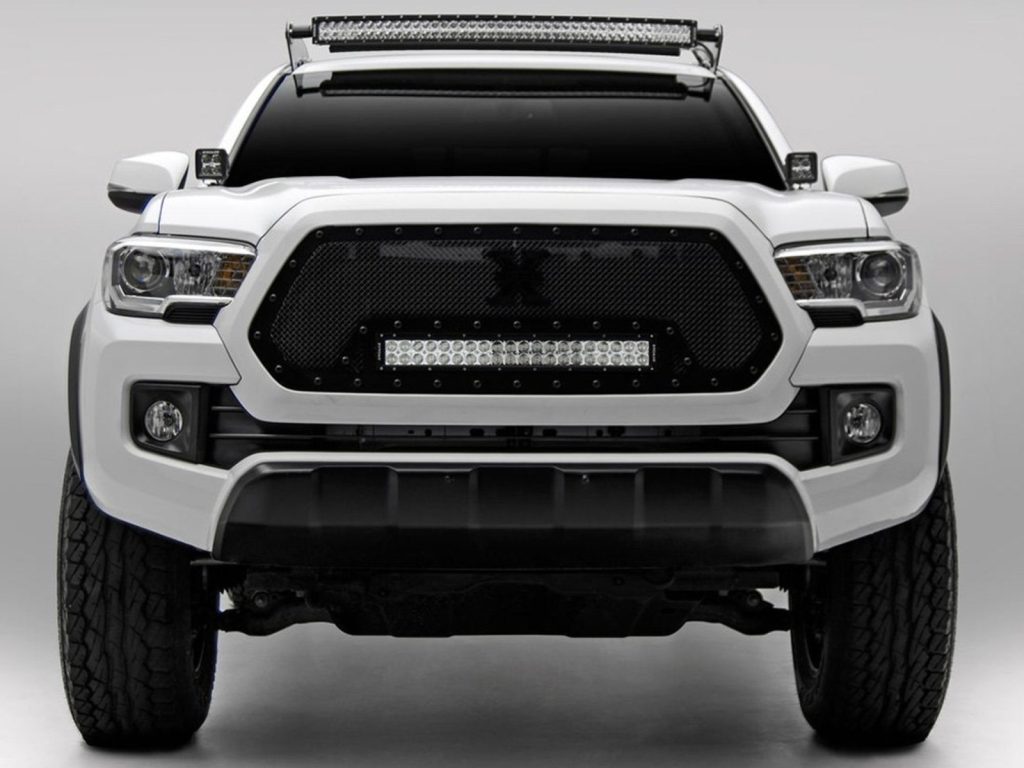
Moreover, while most vehicles can comfortably accommodate standard LED tube lights, specific models may require more specialized options such as LED tube strip lights or even smart LED tube lights for an advanced control system. Before investing in any LED light, consult your car’s user manual or the manufacturer’s website to ensure that you are choosing the most compatible option.
Size and Shape Considerations
The size and shape of LED lights also play a pivotal role in determining which ones to select for your car. Compact cars usually have smaller spaces allotted for their lighting fixtures compared to SUVs or trucks, which have larger spaces, allowing them to use bigger or uniquely shaped RGB LED tube lights.
Remember that not all LED tubes are created equal – some options like UV LED tube lights and solar LED tube lights might be more extensive in size due to their unique functions. Carefully consider what will fit perfectly into your car without compromising visibility.
Brightness Levels and Color Temperature
Brightness levels and color temperature significantly impact visibility while driving at night or during adverse weather conditions. Keep in mind that while brighter might seem better initially, excessively bright LED tube lights could potentially dazzle oncoming traffic, causing safety concerns.
Color temperature also plays a crucial role in visibility; warmer colors like yellowish hues offer better visibility during foggy conditions, while cooler colors like white provide clearer sight during standard nighttime driving conditions. LED tube grow lights may emit different color temperatures useful for specialty applications but aren’t typically used in standard automotive applications.
Legal Restrictions or Guidelines in Your Area
The legality of different types of LED lights varies from one region to another. Certain jurisdictions may have specific restrictions on brightness levels, color of light emitted, or even the use of certain types like RGB LED tube lights or LED tube string lights. Understanding local laws can help you stay compliant and avoid potential legal issues down the line.
For instance, while smart LED tube lights that allow you to change colors on command might seem like a cool upgrade, they could be against local regulations if their capabilities are misused. Consult with your local law enforcement agency or check your state’s Department of Transportation website for guidance.
Remember that investing in LED lighting for your vehicle is not just about aesthetics. The right lighting can significantly improve your car’s visibility and safety on the road while also adding a touch of personal style.
Understanding Your Car’s Lighting System
The Role Each Light Plays in a Car’s System
Each component of your car’s lighting system serves a unique and critical role in ensuring safety, visibility, and communication on the road. At the forefront are headlights, which illuminate the path ahead during nighttime or low-visibility conditions. While they might seem straightforward, modern headlight systems can encompass different types, such as high beams for long-range visibility and low beams to prevent dazzling oncoming drivers.
Parking lights or sidelights often supplement headlights. They offer reduced-intensity lighting that makes your car visible to other road users without unnecessarily blinding them, particularly useful during dawn or dusk. Fog lights are another essential component, specifically designed to cut through dense fog with their broad and low-positioned beam.
In addition to illumination functions, your car’s lighting system also communicates important information to other drivers. Tail lights notify others of your presence from behind, while brake lights indicate when you’re slowing down or stopping. Similarly, turn signals or indicators signify your intent to make a turn or change lanes.
The role of each light in a car’s system is crucial for safety and efficient navigation on the road. However, traditionally used halogen bulbs may not provide optimal visibility due to their limited brightness range. Enter LED tube lights; these devices offer increased brightness levels along with energy efficiency and longevity.
Shifting Gears: Replacing Traditional Bulbs with LED Tubes
LED technology has revolutionized automotive lighting by offering superior brightness levels while consuming less power compared to traditional halogen bulbs. One popular application is LED tube strip lights that provide outstanding illumination quality while minimizing energy consumption.
LED strip lights can enhance aesthetic appeal while adding functionality. These flexible strips can be installed in various parts of the vehicle, including under dashboards, seat edges, and trunks. Besides functional benefits like improved visibility, they also enrich the car’s interior ambiance.
RGB LED tube lights are another excellent addition to the lighting spectrum. They offer customizable color options that can match your mood or preference. Whether you need a calming blue light for a peaceful drive or a vibrant red to reflect your excitement, RGB LED tube lights cater to every mood.
External lighting can also benefit from LED technology. Solar LED tube lights can be an eco-friendly option for landscape lighting around your driveway or garage. These harness solar power during daylight hours and provide cost-effective lighting at night. Replacing traditional bulbs with suitable LED tube lights can significantly enhance your car’s visibility and aesthetic appeal without draining its battery power.
Whether it’s LED tube vintage lights for that classic look, LED tube string lights for added flair, LED tube grow lights for in-car visibility, LED tube retrofit lights for easy upgrades, or smart LED tube lights for advanced control, there’s an LED solution to fit every need.
Finding the Perfect Fit: Identifying Your Car’s Bulb/Tube Size and Type
The first step in discerning which LED tube lights are suitable for your car is recognizing your car’s bulb/tube size and type. In most cars, the headlights come in standardized sizes and types, usually designated by a series of numbers or letters.
A common example is the H1, H4, or H7 bulb/tube sizes typically found in many vehicles. The size of your bulb/tube directly influences its compatibility with various LED retrofit lights. LED tube retrofit lights take advantage of state-of-the-art technology to offer better performance while maintaining compatibility with existing lighting fixtures.

Therefore, knowing your current bulb/tube’s size can significantly ease the process of identifying compatible LED tube light replacements. Moreover, different types of bulbs/tubes serve diverse functions within an automobile’s landscape lighting system. For instance, some bulbs serve as high-beam headlights, while others function as fog lights or signal indicators.
Consequently, identifying these specific purposes will guide you towards selecting proper LED replacements that can meet or even exceed their halogen counterparts’ performance. Besides identifying the specific use for each bulb/tube type within a car’s lighting ensemble, it is valuable to observe how they contribute to achieving a balanced lighting scenario. This concept involves dispersing light uniformly across varying elements within a vehicle’s vicinity to enhance visibility without causing discomforting glare.

Special mention should be made about xenon bulbs/tubes, often labeled as D1S/D2S/D3S/D4S types, which are commonly found in luxury cars and some high-end models; these might require unique RGB LED tube lights due to their distinctive design and functioning compared to more conventional halogen bulbs/tubes.
Arm Yourself With Knowledge: Tools that Help Determine Compatible Bulb/Tube
Various tools exist today that can simplify the task of finding compatible LED tube lights for your car – these range from online databases to user manuals provided by car manufacturers. Online databases, such as those maintained by bulb/tube manufacturers or automotive lighting specialists, can serve as treasure troves of information.
You can input your car’s make, model, and year into these databases to receive a comprehensive list of compatible bulbs/tubes, including LED tube string lights and LED tube strip lights, which can add a touch of personalization to your vehicle’s aesthetics. User manuals are also invaluable resources in this endeavor.
These documents typically contain detailed specifications about your vehicle’s lighting system, including types, sizes, and wattage requirements for each bulb/tube used in the car. Some newer models might even support advanced fixtures like smart LED tube lights that can be controlled via smartphone apps, offering unprecedented levels of convenience and customization.
Beyond digital resources, physical tools like calipers could be employed for an accurate measurement of your existing bulb/tube if their size isn’t explicitly stated anywhere. This way you could match the dimensions with available LED tube light options to ensure a proper fit.
For nuanced needs such as UV LED tube lights or solar LED tube lights – often used for specific off-grid applications or unique aesthetic purposes, respectively – these tools could prove even more beneficial by providing potential options that cater specifically to such requirements. Don’t overlook the value of interactive tools like mobile apps from certain bulb/tube manufacturers that use augmented reality technology to virtually demonstrate how different lighting choices would look in real-time on your car.
When in Doubt, Consult the Experts: Seeking Professional Assistance
While internet searches and user manuals provide effective initial guidance in searching for a compatible bulb/tube for LED tube retrofitting endeavors, nothing beats consulting with professionals or auto parts stores when faced with critical doubts or unique scenarios. Automotive experts understand the intricacies and variances within different lighting architectures found in cars.
They possess up-to-date knowledge about advancements in lighting technology, including specialized fixtures like LED tube strip lights used to improve visibility in cars or RGB LED tube lights that offer vibrant color-changing capabilities. Auto parts stores, meanwhile, provide the opportunity to physically observe and compare different lighting options.
Here, one can find an array of possibilities ranging from LED tube vintage lights, which add a touch of classic charm to modern vehicles, to the more futuristic smart LED tube lights that bring cutting-edge technology to your car’s lighting system. Additionally, these establishments have experienced staff who can guide you through the selection process by providing practical advice based on their extensive experience dealing with a variety of cars and their corresponding lighting systems.
Remember that each vehicle is unique, and while general guidelines apply for most cars, there might be exceptions that only professionals would be cognizant of. When embarking on an exercise as critical as altering your beloved car’s lighting system, it’s prudent to utilize all available resources at your disposal for achieving the best possible outcome.
Installing LED Tube Lights in Your Car: A Comprehensive Guide
Safety Precautions for a Seamless Installation Experience
The first step to improving your car’s light system with LED tube lights is taking the necessary safety precautions. Disconnecting the battery of your vehicle should be your initial act to prevent any electrical shock. The disconnection will also mitigate potential damage to the bulb/tube or socket during installation.
It’s highly advised to approach this task wearing gloves, as oils from your hands can potentially degrade or discolor your new lights. Before beginning the installation process, ensure that you are working in a clean and well-lit environment. This will help you avoid misplacing any small parts or tools and allow you to see what you’re doing more clearly.
When installing smart LED tube lights or RGB LED tube lights, take care not to handle them excessively or roughly, as these are more sensitive and complex than other types of bulbs/tubes. It’s also important to keep in mind that although UV LED tube lights are durable, they can still be damaged if not handled with care.
Always refer back to your vehicle’s user manual for specific instructions related to its lighting system. Every car is unique, so following generalized instructions may overlook certain precautions specified by the vehicle’s manufacturer.
Tools Required: Arming Yourself for Success
With safety measures in place, let’s discuss the tools required for successful installation of all types of bulbs/tubes, including RGB LED tube lights, LED tube strip lights, and LED tube string lights. Consequently, arm yourself with a screwdriver set since different cars may require various types of screws.
Next on our list would be a pair of needle-nose pliers, which come in handy while removing old bulbs/tubes and securing new ones into place. An auto trim removal tool set is beneficial when dealing with tricky fixtures such as vintage LED tube lights and LED tube retrofit lights. This will prevent any damage to your car’s interior while ensuring an effective removal process.
A multimeter is also very useful, especially if you’re installing smart LED tube lights or RGB LED tube lights. This tool will help you test the electrical connection before and after installation, ensuring everything functions as it should. Remember that not all tools may be necessary for your specific vehicle or type of light installation, but having a well-equipped toolbox can save you time and possible complications along the way.
Installation Process: Out with the Old, In with the New
Now that we’ve covered safety precautions and required tools, let’s delve into the step-by-step process of installing any type of LED tube lights in your vehicle. Firstly, remove the old bulb by unscrewing or popping off the lens cover using your screwdriver.
Be careful not to break any surrounding fixtures during this process – a good reason why an auto trim removal tool set can be handy. Once exposed, gently pull out or twist loose (depending on the design) the old bulb from its socket. Using needle-nose pliers can make this step easier without risking damage to your hands.
Next, insert your new LED bulb/tube into that same socket by either pushing it in or twisting it until it fits snugly. Ensure that it’s secure; otherwise, vibrations when driving could cause it to loosen over time. Reattach the lens cover and reconnect your battery to test out the newly installed lighting system.
If all is good, enjoy your new tube lighting or whatever type of LED light system you’ve installed. Remember these steps are generalized – always refer back to your vehicle’s user manual for precise instructions related to bulb replacement, as variations exist from one car model to another.
Case Studies: Shining the LED Light on Different Car Types
Compact Cars – Shining the Honda Civic and Toyota Corolla
When it comes to compact cars, the Honda Civic and Toyota Corolla are globally recognized for their reliability and fuel efficiency. Their lighting system also offers an opportunity for upgrades, such as swapping conventional bulbs with LED tube lights. For instance, LED tube light bars, which offer better visibility during night driving, can be a great choice for these cars.
The headlight size of both these models usually requires H11- or 9006-size bulbs/tubes, compatible with certain LED retrofit lights. Furthermore, model-specific RGB LED tube lights can add an aesthetic charm to your vehicle while maintaining practicality.
Additionally, smart LED tube lights that interact with your phone’s app might be a value-added offering, providing both convenience and modern technology at your fingertips. The inner cabin can also benefit from LED enhancements – installing LED tube string lights under dashboards or seats could create an ambient atmosphere inside your compact car.
SUVs – Brightening up the Ford Explorer and Chevrolet Tahoe
Switching to LED lighting in SUVs like the Ford Explorer and Chevrolet Tahoe often results in superior road illumination due to their higher positioning compared to other cars. Choosing high-powered LED tube strip lights as headlights would result in broader light dispersion on roadways, enhancing safety during night travels.
LED fog lamps might prove beneficial considering SUVs’ off-road adventures that sometimes involve challenging weather conditions. Meanwhile, installing smart LED tube lights could allow easy control of car lighting systems directly from your mobile device.
Interestingly, owing to their larger sizes compared to compact cars, SUVs may accommodate larger-sized LED tube lights, which emit brighter light without risking glare. Furthermore, UV LED tube lights can enhance the visibility spectrum beyond regular LED lights. Accentuating the SUV’s robust look with RGB LED tube lights or fitting LED strip lighting under the body will also add a trendy appeal to these powerful vehicles.
Luxury Cars – Enhancing the Mercedes-Benz S-Class
When considering luxury cars like the Mercedes-Benz S-Class, LED lighting isn’t merely about utility but an integral part of its grandeur and sophistication. These high-end models often come equipped with top-notch LED tube retrofit lights that provide superior brightness and longevity.
One of the notable ways to upgrade is by utilizing smart LED tube lights for adaptive high-beam functions. They adjust their beam range and intensity dynamically based on oncoming traffic to maintain visibility without dazzling other drivers.
Moreover, interior lighting in luxury cars can be taken to new heights with RGB LED tube lights, allowing color customization matching your mood or preference. Additionally, you could consider installing LED tube strip lights in footwells or door handles for an added touch of elegance.
Furthermore, using UV LED tube lights for lighting in such cars adds a ritzy flair while simultaneously providing a safer driving environment during dark hours. Lighting your car’s logo or nameplate with miniature solar LED tube lights not only adds aesthetic attraction but also contributes to energy conservation.
Conclusion: What LED Tube Lights Fit My Car?
The world of automotive lighting has seen significant advancements and transformation over the years – from traditional halogen bulbs to transformative LED technology, as explored throughout this post. Tomorrow promises even more superior possibilities, with RGB LED tubes offering customizable colors, UV LED tubes enhancing the visibility spectrum, and smart LED tubes bringing convenience to our fingertips.
So whether it is about illuminating compact cars like the Honda Civic & Toyota Corolla, brightening up powerful SUVs like the Ford Explorer & Chevrolet Tahoe, or enhancing luxury vehicles like the Mercedes-Benz S-Class, LED tube lights are proving to be more than just a trend. They are signaling a brighter, safer, and more energy-efficient future for all motorists.
You may also be interested in the following posts: