
Top LED Tube Lights: Best Replacements for Fluorescent Lighting
The Glow from the Past: A Brief History of Fluorescent Lights
The story of fluorescent lights began in the early 20th century, marking a significant chapter in human innovation. Invented by Peter Cooper Hewitt, these light sources revolutionized indoor lighting with their energy efficiency and long lifespan compared to their predecessors. Hewitt’s creation used low-pressure mercury vapor to produce ultraviolet light, which then caused a phosphor coating inside the lamp to glow.
This glow translated into visible light that brightened homes, offices, and factories across the globe. Over time, fluorescent lights underwent several design modifications, providing more compact forms such as the popular T8 and T12 models. These advancements allowed for even greater energy savings with less mercury content. Despite their widespread use in various lighting applications, including general indoor illumination and landscape lighting, fluorescent lights were not without flaws.
A surge in environmental awareness over subsequent decades brought attention to various issues associated with fluorescent light usage, such as the disposal of spent bulbs due to their mercury content. Additionally, flickering issues and subpar color rendering placed increased demand for better alternatives.
Lighting Evolution: The Need for Replacing Fluorescent Lights
In recent years there has been an escalating call for more efficient, economical, and environmentally friendly lighting options than fluorescent tube lights. The inherent inefficiencies coupled with environmental concerns led consumers towards seeking superior alternatives.
The limitations pertaining to color spectrum deficiency and inconsistent brightness levels degraded quality of life in many ways, from causing eye strain to negatively affecting mood. Furthermore, energy consumption was still a pressing matter despite fluorescence being more efficient than incandescent bulbs.
Moreover, one cannot ignore the hazardous implications related to mercury, a key component in fluorescent lights. The disposal of these bulbs raised significant environmental concerns, necessitating the exploration for cleaner and safer alternatives.
The Dawn of a New Era: Rise of LED Tube Light as a Replacement Option
In response to the escalating demand for superior lighting technology, LED tube lights made their entry into the market. These innovative light sources, including LED tube retrofit lights and smart LED tube lights, offered substantial improvements over traditional fluorescent options.
LED tube string lights and LED tube strip lights gained popularity for their versatility in application and improved energy efficiency. Specialized versions such as LED tube grow lights allowed for indoor plant cultivation, while UV LED tube lights found their niche within germicidal applications.
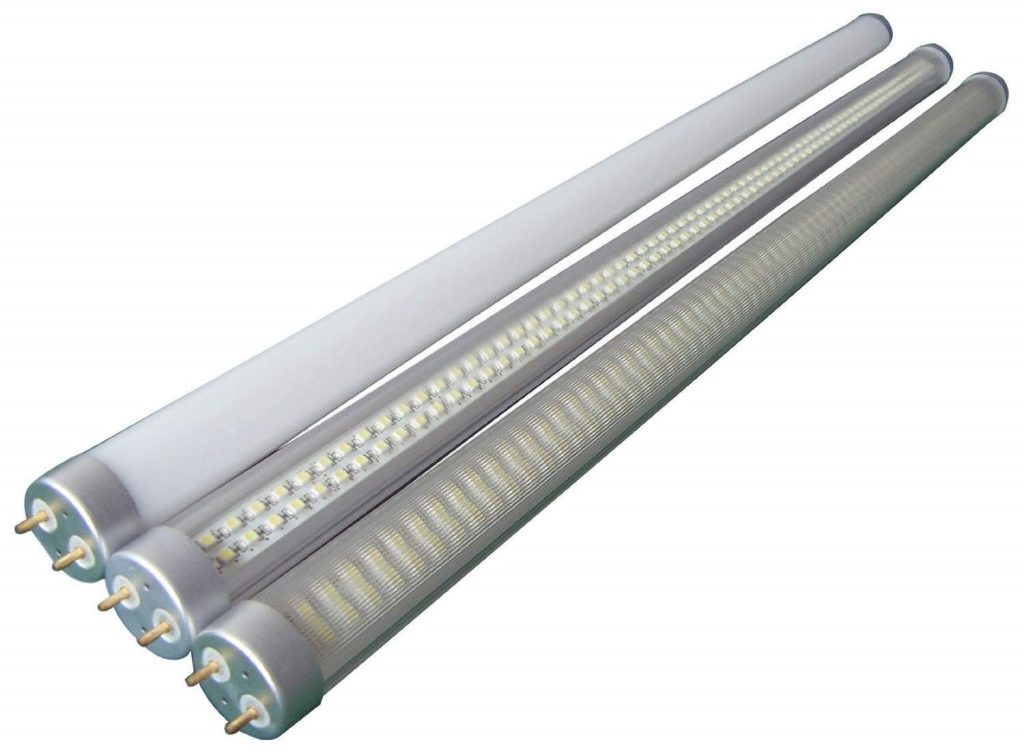
Even landscape lighting experienced a significant upgrade, with solar LED tube lights providing an eco-friendly solution to outdoor lighting. With superior brightness control coupled with extensive color spectrum availability from warm hues to cool whites, RGB LED tube lights offered an impressive flexibility in mood setting.
Additionally, the unique aesthetic appeal of LED tube vintage lights introduced a fusion of old-world charm with modern technology. This allowed consumers to retain stylistic preferences while enjoying advanced lighting benefits.
Replacing fluorescent bulbs with innovative LED alternatives not only addresses inherent flaws but also offers enhanced features towards better quality living environments. As technological advancements continue to pave the way forward in lighting solutions, we can expect even more refined options in the future that elevate our experiences with light.
Understanding Tube Lights
Delving into the World of Tube Lights
Tube lights, often referred to as linear light bulbs due to their elongated shape, are a popular lighting solution in commercial and residential spaces. They provide a high level of brightness that is uniformly distributed, making them ideal for illuminating vast areas efficiently.
Traditionally, these lights have been associated with fluorescent technology. However, recent advancements have witnessed a proliferation of LED tube lights with higher efficiency and longer lifespans than their fluorescent counterparts. LED tube strip lights are a favorite among decorators for their versatility and ability to add an aesthetic dimension to any space.
These LED tube strip lights can easily be adhered anywhere in the room for added ambient lighting or decorative purposes. Furthermore, smart LED tube lights offer convenience through remote control functionality or even voice command capabilities via smart home systems.
Exploring Different Types of Tube Lights
The two primary types of tube lights that dominate the market are light-emitting diode light and fluorescent light. LED tube lights have significantly revolutionized the world of artificial lighting due to their exceptional energy efficiency and robust performance over extended periods. These bulbs generate light by passing an electrical current through semiconductor material – a process that results in minimal heat production compared to other light sources such as incandescent bulbs or CFLs.
LED tube vintage lights replicate the warm glow of old-fashioned filament bulbs while providing modern energy-saving benefits. Additionally, there’s an array of specialized LED tubes available, including UV LED tube lights used for sterilization purposes; LED tube grow lights supporting plant growth indoors; solar LED tube lights utilizing renewable energy sources; RGB LED tube lights offering multicolored lighting options; and LED tube retrofit kits designed for convenient conversion from fluorescents.
On the other hand, CFLs are essentially miniature versions of full-sized fluorescent tubes. They function by generating ultraviolet light and heat when an electric current stimulates mercury vapor within the bulb, which is then converted into visible light by a fluorescent coating.
The Operating Principles of Tube Lights
The workings of tube lights depend largely on their type. A traditional fluorescent tube light operates through a complex process that involves exciting mercury vapors with electricity to produce invisible UV light. This UV light then strikes the phosphor coating inside the tube, causing it to glow and emanate visible light.
LED tubes, however, function quite differently and more efficiently. They are solid-state devices that convert electricity directly into light through the movement of electrons within their semiconductor material. The color of the emitted light depends on the specific compound used in the diode. Smart LED tube lights take it a step further with integrated technology allowing manipulation of brightness levels, color temperature, and even scheduling lighting times remotely via an app or smart home system.
This presents unprecedented control over landscape lighting and other home or commercial lighting systems. Understanding the operational mechanics of these different types of tube lights provides insights into their suitability for various applications – be it general illumination or specialty uses such as landscape lighting or decorative purposes.
Why LED Tube Lights Are the Best Replacement for Fluorescent Lights
The Superior Energy Efficiency of LED Tube Lights
Often compared to the archaic, electricity-guzzling fluorescent tube lights, LED tube lights stand out as significantly more energy-efficient. LED tube retrofit lights consume approximately 50% less energy than their fluorescent counterparts, making them a cost-effective choice for both residential and commercial settings.
This is because light-emitting diodes generate light in a unique way, focusing it in one direction rather than the scattered light that fluorescents produce. Furthermore, smart LED tube lights increase efficiency by offering adjustable brightness levels and automatic on/off settings.
The second layer to their efficiency resides within their way of producing light. Unlike fluorescent tube lights that require heat to create illumination, LED tubes do so purely through electricity. This absence of heat not only reduces energy consumption but also prevents unnecessary heating within the room or space where they’re installed.
LED Tube Lifespan: A Testimony of Longevity
The longevity of LED tube lights further highlights their superiority over traditional fluorescent lamps. Most high-quality LED tubes offer an average lifespan between 30,000 and 50,000 hours – significantly longer than the 10,000-hour average lifespan of fluorescent tubes.

LED tubes’ long life expectancy is partly due to their lower operating temperatures and innovative design features such as integrated heat sinks, which help dissipate thermal output efficiently. Moreover, specialty variants like UV LED tube lights or LED tube grow lights are designed with high resistance against demanding conditions, thereby further extending their lifetimes.
Environmental Impact: Reducing Waste and Recycling Challenges
Another compelling reason to switch from conventional fluorescents to LEDs concerns environmental impact – specifically waste reduction and recycling issues. Fluorescent tubes contain mercury – a toxic heavy metal that is harmful if released into our environment – and need careful disposal procedures.
In contrast, LED tube strip lights, solar LED tube lights, or any other LED forms do not contain mercury, making them safer to dispose of at the end of their life. Additionally, many LED manufacturers have introduced take-back schemes where used LED lights are recycled, thereby reducing landfill waste.
Health Considerations: LEDs – A Safer Choice
Promoting wellness and safety should always be a priority in lighting solutions. In addition to the aforementioned mercury issue in fluorescent tubes, they also emit a small amount of ultraviolet (UV) radiation, which can be harmful to sensitive individuals with prolonged exposure.
LED tube lights, including specialty types like LED tube vintage lights or landscape lighting options, are free from these hazardous substances. Notably, even UV LED tube lights used for disinfection purposes are designed for safer usage without direct human exposure. Moreover, RGB LED tube lights or even simple LED tube string lights provide soft lighting that is easier on human eyes compared to the harsh light produced by fluorescent lamps.
Delving into the Luminosity: Brightness Level and Color Temperature
The first factor to consider when replacing fluorescent tube lights with LED tube lights is the brightness level and color temperature. Not all LED tube lights are created equal, and their luminosity may vary greatly.
The brightness of a light bulb is typically measured in lumens, whereas the color temperature is denoted in Kelvin. A higher lumen count means a brighter light, while the Kelvin value indicates whether a light has a warmer (lower K) or cooler (higher K) hue.
LED tube strip lights are an appealing choice for individuals seeking to optimize both brightness and color temperature. They provide strong directional lighting that can significantly enhance visibility in various settings. Moreover, these strip lights come in a range of temperatures from warm white to cool daylight, ensuring there’s an option for every aesthetic preference.
On the other hand, using LED tube grow lights could be your best option if you’re looking to brighten up your indoor garden or greenhouse. These specialized LED tubes imitate natural sunlight’s composition by providing full-spectrum lighting that facilitates photosynthesis – perfect for aiding plant growth without causing unnecessary heat generation.
UV LED tube lights offer another unique application compared to traditional luminaires. With their distinct ultraviolet output, they serve diverse roles, from sterilization processes in hospitals and labs to fun party effects at discotheques. For outdoor scenarios such as landscape lighting, solar LED tube lights can be an excellent choice due to their energy efficiency and ability to function autonomously once installed.
Fitting Compatibility: Size Matters
When making the transition from fluorescent lights to LED tubes, ensuring compatibility with pre-existing fixtures is crucial. Misjudging fixture sizes can result in unnecessary cost overruns or even damage your fittings due to forceful installation attempts.
Take note of the diameter and length of your existing fluorescent tubes before purchasing replacements. Most often found on the market are LED tubes designed as direct retrofit replacements for T8 or T12 fluorescent bulbs. These models take out the guesswork, allowing an easy switch.
Luckily, the versatility of LED technology accommodates various fixture types. RGB LED tube lights offer color-changing capabilities perfect for mood lighting at events or homes, while smart LED tube lights can integrate seamlessly into your existing home automation system.
The advent of LED tube vintage lights has also been a blessing for those looking to maintain a more rustic aesthetic without sacrificing energy efficiency. These LED tubes mimic old-school incandescent bulbs’ warm glow and are compatible with many traditional light fixtures.
Cost-Effectiveness: Comparing Initial and Operational Expenses
While upfront costs of LED tube lights tend to be higher than their fluorescent counterparts, they excel in operational cost-effectiveness over time. LED tubes typically consume less electricity per lumen output than fluorescents, leading to lower energy bills over time.
The longevity of LED tubes also contributes to their cost-effectiveness; they often last up to 50,000 hours – almost five times longer than typical fluorescents. With options like solar-powered LED tubes used in landscape lighting or specialized applications like UV and grow LED tubes offering unique value propositions, it becomes clear that considering operational costs is key when choosing a replacement for your fluorescent lighting system.
Remember that investing in high-quality LED tube retrofit lights can reap long-term benefits by providing lasting performance with minimal maintenance needs. Whether you opt for standard LED tubes or more specialized varieties like RGB and smart LED tubes will depend on your specific requirements and budget considerations.
Specific Recommendations for Tube Light Replacements
A Detailed Review: Philips LED Tube Lights
The Philips LED tube lights, designed with an impeccable attention to energy efficiency and longevity, serve as an excellent replacement for fluorescent tube lights. Not only does it provide a bright, clear light reminiscent of natural daylight, but it also minimizes the power consumption considerably compared to its traditional counterparts.
Whether you need LED tube strip lights or LED tube retrofit lights for your home or office space, this versatile option is sure to fit your needs. The ingenious design of these LED tube grow lights ensures that they can thrive even in challenging conditions.
Furthermore, their wide compatibility range makes them suitable for varied fixtures. The user-centric approach makes their installation easy and hassle-free. It is the ideal choice for those seeking smart LED tube lights that seamlessly integrate with modern lifestyle needs.
Moreover, if you enjoy the aesthetic allure of LED tube vintage lights, Philips offers options that combine classic appeal with cutting-edge technology. In terms of UV protection too, Philips delivers with UV LED tube lights that offer safe lighting options.
An Insightful Analysis: GE Cool White Universal T8/T12 LED Tube Lights
General Electric’s Cool White Universal T8/T12 LED tube lights serves as a brilliant alternative to fluorescent tube lights, offering distinctive benefits such as improved energy efficiency and longevity. With these RGB LED tube lights, you get powerful yet smooth lighting transforming any space into a vibrant environment.
GE’s Cool White bulbs are particularly suited for use in large spaces where bright, consistent lighting is imperative. These include warehouses and offices where landscape lighting may not be sufficient during work hours. Their ability to operate effectively under diverse temperatures makes them reliable choices even in challenging weather conditions.
The range also includes solar LED tube lights, which harness renewable energy sources, resulting in further reduction of operational costs and environmental impact, making them perfect choices for outdoor applications like LED tube string lights.
A Comprehensive Examination: Hyperikon T8/T10/T12 Glass 4ft LED Tube Lights
Hyperikon’s T8, T10, and T12 4ft LED tube lights present a powerful solution to replace fluorescent lights. Their substantial lifespan, paired with an unbeatable energy efficiency, makes them an investment worth considering. Renowned for their bright and clear light dispersion, these LED tube lights manage to eliminate shadows effectively, ensuring uniform illumination.
They offer a convenient plug-and-play installation process that supports both existing ballast setups and direct wiring setups. For those in search of versatile lighting solutions, these lights can function as LED tube grow lights in greenhouses or as vibrant RGB LED tube lights for enhancing aesthetic appeal. In outdoor settings, they serve as efficient landscape lighting solutions, offering both style and utility.
While all three brands – Philips LED Tube Light, GE Cool White Universal T8/T12 LED Light Bulb, and Hyperikon’s Glass 4ft LED Tube Lights – are worthy contenders for replacing fluorescent tube lights, each offers unique benefits. The choice ultimately depends on the user’s specific needs and preferences.
Unveiling the True Colors of Light: Pros and Cons of Each Recommended Brand/Model
Philips LED Tube Lights
The Philips LED tube lights emerges as an excellent choice for replacing fluorescent tube lights due to its superior energy efficiency and remarkable durability. Its brilliance rivals that of traditional bulbs, offering a clear, bright light perfect for task-oriented spaces such as workshops or garages. However, this brand might not be ideal for users seeking more atmospheric or landscape lighting options.
Despite this limitation, Philips LED tube lights offer longevity and reliability that cannot be overlooked. Moreover, these are smart LED tube lights that seamlessly integrate with home automation systems, allowing users to control brightness levels remotely. While this feature is undoubtedly convenient, it may pose difficulties for those unfamiliar with smart home technologies. Philips also tends not to delve into specialized lighting like RGB LED tube lights or UV LED tube lights.
GE Cool White Universal T8/T12 LED Tube Lights
The GE Cool White Universal T8/T12 LED tube lights shines in terms of compatibility – providing flexibility in replacing various types of old fluorescent fixtures without requiring any rewiring. It’s an efficient option for those wanting a straightforward transition from conventional fluorescents to LED tubes.
This model possesses an impressive balance between warm and cool tones, making it versatile enough to handle different lighting needs, from creating inviting atmospheres to illuminating workspaces effectively. However, they don’t cater much to aesthetic requirements like LED tube vintage lights or more unique applications such as LED tube grow lights.
Hyperikon T8/T10/T12 Glass 4ft LED Tube Lights
The Hyperikon T8, T10, and T12 Glass 4ft LED Tube Lights offer a blend of style and functionality – their sleek designs being a major selling point for those aiming to modernize their spaces. This brand stands out for its LED tube strip lights, which are well-suited for under-cabinet illumination or accent lighting. These LED tube retrofit lights are energy-saving and environmentally friendly, scoring high on sustainability.
While they may not offer a broad range of colors like RGB LED tube lights, their bright, clear light is perfect for various settings. These LED tubes might pose a slight challenge in installation, as it requires bypassing the ballast, but the overall benefits outweigh this minor inconvenience.
Solar LED Tube Lights
For those seeking an eco-friendly solution beyond just efficient energy usage, solar LED tube lights are worth considering. These lights utilize solar power to operate, making them excellent choices for outdoor landscape lighting or areas where electrical access is limited. The downside is that their performance can be influenced by the weather and location – requiring adequate sunlight exposure to function at their best.
They might not offer specialized options like UV LED tube lights or RGB LED tube lights but serve as an excellent sustainable lighting alternative. While each recommended brand/model excels in certain aspects over others – be it energy efficiency, compatibility, design, or environmental impact – the best choice ultimately depends on individual needs and preferences.
How to Properly Install a LED Tube Light Replacement for Fluorescent Lights
A Comprehensive Inventory of Essential Tools for Installation
Embarking upon the task to replace fluorescent tube lights with LED tube lights begins with compiling an assemblage of the requisite tools. A sturdy ladder, safety goggles, and non-conductive gloves are paramount to ensure personal safety during installation.
For the actual removal and installation process, a screwdriver is needed along with a multimeter to verify that electricity is not flowing before commencing work. Furthermore, wire connectors or wire nuts are crucial for securing electrical connections.
In specific situations where existing fixtures have starters – common in old fluorescent fixtures – it would be prudent to have replacements on hand. Having LED tube retrofit lights close by will expedite the replacement process.
Complete Step-by-Step Guide: From Old Fluorescent Tube Lights Removal to New LED Tube Lights Installation
The first step towards displacing your antiquated fluorescent tube lights involves turning off the power supply at your main circuit box. Next, ascend your ladder safely and remove the bulb by rotating it 90 degrees until it disengages from its holder. Carefully extricate any diffuser (if present), and then disconnect any starter (in older models) attached to the fixture.
In installing your new LED tube lights, begin by verifying whether you have a direct-fit (plug-and-play), hybrid, or ballast-bypass type of LED tube light. Direct-fit tubes offer seamless replacement without needing any modifications; LED tube grow lights often fall into this category due to their widespread usage in horticultural settings.
Hybrid tubes function both as direct-fit replacements and can operate without a ballast when one is absent or malfunctions over time. Alternatively, ballast-bypass types such as LED tube string lights or solar LED tube lights dispense with the need for a ballast entirely. However, these necessitate a rewiring of your fixture.

The process continues by connecting the tombstone sockets to the electrical circuit for ballast-bypass LED tubes. Simply use wire connectors to secure loose wires at each end of the fixture. If you’re employing UV LED tube lights in sterilization applications or RGB LED tube lights for adjustable color options, remember to follow this same wiring technique.
Next, carefully insert your smart LED tube lights (or whichever LED replacement you’ve chosen) into the tombstones and rotate them until they lock into place. A sublime choice would be using LED tube vintage lights, particularly if you intend on recreating an ambiance reminiscent of the antiquated incandescent lighting era.
To conclude this procedure, restore power at your circuit box and switch on your newly installed LED light. Then, bask in the energy-efficient glow that these replacements offer over their fluorescent predecessors.
A Bright Conclusion: The Choice is Clear
As an expert in landscape lighting design would affirm, LED alternatives provide not only superior energy efficiency but also longevity and versatility across various applications, whether it’s providing vibrant growth-promoting lighting for plants with LED tube grow lights or creating dramatic light strands with RGB LED tube string lights.
With correct installation and proper handling procedures, replacing fluorescent tubes with LED tubes can lead to considerable long-term savings while enhancing overall lighting quality – in homes, offices, or even farms growing crops under controlled conditions using sophisticated LED grow-lights technology.
In the ever-evolving landscape of lighting technology, LED tube lights have emerged as a ubiquitous and optimal solution, especially when it comes to replacing traditional fluorescent tube lights. Across residential, commercial, and industrial settings; from indoor lighting needs to outdoor landscape lighting applications; the transition towards this more advanced and efficient option is well justified.
In terms of energy efficiency, LED tube lights excel by leaps and bounds. Various studies have shown that these luminaries can save up to 50% more energy compared to their fluorescent counterparts. Moreover, smart LED tube lights come with additional features like adjustable color temperature and brightness levels, leading not only to energy conservation but also providing a customizable light environment based on user preference.
Longevity: LED Tube Lights’ Impressive Lifespan
Another notable feature of tube lights that makes them the ideal replacement for fluorescent lights is their long lifespan. On average, while a conventional fluorescent light has a life expectancy of 10,000 to 20,000 hours, an LED tube light lasts for about 40,000 hours or more. Specific varieties like UV LED tube lights or RGB LED tube lights even promise longer operational lives due to their specialized function and build.
The Green Choice: LED Tube Lights’ Environmental Credentials
The environmental friendliness of using LED tube retrofit lights cannot be overstated either. Unlike fluorescent tubes, which contain hazardous substances like mercury, causing disposal issues and posing health risks over time, solar LED tube lights or regular LED tubes are free from these harmful substances, making them safer for public health and easier on waste management systems.
A diverse subcategory such as the LED tube grow lights is revolutionizing horticultural practices by enabling indoor farming with less environmental impact. Similarly, LED tube vintage lights are bringing warmth and nostalgia into modern homes without jeopardizing our planet’s well-being.
The Future is Bright: Integrating LED Tube Lights into Everyday Life
Innovative applications of LED tube lights are increasingly finding a place in our homes and cities. The LED tube string lights, for instance, provide festive and aesthetic decoration options, while the LED tube strip lights are being used to create mood lighting in entertainment and hospitality spaces.
The rise of LED tube lights is intrinsic to a larger narrative of sustainable development. It is not just about selecting a product based on cost-effectiveness or operational efficiency but making informed choices that contribute towards reducing our ecological footprint.
Conclusion: What Is The Best Tube Light to Replace Fluorescent Lights?
In essence, the migration from fluorescent lights to LED tube light alternatives like solar LED tube lights or UV LED tube lights marks a significant stride towards an energy-efficient future. This shift symbolizes how we can merge innovation and environment-conscious decisions seamlessly into our everyday life. Let’s light up our world responsibly by making smart choices today for a more sustainable tomorrow.
You may also be interested in the following posts: