
Front Porch Light: Should We Leave It On All Night?
An Insightful Inquiry: The Front Porch Light Debate
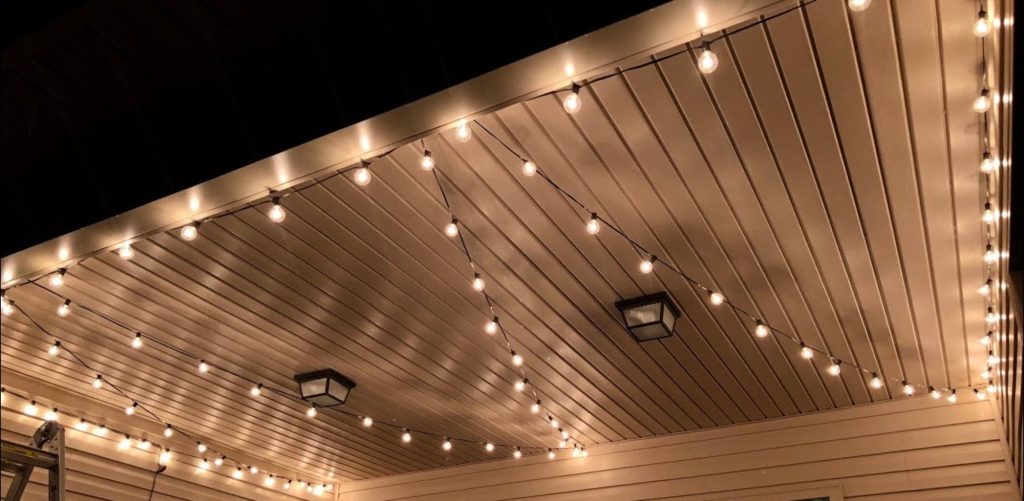
Within the canvas of a serene twilight sky, the glimmering luminescence of landscape string lights and the soft glow of front porch lights paint a picturesque tableau. This scene prompts a question, one that is surprisingly complex in its abundance of implications: Should we leave our front porch light on at night? Delving into this seemingly simple query uncovers a labyrinth of considerations ingrained not only in practicality and safety but also in cultural traditions, societal norms, environmental consciousness, and even our collective relationship with nature’s darkness.
The Everyday Relevance of Outdoor Lighting
The omnipresence of outdoor lighting in our lives underscores its relevance. From landscape lighting that embellishes our gardens with an ethereal charm to welcoming porch lights that invite guests into our homes or bid them goodnight as they depart, these lighting sources have become intrinsic elements within our daily routines.
Porch lights serve as silent sentinels through the darkest hours, offering guidance to late-night arrivals and providing an added sense of security against potential intruders. They’ve long been symbolic emblems too – signals of hospitality in some cultures, beacons for weary travelers in others. Yet behind these everyday uses lie concerns about energy consumption, light pollution, and their impact on nocturnal wildlife.
As such, whether we should leave them on throughout those quiet hours has become a topic worth investigating. In this exploration, we’ll journey from history to science and culture while examining case studies from communities around the world to gain insight into this intriguing debate – lighting the way forward by shedding light upon how best to use outdoor lighting responsibly.
History and Evolution of Front Porch Lights
From Darkness to Light: The Origin and Historical Significance of Porch Lights
The concept of lighting the entrance to a home, or landscape lighting as it is commonly known today, is one that can be traced back to antiquity. Lighting has always been a symbol of warmth, safety, and hospitality. It is documented that in ancient times, Roman households would often leave candles or oil lamps lit at their doorways as a sign of welcome for guests.
In the context of American history, front porch lights started gaining prevalence around the time when houses transitioned from log cabins without definite front entrances to more structured dwellings with clearly defined doors.
The rise in popularity of porches in the 19th century helped establish the tradition of nighttime lighting. They became spaces for socialization and relaxation during evenings – places where families could come together after sundown under the gentle glow cast by lanterns.
Historically, leaving your front porch light on was seen as an invitation for weary travelers who were seeking refuge or companionship. It acted as a beacon, guiding them towards an open door. This tradition continues even today, with many people leaving their porch lights on during holidays like Halloween or Christmas to welcome trick-or-treaters and carolers.
Interestingly enough, landscape lighting has also played significant roles during times of war and conflict by acting as signals or even camouflage depending on the situation at hand. However, these instances, while notable, are more exceptions than standard practice.
A Journey Through Time: The Evolution from Candles to Electric Lights
As technology evolved over time, so did our means of lighting; from primitive fire-based sources like torches and candles, we moved towards more stable and long-lasting ones such as gas lamps. The turn of the 20th century saw an even more significant shift with Thomas Edison’s invention of the electric light bulb.
Early adopters of electricity often used it to power landscape string lights, casting a warm, inviting glow across their grounds. These were considered a status symbol as they showcased the homeowner’s ability to afford this new, modern technology.

As access to electricity became more widespread, porch lights transitioned from being a luxury to a common household standard. The advent of electric porch lights not only added practicality but also contributed significantly towards enhancing the aesthetic appeal of homes.
The introduction of different styles and types of fixtures – from wall-mounted sconces to hanging lanterns – allowed homeowners to use lights as an extension of their personal style. Present-day landscape lighting offers an array of efficient choices, with LED and solar-powered options leading the charge.
They come equipped with features like motion detection and automatic timers that enhance security while keeping energy consumption minimal. Throughout this evolution, one thing has remained constant: the front porch light continues to be a ubiquitous feature in homes around the world – an enduring representation of our instinctive need for light in periods of darkness.
The Symbolism behind Leaving the Front Porch Light On
Deciphering Luminary Linguistics: Cultural Interpretations Across Different Societies
In various societies worldwide, leaving the front porch light on is laden with powerful symbolism. The tradition dates back to antiquity when fire, as the earliest form of landscape lighting, represented warmth, safety, and communal gathering. For instance, in Greek mythology, Hestia’s eternal flame symbolized the heart of both home and community.
In nomadic cultures such as the Bedouin tribes of North Africa and the Middle East, a fire or light at an encampment entrance offered a welcome sign to weary travelers crossing arid desert landscapes. This gesture extended beyond simple hospitality; it was an unspoken agreement of providing shelter and protection against potential dangers lurking in the darkness.
In contrast, many East Asian cultures associate strong luminosity with spiritual enlightenment. Buddhist teachings liken wisdom to a radiant lamp in darkness. Thus, a well-lit front porch can be seen as a beacon guiding wanderers toward knowledge and understanding. Western societies also hold some unique interpretations.
For instance, in Irish folklore, leaving landscape string lights or other forms of lighting on overnight is believed to provide safe refuge for fairies passing by. Modern-day Scandinavians observe ‘hygge’ – fostering a sense of cozy ambiance through warm lighting during long winter nights – transforming their home fronts into inviting sanctuaries against biting Nordic coldness.
Glowing Impressions: Modern Symbolism – Hospitality, Safety, and Remembrance
As times have changed, so has our relationship with light: though it still holds its traditional values, it has somewhat evolved into symbols more fitting for contemporary society. Today’s landscape lighting at our homes serves not just as utilitarian fixtures but also as reflectors of hospitality and safety.
A brightly lit front porch conveys an open-door policy, an invitation for friends and neighbors to pop in for a chat or share a meal. Thus, homeowners install landscape string lights to create an inviting and warm atmosphere for visitors. This lighted welcome mat is universal and persists across cultures, proclaiming the home as a hub of conviviality and camaraderie.
Besides hospitality, outdoor lighting also plays a pivotal role in ensuring safety. A well-lit front porch acts as a deterrent against potential intruders by increasing visibility, thus reducing the likelihood of break-ins or thefts. Lighting makes dark hiding places nonexistent while providing homeowners and guests with safe navigation around the property during nighttime hours.
Interestingly, leaving the front porch light on also serves as a symbol of remembrance in several societies. For example, during times of war or military deployment, many families keep their porch lights burning until their loved ones return safely home. In recent years, some communities have adopted the practice of leaving front porch lights on overnight to remember victims of violent crimes or tragic events – the silent glow speaking volumes about loss and resilience in the face of adversity.
Thus we see that landscape lighting, especially on our front porches, is so much more than just functional. It’s a symbol carrying emotional resonance ranging from heartwarming hospitality to solemn remembrance.
Practical Reasons for Leaving the Front Porch Light On
A Beacon in the Night: Deterring Intruders and Enhancing Visibility
A primary reason many homeowners leave their porch light on or install landscape string lights around their property is to deter potential intruders. The illuminated facade of a home can deter those with nefarious intentions, as it creates a perception of occupancy and vigilance. A well-lit porch leaves no dark corners for an intruder to lurk unseen or unobserved.

Moreover, a brightly lit porch can significantly augment visibility at night. This is particularly beneficial when navigating your way to the front door in total darkness. Landscape lighting can guide your path, preventing missteps and accidents. In essence, leaving your porch light on acts as a lighthouse, guiding you safely home.
Convenience for Late-Night Arrivals: Shedding Light on Accessibility
Another practical reason for keeping the front porch light ablaze involves facilitating late-night arrivals. Whether it’s family members coming home from late shifts or friends dropping by for a nocturnal visit, the radiance from your front stoop signals accessibility. It provides an unspoken message that despite the lateness of the hour, life within those walls is still stirring.
Additionally, having landscape lighting illuminating walkways not just ensures safety by visibility but also adds an aesthetic appeal to one’s abode during such late-night returns or visits. These lights provide both functionality and beauty to homes after dusk.
The Luminous Guidepost: Lighting the Way for Emergency Services
Another key rationale behind leaving one’s front porch light on – often overlooked – pertains to its role in aiding emergency services personnel should they need to locate your residence quickly during hours of darkness. An illuminated house number under the glow of a porch light could mean precious minutes saved in an emergency situation.
Furthermore, landscape lighting can provide a well-lit path for paramedics or firefighters, ensuring their safe and rapid access to your residence. In essence, leaving the front porch light on is not only a practical consideration for homeowners but also potentially lifesaving in the event of an emergency.
Counter-Arguments: Unveiling the Flip Side of the Coin
The Energy Consumption and Environmental Impact
The conscious use of energy is an inescapable issue in our contemporary society, where global warming has become an alarming reality. Leaving the front porch light on throughout the night, although seemingly insignificant, contributes to this larger problem. Landscape string lights that adorn the entryway to homes are often left burning all night, even when not needed.
Electricity production is a significant source of greenhouse gases, and every watt used contributes to this emission. Thus, irresponsible usage of outdoor lighting exacerbates our carbon footprint. Furthermore, while certain types of bulbs are more energy-efficient than others, they still consume power nonetheless. The environmental repercussions go beyond immediate energy consumption.
Many conventional landscape lights contain toxic elements like mercury, which pose risks upon improper disposal. The manufacturing process itself can also contribute to pollution and resource depletion. Moreover, with emerging trends towards larger homes and expanding urban landscapes comes a proportional increase in outdoor lighting requirements – including more extensive landscape lighting arrays – further amplifying the environmental burden.
To mitigate these issues, homeowners can consider alternate solutions such as solar-powered lights or employing motion sensor technology that activates lighting only when necessary. Such adaptations ensure that we enjoy our nighttime spaces without heedlessly contributing to environmental degradation.
Potential Attraction for Insects or Pests
A less considered but significant downside of leaving front porch lights on at night is its potential allure for insects and other pests. Anyone who has spent a summer evening outdoors would know that bugs are often drawn to artificial light sources like moths to a flame.
This attraction not only creates an unpleasant congregation around your door, but it may also inadvertently invite them inside your house whenever you open the door. In some cases, it may even draw larger pests like bats or rodents that feed on these insects.

Landscape lighting can also disrupt insect behavior in harmful ways. It can confuse nocturnal insects, disrupting their feeding patterns or reproductive cycles, thus affecting overall biodiversity.
Further, outdoor lights near windows can attract insects that then become food for spiders. This could lead to an increase in spider populations near your home.
Certain light spectrums are said to be less attractive to bugs. Yellow-orange lights and certain LED lamps could be a good alternative solution to this predicament without having to completely switch off your outdoor lighting.
Possible Disturbance to Neighbors and Nocturnal Animals
Excessive use of front porch lights at night might not only cause a disturbance for your immediate human neighbors but also for the often overlooked nocturnal animal neighbors. Bright lights that invade the darkness of the night can create unpleasant living conditions for both parties.
Your neighbor’s sleep patterns might get disrupted due to intrusive light seeping into their homes from your landscape string lights or porch lighting. This is termed ‘light trespass’ and is increasingly recognized as a form of pollution in urban spaces.
Nocturnal wildlife such as owls, bats, and some species of insects rely heavily on darkness for their livelihoods – whether it’s hunting for prey or escaping from predators. The introduction of artificial light confuses these species and disrupts their natural behavior patterns.
Furthermore, studies have pointed out the negative impact of artificial night lighting on bird migration patterns. Birds often use natural light sources such as stars and moonlight to navigate during migration periods; bright artificial lights confuse them, causing disorientation or attraction, resulting in fatal collisions with structures.
These impacts should make us reconsider our need for continuous nighttime outdoor illumination. By setting time regulations for our landscape lighting or opting for lower intensity, directional lighting, we can contribute to preserving the delicate balance of our ecosystem.
Unveiling the Scientific Perspective on Outdoor Lighting at Night
The Impact of Landscape Lighting on Human Circadian Rhythms
The delicate synchronization of our biological clock, known as the circadian rhythm, has evolved over millennia to align with the Earth’s daily rotation. This rhythm plays a pivotal role in regulating our sleep-wake cycles, feeding patterns, and hormonal changes. However, artificial landscape lighting, such as front porch lights left on throughout the night, can disrupt this natural cycle.
Exposure to nocturnal illumination can trick our brains into believing it is still daytime. This disorientation suppresses the production of melatonin – a hormone vital for sleep induction. Consequently, people living in areas with excess outdoor lighting often experience disrupted sleep patterns and a lower quality of health overall. Moreover, long-term disruption of circadian rhythms has been linked to serious medical conditions, including obesity, depression, cardiovascular disease, and even some types of cancer.
Evidently, while leaving your porch light on might seem harmless or even beneficial for safety reasons, it may have unintended health implications. Frequent travelers often experience similar symptoms due to jet lag – their internal clocks are misaligned with local time due to crossing several time zones rapidly.
In such cases, too-bright landscape lights intensify their struggles to adjust by exacerbating their misaligned circadian rhythms. In this context then, one must weigh up whether the perceived immediate benefits of having a well-lit exterior justify potential long-term health risks associated with disrupting human circadian rhythms.
Shedding Light on Pollution: The Effects on Local Wildlife and Ecosystems
Nighttime outdoor lighting doesn’t just affect humans; it also impacts local wildlife and ecosystems significantly – a phenomenon referred to as light pollution. For instance, lighting your porch all night with landscape string lights can profoundly disrupt the life cycles of nocturnal animals.
Many species rely on the cover of darkness for essential activities such as foraging, mating, or migration. The additional lighting casts long, unnatural shadows, which confuse and distress them, leading to changes in their behavior, feeding patterns, and reproduction rates.
Birds are particularly susceptible to light pollution. Studies indicate that artificial lighting can interfere with their migratory patterns, causing them to travel at wrong times or in the wrong direction. They also often mistake lit-up windows for open sky, leading to deadly collisions.
Insects too are victims of unnecessary illumination. Porch lights act as potent attractants, luring them away from their natural habitats and towards potential predators or unsafe environments. This has resulted in declining insect populations worldwide.
Ultimately, these disruptions reverberate through entire ecosystems, affecting biodiversity and stability. Light pollution is thus a critical environmental issue that requires immediate attention and responsible management of outdoor lighting, including porch lights.
Advancements in Outdoor Lighting: Embracing Innovation
Cognizant of these concerns, technological advancements have brought forth innovative solutions designed to mitigate the impact of outdoor lighting on both humans and wildlife while still providing necessary illumination for safety purposes. New developments embrace energy efficiency with technologies such as LED bulbs, which consume less electricity than traditional light bulbs, reducing their environmental footprint.
Motion sensors are an effective solution that provide light only when needed, i.e., when movement is detected. This approach drastically reduces the duration of unnatural lighting, thereby minimizing its potential adverse effects on circadian rhythms and local ecosystems.
Timed switches offer an alternative, allowing homeowners to program their landscape lighting to turn off during certain hours, typically late at night, when benefits decrease but negative impacts increase substantially due to heightened sensitivity in humans and wildlife during these hours.
Solar-powered lights present a sustainable option, harnessing renewable energy to illuminate outdoor spaces. While nighttime landscape lighting, including front porch lights, can have unintended negative impacts, judicious use and embracing technological advancements can help balance the scales, allowing us to enjoy the benefits of outdoor lighting without causing undue harm to ourselves or our environment.
Shedding Light on the Matter: Case Studies
Residential Areas with Mandatory Night-Time Lighting Regulations
The advent of electric landscape lighting, particularly landscape string lights that aesthetically illuminate walkways and porches, has led to several residential communities implementing mandatory nighttime lighting regulations. This move primarily aims to enhance safety and security within these vicinities. Let’s delve into some examples.
In the Sun-drenched city of Phoenix, Arizona, a local Homeowner’s Association (HOA) mandated all its residents have their front porch light on at night. The area is known for its labyrinthine suburban sprawl where houses bear striking similarities. Hence, the landscape lighting serves as a beacon for residents navigating home late at night.
Somewhat surprisingly, mandatory outdoor lighting isn’t confined to sprawling suburbs. In Manhattan’s densely populated Battery Park City neighborhood, regulations stipulate specific lighting levels for building entrances and surrounding areas. Complying with these rules often involves leaving porch or entryway lights on throughout twilight hours.
Mandatory lights-out ordinances are also in effect in certain regions where there is an acute need to curb energy consumption at various times during the year due to grid strain from excessive usage during heatwaves or cold spells. The question then arises: While mandatory outdoor lighting may contribute significantly towards public safety and convenience, what about its environmental impact? To answer that question, let’s turn our attention towards regions with contrasting approaches – those that have embraced Dark Sky initiatives.
Embracing the Darkness: Areas adopting Dark Sky Initiatives
In stark contrast to areas enforcing nocturnal illumination are regions adopting ‘Dark Sky’ initiatives – policies aimed at reducing light pollution via efficient exterior lighting practices such as turning off unnecessary landscape string lights or modifying landscape lighting to be ‘dark-sky friendly’.
Flagstaff, Arizona, is one such example. Designated as the world’s first International Dark Sky City in 2001, Flagstaff has stringent outdoor lighting regulations aiming to preserve the area’s famously clear night skies. These rules involve strict control over light fixtures’ brightness and direction, besides mandatory curfews for certain types of lighting.
In Europe, Sark Island in the Channel Islands has similarly adopted a Dark Sky policy promoting minimal outdoor lighting to maintain its pristine stargazing conditions. In fact, there are no street lights on the island – residents and visitors navigate using torches or guide ropes during darker hours. The significance of these initiatives extends beyond mere appreciation for celestial beauty.
Dark Sky policies offer substantial benefits ranging from energy conservation to preserving nocturnal ecosystems by not disrupting natural behaviors of wildlife influenced by artificial light. In essence, these contrasting case studies underscore the dichotomous struggle between safety-driven illumination and environmentally conscious darkness – perfect illustrations of how complex this seemingly simple question about leaving our porch lights on at night truly is.
Balancing Act: Strategies for Responsible Outdoor Lighting
Adopting Energy-Efficient Bulbs or Solar-Powered Lights
As we delve into the matter of managing the delicate equilibrium of outdoor lighting, one of the paramount solutions rests in utilizing energy-efficient bulbs or solar-powered lights. As we shift towards a society more conscious about our environment, these alternatives pave the way for sustainable practices in outdoor lighting.
The evolution from incandescent bulbs to compact fluorescent lamps (CFLs), and now to LED lights, has drastically increased energy efficiency while providing ample lighting. Porch lights using these types of efficient bulbs not only save a considerable amount on electricity bills but also contribute globally by reducing carbon footprints.

Imagine your modest front porch light being part of a bigger picture towards global sustainability – quite an impressive thought indeed. Moreover, there is an escalating trend towards solar-powered landscape lighting. These harness the power of the Sun during daylight hours and light up your front porch at night without consuming any additional electricity – they are practically emission-free! A good example would be landscape string lights that use solar energy for their operation.
Let’s remember that these energy-saving options do not mean compromising on brightness or coverage area – you can have your cake and eat it too! Landscape string lights with efficient LEDs can provide just as much visibility as traditional options while also adding an aesthetic touch.
Lighting Moderation: Implementing Timers or Motion Sensors
When contemplating responsible outdoor lighting strategies, one cannot dismiss the significance of timers and motion sensors. An effective method to reduce unnecessary lighting is by purposefully controlling when and how long our porch lights are on.
Timers become particularly useful in maintaining routine schedules for front porch lighting – they ensure darkness does not engulf your home once dusk falls yet turn off the lights as dawn breaks. This mechanism eliminates the need for manual operation and ensures that your house is never left in darkness.
Motion sensors, on the other hand, provide an astute solution for sporadic lighting needs. They function by detecting movement within a specific range, subsequently turning on the lights. This approach not only conserves energy but also adds an element of surprise that can deter potential intruders – a double-edged sword indeed!
Incorporating such devices in your landscape lighting setup not only reduces energy consumption but also enhances the functionality and security of your outdoor lights.
Direction Matters: Proper Positioning and Shielding of Outdoor Lights
While bulbs and technology play their roles in efficient lighting, let us not underestimate the power of correct placement and shielding. The orientation of our outdoor fixtures significantly affects both their performance and impact on surrounding environments.
Just as we carefully arrange landscape string lights to enhance visual appeal, similarly positioning porch lights can amplify their effectiveness. Ideally, they should be placed at a height that allows adequate spread over the required area while reducing direct glare into people’s eyes or adjacent premises.
Shielding is another crucial aspect that often goes unnoticed in conventional porch light setups. A properly shielded light source prevents light from being emitted upwards or sideways where it’s unnecessary – this reduces both glare and light pollution.
To conclude, achieving an optimal balance in outdoor lighting entails more than just picking the right bulb – it involves thoughtful implementation of technological aids like timers or motion sensors as well as careful placement and shielding of our front porch lights. By adopting these strategies, we can enjoy our lit-up porches without worrying about wasteful energy consumption or harm to nocturnal wildlife.
Reflective Review of Enlightening Discussions
In this comprehensive scrutiny of the question, ‘Should we leave the front porch light on at night?’, we traversed through a labyrinth of historical significance, cultural symbolism, practical reasons, counterarguments, and scientific perspectives. We harked back to the origin and evolution of ‘front porch lights’, from simple candles to sophisticated electric illuminations. The discussion further delved into its symbolic interpretations across cultures – as a beacon of hospitality, safety, and remembrance.
Our journey touched upon the practical aspects, presenting the porch light as a deterrent for intruders and an aid for late-night arrivals or emergency services. Yet every coin has two sides; hence, we explored arguments against leaving the light on, which included energy consumption issues, attraction for insects or pests, and potential disturbance to neighbors or nocturnal animals.
A Luminary Recapitulation
We ventured into scientific perspectives underlying outdoor lighting at night – its impact on human circadian rhythms and local ecosystems due to light pollution. In tandem with that exploration was an emphasis on technological advancements that promise respite from such challenges – motion sensors or timers as exemplifications.
By looking into case studies that encompassed residential areas with mandatory lighting regulations alongside those embracing dark sky initiatives, we traced diverse societal responses to outdoor lighting. Yet importantly, a pragmatic discourse ensued about effective strategies for responsible outdoor lighting – employing energy-efficient bulbs like landscape string lights or solar-powered lights – thereby combining utility with sustainable living.
Perspectives: To Light or Not to Light?
As we stand at the junction of lighting convenience versus environmental concern, I am inclined towards responsible use of landscape lighting rather than absolute disuse. It is undeniable that while front porch lights serve practical purposes in terms of security and navigational help during darkness, they also have innate aesthetic appeal, lighting our homes in soft, welcoming glows.
However, it is equally important to be mindful of the potentially harmful effects, such as excessive energy consumption and disturbances in local ecosystems. Hence, my recommendations would be to adopt energy-efficient options like landscape string lights or solar-powered lights for your porch. Use timers or motion sensors to regulate lighting and prevent unneeded wastage.
Conclusion: Should We Leave the Front Porch Light On at Night?
The decision of leaving your front porch light on at night doesn’t have to be an ‘all or nothing’ scenario. It should rather light a path towards responsible usage that not only meets our requirements but also respects Mother Nature’s needs. Just as we learned to strike a balance in our lives, let’s learn to balance our need for light with conscientious choices that protect our environment and ensure sustainability for future generations.
You may also be interested in the following posts: