
Light up the Night: The Spectrum of Outdoor Lighting
A Glittering Introduction
The charming ambience of a warmly lit porch or the clear, bright security provided by cooler outdoor lights present homeowners and architects with a decision to make when lighting outdoor spaces. The choice is not simply about aesthetics; it’s also about safety, functionality, and even environmental considerations.
In this detailed exploration, we will delve into the intricate world of outdoor lighting and its effects on our spaces and lives. From our backyards to city streets, lighting is an often overlooked yet essential feature that does much more than just illuminate our paths. It sets a mood, provides security, highlights architectural features, and even affects human psychology. Let’s embark on a journey to understand the delicate balance between warm and cool outdoor lights.
An Enlightening Explanation: What are Warm and Cool Lights?
In the realm of lighting design – be it indoor or outdoor – not all lights are created equal. There are warm lights that cast a cozy, amber glow reminiscent of a firelight; these range from 2000K to 3000K on the Kelvin scale commonly used to measure light temperature. On the other end of this spectrum lie cool lights, which emit a bright white or slightly blueish hue akin to daylight; they generally have temperatures exceeding 4000K.

Warm light bulbs often incorporate technologies such as incandescent or halogen, while cool light bulbs use compact fluorescents lamps (CFLs) or light-emitting diodes (LEDs). This difference in technology also contributes to their distinct characteristics, including energy consumption rates and lifespan.
Bathing in Twilight: A Brief Overview of the Great Outdoor Lighting Debate
The decision between installing warm or cool outdoor lighting isn’t merely one based on aesthetic preferences; it is a subject of considerable debate among architects, homeowners, and even environmentalists. The argument centers on functionality as well as environmental and psychological impacts.
Those advocating for warm lighting tend to appreciate its ability to create a welcoming atmosphere, often enhancing the aesthetics of architectural designs. Cool light proponents, on the other hand, argue in favor of its brightness, which enhances visibility and security.
However, considerations don’t stop there. There are concerns about sleep disruption due to exposure to cool light at night and implications for nocturnal wildlife. The debate intensifies when we consider the energy consumption of these lights.
While cool lights (especially LED) are generally more energy-efficient than their warm counterparts (incandescent or halogen), they may contribute more to light pollution due to their brightness. Join us as we aim our spotlight onto this intriguing inquiry: Should outdoor lights be warm or cool?
Unlocking the Secrets of Light Temperature
Light temperature is a term that often leaves individuals befuddled, conjuring up images of a physical warmth or coldness emanating from their light bulb. However, this concept has less to do with tactile sensation and more to do with the warm or cool appearance of the light in question. This quality is determined by its position on the color spectrum, ranging from warm yellow-orange to cool blue-white. Understanding light temperature is crucial when engaging in any discussion related to lighting choices.
A Guided Tour through the Kelvin Scale
The vocabulary of light temperature hinges upon a scientific measure known as the Kelvin scale – an absolute thermodynamic scale generally used in physical sciences to denote color temperatures. Named after Sir William Thomson, Lord Kelvin – an Irish-Scottish physicist who first proposed it – it’s essential for comprehending how we perceive various types of light.
In terms of lighting, lower Kelvin values (below 3000K) represent what we typically consider ‘warm’ lights, which emit a yellowish glow akin to candlelight or sunset hues. As one ascends this scale toward higher values (above 4000K), lights become ‘cooler’, offering bright white illumination originally comparable to midday sunlight and beyond that, resembling the bluish hue of overcast conditions or twilight skies.

The thought might arise: why don’t we use other scales such as Celsius or Fahrenheit for denoting the color temperature? The answer lies in its absolute nature; 0 K is theoretically where all molecular motion stops – absolute zero, providing an unequivocal reference point unlike other scales. Understanding this correlation between numerical values on the Kelvin scale and visual perception enriches our discernment about choosing appropriate lighting for different settings.
The Chiaroscuro of Color Perception
One can think of light temperature as an artistic tool. Much like a skilled painter who uses the interplay between light and shadow to bestow depth and drama upon a scene, light temperature significantly affects our color perception. Different temperatures cast different hues onto the canvas of our surroundings.
Warm lights tend to embellish earthy tones, bringing out the richness in browns, reds, and yellows. They infuse environments with a sense of coziness and comfort, illuminating spaces with an inviting glow.
Cool lights, on the other hand, accentuate blues and greens, lending spaces a fresh and clean feel. They provide crisp lighting that amplifies clarity and sharpness in details.
It’s not merely about aesthetics but function too; for instance, cool lights might be better for tasks requiring precision, whereas warm lights may suit areas where relaxation or socialization is key. The recognition of this color-altering potential of diverse lighting temperatures can enable us to manipulate our milieu according to our desires effectively.
The Silent Symphony of Light on the Psyche
The psychological effects of different light temperatures are subtle yet profound. Warm lighting tends to evoke feelings of warmth, comfort, and relaxation. It is often associated with tranquility – think quiet evenings spent in front of a flickering fireplace or the golden hue enveloping everything at dusk.
In contrast, cool lighting is typically linked with productivity and alertness due to its resemblance to daylight conditions. It inspires activity – an early morning jog under the brightening sky or bustling workspaces humming with energy under stark white lights are familiar associations.
This dichotomy isn’t accidental but steeped in millennia of human evolution, where our circadian rhythms have been entrained by nature’s daily cycle from warm sunrise to cool midday sun and back to warm dusk. Furthermore, research indicates that exposure to warmer light temperatures in the evening can help prepare us for sleep by promoting the secretion of melatonin, a hormone instrumental in regulating our sleep-wake cycle.
Conversely, cooler lights can disrupt this cycle due to their similarity with daylight conditions. Thus, understanding these intricate influences of light temperature on our psyche can foster healthier and more harmonious living spaces that cater not just to our visual but psychological needs as well.
Warm vs Cool Outdoor Lighting: Unveiling The Best Option
Exploring the Merits and Pitfalls of Warm Outdoor Lighting
The Attractive Allure of Warm Outdoor Lights: Unveiling the Benefits
The canvas of night presents a unique opportunity for every homeowner to define their oasis. Warm outdoor lights, with their inviting golden hues, often create an atmosphere that is not only cozy but also welcoming. This enchanting ambient effect resembles the comforting radiance of a sunset or a crackling bonfire, sparking nostalgia and making warm outdoor lights a popular choice for patios, gardens, and backyard spaces.
Warm light is less harsh on the human eye compared to its cool counterparts. The softer lighting reduces eye strain and promotes relaxation. This makes it ideal for areas where individuals seek tranquility, such as reading nooks in your outdoor space or around seating areas where people gather for intimate conversations.

While warm lights are not renowned for their intensity or brightness, they have an unmatched ability to enhance architectural features. The soft glow accentuates textures and materials like wood and stone by creating gentle shadows that reveal subtle details that might otherwise become lost in the stark brightness of cool lighting.
There are myriad examples showcasing successful applications of warm outdoor lighting that simultaneously promote aesthetics and functionality. Many luxury resorts use warm lighting along pathways leading to cabanas or poolside lounge areas, providing sufficient visibility while maintaining a serene ambiance. Similarly, upscale restaurants often use warm bulbs strung overhead on patios to evoke a relaxed dining experience under the stars.
The Inherent Limitations: Disadvantages of Warm Outdoor Lighting
Despite its numerous advantages, there are certain caveats associated with warm outdoor lighting that users should be cognizant of. For instance, these lights may not be as efficient in deterring potential intruders due to their relatively low brightness levels.
Moreover, some studies suggest that warm lights can attract more insects than cool lights owing to insects’ natural attraction to light and warmth. Therefore, homeowners living near wooded areas or water bodies might need to consider this before choosing warm lights for their outdoor spaces.
In terms of color rendering, warm lights often make colors look warmer than they are. This can distort the authentic appearance of your landscaping at night, which may not always be desirable.
The effectiveness of warm lighting in large outdoor spaces also poses a challenge. Extensive areas like large yards or parking lots may require brighter lighting for safety and visibility purposes. Hence, despite their aesthetic appeal, warm lights might not always be the most practical choice for every outdoor setting.
While there is no definitive rule in lighting design with respect to utilizing warm or cool lights for outdoors, understanding the advantages and potential limitations can help individuals create an outdoor space that is both alluring and functional.
Advantages and Disadvantages of Cool Outdoor Lights
The Brilliance of Cool Light: Lighting and Security Benefits
Cool outdoor lights, those above 5000K on the Kelvin scale, are renowned for their brighter illumination. This feature is often a deciding factor when choosing an outdoor lighting solution. The intensified luminosity produced by cool lights can significantly enhance visibility after dusk, making it easier to navigate walkways, driveways, and other outdoor spaces.
Beyond mere navigation, the radiant glow from cool lights also plays a substantial role in deterring any criminal activity. Studies have shown that well-lit areas can act as powerful deterrents to potential trespassers or burglars who prefer the cloak of darkness for their illicit activities. By eliminating shadowy nooks with cool lights’ crisp brightness, property owners can create safer environments.

A notable illustration of how cool lighting enhances security can be found in urban cityscapes across the globe. Metropolitan areas often utilize cooler high-intensity discharge lamps or LED streetlights for their streets and public spaces. These lighting choices not only improve nighttime visibility but also contribute to reduced crime rates.
An example closer to home might be motion-sensor floodlights installed around properties. These devices typically employ bright, cool light to promptly expose movement around a house’s periphery, effectively startling and thereby discouraging intruders. In sum, while warm light may offer an appealing ambiance aesthetically speaking, for safety and security purposes – especially over larger areas – cool light is indisputably advantageous, providing superior visibility alongside crime deterrence benefits.
Possible Disadvantages: Unwelcoming Atmosphere and Biological Disruptions
Despite these significant advantages, cool outdoor lighting is not devoid of drawbacks. For one thing, the clinical brightness often associated with cool lights can feel stark and unwelcoming. Humans, by nature, are drawn to the warmth of the sun and therefore tend to find warmer light more welcoming.
This primal connection can render the icy brightness of cool lights off-putting in certain settings, particularly in intimate or residential environments. Moreover, there’s a growing body of research examining the potential negative impact of cool light on both human and animal sleep cycles. Unlike warm light, which tends to have lesser blue light emission, cool light is rich in blue wavelengths.
Exposure to these wavelengths after sunset can suppress melatonin production – a hormone that helps regulate sleep – thus disrupting sleep patterns. One study published in the Journal of Clinical Endocrinology & Metabolism suggests that exposure to electric lighting before bed can delay human circadian rhythms and reduce melatonin secretion. This could result in poor quality sleep or insomnia. Animals too are affected by artificial lighting at night (ALAN).
Birds’ migration patterns have been observed to get disturbed due to bright city lights, and sea turtle hatchlings often get confused by artificial beachfront lighting leading them inland instead towards the sea. While cool outdoor lights offer a range of benefits, optimizing visibility and enhancing security, their potential drawbacks cannot be overlooked – particularly their propensity for creating an uninviting atmosphere as well as their possible disruption of natural circadian rhythms.
Crucial Factors to Consider when Determining Outdoor Lighting Temperature
The Dual-Edged Sword of Purpose: Aesthetics vs Security
The purpose behind installing outdoor lights will significantly sway your choice between warm or cool lighting. If your primary aim is the enhancement of aesthetics, warm lights are generally preferred. These emit a soft glow that accentuates architectural features and landscaping, fostering a tranquil ambiance suitable for relaxation and social gatherings.
On the other hand, if security is the principal concern, cool lights offer superior visibility due to their higher brightness levels. This increased lighting can deter potential trespassers and provide clearer surveillance camera footage, enhancing property security. It is essential to not view aesthetics and security as mutually exclusive when it comes to lighting; instead, strive for a balanced approach.
For instance, one could employ warm lighting for decking or patio areas where people tend to gather and reserve cooler light sources for entrance areas or around security cameras. A careful analysis of your specific requirements can even point towards an integration of both light types in different zones of your property.
Such an approach allows you to reap the benefits of both warm and cool lights without compromising on either aesthetic appeal or safety provisions. When selecting outdoor lighting temperature based on purpose, take into consideration factors like neighborhood character, personal preferences for color temperature and brightness, as well as any local regulations regarding outdoor lighting.
The Environmental Division: Urban vs Rural Settings
Your environment plays a crucial role in deciding whether warm or cool outdoor lights would be preferable. In urban settings with ample existing nighttime lighting from street lamps and surrounding buildings, warmer lights can be more effective. They stand out against the backdrop of predominantly white light prevalent in cities while adding an inviting touch to your premises.
In contrast, in rural areas where artificial lighting is sparse, cool lights serve a more functional purpose. The brighter lighting assists in navigating dimly lit areas, ensuring safety and security. However, just as in the urban context, one must not overlook the aesthetic appeal of warm lights in rural settings where they can provide a cozy ambiance consistent with the tranquility of countryside living.
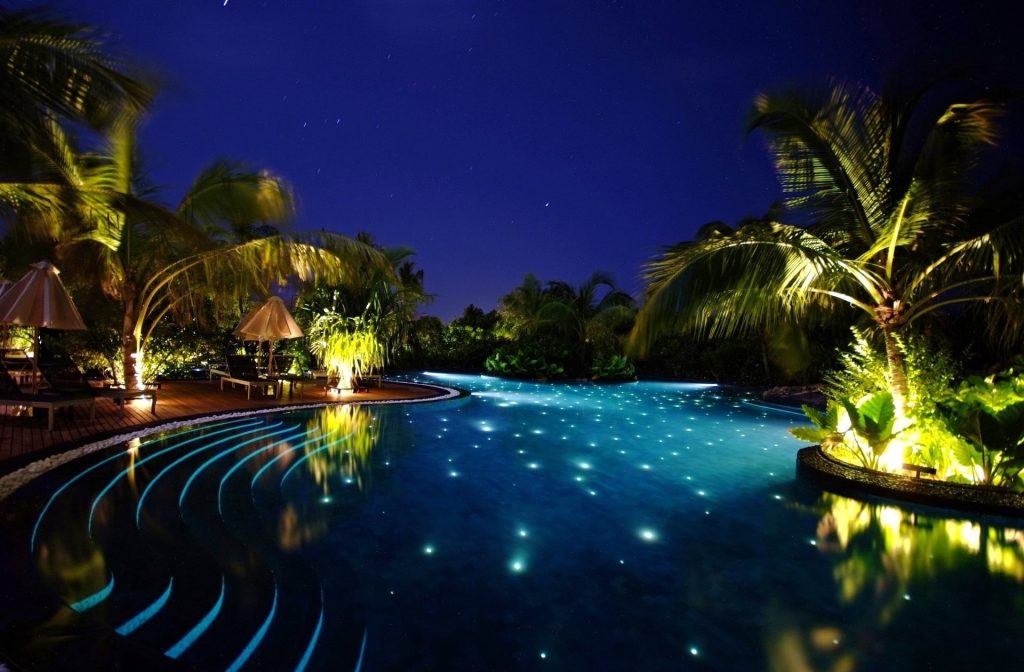
Another factor to consider is light pollution, which has become a pressing concern, especially in densely populated urban areas. Cool lights, with their higher luminosity, can contribute to an increase in light pollution if not properly controlled or directed. Meanwhile, warm lights with their softer glow tend to diffuse less into the surroundings, thereby reducing light spillage and skyglow.
This is particularly relevant for rural or semi-rural areas where preserving dark skies for stargazing could be a consideration. To summarize, while choosing between warm or cool outdoor lighting based on your environment, ensure you strike a balance between functional lighting needs and contribution towards light pollution.
Neighborhood Considerations: The Light Pollution Paradigm
Lighting should never be an intrusion but rather a harmonious element within neighborhood landscapes. Unfortunately, irresponsible outdoor lighting practices often lead to unwanted light trespass – an element of light pollution that disturbs residents and spoils nighttime views.
Cool outdoor lights are often bright enough to infiltrate homes through windows even at significant distances, causing sleep disturbances and even anxiety. On the other hand, warmer lights, due to their lower luminosity, offer less invasive illumination, making them an ideal choice for densely populated residential neighborhoods where houses are closely positioned.
The direction of your outdoor lighting also contributes significantly to controlling light pollution. Both cool and warm lights can be manipulated using fixtures that direct the beams downwards rather than outwards or upwards, which reduces both glare and skyglow effectively. Adopting ‘shielded’ or ‘full-cutoff’ light fixtures is another effective method to minimize light pollution.
These fixtures prevent the emission of light rays above the horizontal plane, thus ensuring light is only cast downwards where it’s needed. While choosing outdoor lighting, respect the tranquility of your surroundings by opting for lights and fixtures that help reduce light pollution and improve nighttime visibility without causing disturbance to neighboring properties.
Wildlife Impact: The Often Overlooked Consideration
Yet importantly, one must consider the potential impact of outdoor lighting on local wildlife. Numerous studies have indicated that artificial nighttime lighting can significantly disrupt the behaviors and life cycles of many nocturnal species, from insects to birds and mammals.
Cool white lights tend to attract more insects than warm lights, which can lead not only to a nuisance for people but also impact local insect populations. Birds that migrate at night can also be disoriented by bright, especially cool lights, leading to deadly collisions with buildings or exhaustion as they circle lights rather than continuing their migration.
In addition, certain species – particularly those in rural settings – rely on dark skies for hunting or avoiding predators. Skyglow from improper outdoor lighting could disrupt these natural behaviors, causing ecological imbalance in the long run.
Apart from choosing warm lights over cool for their lower impact on wildlife behavior, you can further reduce your ecological footprint by adopting motion sensor-equipped lights or dimmable lights that can be adjusted based on need and time of day/season.
This section addresses wildlife impact: ensure that your selection of outdoor lighting respects local biodiversity by considering how different types of artificial lighting affect various species inhabiting your area.
Specific Application Examples for both Warm and Cool Lights
Garden Lighting: The Warmth of Nature Unleashed
Picking the right light for outdoor spaces, especially gardens, can play a pivotal role in enhancing their beauty. Since gardens are meant to be a sanctuary of tranquility and serenity, warm lights are often favored for two reasons: their subtle glow complements the natural hues of the vegetation and creates an atmosphere that invites relaxation.
Delving into the minutia of plant lighting, it’s important to recognize that warm light enhances and accentuates natural colors. Its soft luminance bathes each leaf and petal in a welcoming radiance that allows their true colors to stand out beautifully against the backdrop of night.

This gentle enhancement is more akin to nature’s own lighting – sunrise or sunset – fostering a harmonious visual echo during twilight hours. Moreover, when strategically placed amid foliage or along garden paths, warm lights create depth and texture. They render each plant with enough distinction so as not only to be seen but also appreciated in its unique beauty. This can turn even simple shrubs or flowers into captivating features within your nocturnal landscape.
However, it must also be noted that while warm lights offer these aesthetic advantages, they should not be expected to fulfill functional requirements such as bright visibility. To strike a balance between aesthetics and utility, incorporating some cool lights may become necessary.
Security Lighting: The Cool Vigilant Sentinel
When it comes to security lighting, cool lights have an undeniable edge over their warmer counterparts due to their inherent properties. Because they illuminate spaces with greater clarity and brightness than warm lights do, they increase visibility significantly, making them suitable for areas where safety is paramount.
Cool light’s stark intensity helps identify potential hazards like unexpected steps or obstacles that could otherwise go unnoticed under gentler lighting conditions, thus ensuring safer navigation through outdoor spaces after dark. Further, cool lights are often perceived as more ‘alert’, contributing to crime deterrence.
Their clinical clarity can dissuade potential trespassers, creating a psychological barrier of heightened vigilance. This doesn’t only safeguard property but also instills a sense of security and peace of mind for its residents.
Moreover, as a means to minimize the adverse effects associated with cool lights, such as light pollution or disruption to sleep cycles, motion sensor technology is commonly employed. This allows these bright sentinels to be activated only when needed, offering an effective and efficient solution.
Conclusion: Should Outdoor Lights be Warm or Cool?
Choosing between warm or cool outdoor lighting isn’t merely an aesthetic decision but one that impacts the functionality, safety, and overall ambiance of your space. It’s important to consider specific needs and goals while making this choice. By understanding these nuances and adapting your lighting accordingly – perhaps even blending both warm and cool lights in different areas – you can create an outdoor setting that is not only pleasing to the eye but also serves its intended purpose effectively.
The beauty of this topic lies in its flexibility: there is no absolute right or wrong choice; it all boils down to personal preference informed by practical requirements. With thoughtful consideration, one can truly bring their outdoor space alive under the night’s sky in the most enchanting way possible.
You may also be interested in the following posts: