
Introduction to Low-Voltage vs Solar Landscape Lighting
Brief Overview: Highlighting the Beauty of Nature
There is a certain allure that landscapes possess – a unique charm that captivates the senses. Landscape lighting seeks to enhance this charm, casting a delightful spectacle of light and shadow to highlight the beauty of nature. As dusk descends and natural light fades, strategic landscape lighting emerges as an invincible hero, breathing life into landscapes and extending their appeal into the darkened hours.
As we delve into this fascinating world of landscape lighting, it’s crucial to understand its two main forms: low-voltage and solar lighting. Both low-voltage and solar landscape lighting are effective solutions for lighting outdoor spaces after sundown.
However, they harness energy in fundamentally different ways – one using minimal electrical power, while the other capitalizes on the sun’s abundant energy. Yet their ultimate aim remains the same: enhancing outdoor aesthetics while providing safety and enabling nighttime use of outdoor spaces.
Unraveling Low-Voltage & Solar Landscape Lighting
An Overview of Low-Voltage Landscape Lighting
In simple terms, low-voltage landscape lighting utilizes electrical power but at a much lower level than typical home appliances. We call the system ‘low-voltage’ because it operates at 12 volts, which is significantly lower than the standard household voltage of 120 volts in many countries. This reduction in voltage is achieved courtesy of a device known as a transformer, which steps down electricity from your home to make it suitable for outdoor lighting.

The system comprises several components, including lights (often LED or halogen), a transformer, and cables for transmitting electricity from the source to lights. These systems usually offer greater brightness levels compared to their solar counterparts but require more complex installation with careful planning around cable layout.
Defining Solar Landscape Lighting
Solar landscape lighting represents an ingenious utilization of renewable energy. This self-sustaining system relies primarily on the sun’s power to illuminate landscapes. Its main components include a solar cell, a rechargeable battery, and an LED light. During the day, the solar cell absorbs sunlight and converts it into electricity, which charges the battery. In the absence of sunlight, typically at night, the stored electricity powers the LED light.
This eco-friendly lighting solution is easy to install with no cabling requirements or reliance on a home’s electrical system. Solar landscape lights are typically less bright than low-voltage lights but provide an economical and sustainable solution for outdoor lighting needs.
The Luminous Impact: Importance & Benefits of Landscape Lighting
Landscape lighting serves more than just functional purposes; it is an intersection where utility meets aesthetics. It can drastically transform everyday landscapes into enchanting nocturnal paradises that captivate attention and evoke awe.
One of its prime benefits is enhancing safety and security around your property by illuminating dark corners and creating visible pathways. Whether you’re arriving home late or hosting a backyard soirée after sunset, well-lit exteriors can mitigate risks associated with poor visibility, such as tripping hazards or potential intruders.
From an aesthetic perspective, landscape lighting plays a pivotal role in accentuating architectural features and landscaping details that might otherwise fade into obscurity after sunset. It brings to life decorative elements like water fountains or statues while highlighting key architectural features like beautiful arches or textured walls through techniques like spotlighting or up-lighting.
Moreover, landscape lighting extends the usability of outdoor spaces, allowing you to utilize patios, decks, or gardens even after dark, thereby expanding living spaces beyond the confines of your indoor rooms. Picture family gatherings around a fire pit under the soft glow of path lights or friends admiring your blooming flower beds bathed in a gentle wash of spotlights.
And finally, both low-voltage and solar landscape lighting can contribute to energy conservation. Low-voltage systems consume less electricity, while solar lighting leverages the renewable power of the sun, thereby reducing your carbon footprint and contributing to a greener planet.
Understanding the Basics: Illuminating the Darkness
The Science Behind Solar Landscape Lighting: Harnessing Sunlight’s Potential
The process by which solar landscape lights work is both fascinating and ingenious. Central to this technology are solar panels, which play an essential role in capturing sunlight’s energy and converting it into electrical power. These panels, often positioned on the top of outdoor light fixtures, consist of photovoltaic cells made from silicon layers.
When sunlight hits these layers, electrons are set in motion, creating an electrical current. This electrical current then flows into a rechargeable battery located within the light fixture. While many might consider this step trivial, it is essential to the functioning of solar lights.

Without the battery’s capacity to store energy during daylight hours, no power would be available to light your garden or pathway when darkness falls. As dusk approaches and natural light diminishes, a built-in photoreceptor detects this change in lighting conditions.
This triggers a switch that disconnects the charging circuit and connects the battery’s stored energy to the LED (light-emitting diode) inside your solar landscape light. In stark contrast with traditional incandescent bulbs that release 90% of their energy as heat, LED lights are far more efficient at converting electricity into visible light.
This attribute makes them ideal for use in solar-powered applications where conserving stored energy is paramount for prolonged lighting throughout nighttime hours. As sunrise dawns and ambient light increases again, another switch triggers off disconnection from LED and enables recharging of batteries through solar panels, thus ensuring a continued cycle of lighting by harnessing our sun’s abundant resource.
The Mechanics of Low-Voltage Landscape Lighting: A Softer Glow in Nighttime
Low-voltage landscape lighting operates under different principles compared to its solar counterpart but is equally intriguing. The term ‘low voltage’ refers to systems that operate on a much lower electrical current than standard household circuits. This reduced power level, typically around 12 volts, makes these systems safer and more energy-efficient.
At the heart of any low-voltage lighting setup is a transformer. This vital component performs two functions: first, it reduces standard 120-volt home power down to a safer and more efficient 12 volts; secondly, it serves as the main power supply for all connected light fixtures. A low-voltage system’s simplicity lies in its plug-and-play nature.
The transformer plugs into an ordinary outdoor electrical outlet, reducing its output to the desired voltage before sending this power along an outdoor-rated cable connected to various landscape light fixtures. These fixtures may include path lights, accent lights, or spotlights, each designed with different light intensities for various lighting effects depending on their role in your landscape design.
Some offer broad lighting for safety or security purposes, while others provide softer ambiance, enhancing your garden’s nighttime aesthetics. In sum, whether you prefer harnessing sunlight’s energy via photovoltaic cells or safely utilizing modified home electricity through transformers, understanding basic principles allows you to make informed decisions about what best suits your landscape lighting needs.
Exploring the Different Types of Low-Voltage and Solar Landscape Lights
A Profusion of Radiance: Spotlighting
Spotlighting is a technique employed to highlight specific elements within a landscape. It provides concentrated lighting, casting an intense light on statues, large plants, or architectural details.
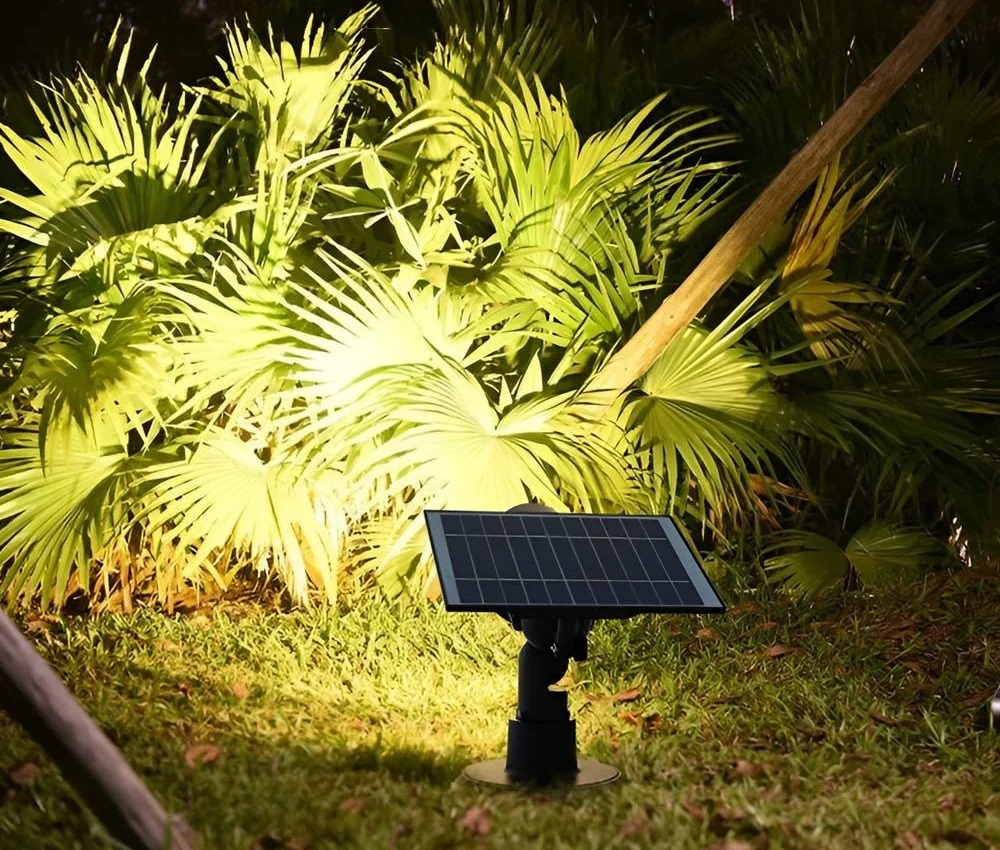
As the name implies, spotlights bring focus to various elements and are perfect for emphasizing textures of walls or tree trunks. Low-voltage spotlights offer a bright, focused light that can be controlled using a dimmer, while solar spotlights harness the sun’s energy during the day to provide vibrant lighting at night.
The Enhanced Path: Path Lighting
Path lighting serves dual purposes: it enhances aesthetic appeal and ensures safety by brightly illuminating walkways. Solar path lights are discreetly staked into the ground along pathways and automatically light up when it gets dark. Conversely, low-voltage path lights require cables running from a transformer to each fixture. The soft ambience they create renders them an ideal choice for gardens, driveways, and sidewalks.
Subaquatic Luminance: Underwater Lighting
Underwater lighting introduces an enchanting element to landscape designs featuring water bodies like ponds or swimming pools. Solar underwater lights can float on water surfaces or be fully submerged, supplying ambient lighting with minimal installation efforts as they gather energy through built-in solar panels during daytime hours. In contrast, low-voltage underwater lights necessitate meticulous installation but offer more consistent brightness levels.
Securing Spaces with Luminescence: Floodlighting
Floodlights emit broad-beam, high-intensity light that illuminates larger areas, such as backyards or driveways, ensuring safe navigation in dark hours. Both solar and low-voltage floodlights serve this purpose efficiently; however, proper placement is crucial for maximum effect.
Design Principles for Effective Lighting
Balancing Light and Darkness
Harmony in landscape lighting is achieved through a balanced blend of light and shadow. This interplay creates depth, accentuates the beauty of the outdoor space, and brings out the contrast between various elements. Whether using solar or low-voltage lighting, striking an equilibrium between lighting and darkness can transform spaces into whimsical nighttime scenes.
Highlighting Key Features
Focal points dictate where lights should be installed to emphasize features like fountains, sculptures, or specific plants. Strategic placement of spotlights can cast intriguing shadows or simply draw attention to these features.
Creating Safe Pathways
Proper lighting of paths with path lighting prevents unnecessary accidents by clearly marking out walkable areas within a landscape. The placement should facilitate clear visibility without being too glaring.
Enhancing Nighttime Visual Comfort
Lighting designs should consider visual comfort for dwellers and passersby alike. Ensuring that lights are not positioned at eye level helps avoid glare, creating a gentler nighttime environment.
Navigating the Installation Process
The Blueprint: Planning Your Landscape Lighting Design
A good landscape lighting design starts with thorough planning. Identifying focal points, deciphering how much lighting is required in each area, and assessing where shadows would be most aesthetically pleasing are vital steps in this process.
Solar Lights: Harnessing Natural Energy
Installing solar lights includes choosing an optimal location that receives sufficient sunlight exposure throughout the day, followed by assembling the fixtures as per manufacturer guidelines and staking them into the ground at desired locations.
Maintenance & Troubleshooting
Cleaning Solar Panels for Efficiency
Scheduled cleaning of solar panels will ensure maximum sunlight absorption, optimizing their efficiency. Dust and grime can block sunlight, reducing the amount of energy absorbed and, consequently, the brightness of the light.
Ensuring Continued Operation: Replacing Batteries in Solar Lights
Solar landscape lights generally utilize rechargeable batteries, which, over time, may need to be replaced to ensure continued operation. This is a relatively simple process that can restore solar lights back to their optimal functioning state.
Environmental Impact & Sustainability
A Brighter Tomorrow: Energy Savings with Low-Voltage or Solar Lighting
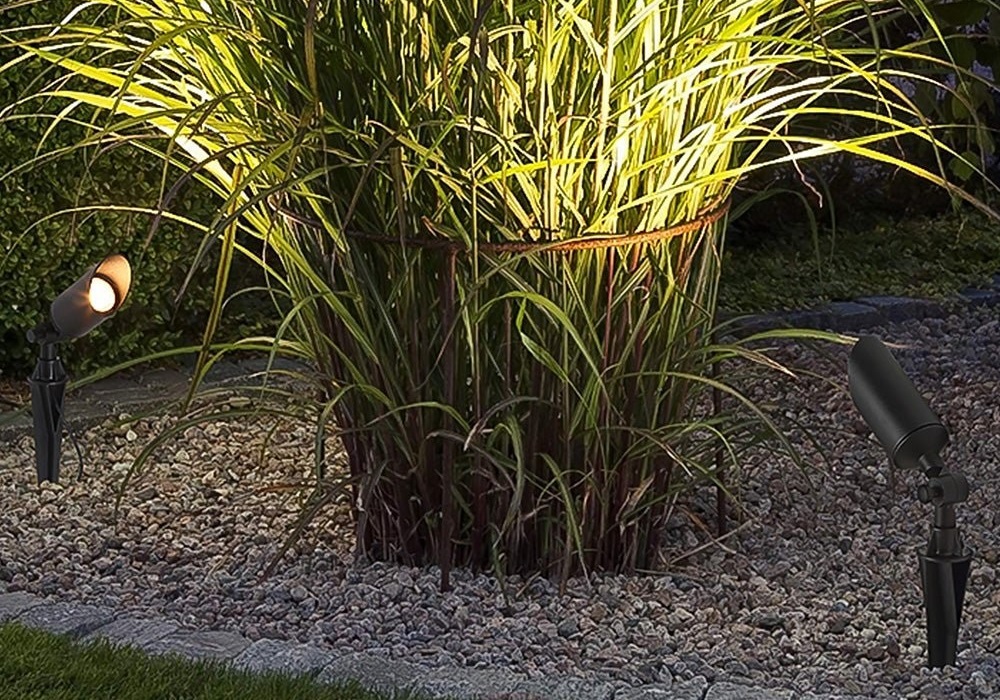
Switching from traditional lighting systems to low-voltage or solar alternatives contributes significantly towards energy conservation. These systems consume less power while providing ample lighting, fostering a sustainable environment.
Future Trends in Landscape Lighting
The Dawn of Intelligent Lighting: Smart Landscape Lighting
Technology continues to revolutionize every sphere of our lives, and landscape lighting is not an exception. The emergence of smart landscape lighting enables homeowners to control their outdoor lighting using mobile devices or voice-activated home systems.
The ever-evolving trends in low-voltage and solar landscape lighting not only assure a visually enchanting outlook for our gardens, patios, and yards but also usher us towards a more sustainable future. The perfect fusion of aesthetics with practicality they offer makes these forms of luminance an ideal choice for transforming outdoor spaces into nighttime havens.
Conclusion: Low-Voltage or Solar Landscape Lighting?
In conclusion, both low-voltage and solar landscape lighting offer compelling options for enhancing the allure of outdoor spaces after dark. Low-voltage systems, with their robust brightness and customizability, provide exceptional control and reliability, making them suitable for intricate designs and areas requiring consistent lighting. On the other hand, solar lighting shines as an eco-friendly and cost-effective solution, leveraging renewable energy to provide effortless installation and sustainable operation.
Choosing between these lighting systems depends on your unique needs, preferences, and environmental considerations. Whether you seek the brilliance and versatility of low-voltage lights or the simplicity and sustainability of solar lighting, each system empowers you to craft a luminous outdoor experience. By integrating thoughtful design principles, such as balancing light and shadow, emphasizing focal points, and ensuring safety, you can transform your landscape into an enchanting nighttime retreat. Ultimately, both options not only enhance your property’s aesthetics and functionality but also contribute to a greener, more energy-efficient future.
You may also be interested in the following posts: