
An Easy Guide to Hiding Extra String Lights
The Luminous World of String Lights
Imagine this: It’s a lovely summer evening, and you’re hosting a garden party. The setting sun has painted the sky in hues of orange, pink, and purple, which gradually give way to a darkening night. Suddenly, your backyard springs to life with the warm, welcoming glow of landscape string lights.
They twinkle like little stars against the dark canvas of the night, transforming your outdoor space into an enchanted fairytale setting. Yet, as delightful as these landscape string lights may be, there’s one common problem many homeowners face – what do you do with the extra length?
String lights often come in standard lengths that may not fit seamlessly into every space. This leads us to our topic: how does one effectively hide extra string lights?
Shedding Light on Aesthetic Appeal
The importance of hiding extra length cannot be overstated for those keen on maintaining the aesthetic appeal of their landscape lighting. Imagine if all your efforts to create a magical ambiance are marred by unseemly bundles or loops of excess string lights hanging haphazardly from trees or fences.
Ideally, you would want your landscape lighting to blend naturally and effortlessly with its surroundings rather than letting it become an obtrusive element in your decorating scheme. Hiding excess string lights allows you to maintain a clean and organized look in your outdoor space while still enjoying their luminous benefits.
The Relevance Beyond Beauty
The relevance of disguising extra length extends beyond mere aesthetics; it’s also tied to safety and longevity considerations. Excessively long strings can pose tripping hazards if left exposed or can lead to light bulb damages due to tangling.
Moreover, having too many bulbs plugged into one outlet can cause overheating or short circuits – potentially turning a beautiful display into an electrical disaster. By properly managing excess length through hiding and smart arrangements, you can prevent these potential dangers.
A Spotlight on Landscape Lighting
Whether you are planning an outdoor party, creating a cozy reading nook on your patio, or simply enhancing the aesthetic charm of your home’s exterior, landscape string lights lend themselves to countless uses. As such, it is crucial that they are installed not only in a visually appealing manner but also safely and securely.
In the following sections of this post, we will delve deeper into understanding string lights and explore creative yet practical ways to handle excess length. So whether you’re a homeowner seeking to beautify your outdoor space or a professional working in landscape design looking for tips to share with clients, this guide offers enlightening ideas that promise to brighten both your knowledge and outdoor spaces.
Unraveling the Bright Threads: Understanding String Lights
The world of string lights is as diverse and multifaceted as a prism refracting beams of sunlight. At their most basic, string lights are a series of small light bulbs connected by a flexible wire that can be hung or draped in an endless array of configurations. Considered an essential tool in creating ambiance, these luminous accessories come in various types that cater to specific needs and tastes.
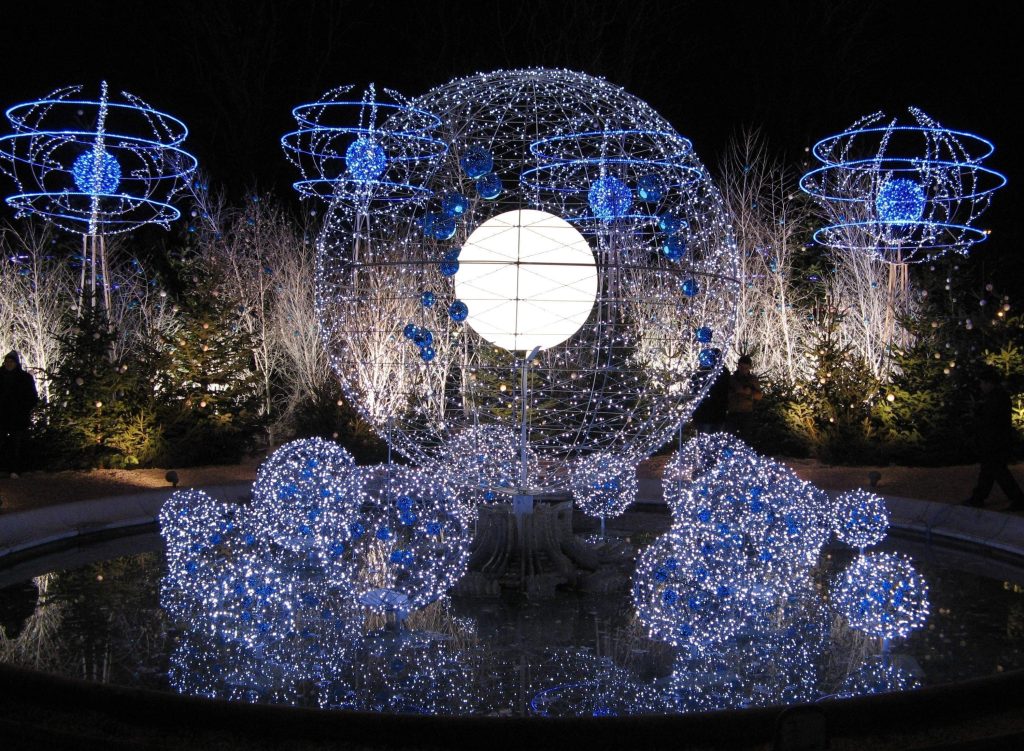
Incandescent string lights, one of the most traditional types, employ filaments that glow with the passage of electrical current. These classic beauties provide warm, cozy lighting but aren’t as energy-efficient or long-lasting as their modern counterparts.
Light-emitting diode string lights are increasingly popular for their superior longevity and lower power consumption. They emit intense light while staying cool to the touch – making them ideal for both indoor and outdoor use.
Solar string lights eliminate the need for power cords entirely; they harness sunlight during the day to light up your surroundings at night – a perfect solution for landscape lighting where outlets may not be readily available.
Shining Versatility: Common Uses and Benefits of String Lights
String lights have morphed from holiday decorations into versatile design elements used throughout the year. Interior designers often recommend using them to add a touch of whimsy or elegance to living rooms, bedrooms, balconies, or patios.
The allure does not stop at residential settings; many commercial spaces, such as restaurants, cafes, and hotels, also capitalize on their charm. Landscape string lights can transform any garden into an enchanting haven when dusk falls; they highlight pathways, accentuate features like fountains or arbor arches – they turn outdoor spaces into magical scenes straight out from fairy tales.
The benefits extend beyond aesthetics, though; they provide practical illumination in dark corners or pathways, offering both safety and comfort. Easy to use, versatile in application, cost-effective and energy-efficient (especially LED and solar versions), the appeal of string lights shines brightly.
Navigating the Bright Excess: Potential Challenges with Extra String Lights
As with any aspect of design or decor, moderation is key – too much of anything can become overwhelming. The same holds true for string lights: an excess may lead to a cluttered look or even potential safety hazards. One common challenge is figuring out what to do with surplus length once your decorating needs have been met.
Extra string lights can create visual clutter if not managed properly. Moreover, when many string lights are connected end-to-end, exceeding the manufacturer’s recommendation, it could overload circuits or damage the strands over time, leading to a shorter lifespan for your light strings.
However, with creativity and careful planning, these challenges turn into opportunities for innovative design solutions. This guide will demonstrate some ingenious methods to hide extra string lights without compromising on their charm or utility.
Reasons to Hide Extra String Lights
Enhancing Aesthetic Appeal
When most people think of landscape string lights, they envision a beautifully lit patio or garden, adding depth and warmth to the night’s ambience. However, not all elements of landscape lighting are as pleasing to the eye as their resultant glow.
Excess cord can often prove an unsightly distraction from an otherwise picturesque setting. By tucking these extras away discretely, you maintain the intended illusion of seamless light. Moreover, hiding extra string lights allows you to exert more control over your space’s visual narrative.
It lets you draw attention where it is desired – perhaps accentuating architectural features of your home or highlighting certain plants in your garden – while minimizing attention elsewhere. The result is a more streamlined and intentional design.
Additionally, by hiding extra string lights, you also achieve a cleaner look, which is essential, especially when dealing with landscape lighting. The absence of tangled wires and cords strewn about makes for a more appealing environment that people are sure to appreciate.
Another benefit lies in the opportunity for creativity that arises once we choose to hide our excess string light cables. One might decide to wind them around tree branches or artfully arrange them behind curtains; such decisions allow one’s personal style to shine through while simultaneously enhancing aesthetic appeal.
It is worth noting that this desire for order and cleanliness also extends to daytime aesthetics when the lights are off. By effectively hiding extra strings during daylight hours, you protect against any potential disruption they might otherwise pose on your outdoor or indoor decor.
Safety Considerations
Safety should always be paramount when dealing with any form of electrical installation – landscape string lights included. Exposed wires present a serious fire risk, especially when they come in contact with flammable materials such as curtains, carpets, or wooden furniture.
Loose cords may increase risk factors within any space: visitors could easily trip over them; pets might chew on them; children could become entangled in them; all circumstances potentially leading towards injury or electrical hazard. Furthermore, extra string lights left unattended can potentially become worn over time, which may expose their wires.
Also, inclement weather poses a significant threat to improperly stored string lights. Rain and snow can cause premature corroding and short out the lighting system if the strands aren’t properly secured or hidden. It is also worth considering that extra length of cord provides more opportunity for entanglement and damage.
By tucking away this excess cord safely, you mitigate these risks significantly and create a much safer environment overall. Neatly storing your excess wire will also help ensure that your lighting installation adheres to any safety regulations in your area – an often overlooked but crucial aspect of landscape lighting installation.
Prolonging the Lifespan of String Lights
Hiding extra string lights not only enhances aesthetic appeal and safety but also contributes to prolonging the lifespan of your landscape lighting by protecting them from potential physical damage. Exposure to harsh environmental conditions can wear down the insulation around strings faster, leading to quicker degradation.
Additionally, proper management of extra string lights reduces their chance of becoming tangled or twisted in ways that could lead to unnecessary strain on individual bulbs or connections. This lessens the likelihood of breakages, which ensures continued functionality over extended periods.

By hiding away these extras securely when not in use (e.g., during seasonal changes), you effectively shield them from potential destructive elements like strong winds, heavy snowfall, or extreme heat – all factors known for reducing the life expectancy of outdoor string light installations.
Moreover, neatly arranged wires are easier to inspect regularly for any signs of wear or tear. This enables early detection of any problem areas, which can be fixed promptly before escalating into bigger issues, thereby ensuring longevity through preventative maintenance measures.
Yet importantly, there is consideration towards energy efficiency. Leaving extra string lights exposed might tempt one to use the entire strand, even if all the bulbs aren’t needed for the desired effect. By hiding away extras instead, you only light up what’s necessary, which can significantly cut down on energy consumption over time.
Preparations Before Hiding Extra String Lights
The Art of Assessing the Amount of Extra String Lights
Like an elegant dance, planning where your extra landscape string lights will go starts with grasping the length of the waltz. When evaluating surplus string lighting, do not hastily rush this phase.
It is quintessential to accurately assess the volume to circumvent potential problems down the line. You don’t want a veritable excess overwhelming your space nor a deficiency leaving it void of its desired glow.
It is advisable to unroll your string lights entirely and measure them against the area you plan on adorning. This allows you a bird’s-eye view of how many light strands you have to work with and how best they can be allocated within your setting.
Remember, consideration should also be given to slack for draping or wrapping around objects. It is always better to overestimate than underestimate in this scenario.
Essential Tools and Materials for Hiding Landscape String Lights
An accomplished artist never commences their masterpiece without first ensuring all required tools are within reach. Equally, prior to embarking on hiding your extra landscape lighting, ensure that you have all necessary implements at hand.
Tape or adhesive hooks serve as your paintbrush in this setting; they are simple yet effective tools for securing lights discreetly in place without causing any damage. These adhesive marvels come in various sizes and types that can adhere tenaciously yet delicately to different surfaces.
Tape or Adhesive Hooks: The Silent Supporters
Transparent tape or clear hooks are excellent choices because they blend into most backgrounds, thus rendering them nearly invisible while still offering sturdy support for your string lights. They are especially useful when attaching lights along walls or under eaves where nails might cause unwanted damage.
Adhesive hooks come with another significant advantage – they can be easily removed without leaving a trace. So, when the time comes to remove or rearrange your string lights, having used adhesive hooks will prove to be not only convenient but also kind to your walls and other surfaces.
Zip Ties or Twist Ties: The Invisible Fasteners
For those scenarios where a stronger hold is required, say when securing landscape string lights on tree branches or along railings, zip ties or twist ties prove invaluable. These humble-looking fasteners are durable and can withstand various weather conditions, making them an all-weather ally for your outdoor landscape lighting needs.
Twist ties offer the advantage of being easily adjustable. If you need to relocate or loosen your string lights, these little wonders allow for such flexibility without compromising the security of your setup.
Extension Cords: The Unsung Heroes
In situations where your landscape lighting installation demands more reach than what the string lights can provide alone, extension cords come in as unsung heroes. Ensuring you have suitable extension cords that match both the power requirements of your lights and the environmental conditions of their use is crucial. Remember though that discretion is key even with extension cords – they should be hidden effectively alongside their luminous counterparts for an aesthetically pleasing arrangement.
Creative Ways to Hide Extra String Lights
Transforming Your Space: Wrapping Around Objects
String lights possess a unique charm that can instantly add a touch of whimsy and warmth to any area. One particularly effective method for hiding extra string lights is by adroitly wrapping them around objects. This lends the brilliance of the lights to the object, subtly illuminating its features while masking the surplus length.
Furniture such as tables, bed frames, and bookshelves serves as advantageous platforms for this endeavor. Their often linear structure serves as an excellent guide for arranging your landscape string lights in an orderly fashion, effectively hiding excess cords while accentuating their edges and lines.
Even beyond furniture, architectural features provide an opportune canvas for your luminous creativity. Pillars, railings, and mantels are just a few examples of structural components that can be encircled with string lights, creating a dynamic landscape lighting effect that both conceals extra length and highlights these features in an enchantingly novel way.
Inspired by Lighting: Creating Art Pieces with Extra Strings
Why hide when you can flaunt? Transform your additional strings into radiant works of art. By manipulating the trajectory of these lights, you can fashion them into shapes or patterns on walls or ceilings – stars, boats, hearts – let your imagination illuminate your environment.
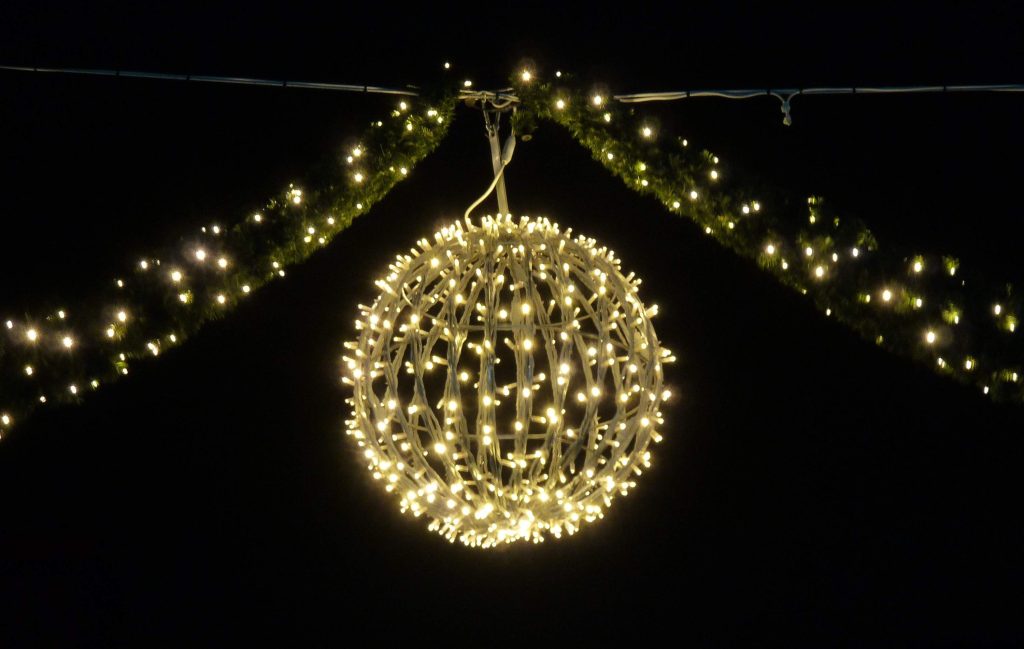
These celestial designs offer dual benefits: they not only serve as creative solutions to reduce visible extra length but also create personalized pieces of art made from landscape string lights that catch every visitor’s eye with their unique radiance.
Magic in Disguise: Hiding in Plain Sight Using Decorations
Another effective strategy involves integrating extra string lengths into existing décor elements. This tactic revolves around blending, making the excess parts seem like purposeful additions to decorations already present within a space.
Drape them around mirrors, weave them into tapestries or let them cascade along the edges of a painting. By incorporating this approach, you allow your landscape string lights to become an organic part of the space’s decoration. The surplus length is ingeniously hidden in plain view, contributing to the overall aesthetic rather than detracting from it.
Behind the Veil: Tucking Them Behind Curtains or Drapes
If subtlety is more your style, consider tucking extra string lights behind curtains or drapes. This method not only effectively hides excess wire but also engenders a soft, diffused glow that can lend an air of mystique and tranquility to any space. This application creates a win-win situation; you can successfully conceal extra strings while simultaneously enhancing your space with ethereal light seeping through fabric folds.
Nature’s Glowing Canopy: Utilizing Plants and Greenery
When considering landscape lighting solutions, one cannot overlook nature’s own offerings. Plants and greenery provide an attractive option for hiding additional lengths of string lights.
Twining them around tree branches, nestling them within shrubbery, or threading them through climbing vines can create enchanting pockets of lighting within your garden. Not only does this method efficiently camouflage extra string light length, but it also nourishes the atmosphere with a magical union between natural beauty and man-made luminescence.
Chasing Shadows: Creating a Faux Chandelier Effect
Why not turn excess into excess elegance? By bundling additional string lights together and hanging them from a ceiling fixture or high point in a space, you create a faux chandelier effect that delivers both practicality and panache.
Rather than allowing unsightly extra cord lengths to mar your décor efforts, this solution turns potential clutter into a dazzling spectacle, transforming spare landscape lighting components into an eye-catching feature that captivates, illuminates, and impresses.
Safety Tips When Hiding Extra String Lights
Steering Clear of Overheating: The Art of Loose Bundling
While putting into practice your creative ideas for hiding extra string lights, it’s crucial to prioritize safety. One common issue that arises with landscape lighting, particularly with extra landscape string lights, is overheating. This can occur when the lights are bundled too tightly together.
It’s important to understand that string lights generate heat when switched on. A compact bundle of string lights will trap this heat, causing the bulbs to overheat. Not only does this significantly reduce the lifespan of the bulbs, but it can also pose a fire risk in certain environments.
One effective strategy to avoid overheating is loose bundling. Rather than tightly wrapping your extra string lights around objects or themselves, try to leave a bit of space between each coil. This will allow heat to escape freely and air to circulate around the bulbs.
The key lies in striking a balance between aesthetic appeal and safe practices. Remember that landscape lighting is there not just for decoration but also for illumination purposes. By ensuring your landscape string lights aren’t bundled excessively tight, you achieve both functionality and safety.
Secure Placement: Preventing Falling Hazards
Another essential consideration when hiding extra string lights is their secure placement. Loose or inadequately fastened lighting equipment could result in falling hazards – an unforeseen danger in any space.
Ensure that wherever you decide to hide or place your extra string lights, they are firmly secured; this could be behind bookcases, above door frames, or amidst your garden foliage as part of your landscape lighting scheme.
Reliable methods for securing extra strings include using adhesive hooks, zip ties, or staple guns (with caution!). These tools ensure that even if someone accidentally tugs on a visible portion of the light strand, it won’t dislodge and cause potential injury.
Also, make sure that any loose ends or extra length of the string lights are tucked away neatly. This minimizes tripping hazards and ensures a more seamless visual effect for your landscape lighting.
Avoiding Fire Hazards: Keeping Distance from Flammable Materials
When dealing with extra string lights, it is paramount to keep them away from flammable materials. While this may seem intuitive, it’s easy to overlook during the process of hiding excess lengths in pursuit of an appealing aesthetic.
String lights generate heat, and when left on for lengthy periods, they can become quite hot. If such heated bulbs come into contact with flammable materials – such as curtains, paper decorations, or dry foliage in your landscape lighting setup – the outcome could be disastrous.
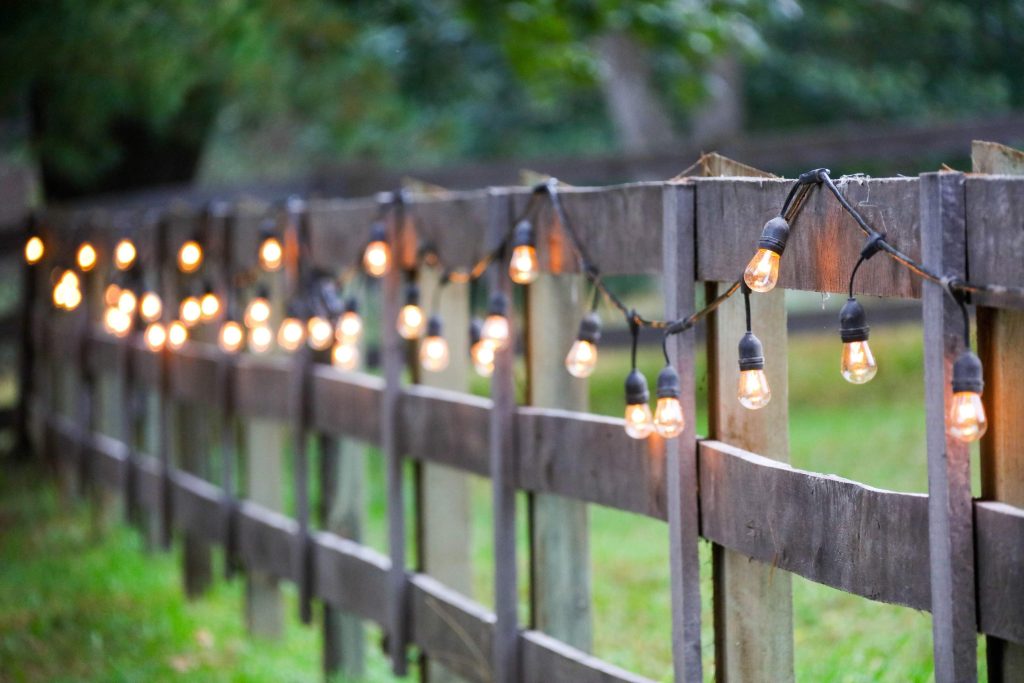
Even materials like certain types of plastic or synthetic fabrics can melt under consistent close contact with hot bulbs. Always ensure there’s enough distance between your extra string lights and any material that might combust or melt due to heat exposure.
It’s also worth noting that different types of string lights generate various levels of heat. For instance, LED lights are known to stay cool even after hours of operation. So if you’re planning to intertwine your landscape string lights within your curtains or foliage-filled vases for an enchanting effect, opting for LEDs could be a safer choice.
Safety should always be at the forefront when dealing with extra landscape string lights. By avoiding overheating through loose bundling, ensuring secure placement to prevent falls, and keeping clear of flammable materials, you can create a captivating yet safe ambiance using your surplus strings.
The Art and Science of Hiding Extra String Lights
Sublime Strings: A Recapitulation
We embarked on this journey to explore the art and science of effectively tucking away those excess landscape string lights; we traversed through the intricacies of string lights, their types, uses, and benefits, appreciating their potential challenges; we delved into reasons to hide extra string lights for not merely aesthetic appeal but also safety considerations and lengthening their lifespan; and we acquainted ourselves with the necessary preparations before embarking on this task, understanding the tools required for a seamless process.
Our voyage took us through creative solutions: wrapping around objects such as furniture or architectural features; creating artistic pieces from surplus strings; using decorations to disguise them in plain sight; tucking them behind curtains or drapes; utilizing plants for natural concealment; even crafting an illusionary chandelier.
In our quest to ensure both beauty and safety coexist in our landscape lighting endeavors, we learned valuable tips. Avoiding overheating by abstaining from bundling too tightly was one key lesson. Ensuring secure attachments to prevent any hazards proved another crucial insight, along with avoiding flammable materials in hiding spots.
Ingenious Lighting: An Ode to Creativity
The journey through this labyrinth of knowledge has been enriching indeed! But it doesn’t stop here. Every home is unique – with its quirks, corners, and colors – beckoning you to experiment with your set of landscape string lights.
It’s an invitation into a world where creativity knows no bounds, where every additional length can morph into a vessel of sheer beauty! Your dwelling’s nooks and crannies hold potential that only your imagination can unlock – all they need is your creative touch! Twist them around picture frames or weave them through your bric-a-bracs; the possibilities are endless.
The art of hiding extra string lights is a dance between functionality and creativity, a symphony of light where every extra foot serves not as an inconvenience but as an opportunity for innovation. Every twist and every turn you give to these strings can be a testament to your creativity.
Landscape lighting need not be seen as a mere task but should rather be embraced as the perfect chance to let your creativity shine, transforming mundane corners into breathtaking spectacles.
Conclusion: How to Hide Extra String Lights?
The landscape lighting industry continues its relentless march towards innovation – more energy-efficient bulbs, solar-powered options, even smart string lights that you can control with your smartphone! As we move forward on this luminary journey, we must carry the lessons learned today. While we marvel at the future’s prospects and embrace new technologies, let’s remember that it’s our unique touch that turns ordinary landscape string lights into extraordinary spectacles of beauty and brilliance.
While managing extra string lights may seem daunting at first glance, with some preparation and plenty of creativity, the task can easily morph from chore to pleasure. It is our sincere hope that this guide has provided you with useful insights and inspired you to approach your next landscape lighting project with newfound confidence and enthusiasm.
You may also be interested in the following posts: