
Lighting the Night: An Overview of Landscape Lighting
Landscape lighting, also known as outdoor lighting, refers to the use of outdoor illumination for private gardens and public landscapes. It serves a multitude of purposes, ranging from enhancing nighttime aesthetics and enjoyment of outdoor areas to promoting safety and security.
Landscape lighting can dramatically transform your yard from a dark silhouette into a vivacious, eye-catching living space. The diverse types of landscape lights include path lights, spotlights or floodlights, well lights, and bollard lights.
Each type serves its own unique function, whether it’s illuminating walkways for safer navigation or highlighting architectural features. When strategically placed and expertly installed, these lights can reshape the nighttime ambience of your home exterior.
Treading Lightly: The Case for Burying your Landscape Lighting Wire
Burying the landscape lighting wire is not just an aesthetic decision but also a practical one. Visible wires are not only unsightly but pose several challenges, such as being prone to damage by lawn equipment or animals. They could also be potential tripping hazards in your yard.
Buried wires offer an added layer of protection from weather elements that could lead to fraying or breakage over time. Additionally, buried wires maintain the clean aesthetics of your landscape design without distraction caused by wiring running above ground. Moreover, burying cables helps avoid any interference with other electrical devices in your house or vicinity, which may reduce their effectiveness if they are exposed above ground level.
Wiring with Wisdom: Safety Precautions Before Starting Your Project
As with any project involving electricity, it’s paramount that you prioritize safety measures when burying landscape lighting wire. Before you begin digging trenches for burying your wires, ensure you know where other utility lines are buried in your yard, including gas lines and irrigation pipes, among others; this information can usually be obtained from local utility companies.
Make sure to wear proper protective gear like gloves and safety glasses when handling wires. It’s also recommended that you work with a buddy for an extra pair of eyes and hands. Always follow the manufacturer’s guidelines when installing lighting fixtures as well as burying wires.
Incorrect installation could lead to performance issues and even electrical accidents. While it may be tempting to undertake this project yourself, complex landscape lighting installations are best left to licensed electricians or professionals trained in outdoor electrical wiring.
Understanding Landscape Layout: Landscape Lighting Cable
The Many Faces of Lighting: Types of Wires Used in Landscape Lighting
In the world of landscape lighting, a multitude of wire types exist, each with their own unique characteristics and applications. Primarily, one can distinguish between two major types: low-voltage and high-voltage wires.
Low-voltage wires are typically used in residential applications where the light fixtures require 12–24 volts to operate. These wires are safer to work with as they pose less risk of electrocution and can be easily managed by most homeowners undertaking DIY landscape lighting projects.
High-voltage or line-voltage wires, on the other hand, carry 120 volts or more. They are primarily used in commercial settings for powerful outdoor lights. However, these require professional installation due to their potential safety hazards.
Playing Their Part: The Role and Importance Each Type Plays
Each wire type plays a critical role in ensuring your landscape is illuminated properly and safely. Low-voltage wires provide sufficient power for smaller light fixtures scattered across your yard without posing much risk or consuming excessive energy. They can power path lights, small spotlights for accenting features, deck lights, and more.
High-voltage lines serve greater lighting demands while maintaining efficient energy distribution across larger spaces. These are ideal for lighting commercial landscapes or large residential areas that require brighter lighting solutions like floodlights or security lights.
Understanding the distinction between low-voltage and high-voltage cable is vital; it affects not only your choice of light fixtures but also installation procedures and safety considerations.
Choosing Wisely: Selecting the Right Wire for Your Landscape
Selecting the correct wire for your landscape depends on a few key factors, including fixture type, total wattage needed by your system, distance from power source to fixtures (longer runs may require a thicker gauge wire), and local safety codes or regulations.
For most residential landscape lighting applications, a low-voltage 12-16 gauge wire is suitable. Always choose a wire that can comfortably accommodate the total wattage of your lights, with room for potential future additions.
Always opt for high-quality wires that are robust and designed to withstand outdoor conditions. Look for wires rated for direct burial (DBC) and those with protective insulation to guard against moisture, soil acids, and other elements to ensure the longevity of your outdoor lighting system.
Understanding landscape lighting wires is paramount in creating an efficient and safe outdoor illumination plan. The right choice of wire can make the difference between a well-lit paradise and dark backyard chaos.
Essential Tools: The Backbone of Your Landscape Lighting Project
The first step towards burying your landscape lighting wire successfully starts with assembling the right tools for the job. A well-rounded toolkit will ease the process, making it efficient and enjoyable. The indispensable tools required for this project include a trenching shovel or garden spade, wire strippers, a tape measure, connectors, and waterproof junction boxes, among others.

A trenching shovel or garden spade is instrumental in digging the trench where your wires will be laid. Opt for those with sharp, curved blades, as they make precise cuts in the soil and are ideal for creating narrow trenches.
Wire strippers come into play when preparing the ends of your wires for connection; they help to safely expose the conductive part of your wire without causing any damage. Next comes a tape measure, essential for marking accurate measurements to ensure an even distribution of light throughout your landscape.
For making secure connections between wires, connectors are necessary. Waterproof junction boxes serve as safe points where different cables meet or branch off.
Demystifying Tools: Unleashing Their Potential
Understanding each tool’s purpose is not only crucial but also adds to one’s proficiency in using them effectively. Let’s delve deeper into what each tool accomplishes in this project.
The trenching shovel creates an appropriate-depth conduit that will keep your wire hidden and protected from potential physical damage like accidental cutting during other gardening activities. It’s important that trenches follow a well-thought-out route, avoiding areas prone to water logging or heavy traffic.
The utility of wire strippers cannot be overstated enough when it comes to preparing wires for connections. They gently strip off insulation layers from cables without damaging underlying conductors, thus ensuring signal transmission is undisturbed.
Armed with a tape measure, you can accurately plot your light locations and avoid unnecessary power losses due to excessive cable lengths. Connectors create robust joints between wires, while the waterproof junction boxes shield these connections from harsh weather elements, thus boosting the longevity of your landscape lighting system.
Choosing Quality Materials: An Investment in Longevity
With an array of choices available in the market, making a decision on what materials to purchase can be daunting. However, understanding the factors that determine high-quality materials will help validate your decisions.
When selecting a trenching shovel or garden spade, look for one with a sturdy handle and a sharp blade made from durable material such as stainless steel. It should feel comfortable to hold and have an ergonomic design that minimizes strain during use.
Purchasing wire strippers? Choose those with comfortable grip handles and sharp blades that cut cleanly without fraying ends of wires. In essence, they should strip insulation effortlessly for smooth operations.
In terms of connectors and junction boxes, reliability is key! Look for connectors that are corrosion-resistant and have secure locking mechanisms. Junction boxes should be waterproof given their exposure to outdoor conditions.
Installing landscape lighting is an investment in your property’s aesthetics, functionality, and security, but ultimately it’s an investment in quality time spent in enjoyable surroundings. Therefore, choosing high-quality tools and materials is tantamount to guaranteeing this investment pays off over time!
Burying the Landscape Lighting Wire Successfully
The Lighted Path: Planning the Layout for Your Lights
The first step in your pre-installation process should be meticulously planning out the layout for your lights. A well-thought-out design can enhance the aesthetic appeal of your landscape while also ensuring functional lighting of key areas such as pathways, architectural features, and plantings.
Start by creating a sketch of your outdoor area, marking key elements including buildings, trees, paths, or other significant structures. Consider where you want to add light and what type of lighting would best suit that particular area.
For instance, pathway lights can help guide walkways, whereas spotlights could enhance visual interest in specific architectural or garden features. Additionally, think about how different lighting may create varying moods or atmospheres within your landscape – soft ambient lights for a tranquil spot versus brighter lights to highlight an entertaining space.
It’s also important to factor in practical considerations such as proximity to power sources and how the cables will run from these sources to each light fixture. It’s advisable to place fixtures close together when it concerns low-voltage lighting systems because voltage drops over distance.
Remember that less is often more when it comes to landscape lighting. Over-lighting can detract from the natural beauty of your garden or yard; hence, aim for subtle enhancement rather than bold illumination.
Charting Your Course: Marking Out Your Cable Route
Once you have decided where your lights will go, the next step is to plot out their cable route on paper and then mark it out physically on-site using flags or spray paint. This pre-planning stage is crucial, as careful routing can save significant time during installation and help avoid potential disruptions afterwards caused by digging up hidden wires during gardening or landscaping activities. Your marked cable route should always take the shortest possible path from power source to each light fixture while also avoiding any potential obstacles like tree roots, buried pipes, or utility lines.
Considering future landscaping plans is also advisable while marking out your cable route to prevent having to re-lay cables later. While marking, remember the safety rule of always calling your local utility companies before you start any excavation work to avoid hitting any existing underground services.
Shedding Light on Power: Calculating the Total Wattage Needed
To ensure an efficient and effective lighting system, it’s vital to calculate the total wattage needed for your design. This not only determines the size of transformer you’ll need but also helps in maintaining a consistent voltage supply across all fixtures.
Start by listing down each light fixture planned in your layout and noting their respective wattage ratings – usually mentioned in the product specifications or user manual. Next, sum up these individual wattages, which will give you the total power requirement for your landscape lighting system.
However, it’s important to note that this total should not exceed 80% of your transformer’s maximum capacity – a principle known as de-rating. This buffering allows for potential additions or changes in the future besides catering to start-up surges, which can temporarily hike up power consumption significantly above normal operating levels.
Remember that using LED lights can dramatically lower wattages while still giving ample lighting; hence, it might be an energy-efficient option worth considering. When choosing a transformer, select one with multiple voltage taps since they offer increased flexibility, allowing adjustments for voltage drop issues that may arise due to overdistance or high current loads.
A Therapeutic Journey into the Earth: Digging the Trench
In this endeavor to lay the groundwork for your landscape lighting, it’s essential to commence with the trench’s excavation. A depth of roughly six inches is considered standard for this purpose. Moving deeper can potentially expose your wire to unnecessary risks and hazards, while a trench that is too shallow might leave your wiring susceptible to external damage.
Consider marking out your path beforehand clearly. Laying out a guide rope or using marking paint can save you time correcting course later on and will ensure an aesthetically pleasing final result.
Safety is paramount in any such venture. Always be aware of potential utility lines running underneath your proposed trench site. Call 811, a free nationwide service, before you start digging to prevent any disastrous encounters with water mains or power lines.

The tools utilized for digging can significantly influence the ease of the task at hand. Traditional shovels are reliable and effective; however, consider using a garden trowel or a powered edger for smaller or more intricate trenches.
Equally important as safety and tool selection are patience and consistency. Ensure even depth along the length of your trench. This diligence will pay dividends when it comes time to lay down your wire and backfill the earth.
Weaving a Subterranean Tapestry: Laying Down the Wire
With our trench diligently prepared, we now arrive at laying down our landscape lighting wire within its confines – meticulously ensuring it rests comfortably at its new home without undue strain or tension. Avoiding tangled wires is not merely an aesthetic concern; it holds functional importance as well.
Well-organized wiring reduces the possibilities of accidental snags during installation or future maintenance tasks. When dispersing the wire within its earthy conduit, ensure even distribution by maintaining constant contact between the wire and bottom surface throughout. Resist temptation to rush through this process – the more deliberate you are, the fewer chances of encountering issues later.
Occasionally, you might encounter detours or obstacles in your trench path. Here, leaving a little extra slack in your wire can prove quite beneficial. Additionally, this slack can be useful to accommodate potential expansions or adjustments in your lighting layout in the future. Remember that perfection is not our goal here.
It’s perfectly acceptable for your wire to have minor bends and turns as it settles into its new terrestrial home. Our mission here is about function foremost and form secondarily.
Joining Forces: Connecting Wires to Lights
As we transition from laying down our landscape light wire to establishing its connections with the lights themselves, our focus shifts towards precision and securement. Firstly, ensure that both ends of each connection are stripped properly before attempting any connections – a clean contact point is vital for efficient electricity transfer. Wire strippers will be crucial for this task.
Next comes the actual task of joining wires together – an operation where using high-quality connectors becomes paramount. Look for connectors that are waterproof and corrosion-resistant to ensure longevity in outdoor conditions.
When connecting wires, be mindful of polarity – there are landscape lighting systems that use direct current (DC), which means that the positive and negative terminals should match correctly. In case things don’t work as expected post-installation, troubleshooting often involves checking these connections first.
Do not rush through this process – each secure connection brings you one step closer to achieving illuminated splendor at nightfall. Therefore, take time to double-check all points before moving on, as it’s simpler than correcting mistakes later on.
Sealing the Deal: Backfilling the Trench
With our wiring now resting snugly within its trench and forming robust connections with each light fixture, we approach backfilling – essentially reversing our initial excavation process. Begin by carefully pushing earth back over your wire using either your hands or a small tool like a trowel.
Again, patience is crucial here – avoid rushing this process to prevent any accidental damage to your freshly laid wires. As you commence backfilling, ensure the ground above the wire is level and smooth. Not only will this make for an aesthetically pleasing result, but it will also help in avoiding any potential trip hazards.
After returning all soil to its initial place, consider compacting it gently for stability. Exercise caution not to compact too forcefully – we don’t want any unintended pressure on our wires underneath. In areas of particularly loose soil or higher foot traffic, you might consider supplementing with additional topsoil or mulch for added security and stability.
As a post-backfill practice and prior to celebrating the completion of your project, revisit your lighting fixtures. Make sure they are still correctly positioned after the backfill process and adjust as necessary.
Post-Installation Lighting: Ensuring Long-Term Performance
The Grand Reveal: Testing Your Lights
Once the landscape lighting wire is safely ensconced in its earthy trench, it’s time for the moment of truth – testing your lights. This seemingly simple procedure is a critical step in ensuring your outdoor illumination functions optimally.
The first tip, as banal as it may sound, is to wait until darkness descends. Though your lights may be discernible during daylight, the true effect and any potential anomalies are best perceived under night’s cloak.
Begin by switching on all your lights. Walk around your space and observe every fixture closely. Identify which units might be dimmer than others, flickering or not functioning at all. Such inconsistencies could indicate an issue with the connection or power supply.
If a light isn’t operating as expected, revisit its connection points first. Ensure that the wire properly interfaces with both the light fixture and main power source. If this doesn’t resolve the issue, consider swapping it with another bulb or fixture to rule out hardware faults.
In case several lights seem dimmer than anticipated, you might be facing a wattage problem – more specifically, a voltage drop over longer runs of cable due to resistance in copper wire. In such instances, upgrading to a cable of higher gauge can help tackle this problem effectively.
Remember that patience and iterative troubleshooting are often required when perfecting landscape lighting configurations; don’t fret if issues arise on your initial attempt.
Maintaining Luminosity: Keeping Wires Safe from Elements
Precisely buried wires constitute only half of an effective landscape lighting setup; ongoing maintenance is equally vital for enduring performance and safety. Weather elements can take their toll on even high-quality lighting cables. Regularly inspect your fixtures and wires for any visible wear and tear, particularly after heavy rains or other climatic events.
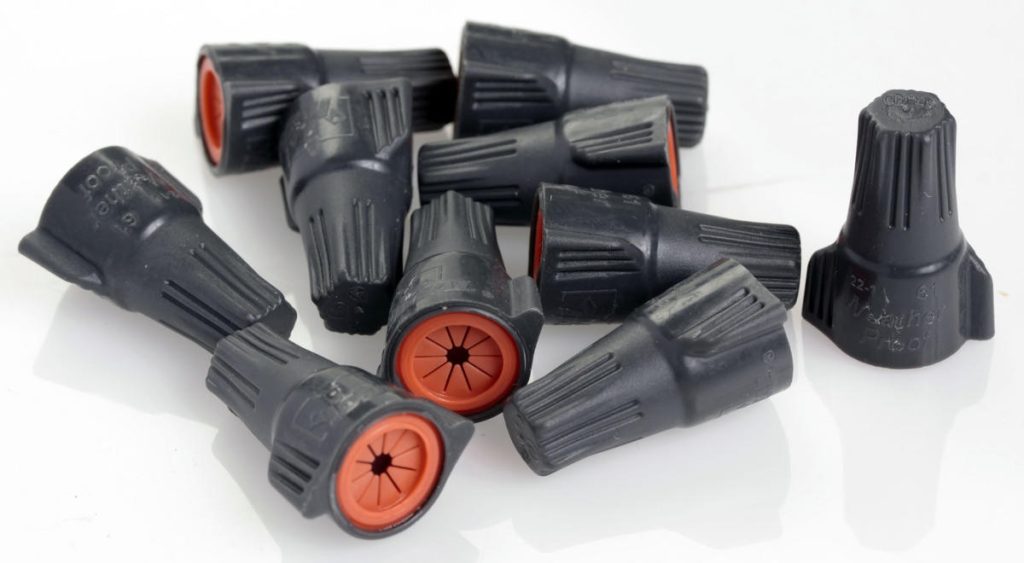
Adopt a proactive approach by sealing connectors with silicone-filled wire nuts or heat-shrink tubing to prevent moisture ingress. This straightforward step significantly enhances the longevity of your landscape lighting system.
Keep an eye out for any signs of animals that might consider your wires a potential snack. If this is a concern, consider installing protective conduit around the cable in areas prone to nibbling critters.
It’s also advisable to periodically check how well the soil cover over your cables has held up. Erosion can occasionally expose buried wires; if so, add extra soil or mulch where needed to keep them hidden and protected.
In case you’re dealing with heavier traffic or landscaping tasks in certain areas, additional protective measures such as burying cables deeper or using PVC conduit might be necessary to protect them from accidental damage.
The Time for Change: When to Replace Wires
Landscape lighting wires may serve you admirably for years on end, but eventually even the most robust cable will need replacing. Acknowledging this inevitability upfront will foster an attentive mindset toward potential warning signs that replacement time has come.
One of these telltale signals is inconsistent lighting performance – lights flickering intermittently or not working at all despite attempts at fixing connections could point towards deteriorating wire condition.
Sometimes physical inspection can reveal compromised insulation exposing bare wire – a clear indication that replacement is non-negotiable for safety reasons. Also watch out for corrosion – greenish deposits on copper wire that might impede electricity flow and subsequently affect light quality.
In addition, if you notice repeated tripping of circuit breakers related to your outdoor lights without apparent cause, it’s prudent to check your wiring. Persistent overloading or short circuits often signal that wires have become damaged or worn out and need to be replaced.
Should you decide to enhance your lighting system with additional fixtures, calculating the new total wattage becomes crucial. If this significantly exceeds the existing wire’s capacity, upgrading to a higher gauge cable will be necessary to accommodate the increased power requirement.
Mindful observation and preventive action are key in maintaining an enchanting, safe, and efficient landscape lighting setup. Remember, vigilance today can prevent a blackout tomorrow!
Special Considerations and Advanced Techniques
Apprehension of Local Codes and Regulations
Before beginning any outdoor electrical project, it is paramount to understand the local codes and regulations in your area. These guidelines, often enforced by the local government or homeowner’s association, are designed to ensure safety and quality in all electrical installations. They can dictate everything from how deep trenches should be dug for burying wires to what type of wire is appropriate for use.
It’s crucial not to disregard these regulations, as they are set in place not only to maintain aesthetic uniformity but also to prevent potential hazards that could lead to disastrous consequences like fire outbreaks or electrical shocks. Ignorance isn’t bliss when it comes to safety; one must adhere strictly to these stipulated rules.
To get this information pertinent for your project, you can visit your local municipal office, library, or look up their website. An alternative would be consulting with a certified electrician who will have an understanding of these codes and may even provide guidance on how best to implement them within the context of your landscape lighting project.
In some regions, you might need permits before proceeding with such projects. Therefore, ensure you have all the necessary approvals before commencing work on burying your landscape lighting wires.
The bottom line is: never commence your outdoor wiring project without a clear understanding of the rules governing such undertakings in your locality. This understanding will ensure that your task stands up legally and safety-wise while preventing potential penalties or redoing work.
Navigating Through Challenging Landscapes
Landscape lighting installation may prove challenging, especially when dealing with rocky soil or uneven terrain. This does not mean it’s impossible; rather, it requires more advanced techniques and perhaps specialized tools for a successful execution without causing damage to the landscape.
In rocky terrain, consider using a rock saw or trencher, which can slice through the ground, creating a neat trench. It’s worth noting that these tools should be used with the utmost care to prevent injuries and damages. Also, it’s usually better to have a professional operate these machines if you’re unfamiliar with them.
In case of a steep slope, running your wires laterally across the slope rather than straight downhill or uphill is recommended. This technique helps in preventing erosion and maintaining stability for your lighting system. It’s also advisable to use anchors or staples to hold the wire in place to prevent it from moving due to gravity or weather elements.
When working around tree roots or hardy shrubs, caution must be exercised not to harm these plantings. In such cases, hand digging might be best practice, as it allows you more control and precision.
If roots are encountered during the digging process, try as much as possible not to sever them since this can destabilize or even kill the tree. The essence is knowing how best to tailor your installation practices in harmony with nature while maintaining the aesthetic appeal and functionality of your lighting system.
Expansion of Your Landscape Lighting System
Your landscape may change over time – new plants may be added; existing ones may grow larger; you might add features such as statues or water fountains – all these changes could necessitate additional lights for proper lighting. Always plan ahead; it’s better to have excess capacity than to come up short.
The key when adding more lights into an existing system is planning: ensuring there’s enough power supply from the transformer based on the total wattage of all fixtures combined; choosing the right type and size of wire that can accommodate additional load; mapping out a proper route for wire that avoids any potential hazards like water sources while ensuring minimal disruption to the landscape, among other considerations.
If extending a current circuit, it’s best to start at an existing light. Dig a trench from the existing fixture to the new light location. Cut and splice the line with connectors, ensuring they are waterproofed using a silicone-filled wire nut or similar product.
When done correctly and with careful thought, adding lighting fixtures can seamlessly enhance the overall look and function of your outdoor space without overburdening the original system. However, extensive addition to an existing system might require professional advice or services to ensure safety and efficiency of your landscape lighting system.
Conclusion: How to Bury Landscape Lighting Wire?
In culmination, learning how to bury landscape lighting wire is a multifaceted process that demands careful planning, meticulous execution, and continual maintenance for optimal performance over time. But armed with this knowledge and insight gained in this post, along with adherence to safety guidelines, anyone can master this task successfully. The serenity attained from a well-lit home garden at sundown cannot be undermined; therefore, let’s not let the task of wire burial dampen our spirits but serve as a stepping stone towards creating our little haven of tranquility right outside our homes!
You may also be interested in the following posts: