
Shedding Light on Efficiency: An Introductory Examination of LED Lighting
The Lighting Language: Defining Lumens and Watts
The understanding of lumens and watts is paramount to our exploration of LED efficiency. Lumens, designated by ‘lm’, are the SI unit for luminous flux, a measure of the total quantity of visible light emitted by a source per unit of time. It’s important to note that lumens do not describe the intensity or quality of the light but rather its perceived brightness by human eyes.
Now, when we talk about watts (W), we’re referring to an entirely different concept. Wattage is a measure of power produced or consumed over time. In lighting terms, it signifies the amount of electric power a lamp uses to produce light.
Historically, consumers have associated watts with brightness due to their experiences with incandescent bulbs – higher wattage equaled brighter light. But this perception can be misleading because wattage does not directly correlate with brightness; rather, it indicates energy usage. Thus, in our transition towards energy-saving lighting technologies like LEDs, assessing brightness based solely on wattage becomes impractical and inaccurate.
The shift lies in considering lumens per watt (lm/W), a metric establishing a direct relationship between the amount of visible light produced and energy consumed – embodied as luminous efficacy. This change requires distinguishing between two often confused terms: ‘luminous efficiency’ and ‘luminous efficacy‘.
While both relate to how effectively a lamp converts electrical power into visible light, luminous efficiency is expressed as a ratio (a percentage), whereas luminous efficacy is measured in lm/W. Luminous efficacy becomes particularly relevant when discussing LEDs since it quantifies their performance more precisely than their traditional counterparts.
Casting a Wider Beam: An Overview of LED Efficiency
Light-emitting diodes, or LEDs, have revolutionized the lighting industry with their remarkable efficiency and longevity. Unlike traditional incandescent bulbs, which waste about 90% of their energy producing heat, LEDs convert almost all their electrical input into light.
LEDs function via electroluminescence – a phenomenon where certain materials emit light when an electric current or a strong electric field is passed through them. The color of the light depends on the type of semiconducting material used in the diode.

The evolution of LED efficiency has been nothing short of phenomenal. The earliest LEDs were low-intensity and emitted red light only. They were primarily used as indicators in electronic devices due to their limited lumen output and narrow viewing angle. However, advancements in technology over subsequent decades have substantially ameliorated these early limitations.
Modern LEDs come in a broad spectrum of colors (including white) and boast high lumen outputs while consuming minimal power. This propensity for high luminous efficacy is what sets LEDs apart from other lighting options.
Today’s most efficient LEDs can produce well over 150 lm/W, significantly outperforming traditional incandescent bulbs (10-20 lm/W) and even compact fluorescent lights (CFLs), which average around 50-70 lm/W. However, this doesn’t imply that every LED fixture you’ll find on the market hits these impressive numbers – factors like design quality, color temperature, and age also play substantial roles in determining an LED’s actual performance.
Understanding LED Efficiency
Apprehending the Concept of LED Efficiency
To understand LED efficiency, it is necessary to comprehend the concept of energy conversion. Essentially, light-emitting diodes (LEDs) convert electrical energy into light energy. Efficiency is determined by how much of this electrical energy is successfully transformed into light. However, not all LEDs are created equal, and there are variances in their capacity to convert electricity into light.
Decoding the Efficacy of Light Production
The efficacy of an LED’s light production is contingent upon several factors, including material quality, temperature management, and current regulation. Mismanagement or deficiency in any of these areas can lead to decreased efficiency. Additionally, the color rendering index (CRI), which represents how accurately a given source replicates natural light, plays a significant role.
The Significance of Luminous Flux and Power Consumption
In evaluating the efficiency parameter, two primary factors are considered: luminous flux and power consumption. Luminous flux (measured in lumens) signifies the total quantity of visible light emitted by a source per unit time, while power consumption (measured in watts) indicates how much electrical power an appliance uses.
How LED Efficiency is Measured
Defining Lumens per Watt (lm/W)
The measurement unit ‘lumens per watt’ or lm/W introduces a ratio that quantifies luminosity relative to consumed power for LEDs. A higher lm/W signifies greater efficiency because more visible light has been produced for each watt used.
Influence Factors: External Conditions & Driver Quality
External conditions such as temperature play crucial roles in lm/W measurements because LEDs perform differently under varying circumstances. Additionally, driver quality – often overlooked – also significantly influences LED efficiency, as poor-quality drivers can lead to inconsistent performance and reduced life expectancy.
Explanation of Lumens per Watt (lm/W)
Elucidating the lm/W Concept
To delve further into the intricacies of lumens per watt, it’s helpful to understand that this measure is essentially a ratio representing light output (lumens) to power input (watts). This ratio serves as an indicator for the energy efficiency of a lighting source.
Real-World Implications of lm/W
In real-world terms, consider two LED bulbs with equivalent lumen outputs. If one bulb consumes fewer watts to achieve that output, it will have a higher lm/W rating and therefore be more energy efficient. Thus, when selecting LEDs, understanding the lm/W rating is critical for making an energy-efficient choice.
Factors Influencing LED Efficiency
The Role of Temperature in LED Performance
Temperature significantly impacts LED performance. LEDs are semiconductor devices, and their electrical properties change with temperature variations. Higher temperatures generally degrade LED efficiency; hence, proper thermal management is critical in maintaining optimal performance.
Material Quality and Its Impact on Efficiency
The quality of materials used in manufacturing LEDs also plays a substantial role in determining their efficiency. High-quality materials ensure better light output and longer lifespan, positively influencing the overall lm/W ratio.
The Evolution of LED Efficiency
Early Stages and Developments in LED Technology
The Genesis: From Infrared to Visible Spectrum LEDs
LED technology was born out of infrared innovations during the late 1950s. The first visible-spectrum LEDs were red and appeared around 1962 but had low efficiency levels. However, aggressive research led to significant improvements over time, with green LEDs appearing by 1971 and commercial production of blue LEDs commencing in the 1990s.
Breaking New Ground: The Blue LED Revolution
The advent of blue LEDs was a major breakthrough because it paved the way for white light LEDs, which combined red, green, and blue light. This revolutionized lighting practices worldwide, marking a significant leap in LED efficiency.
Current State of the Art in LEDs
LEDs Today: High Efficiency & Varied Applications
Today’s market offers high-efficiency LEDs with output exceeding 200 lm/W under optimal operating conditions. Advancements in material science have led to this increased efficiency over time.
The Future is Bright: Ongoing Research & Potential Advances
Ongoing research into new materials and configurations promises further improvements to LED technology, including better energy conversion efficiency, richer color rendering capabilities, and more robust durability under diverse operating conditions.
The Most Efficient LEDs: High Lumen Output Per Wattage
Examination of the Highest Performing LEDs on the Market Today
The pursuit of higher lumen per watt ratios has led to a myriad of high-performance LEDs. The Cree XLamp XP-L LED, for instance, holds an impressive efficiency rating, boasting up to 200 lumens per watt. Similarly, Philips Lumileds’ Luxeon T and Osram’s Oslon Square offer high efficiency rates with excellent color quality.
Notably, these products illustrate how manufacturers are continuously optimizing LED design to maximize light output while minimizing energy consumption. These models also display a broad range of applications, from general lighting to automotive illumination, indicating the versatility of high-efficiency LEDs.
Specific Models and Their Output
While it’s fascinating to muse over these impressive models and their output capacity, it’s important to not lose sight of real-world applicability. In practical use cases like residential or commercial lighting, the efficacy may fall anywhere between 80 and 100 lumens per watt due to operating conditions and associated equipment that might affect functioning. However, even at this efficacy level, they considerably outperform traditional light sources like incandescent bulbs, which only manage a meager 10-20 lumens per watt.
Real-World Applications and Use Cases for these High-Efficiency LEDs
High-efficiency LEDs have found a home in numerous applications due to their superior energy efficiency and longevity. They are prevalent in commercial settings that require prolonged hours of operation, such as offices or streetlights, thereby delivering substantial energy savings over time.
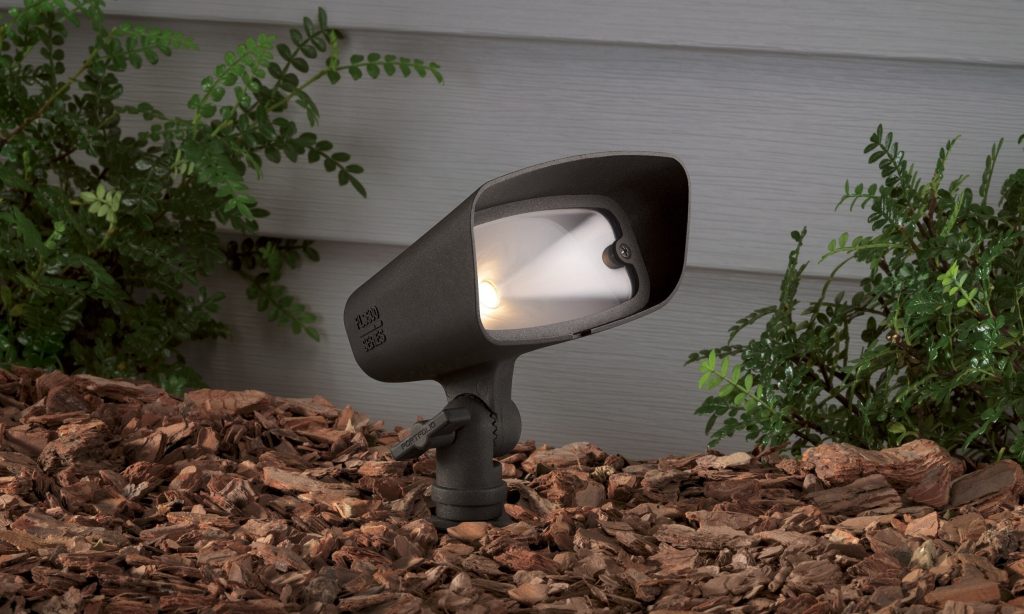
On a smaller scale, homeowners are increasingly adopting LED technology for its cost-saving potential, even if initial costs may be higher than traditional alternatives. Furthermore, their compact size coupled with unrivaled energy efficiency has made them indispensable in areas such as automobile lighting and electronic devices.
Technological Innovations Driving Increased Efficiency
In order to continuously heighten the efficiency of LEDs, a multitude of technological innovations play crucial roles. Advances in materials science, for instance, are fundamental to this progress.
The Role of Materials Science in Improving LED Performance
Materials science is the unsung hero behind LEDs’ impressive efficacy. The discovery and use of new semiconducting materials have made it possible to produce different colors with high efficiency.
For example, gallium nitride (GaN) has been critical in the production of blue and white LEDs. Moreover, ongoing research into nanophotonics may further revolutionize LED performance by manipulating light on an incredibly small scale to enhance its production and directionality.
The Impact of Advanced Manufacturing Techniques
Manufacturing techniques also play a significant part in advancing LED efficiency. For instance, techniques such as chip-scale packaging allow for smaller and more efficient designs by integrating multiple functionalities into a single chip. This not only improves performance but also reduces manufacturing costs, thereby making high-efficiency LEDs more accessible.
Comparing LEDs to Other Types of Lighting
Incandescent Bulbs vs LEDs
The energy consumption comparison between incandescent bulbs and LEDs is starkly contrasted. While incandescent bulbs are notorious for their excessive power consumption, most consumed power is wasted as heat rather than useful light output due to their low efficacy (10-20 lm/W).
On the other hand, modern-day LEDs can boast over ten times that efficacy while generating significantly less heat, showing an overwhelming preference towards LED technology. Furthermore, when considering lifespan comparison, an average LED bulb can easily surpass 25 thousand hours, whereas traditional incandescent bulbs barely reach 1 thousand hours. This difference results in fewer replacements needed over time, thus further adding value to LED adoption over incandescent bulbs.
Fluorescent Lights vs LEDs
While fluorescent lights are more energy efficient than incandescents, they still fall short when compared to LEDs. A typical fluorescent bulb has an efficacy of 50–70 lm/W compared to the 80–100 lm/W achievable by many LED bulbs in real-world settings. Moreover, LED’s significantly longer lifespan than fluorescents (an average of 25 thousand hours versus 10 thousand), lower maintenance costs, and better color rendering index (CRI) further bolster the case for LED technology over fluorescent lighting.
Future Trends in LED Efficiency
Predicted Advances in Lumen per Watt Ratios
The upward trajectory of LED efficiency shows no signs of slowing down. With new materials and designs continuously being researched and developed, it’s conceivable that the future may behold even higher lumens per watt ratios. In addition to brighter light output, researchers are also focusing on improving other aspects such as color quality and light distribution, which will further enrich our light experiences while reducing energy consumption on a global scale.
The Future Market for High-Efficiency LEDs
As high-efficiency LEDs become increasingly cost-effective, their adoption is expected to skyrocket across different market sectors. From residential homes to commercial buildings to industrial spaces, there will be a greater drive towards this sustainable lighting solution.
Moreover, policy and regulation changes favoring energy-efficient solutions also provide a boost to the high-efficiency LED market. As such regulations become more widespread, so will the adoption of these cutting-edge lighting technologies, thereby creating an impactful reduction in global energy consumption with significant economic benefits attached thereto.
Conclusion: How Many Lumens per Watt Does the Most Efficient LED Produce?
To conclude, lumens per watt is a useful metric that sheds light on the efficacy of our lighting sources. It’s a benchmark that has fueled the advent of cutting-edge LED technology and will continue to inspire even brighter, more efficient lighting solutions in the future.
And as we adopt these high-efficiency LEDs, we are not only brightening our lives but also casting a light towards a more sustainable world. Let us then embrace this radiant revolution and reap the full spectrum of its benefits.
You may also be interested in the following posts: