
Optimal Lumens for Low-Voltage Landscape Lighting
The Quintessence of Light: Unraveling Lumens
A lumen, simply defined, is the unit of measurement that quantifies the total amount of visible light emitted by a source. It’s akin to a torrential downpour of light beams, raining onto your retinas and bathing your surroundings in brilliance.
Unlike watts, which measure energy consumption, lumens encapsulate the actual brightness one can perceive from a light source. The intricate dance between lighting and darkness is brought to life by these luminous powers called lumens.
When you switch on a bulb, it’s not merely electricity that floods into your vision; it is an army of lumens marching forth from their incandescent fortress. Each lumen contributes its share in this grand symphony of light.
Moreover, understanding lumens allows for precision control over lighting scenarios. It gives you the reins to dictate how soft or harshly lit up an area will be, whether shadows lurk in corners or if every crevice is laid bare to scrutiny.
The knowledge empowers users to manipulate moods and atmospheres with appropriate lighting levels. In essence, lumens facilitate our interaction with the most crucial aspect of our visual world – light itself. In its absence, we’re left stumbling in obscurity, yet too much can blind us just as much. Lumens serve as our guide and mediator in navigating this delicate balance.
Why Lumens Matter: The Pillar Standing Between Clarity and Ignorance
Why should one understand lumens though? Isn’t it sufficient to know that turning on a switch illuminates a room? Well, not quite if you’re aiming for effective and efficient lighting solutions. Understanding lumens facilitates informed decisions about what kind of lighting will best serve your needs while conserving energy and reducing costs.
It provides clarity when selecting bulbs that possess the right intensity for specific purposes. This ensures you’re not using a 1000-lumen bulb where a 500-lumen one would suffice, thus unnecessarily hiking up your electricity bill.
Moreover, grasping lumens becomes critical when engaging in professional or hobbyist photography. It is indispensable while setting up intricate lighting conditions to capture your subjects in their best light.
The comprehension of lumens can also help promote environmentally friendly practices. By opting for energy-efficient lighting sources that offer higher lumens per watt, we can contribute towards reducing our carbon footprint.
Low-Voltage Landscape Lighting: A Beacon in the Night
Now that we’ve covered the concept of lumens, let’s look at low-voltage landscape lighting. It’s a specialized form of outdoor illumination that typically operates at 12 volts instead of the standard residential voltage of 120 volts.
Owing to its low power requirement, this type of lighting is economical and safe to use. You won’t be shocked (quite literally) while installing or adjusting these lights, even if you happen to touch a live wire unknowingly.
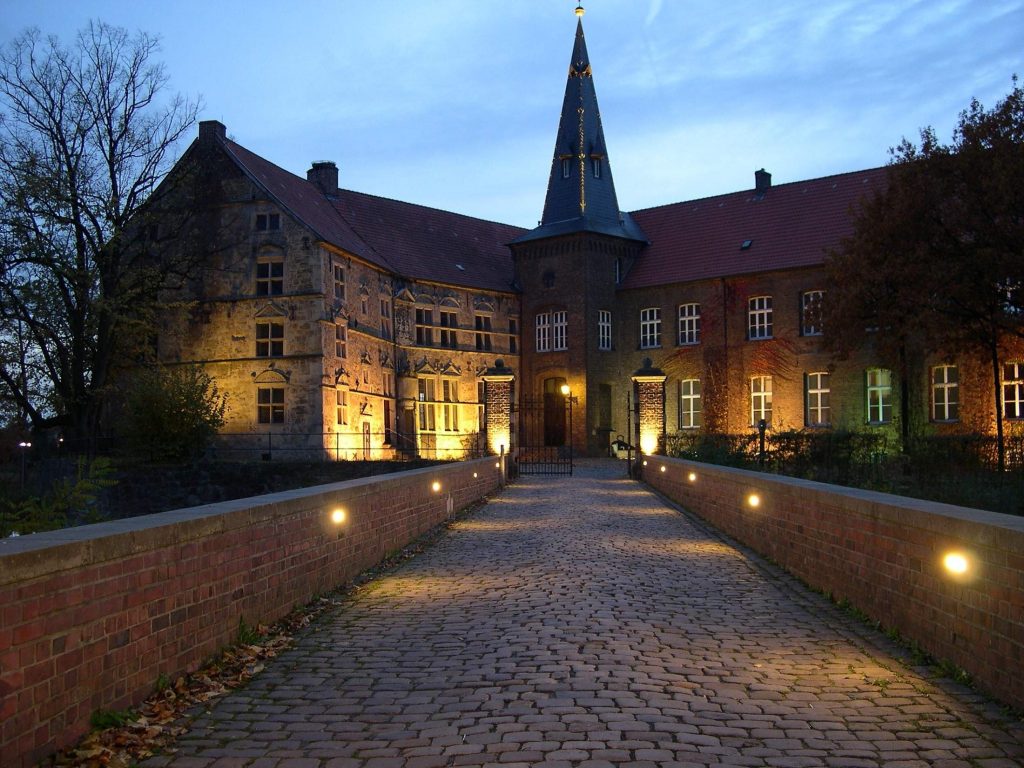
Low-voltage landscape lighting finds its utility primarily outdoors – gardens, pathways, decks, patios, and more. They provide just enough brightness without overpowering natural moonlight or clashing with indoor lights peeking out from windows and doorways.
These lights are quite versatile in application too; they can create striking visual effects by highlighting specific features like trees or water bodies; mark boundaries; illuminate paths for safety; or simply add an element of enchantment to your nightscape.
Even among low-voltage options, though, the choice will ultimately depend on how many lumens are needed based on the desired effect and purpose, which brings us back full circle to our original discussion about understanding lumens in lighting.
Demystifying Low-Voltage Landscape Lighting
Low-voltage landscape lighting, as the moniker suggests, operates at a voltage level significantly lower than standard residential electric circuits. Usually functioning at 12 or 24 volts as opposed to the conventional household current of 120 volts, low-voltage landscape lighting offers an energy-efficient solution for outdoor illumination needs. This lighting option requires a transformer to diminish the voltage from your home’s standard current to a lower, safer level suitable for exterior lighting applications.
Pros and Cons: The Balancing Act of Low-Voltage Landscape Lighting
With an array of benefits, low-voltage landscape lighting has become increasingly popular among homeowners and landscaping professionals alike. Firstly, it is safer than high-voltage systems due to its decreased electrical shock risk. This makes it particularly suitable for wet environments, which are common in outdoor settings.
Secondly, the energy efficiency of these systems translates into noticeable savings on electricity bills over time. Despite these advantages, there are certain drawbacks associated with low voltage landscape lighting that should be taken into consideration.
Installation can be more complex due to the requirement for transformers and special connectors, which may increase initial setup expenses. Also, with reduced voltage comes reduced power output; thus, these systems might not provide sufficient lighting for larger-scale properties or spotlight significant architectural features.
Exploring Applications: The Multifaceted World of Low-Voltage Landscape Lighting
The versatility of low-voltage landscape lighting allows it to be employed in a myriad of applications around your property’s exterior. One common use is pathway and walkway illumination – subtle lights positioned strategically along paths can improve visibility during nighttime hours whilst adding aesthetic appeal.
Garden areas can also benefit greatly from this type of lighting; emphasizing specific plants or trees can enhance their natural beauty and create dramatic effects after dark. Furthermore, deck or patio lights not only contribute functional lighting for outdoor activities but also set the mood for evening gatherings.
Low-voltage landscape lighting can play an essential role in home security by deterring potential intruders with well-lit exteriors. However varied its uses may be, it’s important to remember that successful low-voltage landscape lighting hinges on understanding and correctly implementing lumens – a subject we’ll delve deeper into in the coming sections.
The Role of Lumens in Low-Voltage Landscape Lighting
Deciphering the Luminous Effect: How Lumens Impact Lighting Quality and Effectiveness
To understand how lumens affect the quality and effectiveness of lighting, it is paramount to comprehend what a lumen is. A lumen is a scientific unit of measurement that quantifies the total amount of visible light emitted by a light source per unit time.
Hence, when discussing lumens within the context of landscape lighting, we delve into evaluating the brightness or intensity of light desired for a specific area. The role lumens play in achieving high-quality and effective landscape lighting cannot be understated.
The amount of light outputted, as measured in lumens, directly correlates to how vividly and accurately an outdoor space can be lit. Whether you wish to highlight architectural details, create safe pathways, or establish an enchanting ambiance for nighttime enjoyment, all these objectives demand careful consideration for an appropriate lumen count.
With low-voltage landscape lighting systems typically deploying energy-efficient LED lights, understanding your luminary’s lumen output becomes even more crucial. Why? Unlike traditional incandescent bulbs that emit lots of heat (wasted energy), LEDs use electrical power more efficiently to produce higher lumen outputs with less wattage consumption.
Moreover, it should be noted that while sorting out your landscape’s illumination needs based on lumens can prove quite beneficial – guaranteed visibility where needed – it doesn’t necessarily mean more is always better. Overshooting your required lumen count could lead to excessive glare or create harsh shadow lines that detract from the ambience you intend to create.
To avoid such pitfalls and ensure optimal lighting conditions for your landscape setting at dusk or dawn hours, one must consider not only the required brightness but also such factors as beam angle and directionality – both critical elements influenced by lumens that can dramatically alter how effectively a space is illuminated.
Lumens, Wattage, and Light Color Temperature: An Inseparable Triad in Landscape Lighting
The relationship between lumens, wattage, and light color temperature forms an intricate triad that dictates the overall effectiveness of your landscape lighting strategy. Lumens, as previously defined, measure the light’s brightness.
Wattage signifies the energy consumed by a lighting device to produce a certain amount of lumens. And lastly, light color temperature expresses the warmth or coolness of white light (measured in Kelvin), which significantly influences how objects and spaces are perceived under different lighting conditions.
To put it in perspective, remember when choosing lights for your low-voltage landscape setup: higher wattage doesn’t always equate to brighter light; instead, it denotes higher energy consumption. Thus, with advancements in LED technology providing high lumen outputs with minimal power use (low wattage), you can achieve desired brightness levels without escalating electricity costs.
Meanwhile, light color temperature comes into play when you wish to evoke certain moods or highlight specific elements within your landscape setting. Lower temperatures (2000K–3000K) emit warm white light with a reddish-yellow hue, perfect for cozy patios or accentuating floral blooms. At the other end of the spectrum are cool white lights (>4000K), whose bluish tint offers crisp visibility ideal for security purposes or tasks requiring keen attention.
In balancing this triad – lumens for brightness, wattage for energy efficiency and cost considerations, and color temperature for aesthetics and mood setting – lies the secret to curating an enticing yet functional nightscape that not only enhances safety but also enriches aesthetic appeal and usability after sundown.
Determining the Right Amount of Lumens for Different Outdoor Spaces
Navigating Luminosity: Walkways, Driveways, and Entry Areas
The quantity of lumens needed for walkways, driveways, and entrance areas greatly varies based on their size and layout. To maintain a harmonious ambiance and ensure safety, it’s recommended to utilize lighting fixtures that radiate 100 to 200 lumens. This is because these areas are fields of transition; they require sufficient light to guide movements but not too much that it becomes glaringly intrusive.

For larger driveways or particularly dim environments, going up to 250 lumens could be beneficial. Keep in mind the uniformity of illumination as well. Strategically spreading out multiple low-lumen lights can create an inviting glow without causing excessive brightness or producing harsh shadows.
Using warmer colors for these lights also helps create a welcoming atmosphere while allowing better vision in darkness compared to cooler tones. Thus, the lumen count should synchronize with the light’s color temperature for optimal efficacy.
Highlighting Nature: Gardens, Trees, and Shrubs
When highlighting gardens or accentuating trees and shrubs with low-voltage landscape lighting, one needs to consider not only aesthetics but also how the biota might react to artificial luminance. For soft marking or moonlighting effects on trees or large shrubs where you wish to mimic natural moonlight filtering through branches, generally 50-75 lumens would suffice.
However, if your idea is spotlighting an iconic tree or feature within a garden using uplights or downlights for dramatic effect, then you may want around 150-300 lumens depending on the size and texture of your feature plant. Using higher lumen count lights in a selective manner can help draw attention towards specific points without overpowering other features.
Remember that subtlety is key in garden lighting. Overly bright lights can wash out the colors of plants and create an unnatural look. Therefore, it’s crucial to balance the lumen count with strategic placement of lights.
Setting the Scene: Patios or Decks
Patios and decks are often areas for entertainment or relaxation, and as such, their lighting should enhance their function while maintaining comfort. For general lighting, task areas such as grills or outside kitchens usually benefit from fixtures around 200 to 400 lumens.
However, for ambient lighting where you’re looking to create a warm, inviting glow rather than illuminate a workspace, between 100 and 200 lumens would be more suitable. Adding dimmers can also provide versatility in adjusting luminosity based on occasion or mood.
It’s important to ensure that your chosen lumen count not only serves its purpose but also complements other light sources like candles or fairy lights that might be used during social gatherings. The goal is achieving a warm, cozy atmosphere without putting strain on anyone’s eyes.
Defending with Light: Security Purposes
For security purposes, brightness matters a great deal more than in other scenarios. Higher lumen counts can help deter potential intruders by eliminating dark corners where they could lurk unseen.
Typical floodlights range from 700 to 1300 lumens – but for larger properties or particularly vulnerable spaces, up to 2000 lumens may be needed. Remember though: brighter isn’t always better, even for security lighting.
Unnecessarily bright lights can produce harsh shadows where trespassers might hide, besides contributing to light pollution and disturbing neighbors’ peace. Motion sensor lights can offer an intelligent solution here – by providing higher lumens when activated by movement while conserving energy otherwise.
Determining how many lumens are needed in different outdoor spaces requires thoughtful consideration of each area’s specific purposes, dimensions, and existing lighting conditions. Practicality should harmonize with aesthetics to create a balanced and pleasing nightscape that serves all your needs.
Factors Influencing Lumen Choice in Landscape Lighting
Understanding the Space: Size and Layout of the Area To Be Lit
The first factor to consider when deciding on the number of lumens needed for your landscape lighting is the size and layout of your outdoor space. In larger areas, you will naturally require more lumens to adequately illuminate the expanse. Conversely, smaller zones necessitate fewer lumens for efficient lighting.
However, the layout also plays a crucial role in determining lumen requirements. An open-plan area with few obstructions may need less light than a garden populated with trees and structures that can cast long shadows or create darker nooks.
Thus, it’s not just about raw dimensions; considering how space is divided or utilized is equally pivotal. If a yard has multilevel features such as steps or terraces, targeted lighting using higher lumen fixtures might be necessary for safety reasons. In contrast, softer light would suffice for flat surfaces where tripping hazards are minimal.
Pathways also demand particular consideration as they often require consistent lighting to ensure safe navigation at night. The width and length of paths will dictate how many fixtures you need and consequently how many total lumens are required.
To conclude, understanding your garden’s size and layout helps tailor your lighting plans optimally by pinpointing where you need high-intensity light – indicated by a higher lumen count – versus areas that can make do with more subdued luminosity.
Purpose-Led Lighting: Functionality versus Aesthetics
The purpose or function of landscape lighting fundamentally determines the appropriate range of lumens required. If safety is paramount – illuminating entryways or deterrent security lighting – then higher lumen counts are necessary to ensure bright enough lighting that discourages intruders and prevents unfortunate incidents.
On the other hand, if your primary goal is aesthetics or mood setting, such as accentuating architectural features or creating a tranquil ambiance around a water feature, lower lumen lighting may be preferable. The less intense light creates soft shadows and a sense of depth that flatters the landscape without overpowering it.
It’s important to note that function does not have to undermine form. Low-voltage landscape lighting provides the flexibility to fulfill practical requirements while still enhancing the beauty of your outdoor area. You can use fixtures with different lumen outputs in various parts of your yard to create a balanced lighting scheme that serves multiple purposes simultaneously.
The decision between functionality and aesthetics shouldn’t be an either-or choice but rather an exercise in balance and complementarity. Combining different types of LED lights with varying lumen counts, one can create layers of light that cater to safety needs while also highlighting the garden’s most appealing features.
Consider carefully whether safety or aesthetics are your top priorities when planning your lighting strategy. This will guide you on how many lumens are required for each section of your garden and assure an effective and satisfying outcome.
Evaluating Pre-Existing Conditions: Existing Ambient Light Sources
The final factor influencing how many lumens you need for low-voltage landscape lighting is existing ambient light sources. These include streetlights, neighboring properties’ lights, moonlight, or even residual city glow if you live in urban areas.
If your property already benefits from substantial ambient light, you may require fewer lumens in certain regions. For instance, if a nearby streetlight already partially illuminates your driveway or backyard path, then installing high-lumen fixtures might result in over-lighting those sections, leading to glare rather than enhanced visibility.

On the contrary, if your landscape is enveloped in near-total darkness due to a lack of nearby ambient light, then more lumens will be needed to provide adequate illumination. It’s essential to keep in mind that the goal is not just about producing light but producing the right amount and quality of light for safety, visibility, and aesthetics.
It’s also worth noting that existing ambient lights can sometimes create unwanted or unflattering shadows. In such scenarios, careful placement of your low-voltage lighting fixtures can help override these shadows with better-quality light.
Always evaluate existing ambient light conditions when designing your low-voltage landscape lighting scheme. It will ensure you optimize lumen count and fixture placement for best illumination results without wasting energy or creating unnecessary glare.
Case Studies Illustrating Lumens for Different Landscapes
Shedding Light on Small Urban Gardens
In the context of a small urban garden, the lumen count plays a crucial role in highlighting the intricacy of design while ensuring functionality. Primarily, these landscapes require less illumination due to their confined space and close proximity to other ambient light sources such as street lights or house lights.
For walkways and paths within small urban gardens, a lumen range between 100 and 200 is typically adequate. This level of brightness ensures safe navigation without overpowering the intimate ambiance characteristic of these spaces.
When it comes to lighting specific plant species or design elements, spotlighting with lumens between 150 and 300 is recommended. The higher count allows these focal points to stand out amidst other garden features.
However, not all areas in an urban garden need high-intensity lighting. Spaces meant for relaxation or contemplation, such as benches or water features, would benefit from a lower lumen count around 50-75 for a gentle glow that encourages serenity.
It’s worth considering that heavy usage of high-lumen lights can lead to light pollution in dense residential areas. Therefore, strategically using lower lumen lighting can maintain an aesthetically pleasing landscape while showing consideration towards the neighbors’ comfort.
Brightening Up Large Rural Properties
When it comes to large rural properties, there’s greater flexibility and necessity regarding lumens due to expansive spaces and lack of external ambient lighting. The primary purpose here is often safety alongside aesthetics, thus requiring more substantial lighting.
For main driveways on large rural properties leading up to the house, a higher lumen range starting from 400 up will provide enough brightness for navigating safely during night hours. For accentuating architectural details or significant trees along this path, spotlights with lumens up to 600 can be strategic.
Garden spaces within these rural properties often flaunt a variety of flora, and each may require individual attention. Accent lights with lumens ranging between 200 and 400 can highlight these botanical beauties effectively without bleaching out their natural colors at night.
In terms of security, perimeter lights with a high lumen count of 700 or more are recommended. This ensures that potential intruders are deterred by the brightly illuminated boundaries.
In sum, lighting a rural landscape is about balancing the functional needs for safety and visibility with the aesthetic desire to enhance the property’s features. These considerations help determine the ideal lumen count required for different aspects of large rural properties.
Tips to Optimize Lumen Usage in Low-Voltage Landscape Lighting: Maximizing Brightness and Efficiency
The utilization of lumens in low-voltage landscape lighting necessitates a balance between achieving the desired lighting and energy efficiency. One strategy to optimize this balance is the implementation of timers or sensors.
Timers permit homeowners to program their landscape lights to turn on and off at specific times, hence avoiding unnecessary usage during daylight hours or when everyone is asleep. This not only conserves energy but also prolongs the lifespan of light bulbs.
Sensors provide an additional layer of efficiency by enabling lights to respond dynamically to the environment. For instance, motion sensors can trigger lights to glow when movement is detected, providing security benefits without constant consumption of electricity. Similarly, dusk-to-dawn sensors ensure that your landscape is lighted only when natural light levels are insufficient.
Dimmers can also be beneficial for managing lumen usage effectively. By dimming your lights during periods when full brightness isn’t required, you can reduce energy consumption while still maintaining a pleasant ambiance outdoors. This approach allows homeowners greater control over their lighting settings while fostering an adaptable outdoor environment.
Strategic positioning of your low-voltage landscape lights can enhance their visual effect without needing extra lumens. Placement techniques such as cross-lighting or silhouette lighting can create dramatic effects and highlight features effectively.
Balancing aesthetic desires with energy efficiency often requires creative strategies and tools such as timers, sensors, dimmers, and thoughtful light placement. These approaches not only optimize lumen usage but also elevate the overall ambiance of your outdoor space.
Conclusion: How Many Lumens are Needed for Low-Voltage Landscape Lighting?
Understanding how many lumens are needed for low-voltage landscape lighting unveils an exciting path towards creating harmonious outdoor spaces that are both functional and aesthetically pleasing. With the right combination of lumens and innovative lighting technologies and strategies, one can create an inviting, secure, and energy-efficient landscape that radiates a serene glow. It’s an enlightening journey that offers endless possibilities for enhancing your outdoor living experience.
You may also be interested in the following posts: