
Safety Information: Do String Lights Heat Up?
A Glimpse into the Sparkling World of String Lights
String lights, often referred to as fairy lights, twinkle lights, or rope lights, embody a versatile and enchanting form of lighting. These charming light sources consist of a series of small bulbs connected by an electrical wire, radiating a warm and welcoming glow.
Familiar to many as an integral part of Christmastime décor, string lights have long since transcended this seasonal confinement to become popular additions to everyday interior and exterior designs. People especially favor LED string lights for their energy efficiency and extended lifespan. Incorporating string lights into various settings can transform spaces into enchanted realms.
From garden patios adorned with landscape lighting to cozy interiors embellished with rope lights, these tiny luminous wonders are undeniably potent tools in creating atmosphere. Landscape string lights draped across branches or weaved through trellises articulate subtle elegance, while indoor string light arrangements lend themselves to creating intimate ambiance.
The Necessity for Understanding Heat Production in String Lights
Despite being widely used, there remains limited understanding among users about the heat production capacity of these aesthetic enhancers – a topic that is both relevant and important. The question ‘Do string lights get hot?’ might seem trivial at first glance, but delving deeper reveals significant implications involving safety measures, energy consumption patterns, and environmental impacts.
Understanding the heat emission characteristics of your chosen string light is particularly crucial when considering potential fire hazards. Given that these decorative elements are often installed in close proximity to potentially flammable materials such as curtains, paper decorations, or foliage, awareness about their heat production can help prevent devastating accidents caused by overheating. Moreover, gaining insight on temperature characteristics also contributes towards efficient energy consumption.
For instance, LED string lights emit less heat than their incandescent counterparts, which translates directly into lower energy expenditure and thus reduced utility bills. Furthermore, knowledge about heat production in string lights can also guide us towards making responsible choices beneficial for our immediate surroundings and the broader environment.
Understanding the Basics: How String Lights Work
An Exciting Journey: The Flow of Electricity in String Lights
To truly comprehend the nature of string lights, we must first delve into their inner workings. In its most simplistic form, string lights, including landscape string lights and rope lights, operate when an electrical current travels through a closed circuit. When plugged into a power source, voltage instigates the flow of electrons, which forms an electric current.
This current then traverses through the wires connecting each light bulb in series or parallel. The fundamental principle behind these twinkling adornments lies in their linear configuration. The electricity takes a literal scenic route, traversing across each bulb in turn before completing its loop back to the power source. As such, if one bulb were to falter or go out completely, it could interrupt this circuit and extinguish all bulbs connected within that particular chain.
In the context of landscape lighting and other outdoor decorations comprised of multiple bulbs, such as rope lights or LED string lights, it’s imperative to understand this concept. Since every individual bulb must function correctly for the entire ensemble to glow coherently.
The Incandescent Dance: Filament Role in Light Production and Heat Generation
Diving further into our exploration leads us to one crucial component within these miniature radiators – the filament. This thin wire is at the heart of every incandescent light bulb, nestled within your favorite set of landscape string lights or decked along your beloved Christmas tree.
When the electric current reaches an incandescent bulb on its journey across a chain of landscape lighting or rope light setup, something rather magical happens – it encounters resistance from the filament inside each individual bulb. In response to this resistance, electrons driving this current begin agitating atoms making up filament material, causing them to heat up and eventually produce visible light.

However beautiful this emission might be, though, it’s essentially a byproduct of heat energy – the ‘waste’ from this electrical resistance that the filament encounters. This energy release is what makes incandescent bulbs hot to touch. Nevertheless, the glowing dance displayed by these bulbs as they convert electrical energy into light and heat is nothing short of captivating.
When we consider LED string lights, the process deviates slightly. Instead of using a filament, they operate on a semiconductor diode that emits light when charged with electricity. This difference in operation leads to their vastly different levels of heat generation, which we’ll explore later in our discourse.
Though it may seem like an innocuous part of our daily lives, understanding how string lights work and the role played by types of bulbs used therein opens up an entirely new perspective on how we perceive our beloved decorative pieces, whether they’re adding charm to your outdoor landscape or bringing festive cheer indoors during holiday seasons.
Unveiling the Factors that Determine Heat Production in String Lights
The intrigue surrounding the heat production of string lights can be demystified by understanding a few key factors that contribute to their thermal energy emission. These factors range from the type of bulb used to the wattage and voltage of the string lights. Although these may seem like minor components on paper, they play a pivotal role in how much heat is produced when your landscape lighting or cozy interior rope lights are switched on.
The Influence of Bulb Type on Heat Emission
In essence, there are three main types of bulbs used in string lights: incandescent, halogen, and LED. Each type has a distinct heat emission characteristic that separates it from the rest.
Incandescent Bulbs: Radiators of Radiance
Incandescent bulbs produce light by heating a tungsten filament till it glows – a process known as incandescence – thus emitting not only light but also considerable amounts of heat as well. While this makes these bulbs perfect for creating warm atmospheres, they are far less efficient than LEDs and pose certain safety risks if improperly managed due to their high-temperature output.
Halogen Bulbs: The Middle Ground Marvels
Halogen bulbs can be thought of as a sort of upgrade to the incandescent bulb. While they operate on similar principles, halogens use halogen gas instead of a vacuum within the bulb, thereby increasing efficiency and lifespan. That said, while they produce less heat than incandescent bulbs, they still emit more than LEDs.
LED Bulbs: Masters of Cool Lighting
LED string lights have been gaining traction due to their low heat emission properties. Unlike traditional bulbs, LEDs don’t use a filament that heats up. Instead, they utilize semiconductor diodes that emit light when connected to an energy source. This process is known as electroluminescence, and it generates very little heat compared to other lighting technologies. Not only does this make LED string lights safer for indoor and outdoor use, but it also extends their lifespan considerably.
Decoding the Influence of Wattage and Voltage
The wattage and voltage of your string lights are also major players in determining heat production.
The Higher the Wattage, the Hotter the Bulb
Wattage refers to the amount of electrical power used by a light source. A higher wattage equates to more power consumption, which invariably leads to greater heat production. Therefore, choosing lower-wattage bulbs like LED string lights can effectively reduce heat emission while providing optimal illumination for your landscape lighting needs.
Voltage: The Understated Regulator
Voltage plays an overlooked yet crucial role in determining how hot your string lights get. It is responsible for pushing electric current through your landscape string lights or any other light source for that matter. Higher voltage levels force more electricity through the bulb’s filament, causing it to glow brighter and hotter. Hence, controlling voltage is pivotal in managing your bulbs’ temperature and enhancing their longevity.
Comparison between Different Types of String Lights based on Heat Production
Dissecting the Heat Dynamics of LED, Incandescent, and Halogen String Lights
String lights, also commonly known as fairy lights, come in a variety of types, including LED string lights, incandescent, and halogen. Each type has a distinct mechanism for producing light, which consequently impacts their heat generation properties.
LED string lights are renowned for their energy efficiency. The science behind this lies in their mechanism of light production; they use diodes to convert electricity into light with minimal energy wastage in the form of heat. Thus, LED bulbs typically operate at a lower temperature compared to other bulb types. These characteristics make LED string lights an excellent option for both indoor and outdoor use, such as landscape lighting, where safety is paramount.
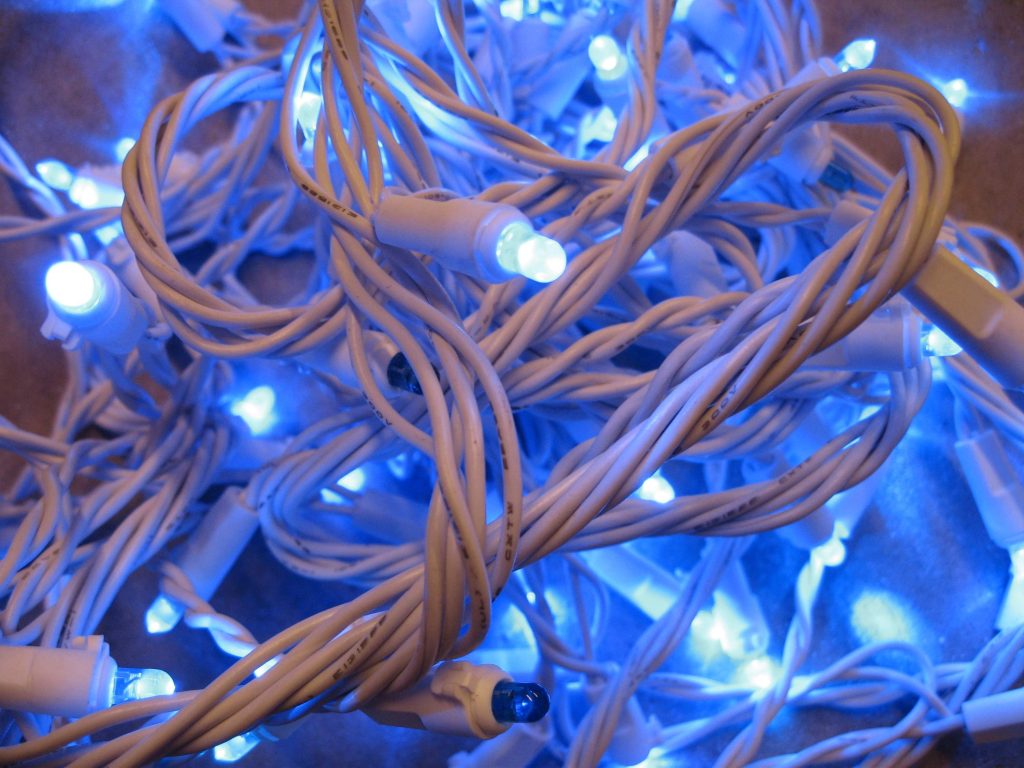
Incandescent string lights work by heating a metal filament until it glows, subsequently producing light. However, this method is not energy efficient; nearly 90% of the electric energy is converted into heat rather than visible light.
It’s evident then that incandescent bulbs get significantly hotter than their counterparts. The high levels of heat produced by these bulbs necessitate caution during usage to avoid potential hazards, especially when employed in indoor settings where they may come into contact with flammable materials.
Halogen bulbs function similarly to incandescent ones but incorporate a halogen gas, which increases the lifespan and brightness of the bulb while reducing its energy consumption somewhat. However, like incandescents, they generate significant amounts of heat when lit for long periods, making them less suitable for enclosed or indoor areas.
The comparison between these three types highlights why many people are transitioning towards using LED string lights, especially for landscape lighting needs where large numbers can be used without increasing fire risk due to excess heat production.
A Detailed Comparison between LED, Incandescent, and Halogen String Lights
Unpacking the Nuances of Three Different Lighting Technologies
Rope lights, a form of string lights, are often utilized for decorative purposes indoors and outdoors. These come in all three bulb types: LED, incandescent, and halogen.
LED rope lights provide bright light while generating minimal heat due to their energy-efficient construction. They are also known for their long lifespan and durability, making them a superior choice for prolonged use. LED string lights can be safely strung around trees or placed in tight corners without fears of overheating.
Incandescent rope lights, while providing warm ambient light, produce considerable heat, making them less suitable for close proximity to flammable materials. However, they remain popular due to their traditional glow and affordability, but users must remain cautious about their placement and duration of use due to the high levels of heat generated.
Halogen rope lights offer intense illumination at a lower energy cost than incandescents but at the trade-off of more heat production than LEDs. Frequent use of halogen landscape lighting should involve careful monitoring given these bulbs’ propensity to become extremely hot with prolonged usage.
The type of bulb chosen significantly affects not only the ambiance created by landscape lighting but also safety factors such as potential fire hazards from excess heat production. With this comprehensive comparison at your disposal, choosing the right string light for your specific lighting needs is made simpler.
Potential Risks Associated with Hot String Lights: The Heated Truth
The radiant allure of string lights, whether they be landscape lighting or the mesmerizing LED string lights, is captivating. However, this decorative lighting may harbor potential risks if not monitored and managed appropriately. One such risk is the potential for fire hazards, especially in circumstances where the bulbs become excessively heated.
Fire Hazards: The Invisible Threat
At first glance, it may seem implausible that such small sources of light could generate enough heat to pose a significant fire hazard. However, depending on the type of bulbs used and their operating conditions, overheating can indeed occur.
Traditional incandescent and halogen bulbs, in particular, have been known to reach high temperatures during operation. The inherent design of these older bulb types results in a significant amount of energy being lost as heat rather than light. In confined or poorly ventilated spaces, this excess heat can quickly accumulate, raising surrounding materials to dangerously high temperatures.
If these materials happen to be flammable (such as certain types of fabric or plastic), there is a real risk of combustion occurring. Rope lights are a particularly relevant example in this context due to their enclosed nature, which can further exacerbate heat accumulation issues.
Regardless of the specific type or form factor involved, though, any string lights should always be considered as potential fire hazards if not used correctly. Furthermore, even landscape string lights – often deemed safer due to their outdoor setting – aren’t immune from these dangers. In dry conditions or when placed near flammable garden material like dried leaves or wooden structures, they too can pose risks if they become too hot.
Energy Consumption: An Overlooked Impact
String lights’ contribution to energy consumption often goes unnoticed amidst discussions about their warmth and charm. But make no mistake: inefficiently designed bulbs that produce excessive amounts of heat can significantly add to your power bill.
Consider the workings of a traditional incandescent bulb. For every watt of electrical energy it consumes, only around 10% is actually converted into light – the rest of 90% is wasted as heat. With this in mind, it becomes evident how using incandescent string lights for extended periods can result in considerable energy wastage.
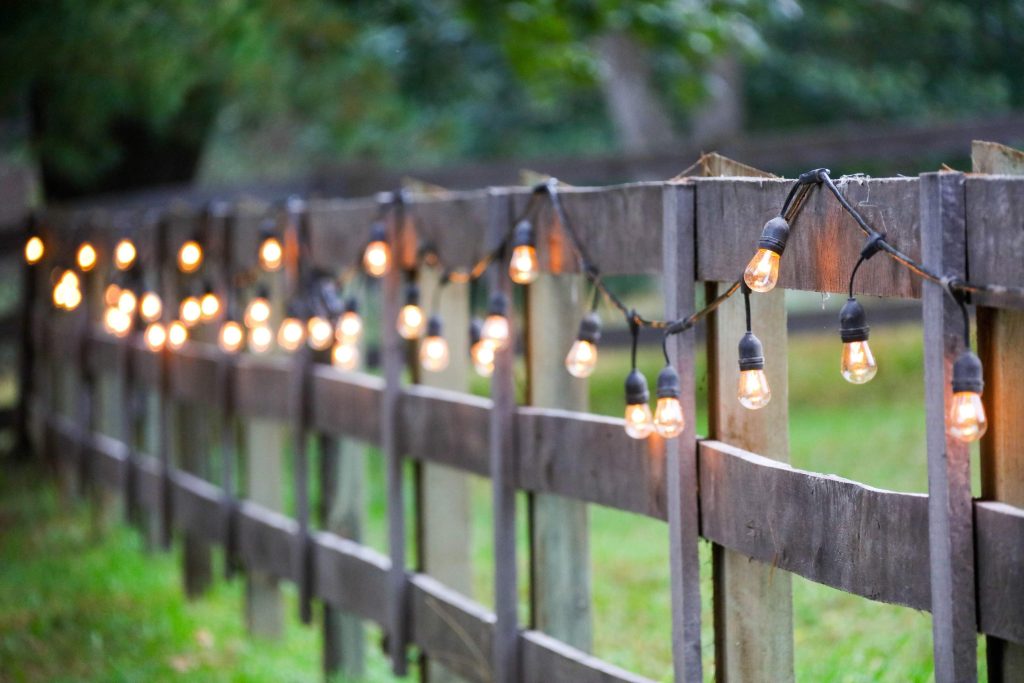
When applied to situations where many strings of lights are used simultaneously – such as in landscape lighting or large indoor spaces – these effects can become particularly pronounced. Over time, the increased demand placed on your power supply by these inefficient bulbs can lead to noticeably higher electricity costs.
The advent of LED string lights has alleviated some of this strain due to their far superior energy efficacy. However, even though LEDs run cooler and use less power than traditional bulb types, they still do produce some amount of heat and should not be left running indefinitely without supervision.
While string lights bring a magical touch to our surroundings, their potential risks should not be disregarded. Being informed about and managing these risks allows us to continue enjoying the warm glow of our beloved string lights without worry.
Safety Measures When Using String Lights
Ensuring Safety through Conscious Use and Precautionary Measures
String lights, be they landscape string lights adorning your garden or rope lights twining around your living room, can indeed get hot. Therefore, it becomes imperative to utilize certain safety measures to prevent overheating and the potential fire hazards that may arise due to such.
Firstly, placement is key in maintaining safety when using string lights. Ensuring these lights are placed in areas free of flammable material can significantly mitigate the risk of fire. This applies especially for incandescent or halogen bulbs that emit more heat than LED string lights.
Secondly, it’s important not to overload sockets with too many strings of lights, as this can cause overheating and possibly result in an electrical fire. Additionally, remember not to run extension cords under rugs or furniture where heat build-up could pose a hazard.
It is equally crucial not to leave string lights on for prolonged periods of time – particularly when no one is present to monitor them. Instead, consider investing in a timer device that automatically switches landscape lighting off after a set period.
If you notice any symptoms like flickering or dimming of bulbs, unusually high heat emissions, or even a burning smell from the socket area, these could be signs that your lighting system is overheating and needs immediate attention.
Paying Attention: The Importance of Quality Checks and Regular Maintenance
Besides being cautious with usage practices, another cornerstone for ensuring safety while using any kind of decorative lighting – including landscape string lights – is conducting regular quality checks and maintenance routines.
Begin by closely inspecting your new set of rope or LED string lights before installing them. Check the wire insulation for any tears or cracks that could expose wires and create unsafe conditions. Any damaged sets should be returned immediately rather than risked for use.
It’s also essential to ensure your lighting sets have the appropriate certifications. Verified quality standards like UL or ETL indicate that the product has undergone rigorous safety testing and meets specific, nationally recognized safety requirements.
Routine maintenance checks should follow initial installation. Regularly examine your string lights for signs of wear and tear, particularly before holiday seasons when they are likely to see more use. This can help avoid any electrical issues related to damaged wires or sockets.
Maintaining a clean environment around your lights is also crucial. Ensure there is no debris around landscape lighting, which could be a fire hazard, especially in dry weather conditions. Remember to replace bulbs promptly when they burn out.
An empty socket can cause the rest of the bulbs in a string light set to overheat, potentially leading to hazardous circumstances. While string lights do get hot depending on various factors, adhering to these safety measures can prevent overheating and potential fire hazards while ensuring their safe use and an enchanting ambiance.
Innovations in Reducing Heat Emission from String Lights
An Overview on Advancements such as Energy-Efficient LEDs
The arena of lighting technology has seen an influx of innovations, largely aimed at minimizing the heat emissions of the bulbs. One pivotal innovation is the emergence of light-emitting diodes. LED string lights are a classic testament to this groundbreaking advancement. These energy-efficient LEDs have significantly transformed landscape lighting practices, offering unparalleled durability and energy efficiency compared to traditional incandescent or halogen bulbs.
LEDs function differently from conventional light sources by utilizing electroluminescence – a phenomenon where a material emits light in response to an electric current or a strong electric field. This unique method bypasses the wasteful energy conversion processes that produce excess heat in traditional bulbs. Therefore, LED string lights emit less heat and have emerged as a safer choice for both indoor and outdoor decorations.
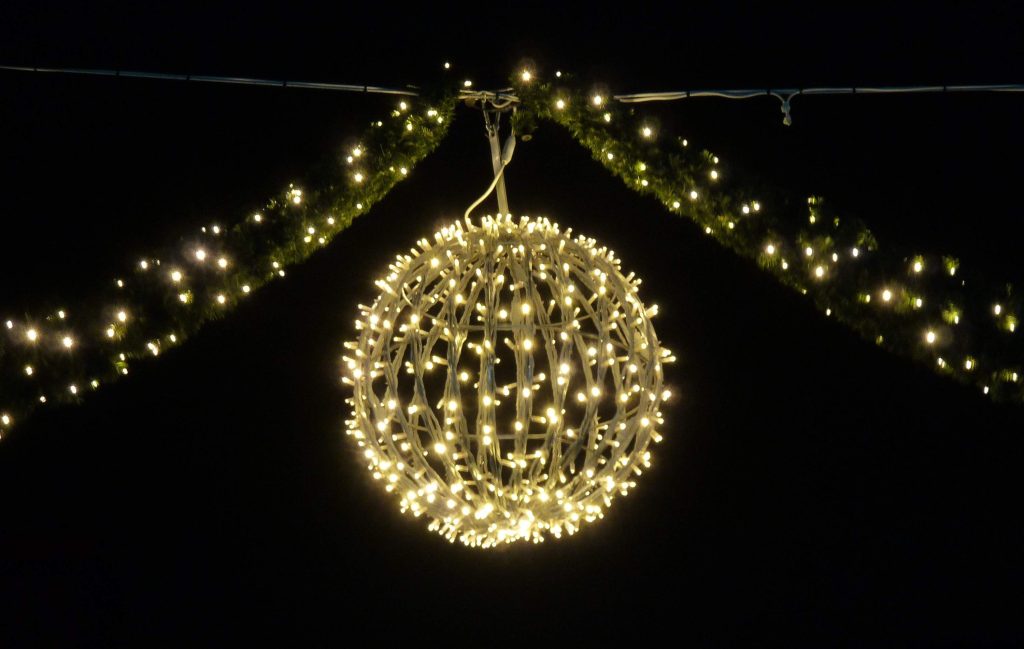
Furthermore, unlike their incandescent counterparts, LEDs do not contain filaments that can overheat and pose fire hazards. Thus, they are increasingly popular for use as landscape string lights considering their negligible heat emission even after prolonged use.
Additionally, LEDs offer another advantage – they direct their light output in one specific direction rather than scattering it all around like traditional bulbs do. This feature reduces wasted light and energy, thereby contributing further to their low-heat emission properties.
LED rope lights have taken center stage due to their versatility combined with energy efficiency. These flexible strings usually encase tiny LED bulbs within clear or colored PVC tubing, making them perfect choices for decorative landscape lighting while maintaining low heat emissions.
Future Trends aimed at Reducing Heat Emissions
The future trajectory of lighting technology continues towards reducing thermal emissions associated with various types of lights, including string lights.
One trend on the horizon includes advancements in LED technology aimed at increasing its already impressive energy efficiency. Scientists and researchers are continually exploring new ways to augment luminous efficacy – the amount of visible light produced per unit of electrical power consumed, effectively reducing energy waste in the form of heat.
Another trend involves integrating smart technology into lighting systems. Smart LED string lights could offer features like temperature control, which would allow users to regulate heat output directly. This technological integration could significantly enhance safety measures by preventing any potential overheating scenarios.
In addition, the development and adoption of organic light-emitting diodes (OLEDs) are also anticipated as a future trend. OLEDs, similar to LEDs, function without filaments and emit less heat. However, they have an additional advantage – being incredibly thin and flexible, they offer more versatility in design possibilities, making them a potential choice for both functional and decorative landscape lighting in the future.
Graphene, hailed as a wonder material, has also caught attention in lighting technology due to its excellent thermal conductivity properties that can help dissipate heat more effectively when integrated into lighting devices.
Continual legislative efforts aimed at phasing out high-energy-consuming bulbs will further push advancements towards low-heat-emitting light sources such as LEDs or OLEDs for use in all types of lighting, including string lights.
Recapitulation: Do String Lights Get Hot?
Throughout the course of this exploration, it is evident that whether or not string lights heat up significantly depends on several factors. The principal determinant lies in the type of bulb utilized in the string lights.
Incandescent bulbs, with their intricately designed filaments, are notorious for their heat generation due to the immense amount of energy they consume – a stark contrast to LED string lights, which are renowned for their energy efficiency and minimal heat emission. The wattage and voltage of the landscape lighting also play a pivotal role in determining the degree of heat produced.
String lights with higher wattage naturally generate more heat due to increased power consumption. Similarly, a higher voltage leads to an escalated temperature of bulbs.
However, in this age where technology continues to astound us with its constant evolution, we have witnessed considerable progress in reducing heat emissions from landscape string lights. Energy-efficient LED bulbs have successfully revolutionized the concept of lighting without formidably contributing to global warming.
Ensuring Safety: Handling Potentially Hot String Lights
With knowledge comes responsibility – understanding that some string lights can get hot necessitates that we adopt adequate safety measures while handling them. Frequent quality checks must be part and parcel of usage routines since substandard or damaged bulbs can pose serious fire hazards. Regular maintenance ensures longevity and lessens the chance of overheating.
Rope lights might seem like unassuming home decor elements, but they demand careful handling when they’re powered by high-wattage incandescent bulbs or run on high voltage. They should ideally be hung at a safe distance from easily combustible materials such as curtains or wooden furniture.
The dynamism and vibrancy that beautifully adorned rope lights bring about during festive occasions is undeniable; however, these should never be left switched on unsupervised for long durations. The charm of rope lights should be enjoyed responsibly, ensuring they do not turn into agents of potential accidents.
Moreover, when choosing landscape lighting options, it is always safer to opt for LED string lights due to their low heat emission and the minimal environmental footprint they leave behind. By adopting these small but significant safety measures, we can continue to bask in the warm glow of string lights without worry.
Conclusion: Do String Lights Get Hot?
In essence, whether or not string lights get hot is determined by various factors such as the type of bulb used and the wattage and voltage of the lights. However, with progressive technology like LED bulbs reducing heat emissions significantly, we can continue to enjoy our beloved landscape string lights without compromise. As long as we remain mindful and adhere to safety guidelines while handling potentially hot string lights, these beautiful additions will continue enhancing our spaces with their magical glow.
You may also be interested in the following posts: