
Understanding LED Strip Lights: Do They Require Plugging In?
The Brilliant World of LED Strip Lights
As we progress into an era of cutting-edge technology, our surroundings are being considerably enhanced by numerous ingenious inventions. Among these innovative creations, LED strip lights have emerged as a remarkable product that has significantly transformed our lighting environment. These versatile lighting devices have transcended the barriers of traditional lighting, offering an array of applications that range from decorative interior embellishments to efficient landscape lighting.
LED strip lights, also known as LED tape or ribbon lights, are a flexible circuit board populated with light-emitting diodes that glow when an electrical current is applied. The slim and adaptable design of these strips allows for seamless installation in multiple locations, including hard-to-reach areas where conventional light sources may fall short. Furthermore, the availability of diverse color temperatures and brightness levels facilitates their use in various settings and moods.
Landscape strip lights have opened up new avenues in exterior lighting design by providing a perfectly balanced blend of functionality and aesthetics. They can be strategically placed along pathways, beneath shrubbery, or around architectural elements to highlight features and provide safety.
The rise in popularity of LED strip lights can be attributed not only to their flexibility but also to their energy efficiency and long lifespan. They consume less power compared to traditional incandescent bulbs while offering superior brightness and clarity.
LED strip lights, with their remarkable versatility, have revolutionized the way we light our spaces. Whether you are creating a serene atmosphere within your home or enhancing your outdoor landscape lighting arrangement with landscape strip lights, this robust technology provides effective solutions for all your lighting needs.
The Importance and Benefits: Unraveling the Impact
Over time, society has grown cognizant about the importance of energy conservation for sustainable living, making LED strip lights an essential element in contemporary lighting strategies. Their ability to operate at a significantly lower power level without compromising the light output makes them a preferred choice among consumers.
From a monetary perspective, the investment in LED strip lights or landscape strip lights proves to be financially advantageous. The longevity and energy efficiency of these LED devices result in substantial cost savings over traditional lighting solutions, thereby offering excellent value for money.
Another notable benefit of LED strip lights lies in their ability to enhance aesthetics. With their sleek design and wide range of color options, they can be used to create unique lighting effects that enhance the ambiance of any space. In landscape lighting specifically, they can be used to highlight architectural features or provide soft lighting for a garden area.
The convenience offered by the adaptability of LED strip lights is another indispensable advantage. They can be cut into specific lengths as per requirement and installed virtually anywhere due to their slim profile and flexible nature.
LED strip lights have established themselves as invaluable tools in modern-day lighting due to their energy efficiency, versatility, aesthetic enhancement capability, cost-effectiveness, and convenience. Be it interior design or landscape lighting with landscape strip lights, these effective illuminators indeed hold substantial importance on multiple levels.
Understanding LED Strip Lights: Lighting the Basics
The Essence of LED Strip Lights: A Modern Lighting Solution
Light-emitting diodes, commonly referred to as LEDs, are a modern revelation in the world of lighting technology. An LED strip light is a flexible circuit board populated by surface-mounted light-emitting diodes (SMD LEDs) and other components that usually comes with an adhesive backing. They are often used for accent lighting, under-cabinet lighting, display case lighting, and numerous other applications due to their durability, energy efficiency, and minimal heat output.
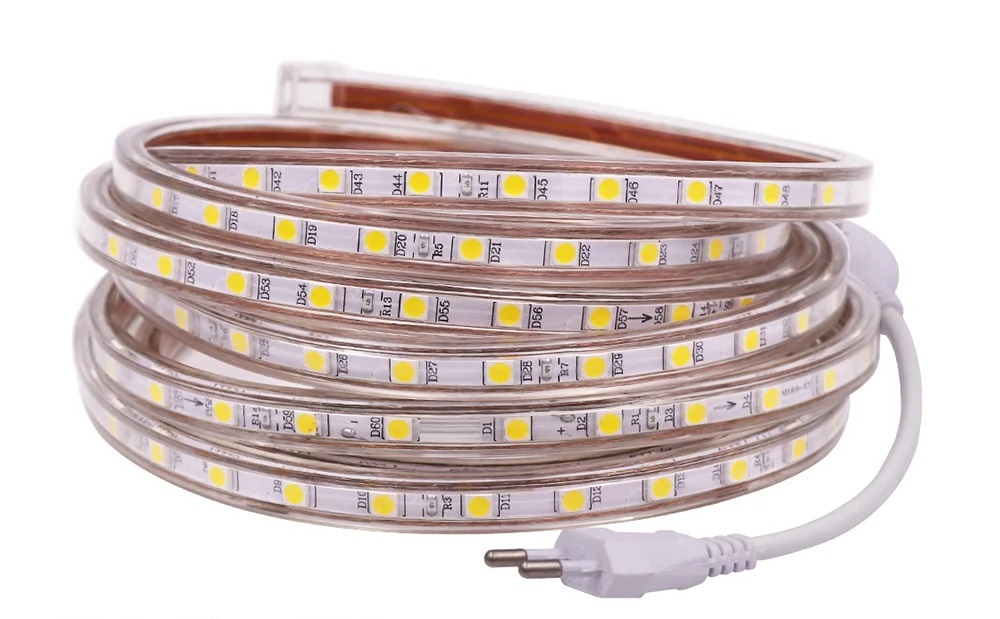
LED strip lights have come a long way since their inception. These flexible strips of light-emitting diodes offer the perfect blend of technological advancement and aesthetically appealing design. Quite unlike traditional incandescent or fluorescent bulbs, which emit light and heat in all directions, LED lighting works differently by producing light in a specific direction, making it far more efficient.
In essence, these adaptable strips consist of numerous tiny bulbs or diodes mounted onto a strip that can be fixed almost anywhere thanks to its flexibility and adhesive backing. The key feature that makes them stand out among traditional lights is their ability to change colors through the use of controls, allowing users to customize their lighting needs effectively.
Landscape Strip Lights: Bringing Outdoor Spaces to Life
In recent years we’ve seen an upsurge in landscape strip lights being utilized for landscape illumination purposes. Landscape architects exploit these LED strips ingeniously to highlight features like garden paths, ponds, or even trees, thereby enhancing nighttime aesthetics as well as security.
LED strip lights serve an excellent purpose when incorporated into modern landscape lighting designs. They can be used along pathways for safety reasons at night or strategically placed around seating areas, providing subtle ambient mood lighting and creating an inviting outdoor living space.
These energy-efficient luminaries not only enhance architectural features but also contribute sensationally towards creating dramatic nightscapes. For instance, you can add these strips to the underside of a bench or a gazebo roof for an understated yet effective lighting solution. Furthermore, when added to water features like fountains or pools, they create breathtaking reflections that add an ethereal touch to your landscape.
Exploring the Diverse Applications of LED Strip Lights
LED strip lights are an incredibly versatile tool in any designer’s arsenal due to their ability to align with various creative ideas. Apart from landscape lighting, they have found their utility in various other sectors. LED strip lights work wonders in setting up mood lighting for homes and businesses alike.
One popular use is under-cabinet lighting in kitchens, where they provide a fantastic source of task light while adding significant aesthetic appeal. In retail settings, LED strip lights do an excellent job highlighting products and drawing customer attention.
Within professional setups like photography or film production, these strips offer consistent illumination levels, making them ideal for backlighting and indirect lighting applications. Moreover, event planners often employ LED strips for creating dramatic stage designs, contributing immensely towards setting the perfect ambiance.
Whether it’s enhancing your home decor or providing landscape lighting solutions, whether it’s making retail spaces more attractive or setting up the mood at events, the uses of LED strip lights are virtually endless. With a myriad of colors and brightness levels available, along with their energy-efficient nature, they are a preferred choice among modern-day lighting solutions.
Powering LED Strip Lights: The General Concept
Unraveling the Mechanism: How LED Strip Lights are Powered
LED strip lights, a popular choice for landscape strip lights and accent lighting, operate through a fairly simple yet fascinating mechanism. At their core, each LED strip light consists of a series of light-emitting diodes arranged in a linear pattern on a flexible circuit board.
This circuit board is designed to conduct electricity from one end of the strip to the other, lighting up the LEDs as power flows through them. The electricity that powers these lights can come from various sources, most commonly an AC or DC power outlet.
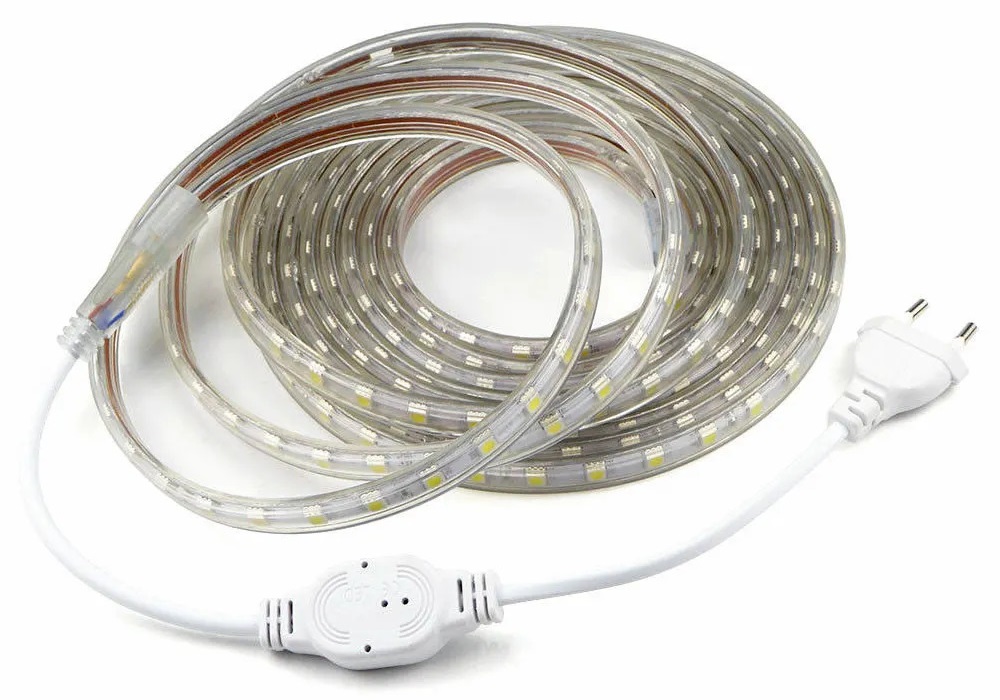
Attached to this power source is usually an adapter or transformer that converts household voltage into the low-voltage necessary for safe operation of the LED lights. Once plugged in and switched on, electrical current flows from positive to negative across each diode in sequence, causing it to emit light.
Interestingly, despite their versatility and high-performance capabilities, LED strip lights use significantly less energy than traditional incandescent or fluorescent lighting options. This makes them not only more cost-effective but also more environmentally friendly – two attributes that have significantly increased their popularity in both indoor and outdoor landscape lighting applications.
Moreover, powering up these devices isn’t always about plugging into an electrical outlet. There are battery-powered options available as well, which cater to those situations where portability and flexibility are paramount – such as temporary installations or mobile applications.
The Imperative Power Source: Breathing Life into Your Landscape Lighting
Whether highlighting architectural features or setting a mood in your garden after dark, your landscape strip lights need some form of energy supply – they don’t just glow by magic! Though it may seem obvious when stated outright like this, without a power supply there’s no lighting – it’s as simple as that! To understand why this is so, let’s delve a little deeper into the science behind LED lighting.
As mentioned earlier, an LED, or light-emitting diode, emits light when an electrical current passes through it. This phenomenon, known as electroluminescence, occurs when the atoms in the diode’s semiconductor material become excited by the moving electric charge and then return to their normal state, emitting photons (light particles) in the process.
This implies that without a steady supply of electrical current, there can be no electroluminescence and consequently no light emission from your LEDs. Hence, every LED strip light setup needs a reliable power source to function effectively. In addition to simply lighting the diodes, the power source also plays other crucial roles in your landscape lighting setup.
For instance, it determines how bright your lights can get and for how long they can stay on. Furthermore, by adjusting the voltage supplied to your LEDs (a feature offered by most modern power adapters), you can control their intensity and create diverse lighting effects.
While most people use traditional AC/DC power outlets for this purpose – especially for permanent installations – there are several alternative options available as well, such as batteries or solar power packs, which offer greater flexibility and portability. Indeed, whether you’re lighting a small indoor space or an expansive outdoor landscape with LED strip lights, one thing remains constant: the necessity of having a reliable power source cannot be overemphasized!
Do LED Strip Lights Need to Be Plugged In?
The Intricacies of Lighting: To Plug or Not to Plug
LED strip lights, often used as landscape strip lights for breathtaking and dramatic aesthetic effects, seem to unfailingly prompt the question of whether they need a steady source of power via a plug. The reality is that it depends on the specific design and function of the LED strips.
Generally speaking, most LED strip lights would indeed need to be plugged in. They are designed to run off mains electricity and hence require a constant source of power. This is particularly true for more powerful landscape lighting setups or systems that aim to illuminate larger areas. These installations typically consume more power and thus demand a consistent, reliable source like a direct wall outlet connection.
However, there’s an important facet to conserving energy – LED strip lights do not continuously draw their maximum rated current. Instead, they surge at startup and then settle into drawing less electricity once they’ve warmed up. Thus, while these lights may need a plug for steady power operation, they are far from being energy hogs.
Landscape Strip Lights: Plugged into Beauty
In residential settings where you might install landscape strip lights around your garden or driveway perimeter, plugging in becomes essential for two reasons: longevity and brightness control. Firstly, these types of installations typically involve longer strips of LEDs, which equates to higher power demand. Therefore, having them plugged into an electrical outlet ensures that they can function optimally over long periods without dips in performance levels due to insufficient power supply.
Secondly, many homeowners value the ability to control their landscape lighting brightness levels – this can range from subtle glows meant purely as accent lighting to full-blown luminous displays during festive seasons. Such versatility in brightness control often necessitates being plugged into an adequate power source.
Unplugged Lighting: Exceptions to the Rule
LEDs Off the Leash: Strip Lighting Sans Plugs
The notion that all LED strip lights need to be plugged in, however, is not absolute. There are indeed exceptions where LED strip lights can operate independently of a plug. One such case involves smaller and less power-hungry LED setups often found in DIY projects or portable goods like camping gear.
These strips are typically powered by batteries – ranging from simple AA or AAA batteries to more robust lithium-ion packs. The primary advantage of these battery-powered LEDs is their portability and freedom from being tethered to an electrical outlet.
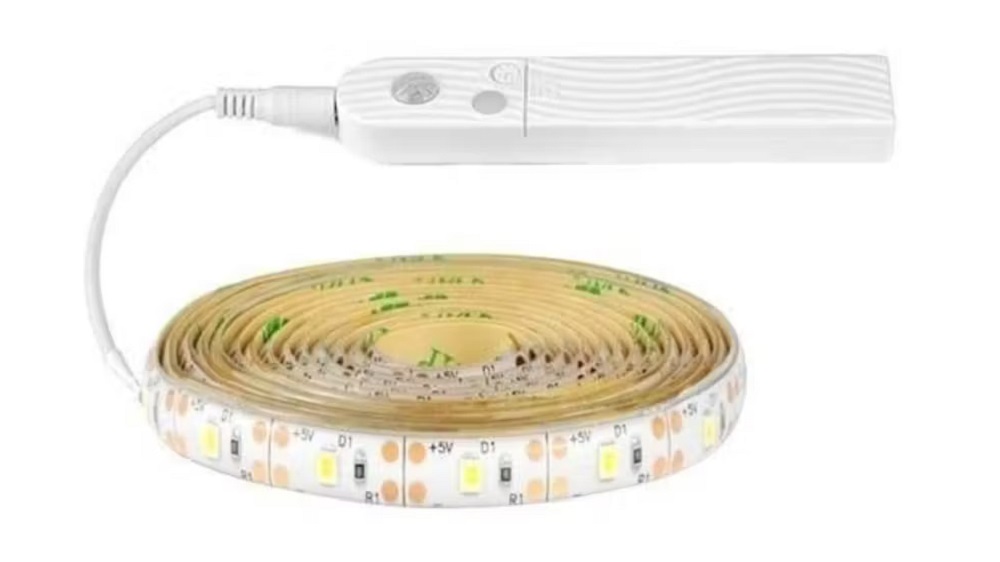
Another instance where LED strip lights may not need plugging in is when they’re integrated with solar-power capabilities. An increasing number of outdoor landscape lighting systems feature solar-powered options, offering an environmentally friendly alternative for homeowners who prefer harnessing renewable energy. These systems usually comprise a solar panel that charges during the day and powers the LEDs once darkness falls.
USB-powered LED strip lights offer another flexible option for those seeking illumination without necessarily being plugged into a traditional outlet. These strips draw power directly from any device with a USB output – laptops, power banks, or even car chargers – making them an excellent choice for portable or temporary lighting scenarios.
Whether your LED strip lights need to be plugged in largely depends on their purpose and setup scale as well as your personal preference towards specific powering methods.
Alternative Power Sources for LED Strip Lights: Lighting Possibilities
LED strip lights, including landscape strip lights, are dynamic in their power source requirements. A plethora of alternative energy sources exist, each with its unique benefits and limitations.
One such alternative is battery power. Battery-powered LED strip lights offer the advantage of portability and ease of installation. They can be used anywhere without the need for a power outlet. However, they require frequent battery changes depending on usage frequency and duration.
Solar power is another increasingly popular option for powering LED strip lights. Solar-powered landscape lighting harnesses sunlight during the day to provide light during nightfall, making it an environmentally friendly and cost-effective option.
On the flip side, it may prove ineffective in areas with limited sunlight exposure or during periods of extended cloudiness. Other alternatives like windpower or hydropower exist but are less commonly adopted due to higher setup costs and geographical constraints.
Empowering Your LEDs: A Plug-Free Guide
Powering your LED strip lights without a plug may seem daunting, but with some guidance and patience, it’s entirely feasible. For battery-powered LEDs, start by selecting the proper batteries or battery pack specified by your LED manufacturer. For solar-powered LEDs such as those used in landscape lighting, position the solar panel where it gets ample sunlight throughout the day to charge effectively.
Connect your LED strips to this solar panel using compatible connectors – sometimes provided with the kit – and ensure all connections are secure before turning on your LEDs. Regardless of which method you choose, always refer to instructions provided by manufacturers, as they contain specific details best suited for their products’ performance and longevity.
Safety First: Handling and Installation Practices
As convenient as they are, handling LED strip lights requires caution whether they’re being plugged in or not. When installing or relocating your strips, ensure no current is running through them to prevent potential electric shocks. Always handle your lights with clean, dry hands to avoid any unwanted reactions between the LED materials and substances on your hands.
When installing, avoid bending or twisting your strip lights excessively, as this may cause physical damage leading to malfunction. Adherence to safe installation practices guarantees not just your personal safety but also extends the lifetime of your LED strip lights.
Future Bright: Upcoming Innovations in Powering LEDs
The future of powering LEDs is luminous with imminent advancements in technology. Wireless power transfer shows promise with its ability to eliminate physical connection needs altogether. This could revolutionize landscape lighting installation processes, making them even more seamless and flexible.
Furthermore, advancements in solar technology might soon enable us to harness more power from the Sun than ever before, making solar-powered LEDs even more efficient and reliable. The future beholds intriguing prospects, sure to brighten up the world of LED strip lighting.
Conclusion: Do LED Strip Lights Need To Be Plugged-in?
From understanding what LED strip lights are to exploring myriad ways they can be powered – both conventionally and alternatively – we’ve embarked on an enlightening journey through landscapes lit by these versatile strips of brilliance. In an era where we’re continually striving for sustainability and efficiency, alternatives like solar-powered landscape lighting have emerged as frontrunners, casting an optimistic light on our resource utilization outlook. Indeed, whether it’s for sprucing up households or illuminating outdoor vistas, LED strip lights are here not merely as a passing trend but as a sustainable solution crafting resplendently radiant futures.
You may also be interested in the following posts: