
Are LED Strip Lights Depleting Automotive Batteries?
Embracing the Brilliance: An Introduction to LED Strip Lights
LED strip lights, also known as LED tape or ribbon lights, are a versatile lighting solution that has seen significant growth in popularity in recent years. Composed of multiple tiny light-emitting diodes placed on a flexible circuit board, these luminous strips can be cut to any length and installed almost anywhere due to their adhesive backing, making them a truly customizable option for users.
Landscape lighting has taken advantage of this flexibility and customizability. Landscape strip lights can enhance the aesthetics of outdoor environments by accentuating architectural features, illuminating paths, and creating ambient lighting effects. The ability to withstand harsh weather conditions adds another layer of versatility to LED strip lights, further broadening their use.
The Radiance on Wheels: Importance and Benefits of LED Strip Lights in Cars
The expressiveness and functionality that characterize outdoor lighting with LED strip lights have gained traction in another domain – the automotive industry. Car enthusiasts have embraced these luminous marvels as an innovative way to augment their vehicles’ aesthetic appeal and increase visibility for improved safety. The benefits offered by car LED strip lights are manifold.
Firstly, they provide enhanced lighting compared to traditional incandescent bulbs. This makes them ideal for use as daytime running lights or interior cabin lights. They add an element of style by allowing car owners to personalize the look of their vehicle with various colors and brightness levels.
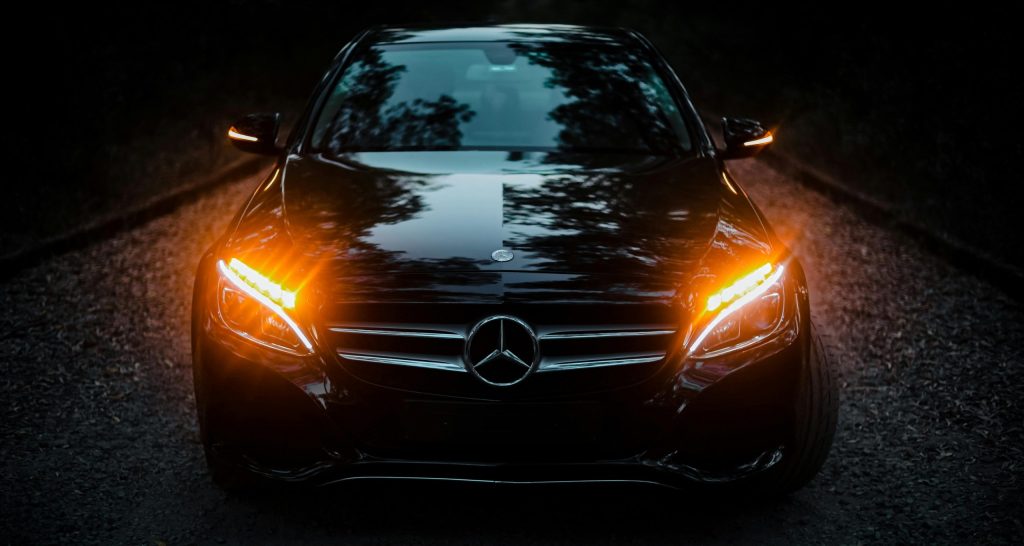
Moreover, compared to standard light bulbs, LEDs consume less power, which is instrumental in prolonging the longevity of batteries – especially important in cars, where every watt counts. They also offer improved durability due to their solid-state construction; they are resistant to shock and vibration damage, which cars often encounter on rough roads or during high-speed travel.
But critically important is the safety aspect. Enhanced visibility from high-quality LEDs reduces chances of accidents because other drivers can spot the vehicle from a distance, and the driver can navigate better under low light conditions. In addition, interior LED strip lights facilitate better visibility within the car, making it easier to locate buttons or items in the dark.
In a nutshell, LED strip lights in cars not only deliver enhanced aesthetics but also contribute to power efficiency, durability, and safety – an amalgamation of benefits that perfectly complements the modern automotive landscape.
Understanding Car Batteries: Unveiling the Power Behemoth
The Automobile’s Electricity: How Car Batteries Work
A car battery, or more precisely termed an automotive battery, is a rechargeable power source that provides electric energy to vehicles. Nestled under the hood, it plays a pivotal role in initiating the vehicle’s ignition process and providing supplementary electrical power when necessary.
At its core, a car battery operates on a chemical reaction. The battery contains lead plates submerged in sulfuric acid solution – collectively known as cells. When you turn on your vehicle, this acid-based solution causes a chemical reaction with the lead plates that generate electrons. These electrons create the electrical energy necessary to start your car engine or power other accessories like landscape strip lights.
The stored energy in these batteries is measured in ampere-hours (Ah). However, for assessing cranking ability and performance, we use cold cranking amps (CCA). The CCA signifies how much current a battery can deliver for 30 seconds at zero degrees Fahrenheit without dropping below 7.2 volts – an essential factor when living in colder regions.
Interestingly, once your engine is running smoothly, your vehicle doesn’t rely solely on the battery for all its electrical needs. Instead, it uses an alternator, which recharges the battery while also powering other components of the car simultaneously. This ensures that any drain from using features such as outdoor lighting does not deplete your vehicle’s essential power reserve.
Battery Drainers: Factors That Can Drain Car Batteries
While car batteries are designed to be robust and endurable beasts of burden, they are not immune to excessive drainage or depletion over time. Understanding what factors could potentially drain your car’s life force might save you from frustrating breakdowns and unnecessary expenditures.
One primary culprit of battery drainage is leaving electronic devices or accessories turned on for an extended period when the engine is off. This includes interior lights, headlights, or outdoor strip lights. These systems draw power directly from the battery when the car’s engine isn’t running.
Parasitic drain is another concern. It occurs when certain components continue to consume electricity even after the vehicle has been shut down. These could be alarm systems, digital clocks, or radio presets that operate on standby mode.
Battery age also plays a significant role, as time and regular use cause wear and tear, decreasing its efficiency and ability to hold a charge. Batteries typically last between 3 and 5 years; however, their lifespan can be reduced drastically due to poor maintenance or repeated deep discharges.
Extreme weather conditions can also impact your battery’s performance negatively. Cold temperatures slow chemical reactions within batteries, while hot temperatures speed them up – both can result in less effective energy production.
Poor driving habits, such as frequent short drives, might prevent your battery from fully recharging – leading to a gradual decline in battery health over time. Hence, it’s crucial to understand these factors before installing any additional features like outdoor lighting that may impose an extra load on your vehicle’s electrical system.
The Intricate Relationship between LED Strip Lights and Car Batteries
Undeniably, the functionality of LED strip lights in cars is dependent on car batteries. It’s a dynamic relationship that is often misunderstood. The connection between these two is pivotal, much like a symbiotic relationship where each party relies on the other to function optimally.
Powering LED Strip Lights in Vehicles: A Closer Look
Primarily, LED strip lights in cars are powered by the vehicle’s battery. Unlike standard household sockets that deliver AC power, automobile batteries provide DC power. Therefore, when installing LED landscape lighting or outdoor strip lights in your vehicle, it’s crucial to ensure that they are designed for DC application.

Just as other electrical components of a car draw their power from the car battery, so do the outdoor strip lights. When you switch on your vehicle’s ignition, current from the battery flows through several circuits, powering different systems – including your LEDs. However, this does not imply an extensive drain on your battery life; it simply signifies a systematic distribution of power across various applications.
Interestingly, though, despite being directly linked to the car battery for their operation, high-quality LED strips are meticulously designed to consume minimal energy – hence posing a negligible burden on the battery compared to conventional lighting solutions.
The Remarkable Energy Efficiency of LED Strip Lights
LED strip lights have been lauded for their exceptional energy efficiency – this isn’t just marketing jargon but a scientifically backed fact. They consume dramatically less power compared to traditional incandescent or halogen bulbs typically found in automotive lighting applications.
This prowess is attributed to how LEDs generate light; they convert electricity into light efficiently with minimal waste heat produced. This starkly contrasts with conventional bulbs that waste significant amounts of energy as heat rather than producing usable light – therefore drawing more heavily upon car batteries.
In essence, installing LED strip lights in your car, whether they are for outdoor lighting or otherwise, is an environmentally friendly and energy-efficient choice. You boost your vehicle’s aesthetic appeal without significantly compromising on its battery life.
LED strip lights prove to be a smart choice when considering the installation of outdoor lighting in vehicles due to their low energy consumption, subsequently reducing the likelihood of excessively draining your car battery. They may indeed draw power from your battery but do so sparingly thanks to their remarkable energy efficiency.
While there is a direct correlation between LED strip lights and car batteries, it’s not one that should cause alarm. The judicious design and superior energy efficiency of LED strip lights ensure that they light up your vehicle beautifully without imposing an unnecessary strain on its power source – the battery.
Do LED Strip Lights Drain Car Batteries?
The Power Consumption of LED Strip Lights: A Detailed Analysis
LED strip lights, or outdoor strip lights as they are commonly referred to in the world of outdoor illumination, have become a popular addition to vehicles worldwide. However, the question remains: do these LED strip lights drain car batteries?
To answer this question, we must first delve into the power consumption of these light strips. Typically, a standard 12V LED strip light consumes about 1.5 watts per foot. If an average vehicle uses approximately 16 feet of this lighting type, that equates to a total power consumption of about 24 watts.
The power usage is relatively low compared to other electric devices used in cars. This is primarily because LEDs are notably energy-efficient. They use less energy than traditional bulbs by converting upwards of 90% of their input power into visible light with minimal loss as heat.
Also worth noting is that the actual drain on your battery depends not solely on this wattage but also on how long you leave your LED lights on without running your vehicle’s engine. If you frequently use outdoor lighting for extended periods while your car engine is off, then yes – it could potentially lead to faster battery drain.
Comparing LEDs with Other Electronic Devices in Cars
By comparing LEDs with other electronic gadgets used in cars, such as radios and chargers for mobile devices, you can have a better understanding of their impact on your car’s battery life.
For instance, an average car radio uses around 100-200 watts when turned up loud; if left running for prolonged periods when the engine is off, it can deplete a car’s battery faster than an array of LED strip lights would under normal usage conditions.
Moreover, consider charging mobile devices via USB ports in your vehicle; they typically draw between 10 and 20 watts of power. This usage is comparable to, or indeed, may exceed that of LED strip lights in your vehicle.
A more significant drain on car batteries are devices such as in-car refrigerators or large sound systems. These can pull up to 500 watts and will substantially drain a car battery if used without the engine running.
While LED strip lights do consume energy from your vehicle’s battery, they are far from being the most significant energy consumers when compared with other electronic devices typically used in cars. Therefore, it is quite improbable that outdoor strip lights alone could drain a car’s battery under normal usage conditions.
Unraveling the Factors that Influence Battery Drainage by LED Strip Lights
In our pursuit to unravel the impact of LED strip lights on car batteries, it is pivotal to scrutinize the factors that can potentially influence battery drainage. Notably, the quality and type of LED strip light used can immensely dictate the extent of power consumption.
High-quality LED strip lights are designed with energy efficiency at their core; thus, they drain less energy compared to their lower-quality counterparts. Moreover, different types of LEDs have varying energy consumption rates; for instance, RGB LEDs usually consume more power than single-color LEDs due to their color-changing abilities.
Furthermore, duration and frequency of usage significantly contribute to battery drainage. The longer the LED strip lights are used and the more frequently they are turned on and off, all put a strain on your car battery over time. If you’re using them as landscape lighting during camping or other outdoor activities where the engine isn’t running for long periods, it can have a notable effect on your battery.
The condition and capacity of your car battery also play a crucial role in determining how much drain LED strip lights could cause. Older batteries or those with compromised capacities may struggle under additional loads like powering landscape strip lights.
Conserving Battery Life: Maximizing Efficiency with LED Strip Lights
As we navigate through this illumination journey with LEDs in our vehicles, it’s essential to equip ourselves with strategies that promote efficient use of these lights, hence conserving our car’s lifeblood – its battery.
One practical strategy entails judicious use of these lights – switch them off when not needed – every bit of saved power contributes towards a longer battery life span. Moreover, investing in high-quality LED strips that come with an energy-efficient design will significantly reduce power consumption when compared to lower-end alternatives.
The condition of your car’s battery is equally significant – periodic inspections will ensure optimal performance, and any issues can be detected and rectified promptly. If your battery seems to be struggling, it might be time to consider replacing it before adding extra loads like LED strip lights.
Real-World Examples: Case Studies of LED Strip Lights in Action
An understanding of how LED strip lights affect car batteries wouldn’t be complete without real-world examples. In one case, a user had installed low-quality RGB LED strip lights in his car. Due to frequent usage and the energy-inefficient design of these particular LEDs, they caused significant battery drain that necessitated frequent jump-starts.
On the contrary, another car owner reported a negligible impact on her vehicle’s battery life after installing high-quality single-color LED strip lights. Despite using them frequently for interior lighting during night drives, her car’s battery life remained unaffected – a testament to the energy efficiency of quality LEDs.
LED Strip Lights and Car Batteries: A Tale of Power and Efficiency
While LED strip lights do consume power from your car’s battery, their impact is often minimal unless other factors come into play, such as low-quality LEDs or prolonged usage while the engine is off. With proper care for your battery and wise use of your outdoor lighting or interior LEDs, you can enjoy the aesthetic appeal they bring without worrying about significant impacts on your vehicle’s power source.
For those contemplating installing LED strips in their vehicles, go ahead, but mind the type of LEDs used and how you use them. Treat your car battery right – make sure it’s in good condition before adding any additional loads like this outdoor lighting upgrade.
Dispelling Misconceptions
Common concerns surrounding using LED strip lights in vehicles often revolve around their impact on battery life. As discussed above, with proper use and maintenance measures in place, these worries can be greatly mitigated. There are misconceptions about LED strip lights draining car batteries overnight; while this can happen in instances of prolonged usage with the engine off and/or poor-quality LEDs, it’s not a common occurrence with efficient LEDs and sensible use.
Further Exploration into the World of LEDs and Car Batteries
To learn more about this topic, several reliable sources offer in-depth information. Websites dedicated to automotive care, electronics magazines, and even forums where users share their experiences can give more insight into how best to use LED strip lights without putting undue strain on your vehicle’s battery. Always remember – lighting should brighten up your journey, not dim the life of your car battery.
You may also be interested in the following posts: