
Myth Debunking: LED Strip Lights Burn Out Suddenly or Fade Over Time?
A Basic Introduction to LED Strip Lights
LED strip lights, also known as LED tape or ribbon lights, are flexible circuit boards populated by surface-mounted light-emitting diodes (SMD LEDs) and other components. Their robust design and easy installation make them a popular choice for both residential and commercial lighting. The term ‘strip’ in their name comes from their thin, flexible shape that allows them to be applied to almost any surface.
What sets LED strip lights apart from conventional lighting fixtures is their versatility. They can be used for accent lighting, task lighting, backlighting, decorative lighting, and even landscape lighting. The use of LED strip lights has revolutionized landscape illumination by providing creative lighting solutions that highlight the architectural features of buildings while enhancing outdoor aesthetics.
Recently, the demand for LED strip lights has skyrocketed due to their energy efficiency and longevity compared to traditional bulbs. They come in various colors and brightness levels, often with dimming capabilities allowing users to create different moods within a space at different times.
The Concept of “Burning Out” in Lighting
The phrase “burn out” is commonly used in relation to traditional incandescent bulbs or fluorescent tubes reaching the end of their lifecycle. It occurs when the filament inside these types of bulbs becomes too weak or breaks completely due to prolonged heat exposure from constant electrical current passing through it, causing it to no longer be able to produce light.
When we consider this concept of burning out in terms of LED technology – specifically pertaining to our focus on landscape strip lights – it requires a more nuanced understanding. Unlike conventional bulbs, which suddenly cease emitting light when they burn out, LEDs behave differently towards end-of-life scenarios.
In essence, while traditional bulbs dramatically “burn out”, an LED’s lifespan is characterized more accurately as “lumen depreciation”. This describes the gradual decline in brightness over a long period of time, rather than an abrupt cessation of light emission that we associate with burn-out in traditional bulbs.
The question then arises: do LED strip lights, heralded for their longevity and energy efficiency, also succumb to the fate of burning out? This post aims to demystify this concept and provide comprehensive insights into the lifespan of LED strip lights.
The Enlightening Spectrum of LED Strip Lights
Definition and Functioning of LED Strip Lights
LED strip lights, also known as LED tape or ribbon lights, are a linear series of light-emitting diodes (LEDs) laid out on a flexible circuit board. These lighting marvels operate through the concerted effort of various components, each performing a pivotal role in producing their characteristic lighting.
The core of these strip lights is the light-emitting diodes themselves – semiconductors that emit light when an electrical current passes through them. The emitted light’s color spectrum relies heavily on the specific materials used to create the semiconductor chips within each diode.
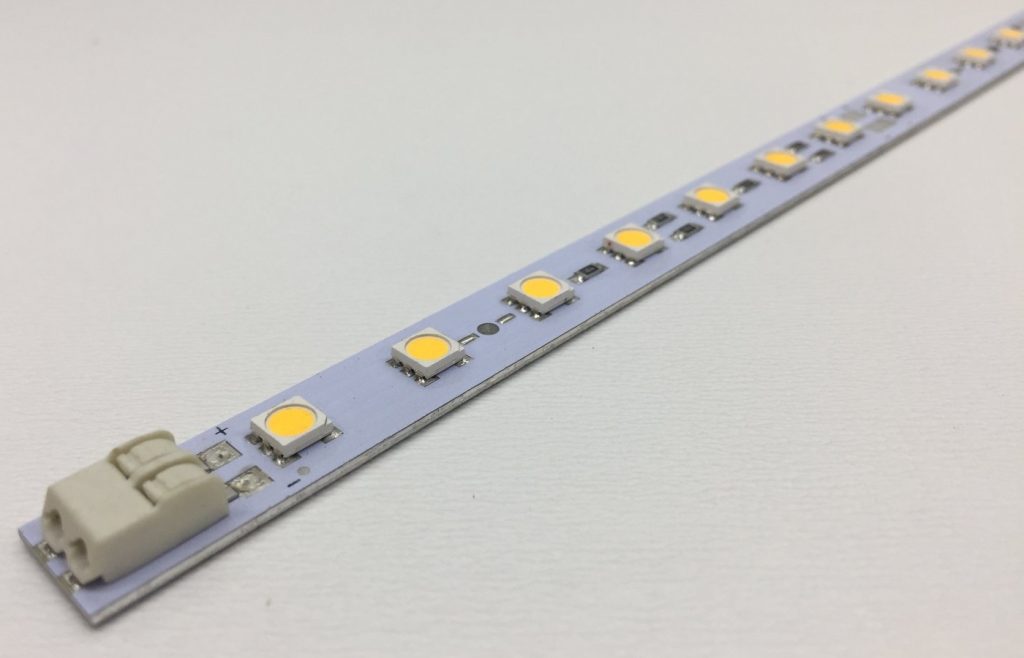
Heat dissipation is another critical aspect of these strips’ functioning. Heat sink areas behind the LEDs draw heat away from the diodes, thereby preserving their lifespan and preventing damage from overheating.
Additionally, resistors in the circuit counterbalance voltage differences and control current flow, while capacitors stabilize power supply fluctuations to ensure consistent lighting output. Most strips are encased in clear epoxy for protection and allow for bending around curves without compromising structural integrity or function.
Different Types and Uses of LED Strip Lights
Diving into an assortment of brilliance, there exist several types of LED strip lights tailored to various applications based on brightness, color capability, weather resistance, and other parameters. For instance, single-color strips offer continuous fixed color output, perfect for accent lighting, while RGB (red/green/blue) variants have color-changing capabilities controlled by specialized circuits built into them. Then we have high-density strips packed with more LEDs per meter, intensifying brightness significantly.
Outdoor environments too can be imbued with this radiance; weatherproof versions extend flexibility to landscape lighting endeavors such as illuminating pathways or garden features. Further still, programmable digital LED strips serve dynamic visuals via individually controllable LEDs – add some flair to your gaming or music setup with these.
Apart from ambient indoor/outdoor lighting, LED strip lights also find applications in signs, under-cabinet lighting, cove lighting, stage design, and even in horticulture as grow lights. Focusing on landscape strip lights specifically, their flexibility lets them contour to various architectural features.
From elegantly highlighting the outlines of buildings to illuminating outdoor patios and decks, these strips can redefine landscape aesthetics through thoughtfully crafted installations. Thus, the versatile nature of LED strip lights not only brings a certain ambiance but also has functional value, making them a preferred choice across residential and commercial applications.
The Lifespan of LED Strip Lights: A Comprehensive Examination
LED strip lights, including those used in landscape lighting, combine cutting-edge technology and design to offer robust and efficient lighting solutions. However, understanding their lifespan isn’t as straightforward as merely looking at their longevity in hours of operation.
It’s pertinent to analyze several factors that directly influence this lifespan. Just as with other forms of lighting, the lifespan of LED strip lights isn’t infinite. These lights will eventually lose their brightness over time, a process known in the industry as ‘lumen depreciation’. Yet, they are celebrated for their impressive longevity compared to traditional bulbs.
While it might be enticing to simplify the endurance of LED strip lights into a single figure representing hours of use, such simplification could lead one astray from comprehending the complexities at play. So let’s delve deeper into these influencing factors.
Influences on Longevity: Quality and Type of LEDs Used
The first determinant that directly impacts the lifespan of LED strip lights is the quality and type of LEDs used. High-quality LEDs tend to have a higher luminous efficacy, which translates into better energy conversion rates and lower heat emission – both contribute significantly towards elongating the product’s lifespan. Different types of LEDs also determine how long your landscape strip lights will last. For instance, SMD LEDs are known for their durability and efficiency, thus promising longer lifespans compared to other types.
Mastery Over Heat: Heat Dissipation Mechanisms
Fundamental physics dictates that any device converting one form of energy into another – like an LED converting electrical energy into light – will produce some amount of waste heat. If this waste heat isn’t properly managed through effective heat dissipation mechanisms, it can drastically shorten the lifespan of LED strip lights.
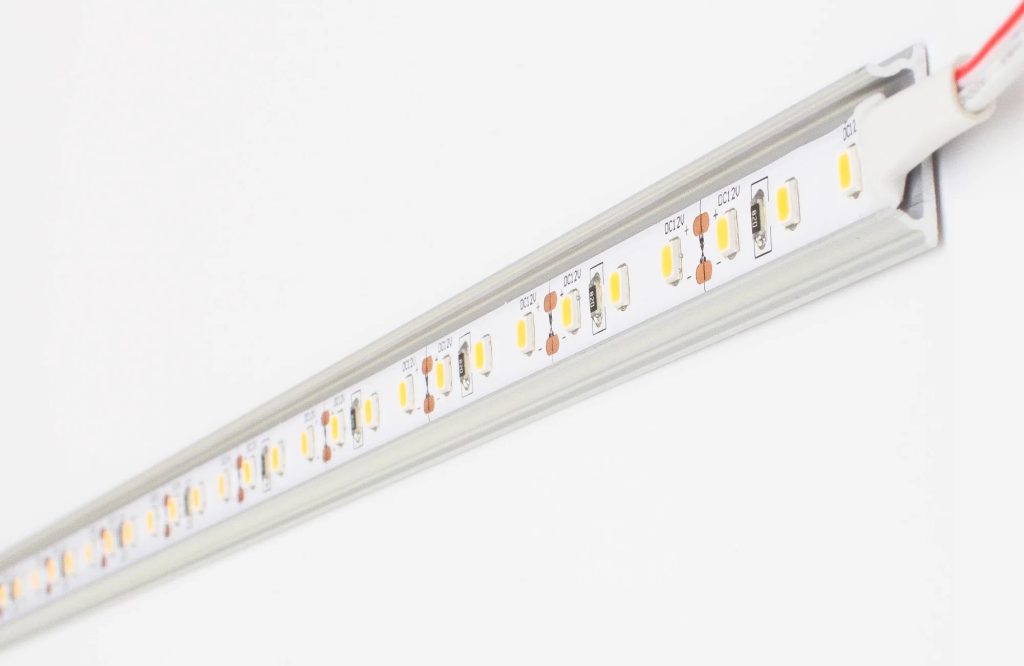
High-quality LED strip lights often come equipped with heat sinks that absorb the excess heat, preventing damage to the LED diodes. Incorporating thermally conductive materials in the design can also help dissipate heat more efficiently.
Stability in Power: Electrical Current Stability
The stability of electrical current flowing to your LED strip lights is another significant factor affecting their lifespan. LEDs work optimally and last longer when supplied with a constant current. Fluctuations or surges in power can damage LEDs, causing them to dim or burn out prematurely. It’s therefore essential to use a reliable and stable power supply for your landscape lighting to ensure maximum longevity of your LED strip lights.
Average Lifespan Expectancy: A Reassuring Figure
LEDs are celebrated for their longevity, and rightly so. The average lifespan expectancy of an LED is around 50,000 hours – significantly longer than traditional lighting solutions. Some high-end models even promise an operational life stretching up to 100,000 hours.
In practical terms for daily usage, if we consider 8 hours a day as an average operating time, an LED has the potential to last over 17 years before it reaches its lumen depreciation point – quite impressive! This robust longevity makes LED strip lights an excellent choice for both indoor and outdoor applications, including landscape lighting, where frequent bulb replacement would be impractical and costly.
Do LED Strip Lights Burn Out?
LED strip lights have proliferated various lighting applications, including landscape lighting, due to their flexible design and energy efficiency. However, many question the longevity of these LEDs and whether or not they ‘burn out.’ In order to answer this, it’s crucial to understand the concept of ‘burning out’ itself.
In traditional bulbs such as incandescent or halogen, ‘burning out’ occurs when the filament within them becomes too hot, oxidizes, and eventually breaks. This process renders the bulb useless as it can no longer produce light. However, with LED strip lights or even landscape strip lights for that matter, this phenomenon is markedly different.
Unlike traditional bulbs that burn a physical filament to generate light, light-emitting diodes function on an entirely different principle. They emit light by electroluminescence – a process where light is produced as a result of an electric current passing through a semiconductor material. This fundamental difference in operation redefines what we perceive as failure in terms of light production from these sources.
How LEDs Dim Over Time rather than Burn Out Suddenly
Instead of suddenly becoming non-operational like traditional bulbs when they ‘burn out’, LEDs tend not to fail instantaneously. They instead undergo a gradual process known as ‘lumen depreciation’ – the slow decline of brightness over extended use. Thus, rather than perceiving LED failure as an abrupt blackout event akin to that witnessed in traditional bulbs burning out, it’s more accurately described as a slow dimming process.
Causes for Early Dimming or Failure in LED Strips
Despite the relatively longer lifespan of LED strip lights, certain factors can lead to their premature dimming or outright failure. These accelerators of lumen depreciation are essential points to consider, especially when installing LEDs in applications such as landscape lighting.
One significant factor that can induce early failure in LED strips is excessive heat buildup. While it’s true that LEDs produce far less heat than traditional bulbs, they still generate some amount of heat during operation. If this heat isn’t properly managed or dissipated, it can result in overheating and subsequent premature failure.
Another common cause for early dimming is an inadequate power supply. Unstable or fluctuating current can cause stress on the LEDs, leading to inconsistent performance and premature degradation over time.
Poor quality control during manufacturing is another reason that might lead to early failure in LED strip lights. This aspect is particularly crucial, as subpar parts and improper assembly not only reduce the efficiency but also compromise the overall lifespan and safety standards for these lighting solutions.
The Dimming Horizon: Signs that the LED Strip Light Is Nearing Its End
Due to the durability and longevity of LED lights, their demise is not an abrupt event but rather a gradual process. The first hint of this process, particularly in landscape strip lights, is often a loss of brightness that occurs over time.
Shadows Lengthen: Identifying Gradual Loss of Brightness in LED Strip Lights
The initial paragraphs may seem bathed in the vibrant glow of a newly installed set of landscape strip lights. However, as with any light source, degradation begins from the first moment they blaze into life. This decline is slow and often imperceptible at first glance. It’s necessary to understand that while the diminution transpires gradually, it doesn’t signify an immediate total failure but rather flags the initial stages leading to eventual dimming.
LED strip lights lose their luminance due to ‘lumen depreciation’, a term used to describe the phenomenon where LEDs slowly emit less light over time. There are various factors contributing to lumen depreciation, which range from temperature changes and voltage fluctuations to even environmental elements when used as landscape lighting.
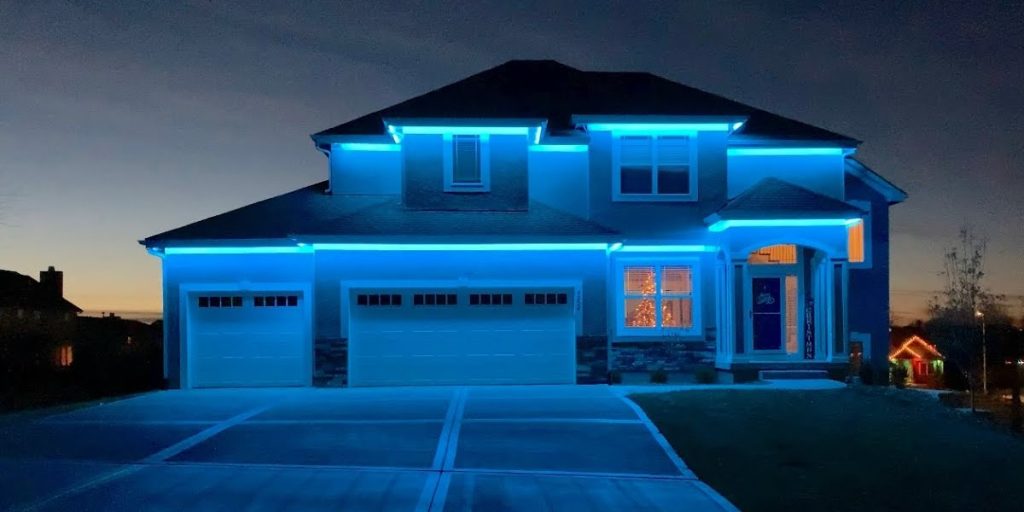
As this decrease happens progressively over an extended period, one might not readily identify this sign. For instance, if you engage your landscape strip lights for five hours daily on average, brightness reduction would only be distinctly noticeable after several years.
To track this fading incandescence effectively requires diligence and keen observation. Implementing periodic inspection schedules offers a practical means through which you can assess any significant changes in lighting levels in your LED strip lights – whether indoor or outdoor landscape lighting.
Observing adjacent or similar light sources might also offer valuable comparative insight into deviations in brightness intensity within your LED strips. If detectable variations exist between identical fixtures installed at different times, this could provide critical clues about their relative operational lifespan status.
Intermittent Illumination: Noticing Inconsistent Lighting or Flickering in LED Strip Lights
Another key indicator of a nearing end in LED strip lights is inconsistent lighting. Unlike incandescent bulbs that announce their departure with a dramatic, often sudden burnout, LEDs exhibit more subtle signs. The flickering or flashing of the landscape strip lights isn’t a haunted house feature but rather an SOS from your LEDs.
Flickering, in essence, refers to the rapid and repeated changes in light intensity that prove both distracting and disruptive. From internal electrical connections to problems within the power supply unit, this unexpected disco effect can trace its roots back to several causes.
In the case of landscape lighting, environmental factors such as moisture ingress or corrosion could result in inconsistent lighting. Therefore, it’s worthwhile to regularly inspect your outdoor LED strip lights for any signs of physical damage or wear and tear.
While not as common as dimming over time, light inconsistency provides an invaluable diagnostic tool when evaluating potential problems with your LED strip lights – and addressing these promptly can prolong their operational lifespan.
The crucial point here is to perceive these observable changes not merely as isolated events but as interlinked symptoms within a larger process – each illuminating vital aspects about the overall health and operational viability of your LED strip lights.
Preventing Premature Burning Out/Dimming in LED Strips
Choosing High-Quality Products with Good Heat Dissipation
The first step in ensuring the longevity and optimal functioning of your LED strip lights is selecting high-quality products. Inferior or substandard LEDs are more prone to early dimming or failure, primarily due to poor heat management. High-quality LED strips, particularly those designed for landscape lighting, are usually constructed with robust heat sinks that dissipate heat effectively.
Landscape strip lights, for instance, often have aluminum backing or include thermal materials within their construction that serve as effective heat dissipation mechanisms. This trait is paramount because excessive heat can severely curtail the lifespan of the LED chips used in these strips.
Remember that a higher price tag doesn’t necessarily equate to a better product. When purchasing an LED strip light for your landscape lighting project, ensure you consider factors such as brand reputation, customer reviews, and product specifications alongside price. A key point to note when reading the specifications is the predicted lifespan of the product.
High-end manufacturers use quality components that last longer – often over 50,000 hours – thus reducing instances of premature burnout or dimming. Investing in high-quality LED strip lights results not only in enhanced performance but also in longevity and reliability because such products are designed to manage heat effectively.
Ensuring Proper Installation to Avoid Overheating
The installation process plays a pivotal role in determining how well your LED strip lights will perform over time. Plugging too many strips into a single source can lead to overheating and eventually premature burnout or dimming.
Thereby it’s crucial to adhere strictly to manufacturer guidelines when setting up your landscape lighting system using LEDs. In scenarios where multiple landscape strip lights are required, consider employing multiple power sources or amplifiers to balance the load. This approach averts any potential for overloading and consequent overheating of individual strips.

The landscape provides a unique challenge when installing LED strip lights. As they are often exposed to environmental elements, ensuring protection is paramount. Choose LED strips with an appropriate ingress protection (IP) rating, as it defines how well the lights can resist dust and water intrusion, preventing possible damage leading to burnout.
As much as the landscape lighting looks aesthetically pleasing with LED strip lights hidden away, keeping them in enclosed spaces can lead to heat buildup and reduce their lifespan. It’s essential that these strips are installed in areas where there’s sufficient airflow to aid heat dissipation. In essence, proper installation involves strategic planning of the layout, adhering strictly to manufacturers’ guidelines, and considering environmental factors that could affect the performance of your LED strip lights.
Regular Maintenance and Care
Even though LED technology boasts longevity and durability, regular maintenance is still necessary to prevent premature dimming or burnout of your landscape lighting. Over time, dust or dirt can accumulate on the surface of your LED strips, which may interfere with light output and generate excess heat.
Scheduled cleaning using a soft cloth or non-abrasive cleaner can help maintain optimal brightness levels while avoiding unnecessary heat generation. However, it’s critical not to use excessive force while cleaning, as this might damage the LEDs themselves.
Your maintenance routine should also include checking for loose connections or damaged sections within your landscape strip lights system. These issues might lead not only to inconsistent lighting but also to additional strain on other sections, which could result in premature dimming or failure of those components too.
As part of caring for your LEDs, avoid exposing them unnecessarily to harsh weather conditions. While many landscape strip lights are built to withstand a range of weather scenarios, frequent exposure to extreme conditions can still impact their lifespan.
Ultimately, the longevity and efficient operation of your LED strip lights extend beyond quality product selection and installation. A dedicated maintenance routine is equally as important in preventing premature burnout or dimming in these lighting systems.
Conclusion: Do LED Strip Lights Really Burn Out?
Unveiling Longevity in Luminescence: The Durability of LEDs
LED strip lights have become a choice option for many, especially in landscape lighting, due to their unprecedented longevity and energy efficiency. Contrary to traditional lighting options that burn out, LEDs typically dim over time. They are fundamentally designed with semiconductor material instead of a filament or neon gas, which inherently increases their lifespan.
The durability of LED strip lights is further accentuated by their resilience to abrupt switching on and off. Where traditional bulbs would falter and degrade swiftly under such usage, LED strip lights retain their functionality and quality, illuminating your spaces consistently.
The advent of landscape strip lights has been transformative for outdoor aesthetics as well. Given the longevity of these LEDs, landscapes can now bask in the perpetual glow of these lights without the nuisance of frequent replacements. This endurance not only supplements aesthetic appeal but also provides cost-effective landscape lighting solutions.
Moreover, LED strips are equipped with individual light sources (LEDs) that independently contribute to the illumination. Even if one or multiple LEDs dim or fail prematurely due to unforeseen circumstances, it doesn’t significantly impact overall brightness levels as other LEDs continue providing light.
Journey from Incandescence to Illuminance: Do They Burn Out or Not?
Inevitably reaching our final verdict on whether LED strip lights burn out – they don’t in the conventional sense as incandescent bulbs do. Instead of abruptly burning out like traditional bulbs, leaving us groping in darkness, they fade gracefully over time while still providing lighting.
When analyzing claims that state otherwise about premature burnouts in LED strips, it’s vital to consider factors like heat dissipation mechanisms and electrical current stability that we previously discussed. Without proper heat management and a stable current supply, even the most superior LED strip lights can dim prematurely.
In the world of landscape lighting, this illumination longevity is a game-changer. Imagine your landscaped yard or garden consistently bathed in the warm glow of landscape strip lights without worrying about sudden burnouts and dark spots.
As we culminate our exploration on this matter, it’s evident that the term “burning out” is a relic from past lighting technologies that doesn’t accurately apply to LEDs. A misnomer at best when discussing LED strip lights. The technicalities we’ve discussed illustrate how they adopt a more gradual process of dimming over an extended period, rather than having an abrupt end.
So next time you switch on your landscape strip lights or any LED light for that matter, you can do so with renewed confidence in their lasting illumination power and reassuring understanding that these luminous wonders won’t desert you suddenly by burning out.
A Luminary Compendium: Decoding LED Jargon
The world of LED strip lights can seem overwhelmingly crowded with technical jargon that may be daunting for the uninitiated. This appendix aims to break down these terms into simpler language, making it easier to understand the nuances of landscape strip lights and other types of LED applications.
The Glowing Alphabet: Understanding LED Terminology
The terminology used for LEDs can often be mystifying. For instance, ‘LED’ stands for light-emitting diode – a semiconductor device that emits light when an electric current passes through it. ‘Lumens’ refers to the measurement unit of total light output, or brightness, produced by a light source. When we speak about ‘wattage’, we’re referring to how much electricity a bulb uses, not its brightness, as is commonly misconstrued.
Shedding Light on Color Temperatures
Color temperature is another pivotal aspect when it comes to landscape lighting. It’s measured in Kelvin (K) and indicates the hue of the light source. Lower values (2000-3000K) give off a warm white light that mimics incandescent bulbs, ideal for creating cozy atmospheres. Mid-range values (3500-4000K) emit cool white light suitable for task-oriented spaces like kitchens or offices. High color temperatures (5000K and above) produce daylight-like lighting optimal for reading or intricate tasks.
Deciphering IP Ratings
For landscape strip lights exposed to outdoor conditions, understanding ingress protection (IP) ratings is crucial. These ratings denote how resistant an LED strip is towards elements like dust, water, etc.; important factors while considering outdoor installation spots or weather conditions faced by landscape lighting.
Bringing Efficiency into Focus: The Role of Efficacy
Efficacy measures the ratio of light produced (lumens) to the power consumed (watts). When selecting LEDs, high efficacy ensures that you are getting the brightest light while consuming minimal power. This is a key consideration in landscape lighting, where large areas may need to be covered with strip lights.
The Lifespan of LEDs: All About L70 and B50 Ratings
L70 and B50 are metrics that give you an indication of how long your LED strip lights will last. L70 refers to the point at which LED output has dropped to 70% of its initial brightness – essentially when it has reached the end of its useful life. B50 indicates that 50% of a batch of LEDs will have reached their L70 point.
These ratings should factor into your purchasing decisions, especially for landscape lighting projects where longevity is important. The above information should shed some light on these luminous terminologies, making it easier for readers to navigate through the landscape lighting world with aplomb!
You may also be interested in the following posts: