
An Overview of LED Landscape Lights
LED landscape lighting, a modern alternative to traditional incandescent and halogen lights, has been gaining considerable attention and adoption in the last couple of decades. LED stands for light-emitting diodes; they are semi-conductors that emit light when an electrical current passes through them.
These lights have been hailed as a revolutionary innovation in the field of lighting due to their outstanding features such as energy efficiency, longevity, durability, and more. LED landscape lights not only contribute to beautifying our gardens, pathways, patios, or yards but also play a vital role in increasing safety by illuminating outdoor spaces during the nighttime.
They offer a diverse range of colors and brightness levels, thereby adding depth and dimension to the landscape at night. This type of lighting can accentuate architectural features on buildings or highlight specific areas within your garden.
Despite their initial higher cost compared to traditional light sources, LED lights boast an impressive lifespan, which often compensates for their upfront investment over time. Their efficiency at converting electricity into light is unparalleled; instead of wasting energy on heat like incandescent bulbs do, LEDs focus it all on producing bright and consistent lighting.
The future certainly appears luminous for LED landscape lighting due to advancements in technology widening its application range. From residential landscapes where they create enchanting outdoor living spaces after sunset to commercial settings where they add elegance while ensuring safety and security, these lights are transforming how we perceive our surroundings after dark.
Purpose and Benefits of Using LED Landscape Lights
There are myriad reasons why homeowners and businesses alike are gravitating towards using LED landscape lights. The underlying objective remains universal: enhancing aesthetics while significantly improving visibility in outdoor areas during low-light conditions.
Firstly, LEDs provide superior control over the quality of light emitted, including color temperature and accurate projection. The extent of customization offered allows one to evoke different moods or highlight specific elements in a landscape, providing an enchanting visual experience.
Secondly, LED landscape lights dramatically increase the level of security on your property. A well-lit exterior can deter potential intruders by eliminating dark spots that could hide unwanted visitors. They also ensure safe navigation around the property during the nighttime by clearly illuminating paths, steps, and other potential trip hazards.
One of the most compelling advantages of LEDs is their energy efficiency. They consume significantly less power compared to traditional light sources while providing equivalent or even superior lighting. This, in turn, leads to substantial savings on electricity bills over time.
Moreover, the longevity and durability of LED lights stand as another remarkable benefit. These lights are designed to withstand harsh weather conditions and have impressive lifespans extending up to 50,000 hours or more – a far cry from the average 1,200 hours offered by incandescent bulbs.
Yet importantly, choosing LEDs for landscape lighting contributes positively towards environmental sustainability. By consuming less power and having a longer lifespan than conventional bulbs, they reduce energy consumption and minimize waste – both instrumental in reducing our carbon footprint.
Decoding the Brilliance: Understanding LED Landscape Lights
LED, an acronym for light-emitting diode, is a semiconductor device that emits visible light when an electrical current passes through it. The type of light (color) emitted is determined by the chemical composition of the semiconductor material used within the diode. Unlike traditional incandescent or fluorescent bulbs that use heated filaments or gas to produce light, LEDs create light through the movement of electrons in a semiconductor material.
The concept of LEDs is based on electroluminescence – a phenomenon where certain materials emit light in response to an electric current or a strong electric field. In essence, they are tiny light bulbs encapsulated in plastic, which enhances their durability and helps focus the light. One distinguishing feature of LEDs is their ability to emit a specific color without using any type of color filter as traditional lighting methods require.
An LED’s operational life has been statistically rated as up to 50,000 hours under controlled conditions. This longevity can be attributed to their high energy efficiency and low heat output. They are designed to provide exceptionally bright and consistent lighting while consuming less power than conventional lighting alternatives.
Light up your Outdoors: How LED Landscape Lights Work
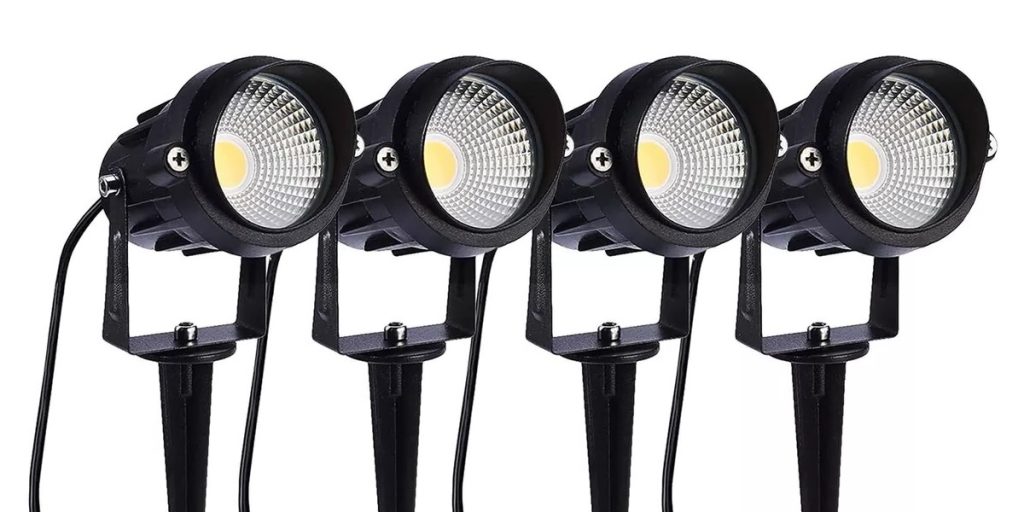
LED landscape lights function on similar principles as regular LED lights but come with extra features suited for outdoor environments. These lights consist of multiple small LEDs grouped together to create adequate brightness for lighting outdoor spaces like gardens, patios, or walkways.
When electricity is applied through wiring connected to an LED landscape light fixture, it courses through what’s known as a driver – essentially the heart of an LED fixture. The driver regulates power and sends it into another component called the chip set up inside each individual LED bulb within the fixture.
Within this chip (semiconductor diode), positive (holes) and negative (electrons) charges are pushed towards each other. When they meet at the junction, the energy is released in the form of a light photon. The color of light produced is determined by the specific materials used to create the LED chip.
Unlike traditional lighting systems, LED landscape lights don’t waste energy as heat. They emit very little infrared or ultraviolet radiation and produce more light per watt than incandescent bulbs. This makes them a safe and efficient solution for lighting outdoor spaces.
LED landscape lights are designed to withstand different weather conditions and have a wide span of beam angles to cover large areas. Moreover, with varying designs and sizes, they can be easily integrated into any landscape design aesthetic, providing both functional illumination and enhancing visual appeal.
The Longevity of Luminosity: The Lifespans of LED Landscape Lights
Average Lifespan of an LED Landscape Light
The longevity of LED landscape lights is one of their most compelling features, widely touted and praised. Unlike traditional bulbs that burn out in a relatively short period, LEDs are renowned for their outstanding lifespan. It’s not uncommon for an LED landscape light to shine brightly for up to 50,000 hours before showing any signs of dimming.
Cleverly designed to use energy efficiently, these beacons can provide illumination every night for several years without replacement. The precise duration will depend on usage patterns and environmental factors, but in general terms, one could envisage enjoying the comforting glow from a single LED installation for around 15 years when used approximately 8 hours per day.
Quality: The Luminary’s Lifeline
However, as with any product on the market, there’s considerable variability in quality among LED landscape lights. Some lights are crafted meticulously using premium materials and advanced technology to ensure longevity and reliability throughout their lifespan. In contrast, other products may skimp on quality to cut costs and hence might not offer the same endurance or luminous intensity throughout their lifetime.
High-quality LEDs are equipped with robust provisions against overheating – a crucial factor that significantly influences the lifespan of these lights – including superior heat sinks that dissipate thermal energy away from the light source effectively. Low-quality counterparts might lack this feature or implement it poorly, leading to faster degradation.
The Impact of Lighting Patterns: Usage Matters
The way you use your LED landscape lights can also affect their longevity substantially. Constantly running your LEDs day and night will obviously shorten their life compared to moderate usage during nighttime only. Similarly, frequently switched on-and-off LEDs may have slightly reduced lifespans due to stress on electronic components within the light’s driver.
However, this diminution in lifespan is much less pronounced than in traditional bulbs subjected to similar usage patterns. Thus, while keeping lights on continuously might seem like a strategy for maximizing their life, it could lead to increased energy costs without significantly prolonging the lifespan.
Environmental Exposures: Weathering the Storms
Environmental conditions play an understated yet significant role in determining an LED landscape light’s lifespan. LEDs installed outdoors are exposed to diverse climatic factors like intense sunlight, rain, snow, heat, and cold that can affect their performance and longevity.
For instance, high-quality LED landscape lights designed with proper weather sealing can withstand harsh weather conditions better than those without. Additionally, extreme temperatures can impact LED performance; excessive heat may accelerate degradation of components, while extremely low temperatures might affect intensity or color rendering until the unit warms up.
Therefore, when considering the question ‘Do LED landscape lights burn out?’, it becomes evident that numerous factors intertwine to determine longevity. While they are highly resistant to burnout compared with conventional bulbs, knowledge of these influencing elements allows users to optimize usage and maintain these luminous additions at their radiant best for as long as possible.
Do LED Landscape Lights Burn Out?
Exploring the Phenomenon of ‘Burning Out’
In the realm of lighting, the phrase ‘burning out’ denotes a condition where a light source ceases to illuminate. The quintessential incandescent light bulb, for instance, burns out when its filament – having been strained by the passage of electric current to produce light – reaches its brink and breaks. This sudden cessation is usually marked by an audible pop or, in some cases, a flash of light as the filament disintegrates.
The inevitable doom of incandescent bulbs is starkly contrasted by their LED (light-emitting diodes) counterparts. At their core, LEDs are composed of semiconductor materials that emit photons – particles of light – when an electric current is applied. Unlike traditional bulbs, they do not rely on filaments or any other such components prone to abrupt failure as a result of wear and tear.
The way LEDs produce light fundamentally alters their longevity profile, making them less likely to burn out in the traditional sense. Instead of burning out abruptly as incandescent bulbs do, LEDs typically experience what’s known as lumen depreciation – a gradual dimming over time.
A Comparative Look: Traditional Bulbs and LEDs
Comparatively speaking, traditional incandescent or halogen bulbs possess lifespans that are but mere fractions compared to those boasted by LED lights. Incandescent bulbs are notorious for their short life expectancy due partly to the fragility of their tungsten filaments, which evaporate and eventually rupture with continued use.
LEDs remarkably bypass this drawback by not only generating luminescence differently but also operating at much cooler temperatures than conventional lights, thereby minimizing thermal strain on their internal components, which prolongs life expectancy significantly.
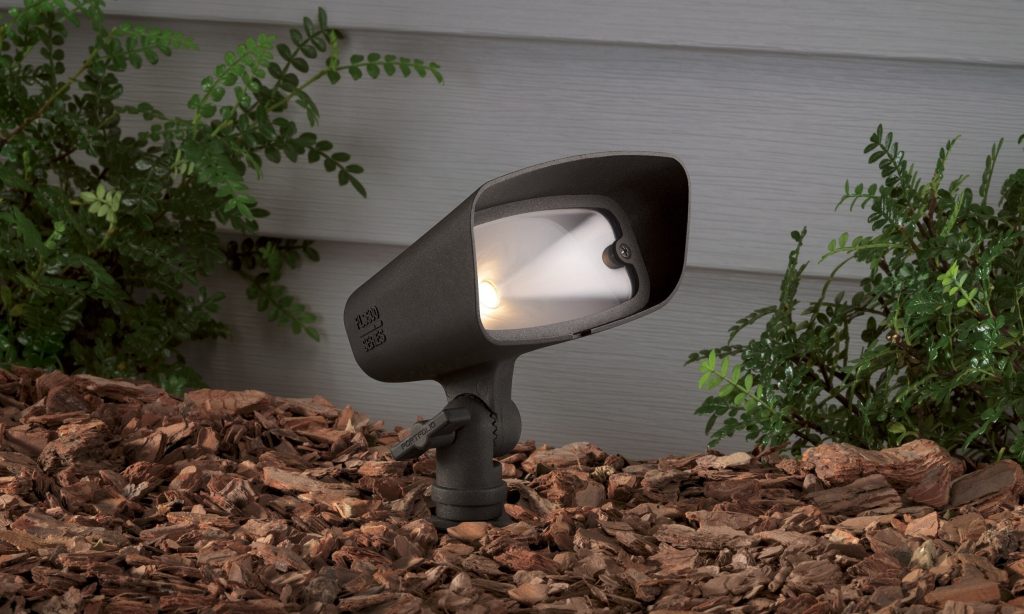
With regards to landscape lighting specifically, this gives LED options an upper hand because they are less likely to experience abrupt or premature failure. The landscape is a harsh environment for lighting systems, and the robust attributes of LEDs make them suitably adapted to withstand those conditions.
That said, it’s crucial to note that while LEDs are less likely to burn out than incandescent bulbs, they are not invincible. While the semiconductor diode within an LED can last for decades under optimal circumstances, other components of the light fixture or power supply may not be as enduring.
Although it is not in the nature of LED landscape lights to ‘burn out’ in the conventional sense like traditional bulbs do due to their design and operational mechanisms, there remains potential for them to degrade over time or fail prematurely due to factors beyond their inherent composition. However, with proper care and maintenance practices – subjects we will delve into later – you can significantly reduce these risks and enjoy a long lighting lifespan from your LED landscape lights.
The Flickering Flame: Common Reasons Why LED Landscape Lights Might Fail
Electrical Misadventures: Overheating, Voltage Problems, and more
LED landscape lights, though known for their durability and longevity, can sometimes be subject to failure due to various electrical issues. One of the primary electrical factors that can lead to the premature demise of these luminaires is overheating.
LED lights are designed to convert energy into light efficiently and hence produce less heat compared to traditional bulbs. However, if the heat generated is not properly dissipated – perhaps due to a lack of adequate ventilation or a faulty design – it can damage the internal components and cause the light to fail.
Voltage problems also pose a significant risk to LED landscape lights. LEDs are particularly sensitive to certain changes in voltage or current levels. For instance, voltage surges or spikes may lead to immediate burnout or gradual degradation over time due to stress on key components like diodes.
In addition, improper power supply specifications can also harm your LED landscape lights. An incompatible or faulty driver might deliver inconsistent current levels, causing flickering problems or even total failure of the system.
Issues with wiring and electrical connections can also contribute to your outdoor lighting fixtures failing prematurely. A loose connection, corroded wires, or poorly insulated splices could disrupt power delivery, ultimately leading to dysfunctional lighting.
Damaged by the Elements: The Impact of Environmental Factors
Environmental factors play an equally important role in determining the lifespan of your LED landscape lights. Weather conditions such as extreme cold or heat may adversely affect both the external housing and internal components of these outdoor lights. Rainfall too takes its toll on outdoor lighting fixtures. While most LEDs are designed with weather-resistant properties, continuous exposure to heavy rains might result in water seeping into fixtures, potentially leading to short-circuiting hazards.
Physical damage is another environmental factor that can lead to malfunction. Whether instigated by children’s play, errant landscaping equipment, or invasive wildlife, physical impacts can damage the LED bulbs or their housing, affecting their functionality. Additionally, soil conditions may also affect the lifespan of ground-installed LED landscape lights.
Extremely acidic or alkaline soil could potentially degrade the wiring and other components over time. Prolonged exposure to harsh sunlight could result in discoloration of the light fixtures and compromise the integrity of plastic parts, leading to cracked housings, which could subsequently expose internal components to environmental elements.
The Perils of Poor Quality Components and Improper Installation
Sometimes, despite being cautious about electrical factors and providing protection from environmental threats, LED landscape lights might still fail due to poor quality components and improper installation. Low-quality LEDs often come with poorly manufactured components that cannot withstand regular usage under varying conditions.
These might include substandard diodes that burn out quickly, fragile solder joints that break easily, or flimsy casings that provide inadequate protection from external elements. Similarly, using inappropriate accessories such as unsuitable connectors or low-grade cables can significantly shorten the lifespan of your lighting system. They might not provide stable power supply, causing flickering issues or complete product failure.
Improper installation is another critical factor contributing to the premature failure of LED landscape lights. Mistakes made during installation, such as burying fixtures too deeply in the ground where they get choked by dirt or installing them incorrectly, leading towards exposure to water ingress, can lead to the early demise of these illuminating wonders.
Moreover, failure to follow recommended electrical practices during installation, such as not securing connections properly or neglecting polarity considerations for DC current applications, might also lead to LED landscape light malfunction.
While LED landscape lights are known for their durability and long lifespan compared with traditional lighting options, they are not immune from failure under certain conditions. Ensuring proper handling and treatment can maximize their potential, delivering a beautifully lit landscape for many years to come.
Case Studies and Real-Life Examples
Remarkable Longevity: LEDs Outliving Their Expected Lifespan
In a remarkable instance, the city of Los Angeles undertook a massive project to replace traditional streetlights with LED lights in 2013. It was estimated that these new installations would have a lifespan of approximately 15 years. However, many of these LED lights continue to function optimally even today, clearly surpassing their initially projected life span.
Another compelling example is the Centennial Light, located in Livermore, California. This light bulb has been burning almost continuously since 1901, and despite not being an LED light, it serves as an exemplar of longevity. If such durability could be achieved over a century ago, one can only imagine the potential lifespan of modern LEDs that utilize advanced technology.
In fact, several homeowners have also reported instances where their outdoor LED landscape lights lasted for more than two decades with minimal maintenance. They have attributed this impressive performance to factors like careful installation and use during optimal weather conditions.
A noteworthy commercial success story involves a major retail chain that shifted to LED lighting for its stores nationwide in 2010. The switch was motivated by the energy efficiency and long lifespan associated with LEDs. A decade later, the company reported that most original installations were still functioning at peak performance levels.
There are numerous reports from cities globally that have replaced traditional traffic lights with LEDs, expecting them to last for around a decade but pleasantly finding them operational well beyond this span.
Early Expiration: Premature Failures of LED Landscape Lights
Despite numerous success stories outlining the impressive longevity of LED landscape lights, there are also instances where they’ve failed prematurely due to specific reasons. For instance, in certain residential setups where people replaced their conventional bulbs with LEDs without modifying the existing electrical infrastructure meant for traditional bulbs, this mismatch often resulted in premature burnouts.
In another case, a homeowner reported that his LED landscape lights started flickering and eventually failed after just a few months of installation. Upon investigation, it was discovered that the lights were subjected to excess voltage due to faulty wiring, resulting in their untimely demise.
There are cases where improper installation has led to premature failure of LEDs. A specific building complex had replaced all its lighting with LEDs; however, due to a lack of proper installation expertise and oversight during the setup phase, most of them failed within two years.
Moreover, several cases have been reported where harsh weather conditions like excessive heat or cold have significantly reduced the lifespan of outdoor LED lights. In such instances, despite LEDs generally being more resilient than traditional bulbs, extreme environmental conditions resulted in early burnout.
There is also a record of an instance where the LED lights installed along a city pathway malfunctioned within a year. The reason behind this failure was traced back to sub-standard manufacturing quality and poor heat management within the LED units, which led to their unexpected failure.
Caring for your LED Landscape Lights to Prevent Burnout
Ensuring Optimal Installation to Forestall Early Burnout
One of the key prerequisites of a long-lasting LED landscape light is its correct installation. This process begins with choosing the right product. Opt for high-quality lights that meet industry standards and offer durability, as these are less likely to malfunction prematurely.
The second important step in the installation process is positioning. LED landscape lights should be installed where they can efficiently illuminate your garden without being exposed to unnecessary stress. For instance, avoid places where water can accumulate around the fixtures or where they might be accidentally damaged by moving objects or people.
Thirdly, it’s vital to ensure they are wired correctly. Professional assistance may be necessary if you aren’t comfortable handling electricity, as any wiring mistakes can lead to premature burnout of your LED lights.
Maintenance Advice for Increased Longevity
The maintenance regime you follow can significantly influence how long your LED landscape lights last. Well-maintained LEDs quite often outlast their expected lifespan.
Regular Cleaning: dust, dirt, and other environmental debris can accumulate on your outdoor light fixtures over time. These particles could potentially block light output and cause the LEDs to overheat due to reduced heat dissipation. Therefore, regular cleaning of the fixtures using a soft cloth and non-abrasive cleaner is crucial in maintaining their longevity.

Checking Electrical Connections: Regular checks on electrical connections should also form part of your maintenance routine. Loose or corroded wires not only pose safety hazards but also hamper the functionality of your LEDs, causing them to flicker or burn out prematurely.
Protecting from Extreme Weather Conditions: Outdoor lighting fixtures are designed with weather-resistant features; however, harsh climatic conditions like extreme cold or heat could damage them over time. Protective measures such as shade covers during summers or temporary removal during heavy snowfall can prolong the life of your LED landscape lights.
The Importance of Care and Maintenance
LED landscape lights are renowned for their durability, energy efficiency, and longevity. However, like any other electrical product, they require proper installation and consistent maintenance to reach their full lifespan potential.
Taking care to position them correctly during installation can prevent unnecessary stress and damage. A regular routine involving cleaning, checking electrical connections, and protection from extreme weather conditions goes a long way in preventing premature burnout.
While LED lights are an excellent choice for outdoor illumination due to their numerous benefits, a degree of responsibility in handling them is necessary. With the right care and precautions, it’s rare for these lights to burn out before they’ve had a chance to truly shine.
Conclusion: Do LED Landscape Lights Burn Out?
The Resplendent Resilience: Unveiling the Durability and Efficiency of LEDs
Having traversed the intricate labyrinth of LED landscape lights, we come to an essential denouement: their remarkable resilience. The long-lasting nature of LEDs is not just a marketing assertion but a scientifically backed fact. Designed for endurance, these luminous marvels can serve you faithfully through thousands, even tens of thousands, of hours.
While the average incandescent bulb capitulates after approximately 1,000 hours, an LED light continues its radiant reign for over 25,000 hours. The secret behind this longevity extends beyond solid-state design; it’s knitted into their operational mechanics.
Unlike conventional bulbs that use a filament – prone to wear and tear – LEDs employ semiconductors to emit their radiant glow. This process mitigates most physical parameters that accelerate degradation in traditional bulbs.
Moreover, advances in heat management systems within LEDs have bolstered their lifespan further. By efficiently dissipating heat – a common harbinger of degradation – the light-emitting diodes can maintain optimal function over extended periods.
Another exceptional facet of LEDs lies in their gradual dimming with age – an attribute known as lumen depreciation – rather than abrupt failures witnessed in conventional lights. This ensures you’re not left stranded in dark abysses without warning or ample time for replacement.
Moreover, the environmental impact – or lack thereof – of LED landscape lights is commendable. By significantly reducing energy consumption and lasting longer than traditional lighting options, they shrink your carbon footprint considerably – an invaluable attribute in today’s ecologically conscious era.
To Burn or Not to Burn: Decoding the Rarity
As we dip our toes into the realm of burnouts among LED landscape lights – an occurrence rarer than spotting a blue moon – we must first clarify what ‘burning out’ entails in this context. Traditional bulbs, after a period of serving their lighting purpose, descend into oblivion in an explosive finale – a phenomenon conspicuously absent in LEDs.
The ‘burning out’ within an LED light refers to a gradual dimming until it can no longer serve its purpose effectively. This process is exceptionally slow, often stretching over decades, sometimes even exceeding the lifespan of the fixture they’re housed in, making them seem virtually immune to burnouts. The chances of premature failure or burnout are considerably low and generally confined to certain situations.
These include prolonged exposure to adverse weather conditions without adequate protection or substandard quality products with inferior materials and faulty designs. Even electrical issues such as unstable voltage could hasten lumen depreciation or cause erratic functioning.
However, with due diligence during purchasing and installation – opting for high-quality lights from reputable manufacturers and ensuring proper installation – you can significantly reduce these risks. Regular maintenance checks for any signs of overheating or electrical anomalies further improve your chances against premature burnout.
While it’s technically possible for LED landscape lights to ‘burn out,’ it’s an exceedingly rare occurrence tucked away behind years of reliable service. Their unparalleled durability coupled with their energy efficiency makes them not just feasible but a highly recommended choice for lighting your landscape.
You may also be interested in the following posts: