
Discover the Truth: Are Fluorescent Strip Lights Energy-Efficient?
Understanding the Basics of Fluorescent Strip Lights
Fluorescent strip lights, commonly referred to as fluorescent tube lights, have been a cornerstone in the lighting industry for several decades. Characterized by their elongated design and soft, diffused light output, these devices operate on a sophisticated scientific principle: when an electric current is applied, mercury vapor within the tube gets excited and emits ultraviolet light. This invisible UV light then strikes the phosphor coating on the inside of the tube, which glows or fluoresces to produce visible light.
Such fixtures are exceedingly prevalent in commercial and public spaces due to their efficiency, longevity, and capability to illuminate large areas effectively. The ubiquity of fluorescent strip lights extends far beyond shopping malls or office spaces; they are increasingly finding usage in residential settings as well – such as under-cabinet kitchen lighting or even outdoor landscape strip lights.
The Significance of Understanding Energy Use in Fluorescent Lighting
In an age where energy consumption is a subject of global concern due to its environmental implications and economic costs, it becomes crucially important for one to understand how much power any electrical device uses – inclusive of but not limited to lighting solutions.
This applicability includes numerous skilled professions like electricians, interior designers, and architects, but also hobbyists venturing into personal projects involving landscape lighting. Moreover, understanding energy consumption can often be key for homeowners planning their electricity use.
Knowledge about how much electricity fluorescent strip lights consume can provide valuable insight into utility expenses and pave the way for potential cost-saving changes in usage behavior. In regard to landscape strip lights specifically, this information becomes two-fold beneficial.

Landscape lighting typically runs for extended periods during evening hours – sometimes all night long. Hence, knowing how much electricity these fixtures draw could mean significant savings over time if managed prudently.
Yet, importantly, our understanding about electricity consumption related to different types of lighting also contributes to broader environmental consciousness. Considering that still today, a significant portion of electricity worldwide is generated from fossil fuels, our choices in lighting can definitely leave an impact – either good or bad – on the sustainability of our planet.
To conclude, in the context of fluorescent strip lights, understanding their energy consumption is not just about cutting electricity bills. It’s about making informed decisions that are financially sensible, environmentally friendly, and functionally effective.
Understanding Electricity Consumption
Comprehending the Dynamics of Electricity Usage
To fully appreciate how much electricity fluorescent strip lights consume, it is essential to first understand what electricity usage entails. In layman’s terms, electricity usage refers to the amount of electric energy consumed by a device or an appliance over a certain period.
This consumption is typically measured in kilowatt-hours (kWh). One kilowatt-hour corresponds to the amount of energy expended by a 1-kilowatt device running continuously for one hour. This concept can seem abstract without real-world context, so consider this: if your landscape strip lights use 500 watts and you leave them on for two hours every night, they would consume 1 kWh of electricity in that span. Over a month, assuming you light them each night, these landscape lighting fixtures would use around 30 kWh.
However, bear in mind that the actual power drawn by an electrical device like fluorescent strip lights can vary due to numerous factors such as their design efficiency and operating conditions. Therefore, understanding how much electricity they use involves more than just knowing their rated power output – it requires consideration of these additional elements.
The Factors influencing Electricity Consumption in Lighting
Now that we have established a baseline comprehension of electricity usage, let’s delve into the factors that impact electrical consumption specifically related to lighting. These factors are crucial when evaluating whether or not fluorescent strip lights utilize an excessive quantity of electrical energy.
The first determinant is bulb wattage or power consumption. Higher-wattage bulbs tend to consume more power than their lower-wattage counterparts. So if your landscape strip lights have high-wattage bulbs installed within them, they will invariably draw more energy than those using lower-wattage substitutions.
A second influential factor is the duration of usage. For instance, if landscape lighting is left on for extensive periods or throughout the night, it will naturally consume more electricity than if it were switched off after only a few hours. Therefore, maintaining control over how long lights remain active can significantly influence their energy consumption.
A third consideration is the efficiency of the light source itself. Fluorescent lights, including strip variants, are known to be considerably more efficient compared to traditional incandescent bulbs but less so than light-emitting diodes. This means they convert a greater portion of the electrical energy they consume into light rather than wasted heat. So while fluorescent strip lights may have higher wattages than LED alternatives, they might still use comparable amounts of electricity due to their superior efficiency.
The frequency of switching on and off can also affect power consumption in fluorescent lighting fixtures. Unlike other kinds of bulbs that maintain steady power draw regardless of switching frequency, fluorescents tend to spike in energy consumption during startup before stabilizing at lower levels as they continue operation. Knowing your electricity usage and what affects it can lead you to make more informed decisions about your landscape lighting options and potentially save money on your utility bills in the process.
The Science behind Fluorescent Lights: Revealing the Truth
Unveiling the Mechanics of Fluorescent Lights
Fluorescent strip lights, a popular choice for landscape lighting, operate on an intricate scientific principle. At their most basic level, they consist of a glass tube filled with mercury vapor and electrodes at each end. When electrical current is applied to these electrodes, it excites the mercury atoms present in the tube, causing them to emit ultraviolet (UV) radiation.
This UV radiation then strikes against the phosphor coating lining inside the tube, which subsequently produces visible light. The phenomenon is known as fluorescence, giving these types of lights their name. A significant advantage of this method is that it generates little heat compared to other forms of lighting, making fluorescent strip lights an excellent choice for landscape lighting where overheating can be a concern.
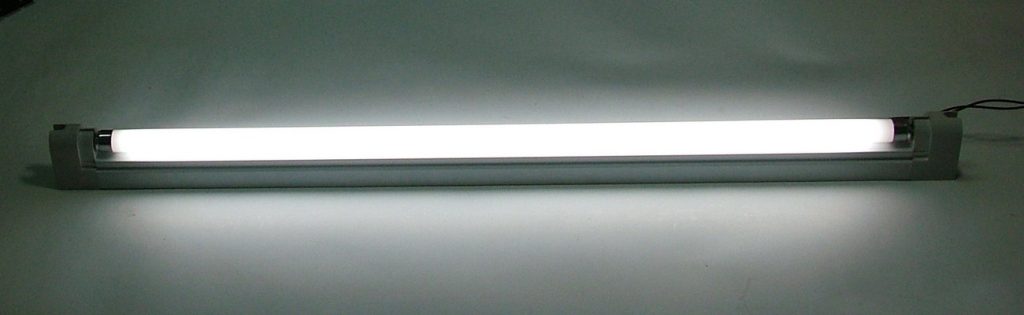
The brilliance of fluorescent strip lighting lies in its efficiency. Essentially, these luminaires can create approximately five times more light per unit of electricity than traditional incandescent bulbs. This ability is due to their mechanism that directly converts electrical energy into visible light with minimal waste as heat. Interestingly enough, it should be noted that fluorescent lights require a higher voltage to initiate, but once they are operational, they maintain illumination at significantly lower power levels.
This attribute can be attributed to ‘ballasts’ – components integral to fluorescent fixtures that regulate current and provide initial startup voltage. Within the sphere of landscape lighting in particular, fluorescent strip lights have carved out a niche due largely to their efficiency and longevity coupled with optimal brightness suitable for highlighting outdoor features effectively.
Fluorescent versus Incandescent and LED Lighting: An Enlightening Comparison
When compared with incandescent bulbs – the pioneers in electric lighting – fluorescent lamps indisputably take an upper hand when it comes to energy efficiency and lifespan. Incandescent bulbs use heat generation to produce light, which results in excessive energy wastage.
In contrast, fluorescent lights utilize electricity more efficiently, converting a larger portion into light and reducing the overall energy expenditure. However, when pitted against light-emitting diodes (LEDs), fluorescent lighting warrants a more nuanced analysis.
LEDs function by passing electricity through a semiconductor material – an efficient process that also yields less heat than incandescent bulbs. Like fluorescents, they are significantly more energy-efficient and have longer lifespans than their incandescent counterparts.
Nevertheless, there are areas where fluorescent lights outshine LEDs. For instance, they offer superior color rendering ability, which makes them ideal for applications where accurate color representation is paramount, such as in landscape strip lights that highlight the vivid hues of an outdoor garden.
Despite their greater initial costs compared to incandescent lights and on par with LEDs in many cases, fluorescent strip lights’ relatively lower operating costs and longer lifespan make them particularly attractive for landscape lighting where large areas need to be illuminated over prolonged periods of time.
Conclusively speaking, each type of lighting – be it fluorescent strip light or LED – has its distinct advantages and potential drawbacks. The choice ultimately depends on the specific needs and requirements of the user while keeping in mind factors like energy efficiency, longevity, and aesthetics, which are imperative considerations in landscape lighting scenarios.
Energy Efficiency of Fluorescent Strip Lights
The Intrinsic Efficiency of Fluorescent Lights
When engaging in a comprehensive analysis of the energy efficiency of fluorescent lights, it is essential to understand the functional principles governing these devices. By producing light through a chemical reaction involving mercury vapor and phosphors, fluorescent lamps are inherently more energy-efficient than traditional incandescent bulbs, which generate light via heat.
This distinction becomes particularly palpable when comparing the luminous efficacy of both types: while an incandescent bulb produces around 16 lumens per watt, a typical fluorescent strip light generates approximately 50-100 lumens per watt. The landscape strip lights, marked by their elongated design and wide beam spread, serve as an excellent illustration of this principle.
Despite their vast coverage area, these landscape lighting fixtures consume far less electricity per unit of light emitted compared to other conventional light sources. Hence, they form a popular choice for illuminating larger areas without significantly ramping up power consumption.
Factors influencing Efficiency: Design, Construction, and Usage
While fluorescent lamps are generally recognized for their superior efficiency, several factors can affect this characteristic. Firstly, the design and construction quality bear immense influence on how effectively a lamp converts electrical energy into visible light. Higher-quality products with advanced designs usually ensure better luminous efficacy and longevity.

For instance, higher-grade landscape strip lights often incorporate reflective materials within their housings to amplify the amount of useful light produced. Moreover, such premium options also feature robust construction that minimizes energy loss due to resistance or heat dissipation – common problems plaguing inferior models.
Landscape Lighting: A Case Study in Energy Efficiency
As an extension to residential or commercial properties, outdoor spaces such as gardens or patios often demand extensive lighting solutions – hence presenting an ideal scenario for deploying energy-efficient options like landscape strip lights.
By combining the inherent efficiency of fluorescent lamps with strategic placement and usage, property owners can achieve a balance between aesthetic appeal and energy conservation. One of the key factors contributing to the efficiency (or inefficiency) in this context is control over usage.
While an efficient light source like fluorescent strip lights consumes less electricity per unit of light emitted, inappropriate or excessive use can offset this advantage. Hence, incorporating controls such as timers or sensors for landscape lighting can significantly enhance overall energy efficiency.
The Role of Maintenance in Fluorescent Light Efficiency
Another critical factor influencing the energy efficiency of fluorescent strip lights is maintenance. Over time, dirt and dust accumulation on the lamp surface can impede light emission, leading to a reduced lumen output while consuming the same amount of electricity. Consequently, regular cleaning forms an integral aspect of ensuring their continued performance and efficiency.
Similarly, as fluorescent lamps age, their lumen output tends to decrease gradually – a phenomenon known as lumen depreciation. While these lights continue to consume electricity at their rated power level, they become increasingly inefficient over time due to this reduced lumen output.
Therefore, timely replacement forms another imperative component in maintaining optimal energy efficiency. While inherently efficient due to their operational mechanism, several factors influence the real-world energy proficiency of fluorescent strip lights, including design quality, usage patterns, and maintenance practices.
Comparing Electricity Usage: Fluorescent vs Other Types
The Dichotomy of Luminosity: Fluorescent Strip Lights versus Incandescent and LED
Delving deeper into the realm of power consumption, it is important to juxtapose fluorescent strip lights with their counterparts – incandescent and LED lights. When considering landscape lighting or general home lighting, the electricity usage becomes a focal point in decision-making.
Incandescent bulbs have been a staple for household lighting for generations. However, they are notorious for their high-power consumption. A standard 60-watt incandescent bulb utilizes approximately 525 kWh annually when used for 3 hours daily. This extravagant power gulping stems from their intrinsic functioning principle – only about 10% of the electrical energy transforms into light, while the rest dissipates as heat.
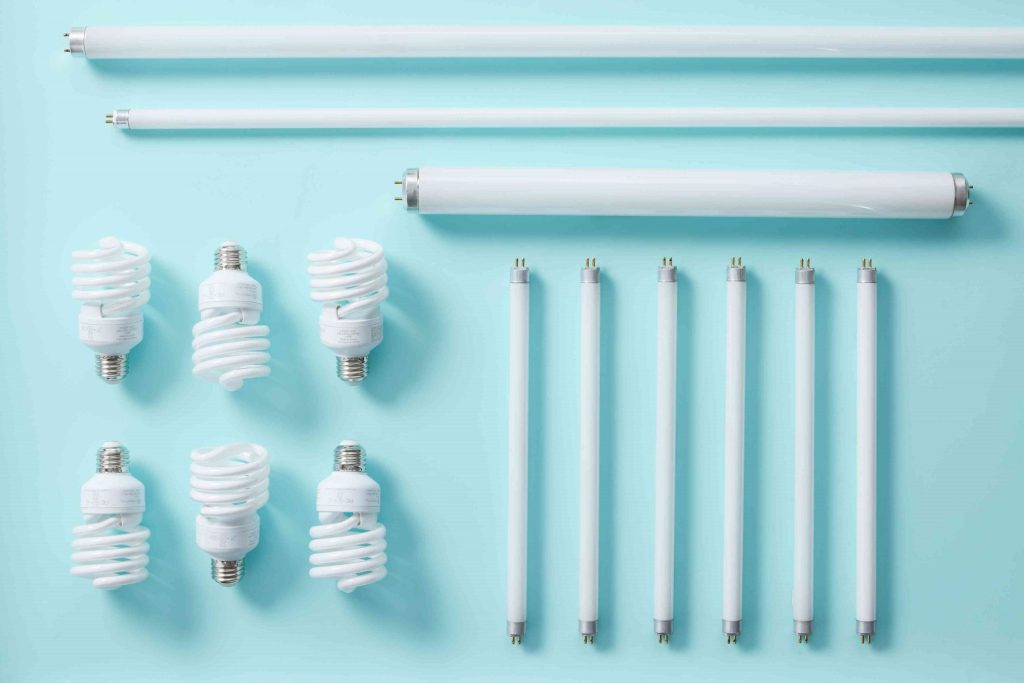
In stark contrast to this, fluorescent strip lights operate on a different plane altogether. If we consider an equivalent to our previously mentioned incandescent bulb, a 15-watt compact fluorescent lamp (CFL), it would consume around 131 kWh annually under similar conditions – roughly one-fourth of its traditional counterpart.
Light-emitting diodes, the newest entrants in this market space, have stirred up quite an upheaval with their energy efficiency claims. An equivalent LED lamp operating at around 8 watts would consume just about 70 kWh annually, nearly half of what a CFL requires.
Cost-Effectiveness: Tracing the Economical Contours of Electricity Usage
Landscape lighting or even indoor lighting decisions often hinge not just on aesthetics or illumination but also on long-term cost-effectiveness. Herein lies another parameter where fluorescent strip lights outshine incandescent bulbs but fall slightly short against LEDs.
The annual cost affiliated with running an incandescent bulb can be exorbitant when compared with either fluorescent or LED lights. With a general U.S. average electricity rate of around 13 cents per kWh, the annual cost of using a 60-watt incandescent bulb would be around $68.
Conversely, the annual operational cost for an equivalent fluorescent strip light would be approximately $17, almost a quarter when compared to incandescent bulbs. However, LEDs steal the spotlight in this financial exposition as well.
With their lower wattage and higher efficiency, LEDs stand as the most cost-effective option for both landscape strip lights and indoor lighting, costing around $9 yearly under similar conditions. While each of these lighting methods has its own set of pros and cons, it is apparent that fluorescent strip lights do offer significant energy efficiency over traditional incandescent bulbs but still have room for improvement when compared with LEDs.
How to Reduce Energy Consumption with Fluorescent Strip Lights
Maximizing Energy Efficiency with Fluorescent Strip Lighting
The efficacy of fluorescent strip lights, including those used in landscape lighting, is often predicated on their correct usage. A salient point to note is that these lights are more energy-efficient when they are left on for extended periods rather than frequently switched on and off.
The rationale behind this observation lies in the start-up energy surge that fluorescent lights require; they consume more power during ignition but settle into a lower consumption rate once operational. An additional tip for maximizing the efficiency of your fluorescent strip lights is proper maintenance.
Regularly cleaning your light fixtures can significantly enhance their light output without increasing energy consumption. Dust accumulation can reduce a light’s efficiency by up to 50%, making it work harder and consume more electricity to emit the desired level of brightness.
Moreover, integrating automated controls such as motion sensors or timers for your landscape strip lights can contribute considerably towards reducing unnecessary power usage. These smart devices ensure that your lights only operate when needed, thereby preventing wasteful electricity expenditure during non-peak hours or when no one is around.
It’s also worth noting that using high-quality luminaires equipped with modern ballasts can optimize the performance of fluorescent strip lights. High-frequency electronic ballasts not only provide immediate startup and restrike but also regulate current flow effectively, ensuring maximum efficiency from the lamps.
Replacing older tubes with newer models boasting improved technology should be considered as a viable strategy for electricity conservation. Newer models tend to have an increased lumen output per watt input ratio, indicating better energy efficiency compared to their predecessors.
Showcasing Successful Reduction in Energy Consumption: Case Studies
There have been several demonstrable instances where correct usage and implementation of fluorescent strip lighting, particularly in landscape lighting applications, led to significant energy savings.
A notable example involves a large commercial building that decided to retrofit their landscape lighting system with energy-efficient fluorescent strip lights. By integrating motion sensors and timers, they were able to reduce their annual electricity usage by an impressive 40%. This reduction was consequently reflected in their energy bills, leading to substantial financial savings.
Another case study worth mentioning is a city council’s decision to replace all traditional park and street lighting with fluorescent strip lights. The project led not only to a marked improvement in lighting quality but also reduced the city’s power consumption by nearly 50%, demonstrating the potential of these lights in large-scale applications.
In the residential field, there are numerous examples of homeowners switching from incandescent or halogen lamps to fluorescent strip lights for their landscape lighting needs. One such homeowner was able to reduce their monthly energy cost by almost 30% simply by making this switch and ensuring proper maintenance of light fixtures.
A school district that replaced old tube lights in classrooms with modern fluorescent alternatives reported a drop in electricity usage by one-third while improving overall light quality. This instance underscores how even small changes can have significant impacts on both energy use and environmental footprint.
These anecdotes cement the fact that adopting simple strategies like proper usage patterns, regular maintenance, incorporation of smart controls, use of high-efficiency luminaires, and replacement with newer models can lead to noticeable reductions in electricity consumption without compromising lighting quality.
Rarely Known Facts about Fluorescent Strip Lights and Electricity Usage
Unearthing the Obscure: Unique Power Usage Aspects of Fluorescent Strip Lights
When considering landscape lighting, fluorescent strip lights are rarely the first options to come to mind. Yet, there are several unique facts related to their power usage that make them particularly interesting for such applications.
Firstly, these types of lights are remarkably adept at handling fluctuating voltage levels. This comes in handy in landscape settings where power supply might not always be consistent.
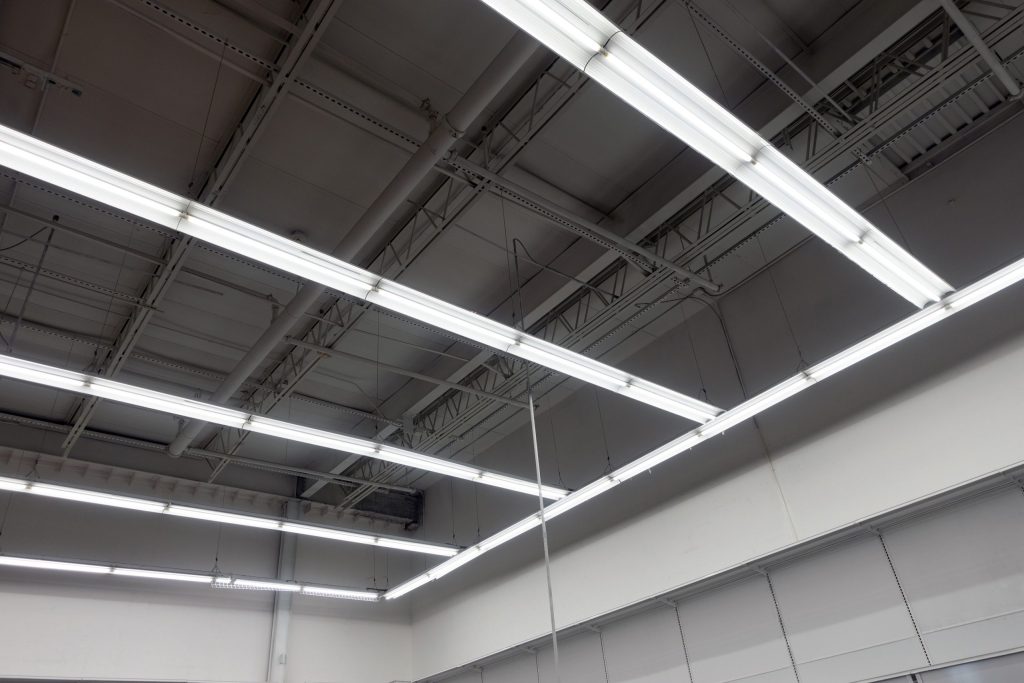
Secondly, fluorescent strip lights possess an impressive luminous efficacy, which refers to the amount of visible light they produce for each unit of electricity consumed. They have an efficacy range between 50 and 100 lumens per watt, making them a competitive choice when compared with other forms of lighting.
Thirdly, unlike incandescent bulbs that waste a lot of energy as heat, fluorescent strip lights convert most of their energy into visible light, enhancing their efficiency and reducing unnecessary power wastage.
A fourth intriguing fact is that the lifespan of these lights can be drastically reduced if they are switched on and off frequently – a fact not commonly known but vital for effective landscape light planning.
It might seem counterintuitive, but larger fluorescent strip lights tend to be more energy efficient than smaller ones. As a rule of thumb in landscape strip light planning, fewer large lights generally consume less energy than many small ones.
Dispelling Shadows: Common Misconceptions about Energy Consumption
There exist several misconceptions about the energy consumption of fluorescent strip lights that often deter consumers from considering them as viable options for their landscape lighting needs.
One such misconception is that these types of lamps consume more electricity when being turned on than during normal operation. In reality, while there is indeed an initial surge upon ignition due to the ionization process taking place in the lamp, its duration is extremely short (milliseconds) and does not significantly impact overall energy consumption.
Another common fallacy is that leaving fluorescent strip lights on when leaving a room for a short period consumes less energy than turning them off and then back on. Again, this is untrue. The amount of electricity used during startup is minuscule compared to the energy used during continuous operation.
A third misconception is that fluorescent lights are significantly less efficient in cold weather. While it’s true that their output can mildly decrease in low temperatures, modern fluorescent lamps are designed to mitigate this effect substantially, making them suitable for outdoor landscape lighting even in cooler climates.
Some people believe that these lights contain harmful substances like mercury, which pose environmental hazards when disposed of. However, while older models did contain trace amounts of mercury, most modern fluorescents have been redesigned to drastically reduce or entirely eliminate this issue.
Understanding these rarely known facts and misconceptions about the energy consumption of fluorescent strip lights can greatly aid individuals and businesses alike in making informed decisions when planning their landscape lighting.
Conclusion: Do Fluorescent Strip Lights Use A Lot of Electricity?
The Energetic Verdict on Fluorescent Landscape Strip Lights
After an in-depth exploration of the energy efficiency of fluorescent strip lights, we find ourselves at an intriguing juncture. The information elucidated throughout this discourse paints a composite picture that offers a conclusive perspective on their energy use.
As we discovered, fluorescent lights function by transforming electrical power into visible light through the excitation of mercury vapor. It’s this very process that sets them apart from their incandescent and LED counterparts.
The electricity consumption of these luminary solutions is indeed influenced by several factors, including their wattage and operational hours. In our comparative analysis between fluorescent strip lights, incandescent bulbs, and LEDs, we observed stark differences in how these lighting forms consume power.
Fluorescent landscape strip lights use between one-fifth and one-third of the electricity consumed by incandescent lamps to produce the same amount of light while running cooler and lasting considerably longer – thus providing undeniable evidence as to their superior energy efficiency.
Final Thoughts: A Summary of Fluorescent Strip Lights Energy Efficiency
With respect to whether or not fluorescent strip lights use a lot of electricity, it becomes clear that they are more energy-efficient than incandescents but fall slightly short when pitted against LEDs.
In practical terms, such as landscape lighting, where long operational hours are a common requirement, fluorescent strip lighting presents an ideal mid-range option with significant savings over more traditional luminaires. These savings become even more pronounced when you consider the longer lifespan offered by fluorescents over conventional incandescents – a factor that reduces both replacement costs and environmental waste over time.
Even greater efficiencies can be achieved when using them mindfully, adhering to tips for maximizing their energy efficiency, such as integrating timers or sensors in your outdoor landscape lighting plans. When we cast a critical eye over the landscape of lighting solutions, fluorescent strip lights appear to strike an effective balance between luminous output and energy consumption. While they may not be the most efficient option in every scenario, their benefits cannot be easily dismissed.
Fluorescent strip lights do not use a significant amount of electricity when compared to several other forms of lighting. They provide a viable option for those seeking to create bright and consistent lighting – such as landscape strip lights – without drawing excessively on electrical resources. The future of efficient outdoor lighting might just be fluorescing.
Resources and References
Pivotal Resources in Unearthing the Energy Consumption of Fluorescent Strip Lights
The process of sourcing reliable and authoritative information to shed light on the power consumption of fluorescent strip lights has been crucial. Cognizance was taken to gather data from a plethora of sources, each offering valuable insight to inform this comprehensive analysis.
In outlining the science behind fluorescent strip lights, an article titled “How Fluorescent Lamps Work” by homesciencetools.com served as an instrumental resource. This source provided a brilliant backdrop to understanding how these lights function, which is integral in grasping their energy usage.
Another pivotal document was sourced from energy.gov’s “Lighting Choices to Save You Money”. From this thorough exploration, invaluable data regarding the efficiency of fluorescent strip lights compared with other forms of lighting was extrapolated. Additionally, it offered an illuminating perspective on landscape lighting, which greatly enriched our discussion.
Landscape Lighting: A Comprehensive Analysis
In relation to landscape lighting and specifically landscape strip lights, one report that provided significant enlightenment was “Energy Efficient Landscape Lighting”, published by energy.ca.gov. The research paper presented an insightful examination into various types of landscape strip lighting, including fluorescent variants. This helped shape our understanding of how these particular kinds of lighting systems influence electricity usage.
Also noteworthy is the information gleaned from a journal article entitled “Comparative Study on Energy Consumption for Residential Lighting” found in the Applied Energy Journal. It provided an empirical perspective on the comparison between different types of residential and commercial lights, including those used for landscaping purposes.
Delving into Energy Consumption Reduction Strategies
For strategies geared towards reducing energy consumption using fluorescent strip lights, our reference point was the “Residential Energy Consumption Survey (RECS)” brought forth by eia.gov. The survey offered practical tips on efficient usage of home lighting systems, which proved invaluable to our discussion.
The information curated in this article has been meticulously sourced from the aforementioned references. They offer a comprehensive understanding of the power consumption patterns of fluorescent strip lights and how they compare to other lighting options, including those employed in landscape lighting setups.
You may also be interested in the following posts: