
In our modern lives, we frequently spend significant amounts of time indoors, often disconnected from the natural world. Nonetheless, there is a growing trend that seeks to correct this by incorporating the benefits of natural light into our built environments. Daylighting is the intentional use of natural light to illuminate spaces, reducing reliance on artificial lighting and improving occupant wellness. This post will delve into the concept of daylight, its numerous benefits, and how it can be seamlessly integrated into a variety of settings.
Daylighting Definition. What is Daylighting
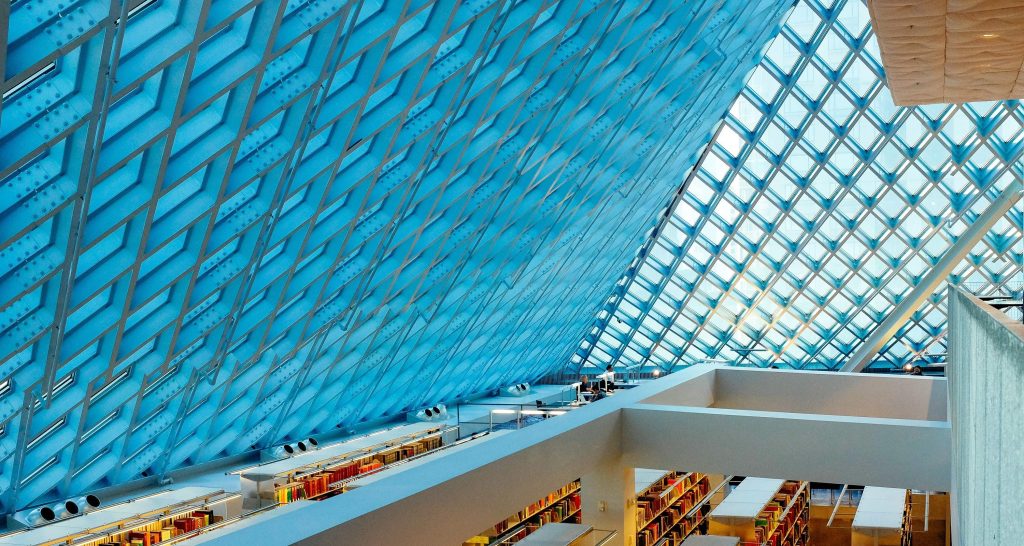
Daylighting is an architectural and design strategy that harnesses natural sunlight to illuminate indoor spaces, reducing the reliance on artificial lighting. It involves the thoughtful placement of windows, skylights, and other transparent elements to maximize the ingress of daylight, optimizing energy efficiency and promoting a healthier and more visually appealing environment. Daylighting enhances the overall well-being of occupants, improves productivity, and contributes to sustainable building practices by minimizing electricity consumption.
Daylighting Advantages and Disadvantages
The concept of daylighting has gained significant traction in today’s world, where our lives revolve around artificial lighting and indoor settings. Daylighting provides numerous benefits to individuals and the environment by strategically utilizing natural light. However, as with any design approach, there are benefits and drawbacks to consider.
Daylighting Advantages
Health and Well-being: Natural light has a positive impact on our physical and mental well-being. Daylighting helps regulate our circadian rhythm, enhances mood, and boosts productivity, creating healthier indoor environments.
Energetic Efficiency: Harnessing natural light daylighting reduces the need for artificial lighting during daylight hours, resulting in significant energy savings. Natural lighting translates into reduced electricity consumption and lower utility bills.
Cost Savings: As energy consumption decreases, so does the associated cost. Daylighting contributes to long-term cost savings by minimizing reliance on artificial lighting and lowering maintenance expenses.
Sustainability: Daylighting contributes to sustainable building practices by lowering the carbon footprint and reliance on nonrenewable energy sources. Natural lighting promotes environmental conservation and a greener future through the optimal use of natural light.
Visual Comfort and Aesthetics: Natural light enhances the visual appeal of interior and exterior spaces, providing a more pleasant and comfortable atmosphere. Daylighting highlights architectural features, textures, and colors, creating an inviting and vibrant environment.
Daylighting Disadvantages
Inconsistent Light Levels: Daylight availability varies throughout the day and with weather conditions, seasons, and geographical locations. This can result in inconsistent lighting levels, requiring supplementary artificial lighting to maintain adequate illumination.
Glare and Overheating: Excessive daylight can cause glare, making it difficult to complete some tasks. Direct sunlight can also cause overheating and an increase in indoor temperatures, necessitating the use of shading devices or temperature control systems.
Privacy Concerns: Large windows and transparent materials used in daylighting designs may compromise privacy, especially in urban or densely populated areas. Appropriate window coverings or privacy features should be considered.
Complex Design Considerations: Effective daylighting design necessitates careful attention to building orientation, window size and placement, glazing materials, and control systems. Architects and designers have to find a balance between capturing natural light and addressing potential drawbacks.
Design and Construction Costs: Implementing daylighting strategies may require a significant upfront investment. Additional window installations, light shelves, and light redirection devices can all raise construction costs.
Types of Daylighting
The strategic use of natural light to illuminate indoor spaces, known as daylighting, is a sustainable and visually appealing approach in modern architecture. This post will look at two types of daylighting: passive daylighting and active daylighting, and how they can help create energy-efficient and inviting environments.
Passive Daylighting
Passive daylighting relies on design strategies that maximize the use of natural light without the need for mechanical or electrical systems. This approach takes advantage of building orientation, window placement, and architectural elements to optimize daylight impact.
Atrium
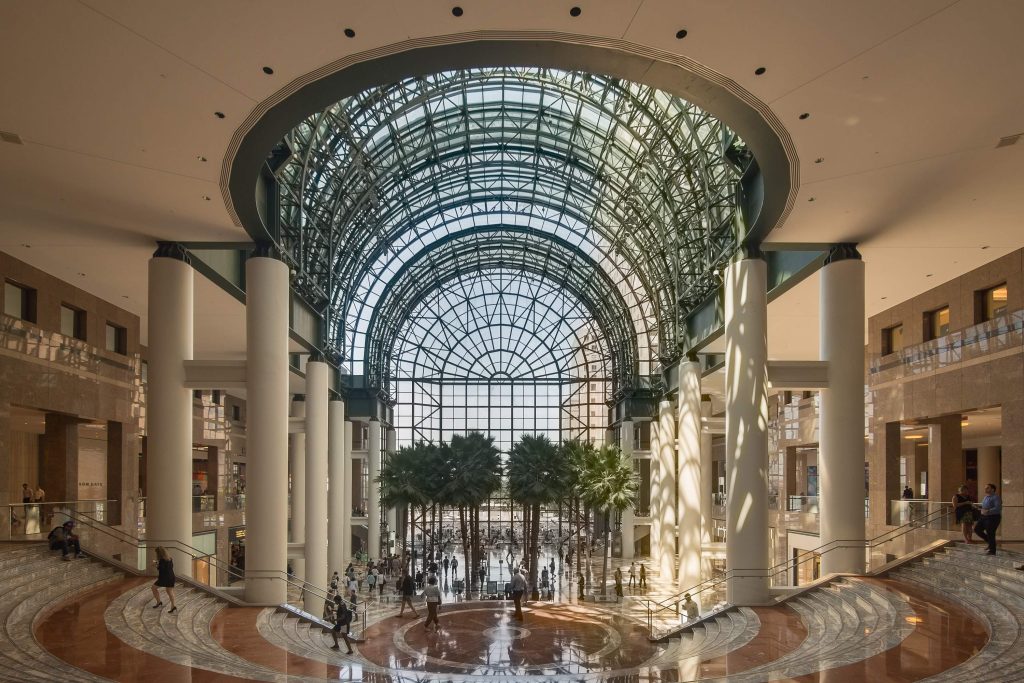
An atrium is a spacious, open area within a building, typically utilized to illuminate a central circulation or public space by harnessing daylight through a glass roof or wall. While atria offer a measure of natural light to neighboring workspaces, the extent of illumination is often limited and does not reach deeply. The primary purpose of an atrium is to provide occupants in working areas with a visual connection and a sense of interaction with the outside environment. Daylighting multiple levels of rooms adjacent to an atrium necessitates an integrated and interdependent approach, considering the balance between them.
Clerestory Windows
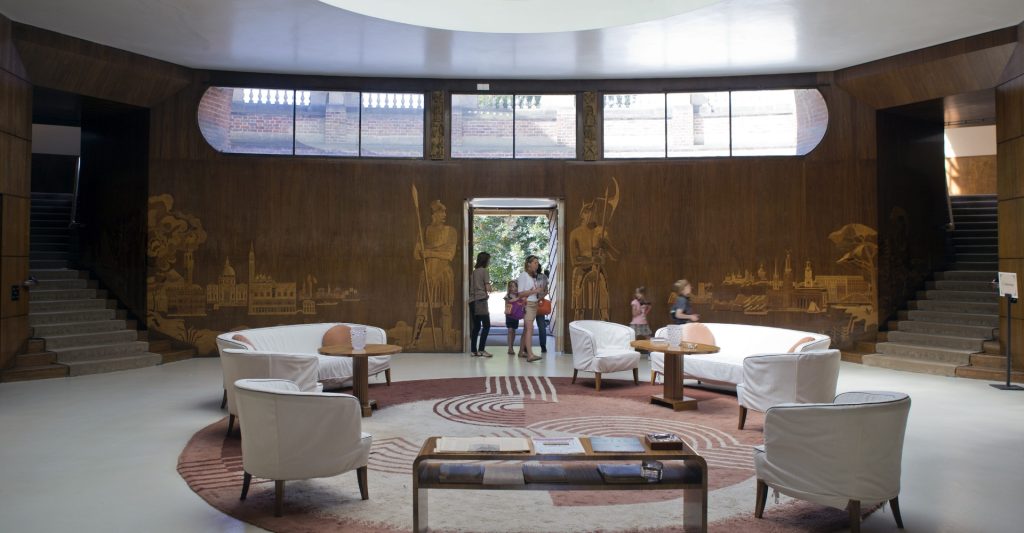
Clerestory windows play a crucial role in facilitating daylighting strategies. When placed high on vertical walls, these windows can capture direct solar light when properly oriented toward the equator. However, when facing the sun directly, clerestory windows and other similar openings may permit excessive glare. To overcome this issue, interior wall surfaces adjacent to clerestory windows are frequently painted in light or white hues. This arrangement enables the reflection of indirect light into interior spaces where it is required, offering the advantage of softening and diffusing the light, thus minimizing the presence of harsh shadows.
Laylights

A laylight is an architectural component consisting of a glazed panel seamlessly integrated into the ceiling to allow natural or artificial light to enter. Stained glass or lenses are frequently used in the glazing of these panels, but other materials can also be used. A laylight’s primary function is to illuminate the space below, adding visual interest and improving the overall aesthetic appeal of the architectural environment.
Light Tubes
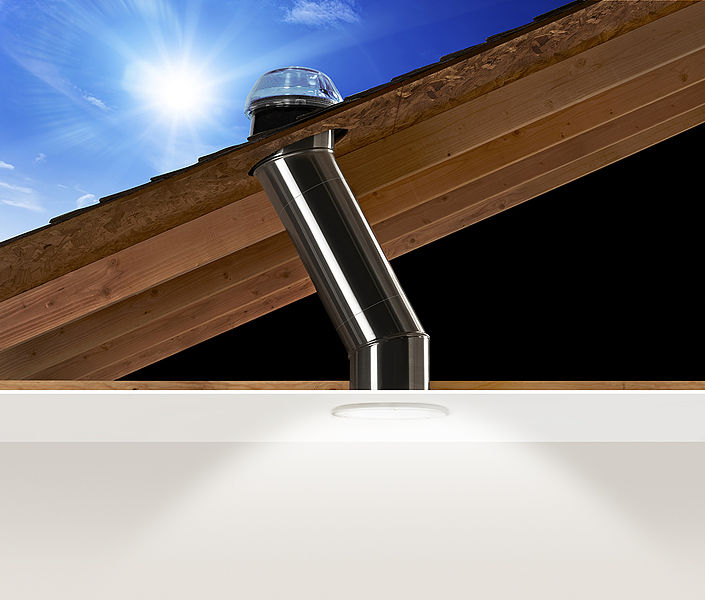
Another type of lighting equipment commonly used is the light tube or tubular daylighting device (TDD). This device is installed into the roof, allowing light to flow into a specific section of the interior. Light tubes bear some resemblance to recessed ceiling light fixtures. Unlike skylights, light tubes minimize heat transfer due to their smaller surface area, ensuring a more controlled and efficient illumination solution.
Mirrors
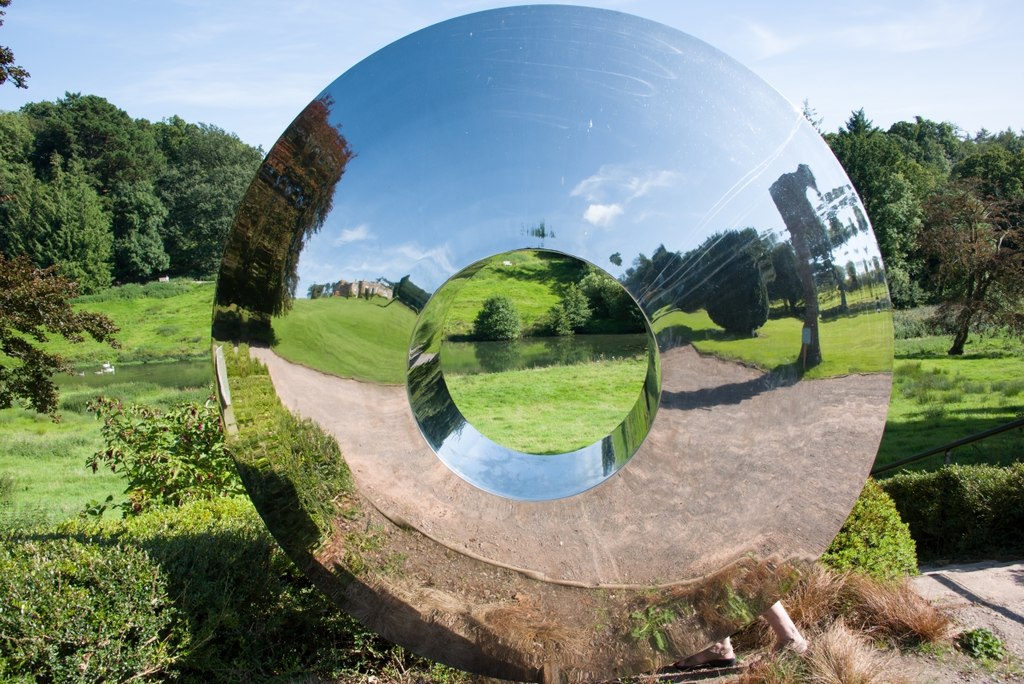
Mirrors play a significant role in maximizing natural light and enhancing daylighting strategies. They can increase lighting, improve visual comfort, create an illusion of space, and add aesthetic appeal to interior spaces. By incorporating mirrors strategically, designers can optimize the distribution of natural light, reduce the reliance on artificial lighting, and create visually stunning environments. The careful placement of mirrors in combination with windows, light shelves, clerestory windows, and corridors allows for the effective utilization of sunlight and the creation of inviting, sustainable, and visually captivating spaces.
Prisms
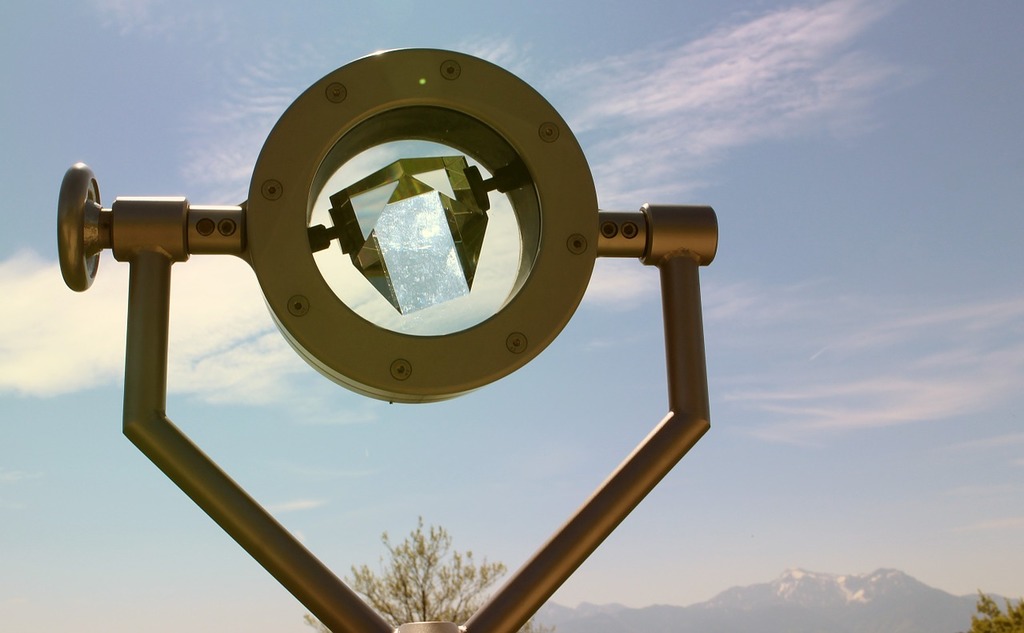
Prisms offer an innovative and effective solution for maximizing natural light in indoor spaces. By redirecting sunlight, optimizing daylight diffusion, reducing glare, and enhancing energy efficiency, prisms play a crucial role in natural lighting strategies. Incorporating prisms into roof systems, light shelves, windows, light tubes, and decorative elements allows designers to create incredible environments while promoting a sustainable and well-lit space.
Translucent Walls

Translucent walls are an excellent addition to daylighting strategies, offering numerous benefits for energy efficiency, visual comfort, and aesthetic appeal. By diffusing natural light, providing privacy, and optimizing the use of daylight, translucent walls create outstanding environments while reducing the reliance on artificial lighting. Incorporating semitransparent walls as interior partitions, exterior facades, skylights, roof structures, or interior design elements allows designers to maximize natural light flow and create well-lit spaces that enhance the overall well-being of inhabitants.
Reflectors and Shelves

Reflectors and shelves are helpful devices in optimizing natural light and enhancing daylighting strategies. By efficiently redirecting and distributing sunlight, these elements create visually attractive and energy-efficient environments. Incorporating light shelves, mirrored reflectors, tubular reflectors, reflective ceiling elements, and light-redirecting screens or panels allows designers to maximize the benefits of natural light.
Sawtooth Roof

A viable alternative to roof-angled glass is the implementation of a sawtooth roof, often observed in older factory buildings. Sawtooth roofs are designed with vertical roof glass that faces away from the equator side of the construction, enabling the capture of diffused light instead of intense direct solar light. The angled section of the glass-support structure is opaque and well-insulated, incorporating a cool roof and radiant barrier. While the lighting concept of a sawtooth roof partially mitigates the issue of excessive solar heat during the summer, it still permits warm interior air to rise and make contact with the exterior roof glass in colder winters, resulting in undesired heat transfer.
Skylights
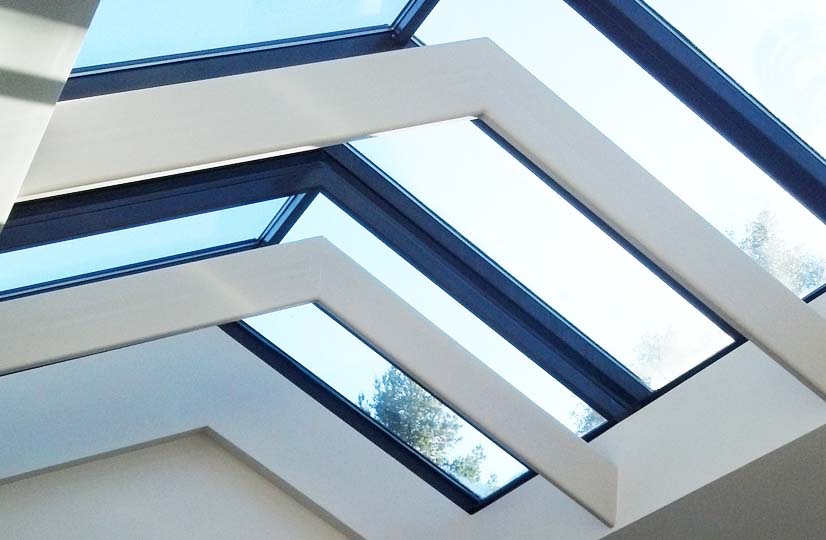
Skylights are architectural elements that allow natural light to enter a structure through roof openings. Along with windows and doors, these light-transmitting fenestration elements are essential components of the building envelope. Skylights are widely used in both residential and commercial daylighting design because of their exceptional ability to provide abundant daylight per unit area. They are an extremely effective source of natural lighting, improving the visual appeal and overall ambiance.
Solariums

Solariums are exceptional spaces for harnessing the beauty and benefits of natural light. With their expansive glazing, solariums create bright, inviting environments that seamlessly connect the indoors with the outdoors. The abundance of natural light promotes visual comfort, well-being, and energy efficiency. By carefully considering orientation, glazing, shading systems, and interior design elements, architects and designers can fully optimize daylighting in solariums.
Windows

Windows are the tried and true method for inviting daylight into a space. Since they stand upright, they let in sunlight and diffuse daylight at various times throughout the day and year. That’s why it’s often necessary to combine windows facing different orientations to achieve the perfect blend of light based on climate and latitude. Aside from lighting the interior, windows play an additional role in daylighting by offering delightful views of the outside world. They provide natural light to our spaces and connect us to the beauty of our surroundings.
Active Daylighting
Active daylighting refers to a method of harnessing sunlight through the use of mechanical devices, aiming to optimize the efficiency of light collection for specific lighting objectives. In contrast to passive daylighting systems that remain fixed and stationary, active daylighting systems actively follow and track the sun’s movement. This dynamic approach allows for enhanced light capture and adaptability, ensuring optimal utilization of natural light for various lighting purposes. By actively engaging with the sun’s trajectory, active daylighting systems maximize the benefits of sunlight in a controlled and efficient manner.
Heliostats

Heliostats are a remarkable technology that revolutionizes daylighting strategies. By effectively redirecting and optimizing sunlight, heliostats enhance the utilization of natural light, promote energy efficiency, and create visually stunning environments. Through their flexibility, adaptability, and ability to optimize daylight distribution, heliostats contribute significantly to the residents’ well-being, productivity, and sustainability.
Hybrid Solar Lighting

Hybrid solar lighting presents a fresh alternative to traditional skylights by incorporating a roof-mounted light collector, a large-diameter optical fiber, and modified energy-efficient fluorescent lighting fixtures. These fixtures have transparent rods linked to optical fiber cables. The innovative design allows for the utilization of natural sunlight as the primary source of interior lighting during the daytime, significantly reducing the reliance on electricity. Hybrid solar lighting eliminates the need for electric daytime lighting, promoting energy conservation and sustainability.
Smart Glass
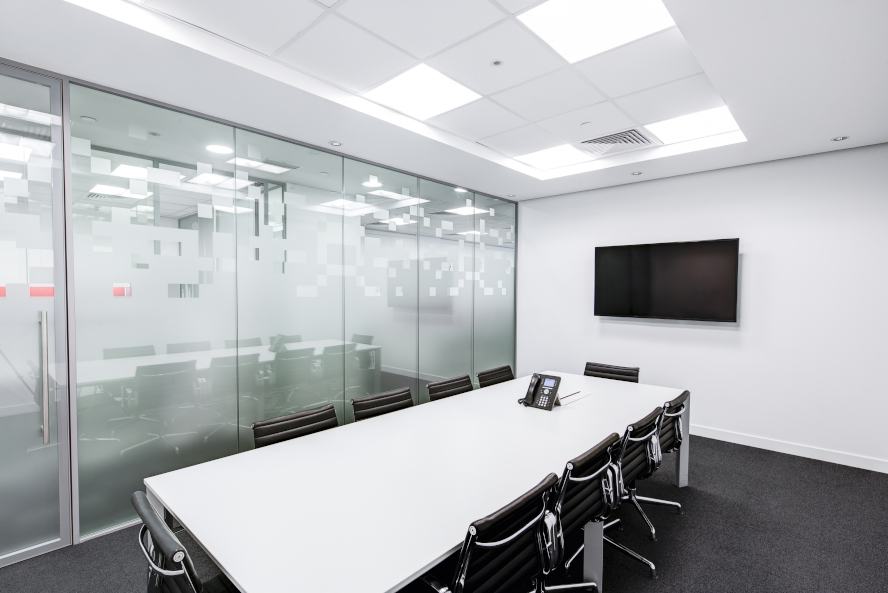
Smart glass refers to a class of materials and devices capable of switching between a transparent and an opaque, translucent, reflective, or retro-reflective state. This transformation is achieved by applying an electrical voltage to the material or through straightforward mechanical manipulation. Windows, skylights, and similar applications constructed with smart glass offer the unique ability to optimize indoor lighting, effectively compensating for fluctuations in outdoor brightness and accommodating the desired level of interior illumination.
Solar Street Lights

Solar street lights are self-contained lighting systems that rely on raised light sources powered by photovoltaic panels typically mounted on the lighting structure. These off-grid systems are equipped with a solar array that charges a rechargeable battery during the day. The stored energy in the battery is then utilized to power a fluorescent or LED lamp during nighttime. Despite having a higher initial cost than conventional street lighting, solar street lights provide several benefits, including savings on trenching, landscaping, and maintenance costs, as well as lower electric bills. These systems are designed with ample battery capacity to ensure operation for at least a week, and even under unfavorable conditions, they only experience a slight decrease in brightness. By harnessing renewable solar energy, solar street lights provide a sustainable and cost-effective solution for illuminating streets and public areas while minimizing reliance on the power grid.
Closed Loop Solar Tracking Systems
Closed loop systems employ a set of lenses or sensors with a restricted field of view to accurately track the sun’s movement. These systems remain constantly illuminated by sunlight as they direct their lenses or sensors toward the sun. When the sun shifts its position, causing the shade to fall on one or more sensors, the system detects this change immediately. It then activates motors or actuators to reposition the device, ensuring that all sensors are once again evenly exposed to sunlight. This continuous monitoring and adjustment mechanism guarantees optimal solar tracking and maximizes efficiency in capturing sunlight throughout the day.
Open Loop Solar Tracking Systems
Open loop systems utilize a different approach to track the sun, as they do not physically follow its movements. The electronic logic controls motors or actuators in accordance with a mathematical formula. Typically, this formula is from a pre-programmed sun path chart, which provides detailed information about the sun’s position at specific latitudes, dates, and times. By utilizing this mathematical model, open loop systems accurately determine the sun’s expected location, enabling the system to adjust device positioning accordingly. This method ensures efficient solar tracking and alignment with the sun’s trajectory without requiring physical real-time tracking of its movement.
Daylighting Metrics and Analyses

Evaluating the quality and efficiency of natural light in architectural spaces relies on essential daylighting metrics. Taking into account metrics such as the daylight factor, spatial daylight autonomy, annual sunlight exposure, useful daylight illuminance, glare index, daylight availability, and daylight uniformity, designers can optimize their daylighting strategies. These metrics offer valuable insights into the performance of daylighting designs, enabling architects and designers to enhance visual comfort, promote energy efficiency, and create sustainable, well-lit environments. By leveraging these metrics, professionals can make informed decisions to maximize the benefits of natural light in their architectural projects.
Conclusions
As we move toward a more sustainable future, daylighting will continue to play an important role in building design. Because of its ability to reduce energy consumption, improve indoor environments, and create visually stunning spaces, it is a critical component of architectural innovation.
We can create spaces that are not only functional and visually appealing but also promote the health, happiness, and productivity of residents by incorporating natural lighting strategies into our designs. The art of daylighting enables us to fully utilize natural light, unlocking its transformative qualities and enabling a smooth integration of the built environment with the natural world.

In conclusion, daylighting is a powerful tool in architectural design, revolutionizing the way we illuminate and experience indoor and outdoor spaces. By embracing natural light, we can create environments that prioritize resident well-being, energy efficiency, and sustainability. Integration of daylighting techniques and technologies empowers architects and designers to maximize the benefits of natural light, resulting in improved visual comfort, enhanced productivity, and a deeper connection with the natural world.
FAQs (Frequently Asked Questions) about Daylighting
Q1.What is Daylighting in Architecture?
Daylighting in architecture refers to the strategic and intentional use of natural light to illuminate indoor spaces. It involves the careful consideration of building design, orientation, and the integration of elements such as windows, skylights, and reflective surfaces to maximize the benefits of sunlight. Daylighting enhances the quality of indoor environments by providing ample natural light, reducing the reliance on artificial lighting, and promoting energy efficiency.
Q2.What is Daylighting in Road Maintenance?
Daylighting in road maintenance refers to clearing vegetation or structures near roadways to improve visibility and safety for drivers. It involves removing obstacles that obstruct natural light from reaching the road surface, such as overhanging branches, bushes, or signage. Removal of obstructions allows natural light to illuminate the road, reducing the reliance on artificial lighting during daylight hours and contributing to energy conservation. Daylighting in road maintenance prevents accidents, increases driver awareness, and creates a visually clear and safe driving experience.
Q3.Can daylighting improve indoor air quality?
While daylighting does not directly impact indoor air quality, it contributes to healthier environments by reducing reliance on artificial lighting, which often emits heat and pollutants. However, proper ventilation and air filtration systems are essential for maintaining good indoor air quality.
Q4.How does daylighting affect energy consumption?
Daylighting reduces energy consumption significantly by eliminating the need for artificial lighting during daylight hours. This diminishes electricity consumption, resulting in cost savings and a lower environmental impact.
Q5.Does daylighting design consider climate and location?
Yes, daylighting design should always consider the local climate and building location. The angle of the sun, the presence of shading elements, and the intensity of natural light can vary depending on geographical factors. Designers must adapt their strategies to optimize daylighting based on the specific climate and location.
Q6.Can daylighting improve the well-being of building occupants?
Absolutely! Exposure to natural light has a positive impact on occupants’ well-being. Daylighting has been shown to improve mood, increase productivity, and enhance cognitive function. It creates a more pleasant and comfortable environment, positively influencing the overall health and happiness of individuals.
Q7.What are the key considerations for daylighting in residential buildings?
The use of shading devices, the selection of appropriate glazing materials, and the incorporation of interior design elements that maximize natural light distribution while maintaining privacy are essential considerations for daylighting in residential buildings.
Q8.Are there any specific building types that can benefit from daylighting?
Building regulations related to daylighting vary by location. However, many building codes include requirements or guidelines for minimum daylighting levels, window sizes, and glazing performance to ensure occupants have access to adequate natural light.
Q9.Is daylighting suitable for all climates?
Yes, daylighting strategies can be applied in all climates. However, the specific design approach may vary depending on the local climate conditions. Proper insulation, solar control measures, and climate-responsive design can ensure effective daylighting in various climates.