
Unplugged Lighting: Options for Plug-Free LED Strip Lights
A Journey into the Realm of LED Strip Lights
The world of lighting has experienced a substantial revolution in recent decades with the advent of light-emitting diode technology. One intriguing implementation of this technology that has seized the spotlight is LED strip lights.
These are flexible circuit boards populated by surface-mounted light-emitting diodes and other components that usually come with an adhesive backing. Traditionally used in accent lighting, backlighting, task lighting, and decorative lighting applications, they have now been adapted for more diverse uses.
LED strip lights are beautifully versatile. They can be cut to specific lengths using just a pair of scissors along the cutlines, located every 1-2 inches. Individual LEDs are mounted along the strip, typically at densities ranging from 18 to 36 LEDs per foot (60 to 120 per meter). The captivating charm these lights add to any environment extends their application beyond interiors into outdoor settings as landscape lighting.
The Unseen Significance: Uses and Importance of LED Strip Lights
The versatility and adaptability of LED strip lights make them an essential component in various lighting applications. From setting ambient mood lighting in homes to illuminating billboards and advertisement hoardings, their use is widespread. These strips can contribute significantly to energy conservation because, unlike incandescent or fluorescent lights, most LED strips do not waste energy as heat.
In landscape design, LED strip lights have modernized outdoor lighting techniques – evolving way past primary uses like path or poolside lighting to innovative applications such as under-lighting for planters or trees, creating unique aesthetic experiences known as landscape strip lights. Utilizing them ensures negligible heat production, preserving plant health while also being an eco-friendly choice due to lower power consumption.
Dispelling Shadows: Common Misconceptions about LED Strip Lights
With advancing technology comes confusion and misconceptions, and LED strip lights are no exception. One prevalent misunderstanding is that all LED strips are the same. However, this is far from the truth. Variations exist in brightness, color accuracy, voltage, chip type, and size, affecting their performance drastically.
Another common misconception revolves around the power supply for these LED strips. Many people believe that they can only be plugged into an electrical outlet. This belief limits the potential uses of LED strip lights, as it ties them down to locations with available power sockets.
The reality is more versatile: while plug-in options indeed exist and are popular, alternatives like battery-powered and solar-powered versions have arisen to provide solutions for lighting needs in areas where traditional power supply may not be readily available.
There’s a general belief that LEDs last forever because they have a longer lifespan compared to conventional lighting sources. While LEDs indeed boast impressive longevity, they do degrade over time – “forever” unfortunately remains a significant overstatement.
Peeling Back the Layers: Understanding the Basics of LED Strip Lights
Defining LED Strip Lights: More Than Just a Lighting Accessory
LED strip lights, sometimes referred to as LED tape or ribbon lights, are flexible circuit boards arrayed with light-emitting diodes at regular intervals. They are named so due to their physical attributes, appearing like a long strip with tiny, dazzling lights embedded on it.
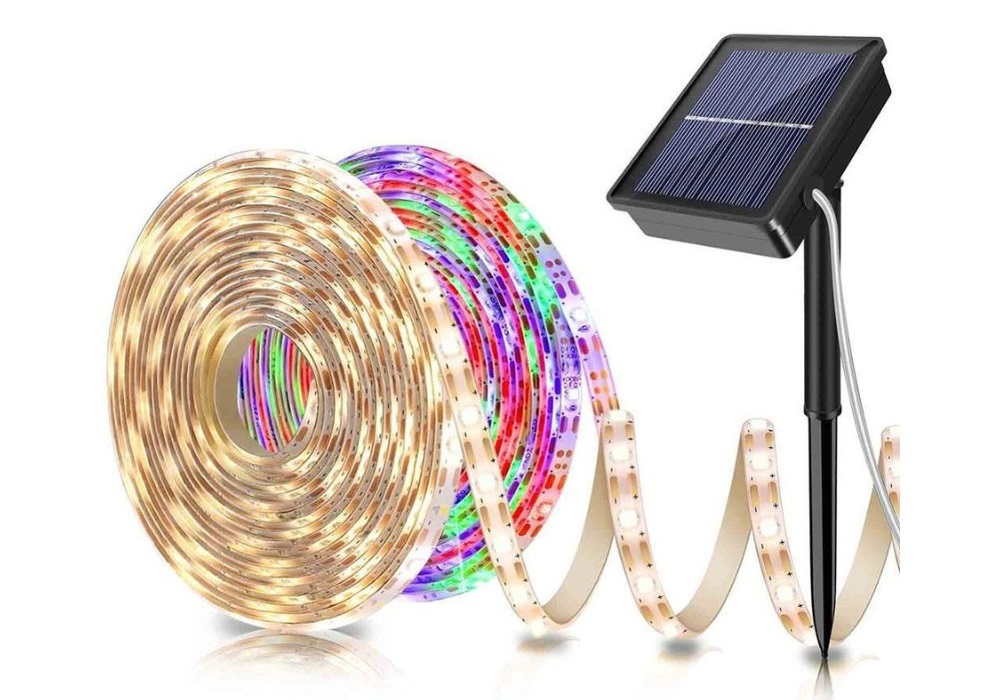
These versatile and innovative pieces of technology deliver consistent illumination and can be used across a multitude of applications, such as decorative lighting for homes, businesses, and landscape lighting. The beauty of LED strip lights lies not only in their aesthetic appeal but also in their functional versatility.
Owing to their flexible nature and self-adhesive backings, these lights can be affixed almost anywhere, from kitchen countertops to garden pathways, augmenting the visual appeal while providing functional light. Therefore, when used as landscape strip lights, they invigorate outdoor spaces with radiant energy.
The Science behind LEDs: Lighting Technology
To comprehend how LED strip lights work, it’s crucial to first understand how LEDs operate. An LED is essentially a semiconductor device that emits light when an electric current is applied. Unlike traditional incandescent bulbs that produce light by heating a filament, which glows brightly due to thermal radiation, LEDs create light through electroluminescence – a phenomenon where certain materials emit light when electricity passes through them.
In an LED structure, electrons move in one direction across a junction between two layers of semiconductive material called n-type and p-type semiconductors. When energized by an electric current flowing from the n-type layer (with extra electrons) toward the p-type layer (where there is an absence of electrons), visible photons are emitted, resulting in illumination.
Categorizing Brilliance: Different Types of LED Strip Lights
LED strip lights come in an array of types and classifications, each offering unique advantages catering to distinct applications. They can be broadly categorized based on color, brightness, waterproof grading, and voltage, among other features.
The color of LED strip lights ranges from mono colors like red, green, and blue to multi-color RGB systems that enable a full palette of color-changing effects. RGBW strip lights further extend the spectrum by adding a separate white diode for purer white tones.
Based on brightness level and power consumption, LED strips are classified into low-intensity and high-intensity variants. Low-intensity strips are ideal for accent lighting or mood lighting, while high-intensity variants serve better for task or landscape lighting where bright illumination is required.
Waterproof gradings allow you to select the perfect LED strip light suitable for your application. Non-waterproof (IP20) strips are great for interior decor, while fully waterproof (IP67-68) versions serve well as landscape strip lights due to their resistance against outdoor elements.
The voltage of LED strips varies typically between 12V and 24V. While both versions can create stunning lighting effects, the 24V strip generally offers brighter light output and longer run lengths without noticeable voltage drop compared to its 12V counterpart.
Understanding these basic features of LED strip lights empowers you with appropriate knowledge in selecting the most suitable product for your specific needs, whether it’s enhancing your home ambience or creating an enchanting landscape lighting experience.
The Plug-in Requirement for LED Strip Lights
Understanding the Ubiquity of Plugs in LED Strip Lights
LED strip lights predominantly come with a plug as a standard feature, and there’s a scientific rationale behind this. The primary reason is that LED strip lights require an external power source to function. As most of these lights are designed for indoor use or landscape lighting, it’s logical they would rely on an accessible and reliable power source such as mains electricity.
LED strip lights are composed of multiple LEDs soldered onto a circuit board. Each diode requires a specific voltage to illuminate, and this collective voltage requirement can be quite high depending on the length and density of the LED strip light. Therefore, most LED strips are designed to be plugged into a wall socket, which can easily provide the necessary voltage.
The Influence of Plugs on Functionality
The presence of a plug not only fulfills the power requirement but also influences several functional aspects of an LED strip light. For instance, plugs often house important electrical components such as transformers and rectifiers, which convert AC electricity from mains to DC suitable for LEDs.
In addition, plugs often incorporate switches or dimmers that allow users to control brightness levels or even change colors in red-green-blue (RGB) landscape strip lights. These built-in controls add another dimension of functionality that wouldn’t be possible without the inclusion of a plug.
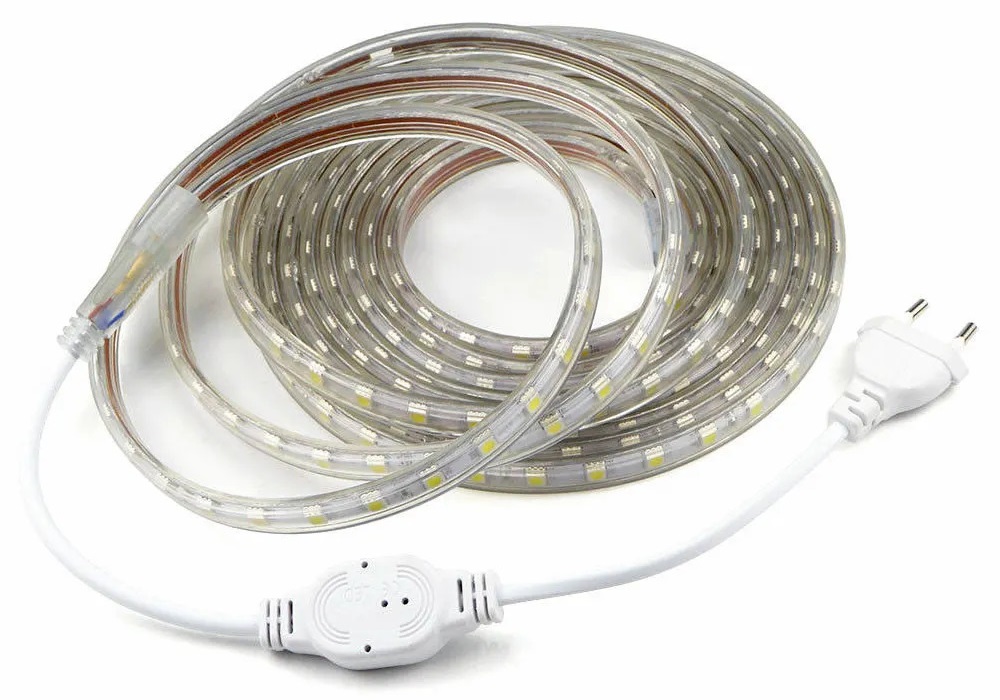
Moreover, modern technology has seen plugs becoming smarter with features like remote control and voice activation via smart home systems like Amazon Alexa or Google Home. Thus, while their primary function remains power delivery, plugs now also serve as hubs for additional user-friendly features, enhancing convenience and customization options.
Yet importantly, there is safety; having an approved plug design assures users that the product complies with regulations concerning electrical safety standards, thus mitigating risks associated with electrical appliances like short circuits or electrical shocks.
While the plug-in requirement for LED strip lights is essentially a design necessity borne out of practical and safety considerations, there are alternatives for certain situations where having a plug is not desirable or feasible. We will explore these options in subsequent sections of this web post.
Alternatives to Traditional Plug-in LED Strip Lights
As we traverse the burgeoning landscape of LED lighting, it’s essential to understand that traditional plug-in strip lights are not the only options available. Technological progress has provided us with alternative power sources for our lighting needs. Among these are battery-powered and solar-powered LED strip lights, as well as USB-powered LEDs.
Shedding Light on the Unplugged: Battery-Powered LED Strip Lights
Battery-powered LED strip lights represent one of the most compelling alternatives to their plug-in counterparts. These don’t require a direct power source, making them versatile and ideal for mobile or temporary installation scenarios such as landscape strip lights in outdoor events.
The central advantage of battery-operated LEDs is their mobility. They can be used virtually anywhere, irrespective of the proximity to a power source. This makes them perfect for outdoor landscape lighting or difficult-to-reach areas that would present challenges when installing wired options.
However, it is worth noting that although battery-operated LEDs offer significant advantages in terms of mobility and flexibility, they do come with certain drawbacks. The lifespan of these lights is limited by the longevity of their batteries.
Furthermore, frequent battery changes might lead to higher operational costs over time. In addition, depending on the model and brightness level chosen, some battery-operated LEDs may not offer comparable lighting intensity compared to conventional wired options.
It’s crucial to consider both your lighting requirements and operational feasibility while opting for this kind of lighting solution. Environmental considerations cannot be overlooked either when considering battery-powered solutions – disposal protocols need to be diligently followed due to potential toxicity hazards associated with improper disposal practices.
The Sun’s Bounty: Solar-Powered LED Strip Lights
Solar-powered LEDs serve as an eco-friendly alternative that uses the Sun’s energy to create beautiful and efficient lighting. They are perfect for outdoor landscape lighting, given their reliance on sunlight.
The greatest advantage of solar-powered LED strip lights is their sustainability. By harnessing the Sun’s energy, these lights reduce reliance on traditional electricity resources, hence leading to lower running costs in the long term.
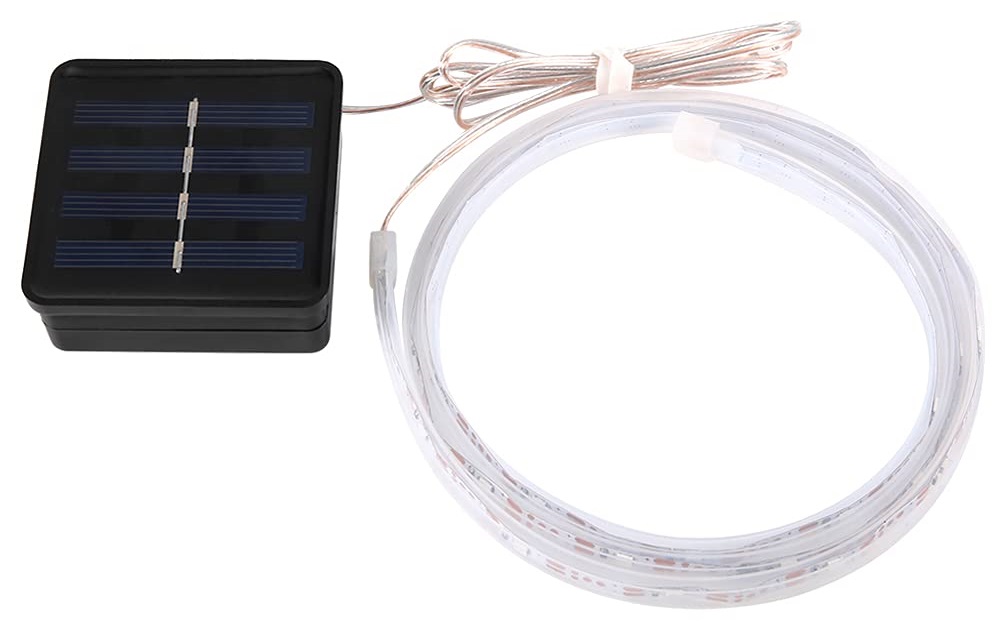
Not only do they offer free operational costs post-installation, but they also contribute positively towards our environment by reducing carbon footprints. This makes them an excellent choice for eco-conscious homeowners or businesses looking to ‘go green’ with their landscape strip lights.
Nevertheless, it’s important to note that with all its benefits, solar-powered LEDs also come with certain limitations. Their performance is closely linked to weather conditions – they require ample daylight to charge effectively and might not perform optimally during cloudy or rainy days.
Moreover, placement plays a crucial role in their effectiveness – improper installation or shaded areas can hinder their ability to capture sunlight efficiently. Despite these challenges, with careful planning and strategic positioning, solar-powered LEDs can serve as a fantastic solution for your landscape lighting needs.
An Electrifying Alternative: USB-Powered LEDs
USB-powered LED strip lights represent another interesting alternative in this space. Relying on the universal serial bus (USB) as a power source makes them highly adaptable and widely compatible with various power supply devices such as laptops, power banks, and car chargers.
The biggest advantage of USB-powered LEDs lies in their versatility – they can be used anywhere there’s a USB port available, making them ideal for creating ambient lighting around computer workstations or inside cars.
Also, due to their low voltage requirement, they are safe as well as efficient when it comes to energy consumption. A significant benefit of USB LED strip lights is that if they are used with a power bank, they essentially become portable LED light strips. This allows for on-the-go lighting solutions, which can be perfect for camping trips or outdoor activities where traditional power sources may not be available.
However, one should remember that, similar to battery-powered LEDs, USB LEDs also come with certain constraints. The brightness level might not be as high compared to wall plug-in strip lights. Furthermore, the dependence on a USB power source does limit their placement options if the intention is to achieve permanent installation.
Each of these alternatives offers unique benefits and challenges. It’s important to carefully consider your specific requirements – whether it’s landscape strip lights or indoor ambience creation – and match them with the right kind of LED strip lighting solution.
Detailed Guide on How to Install Non-Plug-in LED Strip Lights
Step-by-Step Guide on Installing Battery-Powered LED Strip Lights
Installing battery-powered LED strip lights is a relatively simple task that requires minimal technical prowess. First, select an appropriate location for your landscape lighting that provides adequate visibility and aesthetic appeal.
Ensure the chosen area is clean and dry before proceeding. Next, unroll your LED strip light and carefully remove the adhesive backing. Firmly press each section of the strip onto your desired surface, ensuring it’s straight and secure.
Connect the end of the strip to your battery pack – typically this involves a simple plug-in connection. It’s crucial to select a high-quality battery pack that can provide ample power for extended periods. Insert batteries into the pack, and voila! Your landscape lighting is ready to light up.
Step-by-Step Guide on Installing Solar-Powered LED Strip Lights
Installing solar-powered LED strip lights requires strategic planning due to their dependence on sunlight for power generation. First off, identify an area in your landscape that receives abundant sunlight throughout most of the day.
Similar to battery-powered LEDs, clean and dry up your chosen spot before attaching your landscape strip lights using their adhesive backing or mounting brackets if provided. The next step involves setting up the accompanying solar panel in an area with ample sunlight exposure.
Ensure all connections between LED strips and the solar panel are correctly fixed – most designs come with easy plug-and-play connectors. Once everything is set up correctly, you can look forward to energy-efficient landscape lighting come dusk.
Step-by-Step Guide on Installing USB-Powered LED Strip Lights
USB-powered LED strip lights are versatile options perfect for indoor applications such as under-cabinet lighting or mood-enhancing room decor. Ensure you have access to a USB power source – this could be an adapter plugged into wall power or even a portable power bank.

Like other LED strip types, clean your chosen surface, attach the strip using its adhesive backing, and connect the USB end to your power source. Ensure that your power source can comfortably handle the load without overheating or short-circuiting.
Factors to Consider when Choosing Non-Plug-In LED Strip Lights
Energy Efficiency Considerations
One significant advantage of LED strip lights is their remarkable energy efficiency, with some models offering up to 80% energy savings compared to conventional lighting. When choosing between battery-powered, solar-powered, or USB-powered options, consider factors such as usage time and power capacity of your battery or solar panel for optimal efficiency.
Cost Implications Compared to Traditional Plug-In Models
While non-plug-in LED strip lights offer more flexibility in installation and usage, they may have higher upfront costs due primarily to battery packs or solar panels. However, over time these costs may be offset by energy savings, especially with solar-powered options.
Suitability Based on Location and Purpose
The choice between different non-plug-in LEDs should also factor in their intended use and location – for instance, outdoor landscape lighting is best suited for solar-powered LEDs given adequate sunlight exposure, while indoor applications might benefit more from USB-powered options due to easy access to power outlets.
Rarely Known Details about Non-Plug-In LED Strip Lights
Lesser-Known Facts about Battery-Powered LEDs
Most people aren’t aware that there are rechargeable battery packs available for these types of LED strip lights, which can significantly reduce running costs over time.
Uncommon Knowledge about Solar-Powered LEDs.
Solar-powered LEDs don’t just turn on automatically at dusk; most come with sensors that detect the level of surrounding light – they turn on when it gets dark enough, ensuring efficient usage of stored solar energy.
Rare Information about USB-Powered LEDs
Contrary to popular belief, not all USB-powered LED strip lights require a constant connection to a power source – some models come with built-in batteries that charge whenever connected to power and can operate independently once fully charged.
Case Studies Examining the Use of Non-Plug-In LED Strip Lights
A Case Study Showcasing a Successful Implementation of Battery-Powered LEDs
A notable example of successful landscape lighting is the city park in Anytown, USA. The park’s management replaced traditional plug-in lights with battery-powered LED strip lights along walkways, resulting in enhanced nighttime visibility and significant energy savings.
Conclusion: Can We Get LED Strip Lights Without a Plug?
Investing in non-plug-in LED strip lights can provide versatile lighting solutions for both indoor and outdoor spaces. With various options available, users can select an appropriate lighting system based on energy efficiency, cost implications, and suitability.
Despite some misconceptions about their functionality, non-plug-in LED lights offer exceptional features that promote sustainability while providing quality lighting for landscapes or interior spaces. Indeed, the future looks bright for those willing to take the leap into this innovative form of lighting technology.
You may also be interested in the following posts: