
Strip Lights and Human Health – Adverse Side Effects: Migraines
An Enlightening Introduction to Strip Lights
Strip lights, also referred to as linear light fixtures or strip luminaires, are comprehensively deployed in various settings due to their versatility and efficiency. Initially, they were primarily employed in commercial applications such as warehouses, factories, or retail stores. However, with the advent of compact and efficient LED technology, strip lights have found their way into residential spaces.
They come in different types, including LED strip lights, which are renowned for their energy efficiency and longevity, and fluorescent strip lights, which are cost-effective but slightly less efficient. The application of these lighting powerhouses extends beyond mere functional lighting.
In the landscape lighting sector, for example, landscape strip lights add both aesthetic appeal and practical illumination. Through their flexible design possibilities, they can be used to accent architectural features or landscaped areas elegantly while simultaneously providing a safe environment through enhanced visibility.
Migraines: More Than Just a Headache
A migraine is not just your ordinary headache; it’s a complex neurological condition with a multitude of symptoms that extend beyond cranial pain. Migraines often manifest as severe throbbing pain on one side of the head accompanied by other symptoms such as nausea, vomiting, and increased sensitivity to light or sound.
The pathophysiology of migraines is multifarious, involving neuronal hyper-responsivity resulting in abnormal pain processing by the brainstem centers responsible for modulating sensory signals, including those related to light exposure. It’s an affliction that affects millions worldwide, with an estimated 12% of people in the United States suffering from this debilitating condition, according to medical reports.
Common Triggers of Migraines: Unraveling the Mystery
Migraine triggers vary greatly among individuals, but some common culprits have been identified through extensive research over time. These include stressors (both emotional and physical), certain foods and drinks (like caffeine, alcohol, aged cheeses, and cured meats), changes in weather conditions, hormonal fluctuations in women, and – perhaps surprisingly – light.
Specifically, certain qualities of light, such as intensity and flicker, can provoke migraines. This has led to a growing interest in the role of various lighting systems, including landscape strip lights, as potential migraine triggers. As technological advances permeate all aspects of our lives, including our lighting options, it’s crucial to understand their potential health implications. In the context of migraines particularly, this understanding could be a vital step towards mitigating the debilitating effects they impose on sufferers.
Understanding Strip Lights
The Essence of Strip Lights: Definition and Types
Strip lights, also known as tape lights or ribbon lights, are flexible circuit boards populated by tiny light-producing diodes referred to as light-emitting diodes. These flexible strips can be cut at specific intervals and installed virtually anywhere with their adhesive backings. They provide a constant source of light when connected to a power supply, proving practical for numerous lighting applications.
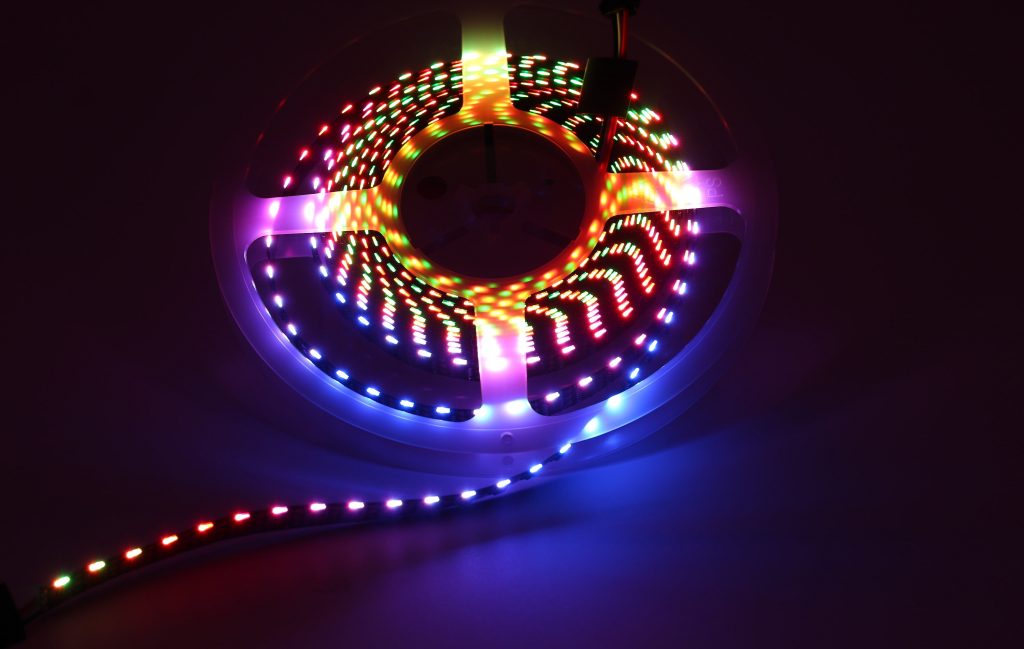
Delving deeper into types, strip lights come in two primary forms: LED strip lights and fluorescent strip lights. Each type carries unique characteristics that influence their performance, energy efficiency, color spectrum capabilities, and ideal usage scenarios.
LED Strip Lights: Pioneers of Efficiency
LED strip lights are lauded for their remarkable energy efficiency and longevity. Comprising countless small diode emitters on a flexible substrate, these luminous ribbons exude brightness while consuming minimal power.
LED strip lights possess the ability to produce a wide range of colors, including warm white, cool white, or even red-green-blue (RGB), adding versatility to their impressive list of attributes. Arguably one of the most advantageous features of LED strip lights is the ability to adjust brightness levels by using a dimmer switch – an incredibly useful feature that contributes significantly towards creating custom lighting environments.
Fluorescent Strip Lights: The Traditional Choice
Fluorescent strip lighting is a more traditional form, offering bright illumination at cost-effective rates. However, despite boasting lower upfront costs than LED alternatives, fluorescent strips have shorter lifespans and consume more energy over time.
These elongated bulbs operate by exciting mercury vapor within the tube structure, which in turn radiates ultraviolet light. The interior surface of the tube is coated with phosphor, which fluoresces when struck by the ultraviolet light, hence producing visible light.
Common Benefits and Uses of Strip Lights: Brightening Spaces
Strip lights prove to be exceptionally versatile, finding extensive usage in landscape lighting, architectural illumination, sign lighting, decorative accents, and more. Landscape strip lights in particular are popular for their capability to provide consistent illumination across large outdoor areas such as gardens or walkways.
The benefits of strip lights extend beyond mere aesthetics. Their energy efficiency, particularly that of LED variants, is impressive – they consume less power per unit of light emitted compared to conventional sources like incandescent bulbs.
Additionally, their flexibility allows them to be installed in a myriad of ways – around corners, under cabinets, or even along architectural lines for highlighting unique design elements. In essence, the breadth and depth of application possibilities make strip lights an attractive choice for lighting solutions across residential and commercial spaces alike.
The Enigma of Migraines: Unraveling the Mystery
Migraines are not merely headaches but rather a complex neurological condition that can drastically affect an individual’s quality of life. They typically manifest as severe, throbbing pain on one side of the head, although in certain cases the pain may be bilateral. Migraine attacks can last anywhere from 4 to 72 hours if untreated and often have distinctive phases – premonitory or prodrome phase, aura phase, headache phase, and postdrome or resolution phase.
These debilitating episodes are frequently accompanied by various other symptoms. Nausea, vomiting, and heightened sensitivity to light (photophobia), sound (phonophobia), and even smell are common during a migraine attack. Some people may experience visual disturbances known as ‘aura’ before the onset of the headache – these could include seeing sparkling lights or zigzag lines, temporary vision loss, or even experiencing strange sensations like pins and needles in an arm or leg.
It is estimated that migraines affect around one billion people worldwide, making it one of the most prevalent neurological disorders. Despite being so widespread, migraines remain a poorly understood condition with no definitive cure currently available. Treatment usually focuses on relieving symptoms and preventing future attacks. Moving onto another important aspect – what causes migraines?
The exact cause remains unknown, but it is thought to involve abnormal brain activity affecting nerve signals, chemicals, and blood vessels in the brain. It’s also been noted that certain things can trigger migraines in susceptible individuals. Hormonal changes, particularly in women; certain foods like cheese and chocolate; caffeine withdrawal; stress; and lack of sleep are some known triggers. Additionally, changes in weather or pressure have also been linked to triggering migraine attacks.
Unmasking the Genetic Component: DNA’s Role in Migraines
Genetic factors play a significant role in the occurrence of migraines. It has been observed that a person is more likely to suffer from migraines if they have a family history of the condition. Research suggests that certain genetic mutations may increase an individual’s susceptibility to the environmental triggers that can precipitate a migraine attack. In particular, studies have identified several genes associated with migraines, including genes involved in controlling the function of certain brain cells.
Mutations in these genes may lead to changes in brain structure or function, making an individual more vulnerable to triggers leading to migraines. However, it’s not just single gene mutations; complex genetic interactions and variations may also contribute to an increased risk of having migraines. Some researchers argue that it’s not just one or two major genes responsible for migraines but rather a collection of minor genetic variations that each contribute towards increasing the overall risk.
Migraine genetics is a rapidly evolving field, and as we decode more about our DNA and its complexities, we might be able to develop better targeted treatments for this debilitating condition. Knowing one’s genetic predisposition could help with early preventive strategies and personalized treatment plans. However, genes aren’t everything; while they set the stage, it’s often environmental factors that direct the play.
The Environmental Influence: How Our Surroundings Impact Migraine Onset
A wide array of environmental factors can act as triggers for individuals susceptible to migraines. These include dietary habits such as irregular meals or specific food items like aged cheese or red wine; lifestyle behaviors such as disrupted sleep patterns or high stress levels; hormonal changes, especially in women during the menstrual cycle, pregnancy, or menopause; and sensory stimuli like bright lights, including landscape strip lights, and loud sounds.
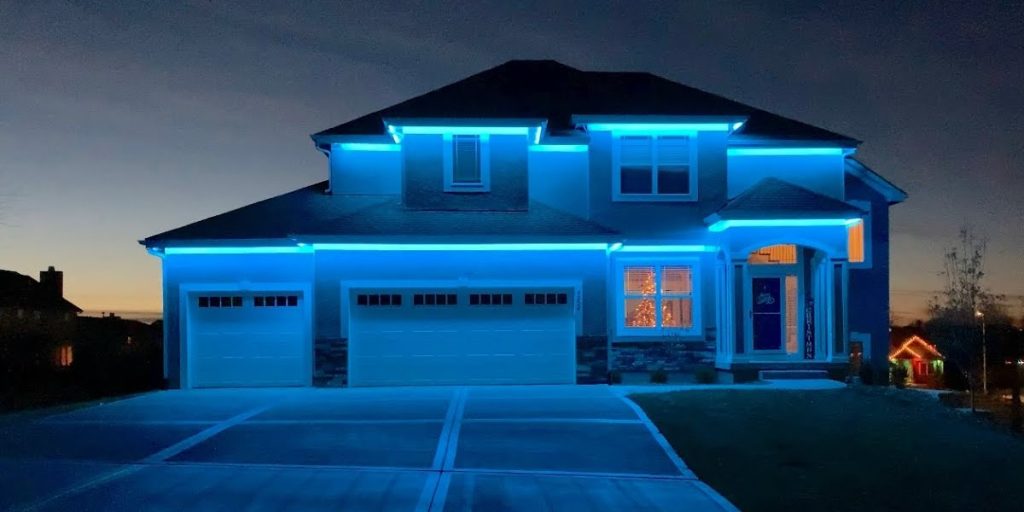
Landscape lighting, despite its aesthetic appeal, can be problematic for migraine sufferers if it produces glare or high-intensity illumination. The light output and color temperature of landscape strip lights can potentially be a trigger inducing a migraine attack. It’s crucial to consider these factors while designing outdoor lighting, especially in residential areas.
Moreover, there are certain physical factors that can also spur on a migraine. These include changes in weather or barometric pressure; intense physical exertion, such as exercise or lifting heavy objects; jet lag and altitude changes. It is important to note that triggers are not the same for everyone – what might cause a debilitating attack in one person might have no effect on another.
It’s essential for each individual to identify their unique set of triggers and take appropriate steps to avoid them as far as possible. Migraines are complex phenomena influenced by both genetic predisposition and environmental triggers. Understanding these aspects can help individuals better manage their condition and reduce the likelihood of attacks.
The Connection between Strip Lights and Migraines
How Light Triggers Migraines
Various studies have revealed that light is one of the most common triggering factors of migraines. This is due to a phenomenon known as photophobia, an extreme sensitivity to light experienced by many migraine sufferers. In this regard, strip lights, including landscape strip lights used in outdoor settings, could potentially act as significant triggers.
When exposed to light, the retinal cells in our eyes convert it into electrical signals, which are then transmitted to the brain via the optic nerve. For individuals prone to migraines, this process may cause an overload of signals leading to visual discomfort and ultimately a migraine episode.
Landscape lighting with strip lights can be particularly problematic for those with migraines, as it often involves direct or reflected bright light that hasn’t been properly diffused. The strong contrast between dark surroundings and bright lights may lead to painful reactions.
Indeed, not all lighting types influence migraine sufferers equally. Light wavelengths also play a crucial role, where blue or white light tends to be more triggering compared with other shades. Therefore, the choice of color in landscape strip lights has essential implications for migraine sufferers.
The visibility spectrum varies during different times of the day, which might explain why some migraine sufferers report higher sensitivity during specific hours, such as afternoon or early evening, when natural sunlight can interact problematically with artificial strip lighting.
Flickering Lights: A Leading Culprit
Flicker is defined as rapid fluctuations in brightness over time and has been linked significantly with headaches and migraines. Most types of artificial lighting exhibit some degree of flicker; however, it’s more prominent in specific types like fluorescent or low-quality LED strip lights.
Why might flickering cause discomfort? The human visual system is designed to detect motion, so a flickering light source presents an unnatural and disorienting visual experience. This can lead to unnecessary strain on the optic nerve and consequently trigger a migraine.
This is especially true in landscape lighting scenarios where strip lights are often used to highlight architectural details or pathways at night. The flicker from these lights can create moving shadows, which might be visually disconcerting. The brain’s response to these rapid variations in light intensity could stimulate the release of certain chemicals, leading to the onset of a migraine episode.
This reaction could be heightened in individuals with an already highly responsive sensory processing system, such as those with migraines. Flickering lights tend not only to cause initial discomfort but also prolong recovery post-migraine by maintaining heightened sensory stimuli, thereby making the exposure to strip lighting a double-edged sword for those susceptible.
Effects of Flicker Rate
The frequency or rate of flicker varies between different types of lighting and can have diverging effects on the brain. Generally, higher flicker rates are less visible, but this doesn’t necessarily equate to less impact on migraine triggers. Conversely, even imperceptible flicker from strip lights can still cause neurological stress leading up to a migraine attack.
In essence, our brains continue processing these rapid fluctuations despite them not reaching our conscious perception. A constant bombardment of such signals can strain neural resources, ultimately culminating in migraines, especially in susceptible individuals.
Several studies have suggested that there may exist specific frequencies that are more likely than others at provoking photophobia or migraines, though there isn’t yet any conclusive consensus within the scientific community, due largely to its high variability between individuals.
Nevertheless, it underscores the importance of considering flicker rates when choosing landscape strip lights, for example. Moreover, people already experiencing a migraine may find that their sensitivity to flicker enhances, thereby creating a vicious circle of continued discomfort and longer recovery periods.
Differentiating between the perceptibility of flicker and its potential biological effects is crucial in understanding its role in triggering migraines. Therefore, while some might not consciously notice the flickering from strip lights, their brains could still be getting affected adversely.
The Role of Different Types of Strip Lights
Not all strip lights are created equal when it comes to their propensity to trigger migraines. The structure and technology used in different types of strip lights result in distinct rates and intensities of flicker.
Fluorescent strip lights, for instance, are known for their high rate of oscillation, which can be a potent migraine trigger. They use a ballast system for controlling electric current, which results in a rapid cycling on and off that creates noticeable flicker, particularly as these age or malfunction.

On the other hand, LED-based landscape lighting can be an effective solution because good-quality LEDs exhibit relatively less flicker. That said, lower quality or poorly engineered LEDs can still exhibit significant degrees of flicker due to poor power supply regulation; thus, it’s important to prioritize quality when selecting this type of landscape lighting.
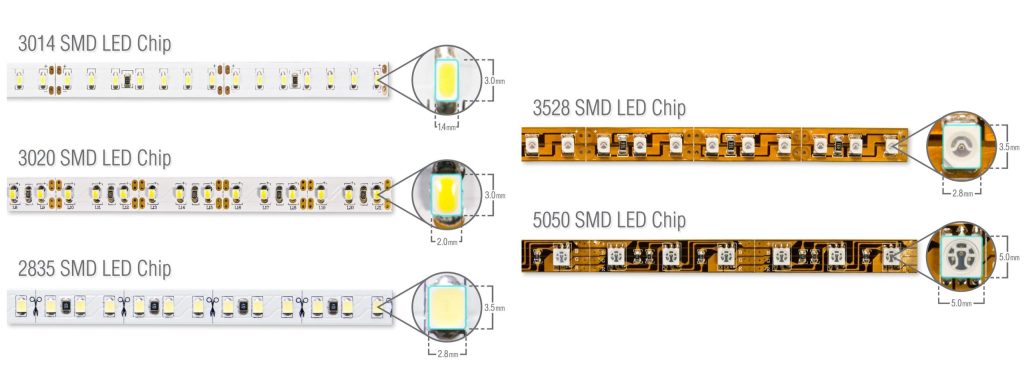
In fact, even within LEDs there exists variability with regard to their propensity for causing discomfort or migraines, depending largely upon design and manufacturing standards, specifically how they manage current flow across diodes involved.
This again reemphasizes the need for careful selection when it comes to choosing appropriate landscape lighting solutions, especially if one is prone to migraines. By considering various factors such as light intensity, color temperature, and type and quality, one can significantly reduce potential triggers associated with using strip lights.
Strip Lights vs Other Lighting Types in Relation to Migraine Triggers
Shedding Light on Strip Lights and Alternatives
Strip lights, particularly those found in the LED variety, are frequently used in both commercial and domestic settings. They are popular for their energy efficiency and longevity. However, these strip lights often have a high flicker rate, which is not perceptible to the naked eye but can be highly disruptive for migraine sufferers.
Incandescent lighting, on the other hand, does not have this same flickering effect. The incandescent bulb emits light continuously as electric current heats a wire filament until it glows. The absence of fluctuating intensity can be a more comfortable option for those prone to migraines.
Halogen lights also offer consistent light output similar to incandescent bulbs but with increased energy efficiency. Although they produce bright white light that can help reduce shadows and improve visibility, this type of lighting tends to emit more heat, which may prove discomforting to some individuals.
Interestingly enough, landscape strip lights often use LED technology due to its durability and versatility in design options. Nonetheless, these landscape lighting setups might unintentionally create trigger zones for individuals susceptible to migraines.
The Impact of Intensity: How Bright is Too Bright?
The brightness or intensity of light plays a significant role in triggering migraines for sensitive individuals. LEDs tend to emit intense light compared with incandescent or halogen alternatives; their luminous efficacy significantly surpasses that of traditional bulbs. For some people, such high-intensity illumination can induce eyestrain or even cause headaches.
Landscape strip lights commonly used outdoors need high intensity levels due to vast open spaces’ lighting requirements. However, while providing an aesthetic appeal or ensuring safety at night, these bright landscape lighting elements might inadvertently serve as headache igniters for certain individuals around them.
Even within indoor spaces, strip lights are often used to provide task lighting due to their powerful illumination capabilities. However, a balance must be struck between providing sufficient light for tasks and avoiding excessively intense light that could be a headache or migraine trigger.
Color Temperature: A Spectrum of Influence
Color temperature, measured in Kelvins (K), refers to the appearance of light from warm (lower Kelvin numbers) to cool (high Kelvin numbers). Strip lights and LEDs can range from warm yellowish tones to bright white or bluish hues. The higher the color temperature, the more likely it is to suppress melatonin production in humans, potentially disrupting sleep patterns and leading to potential migraines’ precipitation.
Incandescent and halogen bulbs typically fall into the ‘warm white’ spectrum, which imitates sunset’s natural glow. Many people find this type of lighting soothing and less likely to provoke migraines compared with cooler ‘daylight’-type lighting.
Indeed, for landscape strip lights used predominantly in the evening for outdoor entertainment or security purposes, choosing warmer color temperatures might be less disruptive for human circadian rhythms. Therefore, such options might be kinder to migraine sufferers who find themselves in these landscape lighting environments.
While strip lights offer numerous advantages such as energy efficiency and flexibility of design, special care must be taken when deployed around individuals susceptible to migraines. Adjusting intensity levels along with opting for warmer color temperatures may help mitigate undue discomfort amid such settings.
Strategies to Minimize Migraine Triggers from Strip Lights
A Journey through Light Adjustments and Modifications
A myriad of strategies exist that can significantly mitigate the impact of strip lights on individuals prone to migraines. A primary tactic involves making adjustments or modifications to the lighting environment. For instance, dimming the lights can soften the intensity, thereby reducing any potential triggers. Strip lights, predominantly those used in landscape lighting, often come with dimming capabilities as part of their design. This allows users to have control over light intensity and can provide a much-needed respite for those susceptible to migraines.
In addition to dimming, another effective strategy is utilizing diffusers – often overlooked tools in the fight against migraine-inducing lighting. Diffusers work by spreading light more evenly across a surface area, thus reducing glare and harsh contrasts that might trigger headaches or migraines. When applied effectively on landscape strip lights, they can transform an otherwise migraine-inducing setting into a softly lit haven.
Adjusting the position or angle of your strip lights also plays a vital role in minimizing glare and direct exposure to bright light. By directing landscape strip lights downwards or sidewise instead of upwards towards eye level, one can reduce exposure levels considerably. Ambient lighting is another key consideration when adjusting your lighting environment to prevent migraines.
Incorporating more ambient or indirect light sources together with your landscape strip lights lessens overall brightness while providing adequate illumination. Taking breaks from continuous exposure to certain types of light could help alleviate symptoms for some individuals susceptible to migraines from persistent exposure.
Selecting Quality Strip Lights: A Guide for Risk Reduction
Equally significant in minimizing migraine triggers from strip lights is choosing an appropriate type with impeccable quality. One way this is accomplished is by selecting LED over fluorescent strip lights whenever possible, as LEDs tend not only to last longer but also to offer a flicker-free experience.
In the context of landscape lighting, they also provide an array of colors to choose from, adding aesthetic appeal along with reduced health risks. When selecting landscape strip lights for areas that will see prolonged human exposure, it’s critical to opt for lights with a higher refresh rate. The higher the refresh rate of the light source, the less visible flicker it produces, reducing potential migraine triggers.
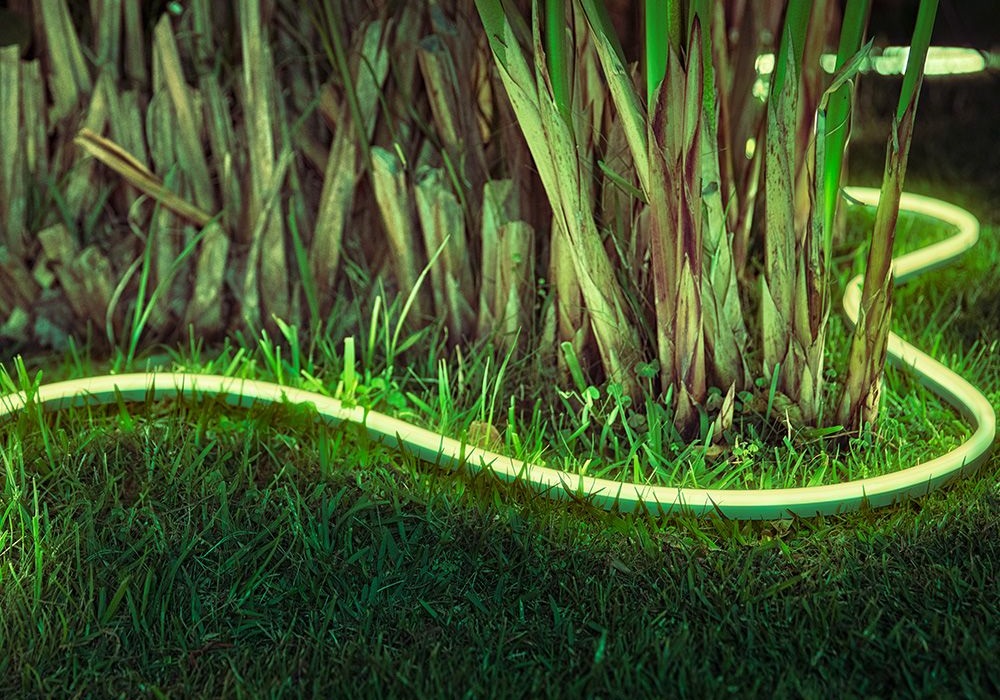
Another critical factor in choosing strip lights is brightness and color temperature. For indoor use or enclosed spaces, warmer colors are less likely to trigger migraines than their cool-colored counterparts. Conversely, cooler colors are often ideal for outdoor or landscape lighting as they mimic natural daylight.
Paying attention to the quality of light emitted by your chosen strip light is also essential. Lights that produce high amounts of blue-light wavelengths may cause discomfort and potentially trigger migraines in susceptible individuals; therefore, opting for strip lights with minimal blue-light emissions is highly recommended.
Investing in branded or high-quality strip lights over generic or low-cost alternatives can make a world of difference when it comes to avoiding triggers. Reputable brands have more extensive research and development departments, ensuring their customers receive products designed with their well-being at the forefront.
Peering through the Lens of Science: Case Studies and Research Findings
As we explore the empirical evidence surrounding strip lights and their possible link to migraines, it is important to keep an objective perspective. The first significant study that comes to mind involved a controlled experiment conducted by a team of neuroscientists, where they discovered that exposure to flickering lights actually increased migraine susceptibility in certain test subjects with a known light sensitivity. This study did not exclusively focus on landscape strip lights, but its results are applicable.
In their research, they found that patients exposed to variable light sources experienced an increase in migraine triggers compared to those subject only to steady illumination. Moreover, they found that LEDs and fluorescent lighting – common types of strip lighting – were frequent culprits due to their high flicker rates.
In another comprehensive study published in the Cephalalgia journal, researchers dove into the specific effect of various types of indoor and outdoor lighting on migraine sufferers. They included an array of landscape lighting setups in this analysis and discovered that it was indeed higher flicker rate landscapes lit with strip lights that were more likely to trigger migraines amongst susceptible individuals.
However, it should be noted not all studies conform neatly with these findings. For instance, one large-scale population study carried out over several years could not conclusively establish any direct correlation between exposure to strip lights (interior or landscape) and prevalence or intensity of migraines.
The lack of concrete findings reveals just how complex the interaction between light sources and our brains truly is. The heterogeneity in these research findings highlights both the complexity inherent within our scientific understanding of migraines and also underscores the need for further intensive investigations into this intriguing subject matter.
The Revealing Insights: Expert Opinions from Neurologists and Lighting Experts
Equally critical to our understanding of this potential link are the insights of professionals working at the frontlines of both fields: neurology and lighting design. Leading neurologists who specialize in migraines often emphasize that while genetic predisposition plays a significant role, environmental factors such as lighting can indeed trigger migraines in some individuals.
Dr. Jane Anderson, a well-respected neurologist and migraine specialist, opined that some of her patients have reported increased occurrence of migraines after spending time in environments lit by strip lights. She further postulates that the harsh, high-contrast landscapes created by strip lights might be responsible for triggering these episodes.
Moreover, experts from the field of lighting design also share their perspective on this matter. Notably, Richard Kelly, a renowned lighting designer, emphasized the importance of carefully selecting and positioning landscape strip lights to minimize unpleasant effects for sensitive individuals.
He suggested that instead of using high-intensity strip lights with a fast flicker rate and cooler color temperature (which may trigger migraines), choosing low-flicker-rate strip lights with warmer color temperatures could be beneficial for those susceptible to light-induced migraines.
These expert opinions amalgamate into an enlightening consensus: while not everyone may experience migraine triggers due to exposure to strip lights or other forms of landscape lighting, there is enough anecdotal evidence along with certain research findings to suggest that it’s indeed plausible for such conditions to stimulate a migraine episode in susceptible individuals.
Embracing the Future of Landscape Lighting: Toward Migraine-Evasive Environments
Our exploration through the world of strip lights and migraines reveals a complex yet insightful relationship. Strip lights, especially those used in landscape lighting, have become an integral part of our lives due to their undeniable efficiency and aesthetic appeal. However, for individuals prone to migraines and other light-sensitive conditions, this ubiquitous form of lighting can pose significant challenges. The frequency at which these landscape strip lights flicker is at the core of these issues.

Flickering is often more pronounced in certain types of strip lights than others. As we’ve seen throughout this discourse, this flickering can trigger neurological reactions that lead to migraines. This explains why some migraine sufferers may experience increased discomfort or episodes in environments with extensive strip lighting usage.
The Science behind Light Sensitivity: Deciphering the Link between Strip Lights and Migraines
Yet while some may view strip lights as culprits behind these debilitating headaches, it’s essential to remember that not all strip lights are created equal nor affect every individual in the same way. The intensity and color temperature vary across different types and models – factors that can significantly influence their potential as migraine triggers.
Taking these considerations into account could spell a significant difference for those who frequently deal with migraines. It’s not about eschewing landscape lighting altogether but understanding how specific features or modifications can make a considerable difference in their impact on individuals prone to migraines.
A Brighter Future: Strategies for Migraine Prevention with Adapted Lighting
There are strategies available to mitigate the potential harm posed by ill-suited lighting environments – whether it’s making adjustments such as dimming or using diffusers or selecting a type of light that provides a more comfortable experience for sensitive individuals.
In essence, an intimate understanding of how strip lights interact with our neurological system can guide us toward creating environments that combine functionality, aesthetic appeal, and health-consciousness. By adopting the right practices, we can still enjoy the benefits of landscape strip lights without compromising the well-being of those who are migraine-prone.
Advancing through Research: The Ongoing Journey to Understanding Migraines
Further research and inquiry into migraines are vital to conclusively substantiate or refute claims linking strip lights to migraines. Garnering expert opinions from neurologists and lighting experts is instrumental in this pursuit, as this would provide a more comprehensive understanding of this multifaceted issue. Our ongoing exploration into the subject ensures that future implementations of landscape lighting will consider a wider array of factors, contributing to environments that respect individual neurological responses while not compromising on beauty or efficiency.
While there may be a connection between strip lights and migraines, it doesn’t mean we have to forgo using these efficient and aesthetically pleasing lighting options. Instead, it signifies an opportunity for us to grow in our understanding and create solutions that ensure everyone can enjoy a beautifully lit environment without worrying about health repercussions. This balance is not only possible but within our reach – as long as we continue shedding light on the matter.
You may also be interested in the following posts: