
Strip Lights and Human Health – Adverse Side Effects: Headaches
A Guide to Lighting the World with Strip Lights
Strip lights, also known as tape lights or ribbon lights, are an integral part of modern aesthetic and functional design. These long, slender fixtures are versatile and offer a consistent light source for various applications. Typically encased in flexible plastic strips, they come in many forms, including light-emitting diodes, fluorescent strip lights, neon strip lights, and more.
The advent of this technology has significantly transformed the way we look at lighting solutions. Far from merely serving a practical lighting purpose, strip lights have become an influential design element that can transform spaces and create a certain ambiance.
An Overview: The Ubiquity and Functionality of Strip Lights
Strip lights offer immense adaptability due to their slim profile, uniform output, and ability to be cut to exact lengths. This makes them a popular choice for multiple settings – both residential and commercial. You’ll often see these types of lights being used in under-cabinet lighting in kitchens or bathrooms; they’re also commonly employed as landscape lighting to highlight garden features or architectural elements.
However, their application is not limited to domestic usage alone; businesses too have embraced these innovative light sources. They’re used extensively in retail stores for shelf lighting; restaurants use them for ambient lighting; clubs use them for creating energetic party atmospheres; while professional settings such as offices deploy them as task lighting solutions.
When it comes to outdoor applications, including landscape strip lights, they are particularly valued due to their versatility. They can be used to outline pathways or decks and highlight water features or statues, enhancing aesthetic appeal while ensuring safety.
A Modern Lighting Standard: Strip Lights
The dominance of strip lights is largely evident today with their widespread usage across different sectors – residential projects, hospitality, retail, or public spaces like parks and museums. They’ve carved out a niche market because they combine function with style – providing ample light while maintaining an unobtrusive presence.
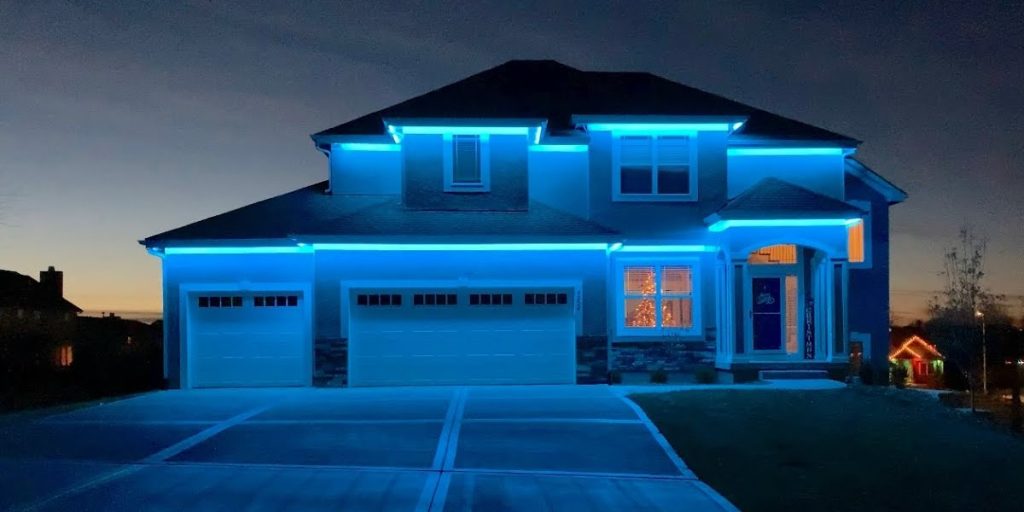
The growing interest in energy efficiency and eco-friendly alternatives has also spurred the popularity of LED strip lights. LED technology offers lower power consumption, a longer lifespan, and better light quality compared to traditional incandescent or fluorescent lighting options. This makes them a pragmatic solution for both interior and exterior applications, taking landscape lighting to a whole new level.
Strip Lights in their Many Forms
Strip lights are not simply uniform – they come in various forms, each with its unique set of attributes catering to different needs. Some emit soft, warm lights suitable for cozy living spaces or romantic restaurants; others produce bright, daylight-like illumination ideal for workspaces or retail settings.
Whether you’re after functional task lighting in your kitchen, ambient mood lighting in your living room, or mesmerizing landscape strip lights adorning your garden – there’s a strip light tailored to meet every need. As such, their prevalence is expected to only increase as technological advancements lead to more efficient and versatile products.
Crafting Ambiances: The Purpose of Strip Lights
The primary purpose of strip lights extends beyond mere functionality; it stretches into the realm of aesthetic appeal. These slim strips have the ability to create distinct moods within spaces by manipulating color temperatures and intensity levels. They add depth and dimension when used as accent lighting and lend sophistication when used as architectural highlights, while lending a sense of drama when used as landscape lighting around outdoor features.
In essence, strip lights don’t just illuminate spaces – they enliven them! With their flexibility and adaptability coupled with their design implications and functional benefits, it’s no surprise that these slender luminaires have found widespread acceptance in our modern world.
Enlightening Insights : Understanding How Human Eyes Perceive Light
The human eye, a marvel of natural engineering, perceives light in an intriguing manner that is both complex and fascinating. Light perception begins when rays of light touch the cornea, the transparent front layer of the eye. This light then travels through the pupil to reach the lens, whose purpose is to focus it onto the retina so that we can see clearly.
The retina is composed of millions of photoreceptor cells known as rods and cones. Rods are more sensitive to light and dark changes, shape, and movement but have low color sensitivity. They are responsible for our night vision, or scotopic vision.
Cones, on the other hand, function best in bright conditions, discerning colors with high spatial acuity, enabling what is known as photopic or daylight vision. However, interestingly enough, there exists another type of photoreceptor cell known as intrinsically photosensitive retinal ganglion cells (ipRGCs).
These ipRGCs are sensitive primarily to blue light and contribute largely towards regulating our circadian rhythms, or internal body clocks. In essence, one could say that our eyes may be biologically architected stimulus detectors rather than mere optical instruments.
They collect visual information from our environment, which gets carried by optic nerves to the brain, where it’s processed into images we perceive as ‘seeing’. This process holds true whether we’re bathing in natural sunlight while strolling through a park or admiring landscape lighting on a beautiful summer evening.
Colorful Conundrum: The Science behind Light Wavelengths and Their Impact on Vision
Light wavelengths play a pivotal role in how we perceive our visible world around us, including artificial settings like landscape strip lights at a garden party. Essentially, different wavelengths represent different colors: red for longer waves and violet for shorter ones, while green lies somewhere in the middle.
The visible spectrum, a small part of the electromagnetic spectrum, consists of wavelengths ranging from approximately 400 nanometers (violet) to 700 nanometers (red). When light hits an object, that object absorbs some wavelengths and reflects others.

The reflected wavelengths reach our eyes and are interpreted as color. It’s important to note that the amount and quality of light could have a considerable effect on our vision. For instance, under weak light conditions, cones may not be triggered enough for us to perceive colors accurately. This is why in dim lighting or at dusk, when landscape lighting just starts to play its role, colors appear less vibrant.
Additionally, excessive exposure to certain wavelengths like blue or ultraviolet can potentially harm our eyes, leading to conditions like macular degeneration. Hence it is crucial to strike a balance in utilizing artificial light such as strip lights.
Artificial Illumination: The Role of Artificial Lighting in Daily Life
Artificial lighting has indisputably become an indispensable part of our daily lives. It doesn’t just illuminate spaces but also sets moods and influences behaviors with its varying brightness levels and color temperatures.
From incandescent bulbs that lit up twentieth-century homes to energy-efficient LEDs used today, artificial lighting has come a long way, paving the path towards innovative applications like landscape strip lights along walkways or around pools that enhance both aesthetics and safety. Interestingly enough, it doesn’t stop at mere illumination – artificial lighting helps regulate human biological rhythms too by mimicking day-night cycles in indoor environments, thereby enhancing productivity and well-being.
However, despite all its benefits, there are potential drawbacks as well. Unnatural or overexposure may lead to health issues such as sleep disorders due to frequent disruption of circadian rhythms or intense eye strain causing headaches. As with everything, moderation seems key, even when we consider the role of artificial lighting in our lives.
Exposing the Luminous: Strip Lights Unveiled
Strip lights, often referred to as tape lights or ribbon lights, are versatile lighting solutions that have marked their pervasive presence across myriad applications. These are long, thin fixtures that house a series of small light-emitting units.
The key appeal of strip lights lies in their flexibility and adaptability. They can be cut to specific lengths, bent around corners, or even folded without impacting their functionality. Being lightweight and compact, they are a favored choice for spaces where traditional lighting solutions might not be feasible.
Apart from indoor usage – including under-cabinet lighting in kitchens, bathrooms, and desk areas – strip lights have found an impressive adoption in outdoor settings. Landscape strip lights have enhanced the aesthetic appeal of patios, walkways, and other outdoor spaces by casting an inviting glow that subtly accentuates the inherent beauty of these areas.
Designed with an intention to distribute light evenly across surfaces – be they workspaces or landscapes – the composition of strip lights involves a flexible circuit board outfitted with tiny LED chips encased within a protective silicone coating. This protective layer enhances durability while ensuring safety from elements such as moisture or dust.
Lights of Different Stripes: Exploring Varieties
Though LED strip lights dominate today’s market due to their energy efficiency and longevity, other types also share the stage. Fluorescent strip lights, with their distinctive tubular design, have been quite popular over the years for commercial applications due to their efficient spread of light.
However, navigating through the landscape lighting sector reveals more advanced options such as red-green-blue (RGB) strip lights – offering a plethora of colors controlled via remote – and smart strip lights – boasting seamless integration with home automation systems. Each type has its unique attributes catering to varied requirements, whether it’s stunning color displays needed for decorative purposes or simple illumination desired for functionality.
Casting Light on Differences: Strip Lights Under Comparison
Comparing LED and fluorescent strip lights under the prism of light emission unearths fascinating insights. LEDs offer a wide range of color temperatures, from warm, inviting tones to cool daylight hues. They emit light directionally, reducing the waste caused by lights that scatter in all directions.
Fluorescent strip lights, on the other hand, are primarily available in cooler color temperatures and emit light uniformly in all directions. While they might not match LEDs in energy efficiency or lifespan, their diffused light output makes them an attractive choice for certain applications.

To crown it all, landscape lighting with strip lights provides a unique blend of functionality and aesthetics. Whether it’s an LED or fluorescent variant depends largely on personal preferences and specific requirements. As with most things in life, there’s no one-size-fits-all solution when it comes to choosing between different types of strip lights.
Impact on Human Health: Can Strip Lights Cause Headaches?
Unveiling the Links: Artificial Lighting and Health Concerns
In recent years, extensive studies have been conducted to scrutinize the intertwining relationship between artificial lighting and health. Schernhammer et al (2001) discovered a strong correlation between prolonged exposure to artificial light after dark and an increased risk for breast cancer among female night shift workers.
Likewise, Chepesiuk (2009) raised warnings against light pollution, suggesting that excessive or misdirected outdoor lighting, such as landscape lighting, has detrimental effects on human health. The use of landscape strip lights for illuminating outdoor spaces is common in urban areas. While they add aesthetic value to our surroundings, their potential impact on human health cannot be overlooked.
More pointedly, these lights often mimic daylight conditions during nighttime hours, which can disrupt circadian rhythms and subsequently lead to significant health issues, including sleep disorders, depression, obesity, and cardiovascular diseases.
The Strain of Sight: Improper Lighting and Eye Discomfort
A significant body of research has delved into how improper lighting can catalyze eye strain – a gateway symptom for adverse health effects, including headaches. Guo et al, in 2015, found that inappropriate brightness levels from LED strip lights resulted in visual discomfort over time. Applying this to the context of landscape strip lights contextually broadens the understanding – overly bright or glaring landscape strip lights may induce squinting or continuous adjustment of eyes, which triggers ocular discomfort leading eventually to headaches.
The Flicker Fallout: Strip Lights leading to Headaches
Strip lights often emit a flicker effect – an incessant rapid variance in light intensity – which is typically unnoticeable to the naked eye but is still registered by ocular photoreceptors. Wilkins et al. (1989) suggested that this flickering effect could be a substantial trigger for migraines and headaches.
Landscape strip lights are not exempt from this phenomenon. The light emitted by these fixtures can also flicker, especially if they are aging or faulty, thereby potentially instigating headaches in susceptible individuals.
A Striking Exposure: Prolonged Contact with Certain Types of Light
The impact of prolonged exposure to certain types of light emitted by strip lights is yet another angle that has been probed extensively. Cajochen et al (2011) found that prolonged exposure to blue-enriched light, commonly produced by LED-based strip lights, severely impacted melatonin secretion – an essential hormone regulating human sleep-wake cycles.
In the context of landscape lighting, both residential and commercial spaces often employ the use of LED landscape strip lights for their efficiency and durability. However, extended exposure to such lighting may disturb natural circadian rhythms, leading to poor sleep quality, which is a recognized provoking factor for headaches.
Mitigating the Effects: Preventing Headaches Caused by Strip Lights
The Crucial Role of Proper Installation and Maintenance
Strip lights, like any other technological device, perform optimally when installed and maintained correctly. The emission of light is directly proportional to the light’s installation quality. Improperly installed strip lights can create an uneven distribution of light, leading to areas of extreme brightness contrasted with shadowy spots. This contrast can put excessive strain on our eyes, culminating in severe headaches.
Proper maintenance significantly contributes to the longevity and efficiency of strip lights. Landscape strip lights, for instance, are exposed to both weather elements and physical disturbances; their routine maintenance becomes paramount for ensuring their optimal functionality.
Replacing worn-out bulbs promptly reduces the chances of a flickering effect, a known cause for headaches associated with strip lighting. Implementing these measures also makes ecological and economic sense – well-maintained landscape lighting not only conserves energy but also heightens the aesthetic appeal considerably.
Adjusting Brightness Levels: A Simple Yet Effective Solution
The intensity of light plays a pivotal role in how our eyes respond to it. Extremely bright or dimly lit environments can lead to visual discomfort over time – what we often refer to as eye strain or glare.
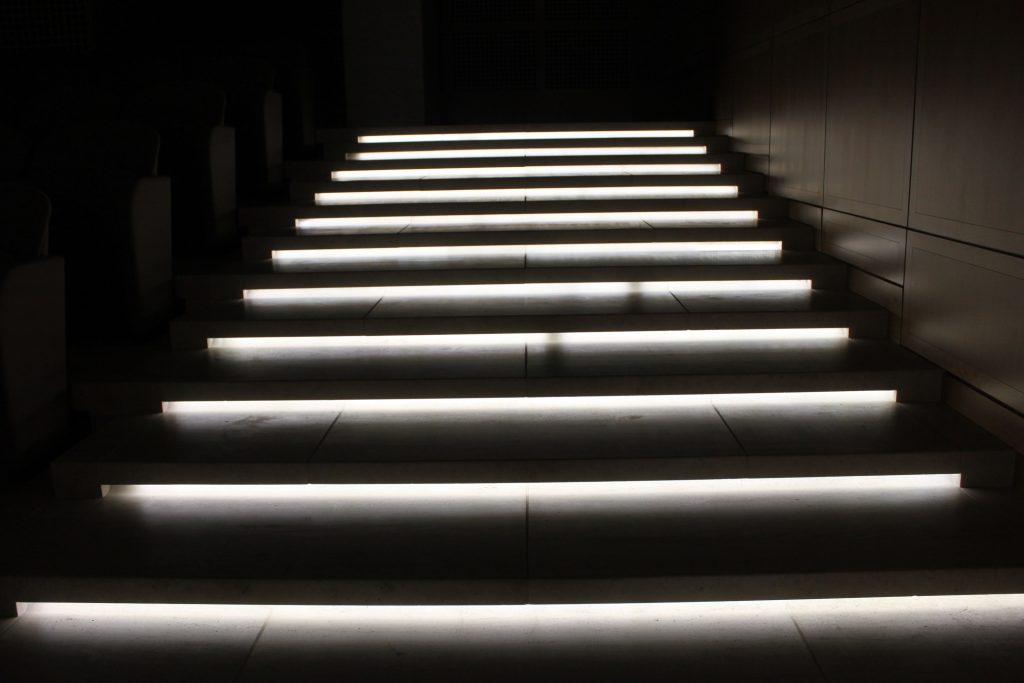
Modern strip lights come equipped with brightness adjustment features that allow you to regulate luminosity according to your environmental requirements. For instance, adjusting landscape strip lights’ brightness levels during twilight hours prevents unnecessary harshness that could lead to discomfort or headaches.
It is crucial not just for comfort but also in creating different ambiances appropriate for various settings – whether you’re looking for soft lighting ideal for cozy late-night conversations or more robust lighting required while hosting an outdoor event.
Breaks from Constant Exposure: An Underrated Health Benefit
Irrespective of light quality or quantity, constant exposure to artificial lighting can cause undue strain on our eyes. It’s a well-established fact that taking regular breaks from screen exposure helps reduce the risk of computer vision syndrome. The same principle applies to strip lighting.
Taking short, frequent breaks during prolonged exposure helps ‘reset’ your eyes, reducing the strain and lessening the likelihood of headaches. It is especially beneficial for individuals working in environments where strip lighting is heavily utilized.
Moreover, incorporating periods of natural light exposure into your day wherever possible can help counteract some of the adverse effects associated with prolonged artificial light exposure. If you’re using landscape lighting at home, ensure it’s switched off whenever unnecessary to give your eyes a much-needed respite.
In summation, acknowledging that there’s more to strip lights than meets the eye (forgive the pun) is key to preventing headaches caused by them. Ensuring proper installation and maintenance, adjusting brightness levels suitably, and taking regular breaks can go a long way in creating healthier environments lit by strip lights.
Case Studies & Real-Life Examples: Navigating the Luminary Landscape
Instances where Improper Use or Overexposure to Strip Lighting Led to Health Issues
In the bustling metropolis of New York, a case emerged in a corporate office setting that was excessively lit with landscape strip lights. Employees began to report frequent headaches and instances of eye strain. Upon investigation, it was discovered that the intense brightness and stark white color temperature of these landscape strip lights were responsible for the health complaints. The substantial overuse and improper implementation of this lighting setup led to an atmosphere replete with visual discomfort.
Similar situations have been observed in schools, wherein fluorescent strip lighting is often used excessively due to its cost-effectiveness. Brightfield Academy in Ohio reported increasing cases of migraines among both students and teachers. The subsequent evaluation by health experts found a high correlation between these symptoms and overexposure to harsh fluorescent lighting.
In residential settings as well, there have been instances where poor use of strip lights has resulted in health problems. For example, a particular case study from Toronto revealed that an individual experienced chronic headaches after renovating his home office with LED strip lights. These were installed around his desk area for task-oriented activities; however, he failed to consider the appropriate brightness level and color temperature suitable for such close proximity work.
A common thread among these cases is the lack of understanding about proper installation and utilization of landscape or indoor strip lights. Excessive brightness levels, continuous exposure without breaks, or incorrect placement can create an environment conducive to eye strain and consequently provoke headaches.
The town hall library in London made headlines when several librarians reported dizziness along with persistent headaches during their work hours under newly installed LED landscape lighting strips. The post-health inspection brought to light that the flickering effect caused by an inadequate power supply was the culprit.
Successful Implementation Strategies for Minimizing Harmful Effects
While strip lights can pose risks if not handled rightly, there are also a multitude of cases where proper implementation has resulted in both aesthetic and health benefits. The University Library at Cambridge is an excellent example. Here, an intelligent blend of natural light with LED strip lights was used to provide a comfortable reading environment, thus minimizing any potential for headaches or eye strain.
A commercial building in Chicago successfully implemented adjustable strip lights, which allowed employees to control the brightness level according to their comfort. This significantly reduced instances of headaches and improved overall employee satisfaction, a testament that landscape lighting doesn’t mean compromising on human comfort if deployed judiciously.
In residential settings, many homeowners have found success by using dimmable LED strip lights under kitchen cabinets or around entertainment systems. These provide enough light for tasks without causing strain on the eyes while watching television or cooking. Moreover, they offer flexibility to adjust the light intensity as per requirement and time of day.
In yet another case exemplifying prudent use, an art gallery in Paris replaced their traditional incandescent lighting with expertly placed LED strip lights that enhanced visual appeal without compromising visitor comfort. The gallery reported no increase in visitor complaints about headaches or eye issues post-makeover.
An educational institution in Sydney installed motion sensor-enabled landscape strip lights along walkways and around buildings to ensure student safety during nighttime without resorting to intense brightness. Not only did it improve campus aesthetics but also ensured null instances of discomfort among night staff and students due to overbearing luminosity.
Final Thoughts: The Correlation between Strip Lights and Headaches
In the exploration of our subject matter, we have discerned a clear correlation between strip lights and headaches. As we have delved into, the human eye perceives light in ways that can be significantly impacted by exposure to artificial forms of illumination, such as strip lights. This effect is most keenly felt in the rise of what can often be termed ‘strip light headaches’ – a byproduct of prolonged exposure to particular types of strip lighting.
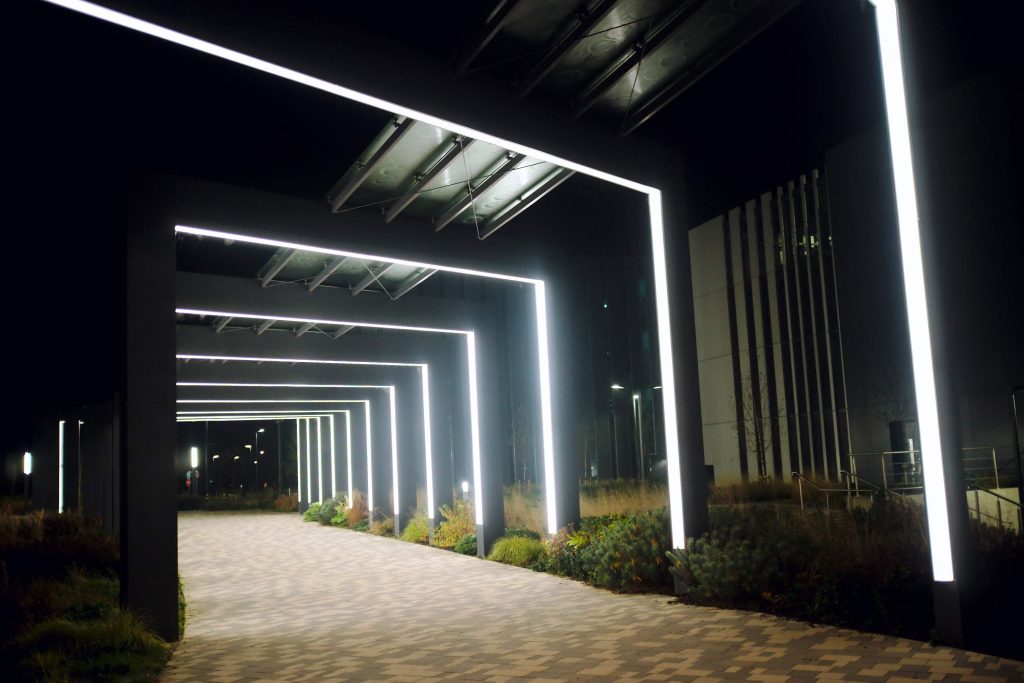
While all forms of artificial lighting may not induce these adverse effects, certain types like fluorescent and substandard LED variants have been implicated. From the incessant flickering to excessive brightness levels and long-term exposure, these characteristics influence our visual reception and cause undue strain on our brain, thereby triggering headaches.
Interestingly, though, as we observed in the case studies with landscape lighting scenarios, well-installed landscape strip lights are less likely to cause such distress. It seems that when integrated thoughtfully within an outdoor environment or vast indoor spaces where natural light predominantly rules the roost, they add aesthetic value without jeopardizing health.
Paving Future Paths: Recommendations for Further Research
This discourse on strip lights causing headaches does beg further research into this intriguing topic. There are many facets yet untapped and questions unexplored that future studies could delve deeper into.
The comparative effects of different types of strip lights on human health is one area that beckons comprehensive research. The impact dimensionality has on causing visual discomfort would also be worth investigating. Does a larger or smaller surface area being illuminated induce more strain? How do vertical versus horizontal installations factor in?
In-depth studies exploring these questions could provide insightful revelations. Additionally, research should also focus on beneficial countermeasures against such health issues caused by strip lights. Can specific materials or manufacturing techniques minimize harmful wavelengths emitted by these lights? Are there innovative designs or installation methods that can mitigate the adverse effects?
As it stands, our understanding of this topic is far from exhaustive. However, the canvas for exploration is vast and invites researchers to paint a more detailed picture of how strip lights interact with our vision and overall health.
Conclusion: Can Strip Lights Cause Headaches?
The relationship between strip lights and headaches is complex; while there is evidence pointing towards a correlation, it’s equally clear that not all strip lights are created equal. The journey ahead in this research landscape promises significant findings that could reshape our understanding and approach towards artificial lighting. With the right balance of innovation and insight, we might just be on the cusp of creating healthier, more efficient lighting solutions for a brighter future.
You may also be interested in the following posts: